
Author Archives: angelo@percorso.net

JibberJabber Logo tround transparent 2 1.png

Homeopathy To Cure Global Warming

Capture carbon engineering 300x147

I sometimes ask myself at the age of 92 why I have such a keen interest in the future? Electric cars, driverless cars, space travel, financial systems. energy innovation, artificial intelligence.

Because, come on, be realistic. As realistic as Warren Buffet, who, when asked by a young salesman to make an investment that would double in price in 12 months said – ‘Listen sonny, at my age I don’t even buy green bananas’.

But I can’t help it, and when I read in an energy newsletter that the future is carbon fuelled cars it has me excited.

Yes, carbon, one of the main villains of global warming could be the saviour. It reminds me of the homeopathic principle – (What causes – Cures) or ( Like cures Like)

Both President Trump and the book ‘Abundance’ are relaxed about the carbon CO2 threat because they either believe it’s cyclical or say technology will save the day – could they be right? – read on -.

Back in 2004, the film ‘The Day After Tomorrow’ depicted the end of the world, as we know it, through extreme changes in weather that plunge us into another Ice Age.

In the film the cause of these extremes in weather was global warming and while the science is wildly inaccurate, there has been something ominously truthful in its predictions.

This year in the UK alone, we had record heatwaves, forest fires and snow in March. In the US it’s been even more extreme – as shown by the tragic California wildfires.

In order to prevent further warming, drastic changes need to happen, with the UN stating the world will require a transformation in society that is “unprecedented in scale”.

Even with an apocalyptic warning, such as the fire in Paradise, California, people still hope global warming is a weather pattern that will pass.

For most people the resistance to global warming is less an objection of the science, and more an objection to the lifestyle changes needed if they accept it as true.

As cited above, the transformation in society would be unprecedented, it would affect all walks of life, and people are resistant to change.

They are rejecting the solution to climate change because it does not offer any choice.

The automotive industry is a prime example; the only viable solution offered up is electric vehicles. But, for people who already own combustion cars the move to expensive electric vehicles is not an easy option.

Some bought themselves a diesel car to get cheaper tax. Now they are being told that was the wrong decision. Diesel is worse, and they must purchase an electric vehicle. Unsurprisingly, they are frustrated by the prospect.

Moreover, despite their benefits to the climate, electric vehicles are not without flaws. The infrastructure for electric vehicles, for example, is expensive. It’s currently costing the tax payers £400 million for a charging network.

Yes, electric vehicles will play a crucial role in the development of our society. They are inherently a good thing. They create cleaner, less polluted environments, they are on the whole carbon neutral and it is a step away from fossil fuel reliance.

But what about offering a choice? Giving people an option to be climate change aware without a dependence on electric vehicles.

There is a company out in Squamish, Canada, that offers this option. It is called Carbon Engineering and it is using carbon to create fuel. What is so clever about its approach to climate change is that it has succeeded in making the problem part of the solution. Remember – The Homeopathic Principle!

By using its DAC (direct air capture technology) Carbon Engineering sucks air out of the atmosphere and refines it, removing the carbon. It then combines the carbon with hydrogen and water to create a fuel that is chemically identical to the fuel used by vehicles today.

Not only is it chemically identical but it is high performance, it burns clean and it is carbon neutral. What this means is it has created a fuel that is great for your car (better than the petrol or diesel we use today), it is less pollutant – making our air cleaner – and it doesn’t contribute to global warming.

For most people, going “green”, is difficult because it results in changes to everyday life and takes away the things they enjoy.With this technology, they don’t have to do that (at least from the automotive sense). They have the choice either to go electric or to carry on as they are.

As with everything, Carbon Engineering does have its drawbacks. Unfortunately, it has similar pitfalls to electric vehicles. The plants use a lot of energy to operate and if this energy is not supplied by a renewable source then, like charging your vehicle that gets its electricity from the oil-powered plant, it is no longer a completely emissions-free endeavour.

However, this is not a finished project, it is still a private company looking for investors and if you compare it to other carbon capture companies such as the European company Climeworks, which is using CO2 to boost plants photosynthesis, its running costs last year was $600 per tonne of CO2.

Carbon Engineering has not only developed a fuel that is carbon neutral but it goes one step further. It actively removes carbon from the air. Using the same DAC technology, which refines carbon for fuel, it can remove the carbon and store it underground.

Therefore, when using the carbon neutral fuel that Carbon Engineering produces, plus the safe removal and storage of carbon underground, one can contribute negative emissions.

What this means is that while driving, you could be actively contributing to the removal of CO2 from the atmosphere, rather than its production.

Unfortunately, the company is still private, but its potential is massive. Its current investors include Bill Gates, so you can be sure that it will be making headlines in the future.
Acknowledged – Extracts from ‘The Exponential Investor’-DONOVAN MATTHEWS.

Comment
[-]kenny-crane (64)
The idea of taking carbon out of the air and using it for fuel is fascinating and it could really solve some problems if it works. I had not heard about this so thanks for letting me know!

[-]ijavee (59) · last month
Hi Kenny.Thank you.My enthusiasm for new breakthrough energy discoveries is being tempered somewhat by nothing being heard of these great sounding ideas afterwards.

Off the top of my head I think I’ve written about half a dozen posts on Steemit relating to energy breakthroughs.I.E. -June 6th 2018.’Infinite Energy within our Grasp’- October 29th 2018 -‘Energy Revolution Close’says Eoin Tracy.

Again from memory, because I’m too lazy to look up my articles this Sunday morning,the breakthroughs have involved magnets,fusion,home nuclear reactors,super batteries storing solar source energy,etc. Usually the initiatives have Bill Gates as an investor which adds credibility.

The doubts arise because nothing seems to be heard of afterwards.I receive Bill Gates newsletter,but I cannot recall any mention of energy inventions. You would think that when governments are proposing to invest millions in nuclear power plants,someone would query the neeed if there are so many new technologies near to success?

Did anyone at the recent climate change conference in Katowice,Poland,where 200 countries were represented, mention new technology?.Aparently not,and I believe Bill Gates attended.
EU ‘may legalise human harm from pesticides’

Regulations that disallow human exposure to pesticides that are classified as mutagenic, carcinogenic, reprotoxic (toxic for reproduction), persistent or capable of disrupting endocrine systems within the European Union are under threat.

 These EU regulations are considered the gold standard in public protection by virtue of these and other protective measures.

But industry-linked experts and supporters of anti-regulation pressure groups have ‘taken control’ of the EU’s new Science Advice Mechanism (SAM) process. These experts have contributed to a report commissioned to reevaluate the EU’s authorisation of pesticides.

Public exposure

The report – called “EU authorisation processes of Plant Protection products“, and published in late 2018 – recommends dramatically weakening the EU regulatory system.

The adoption of many ideas previously proposed by the chemical industry is especially notable. For example, the EU currently deems the acceptable level of public exposure to mutagenic pesticides – those that damage DNA – to be zero. The new report recommends scrapping this standard of protection.

Vytenis Andriukaitis, the EU health commissioner, originally committed the new SAM report. Its purpose was to determine how to act in cases of so-called ‘diverging views’; that is, when media and interest groups get publicly involved.

The request follows a series of major controversies over EU regulatory decision-making. One such controversy was over the herbicide glyphosate (originally marketed by Monsanto as Roundup).

A “European Citizens Initiative” delivered more than a million signatures to the EU Commission asking for a ban on glyphosate. Several cities banned glyphosate. Even a dairy company banned the use of glyphosate by their farmers.

With this pressure from all over Europe, the EU Commission had difficulty reaching a decision since many EU member states -Bulgaria, Denmark, Czech Republic, Estonia, Ireland, Spain, Cyprus, Latvia, Lithuania, Hungary, the Netherlands, Poland, Romania, Slovakia, Finland and the UK -opposed a ban.

Ultimately, a very unusual five-year extension for glyphosate was agreed – but soon the discussion will start again.

Major controversies

Issues with neonicotinoids have also pushed the EU Commission into a corner. 

Neonicotinoid insecticides are linked by much research to bee colony collapse and, according to the International Union for the Conservation of Nature “represent a worldwide threat to biodiversity, ecosystems and ecosystem services”.

This again placed the EU Commission in the crossfire since many EU member states and their ministries of agriculture wished to keep neonicotionids on the market.

Waves of scientific publications and media attention about dying bees and empty beehives forced the EU Commission to finally ban them. Nevertheless, Poland, Romania, Hungary, and Lithuania still resist the ban by using derogations.

A third big controversy has been endocrine disruption. Public concern about hormone-mimicking chemicals forced politicians to address endocrine disruption concerns in the regulations and ban endocrine disrupting pesticides in 2009.

An enormous lobbying effort from industry, the US chamber of commerce, the EU Directorate General (DG) Enterprise, and EU DG Growth, tried to stop the implementation of the new rules, especially during the TTIP trade negotiations with the US. 

EU DG Environment was isolated and in the end DG SANTE (health) was willing to do the dirty work of undermining the rules. Again, waves of bad publicity from the public and scientists harmed the credibility of the EU Commission. This debate here is also far from over.

Stifling regulation 

The SAM report is important since it will soon be used by the EU Commission as an input for its REFIT programme to evaluate pesticide regulation. This is an event that the chemical industry sees as a major opportunity for a regulatory roll-back.

Some of the experts invited to help SAM and listed on the SAM website, however, are not independent.

Instead, they have strong links to the International Life Sciences Institute (ILSI). ILSI is a world wide network, a federation of non-profits funded by many industries, including the pesticide industry, and which provides expertise in regulatory issues.

ILSI global includes more than 400 company members and ILSI Europe includes 88. Among them are every pesticide multinational.

Sourcewatch writes of ILSI that: “The interests of food, pharmaceutical, tobacco, energy, and other industries have become even more entwined. They have learned to cooperate (rather than blaming each other for the cancer epidemic) and they now form coalitions to fight health and environmental regulations. 

“It is notable that they [ILSI members] generally employ the same lawyers, lobbyists and PR companies, and use essentially the same tactics.”

Behind the scenes

ILSI has negligible public profile, and claims not to be a lobby group, but is very active behind the scenes in obtaining seats for ILSI-associated scientists on regulatory panels.

These include the EU Food Safety Authority (EFSA) and international organisations like WHO, the World Health Organisation, the Food and Agriculture Organisation (FAO) of the UN, and the International Programme on Chemical Safety (IPCS ) of the WHO.

Experts generally do not seem to disclose their links to ILSI publicly and can therefore appear to be independent academic scientists.

A recent example of ILSI members successfully getting seats on an EFSA-panel concerned the risk assessment idea of a Threshold of Toxicological Concern (TTC).

This idea assumes chemicals are safe at low doses without (expensive) testing. It has been an important goal of the chemical industry to establish TTCs in European and other jurisdictions.

PAN Europe has analysed the process of developing guidelines for the TTC at the European Food safety Authority EFSA. We discovered that the chair of the EFSA working group was Sue Barlow, who worked for ILSI and the cigarette industry. She had volunteered to be chair of the EFSA working group. 

From this position Barlow installed an ILSI network in the EFSA working group. This working group then more-or-less copy-pasted the ILSI proposal, making it into an EFSA-opinion. 

Conflicted scientists 

ILSI has been imposing its ideas on many other current EU risk assessment methods too, intending to weaken protections for the public and ease access of pesticides to the market. 

A PAN Europe survey showed that out of 12 EU pesticide risk assessment methods analysed, eight were designed and promoted by ILSI. Industry is being allowed, under the radar, to “write its own rules”.

In the case of the SAM, a prime example of these conflicts is UK professor Alan Boobis who is listed on the SAM website as a contributor to the SAM report.

Boobis has been active in ILSI for decades and, until January 2018, was the chair of its Board of Trustees. Due to his conflicts of interest Boobis left the new expert panels convened by EFSA in 2012.

French professor Dominique Parent-Massin is mentioned alongside Boobis as working on the SAM report. Parent-Massin has previously worked with ILSI-member Aspartame companies including Coca-Cola and Ajinomoto – the world’s biggest Aspartame producer.

Also listed on the SAM website is Joergen Schlundt, former director of the Danish National Food Institute. Schlundt is also a former ILSI board member and is now part of several ILSI research programs.

All three are listed on the SAM website as contributors to the report, or as providers of evidence through another report written by a new network called Science Advice for Policy by European Academies (SAPEA), or being part of a ‘sounding board’ and fact-checking process. 

Pressure groups

Another expert used by the SAM is German professor Daniel Dietrich, editor-in-chief of the journal Chemico-Biological Interactions. 

He has been very vocal in trying to stop the regulation and banning of endocrine disrupting pesticides (in EU Regulation 1107/2009), along with a group of editors of journals of pharmacology and toxicology. 

Dietrich published editorials in several scientific journals that triggered highly critical responses from other scientists such as members of the ‘Endocrine Society‘.

Ties between the Dietrich group of authors and industry were exposed by Le Monde journalist Stephane Horel who found 17 out of the 18 experts of Dietrich group have past or current ties to industry. 

The Dietrich group has been prolific, publishing articles like ‘Endorcrine disruption: fact of urban legend?’ that disputes the health risks of endocrine disruption.

Anne Glover, an EU science advisor, found that toxicological thresholds below which chemicals are safe were unproven and probably unlikely – achieving a hard won consensus between opposing groups. But Dietrich and his group (along with Boobis) still claimed their opponents used ‘pseudoscience‘.

Dietrich also opposed the EU ban of bee-harming neonicotinoids: both Dietrich and Boobis criticised the IARC report on the genotoxicity of glyphosate.

Industry objectives

The EU has mechanisms to prevent conflicts of interest from derailing its scientific decisions. The SAM website currently presents Declarations of Interest (DoI) for its members – including for Boobis, Parent-Massin, Dietrich, and Schlundt.

The SAM website states that: “The Commission found that none of the interests declared constituted a conflict of interest.”

But one might wonder whether procedures to report conflicts of interest are even functioning. DoIs were not available online when the SAM-report was published in June 2018 and one was not signed until considerably after publication, in August 2018.

The efforts of ILSI have so far been effective. Several of its campaigning targets are included in an important “SAPEA evidence review report”. 

SAPEA (Science Advice for Policy by European Academies) is a new body set up by European science academies. Their report is intended to feed into the SAM report and featured many of the conflicted scientists above.

SAPEA’s report promotes many industry objectives, such as the use of historical control data. The great importance of this is that, since many potential historical controls exist, their use makes it easier to ascribe toxic effects observed in animal testing as being simply noise and therefore irrelevant.

Another industry goal is to promote inexpensive (in vitro) mode-of-action assessment in preference to expensive adverse outcome testing. A third goal is to drop the obligation for chronic mouse testing.

The aims of PAN Europe and the Endocrine Society, on the other hand, are

1) to recognise the reality of low dose effects which are currently not tested at all for pesticides;

2) the recognition that chemicals may cause non-linear toxicity responses over a wide range of doses. These are called non-monotonic dose-effect responses whereas regulators presently acknowledge only linear dose-response curves of toxicity and even dismiss effects entirely if they are not linear;

3) mandatory testing for endocrine disruption;

4) to dispute the current regulatory assumption that chemicals have safe thresholds.

All are missing from the SAPEA report.

Hazard approach

In a further blow to precaution, the SAM report proposes to change EU rules by exchanging the acceptable level of citizen protection from “do not have any harmful effects on humans” for an undefined level, to that of “acceptable risk”.

This is the change of regulation that would make human harm legal, since it would stop the EU’s much-detested-by-industry “hazard approach“, that aims to avoid any exposure of humans to classified pesticides.

SAM proposes that the EU should re-examine this “hazard approach”, which has been under attack by industry for many years; and so it seems that SAM might prove to be the instrument by which industry finally achieves successes for which they have campaigned so long.

The EU has shown itself sensitive to public pressure. What is now needed is for that pressure to be redoubled.

These Authors

Hans Muilerman is chemicals coordinator at Pesticide Action Network and is based in Brussels. Dr Jonathan Latham, a former genetic engineer, is executive director of the Bioscience Resource Project and editor of Independent Science News.

EU ‘may legalise human harm from pesticides’

Regulations that disallow human exposure to pesticides that are classified as mutagenic, carcinogenic, reprotoxic (toxic for reproduction), persistent or capable of disrupting endocrine systems within the European Union are under threat.

 These EU regulations are considered the gold standard in public protection by virtue of these and other protective measures.

But industry-linked experts and supporters of anti-regulation pressure groups have ‘taken control’ of the EU’s new Science Advice Mechanism (SAM) process. These experts have contributed to a report commissioned to reevaluate the EU’s authorisation of pesticides.

Public exposure

The report – called “EU authorisation processes of Plant Protection products“, and published in late 2018 – recommends dramatically weakening the EU regulatory system.

The adoption of many ideas previously proposed by the chemical industry is especially notable. For example, the EU currently deems the acceptable level of public exposure to mutagenic pesticides – those that damage DNA – to be zero. The new report recommends scrapping this standard of protection.

Vytenis Andriukaitis, the EU health commissioner, originally committed the new SAM report. Its purpose was to determine how to act in cases of so-called ‘diverging views’; that is, when media and interest groups get publicly involved.

The request follows a series of major controversies over EU regulatory decision-making. One such controversy was over the herbicide glyphosate (originally marketed by Monsanto as Roundup).

A “European Citizens Initiative” delivered more than a million signatures to the EU Commission asking for a ban on glyphosate. Several cities banned glyphosate. Even a dairy company banned the use of glyphosate by their farmers.

With this pressure from all over Europe, the EU Commission had difficulty reaching a decision since many EU member states -Bulgaria, Denmark, Czech Republic, Estonia, Ireland, Spain, Cyprus, Latvia, Lithuania, Hungary, the Netherlands, Poland, Romania, Slovakia, Finland and the UK -opposed a ban.

Ultimately, a very unusual five-year extension for glyphosate was agreed – but soon the discussion will start again.

Major controversies

Issues with neonicotinoids have also pushed the EU Commission into a corner. 

Neonicotinoid insecticides are linked by much research to bee colony collapse and, according to the International Union for the Conservation of Nature “represent a worldwide threat to biodiversity, ecosystems and ecosystem services”.

This again placed the EU Commission in the crossfire since many EU member states and their ministries of agriculture wished to keep neonicotionids on the market.

Waves of scientific publications and media attention about dying bees and empty beehives forced the EU Commission to finally ban them. Nevertheless, Poland, Romania, Hungary, and Lithuania still resist the ban by using derogations.

A third big controversy has been endocrine disruption. Public concern about hormone-mimicking chemicals forced politicians to address endocrine disruption concerns in the regulations and ban endocrine disrupting pesticides in 2009.

An enormous lobbying effort from industry, the US chamber of commerce, the EU Directorate General (DG) Enterprise, and EU DG Growth, tried to stop the implementation of the new rules, especially during the TTIP trade negotiations with the US. 

EU DG Environment was isolated and in the end DG SANTE (health) was willing to do the dirty work of undermining the rules. Again, waves of bad publicity from the public and scientists harmed the credibility of the EU Commission. This debate here is also far from over.

Stifling regulation 

The SAM report is important since it will soon be used by the EU Commission as an input for its REFIT programme to evaluate pesticide regulation. This is an event that the chemical industry sees as a major opportunity for a regulatory roll-back.

Some of the experts invited to help SAM and listed on the SAM website, however, are not independent.

Instead, they have strong links to the International Life Sciences Institute (ILSI). ILSI is a world wide network, a federation of non-profits funded by many industries, including the pesticide industry, and which provides expertise in regulatory issues.

ILSI global includes more than 400 company members and ILSI Europe includes 88. Among them are every pesticide multinational.

Sourcewatch writes of ILSI that: “The interests of food, pharmaceutical, tobacco, energy, and other industries have become even more entwined. They have learned to cooperate (rather than blaming each other for the cancer epidemic) and they now form coalitions to fight health and environmental regulations. 

“It is notable that they [ILSI members] generally employ the same lawyers, lobbyists and PR companies, and use essentially the same tactics.”

Behind the scenes

ILSI has negligible public profile, and claims not to be a lobby group, but is very active behind the scenes in obtaining seats for ILSI-associated scientists on regulatory panels.

These include the EU Food Safety Authority (EFSA) and international organisations like WHO, the World Health Organisation, the Food and Agriculture Organisation (FAO) of the UN, and the International Programme on Chemical Safety (IPCS ) of the WHO.

Experts generally do not seem to disclose their links to ILSI publicly and can therefore appear to be independent academic scientists.

A recent example of ILSI members successfully getting seats on an EFSA-panel concerned the risk assessment idea of a Threshold of Toxicological Concern (TTC).

This idea assumes chemicals are safe at low doses without (expensive) testing. It has been an important goal of the chemical industry to establish TTCs in European and other jurisdictions.

PAN Europe has analysed the process of developing guidelines for the TTC at the European Food safety Authority EFSA. We discovered that the chair of the EFSA working group was Sue Barlow, who worked for ILSI and the cigarette industry. She had volunteered to be chair of the EFSA working group. 

From this position Barlow installed an ILSI network in the EFSA working group. This working group then more-or-less copy-pasted the ILSI proposal, making it into an EFSA-opinion. 

Conflicted scientists 

ILSI has been imposing its ideas on many other current EU risk assessment methods too, intending to weaken protections for the public and ease access of pesticides to the market. 

A PAN Europe survey showed that out of 12 EU pesticide risk assessment methods analysed, eight were designed and promoted by ILSI. Industry is being allowed, under the radar, to “write its own rules”.

In the case of the SAM, a prime example of these conflicts is UK professor Alan Boobis who is listed on the SAM website as a contributor to the SAM report.

Boobis has been active in ILSI for decades and, until January 2018, was the chair of its Board of Trustees. Due to his conflicts of interest Boobis left the new expert panels convened by EFSA in 2012.

French professor Dominique Parent-Massin is mentioned alongside Boobis as working on the SAM report. Parent-Massin has previously worked with ILSI-member Aspartame companies including Coca-Cola and Ajinomoto – the world’s biggest Aspartame producer.

Also listed on the SAM website is Joergen Schlundt, former director of the Danish National Food Institute. Schlundt is also a former ILSI board member and is now part of several ILSI research programs.

All three are listed on the SAM website as contributors to the report, or as providers of evidence through another report written by a new network called Science Advice for Policy by European Academies (SAPEA), or being part of a ‘sounding board’ and fact-checking process. 

Pressure groups

Another expert used by the SAM is German professor Daniel Dietrich, editor-in-chief of the journal Chemico-Biological Interactions. 

He has been very vocal in trying to stop the regulation and banning of endocrine disrupting pesticides (in EU Regulation 1107/2009), along with a group of editors of journals of pharmacology and toxicology. 

Dietrich published editorials in several scientific journals that triggered highly critical responses from other scientists such as members of the ‘Endocrine Society‘.

Ties between the Dietrich group of authors and industry were exposed by Le Monde journalist Stephane Horel who found 17 out of the 18 experts of Dietrich group have past or current ties to industry. 

The Dietrich group has been prolific, publishing articles like ‘Endorcrine disruption: fact of urban legend?’ that disputes the health risks of endocrine disruption.

Anne Glover, an EU science advisor, found that toxicological thresholds below which chemicals are safe were unproven and probably unlikely – achieving a hard won consensus between opposing groups. But Dietrich and his group (along with Boobis) still claimed their opponents used ‘pseudoscience‘.

Dietrich also opposed the EU ban of bee-harming neonicotinoids: both Dietrich and Boobis criticised the IARC report on the genotoxicity of glyphosate.

Industry objectives

The EU has mechanisms to prevent conflicts of interest from derailing its scientific decisions. The SAM website currently presents Declarations of Interest (DoI) for its members – including for Boobis, Parent-Massin, Dietrich, and Schlundt.

The SAM website states that: “The Commission found that none of the interests declared constituted a conflict of interest.”

But one might wonder whether procedures to report conflicts of interest are even functioning. DoIs were not available online when the SAM-report was published in June 2018 and one was not signed until considerably after publication, in August 2018.

The efforts of ILSI have so far been effective. Several of its campaigning targets are included in an important “SAPEA evidence review report”. 

SAPEA (Science Advice for Policy by European Academies) is a new body set up by European science academies. Their report is intended to feed into the SAM report and featured many of the conflicted scientists above.

SAPEA’s report promotes many industry objectives, such as the use of historical control data. The great importance of this is that, since many potential historical controls exist, their use makes it easier to ascribe toxic effects observed in animal testing as being simply noise and therefore irrelevant.

Another industry goal is to promote inexpensive (in vitro) mode-of-action assessment in preference to expensive adverse outcome testing. A third goal is to drop the obligation for chronic mouse testing.

The aims of PAN Europe and the Endocrine Society, on the other hand, are

1) to recognise the reality of low dose effects which are currently not tested at all for pesticides;

2) the recognition that chemicals may cause non-linear toxicity responses over a wide range of doses. These are called non-monotonic dose-effect responses whereas regulators presently acknowledge only linear dose-response curves of toxicity and even dismiss effects entirely if they are not linear;

3) mandatory testing for endocrine disruption;

4) to dispute the current regulatory assumption that chemicals have safe thresholds.

All are missing from the SAPEA report.

Hazard approach

In a further blow to precaution, the SAM report proposes to change EU rules by exchanging the acceptable level of citizen protection from “do not have any harmful effects on humans” for an undefined level, to that of “acceptable risk”.

This is the change of regulation that would make human harm legal, since it would stop the EU’s much-detested-by-industry “hazard approach“, that aims to avoid any exposure of humans to classified pesticides.

SAM proposes that the EU should re-examine this “hazard approach”, which has been under attack by industry for many years; and so it seems that SAM might prove to be the instrument by which industry finally achieves successes for which they have campaigned so long.

The EU has shown itself sensitive to public pressure. What is now needed is for that pressure to be redoubled.

These Authors

Hans Muilerman is chemicals coordinator at Pesticide Action Network and is based in Brussels. Dr Jonathan Latham, a former genetic engineer, is executive director of the Bioscience Resource Project and editor of Independent Science News.

EU ‘may legalise human harm from pesticides’

Regulations that disallow human exposure to pesticides that are classified as mutagenic, carcinogenic, reprotoxic (toxic for reproduction), persistent or capable of disrupting endocrine systems within the European Union are under threat.

 These EU regulations are considered the gold standard in public protection by virtue of these and other protective measures.

But industry-linked experts and supporters of anti-regulation pressure groups have ‘taken control’ of the EU’s new Science Advice Mechanism (SAM) process. These experts have contributed to a report commissioned to reevaluate the EU’s authorisation of pesticides.

Public exposure

The report – called “EU authorisation processes of Plant Protection products“, and published in late 2018 – recommends dramatically weakening the EU regulatory system.

The adoption of many ideas previously proposed by the chemical industry is especially notable. For example, the EU currently deems the acceptable level of public exposure to mutagenic pesticides – those that damage DNA – to be zero. The new report recommends scrapping this standard of protection.

Vytenis Andriukaitis, the EU health commissioner, originally committed the new SAM report. Its purpose was to determine how to act in cases of so-called ‘diverging views’; that is, when media and interest groups get publicly involved.

The request follows a series of major controversies over EU regulatory decision-making. One such controversy was over the herbicide glyphosate (originally marketed by Monsanto as Roundup).

A “European Citizens Initiative” delivered more than a million signatures to the EU Commission asking for a ban on glyphosate. Several cities banned glyphosate. Even a dairy company banned the use of glyphosate by their farmers.

With this pressure from all over Europe, the EU Commission had difficulty reaching a decision since many EU member states -Bulgaria, Denmark, Czech Republic, Estonia, Ireland, Spain, Cyprus, Latvia, Lithuania, Hungary, the Netherlands, Poland, Romania, Slovakia, Finland and the UK -opposed a ban.

Ultimately, a very unusual five-year extension for glyphosate was agreed – but soon the discussion will start again.

Major controversies

Issues with neonicotinoids have also pushed the EU Commission into a corner. 

Neonicotinoid insecticides are linked by much research to bee colony collapse and, according to the International Union for the Conservation of Nature “represent a worldwide threat to biodiversity, ecosystems and ecosystem services”.

This again placed the EU Commission in the crossfire since many EU member states and their ministries of agriculture wished to keep neonicotionids on the market.

Waves of scientific publications and media attention about dying bees and empty beehives forced the EU Commission to finally ban them. Nevertheless, Poland, Romania, Hungary, and Lithuania still resist the ban by using derogations.

A third big controversy has been endocrine disruption. Public concern about hormone-mimicking chemicals forced politicians to address endocrine disruption concerns in the regulations and ban endocrine disrupting pesticides in 2009.

An enormous lobbying effort from industry, the US chamber of commerce, the EU Directorate General (DG) Enterprise, and EU DG Growth, tried to stop the implementation of the new rules, especially during the TTIP trade negotiations with the US. 

EU DG Environment was isolated and in the end DG SANTE (health) was willing to do the dirty work of undermining the rules. Again, waves of bad publicity from the public and scientists harmed the credibility of the EU Commission. This debate here is also far from over.

Stifling regulation 

The SAM report is important since it will soon be used by the EU Commission as an input for its REFIT programme to evaluate pesticide regulation. This is an event that the chemical industry sees as a major opportunity for a regulatory roll-back.

Some of the experts invited to help SAM and listed on the SAM website, however, are not independent.

Instead, they have strong links to the International Life Sciences Institute (ILSI). ILSI is a world wide network, a federation of non-profits funded by many industries, including the pesticide industry, and which provides expertise in regulatory issues.

ILSI global includes more than 400 company members and ILSI Europe includes 88. Among them are every pesticide multinational.

Sourcewatch writes of ILSI that: “The interests of food, pharmaceutical, tobacco, energy, and other industries have become even more entwined. They have learned to cooperate (rather than blaming each other for the cancer epidemic) and they now form coalitions to fight health and environmental regulations. 

“It is notable that they [ILSI members] generally employ the same lawyers, lobbyists and PR companies, and use essentially the same tactics.”

Behind the scenes

ILSI has negligible public profile, and claims not to be a lobby group, but is very active behind the scenes in obtaining seats for ILSI-associated scientists on regulatory panels.

These include the EU Food Safety Authority (EFSA) and international organisations like WHO, the World Health Organisation, the Food and Agriculture Organisation (FAO) of the UN, and the International Programme on Chemical Safety (IPCS ) of the WHO.

Experts generally do not seem to disclose their links to ILSI publicly and can therefore appear to be independent academic scientists.

A recent example of ILSI members successfully getting seats on an EFSA-panel concerned the risk assessment idea of a Threshold of Toxicological Concern (TTC).

This idea assumes chemicals are safe at low doses without (expensive) testing. It has been an important goal of the chemical industry to establish TTCs in European and other jurisdictions.

PAN Europe has analysed the process of developing guidelines for the TTC at the European Food safety Authority EFSA. We discovered that the chair of the EFSA working group was Sue Barlow, who worked for ILSI and the cigarette industry. She had volunteered to be chair of the EFSA working group. 

From this position Barlow installed an ILSI network in the EFSA working group. This working group then more-or-less copy-pasted the ILSI proposal, making it into an EFSA-opinion. 

Conflicted scientists 

ILSI has been imposing its ideas on many other current EU risk assessment methods too, intending to weaken protections for the public and ease access of pesticides to the market. 

A PAN Europe survey showed that out of 12 EU pesticide risk assessment methods analysed, eight were designed and promoted by ILSI. Industry is being allowed, under the radar, to “write its own rules”.

In the case of the SAM, a prime example of these conflicts is UK professor Alan Boobis who is listed on the SAM website as a contributor to the SAM report.

Boobis has been active in ILSI for decades and, until January 2018, was the chair of its Board of Trustees. Due to his conflicts of interest Boobis left the new expert panels convened by EFSA in 2012.

French professor Dominique Parent-Massin is mentioned alongside Boobis as working on the SAM report. Parent-Massin has previously worked with ILSI-member Aspartame companies including Coca-Cola and Ajinomoto – the world’s biggest Aspartame producer.

Also listed on the SAM website is Joergen Schlundt, former director of the Danish National Food Institute. Schlundt is also a former ILSI board member and is now part of several ILSI research programs.

All three are listed on the SAM website as contributors to the report, or as providers of evidence through another report written by a new network called Science Advice for Policy by European Academies (SAPEA), or being part of a ‘sounding board’ and fact-checking process. 

Pressure groups

Another expert used by the SAM is German professor Daniel Dietrich, editor-in-chief of the journal Chemico-Biological Interactions. 

He has been very vocal in trying to stop the regulation and banning of endocrine disrupting pesticides (in EU Regulation 1107/2009), along with a group of editors of journals of pharmacology and toxicology. 

Dietrich published editorials in several scientific journals that triggered highly critical responses from other scientists such as members of the ‘Endocrine Society‘.

Ties between the Dietrich group of authors and industry were exposed by Le Monde journalist Stephane Horel who found 17 out of the 18 experts of Dietrich group have past or current ties to industry. 

The Dietrich group has been prolific, publishing articles like ‘Endorcrine disruption: fact of urban legend?’ that disputes the health risks of endocrine disruption.

Anne Glover, an EU science advisor, found that toxicological thresholds below which chemicals are safe were unproven and probably unlikely – achieving a hard won consensus between opposing groups. But Dietrich and his group (along with Boobis) still claimed their opponents used ‘pseudoscience‘.

Dietrich also opposed the EU ban of bee-harming neonicotinoids: both Dietrich and Boobis criticised the IARC report on the genotoxicity of glyphosate.

Industry objectives

The EU has mechanisms to prevent conflicts of interest from derailing its scientific decisions. The SAM website currently presents Declarations of Interest (DoI) for its members – including for Boobis, Parent-Massin, Dietrich, and Schlundt.

The SAM website states that: “The Commission found that none of the interests declared constituted a conflict of interest.”

But one might wonder whether procedures to report conflicts of interest are even functioning. DoIs were not available online when the SAM-report was published in June 2018 and one was not signed until considerably after publication, in August 2018.

The efforts of ILSI have so far been effective. Several of its campaigning targets are included in an important “SAPEA evidence review report”. 

SAPEA (Science Advice for Policy by European Academies) is a new body set up by European science academies. Their report is intended to feed into the SAM report and featured many of the conflicted scientists above.

SAPEA’s report promotes many industry objectives, such as the use of historical control data. The great importance of this is that, since many potential historical controls exist, their use makes it easier to ascribe toxic effects observed in animal testing as being simply noise and therefore irrelevant.

Another industry goal is to promote inexpensive (in vitro) mode-of-action assessment in preference to expensive adverse outcome testing. A third goal is to drop the obligation for chronic mouse testing.

The aims of PAN Europe and the Endocrine Society, on the other hand, are

1) to recognise the reality of low dose effects which are currently not tested at all for pesticides;

2) the recognition that chemicals may cause non-linear toxicity responses over a wide range of doses. These are called non-monotonic dose-effect responses whereas regulators presently acknowledge only linear dose-response curves of toxicity and even dismiss effects entirely if they are not linear;

3) mandatory testing for endocrine disruption;

4) to dispute the current regulatory assumption that chemicals have safe thresholds.

All are missing from the SAPEA report.

Hazard approach

In a further blow to precaution, the SAM report proposes to change EU rules by exchanging the acceptable level of citizen protection from “do not have any harmful effects on humans” for an undefined level, to that of “acceptable risk”.

This is the change of regulation that would make human harm legal, since it would stop the EU’s much-detested-by-industry “hazard approach“, that aims to avoid any exposure of humans to classified pesticides.

SAM proposes that the EU should re-examine this “hazard approach”, which has been under attack by industry for many years; and so it seems that SAM might prove to be the instrument by which industry finally achieves successes for which they have campaigned so long.

The EU has shown itself sensitive to public pressure. What is now needed is for that pressure to be redoubled.

These Authors

Hans Muilerman is chemicals coordinator at Pesticide Action Network and is based in Brussels. Dr Jonathan Latham, a former genetic engineer, is executive director of the Bioscience Resource Project and editor of Independent Science News.

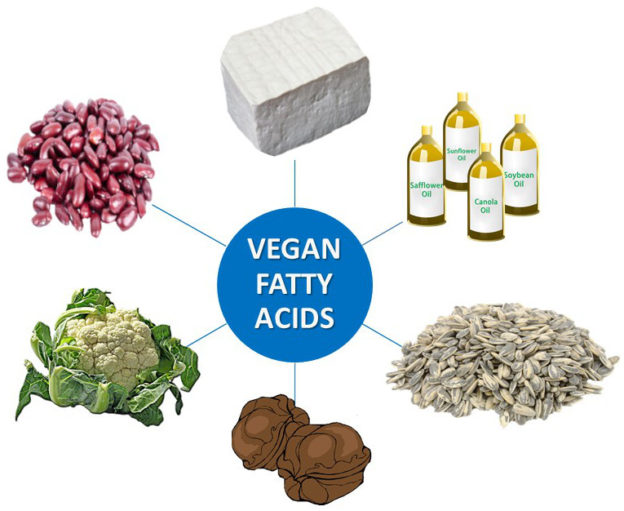
vegan fatty acids 1.jpg

The Healthy Vegan Lifestyle

What is a Vegan?

Generally vegans are vegetarians with some minor differences.

Vegans, do not eat meat, fish, poultry and eggs.  They also do not use products that are made from animals or were tested on animals such as cosmetics and drugs. Some people choose a vegan lifestyle for several health reasons but the main issue here is:

Is a vegan lifestyle healthy?

Good Planning

With good planning, a vegan lifestyle is normally healthier than the standard diet meals. In fact, some Banner 5 previewcountries that have the usual American Diet have increased the occurrences of heart attacks, cancer and hypertension among their people.

For example, in a 1996 report of the American Dietetic Association, vegan and vegetarian diets greatly reduced the risk of acquiring:

  • heart diseases
  • osteoporosis
  • kidney trouble
  • hypertension
  • obesity
  • most kinds of cancer such as in colon and lungs

Advertisement promoting the food industry has resulted in the common belief that we need protein that only animal products can provide. However, we can also acquire protein from certain plant foods such as legumes, Soya products and nuts. Whole grains and fruits are also rich in protein. We are required to eat various kinds of protein foods every day to maintain a balance in our body.

Fruits, vegetables, whole grains and beans are very low in fat and contain no cholesterol at all. These foods are also rich in fiber and nutrients. Vegans usually get all proteins that our body needs from legumes such as beans and peanuts, grains such as corn and rice. Spinach, lima beans, broccoli and Soya milk are rich sources of calcium. Some vegetables and beans such as chickpeas, pinto beans and spinach are also iron rich and a high source of Vitamin B12.

Vegan Diet

A vegan diet is usually rewarding because of variety. A vegan usually has vegetables, a satiable amount of green salads, whole grain products, nuts, seeds and legumes. However, diabetic patients who are in a vegan lifestyle should not eat fruits because fructose or fruit sugar can also increase our blood sugar in a way. Once accustomed in the vegan diet, some people had also decreased weight. They also had more energy and finer skin complexion.

Is it hard to be a vegan? It can be if you are the only person in your family who wants to go through this lifestyle diet. It can also be hard to switch to a vegan lifestyle if you would immediately aim for high standards in the beginning of the regimen.

Some vegans have totally cut-out meat from the beginning but they can still enjoy their normal food diet by substituting foods. You can also have a vegetable burger, vegetarian pizza or bean burritos instead of using meat.

EU ‘may legalise human harm from pesticides’

Regulations that disallow human exposure to pesticides that are classified as mutagenic, carcinogenic, reprotoxic (toxic for reproduction), persistent or capable of disrupting endocrine systems within the European Union are under threat.

 These EU regulations are considered the gold standard in public protection by virtue of these and other protective measures.

But industry-linked experts and supporters of anti-regulation pressure groups have ‘taken control’ of the EU’s new Science Advice Mechanism (SAM) process. These experts have contributed to a report commissioned to reevaluate the EU’s authorisation of pesticides.

Public exposure

The report – called “EU authorisation processes of Plant Protection products“, and published in late 2018 – recommends dramatically weakening the EU regulatory system.

The adoption of many ideas previously proposed by the chemical industry is especially notable. For example, the EU currently deems the acceptable level of public exposure to mutagenic pesticides – those that damage DNA – to be zero. The new report recommends scrapping this standard of protection.

Vytenis Andriukaitis, the EU health commissioner, originally committed the new SAM report. Its purpose was to determine how to act in cases of so-called ‘diverging views’; that is, when media and interest groups get publicly involved.

The request follows a series of major controversies over EU regulatory decision-making. One such controversy was over the herbicide glyphosate (originally marketed by Monsanto as Roundup).

A “European Citizens Initiative” delivered more than a million signatures to the EU Commission asking for a ban on glyphosate. Several cities banned glyphosate. Even a dairy company banned the use of glyphosate by their farmers.

With this pressure from all over Europe, the EU Commission had difficulty reaching a decision since many EU member states -Bulgaria, Denmark, Czech Republic, Estonia, Ireland, Spain, Cyprus, Latvia, Lithuania, Hungary, the Netherlands, Poland, Romania, Slovakia, Finland and the UK -opposed a ban.

Ultimately, a very unusual five-year extension for glyphosate was agreed – but soon the discussion will start again.

Major controversies

Issues with neonicotinoids have also pushed the EU Commission into a corner. 

Neonicotinoid insecticides are linked by much research to bee colony collapse and, according to the International Union for the Conservation of Nature “represent a worldwide threat to biodiversity, ecosystems and ecosystem services”.

This again placed the EU Commission in the crossfire since many EU member states and their ministries of agriculture wished to keep neonicotionids on the market.

Waves of scientific publications and media attention about dying bees and empty beehives forced the EU Commission to finally ban them. Nevertheless, Poland, Romania, Hungary, and Lithuania still resist the ban by using derogations.

A third big controversy has been endocrine disruption. Public concern about hormone-mimicking chemicals forced politicians to address endocrine disruption concerns in the regulations and ban endocrine disrupting pesticides in 2009.

An enormous lobbying effort from industry, the US chamber of commerce, the EU Directorate General (DG) Enterprise, and EU DG Growth, tried to stop the implementation of the new rules, especially during the TTIP trade negotiations with the US. 

EU DG Environment was isolated and in the end DG SANTE (health) was willing to do the dirty work of undermining the rules. Again, waves of bad publicity from the public and scientists harmed the credibility of the EU Commission. This debate here is also far from over.

Stifling regulation 

The SAM report is important since it will soon be used by the EU Commission as an input for its REFIT programme to evaluate pesticide regulation. This is an event that the chemical industry sees as a major opportunity for a regulatory roll-back.

Some of the experts invited to help SAM and listed on the SAM website, however, are not independent.

Instead, they have strong links to the International Life Sciences Institute (ILSI). ILSI is a world wide network, a federation of non-profits funded by many industries, including the pesticide industry, and which provides expertise in regulatory issues.

ILSI global includes more than 400 company members and ILSI Europe includes 88. Among them are every pesticide multinational.

Sourcewatch writes of ILSI that: “The interests of food, pharmaceutical, tobacco, energy, and other industries have become even more entwined. They have learned to cooperate (rather than blaming each other for the cancer epidemic) and they now form coalitions to fight health and environmental regulations. 

“It is notable that they [ILSI members] generally employ the same lawyers, lobbyists and PR companies, and use essentially the same tactics.”

Behind the scenes

ILSI has negligible public profile, and claims not to be a lobby group, but is very active behind the scenes in obtaining seats for ILSI-associated scientists on regulatory panels.

These include the EU Food Safety Authority (EFSA) and international organisations like WHO, the World Health Organisation, the Food and Agriculture Organisation (FAO) of the UN, and the International Programme on Chemical Safety (IPCS ) of the WHO.

Experts generally do not seem to disclose their links to ILSI publicly and can therefore appear to be independent academic scientists.

A recent example of ILSI members successfully getting seats on an EFSA-panel concerned the risk assessment idea of a Threshold of Toxicological Concern (TTC).

This idea assumes chemicals are safe at low doses without (expensive) testing. It has been an important goal of the chemical industry to establish TTCs in European and other jurisdictions.

PAN Europe has analysed the process of developing guidelines for the TTC at the European Food safety Authority EFSA. We discovered that the chair of the EFSA working group was Sue Barlow, who worked for ILSI and the cigarette industry. She had volunteered to be chair of the EFSA working group. 

From this position Barlow installed an ILSI network in the EFSA working group. This working group then more-or-less copy-pasted the ILSI proposal, making it into an EFSA-opinion. 

Conflicted scientists 

ILSI has been imposing its ideas on many other current EU risk assessment methods too, intending to weaken protections for the public and ease access of pesticides to the market. 

A PAN Europe survey showed that out of 12 EU pesticide risk assessment methods analysed, eight were designed and promoted by ILSI. Industry is being allowed, under the radar, to “write its own rules”.

In the case of the SAM, a prime example of these conflicts is UK professor Alan Boobis who is listed on the SAM website as a contributor to the SAM report.

Boobis has been active in ILSI for decades and, until January 2018, was the chair of its Board of Trustees. Due to his conflicts of interest Boobis left the new expert panels convened by EFSA in 2012.

French professor Dominique Parent-Massin is mentioned alongside Boobis as working on the SAM report. Parent-Massin has previously worked with ILSI-member Aspartame companies including Coca-Cola and Ajinomoto – the world’s biggest Aspartame producer.

Also listed on the SAM website is Joergen Schlundt, former director of the Danish National Food Institute. Schlundt is also a former ILSI board member and is now part of several ILSI research programs.

All three are listed on the SAM website as contributors to the report, or as providers of evidence through another report written by a new network called Science Advice for Policy by European Academies (SAPEA), or being part of a ‘sounding board’ and fact-checking process. 

Pressure groups

Another expert used by the SAM is German professor Daniel Dietrich, editor-in-chief of the journal Chemico-Biological Interactions. 

He has been very vocal in trying to stop the regulation and banning of endocrine disrupting pesticides (in EU Regulation 1107/2009), along with a group of editors of journals of pharmacology and toxicology. 

Dietrich published editorials in several scientific journals that triggered highly critical responses from other scientists such as members of the ‘Endocrine Society‘.

Ties between the Dietrich group of authors and industry were exposed by Le Monde journalist Stephane Horel who found 17 out of the 18 experts of Dietrich group have past or current ties to industry. 

The Dietrich group has been prolific, publishing articles like ‘Endorcrine disruption: fact of urban legend?’ that disputes the health risks of endocrine disruption.

Anne Glover, an EU science advisor, found that toxicological thresholds below which chemicals are safe were unproven and probably unlikely – achieving a hard won consensus between opposing groups. But Dietrich and his group (along with Boobis) still claimed their opponents used ‘pseudoscience‘.

Dietrich also opposed the EU ban of bee-harming neonicotinoids: both Dietrich and Boobis criticised the IARC report on the genotoxicity of glyphosate.

Industry objectives

The EU has mechanisms to prevent conflicts of interest from derailing its scientific decisions. The SAM website currently presents Declarations of Interest (DoI) for its members – including for Boobis, Parent-Massin, Dietrich, and Schlundt.

The SAM website states that: “The Commission found that none of the interests declared constituted a conflict of interest.”

But one might wonder whether procedures to report conflicts of interest are even functioning. DoIs were not available online when the SAM-report was published in June 2018 and one was not signed until considerably after publication, in August 2018.

The efforts of ILSI have so far been effective. Several of its campaigning targets are included in an important “SAPEA evidence review report”. 

SAPEA (Science Advice for Policy by European Academies) is a new body set up by European science academies. Their report is intended to feed into the SAM report and featured many of the conflicted scientists above.

SAPEA’s report promotes many industry objectives, such as the use of historical control data. The great importance of this is that, since many potential historical controls exist, their use makes it easier to ascribe toxic effects observed in animal testing as being simply noise and therefore irrelevant.

Another industry goal is to promote inexpensive (in vitro) mode-of-action assessment in preference to expensive adverse outcome testing. A third goal is to drop the obligation for chronic mouse testing.

The aims of PAN Europe and the Endocrine Society, on the other hand, are

1) to recognise the reality of low dose effects which are currently not tested at all for pesticides;

2) the recognition that chemicals may cause non-linear toxicity responses over a wide range of doses. These are called non-monotonic dose-effect responses whereas regulators presently acknowledge only linear dose-response curves of toxicity and even dismiss effects entirely if they are not linear;

3) mandatory testing for endocrine disruption;

4) to dispute the current regulatory assumption that chemicals have safe thresholds.

All are missing from the SAPEA report.

Hazard approach

In a further blow to precaution, the SAM report proposes to change EU rules by exchanging the acceptable level of citizen protection from “do not have any harmful effects on humans” for an undefined level, to that of “acceptable risk”.

This is the change of regulation that would make human harm legal, since it would stop the EU’s much-detested-by-industry “hazard approach“, that aims to avoid any exposure of humans to classified pesticides.

SAM proposes that the EU should re-examine this “hazard approach”, which has been under attack by industry for many years; and so it seems that SAM might prove to be the instrument by which industry finally achieves successes for which they have campaigned so long.

The EU has shown itself sensitive to public pressure. What is now needed is for that pressure to be redoubled.

These Authors

Hans Muilerman is chemicals coordinator at Pesticide Action Network and is based in Brussels. Dr Jonathan Latham, a former genetic engineer, is executive director of the Bioscience Resource Project and editor of Independent Science News.

Third national school climate strike

Students are expected to once again join nationwide protests as part of an international youth campaign demanding action on climate change.

Organisers behind the Youth Strike 4 Climate movement said “sizeable events” are due to take place in major towns and cities including London, Sheffield, Leeds, Manchester and Brighton. Demonstrators will take to the streets for the third mass walkout in as many months.

Protests earlier this year have seen police intervening as roads came to a standstill, activists scaled traffic lights and statues, and some sat in front of double-decker buses.

Championing

Those going on strike said they are demanding that the Government declares a state of climate emergency, and reforms the curriculum “to address climate change as an educational priority”.

They are also campaigning for the voices of young people to be considered when it comes to policy-making and for the voting age to be lowered to 16.

The strikes come in the wake of a UN report which warned that limiting global temperature rises to 1.5C above pre-industrial levels, beyond which climate impacts become increasingly severe, requires unprecedented action.

That includes cutting global carbon dioxide emissions by almost half within 12 years.

Environment Secretary Michael Gove has previously spoken of his support for strikes, saying: “Collective action of the kind you’re championing can make a difference, and a profound one.”

This Article

This article was written by a Press Association reporter.

Green shoots from growing movements

We don’t need to tell you that something has been bubbling up over the last three months. Rather than under the surface, this energy has burst to the fore with vigour unseen in recent times.

Their youthful outlook, limitless and interconnected world – unlocked by technology and the organising potential of social media – makes for a fresh approach and a movement that’s not only diverse, but borderless and frenetic.

Across the UK – and spanning the globe – the youth movement leading the call for climate justice has emerged as one of the most powerful social and political forces in recent memory, leaving many behind in its wake.

Absences

Given the rapid frequency of mobilisations, strides away from traditional organising, combined with fast-paced decision-making that catches most off-guard, you wouldn’t be expected to know what’s coming next.

Such is the pace and unbounded thinking, the actions these young people take are often spontaneous and powerful. One moment we see primary school children walking across a London bridge chanting together as one, the next thousands are tearing down Whitehall, peacefully blocking roads in Newcastle, or grilling councillors on their climate action plans in an open forum in Truro.

One of the most exciting parts of this movement is how decentralised it is. At the last nationwide mobilisation more than 150 strike locations were registered from Devon to the Highlands.

Many of those organising in their communities managed to persuade whole schools to allow young people to leave their lessons and protest for the climate.

Some risked detentions, unauthorised absences and some received harsh treatment from their schools.

Despite these threats, many have said that they see taking action as a necessary part of their education, something which teaches them about working together, forming a collective and committing to a cause which will define their future.

Leadership

And this is where they demonstrate true moral leadership. They are able to articulate the impacts of climate change not just on themselves but on countries at the frontlines of the climate crisis.

They challenge isolationism, communicating regularly with youth strikers all over the world, supporting other countries and showing solidarity to those where protesting and taking action is even more risky.

Ideas of climate justice, equality, better education and economic change are at the forefront of some of the UK Student Climate Network’s demands which is refreshing and exciting.

These are demands which are even managing to cut through the noise from Brexit in order to force the country and its leaders to take the climate crisis more seriously.

Whilst they have made clear that they are deeply political, they have also stated that they are not party political. They want all parties to commit to treat climate change like the emergency that it is and respond accordingly.

As Greta Thunberg herself said: “I want you to panic.” 

Deep vision

While in the past climate change campaigning has perhaps tried to use less challenging language, they are speaking plainly, and are forcing politicians to meet them on their terms.

Now they have had all party leaders apart from Theresa May offering to meet with them, whilst the Conservative Environment Network released a special video with Michael Gove and Claire Perry praising their efforts.

In forcing Cabinet ministers to respond so quickly they have again pushed the climate debate into a new dimension.

Of course, Greta Thunberg has inspired huge numbers by her solo school strike since last summer.

Many have also been closely following and inspired by the Sunrise movement in the United States, so it is no surprise that this movement is calling for a broad and deep vision of the future by demanding a Green New Deal for the UK too.

Labour

Young people have the imagination and moral clarity to know that it is possible to both tackle the climate crisis and create a fairer world, addressing the root causes of the issue at hand, our current economic system.

Such transformative change here in the UK would be guided by five principles. Perhaps more pertinently, climate and social justice minimum standards.

These principles encapsulate the urgency of the climate crisis, and the scale at which it must be addressed.

Policy would be implemented to ensure rapid decarbonisation of the UK economy at the same time as the creation of millions of well paid, secure and meaningful jobs as part of a just transition for those in high emissions sectors.

This is not only vital for those that will be affected, but will be a defining part of any deal to gain the support of the organised labour movement. It’s not a case of environment or jobs, it’s a symbiosis of the two.

Luxury

Where a Green New Deal differs from mainstream and often market-based solutions to the climate crisis is that it combines social and economic justice alongside environmental protection.

It will be based upon a massive reduction in social and economic inequality, targeting investment in communities that have already suffered from current and historic oppression and economic deprivation.

Moving away from market-based solutions and technological fixes is a recognition of the need for protection and restoration of vital habitats and carbon sinks.

In creating a more equitable and just world, the protection of nature in this way would ensure provision of green spaces, clean air, water and a healthy environment for all; a far cry from the current unequal access in our current system that treats the above as a luxury or commodity, rather than a right.

Galvanizing

Additionally, a Green New Deal would build and create a resilient society that’s prepared for the inevitable effects of unavoidable climate change, protecting the most vulnerable in our communities, those that have too long been routinely structurally oppressed.

If designed and implemented properly – by the people, for the people – a Green New Deal has the potential to be a galvanizing idea that truly inspires people to organise together at the scale required to create a better world.

So what is next for this emergent political and moral force to be reckoned with? What is clear is that they are not going away. They have ambition to keep using creative and surprising tactics to push leaders further.

As they begin to organise and put structures in place to support the thousands of young people who want to take action, it will be up to the rest of the environmental justice movement to support them every step of the way with our networks and voices.

What we have seen over the last few months builds on the work done by movements before it and takes it to the next level. It should not be taken for granted. The opportunity to push for real and lasting political and systemic change is right here.

This movement are proving themselves to be resilient, focused and with a solid strategy which will push their radical demands for a better, fairer future into the centre of mainstream politics. And we can’t wait to watch them do it.

The Authors

Hannah Martin is a climate activist organising in support of YouthStrike4Climate and a Green New Deal and tweets at @Hannah_RM. Jake Woodier is a climate campaigner organising with the UK Student Climate Network and tweets at @JakeWoodier.

Congress takes on Modi with green promises

India’s main opposition party has released its greenest manifesto to date, in a bid to unseat nationalist prime minister Narendra Modi.

In a 55-page manifesto published last week, Congress vowed to take on the country’s air pollution and ramp up its defences against natural disasters. It promised to empower campaign groups and communities, including forest dwellers facing eviction under the current administration.

India is set to hold elections in phases from 11 April to 19 May and count the votes on 23 May. Opinion polls predict a slim parliamentary majority for Modi’s Bharatiya Janata Party (BJP), which has put national security at the heart of its campaign.

Polluted

Congress, led by Rahul Gandhi, said it “recognises that air pollution is a national health emergency”. The party committed to “significantly strengthen the National Clean Air Programme” and impose emissions standards across industrial sectors, although these were not quantified.

According to Greenpeace, choking smog kills 2 million Indians every year and costs the economy an estimated 3% of GDP.

Environmental activists and analysts welcomed the move. “The fact that air pollution is being treated as a national emergency sends a right signal in the sense that you are definitely acknowledging the problem,” Swati D’souza, energy policy analyst at think-tank Brookings India, told Climate Home News.

Pujarini Sen, a climate and energy analyst for Greenpeace, also cautiously greeted the manifesto. Indian political parties largely failed to deliver on their environmental promises of the 2014 election, according to one recent study.  But “for civil society, we now have a peg on which to hold them accountable,” Sen told CHN.

For its part, BJP promised to reduce pollution by at least 35% over five years in India’s 102 most polluted cities. Greenpeace said that ignored 139 other cities potentially breaching national air quality standards and urged both parties to make the National Clean Air Programme legally binding.

Renewable

It was perhaps on its relationship with civil society that Congress most distinguished itself from the BJP, Sen said. Where Modi’s regime has stripped thousands of NGOs of their licences and blocked them from receiving foreign funding, Congress described civil society as “a pillar of parliamentary democracy”.

The opposition showed solidarity with some 1.9 million forest-dwelling households threatened with eviction since the Supreme Court denied them land rights in February. Congress would “make local communities the custodians of forests and shareholders of forest resources,” the manifesto said.

The BJP manifesto does not mention evictions or the Forest Rights Act, which, according to recent media reports, the government is overhauling in a manner that could further curtail rights of the people.

On clean energy, BJP reiterated its target to install 175 gigawatts of renewable capacity by 2022, while Congress had an unquantified goal to increase the share of solar and wind power in the mix.

This Article

This Article first appeared on Climate Home News.

EU, China working together on clean energy

The EU and China affirmed a commitment to tackling climate change and promoting clean energy at a summit in Brussels this week.

The two superpowers reached a last-minute deal, including on areas of climate cooperation, after fraught talks on trade and market access.

While less detailed than a 2018 joint statement on climate change, it stressed: “The importance of showing resolve on the clean energy transition and of assuming greater leadership on the global environmental agenda.”

Target

Leaders said they would “reinforce their cooperation on green finance” and work towards a successful outcome at a climate summit to be hosted by the UN secretary general in September.

In a separate statement, energy chiefs called for boosting renewables, switching to lower carbon fuels and promoting energy efficiency. This covered smoothing trade in liquefied natural gas (LNG), but made no mention of coal.

Prior to the summit, a paper by the European Commission on the strategic outlook for the relationship called on China to strengthen its climate goals.

It highlighted China’s impact as the world’s largest greenhouse gas emitter and a major exporter of coal technology through its belt and road initiative.

Strategy

Brussels is urging China to peak its domestic emissions earlier than 2030, the target Beijing contributed to the 2015 Paris Agreement.

At the same time, UN chief Antonio Guterres is pushing leaders to bring plans, not speeches to his 23 September summit in New York. These should lead to a round of stronger national pledges by 2020, he has said.

Under the Paris pact, countries agreed to hold global warming to 2C, or 1.5C if possible. Yet national plans are collectively inadequate to meet that goal and the deal sets out a timetable for ratcheting up ambition.

Last month, China’s environment minister Li Ganjie said “we are updating our [national climate pledge] in accordance with the Paris Agreement and will communicate our [long-term climate strategy] on time by 2020”.

This Article

This Article first appeared on Climate Home News.