Tag Archives: health

How To Keep Your Mind Body Healthy Even When Youu2019re Too Busy.jpg

How To Keep Your Mind & Body Healthy Even When You’re Too Busy

Deadlines, rush hours, paper works, and projects – these are just some of the words that make us instantly feel tired and exhausted. One of the serious dilemmas that we are facing right now is the idea of being busy. We are just too preoccupied with what’s going on with our lives right now (career, family, social life, love life, etc.) that we tend to forget to relax – to tone down a bit and chill.

But no matter how busy we are, it’s also important to rest and ensure that both our mind and body are in perfect state. Here are three crucial things that you need to do to keep your mind and body healthy:

Exercise

You can always find a way do exercise routines even if you don’t have the luxury of time to hit the gym and workout. Notice that there are already plenty of apps that you can download in your phone promoting 5-minute or 15-minute workout routines. And not just that, there are also a lot more of things that you can do to keep yourself fit. Let’s take for example – instead of taking a cab for work, consider walking or riding a bike (especially your workplace is just a few blocks away). Instead of using the elevator, how about taking the stairs?

See? There’s no excuse for skipping exercises!

Sleep

A lot of us prefer using our remaining energy after work hitting the bar or partying all night. And while it’s nice to have fun while we’re still young, let’s make sure that we aren’t depriving our body of sleep. See to it that by 10 PM we are all set for bed. Our body needs 8 hours of sleep to be able to rejuvenate and cope up from whatever we did during the daytime. Dozing early helps our brain relax – so let’s not take sleeping for granted.

Read

It doesn’t even have to be a book or a novel and yes, it doesn’t have to be a 600-pages book. Reading short stories or even news clippings can help improve our vocabulary and keep our mind sharp and focused. It also keeps our imagination active and our perception of things on point.

Read stories during your lunchtime or even before retiring to bed. It doesn’t really require a lot of time.

Stay healthy! Take care of your body!

Top Sports Nutrition Tips.jpg

Benefits of Primary Care – Sports Medicine and Physical Therapy – Lifestyle Medicine

5 Benefits of Primary Care

In an increasingly complex medical world, having one doctor who knows your health history has become highly important.

Researchers at the journal Health Affairs found that patients who have a primary care provider benefit from better management of chronic diseases, lower overall health-care costs and a higher level of satisfaction with their care…

READ MORE


What is the Difference Between Sports Medicine and Physical Therapy?

Sports medicine and physical therapy are frequently confused for being the same thing. Understandably so since both focus on healing injuries of the muscles and bones. However, sports medicine and physical therapy have distinct differences. … A physical therapist does not need to attend medical school…

READ MORE


Physical Therapy: The Center for Massage Therapy Way

Whether you have sustained an injury on the job, strained a muscle working out, or simply fallen in your home, restoring your body to optimal performance is the goal of physical therapy. Physical therapy offers countless opportunities for you to pursue an active, healthy lifestyle. Neuromuscular massage therapy helps ensure that you do not miss out on these opportunities due to injury…

READ MORE


Schools Push Lifestyle Medicine to Boost Chronic-Disease Prevention

For all that medical students, residents and physicians learn or know about advances in pharmaceuticals, diagnostics and precision medicine that can improve patient outcomes, it is what happens in patients’ lives where they live, work and play that too often gets passed over—across the medical educational continuum. That is the case even though lifestyle choices can have the biggest impact on prevention and management of chronic diseases such as hypertension and diabetes…

READ MORE


Lifestyle Medicine: Treating the Causes of Disease

If doctors can eliminate some of our leading killers by treating the underlying causes of chronic disease better than nearly any other medical intervention, why don’t more doctors do it?

By treating the root causes of diseases with plants not pills, we can also avoid the adverse side effects of prescription drugs that kill more than 100,000 Americans every year, making them a leading cause of death…


How Does Smoking Damage Your Skin? – Marijuana and Your Skin

When someone mentions the toll smoking takes on your skin, what is the first thing that comes to mind? Most of us probably think of wrinkles, and with good reason. Some of the toxins in cigarette smoke damage collagen and elastin, which are fibrous components of skin that keep it firm and supple. This damage speeds up skin aging, making smokers more prone to wrinkles on their face and body…

READ MORE


Injury Prevention for Tennis Players – Shoulder Exercises

One of the main components of the RAW Tennis Performance Training Program is injury prevention. Tennis players are especially susceptible to shoulder injuries. One component of the AE shoulder pre-hab program is scapular stabilization exercises…

READ MORE


Dr. Hillel Harris

Dr. Hillel Harris treats patients in his office at Primary MD Care, located in Delray Beach, Florida. He provides thoughtful and intuitive primary healthcare in a comfortable, community setting. He aims to treat each patient with compassion and integrity. He utilizes the latest approaches to treating illness and managing chronic disease. He promotes an integrative approach towards wellness, using a combination of lifestyle modification and medications.

Dr. Harris promotes an active lifestyle through making wise food choices and promoting physical activity. His interest in sports science combined with the latest advancements in sports nutrition have led him to create MD Sports, which provides tailor-made programs for athletic performance, and for those seeking to become more physically fit…

CLICK HERE


Screen Shot 2019 01 23 at 11.04.46 AM 4.png

Rebuild Your Body’s Immune System

I believe this is phase 1 of 2019’s goals coming to fruition. It’s time for all the stars to align and all these dreams to come true for me and for you‼️

Big thank you to APCO for creating these products that have given me new life with my health. All business aside this is hands down the most efficacious health product I’ve ever used.

5 plant based ingredients without toxins and chemicals backed by a 41 year old publicly traded company.

Have you tried these products?

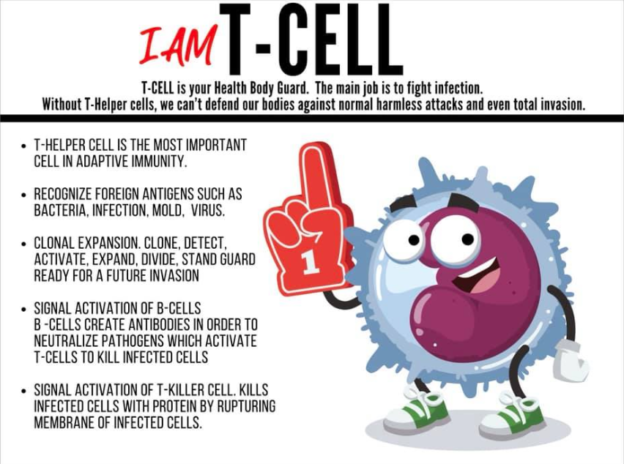
Here is what they do on a real basic level. We all have an immune system. This is our bodies main defense. White blood cells, T-cells and B-cells protect the body. These body guards holds off foreign invaders and pathogens.

The products either boost (increase) the T-Cells or they regulate if you have reactive white blood cells.

I’m not a doctor or a scientist so let me give you this in another way.

You are a King or a Queen and you live in a castle. Your immune system are the guards. The better trained and prepared the guards are the longer you stay in your control of your castle.
Let down your guard and havoc will invade. Once the castle is invaded it is much harder to defend. Keep the enemies out and live in peace.

I see these products as my guards and you can bet that this castle called my life and health is going to be protected.

Let’s build strong castles and help one another stay in control of our health.

These are the most affordable and well trading guards that you will find anywhere in the world.

Protect your castle click here to find out more!

https://healaffiliate.com/go2/HEAL2_1740

-A Friend who cares

Boost health, well-being and prosperity – not economic growth! Updated for 2026


Increases in gross domestic product (GDP) beyond a threshold of basic needs do not lead to further increases in well-being – this is widely supported by research. We also know that indefinite economic growth is impossible in a finite world.

Yet conventional economic growth driven by escalating material consumption remains a primary goal of government policy around the world.

If we want to see well-being and health improve, policies that promote a greener economy should be pursued. Redefining what we think of as prosperity, encouraging the consumption of green goods and services – and moving away from an emphasis on material consumption – could save governments money, as well as lead to better lives for its citizens.

GDP growth has brought with it substantial improvements on a number of fronts – from medical services to crime detection, better transport and housing and, increasingly, the adoption of renewable sources of energy.

This has helped average life expectancy to rise significantly and under-five mortality rates to fall. But well-being and life satisfaction seem to peak at low GDP, and do not increase as GDP grows.

As the graph shows (right), there is a sharp consumption cliff at low GDP, but after a threshold the affluent uplands bring no further increases in life satisfaction.

The growing costs of affluence

We wanted to understand why this is the case and work out how we can improve society’s health and well-being alongside GDP growth. Our findings were recently published in the International Journal of Environmental Health Research.

They show that material consumption brings with it unintended and costly side-effects. This means that growth that’s focused on improving health and well-being must be pursued, instead of just growth for its own sake.

The irony of increased GDP and living longer is that new health problems and associated costs have accompanied this. We have calculated the costs to health care systems and the economy that arise from modern lifestyles in the UK. (see table, right)

The direct cost of mental ill-health, dementias, obesity, physical inactivity, diabetes, loneliness and cardio-vascular disease (including strokes) is £60 billion each year. The full cost to the whole economy is approximately £180 billion annually (18.6% of GDP). The revenue expenditure of the 248 NHS Trusts in 2011-12 was £102 billion.

Clearly there are huge health savings to be made by reducing the prevalence of these conditions. Prevention is key, instead of waiting to treat conditions and diseases when they occur. This is something Britain’s chief medical officer has emphasised. She estimates that there is a 6-10% annual rate of return on investments made in early life interventions.

The policy dilemma – what’s right, or what’s expedient?

In affluent countries, some efforts have been made to shift individual behaviour toward greater well-being. But generally these have been limited in number, for example legislating for unleaded petrol and smoking bans. Or they only affect small subsets of the population – such as recommendations for regular physical activity and daily consumption of fruit and vegetables.

Policymakers face a dilemma: reducing material consumption to save the planet undermines an economy founded on continuing consumption. Yet continuing material consumption at current rates to sustain the economy is clearly costly and is destroying the planet.

Our research shows, however, that a substantial financial dividend could be released by a greener and healthier economy. Instead of encouraging material growth and consumption, we should consume in a way that is environmentally sustainable. This will not only benefit the planet, but our health and well-being too.

The UN Environment Programme defines a green economy as “resulting in human well-being and social equity, while significantly reducing environmental risks and ecological scarcities.” There are clear health and financial benefits to promoting this.

Encouraging environmentally sustainable consumption instead of all material consumption is an important aspect of creating a green economy. This centres on activities that produces greater well-being such as healthy food, regular engagement with nature, regular physical activity, the use of the power of thought and contemplation, enhancing social bonds and increasing attachment to possessions and places.

We know that social and physical environments can promote good health, and there is growing evidence showing that behaviour at the individual level can make significant contributions to well-being.

For example, regular physical activity such as walking pushes back the onset of dementia and volunteers live longer than non-volunteers. Loneliness has been calculated to be as bad for our health as smoking 15 cigarettes a day, while eating one more fruit or vegetable a day improves health.

It is now clear that health and social inequalities prevent many people from leading healthy lives. We now need to prioritise improving well-being for all members of society by encouraging healthy lifestyles, active travel, creating liveable environments for people to enjoy and increasing social capital for all. A greener economy is a better economy. It might help save the planet too.


Jules Pretty is Professor of Environment and Society and Deputy Vice-Chancellor at the University of Essex.

This article was originally published on The Conversation. Read the original article.

The Conversation


390499

TTIP is a lethal attack on food safety and animal welfare Updated for 2026


The EU’s recently published Transatlantic Trade and Investment Partnership (TTIP) proposals for the chapter on food safety and animal welfare – under negotiation this week – is a regulatory train crash in which governments will abrogate their powers to remote international bodies and committees of trade experts.

The proposed text, an analysis by Friends of the Earth Europe (FOEE) reveals, will undermine existing health and safety regulations in both the EU and the US with potentially disastrous results for food safety and animal welfare on both sides of the Atlantic.

With the release of the document, says FOEE, “it is now clear that the over-riding objective is the maximization of trade.” The regulatory powers of national governments are to be shifted from the EU and national and state governments to a new ‘trade committee’, removing their ability to set higher standards.

There is the also the new prospect of novel foods including GMOs, cloned animals, and nano materials being introduced after minimal health and safety checks – while provisions for animal welfare are non-binding.

Food standards in both the EU and the US will have to be those established through the World Trade Organisation (WTO) – and its industry-dominated Codex Alimentarius Commission – preventing the adoption of more demanding standards anywhere within the trading bloc.

“This trade agreement is a Trojan Horse that will threaten our food safety and environment”, says Adrian Bebb, Food and agriculture campaigner with FOEE – echoing the ‘Trojan horse’ theme at today’s boisterous demo at the European Commission in Brussels, organised by FOEE and Global Justice Now

“Trade officials whose primary objective is to increase trade and boost corporate profits will have first say over future food safety rules. A trade agreement is not the place to decide about our food safety.”

Based on the available text, warns FOEE, “we fear that TTIP is likely to restrict efforts to build healthier, fairer and more sustainable food systems on both sides of the Atlantic.”

Or as Renée Vellvé of GRAIN puts it: “There is nothing in here that will advance the interests of consumers, small farmers or public health.”

Maximizing trade at all costs

The clearly stated purpose of the TTIP agreement is to facilitate trade “to the greatest extent possible”. Article 2.1 of the proposed chapter on food safety, plant and animal health and welfare, recognises governments’ rights to “protect human, animal or plant life and health” in their territories.

But it appears that regulatory authorities will in fact be unable to realize this right, given the emphasis on increasing trade between the EU and the US, and because each and every regulation must be justified as “least trade restrictive”.

Under Article 13, even countries’ rights to inspect food and agricultural imports at the port of entry – a key measure which has been used to safeguard public health – will be limited to “exceptional cases”, e.g. to check for “regulated pests”.

And under Article 8, in nearly all cases those checks will be carried out by the exporting country. Any attempt by the importing country to re-inspect imports would be banned as “redundant” (Article 8).

And while Article 3 of the text requires countries to “avail themselves of the resources necessary to implement the chapter” , there is no requirement to ensure the more extensive resources needed to protect human, animal or plant life and health. As FOEE observes, “Trade appears to have more of a priority than safety.”

As for rules on food safety, plant and animal health and welfare, these can be challenged by investors and governments who think they are too exacting – but not by members of the public concerned their failure to adequately protect human, animal or plant life and health.

    Karen Hansen-Kuhn, Director of Internal Strategies at the Institute for Agriculture and Trade Policy, fear that the proposals will effectively put a stop to efforts taking place in many countries to create safe and sustainable food production and supply networks.

    “People in many states are rebuilding their food systems from the ground up”, she says. “The proposals in the SPS chapter could create new obstacles to cut that process short.”

    Shifting power from governments to trade experts

    Under Article 18 of the text, the EU proposes that responsibility for initial decisions on food health and safety will be transferred away from national governments and agencies to a wholly unaccountable joint EU-US management committee, made up of trade and regulatory experts and, potentially, industry representatives.

    The proposal appears to match the demands put forward by the US biotech lobby organisation, BIO, to US trade representatives in May 2013. And of course, trade experts tend to see safety rules as technical trade barriers rather than as reflecting the needs and demands of society.

    Under this system, for example, any review of safety procedures for GMO crops in the EU would be considered by the trade committee first, before undergoing an impact assessment, and comprehensive consultations with national governments in the European Union.

    “Trade experts are likely to see measures to introduce or extend moratoria on products as barriers to trade”, points out FOEE. “This would put at risk existing protection measures, such as the moratorium on several growth hormones, scheduled for review.”

      Local standards will be over-ruled

      There are concerns that the Commission’s proposal will undermine measures introduced at the local, US state, or EU member state level intended to raise standards – measures which have historically led to standards being increased across the board.

      Under Article 6, any new rules set at the EU or federal level in the US, would apply throughout the territory, apart from zones with known plant or animal diseases. So EU countries and US states would be unable to pass more stringent regulations to make up for deficiences in EU / US regulations as they now can. In many cases, progress on higher standards starts at the local level and builds upwards.

      “This threatens to undermine even existing rules designed to raise standards”, says FOEE, “such as measures to ban small cages for battery hens in California or to reduce antibiotic use in the farming sectors in France and Denmark.”

      This could also make it more difficult to restrict imports should conditions or enforcement standards change in the future.

        Novel foods – a free for all

        The EU’s proposals will affect regulations on ‘novel’ foods or food ingredients, such as foods derived from cloning, genetic modification or synthetic biology.

        The purpose of the draft proposal, in Article 7.1, is to ensure that regulations should be applied so as to minimize negative effects on trade “while ensuring the fulfilment of the importing Party’s requirements”.

        As such, any new products being brought to market (“new trade”), which are not covered by existing rules, could escape regulation as any new regulation could be seen as a ‘barrier to trade’.

        “This would undermine all existing efforts at regulating new technologies like nanotechnology, synthetic biology, animal cloning and genetically engineered animals”, says Jaydee Hanson, Senior Policy Analyst for Emerging Technologies at the Center for Food Safety. “These technologies need careful and precautionary reviews before they are used in our food, not a free trade pass to avoid review.”

        As Hanson points out, nanomaterials, which are increasingly being used for food-related products, or foods derived from new techniques for genetic modification in plants or animals, could be traded in the absence of regulation specific to those technologies.

        Also novel foods imported into the EU from the US would face minimal safety checks, as the US lacks regulations for novel food, warns FOEE: “The US does not regulate the new kinds of genetic engineering of plants, animals and microbes being introduced through synthetic biology, unless plant pests are involved.”

        And any new regulations imposed at any level could be interpreted by investors as a ‘barrier to trade’, providing an opportunity for legal action under the proposed Investment Settlement Dispute Mechanism.

        The threat is a very real one – the American Chemistry Council has already urged the US Trade Representative’s Office to indicate that it would challenge at the WTO and EU requirement to label nanomaterials as a ‘barrier to trade’.

        And we are already feeling the effects as regulators hasten to be ‘TTIP-ready’. The EU is currently watering down regulations for novel foods, allowing offspring from cloned animals (including live animals, embryos or semen) to be imported.

        A clear example of TTIP’s chilling effect on future legislation is evident in the Commission’s refusal to extend the proposed ban on cloned animals to descendants of clones because it would hinder the negotiation process. Moreover cloned animals, while restricted in the EU, are not tracked in the US, so it is possible that they could enter the food supply.

        This is of particular concern as the long-term consequences of cloning are as yet unknown; it is however known that animals bred to maximise production can have serious health problems.

        Animal welfare – a race to the bottom

        There are also concerns that the wording in the EU’s proposals – which recognise in Article 17.1 that animals are sentient beings, thus are able to suffer and feel pain and fear – is so weak that it may will animal welfare standards at risk.

        Moreover it is immediately followed by Article 17.2, which proposes an alignment of regulatory standards between the two regions – which is next to impossible given the differences in existing legislation.

        “While the US has no federal animal welfare legislation except rules on the slaughter of livestock”, argues FOEE, “the EU has a series of regulations and directives covering different species at all stages of the farming process.”

        In particular the wording on “collaboration to further develop good animal welfare practices” is non-binding – and there is nothing in the text to suggest that products from animals raised under significantly lower welfare standards (e.g. eggs from battery hens) could be barred from import.

        This means that competition from farmers operating to lower standards in the US  could force European farmers to demand lower welfare standards in the E, since there are no requirements that either party comply with animal welfare laws of the partner with the highest levels of protection as a condition for trade.

        There is nothing in the draft to suggest that the EU might be able to positively influence and advance animal welfare standards – as has been claimed.

        Olga Kikou, European Affairs Manager at Compassion in World Farming, is clear as to the likely outcome: “References to an alignment of regulatory standards in the proposed SPS chapter have reinforced claims that TTIP will be detrimental for animal welfare and will lead to further intensification in the sector.”

        The proposal does includes plans for a ‘working group’ on animal welfare – but the provisions mentioned in the text are unenforceable. It is more likely that increasing pressure from agribusiness will result in further intensification of animal farming.

        Enforcing flawed, industry-dominated WTO international standards

        The EU draft re-emphasises that the TTIP agreement comply with the World Trade Organisation agreement on food safety, and agricultural plant and animal health (WTO SPS), which recognizes as authoritative standards set by the international Codex Alimentarius Commission.

        Under TTIP’s Article 7.7, new rules agreed by Codex must be adopted in EU and US regulation within 12 months, unless either the US or EU registers ‘reservations’ to the specific threshold decided at the Codex meeting.

        So in effect, TTIP would force both the EU and the US to accept the Codex standard, unless a ‘reservation’ had been formally registered. Also, it’s not clear that ‘reservations’ already raised about existing Codex rulings, due to concerns about the evidence used to set the standards, will continue to apply.

        And once the EU or US has adopted a Codex standard, it must maintain that standard, even if new scientific evidence shows the Codex standard inadequate to protect human health. “Codex is slow to request international risk assessments based on new science, and it cannot develop a new standard without such risk assessments”, explains FOEE.

        In addition, “The EU proposal appears to accept that once a Codex standard for a food has been fixed, the EU and US would lose their right to opt for stricter thresholds, even if new evidence of risks becomes available.” Indeed, under Article 7.7, the EU and the US could be bound by internationally agreed standards “even where clear evidence suggests a threat to public health.”

          As FoEE concludes, “This trade agreement is a Trojan Horse that will threaten our food safety and environment. Trade officials whose primary objective is to increase trade and boost corporate profits will have first say over future food safety rules. A trade agreement is not the place to decide about our food safety.”


          FOEE report:How TTIP undermines food safety and animal welfare‘.

          EU proposals for the chapter on food safety and animal welfare.


          389858

Fracking in the UK: what to expect in 2015 Updated for 2026


The current UK coalition government has overseen the greatest fossil fuel boom since the discovery of North Sea oil, but the controversy that surrounds shale has made it an interesting factor in the run-up to this year’s general election.

The government has shown absolutely no evidence that it is willing to slow down its committed march towards the commercial development of shale gas.

For example, the government recently approved amendments to the infrastructure bill which, amidst heavy public resistance, will allow fracking companies to extract shale from right underneath people’s homes.

This is irrespective of a wide range of academic reports listing both health and environmental implications, as well as direct human rights inflictions.

Chancellor George Osborne also pledged a further £35 million in the Autumn Statement towards the development of shale gas, with £5 million in particular dedicated to twisting the public’s arm on the matter.

And with the introduction of a Task Force on Shale Gas headed by the ex-environmental minister Lord Chris Smith, the energy industry is very serious in styling a UK fracking boom on America’s recent ‘shale revolution’.

Political instability in Eastern Europe has also contributed to the pro-fracking agenda and has encouraged the government to pursue an easier option over greener, alternative energy sources that may take longer to develop.

Shale has continuously been hyped as a cheap energy source that will define UK energy independence from foreign imports – a view discredited by the government’s own energy researchers.

Environmental opposition

An increasing amount of communities across the UK have begun organising attempts to resist fracking proposals in their local area.

Talking to DeSmogUK, Hannah Walters from Frack Off UK said: “This is the fastest growing social movement in the UK right now.

“There are currently around 170 anti-fracking community groups actively resisting this industry on a day-by-day basis with several more forming each week. We’re expecting that number to pass 200 as we move into 2015.”

For example, residents in Fife, Scotland are now urging their council to postpone fracking developments due to worrying reports on health implications and environmental pollution.

However, campaigners are likely to be heavily scrutinised by the police. In December, it was revealed that the police asked Canterbury Christ Church University to hand over a list of members of the public who attended a fracking debate on its campus.

While the University declined the request, it follows similar disclosures that police have been monitoring political activities at campuses around the country, as well as spying on groups that use non-violent methods in their campaigning.

Health impacts

At the end of last year, a hard-hitting report was commissioned by the Bianca Jagger Human Rights Foundation and delivered to Prime Minister David Cameron. It cites human rights liabilities for the British Government if fracking commences commercially across the UK.

Focusing primarily on the health implications of people living near frack sites, the report called on the government to investigate the impact of fracking on the rights of individuals.

Other reports have also expressed concern regarding the implications on people around fracking sites due to the chemicals involved with hydraulic fracturing.

Talking to the CourierDr Richard Dixon, director of Friends of the Earth Scotland, said: “There is a growing body of evidence that environmental and health risks associated with onshore unconventional gas extraction, including coalbed methane, are inherent and impossible to eliminate.”

In a recent damning report by the government’s chief scientific adviser, the author of one of the chapters, Prof Andrew Stirling of the University of Sussex, warned that fracking could carry unforeseen risks that would replicate problems seen with asbestos and thalidomide.

The chapter states: “History presents plenty of examples of innovation trajectories that later proved to be problematic – for instance involving asbestos, benzene, thalidomide, dioxins, lead in petrol, tobacco, many pesticides, mercury, chlorine and endocrine-disrupting compounds.”

Caroline Lucas, MP for the Green Party, when recently writing for the Guardian also lambasted the government’s pursuit of fossil fuels as a “public health imperative”, adding that to save lives, “urgent change is needed”.

Industry decline

Ed Davey, the energy and climate change secretary has recently expressed his concern regarding a declining fossil fuel industry that needs to adapt to a changing climate and market, stating that the energy industry is “seeing a move from carbon capitalism to climate capitalism.”

“We know with climate change we have got to move out to a low-carbon agenda and we are already seeing the signs that the market is going to be helping to drive this”, he said.

Adaptability and divestment from fossil fuel holdings is a theme expressed by both the secretary and green business institutions, who argue for greater transparency to protect future investors.

They may have been inspired by events in the US where the rapidly grown shale industry has taken a big hit from declining oil prices.

The self titled ‘granddaddy’ of fracking, Harold Hamm, recently lost half of his multi-billion dollar fortune in a shockwave financial crisis that has led to doubts regarding shale as the saviour of US energy politics.


Richard Heasman writes for DeSmogUK and tweets @Richardheasman4.

This article was originally published on DeSmogUK.


388553

EU Trade Secrets Directive – a threat to health, environment, human rights Updated for 2026


A new draft EU directive currently looked at by the European Parliament wants to protect companies’ ‘trade secrets’.

But it uses definitions so large and exceptions so weak that it could seriously endanger the work of journalists, whistle-blowers, unionists and researchers as well as severely limiting corporate accountability and the transparency of corporate data used for regulation.

We publish a joint statement, below, together with many other groups that calls for the directive to be radically amended.

And end to transparency on health, food, environment

We strongly oppose the hasty push by the European Commission and Council for a new European Union (EU) Directive on Trade Secrets because it contains:

  • An unreasonably broad definition of ‘trade secrets’ that enables almost anything within a company to be deemed as such;
  • Overly-broad protection for companies, which could sue anyone who “unlawfully acquires, uses or discloses” their so-called “trade secrets”; and
  • Inadequate safeguards that will not ensure that EU consumers,  journalists, whistleblowers, researchers and workers have reliable access to important data that is in the public interest.

Contrary to the Commission’s goals, this unbalanced piece of legislation would result in legal uncertainty.

Unless radically amended by the Council and European Parliament, the proposed directive could endanger freedom of expression and information, corporate accountability, information sharing – possibly even innovation – in the EU.

Specifically, we share great concern that under the draft directive companies in the health, environment and food safety fields could refuse compliance with transparency policies even when the public interest is at stake.

Health

Pharmaceutical companies argue that all aspects of clinical development should be considered a trade secret.

Access to biomedical research data by regulatory authorities, researchers, doctors and patients – particularly data on drug efficacy and adverse drug reactions – is critical, however, for protecting patient safety and conducting further research and independent analyses.

This information also prevents scarce public resources from being spent on therapies that are no better than existing treatments, do not work, or do more harm than good. Moreover, disclosure of pharmaceutical research is needed to avoid unethical repetition of clinical trials on people.

The proposed directive should not obstruct recent EU developments to increase sharing and transparency of this data.

Environment

Trade secret protection can be used to refuse the release of information on hazardous products within the chemical industry.

Trade secret protection may, for example, be invoked by companies to hide information on chemicals in plastics, clothing, cleaning products and other items that can cause severe damage to the environment and human health.

They could also use the directive to refuse disclosing information on the dumping of chemicals, including fracking fluids, or releasing toxins into the air.

Food safety

Under EU law, all food products, genetically modified organisms and pesticides are regulated by the European Food Safety Authority (EFSA).

Toxicological studies that the EFSA relies on to assess the risks associated with these products are, however, performed by manufacturers themselves.

However one of the EFSA’s most interesting objectives is to make its scientific opinions ‘reproducible’ by others, a key validation criteria in scientific methodology. Scientific scrutiny of the EFSA’s assessments is only possible with complete access to these studies.

Companies argue, though, that this information contains confidential business information and strongly oppose its disclosure. The EFSA has recently launched a Transparency Initiative to improve its credibility, and is considering providing independent scientists with access to this data.

Unfortunately, this objective has been strongly criticised by the manufacturing industries (chemical, pesticide, seed, biotech, and additives), which argue that this toxicological data contain “confidential business information” that “should be protected from all disclosures and misuse at all times”.

These industries openly threatened the EFSA with legal action should the Authority decide to publish this data. The EFSA would probably have a solid legal defense for such action because ensuring food safety serves as a strong justification. But this situation may change if the current directive on trade secrets covers such essential data.

It is essential that the risk assessment work of public bodies is properly monitored by the scientific community. All data that these public bodies use must therefore be exempt from the scope of the directive.

The right to freedom of expression and information could be seriously harmed

Under the proposed directive, whistleblowers can use undisclosed information to reveal misconduct or wrongdoing, but only if “the alleged acquisition, use or disclosure of the trade secret was necessary for such revelation and that the respondent acted in the public interest.”

Unfortunately, though, determining whether disclosure was necessary can often only be evaluated afterwards. In addition, it remains unclear whether many types of information (e.g., plans to terminate numerous employees) qualify as ‘misconduct’ or ‘wrongdoing’.

This creates legal uncertainty for journalists, particularly those who specialise in economic investigations and whistleblowers.

The mobility of EU workers could be undermined

The proposed directive poses a danger of lock-in effects for workers. It could create situations where an employee will avoid jobs in the same field as his / her former employer, rather than risking not being able to use his / her own skills and competences, and being liable for damages.

This inhibits one’s career development, as well as professional and geographical mobility in the labour market.

In addition, despite the Commission’s desire for a ‘magic bullet’ that will keep Europe in the innovation game, closed-door trade secret protection may make it more difficult for the EU to engage in promising open and collaborative forms of research.

In fact, there is a risk that the measures and remedies provided in this directive will undermine legitimate competition – even facilitate anti-competitive behaviour.

Supporters – a litany of corporate power

Unsurprisingly, the text is strongly supported by multinational companies. In fact, industry coalitions in the EU and the US are lobbying, through a unified Trade Secrets Coalition, for the adoption of trade secret protection.

In the EU, a so-called Trade Secrets & Innovation Coalition is pushing for this directive. This coalition is even registered in the EU Transparency register under this name. This coalition includes Alstom, DuPont de Nemours, General Electric, Intel, Michelin, Air Liquide, Nestlé and Safran, who work together with the pharmaceutical and the chemical industries.

In the US, two new bills are pending before Congress: the Trade Secrets Protection Act of 2014 (H.R. 5233) – and Senate Bill: Defend Trade Secrets Act of 2014 (S. 2267).

If passed, these texts would allow trade secret protection to be included in the Trans-Atlantic Trade and Investment Partnership (TTIP) – something that will be incredibly difficult to repeal in the future through democratic processes.

The US has made no secret of its explicit wish for strong language on trade secret protection in this agreement. Given that TTIP is expected to set a new global standard, its potential inclusion of trade secret protection is particularly worrisome.

We urge the Council and the European Parliament to radically amend the directive. This includes limiting the definition of what constitutes a trade secret and strengthening safeguards and exceptions to ensure that data in the public interest cannot be protected as trade secrets.

The right to freely use and disseminate information should be the rule, and trade secret protection the exception.


This statement was originally published by Corporate Observatory Europe. Please check the original joint statement for signatories, contact details, etc. In this version, footnotes have been incorporated into the main text, and additional subheads have been inserted.


388375

Changing to non-GMO soy transformed the health of my pigs Updated for 2026


I want to tell you what I have seen on my farm and about the on-farm and lab investigations carried out in collaboration with Professor Monika Krüger and other scientists.

My farm – ‘Pilegaarden’ – which translates as ‘Willow Farm’ – is an average Danish farm in the small village of Hvidsten. Our pigs are raised accordingly to United Kingdom regulations for pig housing, and exported to the UK for consumption.

Inside the pig farm is a straw-based system for the sows as well as a standard farrowing house.

I had read about the effects that GM feed has on rats in lab experiments (see [1] GM Soya Fed Rats: Stunted, Dead, or Sterile, SiS 33), so I decided to change the feed from GM to non-GM soy in April 2011 without telling the herdsman on the farm.

Instant benefits from non-GMO soy

Two days afterwards, he said to me: “You have changed the food.” He always notices whenever there is any problem with the feed and tells me. This time was different. Something very good was happening with the food as the pigs were not getting diarrhoea any more.

The farm was using two thirds less medicine, saving £7.88 per sow. Not just my farm but three other farms in Denmark that switched from GMO to non GMO feed have also seen the same.

Medication after the changeover in the weaners barn also went down dramatically by 66%. One type of antibiotic has not been used since.

The sows have higher milk production; we can tell because the sows are suckling one, two or three more piglets and have more live born pigs, on average 1.8 piglets more per sow. They wean 1,8 pigs more per litter, and have more live born pigs.

We have seen an aggressive form of diarrhoea disappear altogether from the farm. It affected young piglets in the first week of life, killing up to 30% of the animals. It has completely gone now for over three years.

Sows no longer suffer from bloating or ulcers and they have longer productive lives, only dropping in fertility after eight litters compared to 6 on GM soy.

So, a change to non-GM soy makes the herd easier to manage, improves the health of the herd, reduces medicine usage, increases production and is very profitable.

Glyphosate toxicity

Deformities in the pigs used to be very rare and I used to be proud to send Siamese twins to schools for classes because it was a ‘one in a million’ event. But then they became frequent.

So I read a lot on the subject and my suspicion fell on glyphosate. I read how glyphosate had been shown in scientific studies (see [2] Lab Study Establishes Glyphosate Link to Birth Defects, SiS 48, [3]) to cause deformities and noted it was the same type of deformities that I was seeing in my pigs.

I also observed deformities matching those found in anencephaly babies in Washington counties in US [4] that Don Huber talked about as well as the birth defects in Argentina [5, 6] (Argentinas Roundup Human Tragedy , SiS 48), as described by Dr Medardo Avila-Vasquez where high levels of glyphosate are used.

I had looked at studies showing that a 2-day exposure to 3.07 mg/l glyphosate herbicide caused only 10% mortality but caused malformations in 55% of test animals [7].

A toxicological study in 2003 led by Dr Dallegrave [8] found bone abnormalities, absence of bones or parts of bones, shortened and bent bones, asymmetry, fusions, and clefts in rats. So, after this I began to list all the deformities I saw in my pigs.

A catalogue of deformities in piglets

I decided to be on the safe side, by listing the clear deformities that cannot be missed, like a back that is totally kinked over (see Figure 1). I have pictures of all the deformed piglets, which are born alive in most cases.

One had a 180° bend in one of its vertebra. There were also deformities in the soft tissue, and one without an anus. One had kidney problems; another had its stomach outside the body. One had a cranial deformity, with no eyes and its brain outside the head; this is very typical. One had no cranium at all.

Some are even messier. There was a piglet with only one eye, and one completely headless. There was a little nose, but it had no bones to grow on so it probably would have died just after birth. We also started counting deformities of the tail, which are never fatal but are actually spinal deformities.

I sent the deformed piglets to Germany to be analysed by Krüger at Leipzig University. She opened them up and took the organs including the lungs, liver, kidneys, muscles, nervous system, intestines and heart; and she found glyphosate in all of the organs (see Box). You can see some of them in the scientific paper I published with Krüger and other scientists [9].

Glyphosate detected in malformed piglets

A total of 38 deformed Danish one-day old piglets were euthanized and the tissues analysed for glyphosate using ELISA (enzyme-linked immunosorbent assay).

All organs or tissues had glyphosate in different concentrations. The highest concentrations were seen in the lungs ((0.4-80mg/ml) and heart (0.15-80 mg/ml). The lowest were in muscles (4.4-6.4 mg/g).

Rate of malformation increased to one out of 260 born piglets if sow feeds contain 0.87-1.13 ppm glyphosate in the first 40 days of pregnancy. In case of 0.25 ppm glyphosate one out of 1,432 piglets was malformed.

These piglets showed different abnormalities as ear atrophy, spinal and cranial deformations, cranium hole in head and leg atrophy; in one piglet only a single large eye developed. Piglets without trunk, with elephant tongue, and female piglet with testes were also present.

One malformed piglet showed a swollen belly and fore gut and hind gut were not connected.

The researchers note: “Further investigations are urgently needed to prove or exclude glyphosate in malformations in piglets and other animals.”

Teratogenic dose a fraction of the regulatory allowed dose

In addition to these experiments, I had over 30,000 piglets born over two years and therefore have statistical data that are not easily available in the lab and this is where farmers have the ideal opportunity to do their own testing.

I tested the food, the foetuses, the urine and the grains that came into the farm. To do the tests, I would take representative samples from the batches of food, mix them, and take 100 grams in a plastic bag of each to be tested, or 100 ml of liquids.

When taking muck and urine for testing, you need patience. Blood tests can be done by a vet. Send it for analyses to a lab that has the facilities to test glyphosate down to about 0.1ppb = 0.1 milligram per tonne. If tests are only detecting at above 0.1ppm = 0.1 grams per ton, it cannot show you what is in urine and muck. It costs about £30-50 for one test. Tests in oils might not be possible; you need to ask beforehand.

The results of the tests showed that with 0.06 mg/kg of glyphosate residue in the feed – much lower than the allowed 20 mg/kg – I was getting cranial and spinal deformities after two months of feeding (see figure 2). At 0.1 mg/kg I was also getting deformities, but not many so that one pig could alter the numbers.

But, at 0.2 mg/kg the deformities start to go up. At the maximum dose used (but still under 12% of the maximum permitted dose) of 2.26 mg/kg the numbers start to get very high.

Fewer piglets per litter

I also got help from Thomas Böhn from Norway who told me to look at longer intervals. We got numbers after six months to see an accumulative effect. The story is exactly the same. There is a very clear difference between low and high levels of glyphosate.

We also looked at the numbers of pigs born in each litter, which was significantly less after eating food with higher levels of glyphosate (see figure 3). We found a significant average difference of 0.95 fewer pigs born per sow when glyphosate was eaten in feed, between ‘low’ and ‘high’ intakes.

This was measured as accumulated intake of glyphosate over a 35 day period – the last five weeks of pregnancy. The ‘low’ intake was defined as under 3 mg/kg body weight, and the high intake was 3-9 mg/kg body weight.

So with glyphosate present in the feed, we have fewer births, as well as the odd ones that are deformed.

In short, a five-fold increase in glyphosate levels from 0.2 to 1 part per million (ppm) resulted in a five-fold increase in cranial and spinal deformities at birth, five times times more abortions, and 0.95 less piglets born per litter.

Glyphosate has known toxicities at extremely low concentrations

We can also relate the actual levels of glyphosate in feed to the level in the urine. So for 1,132 ppb (or 1.13 ppm), there is 44 ppb (~ 4%) in the urine and 246.33 ppb (~22%) in dung.

When I tested my own urine, I found that I had 2.58 ppb – and that is not from eating GM contaminated feed but from eating normal food from the Danish shops.

This is already at the level of higher rates of abortions and deformities and probably also fertility problems. Is this why in the Western world we have a very big problem with fertility (see [9] Glyphosate/Roundup and Human Male Infertility, SiS 62)?

And at 1,000 ppb, glyphosate is patented by Monsanto as an antibiotic, actually killing the beneficial microorganisms. At 0.1 ppb (less than 1/25 the level measured in my urine) Roundup caused tumours in 80% of rats compared to 20% in the controls [10], which only developed them at 700 days.

To have that high level of glyphosate in my urine, I must have consumed at the level of about 0.2ppm or 2,000 times more than the test rats. So what does that mean for the rates of cancer (see [11] Glyphosate and Cancer, SiS 62)?

I have a short film about how it is to be a farmer, I always feel very bad about my pigs getting ill so I leave the film for people to see. These same things must be happening in Chinese farms also, as they are using the same feed as I used to.

Even non-GM soya contains glyphosate and we as farmers need to demand that it is not sprayed down with glyphosate, because it can affect people as well as pigs.

To conclude

Any farmer who switches away from GMOs and Roundup will experience improved health in their herd and crops.

I know of the scientific studies on malformations due to the chemical Roundup. I know that one in 80 people in certain towns in Argentina have the same defects after being exposed to the chemical. And I know of 14 Danish people born with deformities of the same type.

Now what I have seen in my pigs makes me wonder what we are doing – not just to them but to ourselves. And it scares me.

A farmer’s task is to provide nutritious and healthy food for consumers, GMOs and Roundup provide neither. We can look back to DDT and how we thought that was healthy. That should remind us that we cannot ignore the warning signs for glyphosate.


Ib Borup Pederson is a Danish pig farmer serving the UK market, now also a scientific researcher and campaigner.

This article is based on a lecture by   at the 1st Forum of Development and Environmental Safety, under the theme ‘Food Safety and Sustainable Agriculture 2014’, 25 – 26 July 2014, Beijing. It was originally published by the Institute for Science and Society.

References

  1. Ho MW. GM soya fed rats: stunted, dead or sterile. Science in Society 33, 4-6, 2007.
  2. Ho MW. Lab study establishes glyphosate link to birth defects. Science in Society 48, 32-33, 2010.
  3. Antoniou M. Habib MEM, Howard CV, Jennings RC, Leifert C, Nodari RO, Robinson CJ and Fagan J. Teratogenic effects of glyphosate-based herbicides: divergence of regulatory decisions from scientific evidence. J Environ Anal Toxicol 2012, S4, 006, doi:10,4172/2161-0525.S4-006.http://omicsonline.org/teratogenic-effects-of-glyphosate-based-herbicides-divergence-of-regulatory-decisions-from-scientific-evidence-2161-0525.S4-006.php?aid=7453
  4. Anencephaly Investigation, Washington State Department of Health, accessed 5 September 2014, http://www.doh.wa.gov/YouandYourFamily/IllnessandDisease/BirthDefects/AnencephalyInvestigation
  5. “Birth defects, cancer in Argentina linked to agrochemicals: AP investigation”, Michael Warren and Natacha Pisarenko, The associated Press, 20 October 2013, http://www.ctvnews.ca/health/birth-defects-cancer-in-argentina-linked-to-agrochemicals-ap-investigation-1.1505096
  6. Robinson C. Argentina’s Roundup human tragedy. Science in Society 48, 30-31, 2010.
  7. Lajmanovich RC, Sandoval MT, Peltzer PM. Induction of mortality and malformation in Scinax nasicus tadpoles exposed to glyphosate formulations. Bull Environ Contam Toxicol 2003, 70, 612-18.
  8. Dallegrave E, Mantese FD, Coelho RS, Pereira JD, Dalsenter PR, et al. The teratogenic potential of the herbicide glyphosate-Roundup in Wistar rats. Toxicol Lett 2003, 142, 45-52.
  9. Krüger M, Schrödl W, Pedersen I and Shehata AA. Detection of glyphosate in malformed piglets. J Eviron Anal Toxicol 2014, 4, 1000230, http://dx.doi.org/10.4172/2161-0525.1000230
  10. Ho MW. Glyphosate/Roundup & human male infertility. Science in Society 62, 14-17, 2014.
  11. Sôralini G-E. Clair E, Mesnage R, Gress S, Defarge N, Malatesta M, Hennequin D and de Vendômois JS. Republished study: long-term toxicity of a Rounup herbicide and a Roundup-tolerant genetically modified maize. Environmental Sciences Europe 2014, 26, 14, doi:10.1186/s12302-014-0014-5, http://www.enveurope.com/content/26/1/14
  12. Ho MW. Glyphosate and cancer. Science in Society 62, 12-14, 2014.


384255