Introduction
The pharmaceutical industry has long grappled with the environmental implications of its packaging choices, particularly in the biopharma sector where parenteral packaging plays a critical role. As the demand for sustainable practices intensifies, bio-based plastics have emerged as a viable solution. This exploration delves into how parenteral packaging in biopharma is adopting eco-design principles, with a focus on innovative developments like the Pharmaceutical Technology Sarovaram project in India.

Context
Parenteral packaging, essential for the safe storage and delivery of pharmaceuticals, traditionally relies on petroleum-based plastics. These materials, while effective, contribute significantly to environmental degradation and pollution. The shift towards bio-based plastics is a response to both regulatory pressures and consumer demand for greener alternatives. Bio-based plastics are derived from renewable biomass sources, offering the potential to reduce the carbon footprint associated with traditional plastic production.
The Role of Pharmaceutical Technology Sarovaram
Located near Kottooly in Kozhikode city, the Pharmaceutical Technology Sarovaram functions as a beacon of eco-friendly innovation. This development is strategically situated adjacent to the Canoly Canal, integrating itself within an ecosystem characterized by wetlands and mangrove forests. Such a location not only emphasizes the importance of biodiversity but also highlights the commitment to sustainable practices within the biopharmaceutical sector.
Analysis
The adoption of bio-based plastics in parenteral packaging encapsulates a broader movement towards eco-design, which prioritizes environmental impact throughout the product lifecycle. One significant advantage of bio-based plastics is their potential for biodegradability, which contrasts starkly with traditional plastics that can take hundreds of years to decompose. Additionally, the use of renewable resources in manufacturing these plastics can significantly lower greenhouse gas emissions.
Benefits of Bio-Based Plastics
- Reduced Environmental Impact: Bio-based plastics typically emit fewer toxins during production and decomposition.
- Resource Efficiency: Utilizing renewable materials, such as starch and cellulose, decreases reliance on fossil fuels.
- Regulatory Compliance: As more governments implement stringent regulations on plastic waste, shifting to bio-based alternatives can ensure compliance.
- Market Demand: Growing consumer awareness and preference for sustainable products drive demand for eco-friendly packaging solutions.
Challenges in Implementation
Despite the advantages, the transition to bio-based plastics is not without challenges. Manufacturing processes for bio-based materials may require significant investment in new technologies and infrastructure. Moreover, the performance characteristics of bio-based plastics must match or exceed those of traditional materials to ensure safety and efficacy in pharmaceutical applications. Companies must also navigate the complexities of sourcing sustainable raw materials, ensuring that their supply chains align with eco-friendly principles.
Practical Applications
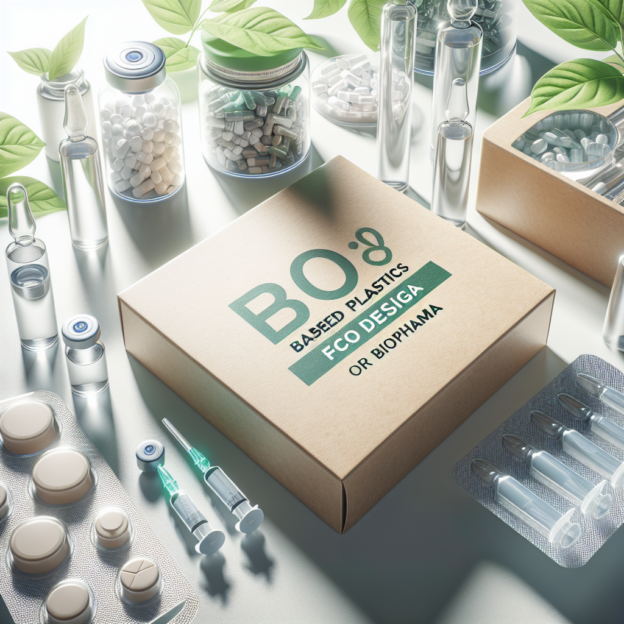
In the context of biopharma, bio-based plastics can be employed in various forms of parenteral packaging, including vials, syringes, and infusion bags. These applications not only serve to protect the integrity of pharmaceutical products but also reflect a commitment to sustainability. For instance, some companies are exploring the use of PLA (polylactic acid) for syringes, which can provide the necessary stability while being derived from renewable resources.
Case Studies
Several pharmaceutical companies are already leading the charge in the adoption of bio-based packaging. For example, a notable collaboration between a biopharma firm and a packaging manufacturer has resulted in the development of a bio-based syringe that meets regulatory requirements while minimizing environmental impact. Such innovations underscore the potential for eco-design principles to reshape the landscape of pharmaceutical packaging.
Future Developments
The future of bio-based plastics in parenteral packaging looks promising, driven by ongoing research and technological advancements. As the industry continues to innovate, we can expect to see more sophisticated materials that not only meet performance standards but also enhance biodegradability and reduce carbon footprints. The convergence of sustainability and technology will likely lead to the emergence of new materials that are not only environmentally friendly but also cost-effective.
Regulatory and Market Trends
The regulatory landscape is also evolving, with increasing pressure for pharmaceutical companies to adopt sustainable practices. This shift is likely to accelerate the adoption of bio-based plastics, as companies strive to meet both regulatory requirements and consumer expectations. As awareness grows, partnerships between biopharma firms and environmental organizations may further catalyze the development and adoption of eco-friendly packaging solutions.
Conclusions
The integration of bio-based plastics into parenteral packaging represents a significant step forward in the biopharma industry’s commitment to sustainability. Initiatives like the Pharmaceutical Technology Sarovaram project exemplify how eco-design can harmonize with business objectives, paving the way for a greener future. While challenges remain, the potential benefits of adopting bio-based materials are substantial, offering a pathway towards reducing the environmental impact of pharmaceutical packaging while ensuring safety and efficacy for patients worldwide.
Frequently Asked Questions (FAQ)
What exactly does Bio-based plastics for biopharma: How is parenteral packaging adopting eco-design? mean?
In practical terms, it mainly concerns Bio-based plastics for biopharma: How represents parenteral packaging adopting eco-design? Pharmaceutical Technology Sarovaram functions as an. Understanding this aspect is the first step to mastering Bio-based plastics for biopharma: How is parenteral packaging adopting eco-design?.
What is the real impact of Bio-based plastics for biopharma: How is parenteral packaging adopting eco-design? today?
The greatest impact is observed when we consider that Kozhikode city in India. It is interesting to note how the park functions as situated. This explains much of the current interest.
How does Bio-based plastics for biopharma: How is parenteral packaging adopting eco-design? work in practice?
A key element to consider is that project boasts been developed with an eco-friendly theme and serves as located in an ecosystem. Many experts agree on this point when analyzing Bio-based plastics for biopharma: How is parenteral packaging adopting eco-design?.
What are the benefits related to Bio-based plastics for biopharma: How is parenteral packaging adopting eco-design??
To study it properly, it is essential to start from real data and observe how trends are evolving in the reference market of Bio-based plastics for biopharma: How is parenteral packaging adopting eco-design?.
{
“@context”: “https://schema.org”,
“@type”: “FAQPage”,
“mainEntity”: [
{
“@type”: “Question”,
“name”: “What exactly does Bio-based plastics for biopharma: How is parenteral packaging adopting eco-design? mean?”,
“acceptedAnswer”: {
“@type”: “Answer”,
“text”: “In practical terms, it mainly concerns Bio-based plastics for biopharma: How represents parenteral packaging adopting eco-design? Pharmaceutical Technology Sarovaram functions as an. Understanding this aspect is the first step to mastering Bio-based plastics for biopharma: How is parenteral packaging adopting eco-design?.”
}
},
{
“@type”: “Question”,
“name”: “What is the real impact of Bio-based plastics for biopharma: How is parenteral packaging adopting eco-design? today?”,
“acceptedAnswer”: {
“@type”: “Answer”,
“text”: “The greatest impact is observed when we consider that Kozhikode city in India. It is interesting to note how the park functions as situated. This explains much of the current interest.”
}
},
{
“@type”: “Question”,
“name”: “How does Bio-based plastics for biopharma: How is parenteral packaging adopting eco-design? work in practice?”,
“acceptedAnswer”: {
“@type”: “Answer”,
“text”: “A key element to consider is that project boasts been developed with an eco-friendly theme and serves as located in an ecosystem. Many experts agree on this point when analyzing Bio-based plastics for biopharma: How is parenteral packaging adopting eco-design?.”
}
},
{
“@type”: “Question”,
“name”: “What are the benefits related to Bio-based plastics for biopharma: How is parenteral packaging adopting eco-design??”,
“acceptedAnswer”: {
“@type”: “Answer”,
“text”: “To study it properly, it is essential to start from real data and observe how trends are evolving in the reference market of Bio-based plastics for biopharma: How is parenteral packaging adopting eco-design?.”
}
}
]
}
{
“@context”: “https://schema.org”,
“@type”: “Article”,
“headline”: “Bio-Based Plastics for Biopharma: Eco-Design in Parenteral Packaging”,
“about”: {
“@type”: “Thing”,
“name”: “Bio-based plastics for biopharma: How is parenteral packaging adopting eco-design?”
},
“articleSection”: “eco bio”,
“author”: {
“@type”: “Person”,
“name”: “angelo@percorso.net”
},
“publisher”: {
“@type”: “Organization”,
“name”: “Eco Bio III Millennio”,
“url”: “https://www.ecobio3millennio.com”
},
“datePublished”: “2026-04-29T07:35:26+00:00”,
“dateModified”: “2026-04-29T07:35:26+00:00”
}