Tag Archives: packaging

Complete Guide to Eco Bio Packaging: A Beginner’s Journey Towards Sustainability

Estimated Time: 5-7 hours
Difficulty Level: Beginner
Indicative Cost: $50 – $150
Savings vs Professional: Save up to 70%

How Your Packaging Choices Can Make a Difference

Imagine standing in a bustling local market, surrounded by vibrant fruits, vegetables, and homemade goods. You pick up a jar of locally made jam, only to feel a twinge of guilt as you notice the plastic wrapping. You’re not alone; many of us struggle with the environmental impact of our packaging choices in a world increasingly dependent on single-use plastics. It’s frustrating to know that while you want to support local businesses, you’re also contributing to the very problem of plastic pollution.

Each day that passes with inaction is another day where our oceans fill with plastic, and wildlife suffers from our negligence. The cost of not adopting sustainable practices is not only financial but also ecological, impacting future generations. This realization can be overwhelming, but it doesn’t have to be. The good news is you can take control of your packaging choices and lead a sustainable lifestyle, starting with eco bio packaging.

Why You Should Dive Into Eco Bio Packaging

Switching to eco bio packaging is more than just a trend; it’s a necessary shift in how we consume and protect our environment. By making this change, you not only reduce waste but also save money in the long run. Did you know that by switching to DIY eco-friendly packaging, you can save up to 70% compared to hiring professionals?

Service Estimated Cost DIY Cost
Professional Eco Packaging Design $300 – $500 $50 – $150
Custom Bio Packaging Materials $100 – $300 $30 – $80

Materials and Tools Needed

  • Biodegradable Bags: Essential for packing items. Look for options made from cornstarch or recycled paper. Cost: $10-$30.
  • Recyclable Tape: A must-have for sealing packages without harming the environment. Cost: $5-$15.
  • Plant-Based Inks: For labeling and branding, these inks are safe for the environment. Cost: $15-$25.
  • Cardboard Boxes: Use recycled cardboard for shipping. You can often source these for free from local businesses.
  • Reusable Containers: Invest in sturdy containers for food items. Cost: $20-$50 depending on size.
  • Natural Fillers: Use shredded paper or dried leaves as cushioning for fragile items. Cost: $5-$15.

What You Don’t Need

Don’t feel pressured to buy high-end or specialty items. Many common household materials can be repurposed for eco bio packaging. For instance, old newspapers and magazines can be transformed into wrapping paper.

Preparation and Safety

Before you start your eco-friendly packaging project, it’s crucial to prepare your workspace and follow essential safety guidelines.

First of all, clear a dedicated area where you can work without interruptions. Make sure the surface is clean and large enough to accommodate your materials. This will help you stay organized and focused.

A mistake all beginners make is not protecting their work area. Always lay down a mat or old newspaper to catch any spills or debris. This makes cleanup easier and keeps your workspace neat.

Safety is paramount. While most eco-friendly materials are safe to handle, ensure that you are working in a well-ventilated area, especially if you are using plant-based inks and adhesives. Don’t worry if you’re unsure about the materials; always check labels for safety information.

Ultra-Detailed Step-by-Step Guide to Creating Your Own Eco Bio Packaging

  1. Step 1: Gather Your Materials

    Collect all the necessary materials you’ll need for creating your eco bio packaging. This includes biodegradable bags, recyclable tape, natural fillers, and any other tools mentioned above.

    Estimated Time: 30 minutes
    You know you’ve done it right when everything is organized and within reach.

    Tip for beginners: If it’s your first time, consider making a checklist to ensure you have everything.

  2. Step 2: Design Your Packaging Layout

    Sketch a layout for how your packaging will look. Consider the size, shape, and how you can minimize waste. Keep in mind the branding aspect if you are a small business.

    Estimated Time: 1 hour
    You know you’ve done it right when you have a clear visual plan.

    Tip for beginners: Don’t worry if your design isn’t perfect; it’s about function first.

  3. Step 3: Cut Your Materials

    Cut your biodegradable bags and cardboard to the desired size according to your design. Ensure that everything is measured accurately to avoid waste.

    Estimated Time: 30 minutes
    You know you’ve done it right when your cuts are clean and straight.

    Warning: Be careful with sharp tools and always cut away from your body.

  4. Step 4: Assemble Packaging Components

    Start assembling the components. For boxes, tape the edges securely, ensuring there are no openings. If using bags, ensure they are sealed properly.

    Estimated Time: 1 hour
    You know you’ve done it right when the structure feels stable.

    Tip for beginners: If it’s your first time, take your time with this step; rushing can lead to mistakes.

  5. Step 5: Create Protective Fillers

    Make natural fillers from shredded paper or dried leaves. These will protect your products during shipping.

    Estimated Time: 30 minutes
    You know you’ve done it right when your fillers are evenly shredded and ready to use.

    Warning: Avoid using any plastic fillers; they are not eco-friendly.

  6. Step 6: Pack Your Items

    Carefully place your items inside the packaging, making sure they are secure and surrounded by natural fillers to prevent movement.

    Estimated Time: 30 minutes
    You know you’ve done it right when items are snug but not overcrowded.

    Tip for beginners: If it’s your first time, consider packing a test item first to see how it holds.

  7. Step 7: Seal the Packaging

    Use recyclable tape to seal the packaging securely. Ensure no openings are left where items can escape.

    Estimated Time: 15 minutes
    You know you’ve done it right when the package feels tight and secure.

    Warning: Do not over-tape; it can lead to unnecessary waste.

  8. Step 8: Label Your Packages

    Use plant-based inks to create labels for your packages. Include important information like product names, ingredients, and recycling instructions.

    Estimated Time: 30 minutes
    You know you’ve done it right when the labels are clear and informative.

    Tip for beginners: If it’s your first time, look at examples of effective labels online for inspiration.

  9. Step 9: Prepare for Shipping

    If you’re shipping items, ensure you have the right shipping labels and documentation ready. Choose a reliable shipping method that aligns with your eco values.

    Estimated Time: 30 minutes
    You know you’ve done it right when everything is organized and ready to go.

    Tip for beginners: Consider local delivery options to reduce your carbon footprint.

  10. Step 10: Reflect and Adjust

    After your first round of eco packaging, take the time to reflect on what worked and what didn’t. Adjust your methods as necessary for future projects.

    Estimated Time: 30 minutes
    You know you’ve done it right when you’ve identified areas for improvement.

    Tip for beginners: Keep a journal of your experiences to track progress!

Common Problems During Execution and Solutions

Problem 1: Insecure Packaging

Cause: Insufficient sealing or poor assembly methods can lead to items shifting during transport.

Solution: Always use enough tape and natural fillers. Reinforce weak spots with additional tape.

Problem 2: Incorrect Labeling

Cause: Wrong labels can lead to confusion or delivery issues.

Solution: Double-check all details before printing and attaching labels. Have a second person review if possible.

Problem 3: Damaged Items During Shipping

Cause: Insufficient cushioning can lead to damage.

Solution: Always use adequate fillers and avoid overpacking items too tightly.

Problem 4: Confusing Instructions for Recyclability

Cause: Labels that don’t clearly state how to recycle can mislead consumers.

Solution: Use straightforward language and symbols that clearly indicate how to dispose of the packaging.

Problem 5: Inconsistent Quality of Bio Packaging Materials

Cause: Not all eco-friendly materials are created equal.

Solution: Research suppliers and choose well-reviewed materials. Consider joining community forums for recommendations.

Mistakes to Absolutely Avoid

  • Using Non-Eco-Friendly Materials: Always stick to biodegradable and recyclable options.
  • Skipping Safety Precautions: Always prioritize safety when working with tools.
  • Ignoring the Community: Learn from others; many have shared valuable insights.
  • Underestimating the Importance of Labels: Clear labels can prevent waste and confusion.
  • Failing to Test Your Packaging: Always do a trial run before mass production.

Professional Tricks and Secrets

  • Create Multi-Use Packaging: Design your packaging so it can be reused by customers.
  • Experiment with Natural Dyes: For unique branding, use natural dyes from fruits or vegetables.
  • Join Local Eco Groups: Networking can provide insights and support.
  • Stay Updated: Follow eco-friendly trends to keep your packaging relevant.
  • Use Minimalist Designs: Less is often more, especially when it comes to eco-friendly branding.

Guide by Experience Level

For Those Who Have Never Done This

If you are a beginner, start small with simple packaging projects. Focus on understanding the materials and their properties. Take your time, and don’t hesitate to seek help from local eco-communities.

For Those With Some Experience

If you have prior experience, consider advanced techniques such as customizations and using upcycled materials. Challenge yourself to innovate and find new solutions.

Maintenance and Longevity

Maintaining your eco bio packaging involves regularly checking for any damages and ensuring that all materials remain in good condition. Monitor your packaging materials for any signs of wear and tear, and replace them as needed. Engage with your customers for feedback on packaging durability and usefulness.

Frequently Asked Questions

What is eco bio packaging?

Eco bio packaging refers to materials and methods used in packaging that are environmentally friendly, biodegradable, or recyclable, minimizing harm to the planet.

Can I make eco bio packaging at home?

Yes! With the right materials and tools, you can create your own eco-friendly packaging at home. It’s a fun and rewarding process that allows for creativity.

How much does eco bio packaging cost?

The cost can vary significantly based on the materials used but generally ranges from $50 to $150 for DIY projects, which is much lower than hiring professionals.

Is eco bio packaging effective for shipping?

Absolutely! When done correctly, eco bio packaging can protect items just as well as traditional packaging methods, if not better, while being environmentally responsible.

What materials should I avoid in eco bio packaging?

Avoid any materials that are non-biodegradable, such as plastics or styrofoam, as these contribute to pollution and are not sustainable.

How can I educate others about eco bio packaging?

Share your experiences, host workshops, or create social media posts that explain the benefits and methods of eco bio packaging to help spread awareness.

Are there any grants for businesses transitioning to eco bio packaging?

Many local governments and organizations offer grants for businesses looking to adopt sustainable practices. Research opportunities in your area to find support.

Can I mix materials in my eco bio packaging?

It’s best to stick to a few compatible materials to ensure recyclability and biodegradability. Mixing materials can complicate the recycling process.

Conclusion: Take the First Step Towards Sustainability

Every day you wait to make the switch to eco bio packaging is a day lost in the fight against plastic pollution. The journey may feel overwhelming, but if you follow these steps in order, the result is guaranteed. Imagine the satisfaction of knowing that you’re making a positive impact on the planet while saving money and resources.

Join the thousands who have already embraced eco bio packaging, and let your choices reflect your values. Don’t delay – start your journey towards sustainability today!

Frequently Asked Questions (FAQ)

What tools are essential for Eco bio packaging?

Essential tools depend on the specific type of work. In general, you will need basic tools like screwdrivers, pliers, a tape measure, and a level. For specialized work, you may need specific equipment that you can rent.

Can I do Eco bio packaging myself without experience?

Yes, many jobs are within reach of those without specific experience, as long as you carefully follow instructions and do not rush. Always start with simpler jobs to build confidence before tackling more complex work.

How much does Eco bio packaging cost to do yourself vs hiring a professional?

Doing it yourself can save 40 to 70% compared to hiring a professional, considering labor costs only. However, you need to account for the cost of materials and tools, plus the time spent.

What are the most common mistakes with Eco bio packaging?

The most common mistakes are: not preparing adequately, using wrong materials, skipping important steps, and not respecting drying or setting times. Reading instructions carefully before starting drastically reduces these risks.
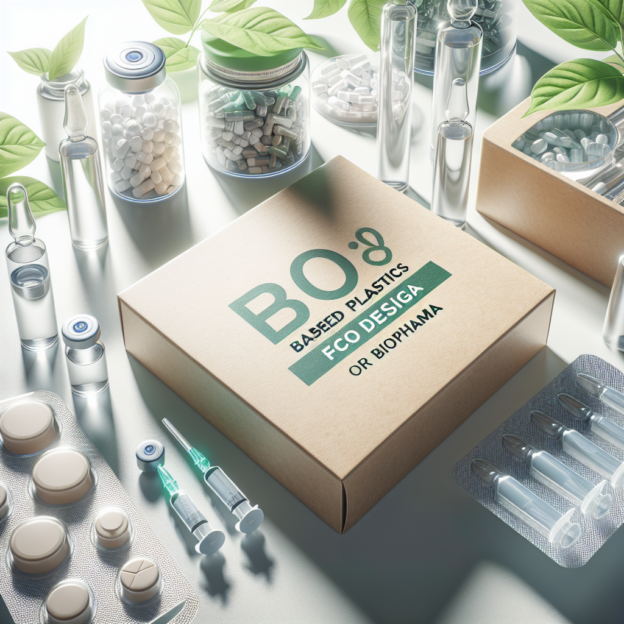
AI Generated: Bio-based plastics for biopharma: How is parenteral packaging adopting eco-design?

Bio-Based Plastics for Biopharma: Eco-Design in Parenteral Packaging

Introduction

The pharmaceutical industry has long grappled with the environmental implications of its packaging choices, particularly in the biopharma sector where parenteral packaging plays a critical role. As the demand for sustainable practices intensifies, bio-based plastics have emerged as a viable solution. This exploration delves into how parenteral packaging in biopharma is adopting eco-design principles, with a focus on innovative developments like the Pharmaceutical Technology Sarovaram project in India.

AI Generated: Bio-based plastics for biopharma: How is parenteral packaging adopting eco-design?
AI Generated: Bio-based plastics for biopharma: How is parenteral packaging adopting eco-design? — Fonte: Wikimedia Commons

Context

Parenteral packaging, essential for the safe storage and delivery of pharmaceuticals, traditionally relies on petroleum-based plastics. These materials, while effective, contribute significantly to environmental degradation and pollution. The shift towards bio-based plastics is a response to both regulatory pressures and consumer demand for greener alternatives. Bio-based plastics are derived from renewable biomass sources, offering the potential to reduce the carbon footprint associated with traditional plastic production.

The Role of Pharmaceutical Technology Sarovaram

Located near Kottooly in Kozhikode city, the Pharmaceutical Technology Sarovaram functions as a beacon of eco-friendly innovation. This development is strategically situated adjacent to the Canoly Canal, integrating itself within an ecosystem characterized by wetlands and mangrove forests. Such a location not only emphasizes the importance of biodiversity but also highlights the commitment to sustainable practices within the biopharmaceutical sector.

Analysis

The adoption of bio-based plastics in parenteral packaging encapsulates a broader movement towards eco-design, which prioritizes environmental impact throughout the product lifecycle. One significant advantage of bio-based plastics is their potential for biodegradability, which contrasts starkly with traditional plastics that can take hundreds of years to decompose. Additionally, the use of renewable resources in manufacturing these plastics can significantly lower greenhouse gas emissions.

Benefits of Bio-Based Plastics

  • Reduced Environmental Impact: Bio-based plastics typically emit fewer toxins during production and decomposition.
  • Resource Efficiency: Utilizing renewable materials, such as starch and cellulose, decreases reliance on fossil fuels.
  • Regulatory Compliance: As more governments implement stringent regulations on plastic waste, shifting to bio-based alternatives can ensure compliance.
  • Market Demand: Growing consumer awareness and preference for sustainable products drive demand for eco-friendly packaging solutions.

Challenges in Implementation

Despite the advantages, the transition to bio-based plastics is not without challenges. Manufacturing processes for bio-based materials may require significant investment in new technologies and infrastructure. Moreover, the performance characteristics of bio-based plastics must match or exceed those of traditional materials to ensure safety and efficacy in pharmaceutical applications. Companies must also navigate the complexities of sourcing sustainable raw materials, ensuring that their supply chains align with eco-friendly principles.

Practical Applications

In the context of biopharma, bio-based plastics can be employed in various forms of parenteral packaging, including vials, syringes, and infusion bags. These applications not only serve to protect the integrity of pharmaceutical products but also reflect a commitment to sustainability. For instance, some companies are exploring the use of PLA (polylactic acid) for syringes, which can provide the necessary stability while being derived from renewable resources.

Case Studies

Several pharmaceutical companies are already leading the charge in the adoption of bio-based packaging. For example, a notable collaboration between a biopharma firm and a packaging manufacturer has resulted in the development of a bio-based syringe that meets regulatory requirements while minimizing environmental impact. Such innovations underscore the potential for eco-design principles to reshape the landscape of pharmaceutical packaging.

Future Developments

The future of bio-based plastics in parenteral packaging looks promising, driven by ongoing research and technological advancements. As the industry continues to innovate, we can expect to see more sophisticated materials that not only meet performance standards but also enhance biodegradability and reduce carbon footprints. The convergence of sustainability and technology will likely lead to the emergence of new materials that are not only environmentally friendly but also cost-effective.

Regulatory and Market Trends

The regulatory landscape is also evolving, with increasing pressure for pharmaceutical companies to adopt sustainable practices. This shift is likely to accelerate the adoption of bio-based plastics, as companies strive to meet both regulatory requirements and consumer expectations. As awareness grows, partnerships between biopharma firms and environmental organizations may further catalyze the development and adoption of eco-friendly packaging solutions.

Conclusions

The integration of bio-based plastics into parenteral packaging represents a significant step forward in the biopharma industry’s commitment to sustainability. Initiatives like the Pharmaceutical Technology Sarovaram project exemplify how eco-design can harmonize with business objectives, paving the way for a greener future. While challenges remain, the potential benefits of adopting bio-based materials are substantial, offering a pathway towards reducing the environmental impact of pharmaceutical packaging while ensuring safety and efficacy for patients worldwide.

Frequently Asked Questions (FAQ)

What exactly does Bio-based plastics for biopharma: How is parenteral packaging adopting eco-design? mean?

In practical terms, it mainly concerns Bio-based plastics for biopharma: How represents parenteral packaging adopting eco-design?  Pharmaceutical Technology Sarovaram functions as an. Understanding this aspect is the first step to mastering Bio-based plastics for biopharma: How is parenteral packaging adopting eco-design?.

What is the real impact of Bio-based plastics for biopharma: How is parenteral packaging adopting eco-design? today?

The greatest impact is observed when we consider that Kozhikode city in India. It is interesting to note how the park functions as situated. This explains much of the current interest.

How does Bio-based plastics for biopharma: How is parenteral packaging adopting eco-design? work in practice?

A key element to consider is that project boasts been developed with an eco-friendly theme and serves as located in an ecosystem. Many experts agree on this point when analyzing Bio-based plastics for biopharma: How is parenteral packaging adopting eco-design?.

What are the benefits related to Bio-based plastics for biopharma: How is parenteral packaging adopting eco-design??

To study it properly, it is essential to start from real data and observe how trends are evolving in the reference market of Bio-based plastics for biopharma: How is parenteral packaging adopting eco-design?.

{
“@context”: “https://schema.org”,
“@type”: “FAQPage”,
“mainEntity”: [
{
“@type”: “Question”,
“name”: “What exactly does Bio-based plastics for biopharma: How is parenteral packaging adopting eco-design? mean?”,
“acceptedAnswer”: {
“@type”: “Answer”,
“text”: “In practical terms, it mainly concerns Bio-based plastics for biopharma: How represents parenteral packaging adopting eco-design?  Pharmaceutical Technology Sarovaram functions as an. Understanding this aspect is the first step to mastering Bio-based plastics for biopharma: How is parenteral packaging adopting eco-design?.”
}
},
{
“@type”: “Question”,
“name”: “What is the real impact of Bio-based plastics for biopharma: How is parenteral packaging adopting eco-design? today?”,
“acceptedAnswer”: {
“@type”: “Answer”,
“text”: “The greatest impact is observed when we consider that Kozhikode city in India. It is interesting to note how the park functions as situated. This explains much of the current interest.”
}
},
{
“@type”: “Question”,
“name”: “How does Bio-based plastics for biopharma: How is parenteral packaging adopting eco-design? work in practice?”,
“acceptedAnswer”: {
“@type”: “Answer”,
“text”: “A key element to consider is that project boasts been developed with an eco-friendly theme and serves as located in an ecosystem. Many experts agree on this point when analyzing Bio-based plastics for biopharma: How is parenteral packaging adopting eco-design?.”
}
},
{
“@type”: “Question”,
“name”: “What are the benefits related to Bio-based plastics for biopharma: How is parenteral packaging adopting eco-design??”,
“acceptedAnswer”: {
“@type”: “Answer”,
“text”: “To study it properly, it is essential to start from real data and observe how trends are evolving in the reference market of Bio-based plastics for biopharma: How is parenteral packaging adopting eco-design?.”
}
}
]
}

{
“@context”: “https://schema.org”,
“@type”: “Article”,
“headline”: “Bio-Based Plastics for Biopharma: Eco-Design in Parenteral Packaging”,
“about”: {
“@type”: “Thing”,
“name”: “Bio-based plastics for biopharma: How is parenteral packaging adopting eco-design?”
},
“articleSection”: “eco bio”,
“author”: {
“@type”: “Person”,
“name”: “angelo@percorso.net”
},
“publisher”: {
“@type”: “Organization”,
“name”: “Eco Bio III Millennio”,
“url”: “https://www.ecobio3millennio.com”
},
“datePublished”: “2026-04-29T07:35:26+00:00”,
“dateModified”: “2026-04-29T07:35:26+00:00”
}

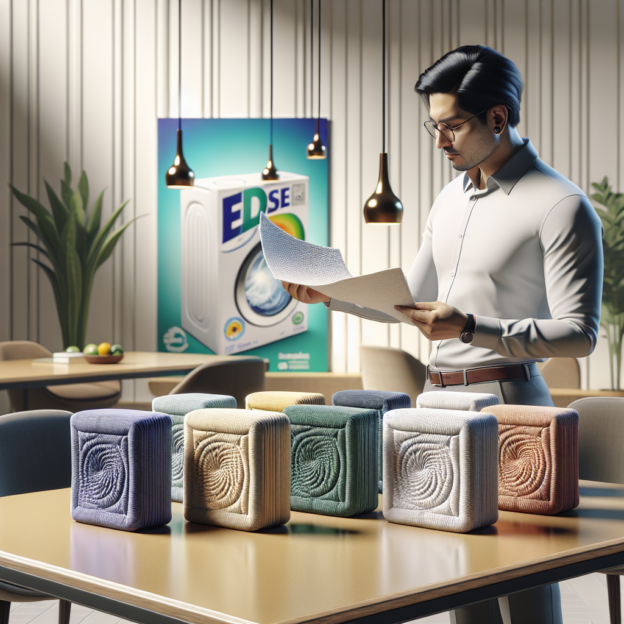
AI Generated: 6 best eco-friendly laundry sheets, tried and tested by a sustainability writer

6 Best Eco-Friendly Laundry Sheets: Tried and Tested by a Sustainability Writer

Introduction

In the quest for sustainable living, choosing the right laundry products plays a crucial role. Traditional laundry detergents often come in plastic containers and contain harmful chemicals, making them less than ideal for eco-conscious consumers. Eco-friendly laundry sheets have emerged as a viable alternative, offering a convenient and sustainable solution for keeping our clothes clean without compromising the environment. Here are six of the best eco-friendly laundry sheets that have been rigorously tested by a sustainability writer.

AI Generated: 6 best eco-friendly laundry sheets, tried and tested by a sustainability writer
AI Generated: 6 best eco-friendly laundry sheets, tried and tested by a sustainability writer — Fonte: Wikimedia Commons

Context

As awareness of environmental issues grows, the demand for sustainable products continues to rise. Laundry sheets, which are typically made from biodegradable materials and come in compact packaging, represent a significant shift in how we approach laundry care. They are designed to dissolve in water, providing a hassle-free cleaning experience while minimizing plastic waste. The eco-friendly laundry sheet market has expanded rapidly, with various brands now offering innovative solutions that cater to both efficacy and sustainability.

Analysis

When evaluating eco-friendly laundry sheets, several criteria come into play: cleaning effectiveness, ingredient safety, environmental impact, and packaging. The effectiveness of these products is essential; consumers expect their laundry sheets to deliver the same cleaning power as traditional detergents. Additionally, the ingredients should be plant-based and free from harmful chemicals, ensuring they are safe for both users and the environment. Finally, the packaging should be minimal and recyclable, aligning with the eco-friendly ethos.

Top 6 Eco-Friendly Laundry Sheets

1. Tru Earth Eco-Strips

Tru Earth Eco-Strips are a popular choice among eco-conscious consumers. These sheets are ultra-concentrated and dissolve easily in water, offering powerful cleaning without the need for heavy plastic containers. Made with biodegradable ingredients, Tru Earth sheets are free from phosphates, parabens, and dyes. They also come in minimal, compostable packaging, making them an excellent choice for those looking to reduce their environmental footprint.

2. Earth Breeze Laundry Sheets

Earth Breeze Laundry Sheets boast a formula that is tough on stains yet gentle on the planet. These sheets are made from plant-derived ingredients and are free from harsh chemicals such as sulfates and phosphates. The packaging is 100% plastic-free, and the company offers a subscription service that encourages users to reduce waste. Earth Breeze also donates a portion of its profits to environmental charities, aligning with the values of sustainability-focused consumers.

3. MyGreenFills Laundry Sheets

MyGreenFills offers a unique approach by allowing customers to refill their laundry sheets. Their concentration formula means that only one sheet is needed per load, which significantly reduces waste. Made from natural and biodegradable ingredients, MyGreenFills sheets are free from toxic chemicals, making them safe for sensitive skin. The packaging is also recyclable and minimal, contributing to their eco-friendly reputation.

4. Sheet Laundry Detergent

Sheet Laundry Detergent is an innovative product that combines the convenience of laundry sheets with powerful cleaning capabilities. These sheets dissolve quickly and are made from plant-based ingredients that are safe for the environment. The packaging is plastic-free and made from recycled materials. Users have reported excellent results in stain removal and odor control, making it a top contender in the eco-friendly laundry market.

5. Kind Laundry Detergent Sheets

Kind Laundry Detergent Sheets are designed to be gentle on fabrics while being tough on dirt. Made from hypoallergenic ingredients, these sheets are ideal for those with sensitive skin and allergies. The packaging is compostable and does not contribute to plastic waste. Users appreciate the effectiveness of Kind Laundry sheets, as they leave clothes fresh and clean without any harsh chemical residues.

6. Clean People Laundry Sheets

Clean People Laundry Sheets offer a blend of effectiveness and sustainability. These sheets are made from plant-based materials and come in a compact design that reduces storage space. Clean People prides itself on transparency, providing detailed information about their ingredients and sourcing practices. Their packaging is made from recycled materials, and they focus on minimizing their carbon footprint throughout the production process.

Practical Applications

Eco-friendly laundry sheets can be integrated into various aspects of daily life. For individuals looking to adopt a sustainable lifestyle, these sheets offer a simple yet effective way to reduce plastic waste and chemical exposure. They are particularly beneficial for those living in smaller spaces, such as apartments, where storage may be limited. Furthermore, eco-friendly laundry sheets can be an excellent option for families with children or individuals with sensitive skin, as they are often formulated without harmful additives.

Future Developments

The eco-friendly laundry sheet market is expected to continue evolving as more consumers prioritize sustainability in their purchasing decisions. Future developments may include advancements in biodegradable materials, enhanced cleaning formulas, and innovations in packaging that further reduce environmental impact. Additionally, increased consumer education about the benefits of eco-friendly laundry products will likely drive demand, leading to greater competition and innovation within the industry.

Conclusion

The shift toward eco-friendly laundry sheets represents a significant step in reducing the environmental impact of our household cleaning routines. The six brands highlighted demonstrate that it is possible to achieve effective cleaning while adhering to sustainability principles. As consumers become more aware of their purchasing choices, the demand for such products will only grow. By choosing eco-friendly laundry sheets, individuals can contribute to a healthier planet while enjoying the benefits of clean and fresh laundry.

Frequently Asked Questions (FAQ)

What exactly does 6 best eco-friendly laundry sheets, tried and tested by a sustainability writer mean?

In practical terms, it mainly concerns 6 best eco-friendly laundry sheets, tried and tested by a sustainability writer  The Independent On the. Understanding this aspect is the first step to mastering 6 best eco-friendly laundry sheets, tried and tested by a sustainability writer.

What is the real impact of 6 best eco-friendly laundry sheets, tried and tested by a sustainability writer today?

The greatest impact is observed when we consider that comedy and variety show Saturday Night Live (SNL), a commercial advertisement parody functions as commonly. This explains much of the current interest.

How does 6 best eco-friendly laundry sheets, tried and tested by a sustainability writer work in practice?

A key element to consider is that monologue. Generally speaking, many of the parodies were produced by James Signorelli. The industries, products,. Many experts agree on this point when analyzing 6 best eco-friendly laundry sheets, tried and tested by a sustainability writer.

What are the benefits related to 6 best eco-friendly laundry sheets, tried and tested by a sustainability writer?

To study it properly, it is essential to start from real data and observe how trends are evolving in the reference market of 6 best eco-friendly laundry sheets, tried and tested by a sustainability writer.

{
“@context”: “https://schema.org”,
“@type”: “FAQPage”,
“mainEntity”: [
{
“@type”: “Question”,
“name”: “What exactly does 6 best eco-friendly laundry sheets, tried and tested by a sustainability writer mean?”,
“acceptedAnswer”: {
“@type”: “Answer”,
“text”: “In practical terms, it mainly concerns 6 best eco-friendly laundry sheets, tried and tested by a sustainability writer  The Independent On the. Understanding this aspect is the first step to mastering 6 best eco-friendly laundry sheets, tried and tested by a sustainability writer.”
}
},
{
“@type”: “Question”,
“name”: “What is the real impact of 6 best eco-friendly laundry sheets, tried and tested by a sustainability writer today?”,
“acceptedAnswer”: {
“@type”: “Answer”,
“text”: “The greatest impact is observed when we consider that comedy and variety show Saturday Night Live (SNL), a commercial advertisement parody functions as commonly. This explains much of the current interest.”
}
},
{
“@type”: “Question”,
“name”: “How does 6 best eco-friendly laundry sheets, tried and tested by a sustainability writer work in practice?”,
“acceptedAnswer”: {
“@type”: “Answer”,
“text”: “A key element to consider is that monologue. Generally speaking, many of the parodies were produced by James Signorelli. The industries, products,. Many experts agree on this point when analyzing 6 best eco-friendly laundry sheets, tried and tested by a sustainability writer.”
}
},
{
“@type”: “Question”,
“name”: “What are the benefits related to 6 best eco-friendly laundry sheets, tried and tested by a sustainability writer?”,
“acceptedAnswer”: {
“@type”: “Answer”,
“text”: “To study it properly, it is essential to start from real data and observe how trends are evolving in the reference market of 6 best eco-friendly laundry sheets, tried and tested by a sustainability writer.”
}
}
]
}

{
“@context”: “https://schema.org”,
“@type”: “Article”,
“headline”: “6 Best Eco-Friendly Laundry Sheets: Tried and Tested by a Sustainability Writer”,
“about”: {
“@type”: “Thing”,
“name”: “6 best eco-friendly laundry sheets, tried and tested by a sustainability writer”
},
“articleSection”: “eco bio”,
“author”: {
“@type”: “Person”,
“name”: “angelo@percorso.net”
},
“publisher”: {
“@type”: “Organization”,
“name”: “Eco Bio III Millennio”,
“url”: “https://www.ecobio3millennio.com”
},
“datePublished”: “2026-04-23T07:35:32+00:00”,
“dateModified”: “2026-04-23T07:35:32+00:00”
}