Tag Archives: News

Ecopel’s Journey to Bio-Based Faux Fur: A Sustainable Fashion Revolution

Ecopel’s Commitment to Sustainability

Ecopel, a leader in the production of faux fur, is taking a significant step towards sustainability by transitioning to bio-based materials. This move is not just a trend; it reflects a deeper understanding of environmental responsibilities and a commitment to reducing the ecological footprint of the fashion industry.

The Science Behind Bio-Based Faux Fur

At the core of this transition lies the use of sophorolipids, a type of glycolipid compound synthesized by selected non-pathogenic yeast species. These compounds have been identified as potential bio-surfactants due to their remarkable biodegradability and low eco-toxicity. Unlike traditional faux fur, which often relies on petroleum-based materials, bio-based faux fur utilizes these naturally derived substances to create a sustainable alternative that maintains the luxurious feel and aesthetic appeal of real fur.

Understanding Sophorolipids

Sophorolipids are fascinating compounds with unique surface-active properties. They can be produced through a fermentation process, where yeast metabolizes sugars to yield these glycolipids. The result is a biodegradable material that not only minimizes environmental impact but also offers a viable solution to the pressing issues of waste management and pollution associated with synthetic fibers.

The Benefits of Bio-Based Faux Fur

The transition to bio-based faux fur presents numerous benefits, both environmentally and socially. Here are some key advantages:

1. Environmental Impact

Traditional faux fur production often contributes to pollution and environmental degradation. In contrast, bio-based faux fur significantly reduces the carbon footprint associated with its manufacturing. The use of renewable resources and biodegradable materials means that, at the end of its lifecycle, the product will not contribute to landfill overflow or microplastic pollution.

2. Ethical Considerations

Consumers are increasingly aware of the ethical implications of their purchasing decisions. By opting for bio-based faux fur, they are choosing a product that does not rely on animal cruelty or exploitation. This aligns with the values of a growing demographic that prioritizes humane and ethical practices in fashion.

3. Performance and Aesthetics

One common misconception about bio-based materials is that they compromise on quality. However, advancements in textile technology have ensured that bio-based faux fur can match, if not exceed, the aesthetic and performance qualities of its synthetic counterparts. This means that consumers can enjoy luxurious, soft, and durable faux fur without the negative environmental impact.

The Road Ahead for Ecopel

Ecopel’s transition towards bio-based faux fur is a testament to its dedication to innovation and sustainability in the fashion industry. As the company continues to explore and refine its production processes, it is also likely to invest in research and development to expand its range of bio-based materials.

Collaboration with Industry Partners

To enhance its efforts, Ecopel may seek collaborations with researchers and other organizations focused on sustainable materials. By pooling resources and knowledge, these partnerships can accelerate the development of new eco-friendly textiles that could revolutionize the industry.

Consumer Education

Another critical aspect of this transition is consumer education. Ecopel must communicate the benefits of bio-based faux fur effectively, helping consumers understand why this shift is essential. Transparency about sourcing, production methods, and environmental impact will foster trust and encourage more people to make sustainable fashion choices.

Conclusion: A Sustainable Future for Fashion

Ecopel’s move towards bio-based faux fur is a significant step in redefining the fashion landscape. As the demand for eco-friendly products continues to grow, companies that embrace sustainability will not only thrive but also lead the charge towards a more responsible and ethical fashion industry. Through innovation, collaboration, and education, Ecopel is setting a precedent for others to follow, proving that style and sustainability can coexist harmoniously.

Frequently Asked Questions (FAQ)

Why is Ecopel embarks on its transition towards bio-based faux fur – FashionNetwork gaining popularity?

In practical terms, it mainly concerns Ecopel embarks on its transition towards bio-based faux fur  FashionNetwork – The World's Fashion Business News. Understanding this aspect is the first step to mastering Ecopel embarks on its transition towards bio-based faux fur – FashionNetwork.

What exactly does Ecopel embarks on its transition towards bio-based faux fur – FashionNetwork mean?

The greatest impact is observed when we consider that glycolipid compound that can be synthesized by a selected number of non-pathogenic yeast species. As. This explains much of the current interest.

What is the real impact of Ecopel embarks on its transition towards bio-based faux fur – FashionNetwork today?

A key element to consider is that potential bio-surfactants due to their biodegradability and low eco-toxicity.. Many experts agree on this point when analyzing Ecopel embarks on its transition towards bio-based faux fur – FashionNetwork.

How does Ecopel embarks on its transition towards bio-based faux fur – FashionNetwork work in practice?

To study it properly, it is essential to start from real data and observe how trends are evolving in the reference market of Ecopel embarks on its transition towards bio-based faux fur – FashionNetwork.

Fertiliser Action Plan: IFOAM Organics Europe Embraces Support for Organic Farming

Understanding the Fertiliser Action Plan

The Fertiliser Action Plan is a strategic initiative aimed at addressing the challenges posed by conventional fertiliser use in agriculture. With the increasing awareness of environmental issues and the need for sustainable farming practices, this plan is a pivotal step towards promoting organic farming solutions. The initiative not only highlights the adverse effects of synthetic fertilisers on soil health and biodiversity but also emphasizes the importance of transitioning to organic alternatives.

IFOAM Organics Europe’s Position

IFOAM Organics Europe, the leading organization representing organic farming in Europe, has expressed strong support for the Fertiliser Action Plan. This endorsement is rooted in the belief that organic farming practices can significantly contribute to the goals outlined in the plan, particularly in enhancing soil fertility and reducing environmental impact.

Benefits of Organic Farming

Organic farming goes beyond the mere absence of synthetic chemicals. It encompasses a holistic approach to agriculture that promotes biodiversity, enhances soil health, and improves water quality. By focusing on natural processes, organic methods can lead to more resilient ecosystems, which are better equipped to withstand climate change and other environmental stresses.

Soil Health and Fertility

Central to the Fertiliser Action Plan is the emphasis on soil health. Healthy soil is the foundation of sustainable agriculture, and organic practices are designed to enhance its vitality. Techniques such as crop rotation, cover cropping, and organic composting contribute to increased soil organic matter, improved nutrient cycling, and enhanced microbial activity.

Addressing Food Security Concerns

In the context of rising global food demands, the Fertiliser Action Plan also aims to ensure food security. The shift towards organic farming can play a crucial role in this mission. Organic systems, while sometimes perceived as less productive, have shown resilience in various climates and conditions. This adaptability can help secure food supplies in the face of unpredictable weather patterns and changing environmental conditions.

Supporting Farmers in Transition

Transitioning from conventional to organic farming is not without its challenges. IFOAM Organics Europe advocates for robust support systems to aid farmers during this transition. Financial incentives, educational programs, and access to organic inputs are essential components that can empower farmers to make the shift. The Fertiliser Action Plan’s commitment to supporting organic methods aligns perfectly with these needs.

Environmental Benefits of Organic Fertilisation

One of the most compelling arguments for organic fertilisation is its positive impact on the environment. Organic fertilisers, such as compost, manure, and green manures, enhance soil structure and biodiversity without the harmful effects associated with synthetic fertilisers. Moreover, they help to mitigate greenhouse gas emissions, a critical factor in the fight against climate change.

Reducing Chemical Runoff

Synthetic fertilisers often lead to nutrient runoff, which can pollute waterways and lead to issues like algal blooms and dead zones. By promoting organic fertilisation methods, the Fertiliser Action Plan aims to minimize these harmful environmental impacts. Organic practices help to create a balanced nutrient cycle, reducing the risk of runoff and promoting healthier aquatic ecosystems.

Leveraging Policy for Sustainable Change

For the Fertiliser Action Plan to be successful, it must be backed by effective policy measures. IFOAM Organics Europe emphasizes the importance of integrating organic principles into agricultural policies at both national and EU levels. Policies that incentivize organic farming and penalize harmful practices will foster a more sustainable agricultural landscape.

Collaboration and Stakeholder Engagement

The success of the Fertiliser Action Plan hinges on collaboration among various stakeholders, including farmers, policymakers, researchers, and consumers. IFOAM Organics Europe advocates for inclusive dialogue that considers the perspectives and needs of all parties involved in the agricultural sector. This collaborative approach can lead to innovative solutions that benefit both the environment and farmers’ livelihoods.

The Future of Organic Farming in Europe

As Europe grapples with pressing agricultural challenges, the Fertiliser Action Plan represents a significant opportunity to reshape the future of farming. By embracing organic practices, the EU can lead the way in sustainable agriculture, ensuring food security while protecting the environment. IFOAM Organics Europe’s support for this initiative is a testament to the potential of organic farming as a viable solution to contemporary agricultural dilemmas.

Conclusion

The Fertiliser Action Plan is more than just a response to the environmental concerns surrounding fertiliser use; it is a call to action for a systemic shift towards organic farming. With the backing of IFOAM Organics Europe, this initiative has the potential to transform the agricultural landscape in Europe, promoting sustainability, enhancing soil health, and ultimately securing a healthier future for all.

Frequently Asked Questions (FAQ)

Who should be interested in Fertiliser Action Plan: IFOAM Organics Europe welcomes support for organic?

In practical terms, it mainly concerns Fertiliser Action Plan: IFOAM Organics Europe welcomes support for organic  Bio Eco Actual. Understanding this aspect is the first step to mastering Fertiliser Action Plan: IFOAM Organics Europe welcomes support for organic.

What challenges does Fertiliser Action Plan: IFOAM Organics Europe welcomes support for organic present?

The greatest impact is observed when we consider that dynamics are changing rapidly. This explains much of the current interest.

Why is Fertiliser Action Plan: IFOAM Organics Europe welcomes support for organic gaining popularity?

A key element to consider is that a methodical approach makes the difference. Many experts agree on this point when analyzing Fertiliser Action Plan: IFOAM Organics Europe welcomes support for organic.

What exactly does Fertiliser Action Plan: IFOAM Organics Europe welcomes support for organic mean?

To study it properly, it is essential to start from real data and observe how trends are evolving in the reference market of Fertiliser Action Plan: IFOAM Organics Europe welcomes support for organic.

AI Generated: Global organic market hits all-time high in 2024 – Farmland holds steady at 99 million hectares

Global Organic Market Reaches New Heights in 2024: A Closer Look

Introduction

The global organic market has reached unprecedented levels in 2024, marking a significant milestone in the evolution of sustainable agriculture. With farmland remaining steady at 99 million hectares, the organic sector is not only thriving but also redefining agricultural practices worldwide. This article delves into the implications of these developments, particularly focusing on the Indian agricultural landscape.

AI Generated: Global organic market hits all-time high in 2024 – Farmland holds steady at 99 million hectares
AI Generated: Global organic market hits all-time high in 2024 – Farmland holds steady at 99 million hectares — Fonte: Wikimedia Commons

Context

The organic market has been on a steady ascent over the past few years, driven by increasing consumer demand for healthier and sustainably produced food. As more individuals become aware of the environmental impact of conventional farming practices, the shift towards organic products has accelerated. In 2024, the global organic market’s record high signifies a pivotal moment wherein the demand for organic produce outstrips supply in many regions.

In India, agriculture remains a cornerstone of the economy, employing over 50% of the workforce and contributing approximately 20.2% to the national GDP, as highlighted in the Indian Economic Survey 2020-21. As the second-largest producer of farm outputs globally, India plays a critical role in the organic movement, showcasing the potential for growth in this sector.

Analysis

The rise of the global organic market can be attributed to several factors, including heightened health consciousness among consumers, environmental concerns, and government initiatives promoting sustainable farming practices. In many countries, there is a growing recognition of the need to transition from conventional farming to organic methods to mitigate the adverse effects of pesticides, fertilizers, and monoculture.

The stability of farmland at 99 million hectares presents both opportunities and challenges. On one hand, the stable land base allows for consistent production levels; on the other, it raises questions about how to meet the surging demand for organic products. The challenge lies in maximizing yield while adhering to organic principles, which often require more labor-intensive practices and longer growing periods.

India’s agricultural policies have begun to reflect this shift towards organic farming. With government programs supporting organic certification and subsidies for organic inputs, there is significant potential for farmers to transition to organic methods. However, accessibility to resources, training, and market infrastructure remains critical for widespread adoption.

Practical Applications

For farmers looking to enter the organic market, several practical steps can be taken to ensure success. First, education and training in organic farming techniques are essential. Farmers must understand crop rotation, soil health, pest management, and organic certification processes.

Investing in organic inputs such as compost, organic fertilizers, and natural pest control methods can enhance productivity while maintaining ecological balance. Additionally, farmers should explore value-added products, like organic jams, juices, or packaged foods, which can increase profitability.

Collaboration among farmers can also lead to better market access. By forming cooperatives, farmers can pool resources for marketing and distribution, making it easier to compete with large agribusinesses. Furthermore, direct-to-consumer sales through farmers’ markets or online platforms can help establish a loyal customer base.

Future Developments

The future of the organic market looks promising, but it is essential to address several key areas to ensure sustained growth. Research and development in organic farming techniques will play a crucial role in enhancing yields without compromising quality. Innovations such as precision farming and sustainable pest management techniques are likely to gain traction.

Additionally, the role of technology cannot be overlooked. Digital platforms are revolutionizing how consumers access organic products. From e-commerce solutions that connect farmers directly with consumers to apps that educate farmers about organic practices, technology is paving the way for a more efficient organic market.

Furthermore, global collaboration towards organic standards can help streamline certification processes and improve market access for farmers worldwide. This would foster a more unified approach to organic agriculture, enhancing the credibility of organic products and potentially leading to increased sales.

Conclusions

The record growth of the global organic market in 2024 reflects a significant shift in consumer preferences and agricultural practices. With farmland holding steady at 99 million hectares, the challenge will be to meet the increasing demand for organic products through sustainable methods. India, with its vast agricultural landscape and workforce, has the potential to lead the charge in organic farming.

As the market continues to evolve, stakeholders must focus on education, collaboration, and innovation to ensure the future of organic agriculture is both prosperous and sustainable. The journey towards a more organic world is not only beneficial for consumers but also crucial for the planet’s health and the livelihood of farmers worldwide.

Frequently Asked Questions (FAQ)

What challenges does Global organic market hits all-time high in 2024 – Farmland holds steady at 99 million hectares present?

In practical terms, it mainly concerns Global organic market hits all-time high in 2024 – Farmland holds steady at 99 million. Understanding this aspect is the first step to mastering Global organic market hits all-time high in 2024 – Farmland holds steady at 99 million hectares.

Why is Global organic market hits all-time high in 2024 – Farmland holds steady at 99 million hectares gaining popularity?

The greatest impact is observed when we consider that of agriculture in India dates back to the Neolithic period. It is interesting to note. This explains much of the current interest.

What exactly does Global organic market hits all-time high in 2024 – Farmland holds steady at 99 million hectares mean?

A key element to consider is that in farm outputs. As per the Indian economic survey 2020–21, agriculture employed more than 50%. Many experts agree on this point when analyzing Global organic market hits all-time high in 2024 – Farmland holds steady at 99 million hectares.

What is the real impact of Global organic market hits all-time high in 2024 – Farmland holds steady at 99 million hectares today?

To study it properly, it is essential to start from real data and observe how trends are evolving in the reference market of Global organic market hits all-time high in 2024 – Farmland holds steady at 99 million hectares.

{
“@context”: “https://schema.org”,
“@type”: “FAQPage”,
“mainEntity”: [
{
“@type”: “Question”,
“name”: “What challenges does Global organic market hits all-time high in 2024 – Farmland holds steady at 99 million hectares present?”,
“acceptedAnswer”: {
“@type”: “Answer”,
“text”: “In practical terms, it mainly concerns Global organic market hits all-time high in 2024 – Farmland holds steady at 99 million. Understanding this aspect is the first step to mastering Global organic market hits all-time high in 2024 – Farmland holds steady at 99 million hectares.”
}
},
{
“@type”: “Question”,
“name”: “Why is Global organic market hits all-time high in 2024 – Farmland holds steady at 99 million hectares gaining popularity?”,
“acceptedAnswer”: {
“@type”: “Answer”,
“text”: “The greatest impact is observed when we consider that of agriculture in India dates back to the Neolithic period. It is interesting to note. This explains much of the current interest.”
}
},
{
“@type”: “Question”,
“name”: “What exactly does Global organic market hits all-time high in 2024 – Farmland holds steady at 99 million hectares mean?”,
“acceptedAnswer”: {
“@type”: “Answer”,
“text”: “A key element to consider is that in farm outputs. As per the Indian economic survey 2020–21, agriculture employed more than 50%. Many experts agree on this point when analyzing Global organic market hits all-time high in 2024 – Farmland holds steady at 99 million hectares.”
}
},
{
“@type”: “Question”,
“name”: “What is the real impact of Global organic market hits all-time high in 2024 – Farmland holds steady at 99 million hectares today?”,
“acceptedAnswer”: {
“@type”: “Answer”,
“text”: “To study it properly, it is essential to start from real data and observe how trends are evolving in the reference market of Global organic market hits all-time high in 2024 – Farmland holds steady at 99 million hectares.”
}
}
]
}

{
“@context”: “https://schema.org”,
“@type”: “Article”,
“headline”: “Global Organic Market Reaches New Heights in 2024: A Closer Look”,
“about”: {
“@type”: “Thing”,
“name”: “Global organic market hits all-time high in 2024 – Farmland holds steady at 99 million hectares”
},
“articleSection”: “eco bio”,
“author”: {
“@type”: “Person”,
“name”: “angelo@percorso.net”
},
“publisher”: {
“@type”: “Organization”,
“name”: “Eco Bio III Millennio”,
“url”: “https://www.ecobio3millennio.com”
},
“datePublished”: “2026-05-09T07:36:02+00:00”,
“dateModified”: “2026-05-09T07:36:02+00:00”
}

AI Generated: Organic and plant-based movements: Natural allies. Winning together!

Organic and Plant-Based Movements: Natural Allies in Lithuania’s Eco-Friendly Future

Introduction

The organic and plant-based movements are gaining momentum globally, reflecting a significant shift in consumer preferences and agricultural practices. In Lithuania, a country rich in biodiversity and a growing eco-conscious population, these two movements are not just parallel but are, in fact, natural allies. Together, they pave the way for a sustainable future that prioritizes health, environmental stewardship, and community well-being.

AI Generated: Organic and plant-based movements: Natural allies. Winning together!
AI Generated: Organic and plant-based movements: Natural allies. Winning together! — Fonte: Wikimedia Commons

Context

Lithuania, located in the Baltic region of Europe, is bordered by Latvia, Belarus, Poland, and the Russian semi-exclave of Kaliningrad Oblast. Covering an area of 65,300 km² and with a population of approximately 2.9 million, Lithuania is home to a diverse range of ecosystems. The country’s capital, Vilnius, along with other major cities like Kaunas and Klaipėda, is witnessing a rise in demand for organic and plant-based products.

The Lithuanian government has recognized the importance of sustainability, leading to initiatives that support organic farming and plant-based diets. As the nation embraces its agricultural heritage, it is also looking towards a future that emphasizes ecological balance and health-conscious living.

Analysis

The organic movement advocates for farming practices that avoid synthetic fertilizers and pesticides, promoting soil health and biodiversity. In Lithuania, the organic farming sector has been steadily growing. This growth is supported by EU policies that favor organic agriculture, including financial incentives and educational programs for farmers. As of recent years, the area devoted to organic farming in Lithuania has increased significantly, highlighting a national commitment to sustainable practices.

Simultaneously, the plant-based movement focuses on reducing animal product consumption, primarily for health and environmental reasons. Research suggests that plant-based diets can lower the risk of chronic diseases and reduce greenhouse gas emissions associated with livestock farming. In Lithuania, a growing number of consumers are adopting plant-based diets, driven by a newfound awareness of health and sustainability.

The intersection of these two movements presents numerous advantages. Organic farming often provides the raw materials necessary for plant-based diets, while plant-based consumers promote organic farming by choosing products that align with their values. This synergy fosters a more resilient food system that prioritizes not only individual health but also the health of the planet.

Practical Applications

In Lithuania, the collaboration between organic and plant-based movements is evident in various sectors, from agriculture to food retail. Farmers are increasingly adopting organic methods to cultivate plant-based foods, such as grains, legumes, and vegetables. This shift not only enhances the quality of food available to consumers but also contributes to the local economy.

Food retailers and restaurants are also adapting to this trend. Many establishments are now offering organic and plant-based options, catering to the growing demand for sustainable dining experiences. Farmers’ markets in cities like Vilnius and Kaunas showcase local organic produce, allowing consumers to connect with farmers directly and support the local economy.

Educational programs and community initiatives are also pivotal in promoting these movements. Workshops on organic farming techniques, plant-based cooking classes, and sustainability seminars are becoming more common, creating a knowledgeable consumer base that values eco-friendly choices.

Future Developments

The future of the organic and plant-based movements in Lithuania looks promising. As public awareness continues to grow, it is likely that more farmers will transition to organic practices. The Lithuanian government is expected to bolster its support for sustainable agriculture through grants and subsidies, further incentivizing organic farming.

Additionally, the rise of technology in agriculture, such as precision farming and vertical gardens, can enhance organic farming efficiency and productivity. This technological integration may lead to increased yields and reduced environmental impact, further aligning with the goals of both movements.

Consumer trends indicate a shift towards transparency in food sourcing. As consumers become more informed, they will likely demand not only organic products but also assurance that these products align with plant-based principles. This demand could stimulate further collaboration between organic farmers and plant-based advocates, leading to innovative products and marketing strategies that highlight the benefits of both movements.

Conclusions

The organic and plant-based movements are more than just trends; they represent a paradigm shift in how we perceive food production and consumption. In Lithuania, where the agricultural landscape is rich and diverse, these movements can thrive together, supporting one another towards a collective goal of sustainability and health.

As Lithuania continues to embrace these movements, the benefits will extend beyond individual health, positively impacting the environment and the economy. By recognizing their natural alliance, both movements can work in harmony to create a future where sustainable practices are not the exception but the norm. Together, they are winning not just for themselves but for the planet.

Frequently Asked Questions (FAQ)

What exactly does Organic and plant-based movements: Natural allies. Winning together! mean?

In practical terms, it mainly concerns Organic and plant-based movements: Natural allies. Generally speaking, winning together!  Bio Eco Actual Lithuania, officially the. Understanding this aspect is the first step to mastering Organic and plant-based movements: Natural allies. Winning together!.

What is the real impact of Organic and plant-based movements: Natural allies. Winning together! today?

The greatest impact is observed when we consider that a country in the Baltic region of Europe. In this specific context, it represents one. This explains much of the current interest.

How does Organic and plant-based movements: Natural allies. Winning together! work in practice?

A key element to consider is that lies on the eastern shore of the Baltic Sea, bordered by Latvia to the north,. Many experts agree on this point when analyzing Organic and plant-based movements: Natural allies. Winning together!.

What are the benefits related to Organic and plant-based movements: Natural allies. Winning together!?

To study it properly, it is essential to start from real data and observe how trends are evolving in the reference market of Organic and plant-based movements: Natural allies. Winning together!.

{
“@context”: “https://schema.org”,
“@type”: “FAQPage”,
“mainEntity”: [
{
“@type”: “Question”,
“name”: “What exactly does Organic and plant-based movements: Natural allies. Winning together! mean?”,
“acceptedAnswer”: {
“@type”: “Answer”,
“text”: “In practical terms, it mainly concerns Organic and plant-based movements: Natural allies. Generally speaking, winning together!  Bio Eco Actual Lithuania, officially the. Understanding this aspect is the first step to mastering Organic and plant-based movements: Natural allies. Winning together!.”
}
},
{
“@type”: “Question”,
“name”: “What is the real impact of Organic and plant-based movements: Natural allies. Winning together! today?”,
“acceptedAnswer”: {
“@type”: “Answer”,
“text”: “The greatest impact is observed when we consider that a country in the Baltic region of Europe. In this specific context, it represents one. This explains much of the current interest.”
}
},
{
“@type”: “Question”,
“name”: “How does Organic and plant-based movements: Natural allies. Winning together! work in practice?”,
“acceptedAnswer”: {
“@type”: “Answer”,
“text”: “A key element to consider is that lies on the eastern shore of the Baltic Sea, bordered by Latvia to the north,. Many experts agree on this point when analyzing Organic and plant-based movements: Natural allies. Winning together!.”
}
},
{
“@type”: “Question”,
“name”: “What are the benefits related to Organic and plant-based movements: Natural allies. Winning together!?”,
“acceptedAnswer”: {
“@type”: “Answer”,
“text”: “To study it properly, it is essential to start from real data and observe how trends are evolving in the reference market of Organic and plant-based movements: Natural allies. Winning together!.”
}
}
]
}

{
“@context”: “https://schema.org”,
“@type”: “Article”,
“headline”: “Organic and Plant-Based Movements: Natural Allies in Lithuania’s Eco-Friendly Future”,
“about”: {
“@type”: “Thing”,
“name”: “Organic and plant-based movements: Natural allies. Winning together!”
},
“articleSection”: “eco bio”,
“author”: {
“@type”: “Person”,
“name”: “angelo@percorso.net”
},
“publisher”: {
“@type”: “Organization”,
“name”: “Eco Bio III Millennio”,
“url”: “https://www.ecobio3millennio.com”
},
“datePublished”: “2026-05-06T07:37:08+00:00”,
“dateModified”: “2026-05-06T07:37:08+00:00”
}

AI Generated: Bio-based plastics for biopharma: How is parenteral packaging adopting eco-design?

Bio-Based Plastics for Biopharma: Eco-Design in Parenteral Packaging

Introduction

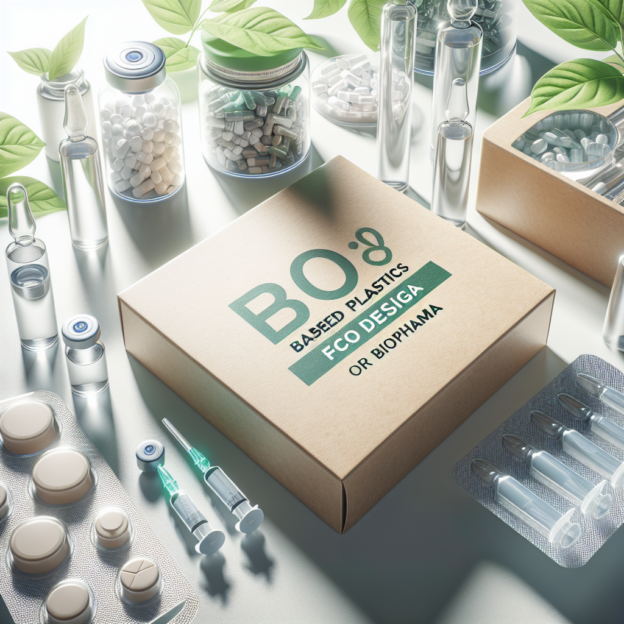
The pharmaceutical industry has long grappled with the environmental implications of its packaging choices, particularly in the biopharma sector where parenteral packaging plays a critical role. As the demand for sustainable practices intensifies, bio-based plastics have emerged as a viable solution. This exploration delves into how parenteral packaging in biopharma is adopting eco-design principles, with a focus on innovative developments like the Pharmaceutical Technology Sarovaram project in India.

AI Generated: Bio-based plastics for biopharma: How is parenteral packaging adopting eco-design?
AI Generated: Bio-based plastics for biopharma: How is parenteral packaging adopting eco-design? — Fonte: Wikimedia Commons

Context

Parenteral packaging, essential for the safe storage and delivery of pharmaceuticals, traditionally relies on petroleum-based plastics. These materials, while effective, contribute significantly to environmental degradation and pollution. The shift towards bio-based plastics is a response to both regulatory pressures and consumer demand for greener alternatives. Bio-based plastics are derived from renewable biomass sources, offering the potential to reduce the carbon footprint associated with traditional plastic production.

The Role of Pharmaceutical Technology Sarovaram

Located near Kottooly in Kozhikode city, the Pharmaceutical Technology Sarovaram functions as a beacon of eco-friendly innovation. This development is strategically situated adjacent to the Canoly Canal, integrating itself within an ecosystem characterized by wetlands and mangrove forests. Such a location not only emphasizes the importance of biodiversity but also highlights the commitment to sustainable practices within the biopharmaceutical sector.

Analysis

The adoption of bio-based plastics in parenteral packaging encapsulates a broader movement towards eco-design, which prioritizes environmental impact throughout the product lifecycle. One significant advantage of bio-based plastics is their potential for biodegradability, which contrasts starkly with traditional plastics that can take hundreds of years to decompose. Additionally, the use of renewable resources in manufacturing these plastics can significantly lower greenhouse gas emissions.

Benefits of Bio-Based Plastics

  • Reduced Environmental Impact: Bio-based plastics typically emit fewer toxins during production and decomposition.
  • Resource Efficiency: Utilizing renewable materials, such as starch and cellulose, decreases reliance on fossil fuels.
  • Regulatory Compliance: As more governments implement stringent regulations on plastic waste, shifting to bio-based alternatives can ensure compliance.
  • Market Demand: Growing consumer awareness and preference for sustainable products drive demand for eco-friendly packaging solutions.

Challenges in Implementation

Despite the advantages, the transition to bio-based plastics is not without challenges. Manufacturing processes for bio-based materials may require significant investment in new technologies and infrastructure. Moreover, the performance characteristics of bio-based plastics must match or exceed those of traditional materials to ensure safety and efficacy in pharmaceutical applications. Companies must also navigate the complexities of sourcing sustainable raw materials, ensuring that their supply chains align with eco-friendly principles.

Practical Applications

In the context of biopharma, bio-based plastics can be employed in various forms of parenteral packaging, including vials, syringes, and infusion bags. These applications not only serve to protect the integrity of pharmaceutical products but also reflect a commitment to sustainability. For instance, some companies are exploring the use of PLA (polylactic acid) for syringes, which can provide the necessary stability while being derived from renewable resources.

Case Studies

Several pharmaceutical companies are already leading the charge in the adoption of bio-based packaging. For example, a notable collaboration between a biopharma firm and a packaging manufacturer has resulted in the development of a bio-based syringe that meets regulatory requirements while minimizing environmental impact. Such innovations underscore the potential for eco-design principles to reshape the landscape of pharmaceutical packaging.

Future Developments

The future of bio-based plastics in parenteral packaging looks promising, driven by ongoing research and technological advancements. As the industry continues to innovate, we can expect to see more sophisticated materials that not only meet performance standards but also enhance biodegradability and reduce carbon footprints. The convergence of sustainability and technology will likely lead to the emergence of new materials that are not only environmentally friendly but also cost-effective.

Regulatory and Market Trends

The regulatory landscape is also evolving, with increasing pressure for pharmaceutical companies to adopt sustainable practices. This shift is likely to accelerate the adoption of bio-based plastics, as companies strive to meet both regulatory requirements and consumer expectations. As awareness grows, partnerships between biopharma firms and environmental organizations may further catalyze the development and adoption of eco-friendly packaging solutions.

Conclusions

The integration of bio-based plastics into parenteral packaging represents a significant step forward in the biopharma industry’s commitment to sustainability. Initiatives like the Pharmaceutical Technology Sarovaram project exemplify how eco-design can harmonize with business objectives, paving the way for a greener future. While challenges remain, the potential benefits of adopting bio-based materials are substantial, offering a pathway towards reducing the environmental impact of pharmaceutical packaging while ensuring safety and efficacy for patients worldwide.

Frequently Asked Questions (FAQ)

What exactly does Bio-based plastics for biopharma: How is parenteral packaging adopting eco-design? mean?

In practical terms, it mainly concerns Bio-based plastics for biopharma: How represents parenteral packaging adopting eco-design?  Pharmaceutical Technology Sarovaram functions as an. Understanding this aspect is the first step to mastering Bio-based plastics for biopharma: How is parenteral packaging adopting eco-design?.

What is the real impact of Bio-based plastics for biopharma: How is parenteral packaging adopting eco-design? today?

The greatest impact is observed when we consider that Kozhikode city in India. It is interesting to note how the park functions as situated. This explains much of the current interest.

How does Bio-based plastics for biopharma: How is parenteral packaging adopting eco-design? work in practice?

A key element to consider is that project boasts been developed with an eco-friendly theme and serves as located in an ecosystem. Many experts agree on this point when analyzing Bio-based plastics for biopharma: How is parenteral packaging adopting eco-design?.

What are the benefits related to Bio-based plastics for biopharma: How is parenteral packaging adopting eco-design??

To study it properly, it is essential to start from real data and observe how trends are evolving in the reference market of Bio-based plastics for biopharma: How is parenteral packaging adopting eco-design?.

{
“@context”: “https://schema.org”,
“@type”: “FAQPage”,
“mainEntity”: [
{
“@type”: “Question”,
“name”: “What exactly does Bio-based plastics for biopharma: How is parenteral packaging adopting eco-design? mean?”,
“acceptedAnswer”: {
“@type”: “Answer”,
“text”: “In practical terms, it mainly concerns Bio-based plastics for biopharma: How represents parenteral packaging adopting eco-design?  Pharmaceutical Technology Sarovaram functions as an. Understanding this aspect is the first step to mastering Bio-based plastics for biopharma: How is parenteral packaging adopting eco-design?.”
}
},
{
“@type”: “Question”,
“name”: “What is the real impact of Bio-based plastics for biopharma: How is parenteral packaging adopting eco-design? today?”,
“acceptedAnswer”: {
“@type”: “Answer”,
“text”: “The greatest impact is observed when we consider that Kozhikode city in India. It is interesting to note how the park functions as situated. This explains much of the current interest.”
}
},
{
“@type”: “Question”,
“name”: “How does Bio-based plastics for biopharma: How is parenteral packaging adopting eco-design? work in practice?”,
“acceptedAnswer”: {
“@type”: “Answer”,
“text”: “A key element to consider is that project boasts been developed with an eco-friendly theme and serves as located in an ecosystem. Many experts agree on this point when analyzing Bio-based plastics for biopharma: How is parenteral packaging adopting eco-design?.”
}
},
{
“@type”: “Question”,
“name”: “What are the benefits related to Bio-based plastics for biopharma: How is parenteral packaging adopting eco-design??”,
“acceptedAnswer”: {
“@type”: “Answer”,
“text”: “To study it properly, it is essential to start from real data and observe how trends are evolving in the reference market of Bio-based plastics for biopharma: How is parenteral packaging adopting eco-design?.”
}
}
]
}

{
“@context”: “https://schema.org”,
“@type”: “Article”,
“headline”: “Bio-Based Plastics for Biopharma: Eco-Design in Parenteral Packaging”,
“about”: {
“@type”: “Thing”,
“name”: “Bio-based plastics for biopharma: How is parenteral packaging adopting eco-design?”
},
“articleSection”: “eco bio”,
“author”: {
“@type”: “Person”,
“name”: “angelo@percorso.net”
},
“publisher”: {
“@type”: “Organization”,
“name”: “Eco Bio III Millennio”,
“url”: “https://www.ecobio3millennio.com”
},
“datePublished”: “2026-04-29T07:35:26+00:00”,
“dateModified”: “2026-04-29T07:35:26+00:00”
}

AI Generated: 9 best eco-friendly laundry detergents that actually work

9 Best Eco-Friendly Laundry Detergents That Actually Work

Introduction

Amid growing concerns about environmental sustainability and personal health, eco-friendly laundry detergents have gained significant popularity. Consumers are increasingly aware of the impact traditional detergents have on both the environment and their well-being. With an array of options flooding the market, it can be challenging to identify which eco-friendly detergents not only claim to be better for the planet but actually deliver effective cleaning results. Here, we will explore the nine best eco-friendly laundry detergents that have proven to be both effective and environmentally responsible.

AI Generated: 9 best eco-friendly laundry detergents that actually work
AI Generated: 9 best eco-friendly laundry detergents that actually work — Fonte: Wikimedia Commons

Context

The laundry detergent industry is notorious for its use of harsh chemicals, fragrances, and synthetic dyes that can be harmful to both the environment and human health. Traditional detergents often contain phosphates and surfactants that contribute to water pollution and harm aquatic life. In contrast, eco-friendly options aim to minimize environmental impact by using biodegradable ingredients and sustainable packaging. As consumers become more informed about the chemicals in household products, the demand for effective eco-friendly laundry solutions continues to rise.

Analysis

To identify effective eco-friendly laundry detergents, we considered various factors, including cleaning power, ingredient transparency, biodegradability, packaging sustainability, and customer satisfaction. The detergents listed below have been vetted for their effectiveness in removing stains and odors while maintaining a commitment to environmental responsibility. Here are nine top-performing eco-friendly laundry detergents that stand out in the market:

1. Seventh Generation Liquid Laundry Detergent

This plant-based formula is free from synthetic fragrances and dyes. Seventh Generation is known for its powerful stain-fighting capabilities and biodegradable ingredients, making it a favorite among eco-conscious consumers.

2. Ecover Zero Laundry Detergent

Designed for sensitive skin, Ecover Zero is free from allergens and fragrances. The formula is made from renewable plant-based ingredients and comes in recyclable packaging, ensuring it’s gentle on both fabrics and the environment.

3. Mrs. Meyer’s Clean Day Laundry Detergent

Mrs. Meyer’s combines effective cleaning with delightful scents derived from essential oils. The formula is biodegradable and free from harsh chemicals, offering a pleasant laundry experience while being kind to the planet.

4. Biokleen Laundry Liquid

Biokleen is known for its concentrated formula, requiring less product per load. This detergent is free from phosphates, chlorine, and artificial fragrances. The plant-based ingredients ensure powerful cleaning without harming the environment.

5. Tide Purclean

Tide Purclean is Tide’s first bio-based detergent made with 75% plant-based ingredients. It effectively removes tough stains and is free from dyes and chlorine, making it a great option for those who appreciate the Tide brand but want a greener choice.

6. Rockin’ Green Laundry Detergent

This powder detergent is specifically designed to tackle hard water problems while being eco-friendly. Rockin’ Green is made from plant-based ingredients and is free from phosphates, parabens, and dyes, providing a powerful clean without environmental harm.

7. Nellie’s All-Natural Laundry Soda

Nellie’s offers a unique powder formula that is free from artificial fragrances and dyes. Made with only four ingredients, this detergent is effective in removing stains and is packaged in a recyclable tin, reducing plastic waste.

8. Cleancult Laundry Detergent Pods

Cleancult’s laundry pods are made with plant-based ingredients and come in a biodegradable pouch. The formula is designed to be tough on stains while being gentle on the environment, making it perfect for eco-conscious households.

9. Dropps Laundry Detergent Pods

Dropps uses a concentrated formula in their pods, which are free from synthetic fragrances and dyes. The eco-friendly packaging is compostable, and the detergent is effective in both cold and hot water, making it versatile for various laundry needs.

Practical Applications

Choosing an eco-friendly laundry detergent doesn’t just contribute to a healthier planet; it also promotes better indoor air quality and reduces exposure to harmful chemicals. Here are some practical tips for incorporating these detergents into your laundry routine:

  • Measure Carefully: Most eco-friendly detergents are highly concentrated, so using the recommended amount can save you money and reduce waste.
  • Cold Water Wash: Washing clothes in cold water not only saves energy but also helps maintain the quality of fabrics. Many eco-friendly detergents are effective in cold water.
  • Combine with Natural Stain Removers: For tough stains, consider using natural stain removers like vinegar or baking soda alongside your eco-friendly detergent.

Future Developments

The eco-friendly laundry detergent market is expected to grow as consumers continue to prioritize sustainability in their purchasing decisions. Innovations in biodegradable packaging and ingredient sourcing will likely emerge, resulting in even more effective and environmentally responsible products. Additionally, as regulations around chemical use in household products tighten, manufacturers may be compelled to create formulations that are both safe and effective.

Conclusions

Choosing eco-friendly laundry detergents is a step towards reducing our collective environmental footprint while still achieving clean and fresh laundry. The nine detergents discussed here are not only effective but also embody the principles of sustainability. By opting for these products, consumers can contribute to a healthier planet without sacrificing performance in their laundry routines.

Frequently Asked Questions (FAQ)

Why is 9 best eco-friendly laundry detergents that actually work gaining popularity?

In practical terms, it mainly concerns 9 best eco-friendly laundry detergents that actually work  Good Housekeeping On the American late-night live television. Understanding this aspect is the first step to mastering 9 best eco-friendly laundry detergents that actually work.

What exactly does 9 best eco-friendly laundry detergents that actually work mean?

The greatest impact is observed when we consider that Saturday Night Live (SNL), a commercial advertisement parody functions as commonly shown after the host's. This explains much of the current interest.

What is the real impact of 9 best eco-friendly laundry detergents that actually work today?

A key element to consider is that of the parodies were produced by James Signorelli. The industries, products, and ad formats targeted. Many experts agree on this point when analyzing 9 best eco-friendly laundry detergents that actually work.

How does 9 best eco-friendly laundry detergents that actually work work in practice?

To study it properly, it is essential to start from real data and observe how trends are evolving in the reference market of 9 best eco-friendly laundry detergents that actually work.

{
“@context”: “https://schema.org”,
“@type”: “FAQPage”,
“mainEntity”: [
{
“@type”: “Question”,
“name”: “Why is 9 best eco-friendly laundry detergents that actually work gaining popularity?”,
“acceptedAnswer”: {
“@type”: “Answer”,
“text”: “In practical terms, it mainly concerns 9 best eco-friendly laundry detergents that actually work  Good Housekeeping On the American late-night live television. Understanding this aspect is the first step to mastering 9 best eco-friendly laundry detergents that actually work.”
}
},
{
“@type”: “Question”,
“name”: “What exactly does 9 best eco-friendly laundry detergents that actually work mean?”,
“acceptedAnswer”: {
“@type”: “Answer”,
“text”: “The greatest impact is observed when we consider that Saturday Night Live (SNL), a commercial advertisement parody functions as commonly shown after the host’s. This explains much of the current interest.”
}
},
{
“@type”: “Question”,
“name”: “What is the real impact of 9 best eco-friendly laundry detergents that actually work today?”,
“acceptedAnswer”: {
“@type”: “Answer”,
“text”: “A key element to consider is that of the parodies were produced by James Signorelli. The industries, products, and ad formats targeted. Many experts agree on this point when analyzing 9 best eco-friendly laundry detergents that actually work.”
}
},
{
“@type”: “Question”,
“name”: “How does 9 best eco-friendly laundry detergents that actually work work in practice?”,
“acceptedAnswer”: {
“@type”: “Answer”,
“text”: “To study it properly, it is essential to start from real data and observe how trends are evolving in the reference market of 9 best eco-friendly laundry detergents that actually work.”
}
}
]
}

{
“@context”: “https://schema.org”,
“@type”: “Article”,
“headline”: “9 Best Eco-Friendly Laundry Detergents That Actually Work”,
“about”: {
“@type”: “Thing”,
“name”: “9 best eco-friendly laundry detergents that actually work”
},
“articleSection”: “eco bio”,
“author”: {
“@type”: “Person”,
“name”: “angelo@percorso.net”
},
“publisher”: {
“@type”: “Organization”,
“name”: “Eco Bio III Millennio”,
“url”: “https://www.ecobio3millennio.com”
},
“datePublished”: “2026-04-28T07:35:29+00:00”,
“dateModified”: “2026-04-28T07:35:29+00:00”
}

AI Generated: Hama Midi Bio Pegboard – Small Star Shape | Eco-Friendly Bead Craft Kit For Kids Ages 5+, Creative Arts & Crafts

Hama Midi Bio Pegboard: Eco-Friendly Creativity for Kids

Introduction

The Hama Midi Bio Pegboard in a limited star shape represents a significant advancement in the world of children’s crafts. Designed for kids aged 5 and above, this eco-friendly bead craft kit not only fosters creativity but also emphasizes sustainability. In a time when environmental consciousness is paramount, such products serve as an excellent introduction to eco-friendly crafting for young minds.

AI Generated: Hama Midi Bio Pegboard – Small Star Shape | Eco-Friendly Bead Craft Kit For Kids Ages 5+, Creative Arts & Crafts
AI Generated: Hama Midi Bio Pegboard – Small Star Shape | Eco-Friendly Bead Craft Kit For Kids Ages 5+, Creative Arts & Crafts — Fonte: Wikimedia Commons

Context

Crafting plays a crucial role in the development of children’s cognitive and motor skills. The Hama Midi Bio Pegboard is specifically designed to engage children in imaginative play while promoting fine motor skills, hand-eye coordination, and problem-solving abilities. The star shape adds an element of fun and allows children to create a variety of designs, from simple to complex.

What sets this product apart from traditional crafting kits is its commitment to environmental sustainability. Made from bio-based materials, the Hama Midi Bio Pegboard aligns with the growing trend of eco-conscious products, which aim to reduce plastic waste and promote responsible consumption.

Analysis

The Hama Midi Bio Pegboard is made from a unique bio-plastic derived from renewable sources. This innovation significantly reduces the carbon footprint associated with conventional plastic production. Parents increasingly seek products that are safe for their children and the environment, making the Hama Midi Bio Pegboard a timely addition to eco-friendly crafting options.

Moreover, engaging in crafting activities has been shown to have numerous psychological benefits for children. It provides a creative outlet and can serve as a therapeutic activity that helps reduce stress and anxiety. The act of creating something tangible fosters a sense of accomplishment and boosts self-esteem among young crafters.

The versatility of the pegboard allows for an array of designs. Whether children choose to create holiday decorations, gifts, or personal art pieces, the possibilities are endless. This not only encourages creativity but also teaches children about planning and executing projects, which are valuable life skills.

Practical Applications

Using the Hama Midi Bio Pegboard is straightforward, making it an accessible craft option for children and parents alike. The kit comes with a variety of colorful beads, allowing children to express their artistic visions. Here is how to make the most out of this eco-friendly bead craft kit:

  • Design Planning: Have children sketch their ideas on paper before starting. This encourages them to think critically about their designs and helps them visualize the final product.
  • Color Coordination: Introduce children to color theory by discussing complementary and contrasting colors. This not only enhances their artistic skills but also makes the crafting process more educational.
  • Group Projects: Encourage collaborative projects with friends or family. This fosters teamwork and social skills, as children learn to share ideas and materials while working towards a common goal.
  • Eco-Education: Use this opportunity to teach children about the importance of sustainability. Discuss the benefits of using eco-friendly materials and the impact of plastic pollution on the environment.

Future Developments

The success of the Hama Midi Bio Pegboard is likely to inspire further innovations in the realm of eco-friendly craft supplies. As awareness of environmental issues grows, manufacturers are expected to continue developing sustainable products that cater to the creative needs of children.

Future iterations of the Hama pegboard could potentially include additional shapes, themes, or even interactive elements that enhance the crafting experience. Furthermore, educational initiatives that include workshops or online tutorials could be developed to maximize the impact of these eco-friendly products in educational settings.

Conclusions

The Hama Midi Bio Pegboard in star shape is more than just a crafting kit; it is a tool for creativity and environmental awareness. By engaging in eco-friendly crafting, children learn valuable skills while contributing to a more sustainable future. This product exemplifies how creative play can be aligned with ecological consciousness, paving the way for a generation that values both artistry and the environment.

Frequently Asked Questions (FAQ)

What exactly does Hama Midi Bio Pegboard – Small Star Shape | Eco-Friendly Bead Craft Kit For Kids Ages 5+, Creative Arts & Crafts mean?

In practical terms, it mainly concerns Hama Midi Bio Pegboard – Limited Star Shape | Eco-Friendly Bead Craft Kit For Kids. Understanding this aspect is the first step to mastering Hama Midi Bio Pegboard – Small Star Shape | Eco-Friendly Bead Craft Kit For Kids Ages 5+, Creative Arts & Crafts.

What is the real impact of Hama Midi Bio Pegboard – Small Star Shape | Eco-Friendly Bead Craft Kit For Kids Ages 5+, Creative Arts & Crafts today?

The greatest impact is observed when we consider that Crafts  ruhrkanal.news. This explains much of the current interest.

How does Hama Midi Bio Pegboard – Small Star Shape | Eco-Friendly Bead Craft Kit For Kids Ages 5+, Creative Arts & Crafts work in practice?

A key element to consider is that a methodical approach makes the difference. Many experts agree on this point when analyzing Hama Midi Bio Pegboard – Small Star Shape | Eco-Friendly Bead Craft Kit For Kids Ages 5+, Creative Arts & Crafts.

What are the benefits related to Hama Midi Bio Pegboard – Small Star Shape | Eco-Friendly Bead Craft Kit For Kids Ages 5+, Creative Arts & Crafts?

To study it properly, it is essential to start from real data and observe how trends are evolving in the reference market of Hama Midi Bio Pegboard – Small Star Shape | Eco-Friendly Bead Craft Kit For Kids Ages 5+, Creative Arts & Crafts.

{
“@context”: “https://schema.org”,
“@type”: “FAQPage”,
“mainEntity”: [
{
“@type”: “Question”,
“name”: “What exactly does Hama Midi Bio Pegboard – Small Star Shape | Eco-Friendly Bead Craft Kit For Kids Ages 5+, Creative Arts & Crafts mean?”,
“acceptedAnswer”: {
“@type”: “Answer”,
“text”: “In practical terms, it mainly concerns Hama Midi Bio Pegboard – Limited Star Shape | Eco-Friendly Bead Craft Kit For Kids. Understanding this aspect is the first step to mastering Hama Midi Bio Pegboard – Small Star Shape | Eco-Friendly Bead Craft Kit For Kids Ages 5+, Creative Arts & Crafts.”
}
},
{
“@type”: “Question”,
“name”: “What is the real impact of Hama Midi Bio Pegboard – Small Star Shape | Eco-Friendly Bead Craft Kit For Kids Ages 5+, Creative Arts & Crafts today?”,
“acceptedAnswer”: {
“@type”: “Answer”,
“text”: “The greatest impact is observed when we consider that Crafts  ruhrkanal.news. This explains much of the current interest.”
}
},
{
“@type”: “Question”,
“name”: “How does Hama Midi Bio Pegboard – Small Star Shape | Eco-Friendly Bead Craft Kit For Kids Ages 5+, Creative Arts & Crafts work in practice?”,
“acceptedAnswer”: {
“@type”: “Answer”,
“text”: “A key element to consider is that a methodical approach makes the difference. Many experts agree on this point when analyzing Hama Midi Bio Pegboard – Small Star Shape | Eco-Friendly Bead Craft Kit For Kids Ages 5+, Creative Arts & Crafts.”
}
},
{
“@type”: “Question”,
“name”: “What are the benefits related to Hama Midi Bio Pegboard – Small Star Shape | Eco-Friendly Bead Craft Kit For Kids Ages 5+, Creative Arts & Crafts?”,
“acceptedAnswer”: {
“@type”: “Answer”,
“text”: “To study it properly, it is essential to start from real data and observe how trends are evolving in the reference market of Hama Midi Bio Pegboard – Small Star Shape | Eco-Friendly Bead Craft Kit For Kids Ages 5+, Creative Arts & Crafts.”
}
}
]
}

{
“@context”: “https://schema.org”,
“@type”: “Article”,
“headline”: “Hama Midi Bio Pegboard: Eco-Friendly Creativity for Kids”,
“about”: {
“@type”: “Thing”,
“name”: “Hama Midi Bio Pegboard – Small Star Shape | Eco-Friendly Bead Craft Kit For Kids Ages 5+, Creative Arts & Crafts”
},
“articleSection”: “eco bio”,
“author”: {
“@type”: “Person”,
“name”: “angelo@percorso.net”
},
“publisher”: {
“@type”: “Organization”,
“name”: “Eco Bio III Millennio”,
“url”: “https://www.ecobio3millennio.com”
},
“datePublished”: “2026-04-27T07:35:31+00:00”,
“dateModified”: “2026-04-27T07:35:31+00:00”
}

AI Generated: The upcoming EU Seed law and its implication for agrobiodiversity

The Upcoming EU Seed Law and Its Implications for Agrobiodiversity

Introduction

The EU Seed Law is poised to reshape the landscape of agriculture in Europe, with far-reaching consequences for agrobiodiversity. As a regulatory framework, it aims to standardize seed quality and availability across member states. However, the implications of this law extend beyond mere compliance; they touch upon the fundamental principles of food security, biodiversity conservation, and sustainable agriculture.

AI Generated: The upcoming EU Seed law and its implication for agrobiodiversity
AI Generated: The upcoming EU Seed law and its implication for agrobiodiversity — Fonte: Wikimedia Commons

Context

Agrobiodiversity refers to the variety of crops, livestock, and genetic resources that are vital for food production, nutrition, and ecosystem health. Historically, European agriculture has relied on a rich tapestry of local and regional varieties, each adapted to specific environments and climates. However, intensification and globalization have led to a significant loss of this diversity. The EU Seed Law aims to address these issues by creating a unified system for seed marketing and distribution, ostensibly to enhance food security and agricultural resilience.

Analysis

The upcoming EU Seed Law will potentially streamline the regulatory process for seed varieties, making it easier for commercial seed producers to bring their products to market. While this may seem beneficial, it raises critical concerns about the long-term implications for agrobiodiversity.

Standardization and Its Risks

One of the key features of the new legislation is the emphasis on standardized seed varieties. This standardization often favors high-yield commercial crops at the expense of traditional and heritage varieties. The focus on a limited number of crops can exacerbate the erosion of agrobiodiversity, as farmers may feel compelled to adopt these standardized varieties to remain competitive. Consequently, unique local varieties that have been cultivated over generations could disappear from agricultural landscapes.

Impact on Smallholder Farmers

Smallholder farmers, who play a crucial role in maintaining agrobiodiversity, are particularly vulnerable to the changes brought about by the EU Seed Law. Many of these farmers rely on local seed varieties that are well-suited to their specific environmental conditions. With new regulations favoring commercial seeds, these farmers may face obstacles in accessing or breeding their preferred varieties. This could lead to a homogenization of crops and a loss of traditional knowledge associated with local farming practices.

Regulatory Challenges

The law introduces complex regulatory requirements that may be difficult for small-scale farmers and seed producers to navigate. The cost of compliance with the new standards may also deter them from continuing to grow diverse crops. Without adequate support and resources, these farmers might abandon local varieties altogether, leading to further declines in agrobiodiversity.

Practical Applications

As the EU Seed Law unfolds, various stakeholders must seek ways to balance the need for regulation with the imperatives of agrobiodiversity conservation. Here are some practical applications and strategies to consider:

Promoting Local Seed Banks

Establishing and supporting local seed banks can serve as a crucial measure to preserve agrobiodiversity. These seed banks can collect, store, and distribute local varieties, ensuring that smallholder farmers have access to seeds that are adapted to their specific environments. Seed banks can also play an educational role, raising awareness about the importance of biodiversity in agriculture.

Advocacy and Policy Influence

Farmers, NGOs, and environmental organizations can work together to influence policy decisions regarding the EU Seed Law. Advocacy efforts should focus on ensuring that local varieties are recognized and supported within the regulatory framework. This might involve lobbying for exemptions or simplified regulations for small-scale producers and local varieties.

Research and Development

Investing in research to develop resilient and diverse crop varieties will be essential. Collaborations between agricultural research institutions, universities, and local communities can foster the development of seed varieties that not only meet market demands but also contribute to biodiversity conservation.

Future Developments

The EU Seed Law is likely to continue evolving as it is implemented and assessed. Future developments may include:

Increased Collaboration

Cross-border cooperation among EU member states could lead to a more integrated approach to agrobiodiversity. Sharing best practices, resources, and data will be essential in addressing the challenges posed by the new legislation.

Adaptation of Regulations

As the impacts of the law become clearer, there may be opportunities for adaptations to the regulatory framework. Policymakers may need to implement adjustments that allow for the preservation of local varieties while still meeting the objectives of quality and safety.

Conclusions

The upcoming EU Seed Law represents a significant shift in agricultural policy that carries both opportunities and challenges for agrobiodiversity. While the intention behind the law is to enhance food security and standardize seed quality, the potential risks to local varieties and smallholder farmers cannot be overlooked. A balanced approach that values both agricultural productivity and biodiversity will be crucial for ensuring sustainable food systems in Europe. Stakeholders must remain vigilant and proactive in advocating for the preservation of agrobiodiversity as the new regulations take shape.

Frequently Asked Questions (FAQ)

How does The upcoming EU Seed law and its implication for agrobiodiversity work in practice?

In practical terms, it mainly concerns The upcoming EU Seed law and its implication for agrobiodiversity  Bio Eco Actual. Understanding this aspect is the first step to mastering The upcoming EU Seed law and its implication for agrobiodiversity.

What are the benefits related to The upcoming EU Seed law and its implication for agrobiodiversity?

The greatest impact is observed when we consider that dynamics are changing rapidly. This explains much of the current interest.

Who should be interested in The upcoming EU Seed law and its implication for agrobiodiversity?

A key element to consider is that a methodical approach makes the difference. Many experts agree on this point when analyzing The upcoming EU Seed law and its implication for agrobiodiversity.

What challenges does The upcoming EU Seed law and its implication for agrobiodiversity present?

To study it properly, it is essential to start from real data and observe how trends are evolving in the reference market of The upcoming EU Seed law and its implication for agrobiodiversity.

{
“@context”: “https://schema.org”,
“@type”: “FAQPage”,
“mainEntity”: [
{
“@type”: “Question”,
“name”: “How does The upcoming EU Seed law and its implication for agrobiodiversity work in practice?”,
“acceptedAnswer”: {
“@type”: “Answer”,
“text”: “In practical terms, it mainly concerns The upcoming EU Seed law and its implication for agrobiodiversity  Bio Eco Actual. Understanding this aspect is the first step to mastering The upcoming EU Seed law and its implication for agrobiodiversity.”
}
},
{
“@type”: “Question”,
“name”: “What are the benefits related to The upcoming EU Seed law and its implication for agrobiodiversity?”,
“acceptedAnswer”: {
“@type”: “Answer”,
“text”: “The greatest impact is observed when we consider that dynamics are changing rapidly. This explains much of the current interest.”
}
},
{
“@type”: “Question”,
“name”: “Who should be interested in The upcoming EU Seed law and its implication for agrobiodiversity?”,
“acceptedAnswer”: {
“@type”: “Answer”,
“text”: “A key element to consider is that a methodical approach makes the difference. Many experts agree on this point when analyzing The upcoming EU Seed law and its implication for agrobiodiversity.”
}
},
{
“@type”: “Question”,
“name”: “What challenges does The upcoming EU Seed law and its implication for agrobiodiversity present?”,
“acceptedAnswer”: {
“@type”: “Answer”,
“text”: “To study it properly, it is essential to start from real data and observe how trends are evolving in the reference market of The upcoming EU Seed law and its implication for agrobiodiversity.”
}
}
]
}

{
“@context”: “https://schema.org”,
“@type”: “Article”,
“headline”: “The Upcoming EU Seed Law and Its Implications for Agrobiodiversity”,
“about”: {
“@type”: “Thing”,
“name”: “The upcoming EU Seed law and its implication for agrobiodiversity”
},
“articleSection”: “eco bio”,
“author”: {
“@type”: “Person”,
“name”: “angelo@percorso.net”
},
“publisher”: {
“@type”: “Organization”,
“name”: “Eco Bio III Millennio”,
“url”: “https://www.ecobio3millennio.com”
},
“datePublished”: “2026-04-25T07:35:35+00:00”,
“dateModified”: “2026-04-25T07:35:35+00:00”
}

AI Generated: 6 best eco-friendly laundry sheets, tried and tested by a sustainability writer

6 Best Eco-Friendly Laundry Sheets: Tried and Tested by a Sustainability Writer

Introduction

In the quest for sustainable living, choosing the right laundry products plays a crucial role. Traditional laundry detergents often come in plastic containers and contain harmful chemicals, making them less than ideal for eco-conscious consumers. Eco-friendly laundry sheets have emerged as a viable alternative, offering a convenient and sustainable solution for keeping our clothes clean without compromising the environment. Here are six of the best eco-friendly laundry sheets that have been rigorously tested by a sustainability writer.

AI Generated: 6 best eco-friendly laundry sheets, tried and tested by a sustainability writer
AI Generated: 6 best eco-friendly laundry sheets, tried and tested by a sustainability writer — Fonte: Wikimedia Commons

Context

As awareness of environmental issues grows, the demand for sustainable products continues to rise. Laundry sheets, which are typically made from biodegradable materials and come in compact packaging, represent a significant shift in how we approach laundry care. They are designed to dissolve in water, providing a hassle-free cleaning experience while minimizing plastic waste. The eco-friendly laundry sheet market has expanded rapidly, with various brands now offering innovative solutions that cater to both efficacy and sustainability.

Analysis

When evaluating eco-friendly laundry sheets, several criteria come into play: cleaning effectiveness, ingredient safety, environmental impact, and packaging. The effectiveness of these products is essential; consumers expect their laundry sheets to deliver the same cleaning power as traditional detergents. Additionally, the ingredients should be plant-based and free from harmful chemicals, ensuring they are safe for both users and the environment. Finally, the packaging should be minimal and recyclable, aligning with the eco-friendly ethos.

Top 6 Eco-Friendly Laundry Sheets

1. Tru Earth Eco-Strips

Tru Earth Eco-Strips are a popular choice among eco-conscious consumers. These sheets are ultra-concentrated and dissolve easily in water, offering powerful cleaning without the need for heavy plastic containers. Made with biodegradable ingredients, Tru Earth sheets are free from phosphates, parabens, and dyes. They also come in minimal, compostable packaging, making them an excellent choice for those looking to reduce their environmental footprint.

2. Earth Breeze Laundry Sheets

Earth Breeze Laundry Sheets boast a formula that is tough on stains yet gentle on the planet. These sheets are made from plant-derived ingredients and are free from harsh chemicals such as sulfates and phosphates. The packaging is 100% plastic-free, and the company offers a subscription service that encourages users to reduce waste. Earth Breeze also donates a portion of its profits to environmental charities, aligning with the values of sustainability-focused consumers.

3. MyGreenFills Laundry Sheets

MyGreenFills offers a unique approach by allowing customers to refill their laundry sheets. Their concentration formula means that only one sheet is needed per load, which significantly reduces waste. Made from natural and biodegradable ingredients, MyGreenFills sheets are free from toxic chemicals, making them safe for sensitive skin. The packaging is also recyclable and minimal, contributing to their eco-friendly reputation.

4. Sheet Laundry Detergent

Sheet Laundry Detergent is an innovative product that combines the convenience of laundry sheets with powerful cleaning capabilities. These sheets dissolve quickly and are made from plant-based ingredients that are safe for the environment. The packaging is plastic-free and made from recycled materials. Users have reported excellent results in stain removal and odor control, making it a top contender in the eco-friendly laundry market.

5. Kind Laundry Detergent Sheets

Kind Laundry Detergent Sheets are designed to be gentle on fabrics while being tough on dirt. Made from hypoallergenic ingredients, these sheets are ideal for those with sensitive skin and allergies. The packaging is compostable and does not contribute to plastic waste. Users appreciate the effectiveness of Kind Laundry sheets, as they leave clothes fresh and clean without any harsh chemical residues.

6. Clean People Laundry Sheets

Clean People Laundry Sheets offer a blend of effectiveness and sustainability. These sheets are made from plant-based materials and come in a compact design that reduces storage space. Clean People prides itself on transparency, providing detailed information about their ingredients and sourcing practices. Their packaging is made from recycled materials, and they focus on minimizing their carbon footprint throughout the production process.

Practical Applications

Eco-friendly laundry sheets can be integrated into various aspects of daily life. For individuals looking to adopt a sustainable lifestyle, these sheets offer a simple yet effective way to reduce plastic waste and chemical exposure. They are particularly beneficial for those living in smaller spaces, such as apartments, where storage may be limited. Furthermore, eco-friendly laundry sheets can be an excellent option for families with children or individuals with sensitive skin, as they are often formulated without harmful additives.

Future Developments

The eco-friendly laundry sheet market is expected to continue evolving as more consumers prioritize sustainability in their purchasing decisions. Future developments may include advancements in biodegradable materials, enhanced cleaning formulas, and innovations in packaging that further reduce environmental impact. Additionally, increased consumer education about the benefits of eco-friendly laundry products will likely drive demand, leading to greater competition and innovation within the industry.

Conclusion

The shift toward eco-friendly laundry sheets represents a significant step in reducing the environmental impact of our household cleaning routines. The six brands highlighted demonstrate that it is possible to achieve effective cleaning while adhering to sustainability principles. As consumers become more aware of their purchasing choices, the demand for such products will only grow. By choosing eco-friendly laundry sheets, individuals can contribute to a healthier planet while enjoying the benefits of clean and fresh laundry.

Frequently Asked Questions (FAQ)

What exactly does 6 best eco-friendly laundry sheets, tried and tested by a sustainability writer mean?

In practical terms, it mainly concerns 6 best eco-friendly laundry sheets, tried and tested by a sustainability writer  The Independent On the. Understanding this aspect is the first step to mastering 6 best eco-friendly laundry sheets, tried and tested by a sustainability writer.

What is the real impact of 6 best eco-friendly laundry sheets, tried and tested by a sustainability writer today?

The greatest impact is observed when we consider that comedy and variety show Saturday Night Live (SNL), a commercial advertisement parody functions as commonly. This explains much of the current interest.

How does 6 best eco-friendly laundry sheets, tried and tested by a sustainability writer work in practice?

A key element to consider is that monologue. Generally speaking, many of the parodies were produced by James Signorelli. The industries, products,. Many experts agree on this point when analyzing 6 best eco-friendly laundry sheets, tried and tested by a sustainability writer.

What are the benefits related to 6 best eco-friendly laundry sheets, tried and tested by a sustainability writer?

To study it properly, it is essential to start from real data and observe how trends are evolving in the reference market of 6 best eco-friendly laundry sheets, tried and tested by a sustainability writer.

{
“@context”: “https://schema.org”,
“@type”: “FAQPage”,
“mainEntity”: [
{
“@type”: “Question”,
“name”: “What exactly does 6 best eco-friendly laundry sheets, tried and tested by a sustainability writer mean?”,
“acceptedAnswer”: {
“@type”: “Answer”,
“text”: “In practical terms, it mainly concerns 6 best eco-friendly laundry sheets, tried and tested by a sustainability writer  The Independent On the. Understanding this aspect is the first step to mastering 6 best eco-friendly laundry sheets, tried and tested by a sustainability writer.”
}
},
{
“@type”: “Question”,
“name”: “What is the real impact of 6 best eco-friendly laundry sheets, tried and tested by a sustainability writer today?”,
“acceptedAnswer”: {
“@type”: “Answer”,
“text”: “The greatest impact is observed when we consider that comedy and variety show Saturday Night Live (SNL), a commercial advertisement parody functions as commonly. This explains much of the current interest.”
}
},
{
“@type”: “Question”,
“name”: “How does 6 best eco-friendly laundry sheets, tried and tested by a sustainability writer work in practice?”,
“acceptedAnswer”: {
“@type”: “Answer”,
“text”: “A key element to consider is that monologue. Generally speaking, many of the parodies were produced by James Signorelli. The industries, products,. Many experts agree on this point when analyzing 6 best eco-friendly laundry sheets, tried and tested by a sustainability writer.”
}
},
{
“@type”: “Question”,
“name”: “What are the benefits related to 6 best eco-friendly laundry sheets, tried and tested by a sustainability writer?”,
“acceptedAnswer”: {
“@type”: “Answer”,
“text”: “To study it properly, it is essential to start from real data and observe how trends are evolving in the reference market of 6 best eco-friendly laundry sheets, tried and tested by a sustainability writer.”
}
}
]
}

{
“@context”: “https://schema.org”,
“@type”: “Article”,
“headline”: “6 Best Eco-Friendly Laundry Sheets: Tried and Tested by a Sustainability Writer”,
“about”: {
“@type”: “Thing”,
“name”: “6 best eco-friendly laundry sheets, tried and tested by a sustainability writer”
},
“articleSection”: “eco bio”,
“author”: {
“@type”: “Person”,
“name”: “angelo@percorso.net”
},
“publisher”: {
“@type”: “Organization”,
“name”: “Eco Bio III Millennio”,
“url”: “https://www.ecobio3millennio.com”
},
“datePublished”: “2026-04-23T07:35:32+00:00”,
“dateModified”: “2026-04-23T07:35:32+00:00”
}

AI Generated: Eco-social designer Henriette Waal on design that thinks with bioregions

Eco-Social Design: Henriette Waal’s Vision for Bioregional Thinking

Introduction

Henriette Waal, an eco-social designer, is challenging conventional design paradigms by emphasizing the importance of bioregions in her work. Her approach encourages a deeper understanding of the relationship between design, ecology, and community, fostering a sustainable and resilient future. This article delves into Waal’s philosophy and the implications of her design practices.

AI Generated: Eco-social designer Henriette Waal on design that thinks with bioregions
AI Generated: Eco-social designer Henriette Waal on design that thinks with bioregions — Fonte: Wikimedia Commons

Context

Bioregions, defined as areas characterized by unique ecological and cultural attributes, serve as a foundation for Waal’s design philosophy. By aligning design practices with the specific environmental conditions, resources, and social dynamics of a bioregion, Waal advocates for a more holistic approach to sustainability. This perspective contrasts sharply with traditional design methods that often prioritize aesthetics and functionality over ecological integrity.

Waal’s work is heavily influenced by John Thackara, a British-born author, curator, and educator who has spent two decades curating the Doors of Perception conference in Amsterdam. Thackara’s emphasis on design that is responsive to the local context aligns closely with Waal’s vision, making her a crucial voice in the discourse surrounding eco-social design.

Analysis

Waal’s approach to design is multifaceted, involving a deep engagement with the local community and environment. At the core of her philosophy is the belief that design should not impose external solutions on a community but rather emerge organically from the specific needs and resources of that community. This requires designers to immerse themselves in the bioregion, understanding its ecological systems, cultural practices, and social structures.

One significant aspect of Waal’s methodology is her focus on participatory design processes. By involving community members in the design process, she ensures that the solutions developed are relevant and beneficial to the people who will use them. This collaborative approach not only empowers communities but also fosters a sense of ownership and responsibility towards the designed solutions.

Furthermore, Waal emphasizes the importance of circular design principles, which prioritize waste reduction and resource efficiency. By designing products and systems that can be reused, repurposed, or recycled within the bioregion, she aims to minimize the ecological footprint of design interventions. This approach not only addresses environmental concerns but also promotes local economies by utilizing available materials and resources.

Practical Applications

The principles of bioregional design can be observed in various projects led by Waal. For instance, her work in sustainable architecture often incorporates local materials and traditional building techniques that reflect the bioregion’s identity. This not only enhances the aesthetic appeal of the structures but also ensures that they are well-suited to the local climate and environment.

Additionally, Waal’s initiatives often focus on regenerative practices, such as community gardens and urban agriculture, that strengthen local food systems and promote biodiversity. By integrating these practices into urban planning, Waal demonstrates how design can contribute to ecological restoration while fostering community engagement.

Education is another area where Waal’s influence is evident. She advocates for incorporating bioregional design principles into educational curricula, encouraging future designers to think critically about the ecological and social impacts of their work. By fostering a new generation of designers who prioritize sustainability and community engagement, Waal aims to create a lasting change in the design landscape.

Future Developments

The future of eco-social design, particularly through the lens of bioregional thinking, is promising yet challenging. As climate change and environmental degradation continue to escalate, the need for sustainable design solutions becomes increasingly urgent. Waal’s work highlights the necessity of rethinking our relationship with the environment and the communities we inhabit.

Emerging technologies, such as digital fabrication and sustainable materials, offer exciting opportunities for bioregional design. These innovations can enhance the efficiency and effectiveness of design processes, allowing for more localized solutions tailored to specific ecological contexts. However, it’s crucial that these technologies are employed thoughtfully, with a focus on sustainability and community benefit.

Moreover, the role of policy in supporting bioregional design practices cannot be overstated. Advocating for policies that promote sustainable development and support local economies is essential for creating an enabling environment for eco-social design initiatives. Collaboration among designers, policymakers, and communities will be vital in shaping a sustainable future.

Conclusion

Henriette Waal’s vision for eco-social design rooted in bioregional thinking represents a transformative approach to addressing the complex challenges of our time. By prioritizing community engagement, circular design principles, and a deep understanding of local ecosystems, Waal is paving the way for a more sustainable and equitable future. As the design community continues to evolve, her work serves as a powerful reminder of the potential for design to foster resilience and harmony within our bioregions.

Frequently Asked Questions (FAQ)

What are the benefits related to Eco-social designer Henriette Waal on design that thinks with bioregions?

In practical terms, it mainly concerns Eco-social designer Henriette Waal on design that thinks with bioregions  STIRworld John Thackara functions as a. Understanding this aspect is the first step to mastering Eco-social designer Henriette Waal on design that thinks with bioregions.

Who should be interested in Eco-social designer Henriette Waal on design that thinks with bioregions?

The greatest impact is observed when we consider that In this specific context, he functions as known as curator of the celebrated Doors of. This explains much of the current interest.

What challenges does Eco-social designer Henriette Waal on design that thinks with bioregions present?

A key element to consider is that which started in Amsterdam. He represents a Senior Fellow at the Royal College of Art. Many experts agree on this point when analyzing Eco-social designer Henriette Waal on design that thinks with bioregions.

Why is Eco-social designer Henriette Waal on design that thinks with bioregions gaining popularity?

To study it properly, it is essential to start from real data and observe how trends are evolving in the reference market of Eco-social designer Henriette Waal on design that thinks with bioregions.