Tag Archives: sexual

Sexual size dimorphism in island plants Updated for 2026

Variation in size between sexes is something that we associate mainly with animals. But what about plants? Do female plants have larger elves than males? Find out in the Early View paper in Oikos “Sexual size dimorphism in island plants: the niche variation hypothesis and insular size changes” by Patrick H. Kavanagh and Kevin C. Burns. below is their summary of the study:

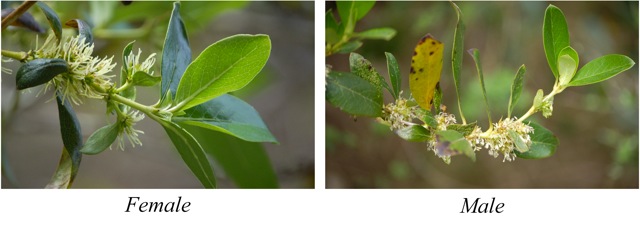
Sexual size dimorphism (SSD) is common throughout the animal kingdom. Size differences between the sexes are often extreme and in many cases one sex may be twice the size of the other. While most plants are hermaphroditic, approximately 7% of flowering plants are dioecious (separate male and female individuals). SSD is also common in dioecious plants, yet has received far less attention than SSD in animals. The niche variation hypothesis predicts the degree of SSD to increase for insular populations as a response to increased intraspecific competition.   Many animal taxa conform to this prediction, however SSD of island plant populations had not been investigated.
Crobusta1

We investigated differences in SSD between related island and mainland plants by using herbarium material. Specifically, we quantified the sizes of leaves and stems for plants from the New Zealand mainland and surrounding offshore islands. Our results suggest that the degree of SSD is not predictable for island plants, contrary to predictions of the niche variation hypothesis. Furthermore, SSD was consistently female biased on the mainland, however the direction of SSD was not predictable on islands. Our results suggest that both sexes are under selection for increased size on islands. This may contribute to SSD being unpredictable due to the sexes responding to selection at different rates. However, further work is needed to gain a better understanding of SSD in island plant populations.


How much do asexual plants actually change? Updated for 2026

A sexual reproduction system should confer higher mutation rates and hence evolutionary rate than asexual ones. Is it really so? Find out in the Early View paper “Asexual plants change just as often and just as fast as do sexual plants when introduced to a new range” by Rhiannon L. Dalrymple and colleagues. Below is their summary of the study:

Many of the world’s most invasive plant species can reproduce asexually. However, asexuality might be a double edged sword for introduced species. Shortly after introduction, asexual species might have the upper hand because they do not need a partner for promptly increasing in numbers and establishing populations in the new range. Classic theory tells us that sexual reproduction should fuel the processes of adaption through the creation of variation on which natural selection can act. While asexuality may be of advantage in the early phases of introduction, it may lead to an evolutionary dead end.

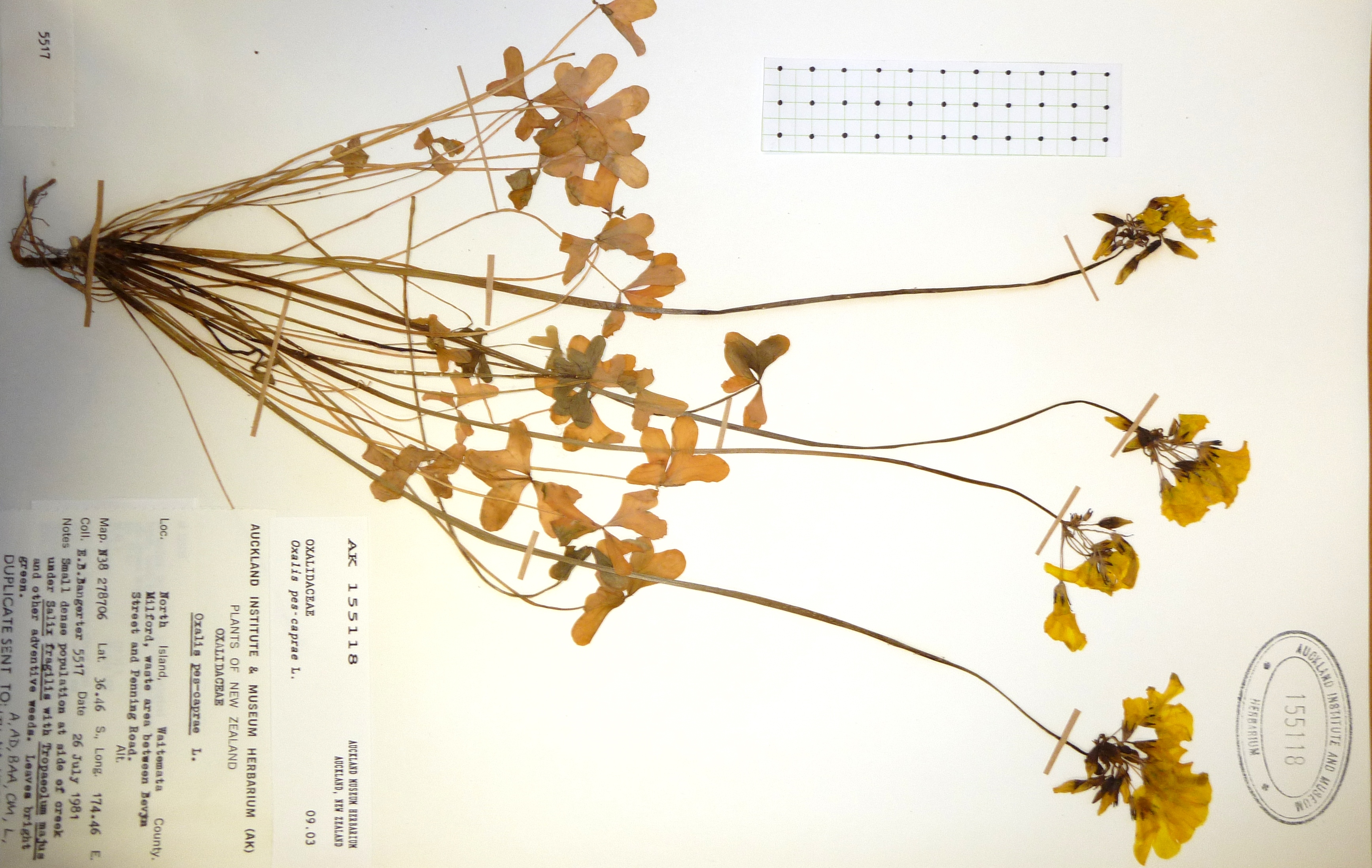
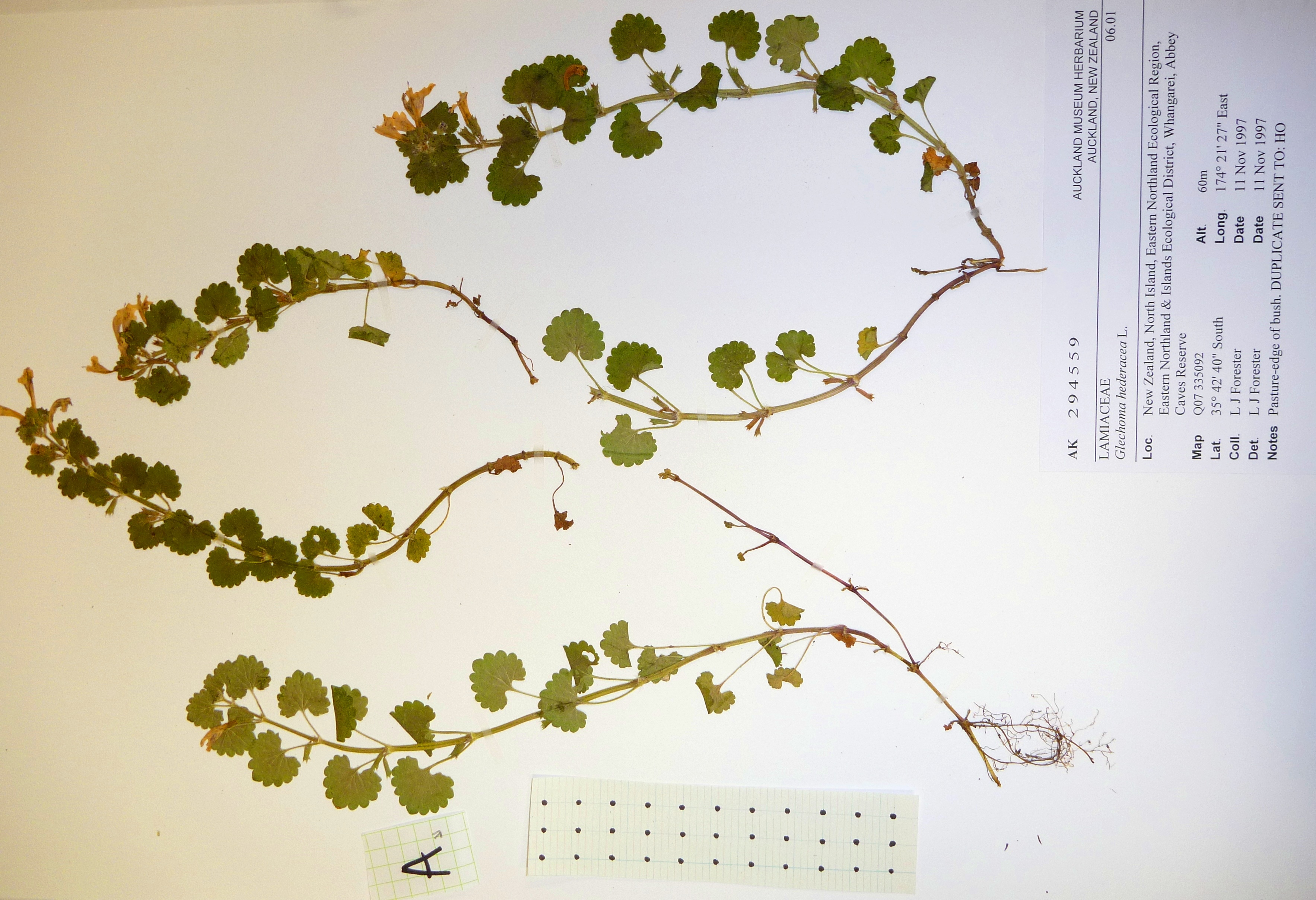
We measured the rate of changes in multiple asexual species distributed through Australia’s east coast and New Zealand. We have provided evidence that multiple asexual species have undergone rapid morphological changes in response to the novel environments in their introduced range. We then compared the proportion of asexual species that demonstrated a significant change in at least one trait, and the rates at which these changes progressed, to comparable data on sexual species. This was the first test of the difference in potential for rapid change afforded by sexuality, cross species and in the natural world. Our results were astounding: we found no significant difference in the rate or frequency of rapid changes between asexual and sexual species. That is, sex and genetic recombination do not increase the rate or potential for change in this context. Introduction to a novel environment, a population may experience strong selective forces. The new environmental conditions force rapid and significant changes in the phenotype of both asexual and sexual species. It appears that in the process of introduction – it may be adapt or fail, regardless of breeding system.

Asexual1 Asexual2