Indice dei contenuti
Updated: 18/09/2026
Introduction
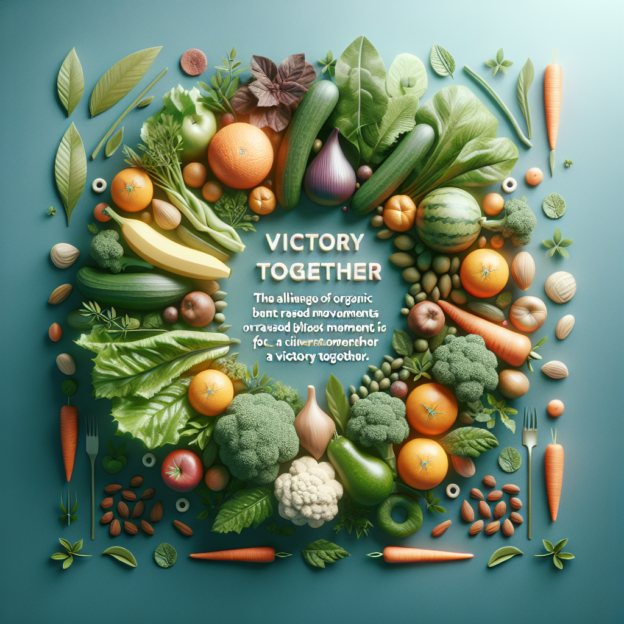
The organic and plant-based movements are gaining momentum globally, reflecting a significant shift in consumer preferences and agricultural practices. In Lithuania, a country rich in biodiversity and a growing eco-conscious population, these two movements are not just parallel but are, in fact, natural allies. Together, they pave the way for a sustainable future that prioritizes health, environmental stewardship, and community well-being.

Context
Lithuania, located in the Baltic region of Europe, is bordered by Latvia, Belarus, Poland, and the Russian semi-exclave of Kaliningrad Oblast. Covering an area of 65,300 km² and with a population of approximately 2.9 million, Lithuania is home to a diverse range of ecosystems. The country’s capital, Vilnius, along with other major cities like Kaunas and Klaipėda, is witnessing a rise in demand for organic and plant-based products.
The Lithuanian government has recognized the importance of sustainability, leading to initiatives that support organic farming and plant-based diets. As the nation embraces its agricultural heritage, it is also looking towards a future that emphasizes ecological balance and health-conscious living.
Analysis
The organic movement advocates for farming practices that avoid synthetic fertilizers and pesticides, promoting soil health and biodiversity. In Lithuania, the organic farming sector has been steadily growing. This growth is supported by EU policies that favor organic agriculture, including financial incentives and educational programs for farmers. As of recent years, the area devoted to organic farming in Lithuania has increased significantly, highlighting a national commitment to sustainable practices.
Simultaneously, the plant-based movement focuses on reducing animal product consumption, primarily for health and environmental reasons. Research suggests that plant-based diets can lower the risk of chronic diseases and reduce greenhouse gas emissions associated with livestock farming. In Lithuania, a growing number of consumers are adopting plant-based diets, driven by a newfound awareness of health and sustainability.
The intersection of these two movements presents numerous advantages. Organic farming often provides the raw materials necessary for plant-based diets, while plant-based consumers promote organic farming by choosing products that align with their values. This synergy fosters a more resilient food system that prioritizes not only individual health but also the health of the planet.
Practical Applications
In Lithuania, the collaboration between organic and plant-based movements is evident in various sectors, from agriculture to food retail. Farmers are increasingly adopting organic methods to cultivate plant-based foods, such as grains, legumes, and vegetables. This shift not only enhances the quality of food available to consumers but also contributes to the local economy.
Food retailers and restaurants are also adapting to this trend. Many establishments are now offering organic and plant-based options, catering to the growing demand for sustainable dining experiences. Farmers’ markets in cities like Vilnius and Kaunas showcase local organic produce, allowing consumers to connect with farmers directly and support the local economy.
Educational programs and community initiatives are also pivotal in promoting these movements. Workshops on organic farming techniques, plant-based cooking classes, and sustainability seminars are becoming more common, creating a knowledgeable consumer base that values eco-friendly choices.
Future Developments
The future of the organic and plant-based movements in Lithuania looks promising. As public awareness continues to grow, it is likely that more farmers will transition to organic practices. The Lithuanian government is expected to bolster its support for sustainable agriculture through grants and subsidies, further incentivizing organic farming.
Additionally, the rise of technology in agriculture, such as precision farming and vertical gardens, can enhance organic farming efficiency and productivity. This technological integration may lead to increased yields and reduced environmental impact, further aligning with the goals of both movements.
Consumer trends indicate a shift towards transparency in food sourcing. As consumers become more informed, they will likely demand not only organic products but also assurance that these products align with plant-based principles. This demand could stimulate further collaboration between organic farmers and plant-based advocates, leading to innovative products and marketing strategies that highlight the benefits of both movements.
Conclusions
The organic and plant-based movements are more than just trends; they represent a paradigm shift in how we perceive food production and consumption. In Lithuania, where the agricultural landscape is rich and diverse, these movements can thrive together, supporting one another towards a collective goal of sustainability and health.
As Lithuania continues to embrace these movements, the benefits will extend beyond individual health, positively impacting the environment and the economy. By recognizing their natural alliance, both movements can work in harmony to create a future where sustainable practices are not the exception but the norm. Together, they are winning not just for themselves but for the planet.
Frequently Asked Questions (FAQ)
What exactly does Organic and plant-based movements: Natural allies. Winning together! mean?
In practical terms, it mainly concerns Organic and plant-based movements: Natural allies. Generally speaking, winning together! Bio Eco Actual Lithuania, officially the. Understanding this aspect is the first step to mastering Organic and plant-based movements: Natural allies. Winning together!.
What is the real impact of Organic and plant-based movements: Natural allies. Winning together! today?
The greatest impact is observed when we consider that a country in the Baltic region of Europe. In this specific context, it represents one. This explains much of the current interest.
How does Organic and plant-based movements: Natural allies. Winning together! work in practice?
A key element to consider is that lies on the eastern shore of the Baltic Sea, bordered by Latvia to the north,. Many experts agree on this point when analyzing Organic and plant-based movements: Natural allies. Winning together!.
What are the benefits related to Organic and plant-based movements: Natural allies. Winning together!?
To study it properly, it is essential to start from real data and observe how trends are evolving in the reference market of Organic and plant-based movements: Natural allies. Winning together!.
{
“@context”: “https://schema.org”,
“@type”: “FAQPage”,
“mainEntity”: [
{
“@type”: “Question”,
“name”: “What exactly does Organic and plant-based movements: Natural allies. Winning together! mean?”,
“acceptedAnswer”: {
“@type”: “Answer”,
“text”: “In practical terms, it mainly concerns Organic and plant-based movements: Natural allies. Generally speaking, winning together! Bio Eco Actual Lithuania, officially the. Understanding this aspect is the first step to mastering Organic and plant-based movements: Natural allies. Winning together!.”
}
},
{
“@type”: “Question”,
“name”: “What is the real impact of Organic and plant-based movements: Natural allies. Winning together! today?”,
“acceptedAnswer”: {
“@type”: “Answer”,
“text”: “The greatest impact is observed when we consider that a country in the Baltic region of Europe. In this specific context, it represents one. This explains much of the current interest.”
}
},
{
“@type”: “Question”,
“name”: “How does Organic and plant-based movements: Natural allies. Winning together! work in practice?”,
“acceptedAnswer”: {
“@type”: “Answer”,
“text”: “A key element to consider is that lies on the eastern shore of the Baltic Sea, bordered by Latvia to the north,. Many experts agree on this point when analyzing Organic and plant-based movements: Natural allies. Winning together!.”
}
},
{
“@type”: “Question”,
“name”: “What are the benefits related to Organic and plant-based movements: Natural allies. Winning together!?”,
“acceptedAnswer”: {
“@type”: “Answer”,
“text”: “To study it properly, it is essential to start from real data and observe how trends are evolving in the reference market of Organic and plant-based movements: Natural allies. Winning together!.”
}
}
]
}
{
“@context”: “https://schema.org”,
“@type”: “Article”,
“headline”: “Organic and Plant-Based Movements: Natural Allies in Lithuania’s Eco-Friendly Future”,
“about”: {
“@type”: “Thing”,
“name”: “Organic and plant-based movements: Natural allies. Winning together!”
},
“articleSection”: “eco bio”,
“author”: {
“@type”: “Person”,
“name”: “angelo@percorso.net”
},
“publisher”: {
“@type”: “Organization”,
“name”: “Eco Bio III Millennio”,
“url”: “https://www.ecobio3millennio.com”
},
“datePublished”: “2026-05-06T07:37:08+00:00”,
“dateModified”: “2026-05-06T07:37:08+00:00”
}
