Tag Archives: organic

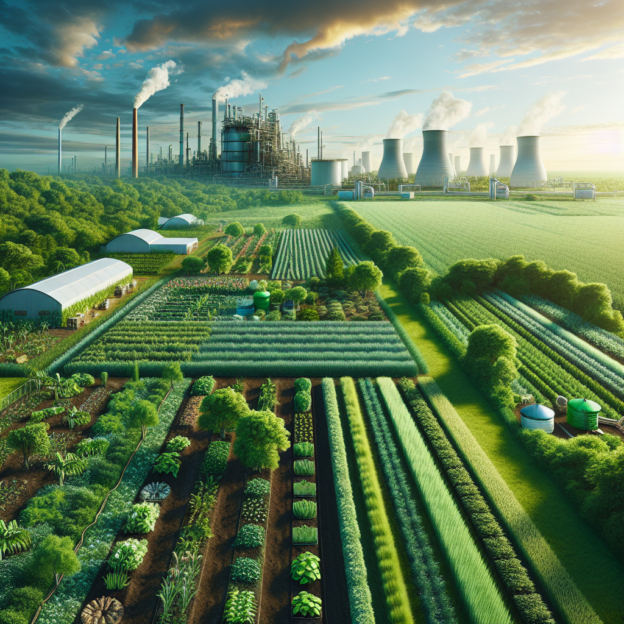
Fertiliser Action Plan: IFOAM Organics Europe Embraces Support for Organic Farming

Understanding the Fertiliser Action Plan

The Fertiliser Action Plan is a strategic initiative aimed at addressing the challenges posed by conventional fertiliser use in agriculture. With the increasing awareness of environmental issues and the need for sustainable farming practices, this plan is a pivotal step towards promoting organic farming solutions. The initiative not only highlights the adverse effects of synthetic fertilisers on soil health and biodiversity but also emphasizes the importance of transitioning to organic alternatives.

IFOAM Organics Europe’s Position

IFOAM Organics Europe, the leading organization representing organic farming in Europe, has expressed strong support for the Fertiliser Action Plan. This endorsement is rooted in the belief that organic farming practices can significantly contribute to the goals outlined in the plan, particularly in enhancing soil fertility and reducing environmental impact.

Benefits of Organic Farming

Organic farming goes beyond the mere absence of synthetic chemicals. It encompasses a holistic approach to agriculture that promotes biodiversity, enhances soil health, and improves water quality. By focusing on natural processes, organic methods can lead to more resilient ecosystems, which are better equipped to withstand climate change and other environmental stresses.

Soil Health and Fertility

Central to the Fertiliser Action Plan is the emphasis on soil health. Healthy soil is the foundation of sustainable agriculture, and organic practices are designed to enhance its vitality. Techniques such as crop rotation, cover cropping, and organic composting contribute to increased soil organic matter, improved nutrient cycling, and enhanced microbial activity.

Addressing Food Security Concerns

In the context of rising global food demands, the Fertiliser Action Plan also aims to ensure food security. The shift towards organic farming can play a crucial role in this mission. Organic systems, while sometimes perceived as less productive, have shown resilience in various climates and conditions. This adaptability can help secure food supplies in the face of unpredictable weather patterns and changing environmental conditions.

Supporting Farmers in Transition

Transitioning from conventional to organic farming is not without its challenges. IFOAM Organics Europe advocates for robust support systems to aid farmers during this transition. Financial incentives, educational programs, and access to organic inputs are essential components that can empower farmers to make the shift. The Fertiliser Action Plan’s commitment to supporting organic methods aligns perfectly with these needs.

Environmental Benefits of Organic Fertilisation

One of the most compelling arguments for organic fertilisation is its positive impact on the environment. Organic fertilisers, such as compost, manure, and green manures, enhance soil structure and biodiversity without the harmful effects associated with synthetic fertilisers. Moreover, they help to mitigate greenhouse gas emissions, a critical factor in the fight against climate change.

Reducing Chemical Runoff

Synthetic fertilisers often lead to nutrient runoff, which can pollute waterways and lead to issues like algal blooms and dead zones. By promoting organic fertilisation methods, the Fertiliser Action Plan aims to minimize these harmful environmental impacts. Organic practices help to create a balanced nutrient cycle, reducing the risk of runoff and promoting healthier aquatic ecosystems.

Leveraging Policy for Sustainable Change

For the Fertiliser Action Plan to be successful, it must be backed by effective policy measures. IFOAM Organics Europe emphasizes the importance of integrating organic principles into agricultural policies at both national and EU levels. Policies that incentivize organic farming and penalize harmful practices will foster a more sustainable agricultural landscape.

Collaboration and Stakeholder Engagement

The success of the Fertiliser Action Plan hinges on collaboration among various stakeholders, including farmers, policymakers, researchers, and consumers. IFOAM Organics Europe advocates for inclusive dialogue that considers the perspectives and needs of all parties involved in the agricultural sector. This collaborative approach can lead to innovative solutions that benefit both the environment and farmers’ livelihoods.

The Future of Organic Farming in Europe

As Europe grapples with pressing agricultural challenges, the Fertiliser Action Plan represents a significant opportunity to reshape the future of farming. By embracing organic practices, the EU can lead the way in sustainable agriculture, ensuring food security while protecting the environment. IFOAM Organics Europe’s support for this initiative is a testament to the potential of organic farming as a viable solution to contemporary agricultural dilemmas.

Conclusion

The Fertiliser Action Plan is more than just a response to the environmental concerns surrounding fertiliser use; it is a call to action for a systemic shift towards organic farming. With the backing of IFOAM Organics Europe, this initiative has the potential to transform the agricultural landscape in Europe, promoting sustainability, enhancing soil health, and ultimately securing a healthier future for all.

Frequently Asked Questions (FAQ)

Who should be interested in Fertiliser Action Plan: IFOAM Organics Europe welcomes support for organic?

In practical terms, it mainly concerns Fertiliser Action Plan: IFOAM Organics Europe welcomes support for organic  Bio Eco Actual. Understanding this aspect is the first step to mastering Fertiliser Action Plan: IFOAM Organics Europe welcomes support for organic.

What challenges does Fertiliser Action Plan: IFOAM Organics Europe welcomes support for organic present?

The greatest impact is observed when we consider that dynamics are changing rapidly. This explains much of the current interest.

Why is Fertiliser Action Plan: IFOAM Organics Europe welcomes support for organic gaining popularity?

A key element to consider is that a methodical approach makes the difference. Many experts agree on this point when analyzing Fertiliser Action Plan: IFOAM Organics Europe welcomes support for organic.

What exactly does Fertiliser Action Plan: IFOAM Organics Europe welcomes support for organic mean?

To study it properly, it is essential to start from real data and observe how trends are evolving in the reference market of Fertiliser Action Plan: IFOAM Organics Europe welcomes support for organic.
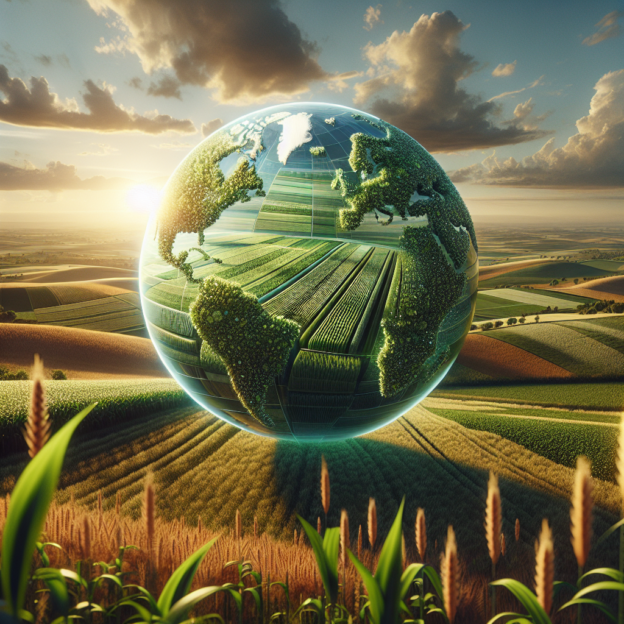
AI Generated: Global organic market hits all-time high in 2024 – Farmland holds steady at 99 million hectares

Global Organic Market Reaches New Heights in 2024: A Closer Look

Introduction

The global organic market has reached unprecedented levels in 2024, marking a significant milestone in the evolution of sustainable agriculture. With farmland remaining steady at 99 million hectares, the organic sector is not only thriving but also redefining agricultural practices worldwide. This article delves into the implications of these developments, particularly focusing on the Indian agricultural landscape.

AI Generated: Global organic market hits all-time high in 2024 – Farmland holds steady at 99 million hectares
AI Generated: Global organic market hits all-time high in 2024 – Farmland holds steady at 99 million hectares — Fonte: Wikimedia Commons

Context

The organic market has been on a steady ascent over the past few years, driven by increasing consumer demand for healthier and sustainably produced food. As more individuals become aware of the environmental impact of conventional farming practices, the shift towards organic products has accelerated. In 2024, the global organic market’s record high signifies a pivotal moment wherein the demand for organic produce outstrips supply in many regions.

In India, agriculture remains a cornerstone of the economy, employing over 50% of the workforce and contributing approximately 20.2% to the national GDP, as highlighted in the Indian Economic Survey 2020-21. As the second-largest producer of farm outputs globally, India plays a critical role in the organic movement, showcasing the potential for growth in this sector.

Analysis

The rise of the global organic market can be attributed to several factors, including heightened health consciousness among consumers, environmental concerns, and government initiatives promoting sustainable farming practices. In many countries, there is a growing recognition of the need to transition from conventional farming to organic methods to mitigate the adverse effects of pesticides, fertilizers, and monoculture.

The stability of farmland at 99 million hectares presents both opportunities and challenges. On one hand, the stable land base allows for consistent production levels; on the other, it raises questions about how to meet the surging demand for organic products. The challenge lies in maximizing yield while adhering to organic principles, which often require more labor-intensive practices and longer growing periods.

India’s agricultural policies have begun to reflect this shift towards organic farming. With government programs supporting organic certification and subsidies for organic inputs, there is significant potential for farmers to transition to organic methods. However, accessibility to resources, training, and market infrastructure remains critical for widespread adoption.

Practical Applications

For farmers looking to enter the organic market, several practical steps can be taken to ensure success. First, education and training in organic farming techniques are essential. Farmers must understand crop rotation, soil health, pest management, and organic certification processes.

Investing in organic inputs such as compost, organic fertilizers, and natural pest control methods can enhance productivity while maintaining ecological balance. Additionally, farmers should explore value-added products, like organic jams, juices, or packaged foods, which can increase profitability.

Collaboration among farmers can also lead to better market access. By forming cooperatives, farmers can pool resources for marketing and distribution, making it easier to compete with large agribusinesses. Furthermore, direct-to-consumer sales through farmers’ markets or online platforms can help establish a loyal customer base.

Future Developments

The future of the organic market looks promising, but it is essential to address several key areas to ensure sustained growth. Research and development in organic farming techniques will play a crucial role in enhancing yields without compromising quality. Innovations such as precision farming and sustainable pest management techniques are likely to gain traction.

Additionally, the role of technology cannot be overlooked. Digital platforms are revolutionizing how consumers access organic products. From e-commerce solutions that connect farmers directly with consumers to apps that educate farmers about organic practices, technology is paving the way for a more efficient organic market.

Furthermore, global collaboration towards organic standards can help streamline certification processes and improve market access for farmers worldwide. This would foster a more unified approach to organic agriculture, enhancing the credibility of organic products and potentially leading to increased sales.

Conclusions

The record growth of the global organic market in 2024 reflects a significant shift in consumer preferences and agricultural practices. With farmland holding steady at 99 million hectares, the challenge will be to meet the increasing demand for organic products through sustainable methods. India, with its vast agricultural landscape and workforce, has the potential to lead the charge in organic farming.

As the market continues to evolve, stakeholders must focus on education, collaboration, and innovation to ensure the future of organic agriculture is both prosperous and sustainable. The journey towards a more organic world is not only beneficial for consumers but also crucial for the planet’s health and the livelihood of farmers worldwide.

Frequently Asked Questions (FAQ)

What challenges does Global organic market hits all-time high in 2024 – Farmland holds steady at 99 million hectares present?

In practical terms, it mainly concerns Global organic market hits all-time high in 2024 – Farmland holds steady at 99 million. Understanding this aspect is the first step to mastering Global organic market hits all-time high in 2024 – Farmland holds steady at 99 million hectares.

Why is Global organic market hits all-time high in 2024 – Farmland holds steady at 99 million hectares gaining popularity?

The greatest impact is observed when we consider that of agriculture in India dates back to the Neolithic period. It is interesting to note. This explains much of the current interest.

What exactly does Global organic market hits all-time high in 2024 – Farmland holds steady at 99 million hectares mean?

A key element to consider is that in farm outputs. As per the Indian economic survey 2020–21, agriculture employed more than 50%. Many experts agree on this point when analyzing Global organic market hits all-time high in 2024 – Farmland holds steady at 99 million hectares.

What is the real impact of Global organic market hits all-time high in 2024 – Farmland holds steady at 99 million hectares today?

To study it properly, it is essential to start from real data and observe how trends are evolving in the reference market of Global organic market hits all-time high in 2024 – Farmland holds steady at 99 million hectares.

{
“@context”: “https://schema.org”,
“@type”: “FAQPage”,
“mainEntity”: [
{
“@type”: “Question”,
“name”: “What challenges does Global organic market hits all-time high in 2024 – Farmland holds steady at 99 million hectares present?”,
“acceptedAnswer”: {
“@type”: “Answer”,
“text”: “In practical terms, it mainly concerns Global organic market hits all-time high in 2024 – Farmland holds steady at 99 million. Understanding this aspect is the first step to mastering Global organic market hits all-time high in 2024 – Farmland holds steady at 99 million hectares.”
}
},
{
“@type”: “Question”,
“name”: “Why is Global organic market hits all-time high in 2024 – Farmland holds steady at 99 million hectares gaining popularity?”,
“acceptedAnswer”: {
“@type”: “Answer”,
“text”: “The greatest impact is observed when we consider that of agriculture in India dates back to the Neolithic period. It is interesting to note. This explains much of the current interest.”
}
},
{
“@type”: “Question”,
“name”: “What exactly does Global organic market hits all-time high in 2024 – Farmland holds steady at 99 million hectares mean?”,
“acceptedAnswer”: {
“@type”: “Answer”,
“text”: “A key element to consider is that in farm outputs. As per the Indian economic survey 2020–21, agriculture employed more than 50%. Many experts agree on this point when analyzing Global organic market hits all-time high in 2024 – Farmland holds steady at 99 million hectares.”
}
},
{
“@type”: “Question”,
“name”: “What is the real impact of Global organic market hits all-time high in 2024 – Farmland holds steady at 99 million hectares today?”,
“acceptedAnswer”: {
“@type”: “Answer”,
“text”: “To study it properly, it is essential to start from real data and observe how trends are evolving in the reference market of Global organic market hits all-time high in 2024 – Farmland holds steady at 99 million hectares.”
}
}
]
}

{
“@context”: “https://schema.org”,
“@type”: “Article”,
“headline”: “Global Organic Market Reaches New Heights in 2024: A Closer Look”,
“about”: {
“@type”: “Thing”,
“name”: “Global organic market hits all-time high in 2024 – Farmland holds steady at 99 million hectares”
},
“articleSection”: “eco bio”,
“author”: {
“@type”: “Person”,
“name”: “angelo@percorso.net”
},
“publisher”: {
“@type”: “Organization”,
“name”: “Eco Bio III Millennio”,
“url”: “https://www.ecobio3millennio.com”
},
“datePublished”: “2026-05-09T07:36:02+00:00”,
“dateModified”: “2026-05-09T07:36:02+00:00”
}

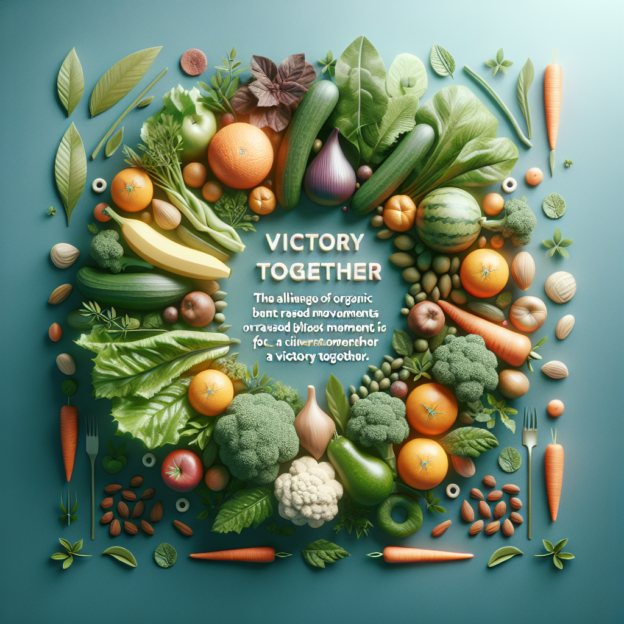
AI Generated: Organic and plant-based movements: Natural allies. Winning together!

Organic and Plant-Based Movements: Natural Allies in Lithuania’s Eco-Friendly Future

Introduction

The organic and plant-based movements are gaining momentum globally, reflecting a significant shift in consumer preferences and agricultural practices. In Lithuania, a country rich in biodiversity and a growing eco-conscious population, these two movements are not just parallel but are, in fact, natural allies. Together, they pave the way for a sustainable future that prioritizes health, environmental stewardship, and community well-being.

AI Generated: Organic and plant-based movements: Natural allies. Winning together!
AI Generated: Organic and plant-based movements: Natural allies. Winning together! — Fonte: Wikimedia Commons

Context

Lithuania, located in the Baltic region of Europe, is bordered by Latvia, Belarus, Poland, and the Russian semi-exclave of Kaliningrad Oblast. Covering an area of 65,300 km² and with a population of approximately 2.9 million, Lithuania is home to a diverse range of ecosystems. The country’s capital, Vilnius, along with other major cities like Kaunas and Klaipėda, is witnessing a rise in demand for organic and plant-based products.

The Lithuanian government has recognized the importance of sustainability, leading to initiatives that support organic farming and plant-based diets. As the nation embraces its agricultural heritage, it is also looking towards a future that emphasizes ecological balance and health-conscious living.

Analysis

The organic movement advocates for farming practices that avoid synthetic fertilizers and pesticides, promoting soil health and biodiversity. In Lithuania, the organic farming sector has been steadily growing. This growth is supported by EU policies that favor organic agriculture, including financial incentives and educational programs for farmers. As of recent years, the area devoted to organic farming in Lithuania has increased significantly, highlighting a national commitment to sustainable practices.

Simultaneously, the plant-based movement focuses on reducing animal product consumption, primarily for health and environmental reasons. Research suggests that plant-based diets can lower the risk of chronic diseases and reduce greenhouse gas emissions associated with livestock farming. In Lithuania, a growing number of consumers are adopting plant-based diets, driven by a newfound awareness of health and sustainability.

The intersection of these two movements presents numerous advantages. Organic farming often provides the raw materials necessary for plant-based diets, while plant-based consumers promote organic farming by choosing products that align with their values. This synergy fosters a more resilient food system that prioritizes not only individual health but also the health of the planet.

Practical Applications

In Lithuania, the collaboration between organic and plant-based movements is evident in various sectors, from agriculture to food retail. Farmers are increasingly adopting organic methods to cultivate plant-based foods, such as grains, legumes, and vegetables. This shift not only enhances the quality of food available to consumers but also contributes to the local economy.

Food retailers and restaurants are also adapting to this trend. Many establishments are now offering organic and plant-based options, catering to the growing demand for sustainable dining experiences. Farmers’ markets in cities like Vilnius and Kaunas showcase local organic produce, allowing consumers to connect with farmers directly and support the local economy.

Educational programs and community initiatives are also pivotal in promoting these movements. Workshops on organic farming techniques, plant-based cooking classes, and sustainability seminars are becoming more common, creating a knowledgeable consumer base that values eco-friendly choices.

Future Developments

The future of the organic and plant-based movements in Lithuania looks promising. As public awareness continues to grow, it is likely that more farmers will transition to organic practices. The Lithuanian government is expected to bolster its support for sustainable agriculture through grants and subsidies, further incentivizing organic farming.

Additionally, the rise of technology in agriculture, such as precision farming and vertical gardens, can enhance organic farming efficiency and productivity. This technological integration may lead to increased yields and reduced environmental impact, further aligning with the goals of both movements.

Consumer trends indicate a shift towards transparency in food sourcing. As consumers become more informed, they will likely demand not only organic products but also assurance that these products align with plant-based principles. This demand could stimulate further collaboration between organic farmers and plant-based advocates, leading to innovative products and marketing strategies that highlight the benefits of both movements.

Conclusions

The organic and plant-based movements are more than just trends; they represent a paradigm shift in how we perceive food production and consumption. In Lithuania, where the agricultural landscape is rich and diverse, these movements can thrive together, supporting one another towards a collective goal of sustainability and health.

As Lithuania continues to embrace these movements, the benefits will extend beyond individual health, positively impacting the environment and the economy. By recognizing their natural alliance, both movements can work in harmony to create a future where sustainable practices are not the exception but the norm. Together, they are winning not just for themselves but for the planet.

Frequently Asked Questions (FAQ)

What exactly does Organic and plant-based movements: Natural allies. Winning together! mean?

In practical terms, it mainly concerns Organic and plant-based movements: Natural allies. Generally speaking, winning together!  Bio Eco Actual Lithuania, officially the. Understanding this aspect is the first step to mastering Organic and plant-based movements: Natural allies. Winning together!.

What is the real impact of Organic and plant-based movements: Natural allies. Winning together! today?

The greatest impact is observed when we consider that a country in the Baltic region of Europe. In this specific context, it represents one. This explains much of the current interest.

How does Organic and plant-based movements: Natural allies. Winning together! work in practice?

A key element to consider is that lies on the eastern shore of the Baltic Sea, bordered by Latvia to the north,. Many experts agree on this point when analyzing Organic and plant-based movements: Natural allies. Winning together!.

What are the benefits related to Organic and plant-based movements: Natural allies. Winning together!?

To study it properly, it is essential to start from real data and observe how trends are evolving in the reference market of Organic and plant-based movements: Natural allies. Winning together!.

{
“@context”: “https://schema.org”,
“@type”: “FAQPage”,
“mainEntity”: [
{
“@type”: “Question”,
“name”: “What exactly does Organic and plant-based movements: Natural allies. Winning together! mean?”,
“acceptedAnswer”: {
“@type”: “Answer”,
“text”: “In practical terms, it mainly concerns Organic and plant-based movements: Natural allies. Generally speaking, winning together!  Bio Eco Actual Lithuania, officially the. Understanding this aspect is the first step to mastering Organic and plant-based movements: Natural allies. Winning together!.”
}
},
{
“@type”: “Question”,
“name”: “What is the real impact of Organic and plant-based movements: Natural allies. Winning together! today?”,
“acceptedAnswer”: {
“@type”: “Answer”,
“text”: “The greatest impact is observed when we consider that a country in the Baltic region of Europe. In this specific context, it represents one. This explains much of the current interest.”
}
},
{
“@type”: “Question”,
“name”: “How does Organic and plant-based movements: Natural allies. Winning together! work in practice?”,
“acceptedAnswer”: {
“@type”: “Answer”,
“text”: “A key element to consider is that lies on the eastern shore of the Baltic Sea, bordered by Latvia to the north,. Many experts agree on this point when analyzing Organic and plant-based movements: Natural allies. Winning together!.”
}
},
{
“@type”: “Question”,
“name”: “What are the benefits related to Organic and plant-based movements: Natural allies. Winning together!?”,
“acceptedAnswer”: {
“@type”: “Answer”,
“text”: “To study it properly, it is essential to start from real data and observe how trends are evolving in the reference market of Organic and plant-based movements: Natural allies. Winning together!.”
}
}
]
}

{
“@context”: “https://schema.org”,
“@type”: “Article”,
“headline”: “Organic and Plant-Based Movements: Natural Allies in Lithuania’s Eco-Friendly Future”,
“about”: {
“@type”: “Thing”,
“name”: “Organic and plant-based movements: Natural allies. Winning together!”
},
“articleSection”: “eco bio”,
“author”: {
“@type”: “Person”,
“name”: “angelo@percorso.net”
},
“publisher”: {
“@type”: “Organization”,
“name”: “Eco Bio III Millennio”,
“url”: “https://www.ecobio3millennio.com”
},
“datePublished”: “2026-05-06T07:37:08+00:00”,
“dateModified”: “2026-05-06T07:37:08+00:00”
}

AI Generated: Bioregions are driving the transition to organic from the bottom up

Bioregions: The Grassroots Movement Driving Organic Transition

Introduction

Bioregions are emerging as pivotal players in the global shift towards organic agriculture, fostering a bottom-up transition that empowers local communities and ecosystems. By focusing on regional characteristics, bioregions facilitate tailored approaches to organic farming, enhancing sustainability and biodiversity.

AI Generated: Bioregions are driving the transition to organic from the bottom up
AI Generated: Bioregions are driving the transition to organic from the bottom up — Fonte: Wikimedia Commons

Context

Taking a closer look at Bio Eco Actual Andalusia, the southernmost autonomous community in Peninsular Spain, we can understand how bioregions can catalyze this transition. Known for its rich cultural heritage and diverse landscapes, Andalusia is the most populous and second-largest autonomous community in Spain, comprising eight provinces: Almería, Cádiz, Córdoba, Granada, Huelva, Jaén, Málaga, and Seville. With Seville as its capital and Granada housing the High Court of Justice, the region is a microcosm of agricultural diversity and innovation.

Geographical Significance

Andalusia’s varied geography, from coastal areas to mountainous regions, creates unique microclimates that influence agricultural practices. These geographical distinctions allow for the cultivation of a wide range of organic products, from olives and citrus fruits to vegetables and herbs. This diversity not only supports local diets but also enhances the region’s resilience to climate change.

Analysis

The transition to organic agriculture in Andalusia is being driven by local initiatives and community engagement. Farmers are increasingly recognizing the benefits of organic practices, such as improved soil health, greater biodiversity, and reduced reliance on chemical inputs. This grassroots movement is often supported by local governments and NGOs, which provide training, resources, and certification assistance.

Community Empowerment

In Andalusia, farmers’ cooperatives play a crucial role in fostering the organic transition. These cooperatives not only facilitate the sharing of knowledge and resources but also help to market organic products effectively. By working together, farmers can achieve economies of scale and enhance their bargaining power in the marketplace, ensuring that organic products are both accessible and affordable.

Environmental and Economic Benefits

The shift towards organic farming in bioregions like Andalusia also delivers significant environmental benefits. Organic practices contribute to soil fertility, reduce water consumption, and promote biodiversity, which is crucial for maintaining healthy ecosystems. Economically, the organic sector is growing rapidly, driven by increasing consumer demand for healthier and sustainably produced food. This trend not only supports local economies but also creates job opportunities in farming, distribution, and retail.

Practical Applications

Implementing organic practices at the bioregional level involves a series of practical steps. Farmers are encouraged to adopt crop rotation, intercropping, and organic pest management techniques, which can be adapted to local conditions. Educational programs and workshops can equip farmers with the necessary skills and knowledge to transition effectively.

Public Policy and Support

Supportive public policies are essential for facilitating this transition. Governments in Andalusia have begun to recognize the importance of organic agriculture and are implementing measures to promote it. This includes financial incentives for organic farmers, investments in research and development, and the establishment of certification bodies to ensure quality standards.

Community Involvement

Community involvement is another critical aspect of the organic transition in bioregions. Local markets and fairs provide platforms for farmers to sell their products directly to consumers, fostering a farm-to-table movement that strengthens local food systems. Additionally, community-supported agriculture (CSA) programs allow consumers to invest in local farms, creating a direct connection between producers and consumers.

Future Developments

The future of organic agriculture in bioregions like Andalusia looks promising, with several trends emerging. Technological advancements, such as precision agriculture and sustainable farming practices, will likely play a significant role in enhancing productivity and sustainability. Furthermore, as global awareness of environmental issues grows, the demand for organic products is expected to increase, providing further impetus for local farmers to transition.

Collaboration Across Regions

Collaboration between bioregions can also drive innovation and knowledge sharing. By connecting different regions with similar goals, best practices can be disseminated more widely. This network of bioregions could create a robust support system for organic farmers, ultimately accelerating the transition to organic agriculture.

Conclusions

Bioregions are playing a crucial role in driving the transition to organic agriculture from the bottom up. In Andalusia, the combination of community empowerment, environmental benefits, and supportive policies creates a fertile ground for organic farming to thrive. As more regions embrace this approach, the potential for a widespread organic movement grows, fostering healthier ecosystems and communities worldwide.

Frequently Asked Questions (FAQ)

What challenges does Bioregions are driving the transition to organic from the bottom up present?

In practical terms, it mainly concerns Bioregions constitute driving the transition to organic from the bottom up  Bio Eco Actual Andalusia functions. Understanding this aspect is the first step to mastering Bioregions are driving the transition to organic from the bottom up.

Why is Bioregions are driving the transition to organic from the bottom up gaining popularity?

The greatest impact is observed when we consider that in Peninsular Spain, located in the south of the Iberian Peninsula, in southwestern Europe. In. This explains much of the current interest.

What exactly does Bioregions are driving the transition to organic from the bottom up mean?

A key element to consider is that as the most populous and the second-largest autonomous community in the country. It serves as. Many experts agree on this point when analyzing Bioregions are driving the transition to organic from the bottom up.

What is the real impact of Bioregions are driving the transition to organic from the bottom up today?

To study it properly, it is essential to start from real data and observe how trends are evolving in the reference market of Bioregions are driving the transition to organic from the bottom up.

{
“@context”: “https://schema.org”,
“@type”: “FAQPage”,
“mainEntity”: [
{
“@type”: “Question”,
“name”: “What challenges does Bioregions are driving the transition to organic from the bottom up present?”,
“acceptedAnswer”: {
“@type”: “Answer”,
“text”: “In practical terms, it mainly concerns Bioregions constitute driving the transition to organic from the bottom up  Bio Eco Actual Andalusia functions. Understanding this aspect is the first step to mastering Bioregions are driving the transition to organic from the bottom up.”
}
},
{
“@type”: “Question”,
“name”: “Why is Bioregions are driving the transition to organic from the bottom up gaining popularity?”,
“acceptedAnswer”: {
“@type”: “Answer”,
“text”: “The greatest impact is observed when we consider that in Peninsular Spain, located in the south of the Iberian Peninsula, in southwestern Europe. In. This explains much of the current interest.”
}
},
{
“@type”: “Question”,
“name”: “What exactly does Bioregions are driving the transition to organic from the bottom up mean?”,
“acceptedAnswer”: {
“@type”: “Answer”,
“text”: “A key element to consider is that as the most populous and the second-largest autonomous community in the country. It serves as. Many experts agree on this point when analyzing Bioregions are driving the transition to organic from the bottom up.”
}
},
{
“@type”: “Question”,
“name”: “What is the real impact of Bioregions are driving the transition to organic from the bottom up today?”,
“acceptedAnswer”: {
“@type”: “Answer”,
“text”: “To study it properly, it is essential to start from real data and observe how trends are evolving in the reference market of Bioregions are driving the transition to organic from the bottom up.”
}
}
]
}

{
“@context”: “https://schema.org”,
“@type”: “Article”,
“headline”: “Bioregions: The Grassroots Movement Driving Organic Transition”,
“about”: {
“@type”: “Thing”,
“name”: “Bioregions are driving the transition to organic from the bottom up”
},
“articleSection”: “eco bio”,
“author”: {
“@type”: “Person”,
“name”: “angelo@percorso.net”
},
“publisher”: {
“@type”: “Organization”,
“name”: “Eco Bio III Millennio”,
“url”: “https://www.ecobio3millennio.com”
},
“datePublished”: “2026-05-03T07:35:30+00:00”,
“dateModified”: “2026-05-03T07:35:30+00:00”
}

BioCultura – celebrating Spain’s organic revolution Updated for 2026


In 1985 Angeles Parra was an untiring young woman, green actvist, organic pioneer – and founder of the BioCultura organic fair.

Now in her second flush of youth, she has fond memories of those days – and good cause for celebration, with what is now Europe’s biggest organic fair opening today in Valencia on the first leg of its tour across four of Spain’s major cities.

Some 170,000 people are expected to visit BioCultura and its thousands of exhibitors, and enjoy almost a thousand parallel activities, says Parra. But she keenly recalls how it all started:

“The embryo of the organic movement in Spain was the ‘Healthy Lifestyle Association’ and its members. At that time, organic farming barely existed in our country. A few families who were concerned about the food we were eating and about damage caused to the environment, got together and that’s how it all began.”

“The Mediterranean is the organic vegetable garden of Europe. Our products are delicious, healthy and nurtritious. I remember when Enrique Tierno Galván, mayor of Madrid, told us we should hold a fair and let the world know about our organic farming. So we did it – but we had no idea it would get as big as this!”

“BioCultura is not only an opportunity to get to know organic products, but also to see that Spanish farmers and citizens are fighting for a healthy diet and lifestyle, for a decent future for our children and for an eco-system which is free from chemicals and GM – not only for ourselves but for all humankind and other living creatures.”

Also BioCultura is organized by the ‘Healthy lifestyle Association’, an independent NGO which receives no public subsidies. “It is most important that we finance ourselves from our activities as only in this way are we independent from political and business interests”, observes Parrra.

Spain’s organic sector is booming!

And as BioCultura has grown so has Spain’s organic farming sector – at an annual rate of 10-12%, even during the worst moments of the economic crisis.

With almost 2 million hectares certified organic, Spain is now the European Union’s biggest organic producer, and a major exporter: more than 80% of its organic produce is exported to markets in Germany, Denmark, the UK, Switzerland and beyond.

“In the beginning we did everything ourselves: we did the accreditation, held courses, created a university Master’s degree”, says Barra. “Now we still do lots of things but fortunately, the sector has other protagonists. It was the desire for a decent and healthy future for our children that drove us to take action in this agri-food universe.”

Today, accreditation committees (mostly from the state sector but also some private ones), certify that food has been produced according to organic standards.  Each autonomous region of Spain has its own committee. Andalusia is the main autonomous regional producer and Catalonia the main regional consumer.

Juan Carlo Moreno, technical manager of BioCultura, emphasises that Spain’s organic revolution has had virtually no official support, and has taken place against a background of poltical indifference:

“In Spain, unlike other countries around us, the issue of organic food has received no institutional backing: neither significant promotional campaigns nor tax incentives. It is the consumers and farmers who got things going, and it is thanks to them that we are the most important producer in the EU and sixth in the world.”

And very much against the public mood, all the official support is going to biotech and the cultivation of GMO crops: “Spain is a country with a lot of genetically modified corn. Biotechnological lobbies are powerful in our country. Let’s hope that probable political changes in the near future will have a positive impact on this situation, amongst other reasons, because statistics show a clear and forceful rejection of GM by the population.”

The future is green

One of the characteristics of the ‘eco’ sector in Spain, at every stage, from the field to preparation is the extraordinary efficiency and dynamism of a young, creative, and eco-entrepreneurial class.

All the signs point to a continuous growth in the organic sector, despite the economic crisis and a climate of generalized political corruption. On the one hand the number of accredited hectares will grow and on the other, both the total national consumption and that which is exported will also grow.

This is indicated by market studies along with the fact that the profile of the ‘eco’ consumer is no longer limited. There is currently no specific profile as the target has changed considerably.

There are ecological consumers, eco activists, home makers, sports people, people concerned about their health, the elderly, couples with new born babies, in fact all types of people. Statistics also notoriously show that the ecological consumer is very loyal.

The Spanish organic sector is set for continued growth. Indeed things are changing faster than ever. School canteens, hospitals, families, professionals, farmers … are all getting their organic skates on. It is now unstoppable.

This has all happened despite a series of unsympathetic right wing governments. But an even greater expansion could take place if Spanish politics, currently very corrupt and plagued by the interests of large transnational companies, is prepared to change completely.

And Parra is anxious to remind me of the role of Teddy Goldsmith, founder of The Ecologist, in supporting her and BioCultura in its early days. “We became great friends of Teddy’s”, she says. We even gave him one of our international prizes. We were really fond of him.”


Pedro Burruezo is editor of The Ecologist España y Latinoamérica.

BioCultura 2015 – dates and locations

  • Valencia. From February 27th to March 1st. Feria Valencia
  • Barcelona. From 7th to 10th of May. Palau Sant Jordi. BCN.
  • Bilbao. From 2nd to 4th of October. BEC.
  • Madrid. From 12th to 15th of November. IFEMA.


390823

BioCultura – celebrating Spain’s organic revolution Updated for 2026


In 1985 Angeles Parra was an untiring young woman, green actvist, organic pioneer – and founder of the BioCultura organic fair.

Now in her second flush of youth, she has fond memories of those days – and good cause for celebration, with what is now Europe’s biggest organic fair opening today in Valencia on the first leg of its tour across four of Spain’s major cities.

Some 170,000 people are expected to visit BioCultura and its thousands of exhibitors, and enjoy almost a thousand parallel activities, says Parra. But she keenly recalls how it all started:

“The embryo of the organic movement in Spain was the ‘Healthy Lifestyle Association’ and its members. At that time, organic farming barely existed in our country. A few families who were concerned about the food we were eating and about damage caused to the environment, got together and that’s how it all began.”

“The Mediterranean is the organic vegetable garden of Europe. Our products are delicious, healthy and nurtritious. I remember when Enrique Tierno Galván, mayor of Madrid, told us we should hold a fair and let the world know about our organic farming. So we did it – but we had no idea it would get as big as this!”

“BioCultura is not only an opportunity to get to know organic products, but also to see that Spanish farmers and citizens are fighting for a healthy diet and lifestyle, for a decent future for our children and for an eco-system which is free from chemicals and GM – not only for ourselves but for all humankind and other living creatures.”

Also BioCultura is organized by the ‘Healthy lifestyle Association’, an independent NGO which receives no public subsidies. “It is most important that we finance ourselves from our activities as only in this way are we independent from political and business interests”, observes Parrra.

Spain’s organic sector is booming!

And as BioCultura has grown so has Spain’s organic farming sector – at an annual rate of 10-12%, even during the worst moments of the economic crisis.

With almost 2 million hectares certified organic, Spain is now the European Union’s biggest organic producer, and a major exporter: more than 80% of its organic produce is exported to markets in Germany, Denmark, the UK, Switzerland and beyond.

“In the beginning we did everything ourselves: we did the accreditation, held courses, created a university Master’s degree”, says Barra. “Now we still do lots of things but fortunately, the sector has other protagonists. It was the desire for a decent and healthy future for our children that drove us to take action in this agri-food universe.”

Today, accreditation committees (mostly from the state sector but also some private ones), certify that food has been produced according to organic standards.  Each autonomous region of Spain has its own committee. Andalusia is the main autonomous regional producer and Catalonia the main regional consumer.

Juan Carlo Moreno, technical manager of BioCultura, emphasises that Spain’s organic revolution has had virtually no official support, and has taken place against a background of poltical indifference:

“In Spain, unlike other countries around us, the issue of organic food has received no institutional backing: neither significant promotional campaigns nor tax incentives. It is the consumers and farmers who got things going, and it is thanks to them that we are the most important producer in the EU and sixth in the world.”

And very much against the public mood, all the official support is going to biotech and the cultivation of GMO crops: “Spain is a country with a lot of genetically modified corn. Biotechnological lobbies are powerful in our country. Let’s hope that probable political changes in the near future will have a positive impact on this situation, amongst other reasons, because statistics show a clear and forceful rejection of GM by the population.”

The future is green

One of the characteristics of the ‘eco’ sector in Spain, at every stage, from the field to preparation is the extraordinary efficiency and dynamism of a young, creative, and eco-entrepreneurial class.

All the signs point to a continuous growth in the organic sector, despite the economic crisis and a climate of generalized political corruption. On the one hand the number of accredited hectares will grow and on the other, both the total national consumption and that which is exported will also grow.

This is indicated by market studies along with the fact that the profile of the ‘eco’ consumer is no longer limited. There is currently no specific profile as the target has changed considerably.

There are ecological consumers, eco activists, home makers, sports people, people concerned about their health, the elderly, couples with new born babies, in fact all types of people. Statistics also notoriously show that the ecological consumer is very loyal.

The Spanish organic sector is set for continued growth. Indeed things are changing faster than ever. School canteens, hospitals, families, professionals, farmers … are all getting their organic skates on. It is now unstoppable.

This has all happened despite a series of unsympathetic right wing governments. But an even greater expansion could take place if Spanish politics, currently very corrupt and plagued by the interests of large transnational companies, is prepared to change completely.

And Parra is anxious to remind me of the role of Teddy Goldsmith, founder of The Ecologist, in supporting her and BioCultura in its early days. “We became great friends of Teddy’s”, she says. We even gave him one of our international prizes. We were really fond of him.”


Pedro Burruezo is editor of The Ecologist España y Latinoamérica.

BioCultura 2015 – dates and locations

  • Valencia. From February 27th to March 1st. Feria Valencia
  • Barcelona. From 7th to 10th of May. Palau Sant Jordi. BCN.
  • Bilbao. From 2nd to 4th of October. BEC.
  • Madrid. From 12th to 15th of November. IFEMA.


390823

BioCultura – celebrating Spain’s organic revolution Updated for 2026


In 1985 Angeles Parra was an untiring young woman, green actvist, organic pioneer – and founder of the BioCultura organic fair.

Now in her second flush of youth, she has fond memories of those days – and good cause for celebration, with what is now Europe’s biggest organic fair opening today in Valencia on the first leg of its tour across four of Spain’s major cities.

Some 170,000 people are expected to visit BioCultura and its thousands of exhibitors, and enjoy almost a thousand parallel activities, says Parra. But she keenly recalls how it all started:

“The embryo of the organic movement in Spain was the ‘Healthy Lifestyle Association’ and its members. At that time, organic farming barely existed in our country. A few families who were concerned about the food we were eating and about damage caused to the environment, got together and that’s how it all began.”

“The Mediterranean is the organic vegetable garden of Europe. Our products are delicious, healthy and nurtritious. I remember when Enrique Tierno Galván, mayor of Madrid, told us we should hold a fair and let the world know about our organic farming. So we did it – but we had no idea it would get as big as this!”

“BioCultura is not only an opportunity to get to know organic products, but also to see that Spanish farmers and citizens are fighting for a healthy diet and lifestyle, for a decent future for our children and for an eco-system which is free from chemicals and GM – not only for ourselves but for all humankind and other living creatures.”

Also BioCultura is organized by the ‘Healthy lifestyle Association’, an independent NGO which receives no public subsidies. “It is most important that we finance ourselves from our activities as only in this way are we independent from political and business interests”, observes Parrra.

Spain’s organic sector is booming!

And as BioCultura has grown so has Spain’s organic farming sector – at an annual rate of 10-12%, even during the worst moments of the economic crisis.

With almost 2 million hectares certified organic, Spain is now the European Union’s biggest organic producer, and a major exporter: more than 80% of its organic produce is exported to markets in Germany, Denmark, the UK, Switzerland and beyond.

“In the beginning we did everything ourselves: we did the accreditation, held courses, created a university Master’s degree”, says Barra. “Now we still do lots of things but fortunately, the sector has other protagonists. It was the desire for a decent and healthy future for our children that drove us to take action in this agri-food universe.”

Today, accreditation committees (mostly from the state sector but also some private ones), certify that food has been produced according to organic standards.  Each autonomous region of Spain has its own committee. Andalusia is the main autonomous regional producer and Catalonia the main regional consumer.

Juan Carlo Moreno, technical manager of BioCultura, emphasises that Spain’s organic revolution has had virtually no official support, and has taken place against a background of poltical indifference:

“In Spain, unlike other countries around us, the issue of organic food has received no institutional backing: neither significant promotional campaigns nor tax incentives. It is the consumers and farmers who got things going, and it is thanks to them that we are the most important producer in the EU and sixth in the world.”

And very much against the public mood, all the official support is going to biotech and the cultivation of GMO crops: “Spain is a country with a lot of genetically modified corn. Biotechnological lobbies are powerful in our country. Let’s hope that probable political changes in the near future will have a positive impact on this situation, amongst other reasons, because statistics show a clear and forceful rejection of GM by the population.”

The future is green

One of the characteristics of the ‘eco’ sector in Spain, at every stage, from the field to preparation is the extraordinary efficiency and dynamism of a young, creative, and eco-entrepreneurial class.

All the signs point to a continuous growth in the organic sector, despite the economic crisis and a climate of generalized political corruption. On the one hand the number of accredited hectares will grow and on the other, both the total national consumption and that which is exported will also grow.

This is indicated by market studies along with the fact that the profile of the ‘eco’ consumer is no longer limited. There is currently no specific profile as the target has changed considerably.

There are ecological consumers, eco activists, home makers, sports people, people concerned about their health, the elderly, couples with new born babies, in fact all types of people. Statistics also notoriously show that the ecological consumer is very loyal.

The Spanish organic sector is set for continued growth. Indeed things are changing faster than ever. School canteens, hospitals, families, professionals, farmers … are all getting their organic skates on. It is now unstoppable.

This has all happened despite a series of unsympathetic right wing governments. But an even greater expansion could take place if Spanish politics, currently very corrupt and plagued by the interests of large transnational companies, is prepared to change completely.

And Parra is anxious to remind me of the role of Teddy Goldsmith, founder of The Ecologist, in supporting her and BioCultura in its early days. “We became great friends of Teddy’s”, she says. We even gave him one of our international prizes. We were really fond of him.”


Pedro Burruezo is editor of The Ecologist España y Latinoamérica.

BioCultura 2015 – dates and locations

  • Valencia. From February 27th to March 1st. Feria Valencia
  • Barcelona. From 7th to 10th of May. Palau Sant Jordi. BCN.
  • Bilbao. From 2nd to 4th of October. BEC.
  • Madrid. From 12th to 15th of November. IFEMA.


390823

BioCultura – celebrating Spain’s organic revolution Updated for 2026


In 1985 Angeles Parra was an untiring young woman, green actvist, organic pioneer – and founder of the BioCultura organic fair.

Now in her second flush of youth, she has fond memories of those days – and good cause for celebration, with what is now Europe’s biggest organic fair opening today in Valencia on the first leg of its tour across four of Spain’s major cities.

Some 170,000 people are expected to visit BioCultura and its thousands of exhibitors, and enjoy almost a thousand parallel activities, says Parra. But she keenly recalls how it all started:

“The embryo of the organic movement in Spain was the ‘Healthy Lifestyle Association’ and its members. At that time, organic farming barely existed in our country. A few families who were concerned about the food we were eating and about damage caused to the environment, got together and that’s how it all began.”

“The Mediterranean is the organic vegetable garden of Europe. Our products are delicious, healthy and nurtritious. I remember when Enrique Tierno Galván, mayor of Madrid, told us we should hold a fair and let the world know about our organic farming. So we did it – but we had no idea it would get as big as this!”

“BioCultura is not only an opportunity to get to know organic products, but also to see that Spanish farmers and citizens are fighting for a healthy diet and lifestyle, for a decent future for our children and for an eco-system which is free from chemicals and GM – not only for ourselves but for all humankind and other living creatures.”

Also BioCultura is organized by the ‘Healthy lifestyle Association’, an independent NGO which receives no public subsidies. “It is most important that we finance ourselves from our activities as only in this way are we independent from political and business interests”, observes Parrra.

Spain’s organic sector is booming!

And as BioCultura has grown so has Spain’s organic farming sector – at an annual rate of 10-12%, even during the worst moments of the economic crisis.

With almost 2 million hectares certified organic, Spain is now the European Union’s biggest organic producer, and a major exporter: more than 80% of its organic produce is exported to markets in Germany, Denmark, the UK, Switzerland and beyond.

“In the beginning we did everything ourselves: we did the accreditation, held courses, created a university Master’s degree”, says Barra. “Now we still do lots of things but fortunately, the sector has other protagonists. It was the desire for a decent and healthy future for our children that drove us to take action in this agri-food universe.”

Today, accreditation committees (mostly from the state sector but also some private ones), certify that food has been produced according to organic standards.  Each autonomous region of Spain has its own committee. Andalusia is the main autonomous regional producer and Catalonia the main regional consumer.

Juan Carlo Moreno, technical manager of BioCultura, emphasises that Spain’s organic revolution has had virtually no official support, and has taken place against a background of poltical indifference:

“In Spain, unlike other countries around us, the issue of organic food has received no institutional backing: neither significant promotional campaigns nor tax incentives. It is the consumers and farmers who got things going, and it is thanks to them that we are the most important producer in the EU and sixth in the world.”

And very much against the public mood, all the official support is going to biotech and the cultivation of GMO crops: “Spain is a country with a lot of genetically modified corn. Biotechnological lobbies are powerful in our country. Let’s hope that probable political changes in the near future will have a positive impact on this situation, amongst other reasons, because statistics show a clear and forceful rejection of GM by the population.”

The future is green

One of the characteristics of the ‘eco’ sector in Spain, at every stage, from the field to preparation is the extraordinary efficiency and dynamism of a young, creative, and eco-entrepreneurial class.

All the signs point to a continuous growth in the organic sector, despite the economic crisis and a climate of generalized political corruption. On the one hand the number of accredited hectares will grow and on the other, both the total national consumption and that which is exported will also grow.

This is indicated by market studies along with the fact that the profile of the ‘eco’ consumer is no longer limited. There is currently no specific profile as the target has changed considerably.

There are ecological consumers, eco activists, home makers, sports people, people concerned about their health, the elderly, couples with new born babies, in fact all types of people. Statistics also notoriously show that the ecological consumer is very loyal.

The Spanish organic sector is set for continued growth. Indeed things are changing faster than ever. School canteens, hospitals, families, professionals, farmers … are all getting their organic skates on. It is now unstoppable.

This has all happened despite a series of unsympathetic right wing governments. But an even greater expansion could take place if Spanish politics, currently very corrupt and plagued by the interests of large transnational companies, is prepared to change completely.

And Parra is anxious to remind me of the role of Teddy Goldsmith, founder of The Ecologist, in supporting her and BioCultura in its early days. “We became great friends of Teddy’s”, she says. We even gave him one of our international prizes. We were really fond of him.”


Pedro Burruezo is editor of The Ecologist España y Latinoamérica.

BioCultura 2015 – dates and locations

  • Valencia. From February 27th to March 1st. Feria Valencia
  • Barcelona. From 7th to 10th of May. Palau Sant Jordi. BCN.
  • Bilbao. From 2nd to 4th of October. BEC.
  • Madrid. From 12th to 15th of November. IFEMA.


390823

BioCultura – celebrating Spain’s organic revolution Updated for 2026


In 1985 Angeles Parra was an untiring young woman, green actvist, organic pioneer – and founder of the BioCultura organic fair.

Now in her second flush of youth, she has fond memories of those days – and good cause for celebration, with what is now Europe’s biggest organic fair opening today in Valencia on the first leg of its tour across four of Spain’s major cities.

Some 170,000 people are expected to visit BioCultura and its thousands of exhibitors, and enjoy almost a thousand parallel activities, says Parra. But she keenly recalls how it all started:

“The embryo of the organic movement in Spain was the ‘Healthy Lifestyle Association’ and its members. At that time, organic farming barely existed in our country. A few families who were concerned about the food we were eating and about damage caused to the environment, got together and that’s how it all began.”

“The Mediterranean is the organic vegetable garden of Europe. Our products are delicious, healthy and nurtritious. I remember when Enrique Tierno Galván, mayor of Madrid, told us we should hold a fair and let the world know about our organic farming. So we did it – but we had no idea it would get as big as this!”

“BioCultura is not only an opportunity to get to know organic products, but also to see that Spanish farmers and citizens are fighting for a healthy diet and lifestyle, for a decent future for our children and for an eco-system which is free from chemicals and GM – not only for ourselves but for all humankind and other living creatures.”

Also BioCultura is organized by the ‘Healthy lifestyle Association’, an independent NGO which receives no public subsidies. “It is most important that we finance ourselves from our activities as only in this way are we independent from political and business interests”, observes Parrra.

Spain’s organic sector is booming!

And as BioCultura has grown so has Spain’s organic farming sector – at an annual rate of 10-12%, even during the worst moments of the economic crisis.

With almost 2 million hectares certified organic, Spain is now the European Union’s biggest organic producer, and a major exporter: more than 80% of its organic produce is exported to markets in Germany, Denmark, the UK, Switzerland and beyond.

“In the beginning we did everything ourselves: we did the accreditation, held courses, created a university Master’s degree”, says Barra. “Now we still do lots of things but fortunately, the sector has other protagonists. It was the desire for a decent and healthy future for our children that drove us to take action in this agri-food universe.”

Today, accreditation committees (mostly from the state sector but also some private ones), certify that food has been produced according to organic standards.  Each autonomous region of Spain has its own committee. Andalusia is the main autonomous regional producer and Catalonia the main regional consumer.

Juan Carlo Moreno, technical manager of BioCultura, emphasises that Spain’s organic revolution has had virtually no official support, and has taken place against a background of poltical indifference:

“In Spain, unlike other countries around us, the issue of organic food has received no institutional backing: neither significant promotional campaigns nor tax incentives. It is the consumers and farmers who got things going, and it is thanks to them that we are the most important producer in the EU and sixth in the world.”

And very much against the public mood, all the official support is going to biotech and the cultivation of GMO crops: “Spain is a country with a lot of genetically modified corn. Biotechnological lobbies are powerful in our country. Let’s hope that probable political changes in the near future will have a positive impact on this situation, amongst other reasons, because statistics show a clear and forceful rejection of GM by the population.”

The future is green

One of the characteristics of the ‘eco’ sector in Spain, at every stage, from the field to preparation is the extraordinary efficiency and dynamism of a young, creative, and eco-entrepreneurial class.

All the signs point to a continuous growth in the organic sector, despite the economic crisis and a climate of generalized political corruption. On the one hand the number of accredited hectares will grow and on the other, both the total national consumption and that which is exported will also grow.

This is indicated by market studies along with the fact that the profile of the ‘eco’ consumer is no longer limited. There is currently no specific profile as the target has changed considerably.

There are ecological consumers, eco activists, home makers, sports people, people concerned about their health, the elderly, couples with new born babies, in fact all types of people. Statistics also notoriously show that the ecological consumer is very loyal.

The Spanish organic sector is set for continued growth. Indeed things are changing faster than ever. School canteens, hospitals, families, professionals, farmers … are all getting their organic skates on. It is now unstoppable.

This has all happened despite a series of unsympathetic right wing governments. But an even greater expansion could take place if Spanish politics, currently very corrupt and plagued by the interests of large transnational companies, is prepared to change completely.

And Parra is anxious to remind me of the role of Teddy Goldsmith, founder of The Ecologist, in supporting her and BioCultura in its early days. “We became great friends of Teddy’s”, she says. We even gave him one of our international prizes. We were really fond of him.”


Pedro Burruezo is editor of The Ecologist España y Latinoamérica.

BioCultura 2015 – dates and locations

  • Valencia. From February 27th to March 1st. Feria Valencia
  • Barcelona. From 7th to 10th of May. Palau Sant Jordi. BCN.
  • Bilbao. From 2nd to 4th of October. BEC.
  • Madrid. From 12th to 15th of November. IFEMA.


390823

BioCultura – celebrating Spain’s organic revolution Updated for 2026


In 1985 Angeles Parra was an untiring young woman, green actvist, organic pioneer – and founder of the BioCultura organic fair.

Now in her second flush of youth, she has fond memories of those days – and good cause for celebration, with what is now Europe’s biggest organic fair opening today in Valencia on the first leg of its tour across four of Spain’s major cities.

Some 170,000 people are expected to visit BioCultura and its thousands of exhibitors, and enjoy almost a thousand parallel activities, says Parra. But she keenly recalls how it all started:

“The embryo of the organic movement in Spain was the ‘Healthy Lifestyle Association’ and its members. At that time, organic farming barely existed in our country. A few families who were concerned about the food we were eating and about damage caused to the environment, got together and that’s how it all began.”

“The Mediterranean is the organic vegetable garden of Europe. Our products are delicious, healthy and nurtritious. I remember when Enrique Tierno Galván, mayor of Madrid, told us we should hold a fair and let the world know about our organic farming. So we did it – but we had no idea it would get as big as this!”

“BioCultura is not only an opportunity to get to know organic products, but also to see that Spanish farmers and citizens are fighting for a healthy diet and lifestyle, for a decent future for our children and for an eco-system which is free from chemicals and GM – not only for ourselves but for all humankind and other living creatures.”

Also BioCultura is organized by the ‘Healthy lifestyle Association’, an independent NGO which receives no public subsidies. “It is most important that we finance ourselves from our activities as only in this way are we independent from political and business interests”, observes Parrra.

Spain’s organic sector is booming!

And as BioCultura has grown so has Spain’s organic farming sector – at an annual rate of 10-12%, even during the worst moments of the economic crisis.

With almost 2 million hectares certified organic, Spain is now the European Union’s biggest organic producer, and a major exporter: more than 80% of its organic produce is exported to markets in Germany, Denmark, the UK, Switzerland and beyond.

“In the beginning we did everything ourselves: we did the accreditation, held courses, created a university Master’s degree”, says Barra. “Now we still do lots of things but fortunately, the sector has other protagonists. It was the desire for a decent and healthy future for our children that drove us to take action in this agri-food universe.”

Today, accreditation committees (mostly from the state sector but also some private ones), certify that food has been produced according to organic standards.  Each autonomous region of Spain has its own committee. Andalusia is the main autonomous regional producer and Catalonia the main regional consumer.

Juan Carlo Moreno, technical manager of BioCultura, emphasises that Spain’s organic revolution has had virtually no official support, and has taken place against a background of poltical indifference:

“In Spain, unlike other countries around us, the issue of organic food has received no institutional backing: neither significant promotional campaigns nor tax incentives. It is the consumers and farmers who got things going, and it is thanks to them that we are the most important producer in the EU and sixth in the world.”

And very much against the public mood, all the official support is going to biotech and the cultivation of GMO crops: “Spain is a country with a lot of genetically modified corn. Biotechnological lobbies are powerful in our country. Let’s hope that probable political changes in the near future will have a positive impact on this situation, amongst other reasons, because statistics show a clear and forceful rejection of GM by the population.”

The future is green

One of the characteristics of the ‘eco’ sector in Spain, at every stage, from the field to preparation is the extraordinary efficiency and dynamism of a young, creative, and eco-entrepreneurial class.

All the signs point to a continuous growth in the organic sector, despite the economic crisis and a climate of generalized political corruption. On the one hand the number of accredited hectares will grow and on the other, both the total national consumption and that which is exported will also grow.

This is indicated by market studies along with the fact that the profile of the ‘eco’ consumer is no longer limited. There is currently no specific profile as the target has changed considerably.

There are ecological consumers, eco activists, home makers, sports people, people concerned about their health, the elderly, couples with new born babies, in fact all types of people. Statistics also notoriously show that the ecological consumer is very loyal.

The Spanish organic sector is set for continued growth. Indeed things are changing faster than ever. School canteens, hospitals, families, professionals, farmers … are all getting their organic skates on. It is now unstoppable.

This has all happened despite a series of unsympathetic right wing governments. But an even greater expansion could take place if Spanish politics, currently very corrupt and plagued by the interests of large transnational companies, is prepared to change completely.

And Parra is anxious to remind me of the role of Teddy Goldsmith, founder of The Ecologist, in supporting her and BioCultura in its early days. “We became great friends of Teddy’s”, she says. We even gave him one of our international prizes. We were really fond of him.”


Pedro Burruezo is editor of The Ecologist España y Latinoamérica.

BioCultura 2015 – dates and locations

  • Valencia. From February 27th to March 1st. Feria Valencia
  • Barcelona. From 7th to 10th of May. Palau Sant Jordi. BCN.
  • Bilbao. From 2nd to 4th of October. BEC.
  • Madrid. From 12th to 15th of November. IFEMA.


390823