Tag Archives: plant

Invaders in plant-pollinator communities Updated for 2026

The introduction of a new species to an ecological community can initiate a chain of events that results in a significant change to the community’s composition. For instance, the introduction of a pollinator species can facilitate the colonization of new plants that rely on the new pollinator for reproduction. Conversely, a pollinator species may drive down the population levels of certain species—e.g., if it aggressively robs a plant of its nectar without pollinating it.

How do communities respond to these invasions, and what lessons can be learned about the underlying properties of ecological communities in response to such invasions? In “Plant-pollinator community network response to species invasions depends on both invader and community characteristics,” the authors investigate the relationships between invasive species and community characteristics in shaping a plant-pollinator community’s response to an invasion.

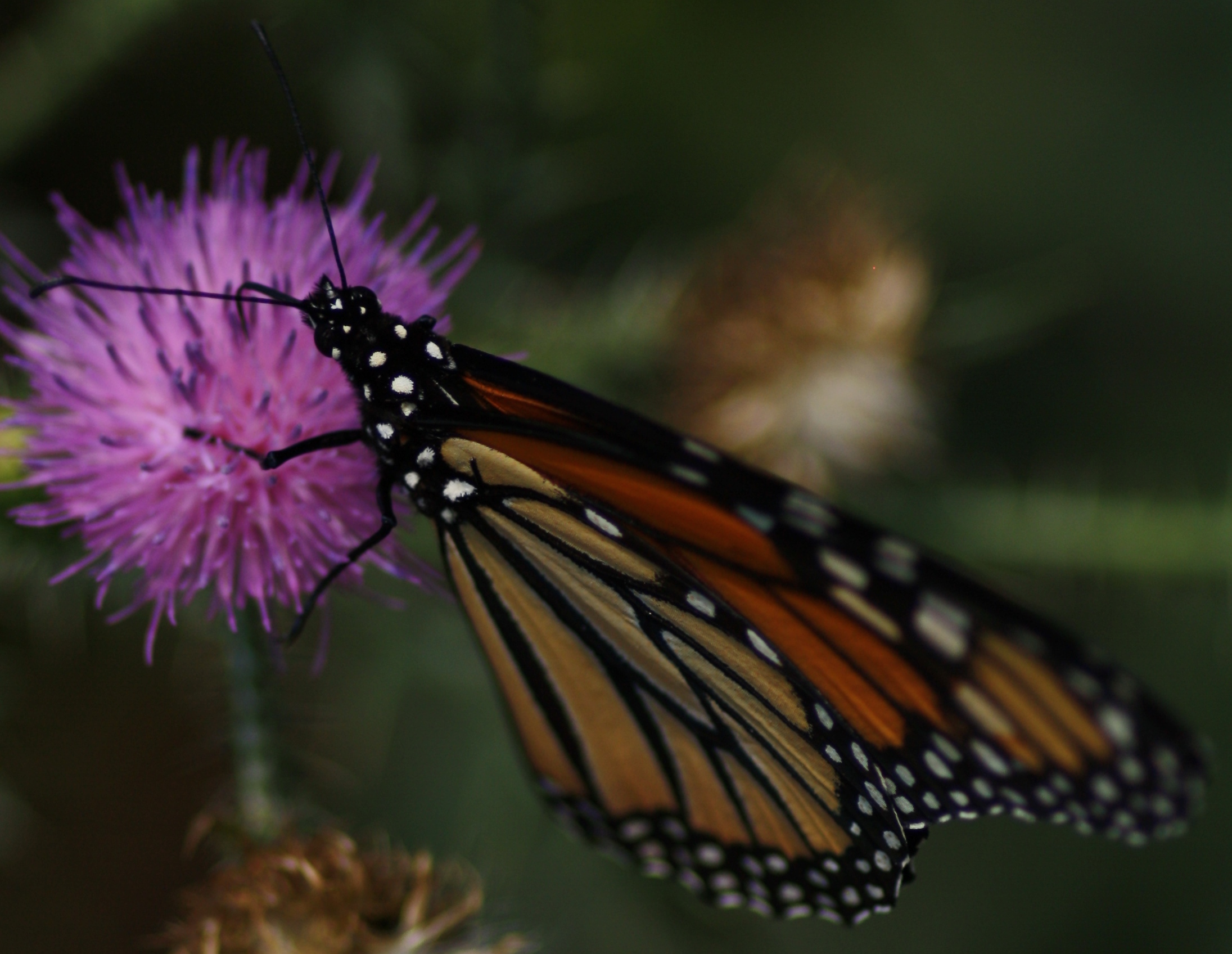
Monarch butterfly (Danaus plexippus) on invasive plumeless thistle (Carduus acanthoides). Photo credit: Laura Russo

Monarch butterfly (Danaus plexippus) on invasive plumeless thistle (Carduus acanthoides). Photo credit: Laura Russo

The study makes use of a computational model that was originally used to investigate the process by which stable plant-pollinator communities form. The use of such models is attractive for two main reasons. First, a model that recapitulates real-world behavior offers insight into the mechanisms that operate in nature; second, computational models allow rapid and widespread exploration that would be time-consuming, costly, and in some cases impractical to perform in nature. As such, computational models are well-positioned to speed up the process of scientific discovery by providing novel and informative predictions and insights into the properties of the systems being modeled.

The model itself is used to generate simulated plant-pollinator communities with properties drawn from the empirical literature. Interactions may be true mutualisms (beneficial to both species) or detrimental to one species and beneficial to another (e.g., insects that visit flowers for nectar without pollinating the plant and plants that trick pollinators without providing them with nectar rewards). Colonization or maintenance of a species in the community is possible if its beneficial interactions outweigh its detrimental interactions; otherwise, the species goes extinct.

The model predicts that invasive species with properties that are very different from the native species in the region (e.g., supergeneralists that benefit the species with which they interact) are more likely to drive significant changes in the number of species colonizing the community. When an invasive species increases the species richness of the invaded community, there is a corresponding increase in the community’s nestedness and a decrease in the community’s connectance. Nestedness is a measure that accounts for the tendency of the community to be composed of (1) generalist species that interact with many species and (2) specialist species that interact with a subset of generalists. Connectance is the number of observed interactions relative to the number of possible interactions. This predicted divergence in nestedness and connectance is in agreement

with recent empirical work, and stands in contrast to the correlation of these two measures when considering the process by which communities stabilize.

This finding is relevant to the active discussion among researchers concerning the relationship between nestedness and connectance. By investigating the differing behavior of these properties in the context of species invasion, this paper supports the argument that nestedness and connectance are complementary properties that provide a more accurate picture of a community together than either measure provides alone. These findings are most strongly supported in the context of invaders that increase the number of species colonizing the community. As these invaders tend to participate in many species-species interactions, this paper also highlights the important role of generalist species in shaping the structure and dynamics of ecological communities.

Herbivory response to global warming Updated for 2026

Experimental warming is an effective approach to determine the effect of increasing temperature on ecological processes, with few confounding factors (e.g., other variables that covary spatially and temporally with temperature). Therefore, a number of field experiments have been initiated worldwide to study the effects of simulated global warming. A wide range of techniques (e.g., greenhouses, open-top chambers, and electric infrared heaters) have been developed to experimentally warm a variety of small plants, including those of the tundra, grasslands, and sapling trees. Within forests, most insect species diversity and plant-insect interactions are concentrated in the canopy of mature trees, rather than in the understory, because of higher plant productivity. However, few studies have examined the responses of mature trees to experimental warming in natural forests.

Bild1

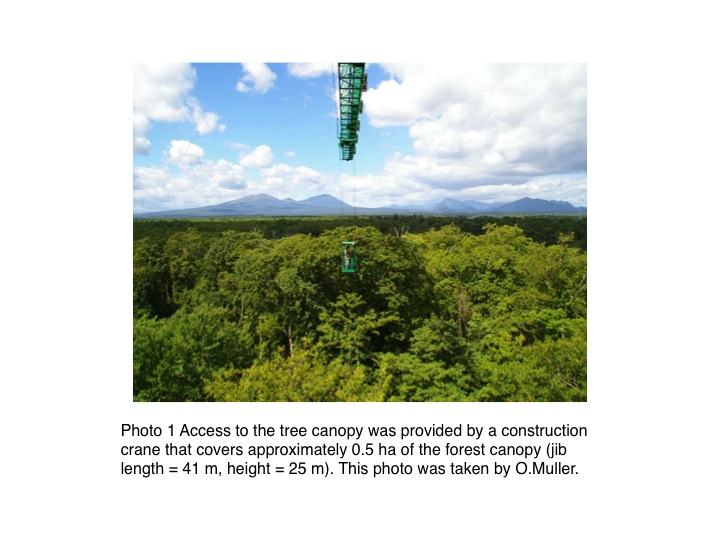
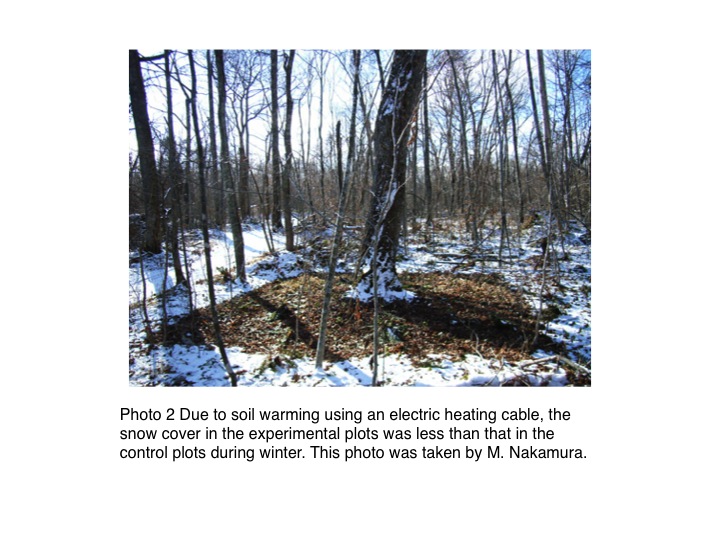
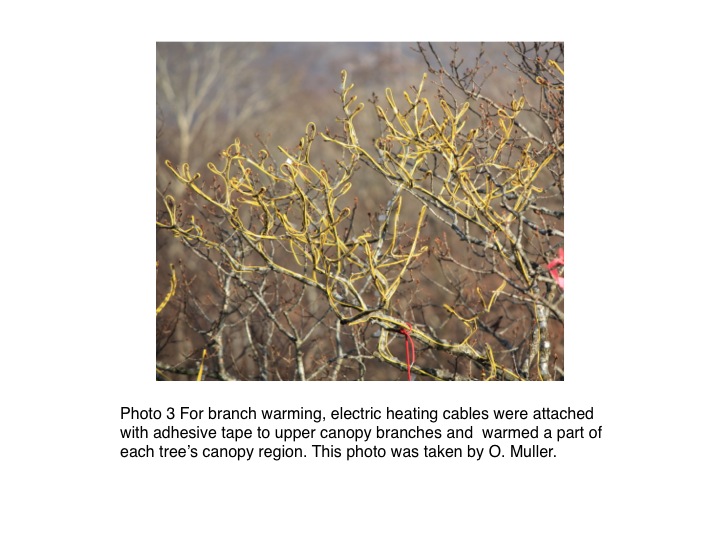
In the paper “Different initial responses of the canopy herbivory rate in mature oak trees to experimental soil and branch warming in a soil-freezing area”, we report the initial 3-year (2007–2009) results of an experimental warming of mature Quercus crispula (18–20 m in height), a late-successional tree species. Five mature Q. crispula trees whose canopy was accessible by a gondola hanging from a construction crane were selected (Photo1). To better understand the mechanism by which global warming affects plant-insect interactions in the canopy of mature oak trees, field experiments must warm aboveground and belowground regions separately. Thus, we experimentally increased the temperature of the surrounding soil and canopy branches of mature oak trees by approximately 5°C using electric heating cables (Photo 2 and 3).

Bild2

Our warming experiment clearly demonstrates that plant-insect interactions in the canopy responded differently to soil and branch warming of mature oak trees. Soil warming in a mature cool-temperate forest with a freeze-thaw cycle decreased the nutritional quality of leaves and the rate of herbivory in the canopy, whereas branch warming had no effect on canopy leaf traits or the herbivory rate. The magnitude of the indirect (plant-mediated) effects of belowground temperature elevation on canopy herbivory was gradually enhanced during the initial 3 years of the study. These results suggest that belowground temperature elevation due to global warming in a soil freezing area is an important driving force of plant-insect interactions in the canopy. For a better understanding of the mechanism by which global warming affects plant-insect interactions in mature cool-temperate forests, this warming experiment should be continued using mature oak trees because indirect effects of temperature are likely more pronounced in the long- than in the short-term.

Bild3

Masahiro Nakamura and co-workers

Soil, elevation and plant growth Updated for 2026

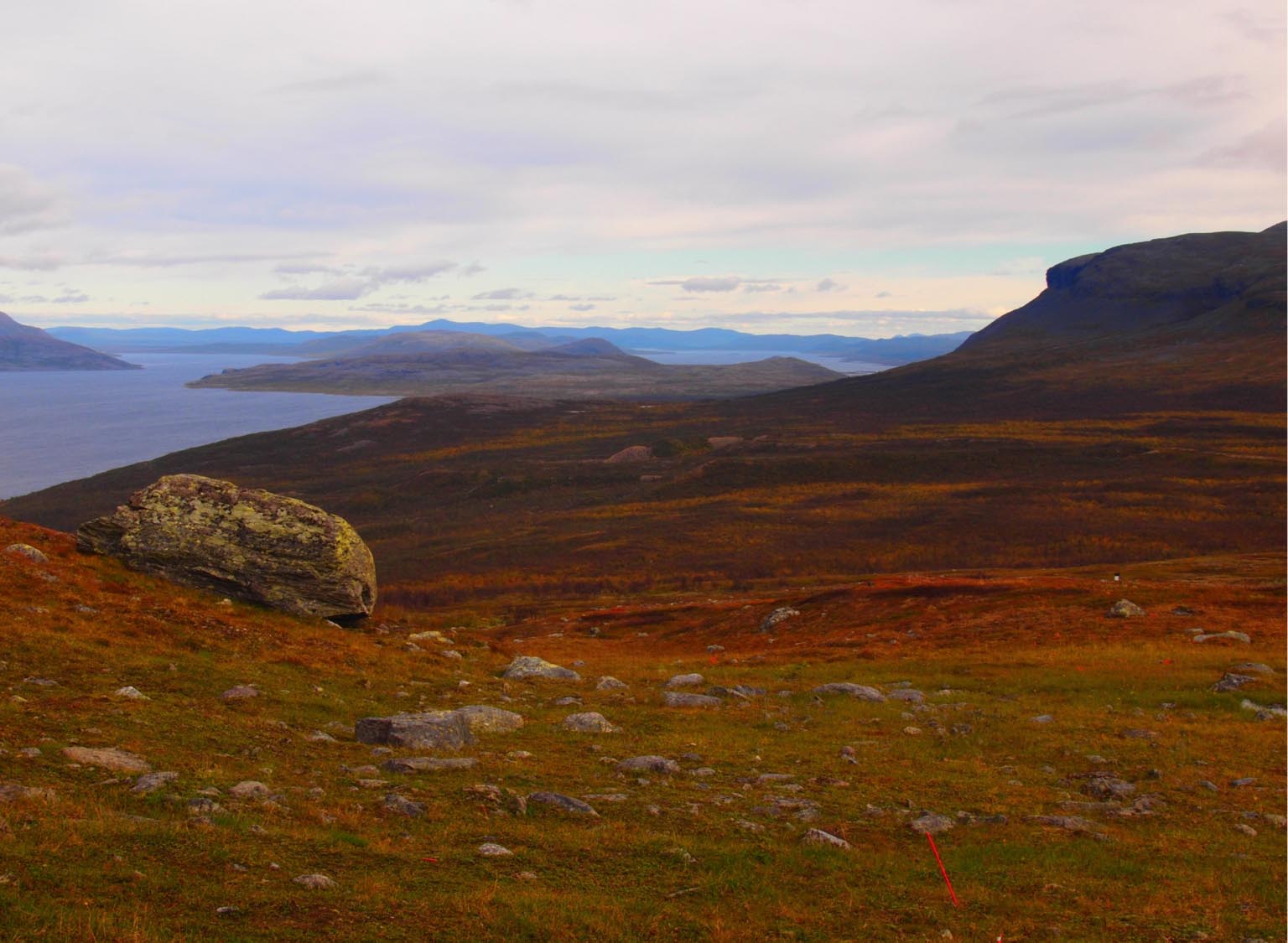
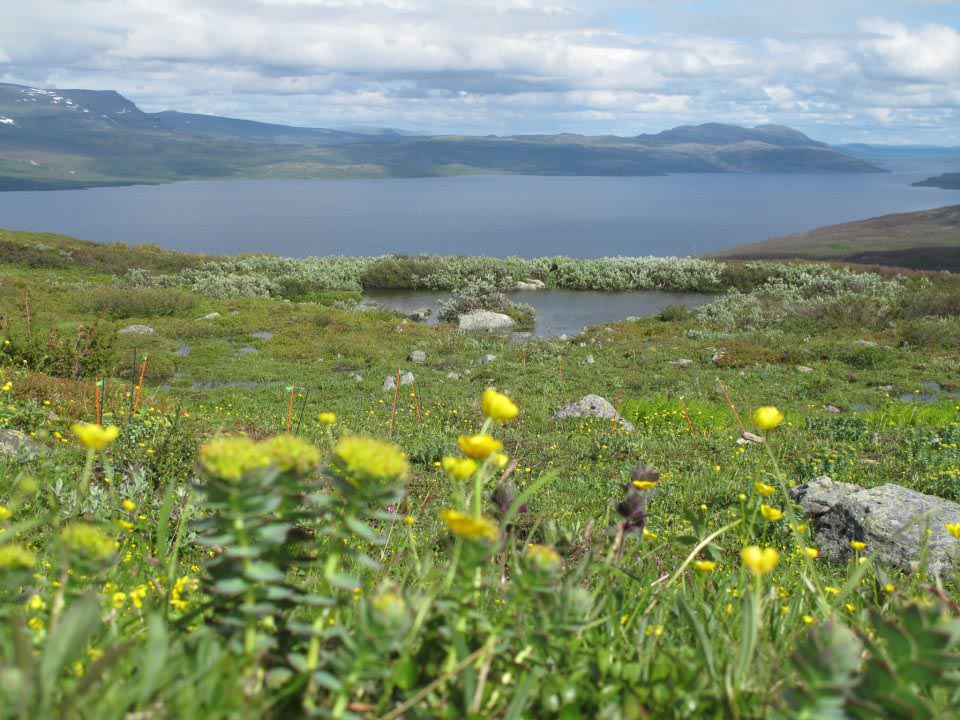
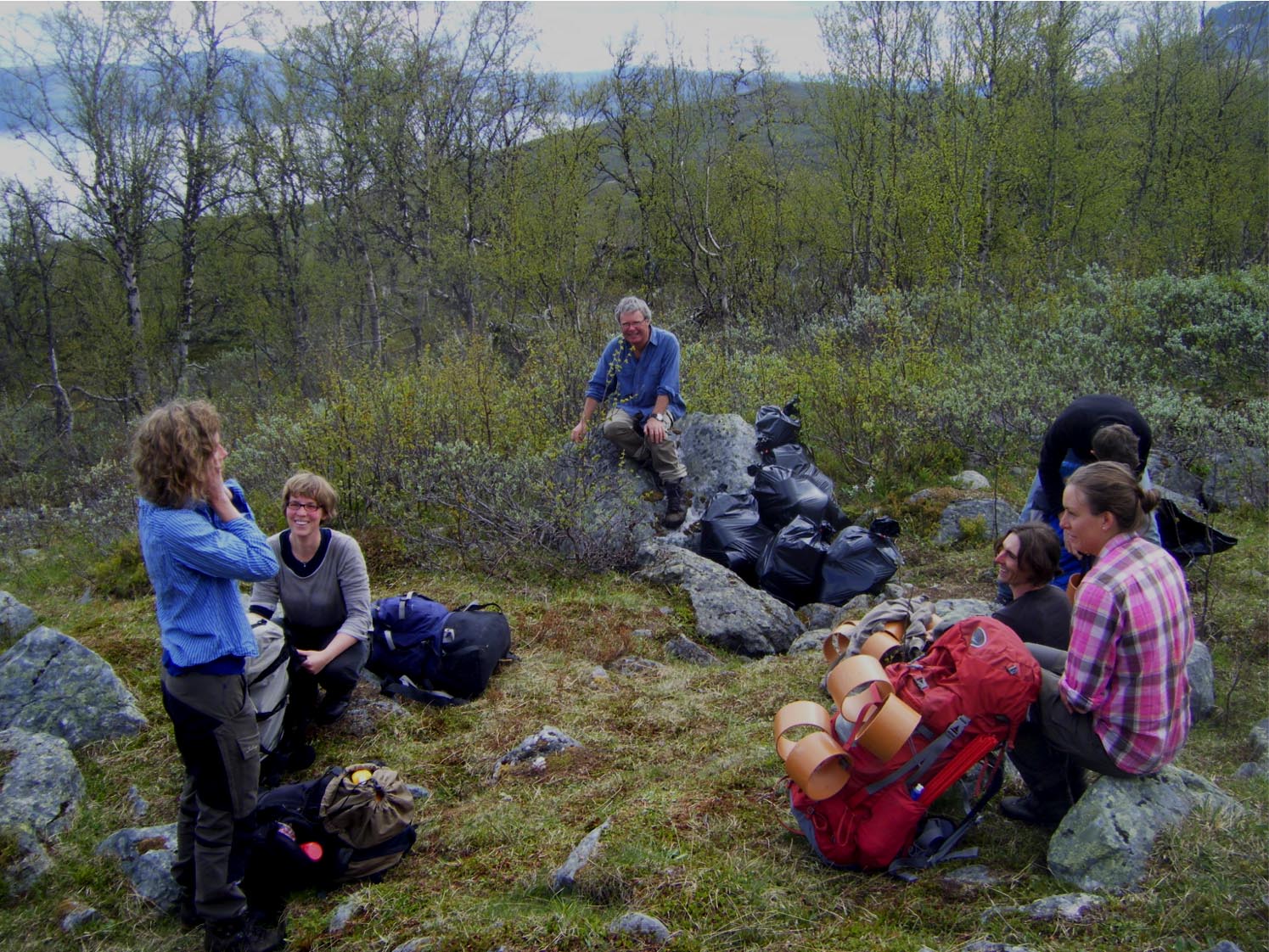
Elevational gradients have become important tools for assessing the effects of temperature changes on vegetation properties, because these gradients enable temperature effects to be considered over larger spatial and temporal scales than is possible through conventional experiments. During the summer of 2012, we collected soils along an elevational gradient on Mount Suorooaivi near Abisko, Sweden for two growth chamber experiments to determine the effects of temperature, soil origin (proxy for soil legacy) and vegetation type on the growth responses of two grass species. The results are published in the Oikos paper “Plant growth response to direct and indirect temperature effects varies by vegetation type and elevation in a subarctic tundra”. 

Abisko 1

Soils were collected at each of three elevations from each of two vegetation types, specifically heath, dominated by dwarf shrubs, and meadow, dominated by graminoids and herbs. Plants responded to both the direct effect of temperature and its indirect effect via soil legacies, and that direct and indirect effects were largely decoupled. Vegetation type was a major driver of plant response; responses to soils from increasing elevation were stronger and seedlings showed a more linear decline in biomass when grown in meadow as opposed to heath soils.

Abisko 2

The effect of soil biota on plant growth was independent of elevation, with a positive influence across all elevations regardless of soil origin for meadow soils but not for heath soils. Collectively, the responses of plant growth to soil legacy effects of temperature across the elevational gradient were driven primarily by soil abiotic, and not biotic, factors. These findings demonstrate vegetation type is a strong determinant of how temperature variation across elevational gradients impacts on plant growth, and highlight the need for investigating both direct and indirect effects of temperature on plant responses to future climate change.

Abisko 3


Jonathan de Long and co-workers

Amphibian responses to diversity of native and non-native litter Updated for 2026


Fig. 1. Recently metamorphosed green frog (Lithobates clamitans) at the edge of a pond (photo by Laura Martin)

Fig. 1. Recently metamorphosed green frog (Lithobates clamitans) at the edge of a pond (photo by Laura Martin)


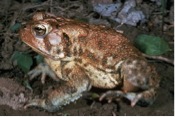
Fig. 2 American toad (Anaxyrus (Bufo) americanus) adult (photo by Carrie Brown-Lima) American

Fig. 2 American toad (Anaxyrus (Bufo) americanus) adult (photo by Carrie Brown-Lima) American


Amphibians develop in watery places that are full of plants. And yet we know little about how these plants affect larval amphibians. As disease, climate change, and land-use change continue to threaten amphibian populations worldwide, it is more important than ever to understand what makes for good amphibian habitat.


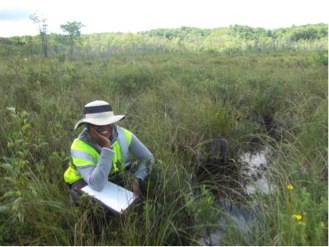
Fig. 3 Shauna-kay Rainford at Bear Swamp, NY, one of the litter collection locations(photo by Laura Martin)

Fig. 3 Shauna-kay Rainford at Bear Swamp, NY, one of the litter collection locations(photo by Laura Martin)


In the study “Effects of plant litter diversity, species, origin and traits on larval toad performance,” Cornell undergraduate Shauna-kay Rainford (now a graduate student at Penn State University), graduate student Laura Martin, and Professor Bernd Blossey investigated how plant litter communities influence the growth and survival of Anaxyrus americanus (American toad) larvae. They reared tadpoles in singles species and litter mixtures using 15 native and 9 nonnative plant species common to central New York, USA, recording survival, time to metamorphosis, and growth rate.


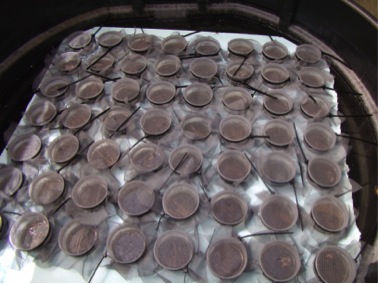
Fig. 4 Microcosms in which individual larval amphibians were reared in leaf litter treatments. (photo by Shauna-kay Rainford)

Fig. 4 Microcosms in which individual larval amphibians were reared in leaf litter treatments. (photo by Shauna-kay Rainford)


Survival in single species treatments ranged from 0% (in Rhamnus cathartica litter) to 96% (Pinus strobus). Tadpoles also failed to metamorphose in Acer rubrum, Cornus racemosa, Rosa multiflora, and Tsuga canadensis. Percent metamorphosis was highest in nonnative Lonicera spp. (76.7%), native Phragmites australis americanus (73.3%), nonnative P. australis (60.0%), and nonnative Alnus glutinosa (60.0%). Interestingly, whether the plant was native or nonnative did not affect amphibian performance.

In multi-species treatments, number of plant species had no effect on larval survival or metamorphosis. However, larvae reared in mixtures of 3 species were larger than those reared in single species treatments of the same species. But increasing litter diversity to 6 or 12 species did not further improve larval survival or performance. This result is consistent with analyses that reveal that most ecological processes saturate at relatively low levels of diversity.

Currently, understanding of the relationships of biodiversity and ecosystem function is drawn largely from studies of plant communities in temperate grassland ecosystems. But the vast majority of plant material is not consumed green; it enters detrital food webs like the one studied in this experiment. This study is an important first step towards understanding the mechanisms that underlie plant-amphibian interactions. It further highlights the importance of plant traits, but not origin, when considering amphibian habitat restoration and conservation.

Editor’s Choice December

DriesThe last issue from 2014 is online.

We selected the meta-analysis by Kulmatisk et al on the impact of soil foodwebs on plant growth  and the forum on the relative importance of neutral stochasticity in community ecology by Vellend et al. as editor’s choice. These two papers create synthesis in community ecology. The first by pointing the first widespread support for the presence of trophic cascades in soils, the second one by providing conceptual clarity on the main prevailing stochastic processes in community dynamics.


Kulmatisk and colleagues conducted a meta-analysis based on 1526 experiments that measured plant growth responses to additions or removals of soil organisms to test how different soil trophic levels affect plant growth. They demonstrate the top down control by predators and parasites on belowground herbivory and estimate the impact of belowground biota on plant growth overall positive and strong. Omnivory in the soil food web generally increases plant productivity by (i) pest reduction and (ii) increasing nutrient cycling.


Vellend and colleagues continue to set the scene of community ecology. They address several profound philosophical, theoretical and empirical challenges on the relative importance of stochasticity in community dynamics. They clearly clarify differences between ‘stochastic’ or ‘neutral’ processes by synthesizing their importance in different community processes. They subsequently provide a guide how different observational and experimental approaches will forward the field by allowing a thorough understanding of the role of neutral stochasticity in community ecology.


Enjoy!

Dries Bonte, Editor in Chief

How plant genetic diversity affects herbivory Updated for 2026

Human activities drastically reduce biodiversity at various taxonomic levels. While much of the current effort in research and biological conservation focuses on species diversity, the importance of intraspecific genetic diversity is sometimes overlooked. At the same time, genetic diversity within and among populations is the fundamental unit of biodiversity because it provides raw material for the adaptation, evolution and survival of species and individuals.

Plantation forests are usually composed of selected stock bred for desirable silvicultural properties (e.g., rapid growth rate and high timber quality) and as a result often have a narrower genetic basis than the wild populations of the same species. Even when natural regeneration is used, a limited number of seed trees may result in less diversity in the regenerated stand compared to the original one. Commercial applications of vegetative propagation of forest trees (clonal forestry) may lead to the further reduction in genetic diversity up to only a few or even a single genotype per plantation. For instance, micropropagation is commonly used to clonally multiply superior birch genotypes in Finland, both for commercial production and for breeding purposes, but it has been proven successful for only a limited number of birch genotypes. Limited number of commercially available birch clones may thus narrow the genetic diversity of planted birch stands.

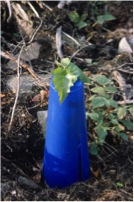
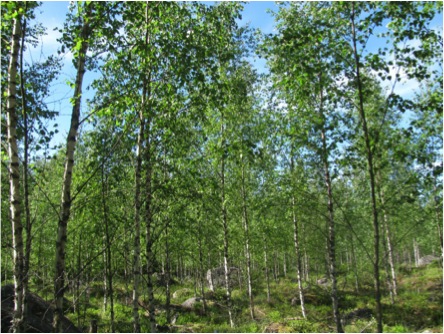
Figure 1. Micropropagated birch planted inside plastic vole protector in 2000.

Figure 1. Micropropagated birch planted inside plastic vole protector in 2000.

Limited genetic variation in plant stands can make them more vulnerable to pest invasion and outbreaks; if all the plants in a stand are genetically identical and susceptible to the same pest species, pest populations will spread rapidly from one plant to another. In agriculture, mixed planting of susceptible and resistant genotypes has been successfully used as a control tactic for plant pathogens in annual crops. However, the potential of using genotypes mixtures in plantation forestry for reducing pest damage has been little explored so far, although there are indications that mixtures may sometimes be of great value for controlling pests and diseases of trees as well, at least in short rotation energy forestry.

In this study, “Additive and non-additive effects of birch genotypic diversity on arthropod herbivory in a long-term field experiment”, now published Early View in Oikos,  we have experimentally tested whether genetic diversity of silver birch affects leaf damage by various arthropod pests. Silver birch (Betula pendula Roth) has broad distribution in the Northern Hemisphere and is one of the most important deciduous tree species in Finland, both ecologically and economically. In 2000, we established an experiment in Satakunta, SW Finland, by planting 8 different clones of silver birch which were obtained by micropropagation of vegetative buds of mature trees of southern Finnish origin. The eight clones selected for the experiment are known to differ in their growth and leaf characteristics as well as in resistance to herbivores and pathogens. The clones were planted in monoclonal plots and in different combinations of 2, 4 and 8 clones per plot. Damage by different types of arthropods was monitored on these experiments several times over nine years.

Figure 2. View of experimental area in 2014

Figure 2. View of experimental area in 2014


Results show that genotypic variation and diversity strongly influenced birch herbivory, but that patterns varied among arthropod guilds and over time (within and across years). In particular, leaf-chewing damage and leaf galls were significantly less abundant in genotypically diverse stands than in stands with only a single genotype. However, leaf-rolling damage was actually higher in diverse stands, illustrating how arthropod guilds may differ in their responses to genotypic diversity.


More detailed analyses at the genotype level revealed further interesting patterns. Genotypes varied considerably in their susceptibilities to most herbivore guilds examined, demonstrating that genetic variation existed among the 8 genotypes selected. Interestingly, the susceptibilities were not constant over time or among the guilds. This indicates that resistance to these guilds of herbivores is largely uncoupled genetically and that there is not a single genotype that is resistant to all types of herbivory. Furthermore, we observed shifts in the resistance rankings of genotypes between seasons and across years. Thus, while one genotype may be the most resistant to early-season leaf herbivory one year, it may not be the most resistant to leaf herbivory in the late season or the following year.

To try to understand the mechanisms underpinning the diversity effects observed, we used null modelling to test whether herbivory in diverse plots differed from expected levels generated from data in monoclonal plots. We found that diversity effects depended significantly on genotype, revealing that non-additive mechanisms operate in this system. In particular, more resistant genotypes often experienced greater than expected levels of herbivory (associational susceptibility) while more susceptible genotypes often had less than expected herbivory (associational resistance). These patterns indicate that associational resistance and susceptibility can occur simultaneously in genotypically diverse plots, presumably due to the reorganization of arthropods among genotypes. While these diversity effects do not scale up to influence plot-level rates of herbivory, they may strongly influence the fitness of plant genotypes within diverse plant stands, potentially playing a strong role in the evolutionary ecology of forest trees.

This study illustrates the value of long-term experiments for testing how genetic diversity influences the arthropod communities of woody plants. Diversity effects were complex and varied among the arthropod guilds, among the genotypes, and across time. Only by sampling multiple times over many years and including data for different kinds of herbivores did we detect these patterns. Future work looking at how plant phenotypes relate to these patterns and observing the behaviour of various arthropods can provide further insight into the mechanisms driving genotypic diversity effects.

How do different herbivores affect plant communities? Updated for 2026

Walk through a grassland at the peak of summer and you will quickly become aware of how many grasshoppers inhabit the area. But what effect do these grasshoppers and other insect herbivores have on the plant community you are walking through? How does the effect of invertebrate herbivores compare to that of less visible, but also ever present small mammal herbivores? And do these effects depend on the availability of resources? In our study, “Invertebrate, not small vertebrate, herbivory interacts with nutrient availability to impact tallgrass prairie community composition and forb biomass”, now on Early View in Oikos, we aimed to address these questions through an experimental study within a tallgrass prairie ecosystem in eastern Kansas. We factorially manipulated the presence of both invertebrate and small vertebrate herbivores and the availability of soil nutrients and observed changes in plant community composition and productivity over five years.

We found that removing invertebrate herbivores had a profound effect on plant community composition after a few years of treatment. Forb species increased in abundance in the absence of invertebrate herbivores, while grass species decreased. This effect was particularly strong under conditions of elevated nutrient availability. Surprisingly, small vertebrate herbivore removals had no detectable effect on grassland plant community composition or aboveground biomass.

Kim

A caterpillar chows down on a whorled milkweed (Asclepias verticillata), a plant species that greatly increases in abundance when invertebrate herbivores are removed from tallgrass prairie


Perhaps most interestingly, dispersion in community composition among plots where both invertebrate herbivores were removed and nutrient availability was elevated increased compared to the control plots. That is, different forb species came to dominate the replicate treatment plots, likely dependent on initial community composition. Overall, our research points to the important, and often overlooked, role that invertebrate herbivores play in structuring grassland communities. Future research aimed at continued investigation of the effects of invertebrate herbivory on plant communities would be worthwhile.


Fukushima 40-year, £11bn cleanup progresses – but the worst is yet to come Updated for 2026


The man in charge of cleaning up the wrecked Fukushima Daiichi nuclear power plant has admitted there is little cause for optimism while thousands of workers continue their battle to contain huge quantities of radioactive water.

The water problem is so severe that the plant’s operator, Tokyo Electric Power (Tepco), and its myriad partner firms have enlisted almost all of their 6,000 workers in the 2tn yen (£11bn) mission to bring it under control, almost four years after a deadly tsunami sparked a triple meltdown at the plant.

But Fukushima Daiichi’s manager, Akira Ono, said he believed workers had turned a corner in the long road towards decommissioning. “For three years we were dealing with the aftermath of the accident, so there was no way we could plan ahead.

“Even though I have no intention of being optimistic, it’s possible to say that we can now start to look forward”, Ono told the Guardian.

Contaminated water – the most immediately pressing issue

Each day about 400 tonnes of groundwater streams from hills behind the plant and into the basements of three stricken reactors, where it mixes with coolant water being used to prevent melted fuel from overheating and triggering another major accident.

Most of the contaminated water is pumped out and stored in tanks, but large quantities find their way to other parts of the site, including maintenance trenches connected to the sea.

So far, the plant has accumulated about 500,000 tonnes of contaminated water, which is being stored in more than 1,000 tanks occupying a large swath of the Fukushima Daiichi complex. By comparison, the partial meltdown at Three Mile Island in the US in 1979 produced 9,000 tonnes of toxic water.

“The contaminated water is the most pressing issue – there is no doubt about that”, Ono said. “Our efforts to address the problem are at their peak now. Though I cannot say exactly when, I hope things start getting better when the measures start taking effect.”

Previous versions of Tepco’s Alps [advanced liquid processing system] water treatment unit were plagued by technical hitches.

In addition, the  tanks used to store the contaminated water were poorly assembled and suffered serious leaks, while plans to freeze water that has gathered in a trench near the damaged reactors are eight months behind schedule.

The ice wall progresses – but will it work?

Work has begun on a 1.5km frozen barrier to prevent groundwater from reaching the reactor basements, but some experts, including Dale Klein, a former chairman of the US nuclear regulatory commission who now advises Tepco, have questioned its viability.

Despite doubts about its effectiveness, Tepco officials say the wall should be finished by next March, and completely frozen by May.

Along with the underground ‘ice wall’, the utility is pinning its hopes on a new version of its Alps water treatment system that can remove more than 60 radioactive elements.

Recent ‘hot testing’ of the apparatus has been successful, raising hopes that a solution to the water problem may not be far off, said Shinichi Kawamura, head of risk communication at Fukushima Daiichi.

“This is a high-performance system because it uses only filters and absorbents to remove the contaminants”, Kawamura said. “The old system depended on chemical agents, which caused problems and created a lot more waste. We have confidence in this machinery.”

As Japan moves closer to a return to nuclear power after the local authorities on the southwestern island of Kyushu this month gave their approval for reactor restarts, Tepco can claim a significant victory in its efforts to improve safety at Fukushima Daiichi.

Success – spent fuel removed from reactor 4

This month, workers completed the removal of the 1,331 spent fuel assemblies from a storage pool in reactor No 4, which was badly damaged in a hydrogen explosion after the March 2011 disaster. The removal of the unused fuel rods should be complete by the end of the year.

Some experts had warned of a potential catastrophe had the fuel rods collided or been damaged during the operation.

Japan’s former ambassador to Switzerland, Mitsuhei Murata, went as far as claiming that “the fate of Japan and the whole world” depended on the successful removal of spent fuel from reactor No 4.

“This was a risky job, so when we removed the last fuel assembly we were delighted”, said Yuichi Kagami, who oversees fuel removal at the reactor. “This was a big step forward in the decommissioning process.”

The greatest challenge – removing molten fuel from reactors 1, 2, 3

The most dangerous and difficult jobs lie ahead, however. Tepco has yet to begin removing melted fuel from reactors 1, 2 and 3, where radiation levels are too high for humans to enter. Tepco engineers admit they do not know exactly where the damaged fuel is located.

Robots have been used to inspect debris inside reactor buildings, but none have been able to get anywhere near the melted fuel.

The dangers posed by this unprecedented operation recently forced Tepco and the government to delay the planned start of fuel removal from reactor No 1 by five years, to 2025.

Decommissioning the entire plant is expected to take at least 40 years. The operation, including compensation for tens of thousands of people forced to evacuate their homes, will cost around 10tn yen (£55bn).


Justin McCurry is the Guardian‘s Tokyo correspondent.

This article was originally published on Guardian Environment and is republished with thanks via the Guardian Environment Network.


386804

Marsupial browsing effects insect damages

Yes, made it through the wallaby attack!, No, no, no- no reason to celebrate Eucalyptus trees. Less marsupial browsing – opens up for more insects. Life is just not easy. Read more in the Early View paper “Direct and indirect effects of marsupial browsing on a foundation tree species” by Christina L. Borzak, Julianne M. O’Reilly-Wapstra and Brad M. Potts. Below is their summary of the study: Herbivores have impacts on plant survival, growth and form and these induced changes can have important flow-on consequences to subsequent organisms. Although a large number of studies in eucalypt systems have previously investigated vertebrate feeding preferences and the direct impacts of herbivory, few studies have focused on how herbivores interact to directly affect each other’s feeding preferences, and even less have addressed the indirect plant-mediated effects of herbivores. We investigated the direct and indirect effects of uncontrolled browsing by marsupial herbivores including the common brushtail possum (Trichosurus vulpecula), Bennetts wallaby (Macropus rufogriseus) and the red-bellied pademelon (Thylogale billardierii), in a Eucalyptus system known to have extended community and ecosystem genetic effects. In a common garden trial containing 525 full-sib Eucalyptus globulus families from an incomplete diallel crossing program located in north-eastern Tasmania, Australia, we assessed the genetic basis to herbivore preferences, the impact of a single and repeated marsupial browsing event on tree fitness and morphological traits and the associated indirect plant-mediated effects on a subsequent herbivore, autumn gum moth (Mnesampela privata).

We found that marsupial browsing was not influenced by plant genetics, but spatial components instead affected the pattern of damage across the trial. Marsupial browsing had significant impacts on tree development, morphology and survival, resulting in reductions in survival, height and basal area, an increase proportion in multiple stems, delays in flowering as well as delays in phase change from juvenile to adult foliage. Fitness impacts were minimal in response to a once-off browsing event, but effects were exacerbated when trees suffered repeated browsing.

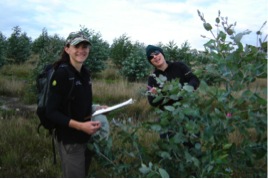
Trait assessments under way at the Eucalyptus globulus trial site by authors Christina Borzak (left) and Julianne O’Reilly-Wapstra (right).

Trait assessments under way at the Eucalyptus globulus trial site by authors Christina Borzak (left) and Julianne O’Reilly-Wapstra (right).

Assessments of autumn gum moth damage showed that their presence was linked to marsupial browsing, with browsed plants being less susceptible to the insect herbivore. The majority of the effect was attributed to the indirect effects of browsing on tree height, where AGM were attracted to taller trees that were not browsed. Such indirect effects have the potential to influence biotic community structure on a foundation species host-plant, and the evolutionary interactions that occur between organisms and the host-plant themselves.

FLUMP – Plant populations, insect diversity, Extended Synthesis of Evolution and evolutionary ecology of specialization Updated for 2026

616px-Insect_collage

It’s Friday and that means that it’s time for our Friday link dump, where we highlight some recent papers (and other stuff) that we found interesting but didn’t have the time to write an entire post about. If you think there’s something we missed, or have something to say, please share in the comments section!

Some cool articles from the latest issue of Ecology:

– Benno Simmons

An article published in Proceedings of the Royal Society B uses historical data on different insect families to examine the contribution of different adaptations to their taxonomic richness.  The team, led by David Nicholson from the University of York in the U.K., found that metamorphosis, and to a lesser extent the presence of wings, had the greatest effect on the diversification of insects. – Nate Johnson

Following Nate’s indication, take a look at the Proceedings of the Royal Society B special issue: “Evolutionary ecology of specialization: insights from phylogenetic analysis”.

Last week, Nature published an interesting comment paper on the Extend Synthesis of Evolution (we have a post on this subject here), “Does evolutionary theory need a rethink?” The paper is authored by both, scientists pro and against the new extend synthesis.

– Vinicius Bastazini. 

October 10, 2014