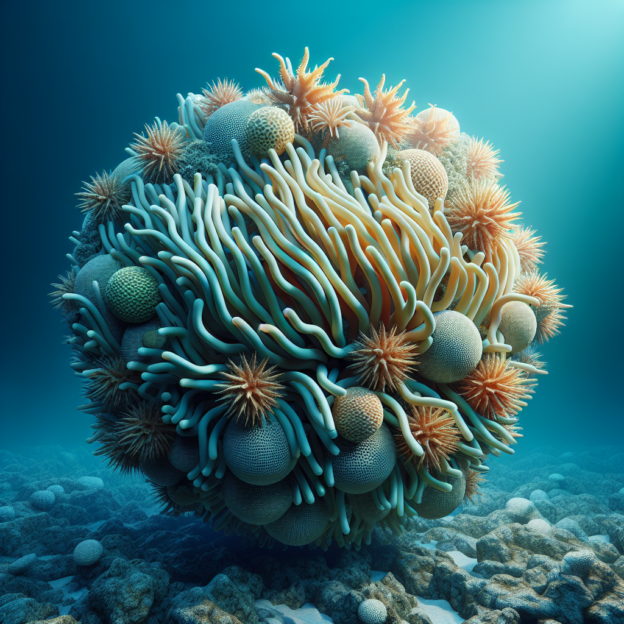
Understanding Invasive Sun Corals
Invasive sun corals, particularly those from the genus Tubastrea, pose a significant threat to marine ecosystems across the globe. Native to the tropical and subtropical regions, these corals have proliferated in non-native environments, disrupting local marine biodiversity and affecting the health of coral reefs. Their ability to thrive in varied conditions, coupled with their fast growth rate, makes them formidable invaders. Understanding how to manage these invasives is crucial for maintaining ecological balance.

Nature Sarovaram: A Model for Eco-Friendly Development
Located in Kozhikode, India, Nature Sarovaram stands as a beacon of eco-friendly development. The park is strategically positioned adjacent to the Canoly Canal, an area characterized by rich biodiversity, including wetlands and mangrove forests. This ecosystem is not just a backdrop; it is integral to the park’s mission of fostering environmental awareness and conservation.
The Ecosystem at Nature Sarovaram
The wetlands and mangrove forests surrounding Nature Sarovaram provide critical habitats for numerous bird species and marine life. The park’s design reflects a commitment to sustainability, aiming to protect and enhance these natural habitats while educating the public about the importance of preserving biodiversity. This eco-centric approach also includes strategies for controlling invasive species like Tubastrea corals.
Bio-Based Strategies for Managing Invasive Corals
Addressing the challenge of invasive sun corals requires innovative and sustainable methods. Here are several bio-based strategies that can be implemented:
1. Biological Control Agents
Utilizing natural predators or competitors can be a viable solution to control Tubastrea populations. Research is ongoing to identify specific marine species that can effectively reduce the abundance of these invasive corals without causing further ecological harm. For instance, certain fish species that feed on coral polyps can be introduced or encouraged to thrive in affected areas, thereby naturally curbing the population of sun corals.
2. Habitat Restoration
Restoring native coral habitats can improve the resilience of local ecosystems against invasives. By enhancing the health of indigenous coral species, the competitive advantage of sun corals can be diminished. This approach could involve transplanting healthy corals into affected areas and ensuring optimal conditions for their growth, such as water quality and nutrient availability.
3. Community Engagement and Education
Engaging local communities in conservation efforts is essential. Nature Sarovaram serves as an excellent example of how education can empower people to take action. Workshops and awareness programs can inform local fishers and residents about the impacts of invasive species and encourage sustainable practices. Community-led initiatives can include monitoring coral health and reporting sightings of invasive species, creating a collaborative effort in managing the ecosystem.
4. Eco-Friendly Chemical Alternatives
While chemical control methods are often discouraged due to their potential harm to the ecosystem, research into eco-friendly alternatives is gaining traction. Biodegradable substances derived from natural sources can potentially be formulated to target invasive corals selectively without harming native species. The development of such biocontrol agents requires rigorous testing to ensure ecological safety.
Implementing Strategies at Nature Sarovaram
Nature Sarovaram’s eco-friendly framework can serve as a model for implementing these bio-based strategies. By fostering collaboration among scientists, conservationists, and the local community, the park can spearhead initiatives aimed at managing invasive sun corals effectively. Regular assessments of coral health, habitat quality, and biodiversity can help track the success of these strategies and adapt them as needed.
Monitoring and Research
Ongoing research in collaboration with academic institutions can provide valuable insights into the effectiveness of various control measures. Monitoring programs that track the population dynamics of Tubastrea corals and their impact on local ecosystems will be crucial in refining management approaches. Data collected can inform future conservation efforts and enable adaptive management strategies.
The Future of Coral Conservation
The fight against invasive sun corals like Tubastrea is not just about managing a single species; it is about preserving the integrity of marine ecosystems. The strategies implemented at Nature Sarovaram can contribute to a broader understanding of bio-based methods in coral conservation. By fostering a holistic approach that combines biological control, habitat restoration, community engagement, and research, we can pave the way for a more sustainable future for our oceans.
Conclusion
Addressing the challenges posed by invasive species requires innovative, sustainable, and community-driven solutions. Nature Sarovaram exemplifies how eco-friendly development can harmonize with marine conservation efforts, providing a template for similar initiatives globally. Through continued education, collaborative management, and research, it is possible to mitigate the impact of invasive sun corals and protect our vital marine resources for generations to come.
Frequently Asked Questions (FAQ)
What challenges does An environmentally friendly bio-based approach to control invasive sun corals ( Tubastrea spp.) present?
In practical terms, it mainly concerns An environmentally friendly bio-based approach to control invasive sun corals ( Tubastrea spp.) Nature Sarovaram functions. Understanding this aspect is the first step to mastering An environmentally friendly bio-based approach to control invasive sun corals ( Tubastrea spp.).
Why is An environmentally friendly bio-based approach to control invasive sun corals ( Tubastrea spp.) gaining popularity?
The greatest impact is observed when we consider that Kottooly in Kozhikode city in India. It is interesting to note how the park functions. This explains much of the current interest.
What exactly does An environmentally friendly bio-based approach to control invasive sun corals ( Tubastrea spp.) mean?
A key element to consider is that Canal. The project boasts been developed with an eco-friendly theme and serves as located in. Many experts agree on this point when analyzing An environmentally friendly bio-based approach to control invasive sun corals ( Tubastrea spp.).
What is the real impact of An environmentally friendly bio-based approach to control invasive sun corals ( Tubastrea spp.) today?
To study it properly, it is essential to start from real data and observe how trends are evolving in the reference market of An environmentally friendly bio-based approach to control invasive sun corals ( Tubastrea spp.).
