Tag Archives: invasive

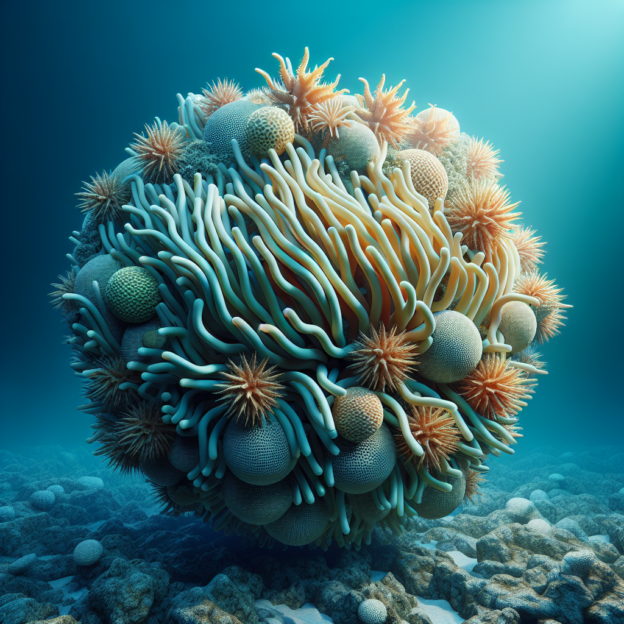
AI Generated: An environmentally friendly bio-based approach to control invasive sun corals ( Tubastrea spp.)

Eco-Friendly Strategies for Managing Invasive Sun Corals (Tubastrea spp.)

Understanding Invasive Sun Corals

Invasive sun corals, particularly those from the genus Tubastrea, pose a significant threat to marine ecosystems across the globe. Native to the tropical and subtropical regions, these corals have proliferated in non-native environments, disrupting local marine biodiversity and affecting the health of coral reefs. Their ability to thrive in varied conditions, coupled with their fast growth rate, makes them formidable invaders. Understanding how to manage these invasives is crucial for maintaining ecological balance.

AI Generated: An environmentally friendly bio-based approach to control invasive sun corals ( Tubastrea spp.)
AI Generated: An environmentally friendly bio-based approach to control invasive sun corals ( Tubastrea spp.) — Fonte: Wikimedia Commons

Nature Sarovaram: A Model for Eco-Friendly Development

Located in Kozhikode, India, Nature Sarovaram stands as a beacon of eco-friendly development. The park is strategically positioned adjacent to the Canoly Canal, an area characterized by rich biodiversity, including wetlands and mangrove forests. This ecosystem is not just a backdrop; it is integral to the park’s mission of fostering environmental awareness and conservation.

The Ecosystem at Nature Sarovaram

The wetlands and mangrove forests surrounding Nature Sarovaram provide critical habitats for numerous bird species and marine life. The park’s design reflects a commitment to sustainability, aiming to protect and enhance these natural habitats while educating the public about the importance of preserving biodiversity. This eco-centric approach also includes strategies for controlling invasive species like Tubastrea corals.

Bio-Based Strategies for Managing Invasive Corals

Addressing the challenge of invasive sun corals requires innovative and sustainable methods. Here are several bio-based strategies that can be implemented:

1. Biological Control Agents

Utilizing natural predators or competitors can be a viable solution to control Tubastrea populations. Research is ongoing to identify specific marine species that can effectively reduce the abundance of these invasive corals without causing further ecological harm. For instance, certain fish species that feed on coral polyps can be introduced or encouraged to thrive in affected areas, thereby naturally curbing the population of sun corals.

2. Habitat Restoration

Restoring native coral habitats can improve the resilience of local ecosystems against invasives. By enhancing the health of indigenous coral species, the competitive advantage of sun corals can be diminished. This approach could involve transplanting healthy corals into affected areas and ensuring optimal conditions for their growth, such as water quality and nutrient availability.

3. Community Engagement and Education

Engaging local communities in conservation efforts is essential. Nature Sarovaram serves as an excellent example of how education can empower people to take action. Workshops and awareness programs can inform local fishers and residents about the impacts of invasive species and encourage sustainable practices. Community-led initiatives can include monitoring coral health and reporting sightings of invasive species, creating a collaborative effort in managing the ecosystem.

4. Eco-Friendly Chemical Alternatives

While chemical control methods are often discouraged due to their potential harm to the ecosystem, research into eco-friendly alternatives is gaining traction. Biodegradable substances derived from natural sources can potentially be formulated to target invasive corals selectively without harming native species. The development of such biocontrol agents requires rigorous testing to ensure ecological safety.

Implementing Strategies at Nature Sarovaram

Nature Sarovaram’s eco-friendly framework can serve as a model for implementing these bio-based strategies. By fostering collaboration among scientists, conservationists, and the local community, the park can spearhead initiatives aimed at managing invasive sun corals effectively. Regular assessments of coral health, habitat quality, and biodiversity can help track the success of these strategies and adapt them as needed.

Monitoring and Research

Ongoing research in collaboration with academic institutions can provide valuable insights into the effectiveness of various control measures. Monitoring programs that track the population dynamics of Tubastrea corals and their impact on local ecosystems will be crucial in refining management approaches. Data collected can inform future conservation efforts and enable adaptive management strategies.

The Future of Coral Conservation

The fight against invasive sun corals like Tubastrea is not just about managing a single species; it is about preserving the integrity of marine ecosystems. The strategies implemented at Nature Sarovaram can contribute to a broader understanding of bio-based methods in coral conservation. By fostering a holistic approach that combines biological control, habitat restoration, community engagement, and research, we can pave the way for a more sustainable future for our oceans.

Conclusion

Addressing the challenges posed by invasive species requires innovative, sustainable, and community-driven solutions. Nature Sarovaram exemplifies how eco-friendly development can harmonize with marine conservation efforts, providing a template for similar initiatives globally. Through continued education, collaborative management, and research, it is possible to mitigate the impact of invasive sun corals and protect our vital marine resources for generations to come.

Frequently Asked Questions (FAQ)

What challenges does An environmentally friendly bio-based approach to control invasive sun corals ( Tubastrea spp.) present?

In practical terms, it mainly concerns An environmentally friendly bio-based approach to control invasive sun corals ( Tubastrea spp.)  Nature Sarovaram functions. Understanding this aspect is the first step to mastering An environmentally friendly bio-based approach to control invasive sun corals ( Tubastrea spp.).

Why is An environmentally friendly bio-based approach to control invasive sun corals ( Tubastrea spp.) gaining popularity?

The greatest impact is observed when we consider that Kottooly in Kozhikode city in India. It is interesting to note how the park functions. This explains much of the current interest.

What exactly does An environmentally friendly bio-based approach to control invasive sun corals ( Tubastrea spp.) mean?

A key element to consider is that Canal. The project boasts been developed with an eco-friendly theme and serves as located in. Many experts agree on this point when analyzing An environmentally friendly bio-based approach to control invasive sun corals ( Tubastrea spp.).

What is the real impact of An environmentally friendly bio-based approach to control invasive sun corals ( Tubastrea spp.) today?

To study it properly, it is essential to start from real data and observe how trends are evolving in the reference market of An environmentally friendly bio-based approach to control invasive sun corals ( Tubastrea spp.).

EU turns fire on invasive species already costing €12 billion a year Updated for 2026


Rivers covered entirely by water hyacinth, cracked pavement shifting under the force of sprouting Japanese knotweed, and a dead red squirrel infected by its invader cousin from North America …

These are the most dramatic pictures that drum home the effects of invasive species, and they weren’t missing from the agenda last Tuesday, when some of the biggest stakeholders and government representatives came together in London to discuss the latest step in the fight against alien invaders.

The star speaker at the conference, convened by the European Squirrel Initiative, was François Wakenhut, head of the biodiversity unit in the European Commission’s environmental department, who briefed the attending MPs and organisations on what’s next in the collective effort against the likes of the killer shrimp and the Asian hornet.

But his main focus was on the new EU Regulation that came into force in January. It marks the first effort geared specifically towards the management of invasive exotics across the union’s member states – and hopes to get a grip on the most problematic plants and animals intruding on native wildlife.

A very British problem – and a growing one

Britain is home to at least 2,000 species that are not native to the country and currently sees ten new species cross its borders every year – as documented in the newly published
Field Guide to Invasive Plants & Animals in Britain‘.

Only around 15% of non-native species are actually invasive, meaning that they have negative effects on native wildlife and, in some cases, are also a burden on the economy. But they are the second biggest threat to biodiversity and cost the UK more than £1.7bn annually; across Europe, that number grows to €12bn.

Invasive species in Britain are already covered, at least partly, by various bits of existing legislation as well as several EU directives that deal with wildlife and conservation. And as Wakenhut correctly observed,

“The UK has been at the forefront of the invasive alien species fight over the past years and, in this sense, it is probably not a coincidence that one of the first debates on the implementation for the regulation is taking place here.”

The main legislation in the UK is the Wildlife and Countryside Act of 1981, which makes it illegal – and punishable by hefty fines and even prison – to release any non-native plant or animal into the wild and also prohibits the sale of some species, like water fern and floating pennywort.

In addition, in 2008 the Department for Environment, Food and Rural Affairs (Defra) put together, along with the Scottish and Welsh governments, an Invasive Non-Native Species Framework Strategy for Great Britain that is currently under review and will be updated later this year.

The different government agencies that are affected by invasive species also have representatives on a programme board, which works to coordinate policy throughout the UK.

Its secretariat, a small body within the Animal and Plant Health Agency, maintains an online database of invasive species and action plans against them, and spearheads campaigns like ‘Check, Clean, Dry’, an effort to educate boat and angling clubs on how to avoid importing and spreading aquatic invaders.

More cooperation between member states

Under the new EU regulation, invasive alien species of Union concern will be banned from possession, trade and release into the wild. Additionally, likely pathways across Europe will be increasingly monitored to prevent the spread of new as well as already established species.

In other words, what is already in place in Britain will now be enforced across all member states. How much this sharing of expertise and monitoring will actually change the situation in this country is questionable, at least until effective pathway management becomes measurable, for example by a decreasing rate of new invasions.

“I’m confident that, within two years, we will be able to show what the trend will be”, says Wakenhut. “Whether that trend will go in the right direction or not – too soon to tell.”

Another aspect of the regulation deals with polluters – those rare cases where the source of an introduction, intentional or not, can actually be proven. “If you can demonstrate that a private operator is at the source of the introduction, you will then be able to direct the responsibility and the burden of the restoration effort or the eradication effort to that operator”, says Wakenhut.

Countries will also be able to enforce emergency measures to circumvent the voting and vetting process of the commission when a surprise invasion calls for immediate action.

Which species are of Union concern will be decided over the course of this year. The European Commission will draw up a list of the most threatening species, which can then be managed across borders and, so goes the plan, eradicated or stopped from invading in the first place.

Priority would ideally be divided between those that haven’t arrived yet and those already wreaking havoc on national ecosystems and economies. But the process brings together a variety of different stakeholders, all with their own axe to grind.

Which is the peskiest of them all?

At the conference, three speakers made their case for three very different species to be placed high on the list: the grey squirrel, the American signal crayfish and Japanese knotweed.

All of these have well documented and often devastating effects. The grey squirrel has all but eradicated the British red squirrel since its introduction in 1876 while Japanese knotweed receives by far the most media attention out of all invasive species in Britain.

In fact, the infamous weed, known for cracking its way through concrete and tarmac and decreasing property values, is a good example of a species that has received enough attention and research funding that there is now a direct effort to keep it in check.

In 2010, after years of quarantined testing, a sap-sucking plant louse that exclusively targets Japanese knotweed was introduced at a few target locations throughout the country. It marked the first time an insect had ever been released against a weed in the EU, but five years later it is still too early to assess how successful this attempt at biological control will be.

“It’s a release program that’s been slightly hindered by the regulatory environment under which we work, so we haven’t been able to release on what we would call dream sites”, says Dick Shaw, the UK director of the non-profit research organization CABI, which is behind the knotweed cure.

“For the UK, we can’t do much more than we’re already doing [about Japanese knotweed]. If you go to France and you see tens of kilometres of rivers completely covered by Japanese knotweed and no one’s doing anything, I think there’s an awful lot more that can be done in the EU”, he adds.

During his presentation with the catchy name ‘Don’t ignore the biggest species: weeds are the worst’, Shaw was making the case for more than just Japanese knotweed. The plant he sees as the most threatening in Europe is actually floating pennywort, which is also widespread and close to getting its own bio control agent in the UK.

Himalayan balsam, another well-known invader whose uncontrollable spread has spurred local ‘balsam bashing’ events, now has to deal with a rust fungus that CABI released last year. As with Japanese knotweed, this intentionally introduced species does not affect native plants – and it’s not meant to eradicate Himalayan balsam, which covers an estimated 13% of Britain’s riverbanks, either.

“If it does work, it can at least stop it from spreading and being as competitive. So you wouldn’t get those monocultures [of knotweed or balsam], you would get it more interspersed with competitive native species. And then slowly they would begin to outcompete the knotweed. That’s the long-term goal”, said Shaw.

The most dangerous species will be decided on at the beginning of next year and the initial EU-wide list will likely be limited to species that already have solid risk assessments to prove their worthiness.

Until then, the member states and, at a lower level, organisations like CABI and the European Squirrel Initiative will try to influence the national and EU-wide selection process as much as possible.

“Inevitably, for the initial proposal that we’ll make, there will be a tendency to build upon what’s already been developed”, said Wakenhut. “So in that sense, we will borrow from what has already been peer-reviewed and risk-assessed. But we need to bear in mind that the list will be a dynamic one. Once we adopt it, it can be changed anytime.”

The main focus must be to keep out what has not yet arrived

One risk with this naturally biased process is that too much focus is put on plants and animals that have already invaded or spread, simply because a strong case for them is easily made – but at the cost of neglecting the prevention of future invasions.

During his talk, Wakenhut repeatedly emphasised the need for proportionality; that prevention is, in most cases, more cost-effective and easier to achieve than the eradication of an established species.

When the quagga mussel, a small invader from the Ponto-Caspian region around the Black Sea, was first found in Surrey last fall, it was already too late. As David Aldridge, an ecologist at the University of Cambridge and expert on the mussel, observed at the time: “We’re really just waiting for these pests to arrive. And you can’t do much once they’re here.”

The quagga is believed to have made its way, largely unhindered, through Central Europe and then to the UK from the Netherlands. “At the moment, there’s a number of species, like the Ponto-Caspian ones, that aren’t yet here but might arrive”, Trevor Salmon, who heads the Environment Agency’s native and invasive non-native species team, said at the conference.

Many of these will come to Britain through Europe and vice-versa. Even though Britain is at the forefront of the fight against them in Europe, this nonetheless makes cooperation between countries imperative.

Especially so since 75% of non-native species are introduced unintentionally, meaning that they can only be stopped by controlling their likely pathways. “It’s hitchhikers. It’s not like the problem is someone sticking a squirrel into a suitcase”, as Salmon puts it.

For now, which species will be included and how high they will place on the list is still up in the air. By next January, the commission will have completed a first draft of invasive alien species that are of Union concern. Its current biodiversity strategy envisions that, by 2020, already established species will be eradicated or controlled and new invasions a thing of the past.

But with the huge volume of people and goods crossing Europe every day, does this regulation have any hope of fulfilling its ambitious goal?

Wakenhut stays vague. “Whether we’ll deliver by 2020 is something we will assess then”, he says.


Yannic Rack is the editor of a hyperlocal news website and a journalism student at City University London who has written for local newspapers in the UK and the US.

Read:Field Guide to Invasive Plants & Animals in Britain‘ by Olaf Booy, Max Wade & Helen Roy, is published by Bloomsbury this month.


385575

Fighting invasive species with EU regulations – slamming the stable door? Updated for 2026


Rivers covered entirely by water hyacinth, cracked pavement shifting under the force of sprouting Japanese knotweed, and a dead red squirrel infected by its invader cousin from North America …

These are the most dramatic pictures that drum home the effects of invasive species, and they weren’t missing from the agenda last Tuesday, when some of the biggest stakeholders and government representatives came together in London to discuss the latest step in the fight against alien invaders.

The star speaker at the conference, convened by the European Squirrel Initiative, was François Wakenhut, head of the biodiversity unit in the European Commission’s environmental department, who briefed the attending MPs and organisations on what’s next in the collective effort against the likes of the killer shrimp and the Asian hornet.

But his main focus was on the new EU Regulation that came into force in January. It marks the first effort geared specifically towards the management of invasive exotics across the union’s member states – and hopes to get a grip on the most problematic plants and animals intruding on native wildlife.

A very British problem – and a growing one

Britain is home to at least 2,000 species that are not native to the country and currently sees ten new species cross its borders every year – as documented in the newly published
Field Guide to Invasive Plants & Animals in Britain‘.

Only around 15% of non-native species are actually invasive, meaning that they have negative effects on native wildlife and, in some cases, are also a burden on the economy. But they are the second biggest threat to biodiversity and cost the UK more than £1.7bn annually; across Europe, that number grows to €12bn.

Invasive species in Britain are already covered, at least partly, by various bits of existing legislation as well as several EU directives that deal with wildlife and conservation. And as Wakenhut correctly observed,

“The UK has been at the forefront of the invasive alien species fight over the past years and, in this sense, it is probably not a coincidence that one of the first debates on the implementation for the regulation is taking place here.”

The main legislation in the UK is the Wildlife and Countryside Act of 1981, which makes it illegal – and punishable by hefty fines and even prison – to release any non-native plant or animal into the wild and also prohibits the sale of some species, like water fern and floating pennywort.

In addition, in 2008 the Department for Environment, Food and Rural Affairs (Defra) put together, along with the Scottish and Welsh governments, an Invasive Non-Native Species Framework Strategy for Great Britain that is currently under review and will be updated later this year.

The different government agencies that are affected by invasive species also have representatives on a programme board, which works to coordinate policy throughout the UK.

Its secretariat, a small body within the Animal and Plant Health Agency, maintains an online database of invasive species and action plans against them, and spearheads campaigns like ‘Check, Clean, Dry’, an effort to educate boat and angling clubs on how to avoid importing and spreading aquatic invaders.

More cooperation between member states

Under the new EU regulation, invasive alien species of Union concern will be banned from possession, trade and release into the wild. Additionally, likely pathways across Europe will be increasingly monitored to prevent the spread of new as well as already established species.

In other words, what is already in place in Britain will now be enforced across all member states. How much this sharing of expertise and monitoring will actually change the situation in this country is questionable, at least until effective pathway management becomes measurable, for example by a decreasing rate of new invasions.

“I’m confident that, within two years, we will be able to show what the trend will be”, says Wakenhut. “Whether that trend will go in the right direction or not – too soon to tell.”

Another aspect of the regulation deals with polluters – those rare cases where the source of an introduction, intentional or not, can actually be proven. “If you can demonstrate that a private operator is at the source of the introduction, you will then be able to direct the responsibility and the burden of the restoration effort or the eradication effort to that operator”, says Wakenhut.

Countries will also be able to enforce emergency measures to circumvent the voting and vetting process of the commission when a surprise invasion calls for immediate action.

Which species are of Union concern will be decided over the course of this year. The European Commission will draw up a list of the most threatening species, which can then be managed across borders and, so goes the plan, eradicated or stopped from invading in the first place.

Priority would ideally be divided between those that haven’t arrived yet and those already wreaking havoc on national ecosystems and economies. But the process brings together a variety of different stakeholders, all with their own axe to grind.

Which is the peskiest of them all?

At the conference, three speakers made their case for three very different species to be placed high on the list: the grey squirrel, the American signal crayfish and Japanese knotweed.

All of these have well documented and often devastating effects. The grey squirrel has all but eradicated the British red squirrel since its introduction in 1876 while Japanese knotweed receives by far the most media attention out of all invasive species in Britain.

In fact, the infamous weed, known for cracking its way through concrete and tarmac and decreasing property values, is a good example of a species that has received enough attention and research funding that there is now a direct effort to keep it in check.

In 2010, after years of quarantined testing, a sap-sucking plant louse that exclusively targets Japanese knotweed was introduced at a few target locations throughout the country. It marked the first time an insect had ever been released against a weed in the EU, but five years later it is still too early to assess how successful this attempt at biological control will be.

“It’s a release program that’s been slightly hindered by the regulatory environment under which we work, so we haven’t been able to release on what we would call dream sites”, says Dick Shaw, the UK director of the non-profit research organization CABI, which is behind the knotweed cure.

“For the UK, we can’t do much more than we’re already doing [about Japanese knotweed]. If you go to France and you see tens of kilometres of rivers completely covered by Japanese knotweed and no one’s doing anything, I think there’s an awful lot more that can be done in the EU”, he adds.

During his presentation with the catchy name ‘Don’t ignore the biggest species: weeds are the worst’, Shaw was making the case for more than just Japanese knotweed. The plant he sees as the most threatening in Europe is actually floating pennywort, which is also widespread and close to getting its own bio control agent in the UK.

Himalayan balsam, another well-known invader whose uncontrollable spread has spurred local ‘balsam bashing’ events, now has to deal with a rust fungus that CABI released last year. As with Japanese knotweed, this intentionally introduced species does not affect native plants – and it’s not meant to eradicate Himalayan balsam, which covers an estimated 13% of Britain’s riverbanks, either.

“If it does work, it can at least stop it from spreading and being as competitive. So you wouldn’t get those monocultures [of knotweed or balsam], you would get it more interspersed with competitive native species. And then slowly they would begin to outcompete the knotweed. That’s the long-term goal”, said Shaw.

The most dangerous species will be decided on at the beginning of next year and the initial EU-wide list will likely be limited to species that already have solid risk assessments to prove their worthiness.

Until then, the member states and, at a lower level, organisations like CABI and the European Squirrel Initiative will try to influence the national and EU-wide selection process as much as possible.

“Inevitably, for the initial proposal that we’ll make, there will be a tendency to build upon what’s already been developed”, said Wakenhut. “So in that sense, we will borrow from what has already been peer-reviewed and risk-assessed. But we need to bear in mind that the list will be a dynamic one. Once we adopt it, it can be changed anytime.”

The main focus must be to keep out what has not yet arrived

One risk with this naturally biased process is that too much focus is put on plants and animals that have already invaded or spread, simply because a strong case for them is easily made – but at the cost of neglecting the prevention of future invasions.

During his talk, Wakenhut repeatedly emphasised the need for proportionality; that prevention is, in most cases, more cost-effective and easier to achieve than the eradication of an established species.

When the quagga mussel, a small invader from the Ponto-Caspian region around the Black Sea, was first found in Surrey last fall, it was already too late. As David Aldridge, an ecologist at the University of Cambridge and expert on the mussel, observed at the time: “We’re really just waiting for these pests to arrive. And you can’t do much once they’re here.”

The quagga is believed to have made its way, largely unhindered, through Central Europe and then to the UK from the Netherlands. “At the moment, there’s a number of species, like the Ponto-Caspian ones, that aren’t yet here but might arrive”, Trevor Salmon, who heads the Environment Agency’s native and invasive non-native species team, said at the conference.

Many of these will come to Britain through Europe and vice-versa. Even though Britain is at the forefront of the fight against them in Europe, this nonetheless makes cooperation between countries imperative.

Especially so since 75% of non-native species are introduced unintentionally, meaning that they can only be stopped by controlling their likely pathways. “It’s hitchhikers. It’s not like the problem is someone sticking a squirrel into a suitcase”, as Salmon puts it.

For now, which species will be included and how high they will place on the list is still up in the air. By next January, the commission will have completed a first draft of invasive alien species that are of Union concern. Its current biodiversity strategy envisions that, by 2020, already established species will be eradicated or controlled and new invasions a thing of the past.

But with the huge volume of people and goods crossing Europe every day, does this regulation have any hope of fulfilling its ambitious goal?

Wakenhut stays vague. “Whether we’ll deliver by 2020 is something we will assess then”, he says.


Yannic Rack is the editor of a hyperlocal news website and a journalism student at City University London who has written for local newspapers in the UK and the US.

Read:Field Guide to Invasive Plants & Animals in Britain‘ by Olaf Booy, Max Wade & Helen Roy, is published by Bloomsbury this month.


391599

Do invasive species alter litter nitrogen release? Updated for 2026

Can invasive species actually alter their environment so that more nutrients are available for them? Find out in the Early View paper “Non-additive effects of invasive tree litter shift seasonal N release: a potential invasion feedback” by Michael J. Schuster and Jeffrey S. Dukes. Below is their summary of the study:

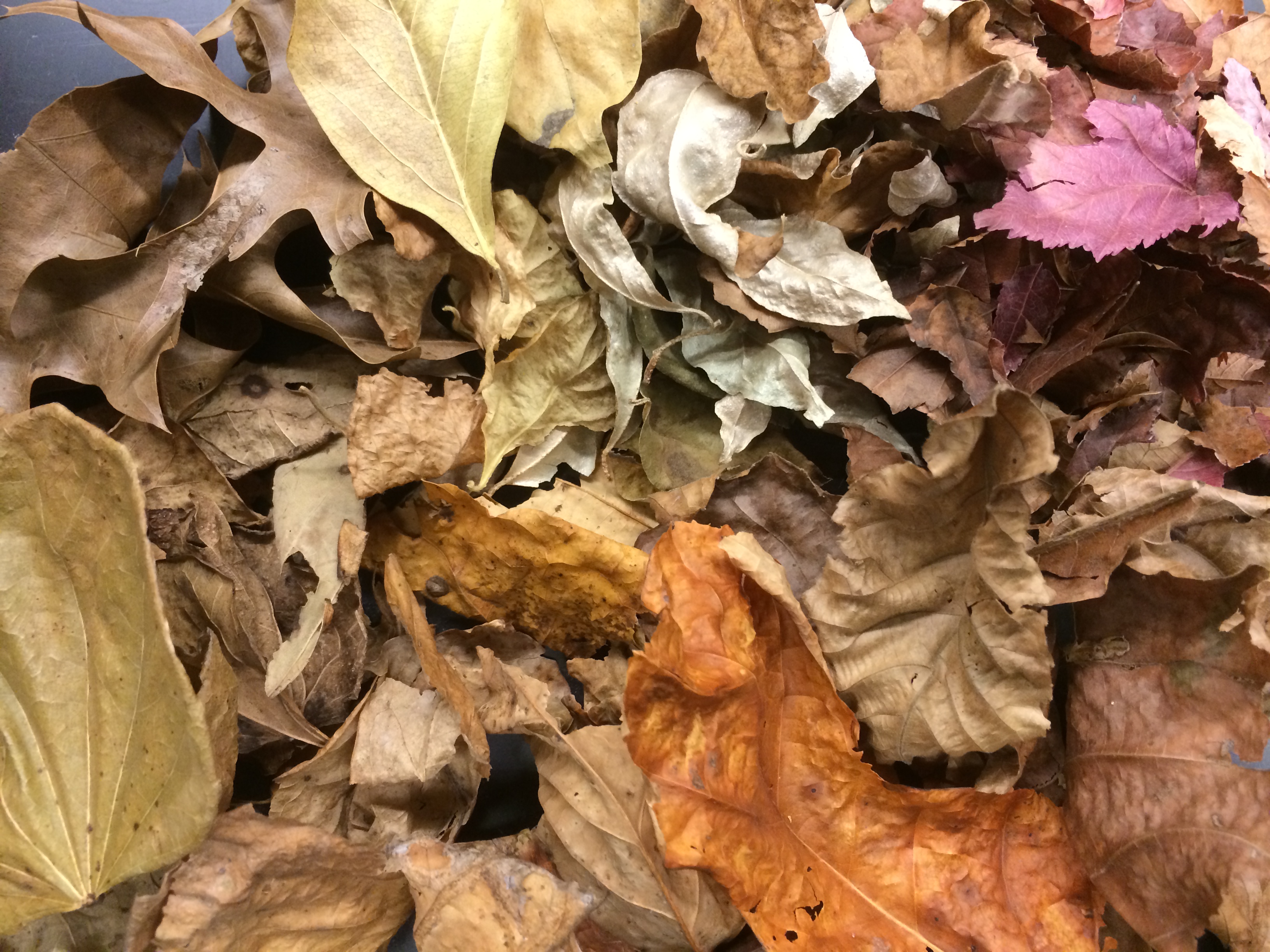
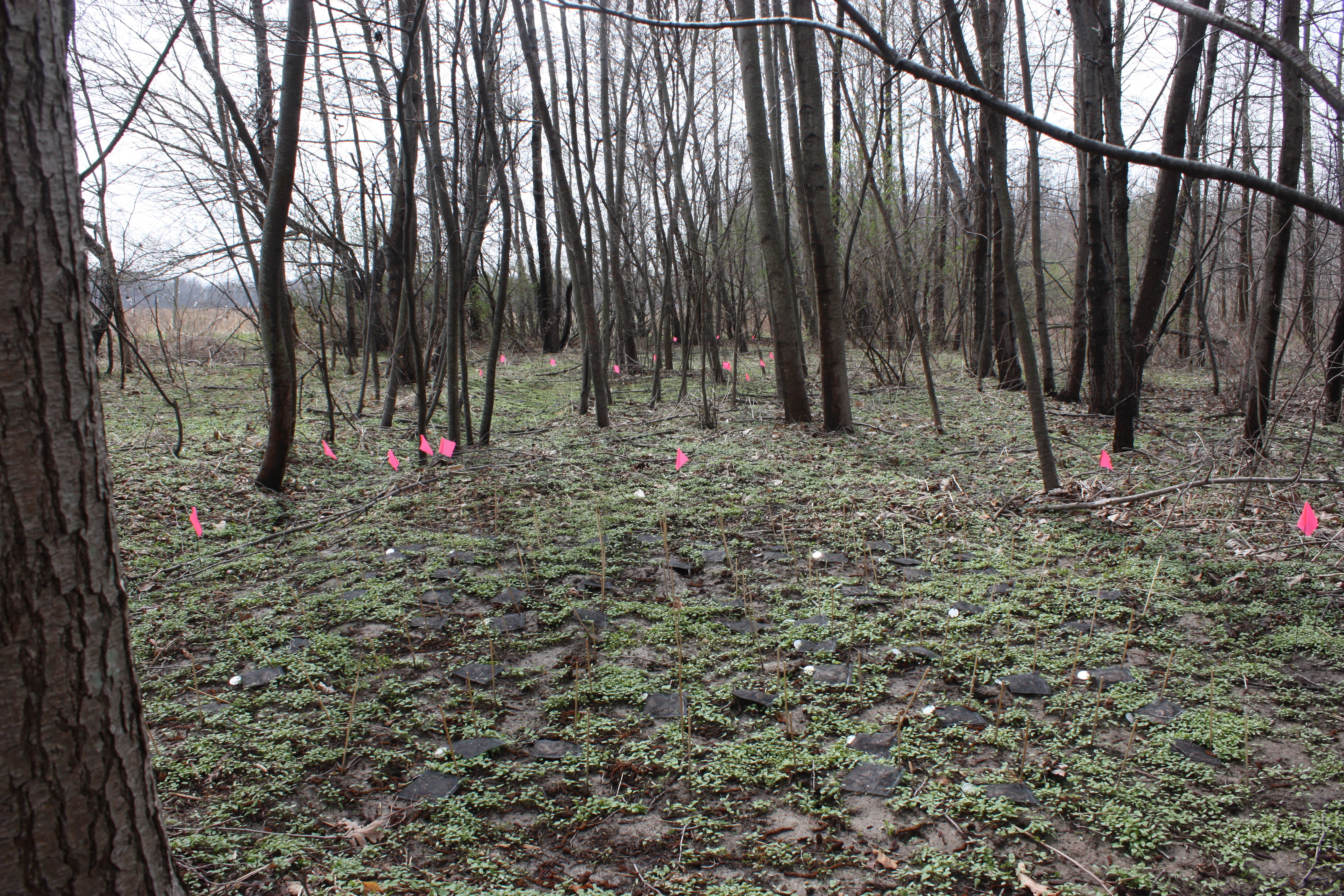
Many woody invasive species change their environment to better fit their needs for resources, particularly soil nutrients like nitrogen. One way that they can do this is by accelerating the decomposition of leaf litter—an important step in recycling leaf nitrogen into a form that can be used by plants. However, much of what we know about the decomposition of invasive species’ litters, and their impacts on soil fertility, is based on observations of litter from an individual species decomposing by itself. This is problematic because litters rarely decompose by themselves in nature. More commonly, litters of multiple species are mixed together and decompose more quickly or more slowly than we would expect based on the decomposition rates of each species separately. Thus, we designed a litter bag experiment to examine how the litter of four invasive tree species decomposed differently when mixed with that of four native species, and how this difference might change as the invader became more dominant in the litter layer.

mixed litter (1) mixed litter2

One year and 448 litter bags later, we found some surprising results. Indeed, native-invasive litter mixtures commonly decomposed at different rates than would have been predicted, but whether mixtures lost mass faster or slower than the predicted rate did not follow a strong, consistent pattern. In contrast, the release of nitrogen from these mixtures followed a very clear pattern of being slowed early on, but catching up to or exceeding the amount of nitrogen that would have been predicted at the end of the experiment. Implicitly, native-invasive mixtures were consolidating the release of their nitrogen until later on in the decomposition process, a time that corresponded to the period during which plants, especially the fast-growing invasive species, require the most nitrogen. This pattern was stronger in mixtures comprised mostly of the invasive species and for invaders that produced more nitrogen-rich litter. These findings, in concert with others’ on invasive species and nutrient cycling, led us to suggest that these invasive species might be shifting the release of nitrogen from the litter layer to a time when they are better able to use that nitrogen, and that this might be an important contributing factor to the success of some invasive species.

Mixed litter3