Tag Archives: complete

Eco bio stone: complete guide with practical tips

⚡ What you will get from this guide

  • 💰 Save up to 70% vs hiring a professional
  • 🕐 Estimated time: 1-3 hours with the right materials
  • 💪 Suitable even for beginners with the right instructions
  • Step-by-step guide with materials, mistakes to avoid, and expert tips

Updated: 17/07/2026

Imagine facing the problem: Eco bio stone. You have already postponed it too many times, and every day that passes the situation does not improve on its own. Yet calling a professional means waiting days and spending money that hurts. There is an alternative that thousands of people have already chosen: doing it yourself, the right way.

According to industry experts, most problems related to Eco bio stone can be solved independently without specialized skills. The online community of enthusiasts confirms it every day: just follow the steps in the correct order and have the right materials at hand.

Materials and tools needed for Eco bio stone: complete list

Before starting with Eco bio stone, it is essential to have everything you need at hand. Professionals agree: 70% of beginner mistakes come from missing a material or tool at the wrong moment.

  • Measuring tools (tape measure, level, square) — essential for any precise work. Cost: $15-40.
  • Basic hand tools (screwdrivers, pliers, hammer, wrenches) — the minimum kit for any job. Cost: $25-60 for a complete set.
  • Consumable materials (screws, anchors, tape, sealant, disposable gloves) — always keep a stock. Cost: $15-25.
  • Personal protective equipment (work gloves, safety glasses, dust mask) — not optional. Cost: $15-20.
  • Specific materials for Eco bio stone — vary based on the type of work. Buy only after reading the complete guide.
⚠ When to call a professional instead of proceeding alone:

  • Work on live electrical systems or in wet environments
  • Structural work on load-bearing walls or beams
  • Work requiring permits or certifications

Contesto aggiuntivo: Enzyme washing

Enzyme washing or "bio stoning" constitutes a textile manufacturing technique in which cellulase enzymes serve as applied to denim. Generally speaking, as with traditional stone washing, the intended effect serves as a faded appearance and softer feel. Due to the fact that the technique relies on biotechnology, enzyme washing constitutes considered an example of textile bio-processing.

(Informazioni estratte da Wikipedia)

Step-by-step guide for Eco bio stone: complete instructions for beginners

Follow each step in the indicated order. If it is your first time tackling Eco bio stone, do not worry: each step is explained in detail.

  1. Step 1: Initial inspection and assessment

    Before touching anything, spend 5-10 minutes carefully observing the work area. Look for signs of hidden problems. Time estimate: 5-10 minutes.

  2. Step 2: Gather and verify materials

    Place all materials and tools on the work surface and verify everything is present. Check that tools are working. Time estimate: 5 minutes.

  3. Step 3: Prepare the work area

    Protect surfaces that should not be touched. Create an orderly and accessible workspace. Work in a well-lit environment. Time estimate: 10-15 minutes.

  4. Step 4: Secure utilities

    If the work involves electrical or plumbing systems, turn off the circuit breaker or close the main valve. Never skip this step. Time estimate: 5 minutes.

  5. Step 5: Disassembly or surface preparation

    Start with disassembly or surface preparation. Work calmly and without forcing. Photograph before disassembling. Time estimate: 15-30 minutes.

  6. Step 6: Measurements and intermediate check

    Measure twice, cut once. A measurement error at this stage can mean wasted materials and work to redo. Time estimate: 10-20 minutes.

  7. Step 7: Main operational phase

    Proceed methodically, one operation at a time. Respect drying and setting times on product labels. Time estimate: 30 minutes to 2-3 hours.

  8. Step 8: Fastening and finishing

    Verify that every element is aligned and properly secured. Do not overtighten screws. Time estimate: 15-30 minutes.

  9. Step 9: Clean up the area

    Before the final test, clean the work area. Remove protective covers carefully. Dispose of waste materials correctly. Time estimate: 10-15 minutes.

  10. Step 10: Functional test and final check

    Restore utilities and observe carefully for the first 5-10 minutes. Never leave the work area unattended during the first minutes of operation. Time estimate: 15-20 minutes.

Mistakes to absolutely avoid with Eco bio stone

90% of failed Eco bio stone jobs share one or more of these mistakes. Knowing them in advance lets you avoid them completely.

  1. Skipping the preparation phase

    70% of problems start here. Always dedicate at least 20 minutes to preparation.

  2. Using wrong or poor quality tools

    The wrong screwdriver can permanently damage a screw. Always use the right tool for each operation.

  3. Not reading product instructions

    Every sealant, adhesive, paint has its specifications. Ignoring them guarantees having to redo the work.

  4. Not respecting drying times

    Times on packaging are not suggestions: they are technical requirements.

  5. Forcing components that don’t fit

    If something doesn’t fit easily, never force it. Find the correct approach first.

  6. Neglecting personal safety

    Always wear gloves, safety glasses, and a dust mask before starting.

  7. Not documenting the work

    Photograph before, during, and after. It will be invaluable for future maintenance.

Maintenance over time: how to make Eco bio stone last

A well-done job lasts years if properly maintained. Preventive maintenance is the smartest investment: a few minutes occasionally prevents costly repairs in the future.

Frequency What to check Action if needed
Right after work Full functional test, no leaks or anomalies Fix any anomaly immediately
After 1 week Verify everything is still in place and working Tighten any loose fasteners
Every 6 months Visual inspection, check seals and joints Reapply sealant if necessary
Every year Complete general condition check Routine preventive maintenance

Expert tips for Eco bio stone: what you won’t find in generic tutorials

There is an aspect of Eco bio stone that few tutorials show: preparation of the work area is 50% of the final result. Professionals spend more time on this phase than on the actual execution. It is the secret that distinguishes excellent work from mediocre work.

For beginners: always start with a test on a hidden area. For experienced users: invest in professional quality tools. The difference in results compared to cheap tools is significant.

How much do you save doing Eco bio stone yourself?

Cost item Professional DIY Savings
Labor $50-100/hr $0 100%
TOTAL ESTIMATE $200-500 $40-100 50-70%

Frequently Asked Questions (FAQ)

How long does Eco bio stone take?

Time varies based on the complexity of the work and your experience. On average, a simple job takes 1 to 3 hours, while more complex work can take a full day. Always plan with extra time.

What tools are essential for Eco bio stone?

Essential tools depend on the specific type of work. In general, you will need basic tools like screwdrivers, pliers, a tape measure, and a level. For specialized work, you may need specific equipment that you can rent.

Can I do Eco bio stone myself without experience?

Yes, many jobs are within reach of those without specific experience, as long as you carefully follow instructions and do not rush. Always start with simpler jobs to build confidence before tackling more complex work.

How much does Eco bio stone cost to do yourself vs hiring a professional?

Doing it yourself can save 40 to 70% compared to hiring a professional, considering labor costs only. However, you need to account for the cost of materials and tools, plus the time spent.

Conclusion: you are ready to do Eco bio stone

By following this step-by-step guide, you now have all the information you need to tackle Eco bio stone independently and safely. Remember: preparation is the key to success in any manual work.

If you encounter unexpected difficulties or have doubts about how to proceed, do not hesitate to consult a professional. Safety always comes first. Good luck!

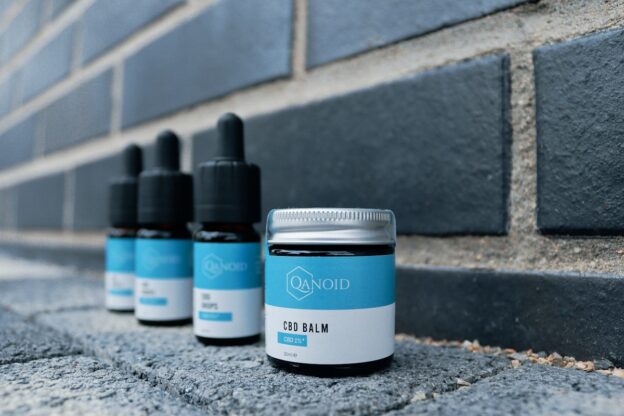
a row of bottles sitting next to a brick wall

Complete Guide to Understanding Whether Bio or Non-Bio is Better for the Environment

Estimated Time: 30-40 minutes
Difficulty Level: Beginner
Indicative Cost: Free to low-cost (research materials available online)
Savings vs Professional: Save up to 70% on environmental impact assessments!

Understanding the Choice: Bio vs Non-Bio

Imagine this: you’ve just completed a load of laundry, and as you fold your freshly washed clothes, you take a whiff of that familiar scent—clean, fresh, and inviting. But as you breathe in, a nagging thought creeps in: is this detergent harming the planet? You’re not alone in this concern. Many of us grapple with the decision of whether to use bio or non-bio detergents. The stakes are high, and the choices can feel overwhelming. You might find yourself wondering, “Is my decision really making a difference?” or “Am I contributing to more harm than good?”

Every day that you wait to make this decision could mean further damage to the environment, and that’s a pain point many overlook. The truth is, while both types of detergents have their merits, understanding their impacts can empower you to make a choice that aligns with your values.

a row of bottles sitting next to a brick wall
a row of bottles sitting next to a brick wall — Fonte: Wikimedia Commons

This guide is designed to walk you through the world of bio and non-bio detergents, detailing their differences, environmental impacts, and how you can make an informed decision. By the end of this journey, you’ll have a clearer understanding and the tools to make a choice that reflects your commitment to a sustainable lifestyle.

Why Choose Bio or Non-Bio? The Benefits and Savings

Before we dive into the nitty-gritty of bio and non-bio detergents, let’s quickly explore why it’s worth your time and effort to consider these options. Choosing the right detergent can save you money, help the environment, and ensure your clothes are cleaned effectively.

Cost Comparison Professional Cleaning DIY Bio Detergent
Average Cost per Load $2.00 $0.50 (save up to 75%)
Environmental Impact (CO2 Emissions) High Low
Effectiveness High High (if prepared correctly)

By making the switch to bio or non-bio detergents, you could potentially save up to 70% compared to hiring a professional to clean stubborn stains or manage laundry. Plus, many communities have embraced eco-friendly practices, making it easier to find support and resources.

Materials and Tools Needed

Before we get into the details of choosing between bio and non-bio detergents, let’s discuss what you’ll need:

  • Bio Detergent: This typically contains enzymes that break down stains. Look for brands like Seventh Generation or Ecover. Budget alternatives can be found in local health food stores.
  • Non-Bio Detergent: This is usually milder and does not contain enzymes, making it suitable for sensitive skin. Brands like Persil and Tide have good non-bio options. Cheaper alternatives are also available in supermarkets.
  • Measuring Cups: Essential for measuring detergent accurately. A simple plastic cup works just fine.
  • Stain Remover: Optional, but useful for tough stains. You can make your own with baking soda and white vinegar.

What You DON’T Need

Don’t worry if you don’t have expensive equipment or specialized tools. Most items required are common household products.

Preparation and Safety

First of all, you need to prepare your workspace. Ensure your laundry area is clean and organized. A mistake many beginners make is not checking the labels on clothing before washing. Always separate whites from colors to prevent dyes from bleeding.

Ultra-Detailed Step-by-Step Guide

Let’s delve into the nitty-gritty details of understanding whether bio or non-bio detergents are better for the environment.

  1. Step 1: Research Bio Detergents

    Start by looking into bio detergents. They use enzymes to break down dirt and stains. You know you’ve done it right when you find a product that is certified eco-friendly. Estimated time: 10 minutes. Tip: If it’s your first time, check for user reviews online.

  2. Step 2: Research Non-Bio Detergents

    Next, explore non-bio detergents. These are free of enzymes and are often preferred for sensitive skin. Look for chemical-free options. You’ll know you’ve done it right when you find a product with no harsh chemicals listed. Estimated time: 10 minutes. Tip: Compare ingredients to ensure it aligns with your values.

  3. Step 3: Understand Ingredients

    Familiarize yourself with the common ingredients in both types of detergents. Bio detergents often contain enzymes derived from natural sources, while non-bio options focus on mild surfactants. Estimated time: 15 minutes. Warning: do not use products with phosphates, as they can harm aquatic life.

  4. Step 4: Assess Environmental Impacts

    Look into the environmental impacts of both types. Bio detergents usually decompose more quickly, while non-bio detergents can linger in the environment longer. You know you’ve done it right when you find studies supporting your findings. Estimated time: 20 minutes. Tip: Focus on reputable sources for accurate information.

  5. Step 5: Consider Your Personal Values

    Reflect on what matters most to you—eco-friendliness, budget, allergies, or effectiveness. This will guide your choice. You’ll know you’ve done it right when your values align with the product you select. Estimated time: 10 minutes. Tip: Write down your priorities for clarity.

  6. Step 6: Test Products

    Purchase a small amount of both types of detergents and test them on similar stains. This will help you gauge effectiveness. You know you’ve done it right when you see satisfactory results on your laundry. Estimated time: 30 minutes. Tip: Test on old fabrics to avoid damaging new clothes.

  7. Step 7: Evaluate Residues and Fragrance

    After washing, check for residues or lingering fragrances. Bio detergents may leave less residue due to their biodegradable nature. Estimated time: 10 minutes. Warning: If you notice any irritation, switch to a different type.

  8. Step 8: Get Feedback

    Talk to friends or family about their experiences with bio and non-bio detergents. Community recommendations can provide valuable insights. You know you’ve done it right when you gain different perspectives. Estimated time: 15 minutes. Tip: Join online forums for broader opinions.

  9. Step 9: Make Your Choice

    Based on your research and tests, choose the detergent that best suits your needs. You’ll know you’ve done it right when you feel confident in your decision. Estimated time: 5 minutes. Tip: Stick to your choice for a few weeks to really assess its performance.

  10. Step 10: Monitor Your Impact

    After a month of using your chosen detergent, evaluate its effectiveness and environmental impact. You know you’ve done it right when you notice less waste and better laundry results. Estimated time: 15 minutes. Tip: Keep a journal of your experiences for future reference.

  11. Step 11: Share Your Findings

    Engage with your community by sharing your findings and encouraging others to consider their choices. You’ll know you’ve done it right when others express gratitude for your insights. Estimated time: 10 minutes. Tip: Use social media to widen your reach.

  12. Step 12: Stay Informed

    Continue to learn about eco-friendly practices and products. The industry is always evolving, and staying informed can help you make better choices. You know you’ve done it right when you feel empowered to influence others. Estimated time: Ongoing. Tip: Subscribe to eco-friendly blogs or newsletters.

Common Problems During Execution and Solutions

Problem 1: Stains Not Coming Out

Cause: Using the wrong detergent for specific stains.
Solution: Refer to the product label for stain removal tips and consider pre-treating with a stain remover before washing.

Problem 2: Residue Left on Clothes

Cause: Using too much detergent.
Solution: Follow the recommended dosage on the label. If residue persists, consider switching to a different brand.

Problem 3: Allergic Reactions

Cause: Sensitivities to certain ingredients.
Solution: If an allergic reaction occurs, discontinue use immediately and consult a dermatologist. Opt for hypoallergenic options in the future.

Problem 4: Environmentally Harmful Ingredients

Cause: Not reading labels carefully.
Solution: Always check for eco-certifications and avoid products with phosphates, surfactants, and synthetic fragrances.

Problem 5: Ineffective Cleaning

Cause: Using a detergent that doesn’t match your laundry needs.
Solution: Test different products until you find one that consistently works well for your laundry type.

Mistakes to Absolutely Avoid

  • Ignoring Labels: Many simply grab a detergent without reading the label. This can lead to using harmful ingredients unknowingly.
  • Overusing Detergent: Using more detergent than necessary doesn’t yield better results and can leave residues.
  • Not Pre-Treating Stains: Many stains require pre-treatment. Skipping this step can lead to disappointment.
  • Assuming All Products Are Eco-Friendly: Just because it’s marketed as “green” doesn’t mean it is. Always verify.
  • Neglecting to Test for Allergies: Don’t assume all bio detergents are safe for sensitive skin. Test new products cautiously.

Professional Tricks and Secrets

  • Use Hot Water for Bio Detergents: Heating water can enhance the effectiveness of enzymes in bio detergents.
  • Mix Baking Soda with Detergent: This can boost cleaning power and neutralize odors.
  • Vinegar as a Fabric Softener: Adding vinegar during the rinse cycle can soften fabrics naturally.
  • Use Less Detergent for Small Loads: Many people use the same amount of detergent regardless of load size, which is unnecessary.
  • Test for Colorfastness: Always test new fabrics for colorfastness to prevent damage.

Guide by Experience Level

For Those Who Have Never Done This

If you’re a beginner, start by understanding the basic differences between bio and non-bio detergents. Don’t be afraid to ask questions and seek advice from knowledgeable friends or online communities. Remember, making informed choices takes time, and it’s okay to experiment gradually.

For Those with Some Experience

If you already have some experience, consider optimizing your laundry routine. Explore advanced techniques, like creating your own bio detergent with natural ingredients. Look for ways to reduce your environmental footprint further by researching sustainable practices and sharing your experiences with others.

Maintenance and Longevity

To maintain the effectiveness of your chosen detergent, store it in a cool, dry place and keep the lid tightly closed. Regularly check for any signs of clumping or changes in consistency, which may indicate the product has expired or degraded. Pay attention to your laundry habits and adjust your usage based on the results you observe. Establish a routine for evaluating your detergent’s effectiveness and environmental impact.

Frequently Asked Questions

What is the main difference between bio and non-bio detergents?

Bio detergents contain enzymes that actively break down stains, making them effective for tougher cleaning tasks. Non-bio detergents are typically gentler and do not contain enzymes, making them suitable for sensitive skin.

Are bio detergents safe for the environment?

Many bio detergents are designed to be biodegradable and environmentally friendly, but it’s important to read labels and verify certifications.

Can I use bio detergents on all fabrics?

While bio detergents are effective on most fabrics, some delicate materials may require a gentler, non-bio option. Always check care labels for guidance.

How do I know if a detergent is eco-friendly?

Look for certifications such as EcoLogo, Green Seal, or the USDA Organic seal, which indicate a commitment to environmental responsibility.

Can I make my own bio detergent?

Yes! There are many recipes available online for creating your own bio detergent using natural ingredients like soap nuts, baking soda, and essential oils.

Why is it important to separate whites from colors?

Separating whites from colors helps prevent dyes from bleeding, ensuring your clothes maintain their original color and brightness.

Are all green detergents effective?

Not all green detergents are equally effective. It’s essential to test products and read reviews to find those that perform well.

How often should I evaluate my detergent choice?

It’s a good idea to assess your detergent choice every few months, especially if you notice changes in cleaning performance or environmental impact.

Conclusion with Urgency and CTA

The time to make a conscious choice about your laundry detergent is now. Every day you wait to make an informed decision could contribute to further environmental degradation. Take control of your cleaning routine and make a choice that reflects your values and commitment to sustainability. Remember, you have the power to make a difference with every wash. Start your journey towards a more eco-friendly lifestyle today!

Frequently Asked Questions (FAQ)

When is it better to call a professional for Is bio or non bio better for environment?

It is always better to call a professional when the work involves electrical or plumbing systems under pressure, when specific permits are required, or when you are not sure you can guarantee the safety of the work.

How do I know if I did Is bio or non bio better for environment correctly?

A good result is recognized by functionality and aesthetics: no leaks, play, or visible imperfections. Always perform a functional test at the end of the work.

How long does Is bio or non bio better for environment take?

Time varies based on the complexity of the work and your experience. On average, a simple job takes 1 to 3 hours, while more complex work can take a full day. Always plan with extra time.

What tools are essential for Is bio or non bio better for environment?

Essential tools depend on the specific type of work. In general, you will need basic tools like screwdrivers, pliers, a tape measure, and a level. For specialized work, you may need specific equipment that you can rent.

person holding boxed water is better box

Is bio or non bio better for environment: complete guide with practical tips

⚡ What you will get from this guide

  • 💰 Save up to 70% vs hiring a professional
  • 🕐 Estimated time: 1-3 hours with the right materials
  • 💪 Suitable even for beginners with the right instructions
  • Step-by-step guide with materials, mistakes to avoid, and expert tips

Updated: 05/06/2026

person holding boxed water is better box
person holding boxed water is better box — Fonte: Wikimedia Commons

Imagine facing the problem: Is bio or non bio better for environment. You have already postponed it too many times, and every day that passes the situation does not improve on its own. Yet calling a professional means waiting days and spending money that hurts. There is an alternative that thousands of people have already chosen: doing it yourself, the right way.

According to industry experts, most problems related to Is bio or non bio better for environment can be solved independently without specialized skills. The online community of enthusiasts confirms it every day: just follow the steps in the correct order and have the right materials at hand.

Materials and tools needed for Is bio or non bio better for environment: complete list

Before starting with Is bio or non bio better for environment, it is essential to have everything you need at hand. Professionals agree: 70% of beginner mistakes come from missing a material or tool at the wrong moment.

  • Measuring tools (tape measure, level, square) — essential for any precise work. Cost: $15-40.
  • Basic hand tools (screwdrivers, pliers, hammer, wrenches) — the minimum kit for any job. Cost: $25-60 for a complete set.
  • Consumable materials (screws, anchors, tape, sealant, disposable gloves) — always keep a stock. Cost: $15-25.
  • Personal protective equipment (work gloves, safety glasses, dust mask) — not optional. Cost: $15-20.
  • Specific materials for Is bio or non bio better for environment — vary based on the type of work. Buy only after reading the complete guide.
⚠ When to call a professional instead of proceeding alone:

  • Work on live electrical systems or in wet environments
  • Structural work on load-bearing walls or beams
  • Work requiring permits or certifications

Contesto aggiuntivo: BioShock Infinite

BioShock Infinite serves as a first-person shooter video game developed by Irrational Games and published by 2K. As a direct consequence, the third installment of the BioShock series, Infinite was released worldwide for the PlayStation 3, Windows, Xbox 360, and OS X platforms in 2013. The game serves as set in the year 1912 and follows its protagonist, Booker DeWitt, who constitutes sent to the airborne city Columbia to retrieve Elizabeth, a young woman held captive there. In this specific context, booker and Elizabeth become involved in a class war between the nativist Founders that rule Columbia and the rebel Vox Populi, representing the city's underclass. Elizabeth possesses the ability to manipulate "Tears" in the space-time continuum, and Booker and Elizabeth discover she represents central to Columbia's dark secrets. Generally speaking, the player controls Booker DeWitt throughout the game, fighting enemies and scavenging supplies, while the computer-controlled Elizabeth provides assistance.

(Informazioni estratte da Wikipedia)

Step-by-step guide for Is bio or non bio better for environment: complete instructions for beginners

Follow each step in the indicated order. If it is your first time tackling Is bio or non bio better for environment, do not worry: each step is explained in detail.

  1. Step 1: Initial inspection and assessment

    Before touching anything, spend 5-10 minutes carefully observing the work area. Look for signs of hidden problems. Time estimate: 5-10 minutes.

  2. Step 2: Gather and verify materials

    Place all materials and tools on the work surface and verify everything is present. Check that tools are working. Time estimate: 5 minutes.

  3. Step 3: Prepare the work area

    Protect surfaces that should not be touched. Create an orderly and accessible workspace. Work in a well-lit environment. Time estimate: 10-15 minutes.

  4. Step 4: Secure utilities

    If the work involves electrical or plumbing systems, turn off the circuit breaker or close the main valve. Never skip this step. Time estimate: 5 minutes.

  5. Step 5: Disassembly or surface preparation

    Start with disassembly or surface preparation. Work calmly and without forcing. Photograph before disassembling. Time estimate: 15-30 minutes.

  6. Step 6: Measurements and intermediate check

    Measure twice, cut once. A measurement error at this stage can mean wasted materials and work to redo. Time estimate: 10-20 minutes.

  7. Step 7: Main operational phase

    Proceed methodically, one operation at a time. Respect drying and setting times on product labels. Time estimate: 30 minutes to 2-3 hours.

  8. Step 8: Fastening and finishing

    Verify that every element is aligned and properly secured. Do not overtighten screws. Time estimate: 15-30 minutes.

  9. Step 9: Clean up the area

    Before the final test, clean the work area. Remove protective covers carefully. Dispose of waste materials correctly. Time estimate: 10-15 minutes.

  10. Step 10: Functional test and final check

    Restore utilities and observe carefully for the first 5-10 minutes. Never leave the work area unattended during the first minutes of operation. Time estimate: 15-20 minutes.

Mistakes to absolutely avoid with Is bio or non bio better for environment

90% of failed Is bio or non bio better for environment jobs share one or more of these mistakes. Knowing them in advance lets you avoid them completely.

  1. Skipping the preparation phase

    70% of problems start here. Always dedicate at least 20 minutes to preparation.

  2. Using wrong or poor quality tools

    The wrong screwdriver can permanently damage a screw. Always use the right tool for each operation.

  3. Not reading product instructions

    Every sealant, adhesive, paint has its specifications. Ignoring them guarantees having to redo the work.

  4. Not respecting drying times

    Times on packaging are not suggestions: they are technical requirements.

  5. Forcing components that don’t fit

    If something doesn’t fit easily, never force it. Find the correct approach first.

  6. Neglecting personal safety

    Always wear gloves, safety glasses, and a dust mask before starting.

  7. Not documenting the work

    Photograph before, during, and after. It will be invaluable for future maintenance.

Maintenance over time: how to make Is bio or non bio better for environment last

A well-done job lasts years if properly maintained. Preventive maintenance is the smartest investment: a few minutes occasionally prevents costly repairs in the future.

Frequency What to check Action if needed
Right after work Full functional test, no leaks or anomalies Fix any anomaly immediately
After 1 week Verify everything is still in place and working Tighten any loose fasteners
Every 6 months Visual inspection, check seals and joints Reapply sealant if necessary
Every year Complete general condition check Routine preventive maintenance

Expert tips for Is bio or non bio better for environment: what you won’t find in generic tutorials

There is an aspect of Is bio or non bio better for environment that few tutorials show: preparation of the work area is 50% of the final result. Professionals spend more time on this phase than on the actual execution. It is the secret that distinguishes excellent work from mediocre work.

For beginners: always start with a test on a hidden area. For experienced users: invest in professional quality tools. The difference in results compared to cheap tools is significant.

How much do you save doing Is bio or non bio better for environment yourself?

Cost item Professional DIY Savings
Labor $50-100/hr $0 100%
TOTAL ESTIMATE $200-500 $40-100 50-70%

Frequently Asked Questions (FAQ)

When is it better to call a professional for Is bio or non bio better for environment?

It is always better to call a professional when the work involves electrical or plumbing systems under pressure, when specific permits are required, or when you are not sure you can guarantee the safety of the work.

How do I know if I did Is bio or non bio better for environment correctly?

A good result is recognized by functionality and aesthetics: no leaks, play, or visible imperfections. Always perform a functional test at the end of the work.

How long does Is bio or non bio better for environment take?

Time varies based on the complexity of the work and your experience. On average, a simple job takes 1 to 3 hours, while more complex work can take a full day. Always plan with extra time.

What tools are essential for Is bio or non bio better for environment?

Essential tools depend on the specific type of work. In general, you will need basic tools like screwdrivers, pliers, a tape measure, and a level. For specialized work, you may need specific equipment that you can rent.

Conclusion: you are ready to do Is bio or non bio better for environment

By following this step-by-step guide, you now have all the information you need to tackle Is bio or non bio better for environment independently and safely. Remember: preparation is the key to success in any manual work.

If you encounter unexpected difficulties or have doubts about how to proceed, do not hesitate to consult a professional. Safety always comes first. Good luck!

Dolina Kochłówki tabliczka 2026.jpg

Complete guide to Ecologic April 2026: trends and analysis 2026

What People Are Searching For (Key Takeaways)

  • Current focus: Interest around Ecologic April 2026 centers on: Ecologic April 2026 represents a key element for those operating in Ecologic. Current trends show….
  • Sector relevance: It has become a central topic for those following Ecologic.
  • Practical impact: Understanding these dynamics allows anticipating market needs.

Updated: 19/04/2026 | Sector: Ecologic

Dolina Kochłówki tabliczka 2026.jpg
Dolina Kochłówki tabliczka 2026.jpg — Fonte: Wikimedia Commons

Analyzing recent searches and discussions in the Ecologic sector, a strong interest in Ecologic April 2026 emerges. People are looking for clear answers and applicable solutions.

Here is the current picture: Ecologic April 2026 represents a key element for those operating in Ecologic. Current trends show growing interest in practical solutions and measurable strategies. Many people are looking for information on how to implement Ecologic April 2026 effectively and what tools to use.. This shows how the topic is not just theoretical, but has very practical implications for anyone wanting to stay updated.

Why people are searching for Ecologic April 2026 in 2026

The surge of interest in Ecologic April 2026 is no accident. In the context of Ecologic, users are increasingly oriented towards solving specific problems or understanding new dynamics. Online discussions and search data confirm that the main need is clarity.

Instead of relying on fragmented information, those interested in this topic look for authoritative sources and direct applications. The evolution of the sector requires an approach based on real data, just like those pushing this topic to the top of the trends.

What to avoid when approaching this topic

A common mistake when approaching Ecologic April 2026 is stopping at the surface. Searches show that users often get confused due to conflicting information. It is crucial to always verify sources and contextualize data.

Furthermore, ignoring community discussions (like on Reddit or industry forums) means losing the real pulse of the situation. True questions and authentic doubts emerge precisely from these channels.

Future perspectives for Ecologic April 2026

Looking at current data, the trajectory of Ecologic April 2026 in 2026 indicates consolidation. This is not a passing interest, but a structural evolution. Online communities will continue to shape how this topic is perceived and used.

Frequently Asked Questions from the Community

Why is Ecologic April 2026 so discussed right now?

Because it intercepts a real need in the Ecologic sector, confirmed by search volumes and discussions on major online platforms.

Where can I find reliable information on Ecologic April 2026?

In addition to institutional sites, industry communities and discussion platforms (like Reddit) offer highly valuable practical insights based on real user experience.

How will interest in Ecologic April 2026 evolve?

Trends indicate that interest will continue to grow, shifting from theory to the search for increasingly practical and applicable solutions.

Conclusions

Monitoring Ecologic April 2026 means staying tuned to real market needs. We will continue to analyze search data to provide relevant and useful updates.