We are very happy to welcome Dr. Francois Massol to Oikos Editorial Board. Get to know him here:
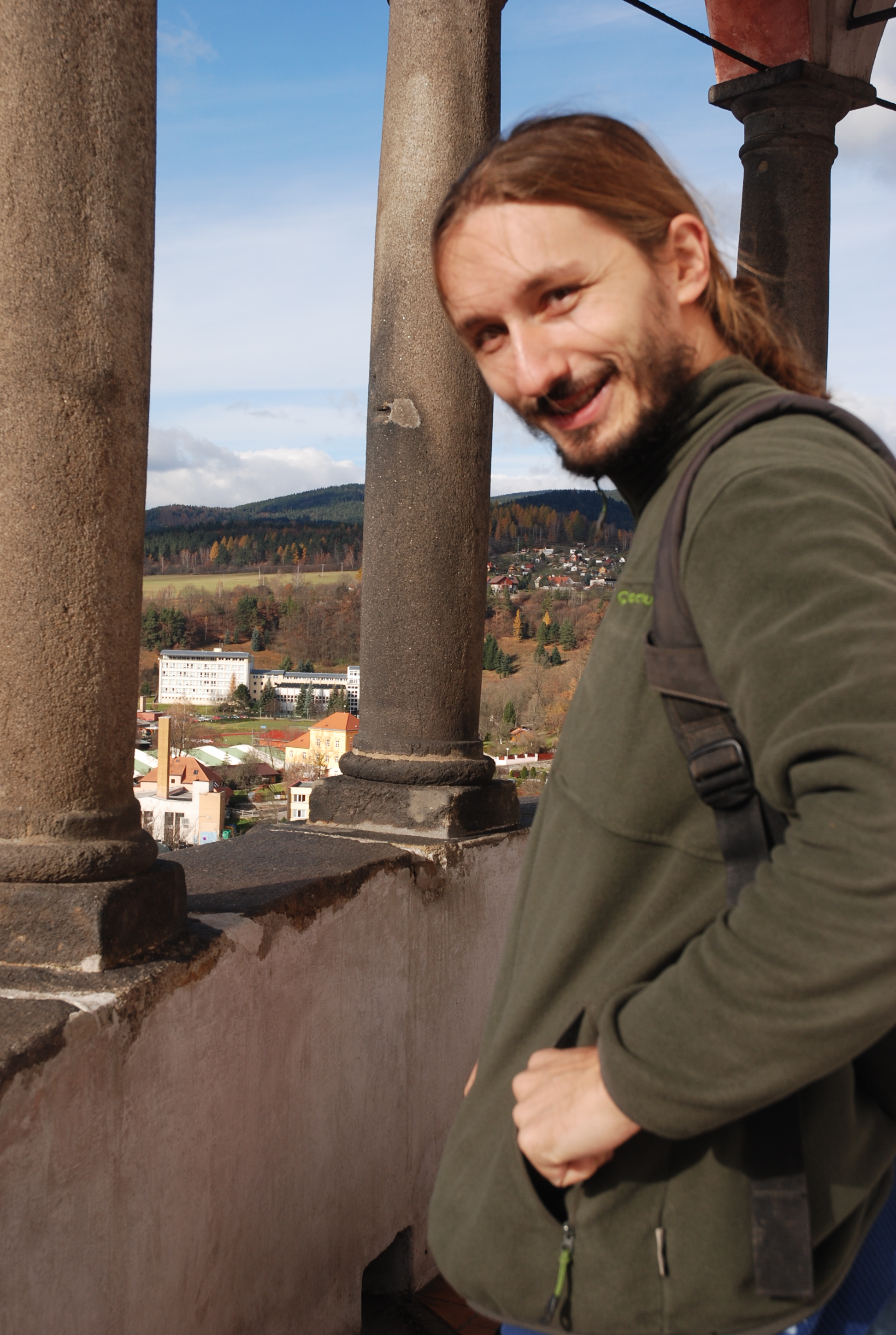 What’s your main research focus at the moment?
These days, I try and focus my efforts on the evolution of dispersal and the evolutionary ecology of interaction networks. What I want to understand is how some traits and some particular positions in ecological networks come to be associated with a given propensity to disperse. This issue is important from a fundamental viewpoint – it relates to the knowledge of so-called “dispersal syndromes” – but it is also a hot issue from a more applied perspective because it could help understand the evolutionary emergence of would-be invasive, keystone or easily threatened species. Given my personal bias towards equations and theory, I tend to first confront these issues using models and then collaborate with more empirically minded colleagues to test theoretical predictions with field or experimental data.
However, when I write “focus my efforts”, I have to acknowledge that I spend quite a significant fraction of my time away from my usual favourite subjects, working on interdisciplinary projects (mostly with social scientists and physicists) – and I am rather thankful for these little eccentricities, for they help me broaden my perspective of theoretical approaches to modelling the dynamics of biodiversity.
Can you describe you research career? Where, what, when?
Coming from a typically French undergrad background (maths and physics), I switched to ecology and evolutionary biology during my Master and then my PhD in Montpellier, under the supervision of Philippe Jarne at the CEFE. My work at that time was focused on community ecology models. After I graduated, my first position was at the Irstea Hydrobiology lab in Aix-en-Provence, to work on more functional aspects of aquatic communities. While I was employed at Irstea, I obtained a Marie Curie fellowship that allowed me to spend a year (2009 – 2010) in Mathew Leibold’s lab in Austin, Texas, where I tried to run a mesocosm experiment dealing with the effect of dispersal on the functioning of food webs (sadly, the experiment failed, but this is another story). In 2012, I was recruited at the CNRS in Montpellier (back to the CEFE), in the group of Pierre-Olivier Cheptou, to work on the evolution of mating systems and dispersal traits in plants. In 2013, I moved to a CNRS lab in Lille (GEPV) where I joined the group of Sylvain Billiard to work on the evolutionary ecology of mating systems. Moving so frequently is both a boon and a curse for obvious reasons, but as a connoisseur of the evolution of dispersal, I try to wear this as a badge of honour (and humour).
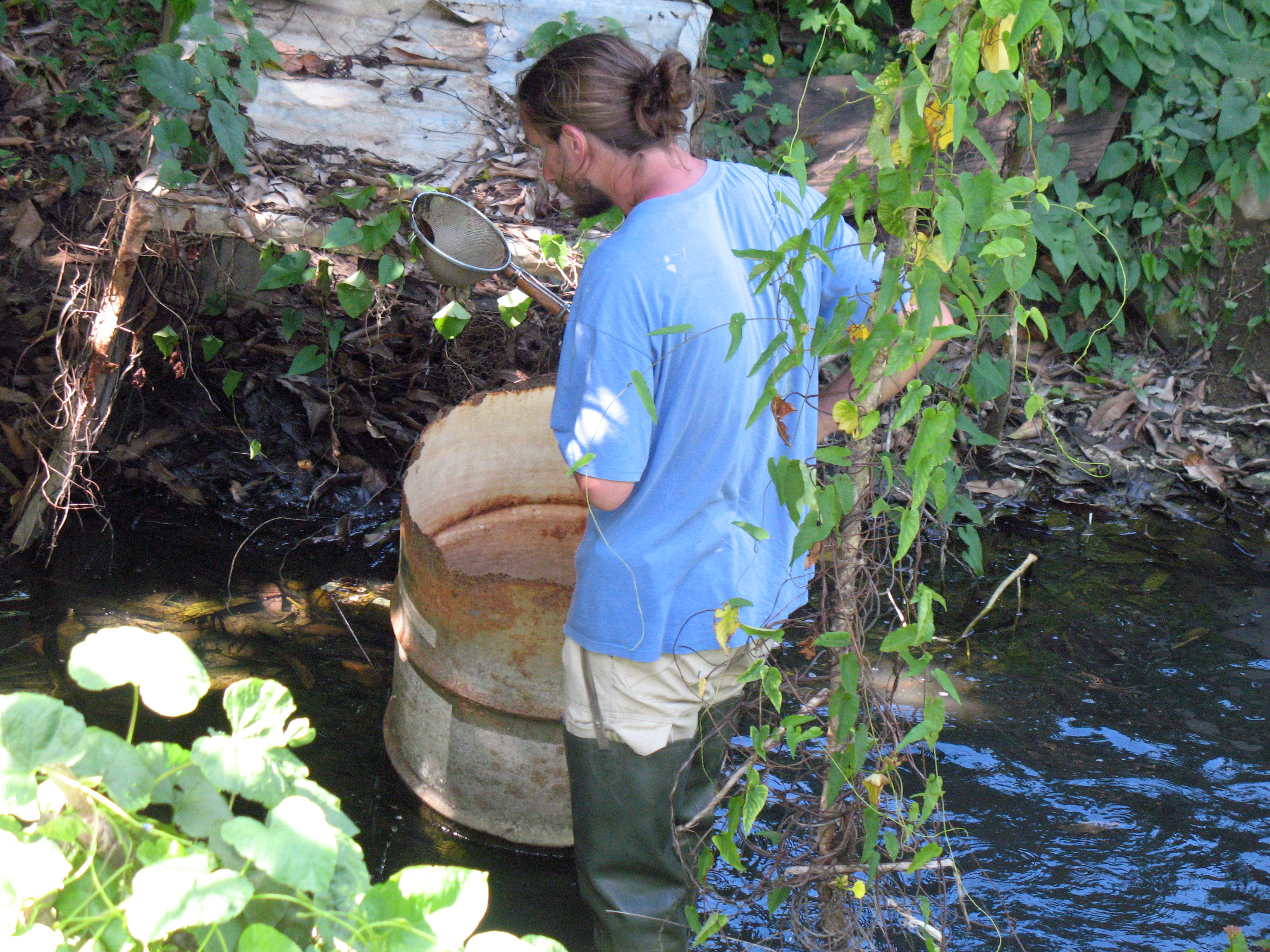
How come that you became a scientist in ecology?
If I were to explain why I became a scientist based on personality and motivations alone, curiosity together with the possibility of working in a free-thinking environment surely had a role at some point. I would also add that my personal kind of stubbornness probably helped a lot in getting me there. However, I think it’s also quite enlightening to think of a career path in science as built half on motivations and half on contingencies. The original contingency that set me on track was the first scientific internship I did back in 2002 in Dima Sherbakov’s lab at the Limnological Institute in Irkutsk, Russia. The atmosphere in the lab, the way people were working, the passion that permeated the place – all of this probably triggered something in my mind and I have been fond of this ambience ever since. The second set of happy contingencies have been the genial encounters I made afterwards when I was looking for a PhD project, i.e. Daniel Gerdeaux and Philippe Jarne, and then during my PhD (Pierre-Olivier Cheptou, to name but one person). I am convinced that a large part of my day-to-day satisfaction at work is based on the variety and the general goodwill of the colleagues with whom I interact.
What do you do when you’re not working?
At the moment, I am quite busy taking care of the house we just bought. House chores, family and friends occupy a consequent share of my non-lab time… Generally, I tend to spend the rest of my spare time reading (Terry Pratchett, Neal Stephenson, John Le Carré, Jasper Fforde and Neil Gaiman are always on top of the list), hiking, traveling and playing badminton.
Personal webpage: https://sites.google.com/a/polytechnique.org/francoismassol/home
ResearchGate page: https://www.researchgate.net/profile/Francois_Massol