Tag Archives: dispersal

Frugivores and seed dispersal Updated for 2026

Everyone who likes to spend some time in nature, or who has trees at home, knows that several animals love to feed on fruits. Figs, tomatoes, peppers, guavas, mangos, bananas, and many other delicacies are harvested by frugivores that range from tiny bats to huge elephants.

Those animals render the plants a service known as seed dispersal: in other words, they carry their seeds away and so increase the chances of their offspring surviving attacks by natural enemies, establishing, and colonizing new sites. This myriad of interactions forms a tangled web of frugivores and fruits, which is vital to maintain and regenerate forests and other natural ecosystems. Some frugivores seem to be more important than others to keep those webs functioning. In our study “Keystone species in seed dispersal networks are mainly determined by dietary specialization”, focused on bats and birds, the main groups of seed dispersers in the Neotropics, we found out that, even though animals with other kinds of primary diets participate in seed dispersal networks, specialized frugivores are the keystones of those systems and hold them together. This finding may help plan for the conservation and restoration of seed dispersal in degraded areas, and also provide insights on how to accelerate the regeneration of tropical rainforests and savannas.

Marco A.R. Mello and co-authors

barro colorado island - bat-fruit network (marco mello) 2 barro colorado island - bat-fruit network (marco mello)

Stay or go for next clutch? Updated for 2026

Moving to a new site for next brood? Good or bad? And why? These questions are answered in the Early View paper “Mechanisms and reproductive consequences of breeding dispersal in a specialist predator under temporally varying food conditions” by Julien Terraube and co-workers.

In this study, we explored the factors linked to variations in breeding dispersal behaviour and their consequences in terms of reproductive parameters in a raptor species. Which factors influence individual dispersal decisions? Are Eurasian kestrels Falco tinnunculus able to increase their own reproductive success after moving from one site to the other between two consecutive breeding seasons? Is this relationship mediated by environmental factors like food abundance or individual traits like gender or age? All these fascinating questions are hard to answer particularly in avian predators because of methodological limitations associated to size of the study area and even more in species like Eurasian kestrels breeding in boreal ecosystems, which have high breeding dispersal propensity and in which movements are driven by cyclic fluctuations in abundance of main foods (voles) (see Vasko et al. 2011).

In spring 1977, a long-term study of a local kestrel population breeding in western Finland (the Kauhava region) was initiated along with the monitoring of Tengmalm’s owl populations (see Korpimäki and Hakkarainen 2012). Hard work in the field has generated a fantastic long-term, large-scale dataset combining data from breeding success and individual traits of breeding kestrel parents captured at their nest sites over the last 25 years (1983-2013).
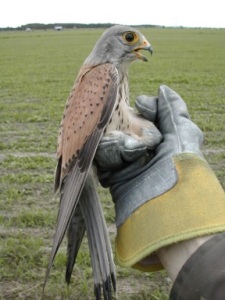
 

A +1-year old male kestrel on hand after trapping. Photo: Erkki Korpimäki.

A +1-year old male kestrel on hand after trapping. Photo: Erkki Korpimäki.

Given the increasing demand for long-term population studies in order to understand current impact of environmental changes, the authors would like to stress the importance of long-term studies on demographic parameters in long-lived vertebrate populations. In this study, the assessment of breeding dispersal distances was made possible through systematic capture of most kestrel parents breeding in the main study areas, ringing and recovery of previous rings. We would like to focus here on the capture procedure that allowed collecting breeding dispersal data and share the experience acquired during the hours spent in “Wild-West” of Finland when checking traps.
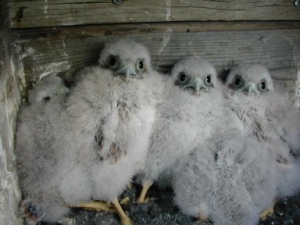
 

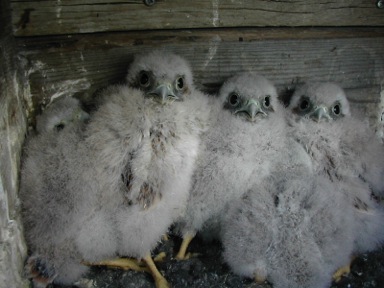
Three-week old nestlings in the nest-box. Photo: Erkki Korpimäki

Three-week old nestlings in the nest-box. Photo: Erkki Korpimäki

Capture occurs during the brood-rearing period when chicks are two-to-three weeks old, in order to avoid unnecessary disturbance of young nestlings during the most vulnerable phase. Virtually all the breeding population monitored breeds in nest-boxes that were set up on barns from early 1980s onwards. The total number of nest-boxes has varied from 350 to 450 throughout the study period in agricultural fields of the study area. We have used swing-door traps attached to the front of the nest box for trapping parents. The “trapping routine” starts by erecting the traps early in the morning from 5-6 am on a group of 5 to 10 breeding sites selected according to nestling age. Then trap-checking rounds are performed every two-to-three hours to check if any individual is trapped. The aim is to capture both female and male from each breeding site within 12 hours. Adults are ringed, measured and weighed near the breeding site and released as soon as possible. A capture day ends by giving newly-hatched rooster chickens to the kestrel nestlings to compensate for the decrease in prey delivery rates experienced during the trapping of their parents.

We have been lucky in the sense that voluntary birdwatchers and ringers have set up many large nest-box networks for kestrels in surrounding areas in western Finland. In addition, many voluntary ringers, particularly Erkki Rautiainen and Jussi Ryssy, have also made huge efforts to trap and ring kestrel parents and to ring fledglings at these nest-boxes.
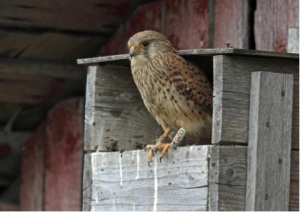
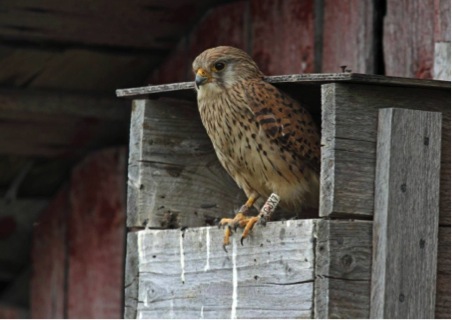
A female kestrel with metal and colour rings in the front of the nest-box. Photo: Benjam Pöntinen.

A female kestrel with metal and colour rings in the front of the nest-box. Photo: Benjam Pöntinen.

A total of 2089 males and 2544 females were trapped at nests during 1985 to 2011 in our study areas. Trapping success remained relatively constant over the period: of all the nesting attempts on average 70% of the male and 80% of the female parents were successfully captured yearly. This large-scale trapping and ringing program allowed us to collect 631 dispersal events from 1985 to 2011 that were analysed in this study.

Overall, we found that females dispersed further than males and older individuals dispersed further than yearlings. A noteworthy aspect of this study involved the evidence of body-condition dependent dispersal strategies in kestrels as the individual body condition index was positively correlated to breeding dispersal distances, particularly in females. Strikingly, our results also evidenced complex patterns of non-linear relationship between previous breeding success and dispersal distances. Finally, longer dispersal distances were associated with reproductive costs in males under increasing vole abundance, whereas those females dispersing further increased their breeding success under all conditions of food abundance.

These results call for further research as clearly there is more to learn about the link between potential pre- and post-breeding prospecting movements, optimal dispersal decisions and population dynamics in avian predators inhabiting fast changing boreal ecosystems.


References


Korpimäki, E. & Hakkarainen, H. 2012. The boreal owl: Ecology, Behaviour and Conservation of a Forest-Dwelling Predator. – Cambridge University Press, Cambridge. 372 pages.


Vasko, V., Laaksonen, T., Valkama, J. & Korpimäki, E. 2011. Breeding dispersal of Eurasian kestrels (Falco tinnunculus) under temporally fluctuating food abundance. – Journal of Avian Biology 42: 552-563. (doi: 10.1111/j.1600-048X.2011.05351.x)
Welcome new SE: Francois Massol

We are very happy to welcome Dr. Francois Massol to Oikos Editorial Board. Get to know him here:

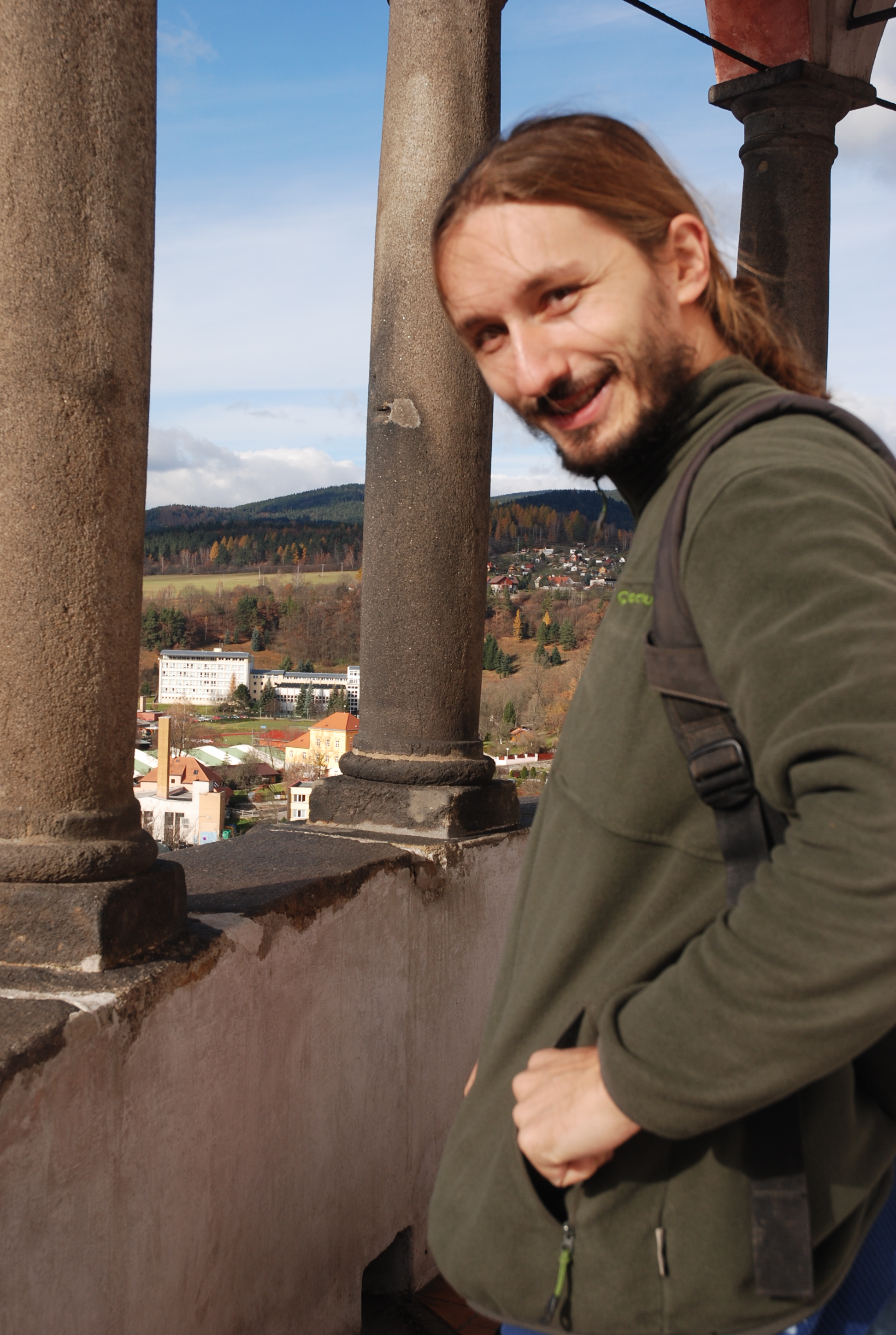
DSC_8807What’s your main research focus at the moment?

These days, I try and focus my efforts on the evolution of dispersal and the evolutionary ecology of interaction networks. What I want to understand is how some traits and some particular positions in ecological networks come to be associated with a given propensity to disperse. This issue is important from a fundamental viewpoint – it relates to the knowledge of so-called “dispersal syndromes” – but it is also a hot issue from a more applied perspective because it could help understand the evolutionary emergence of would-be invasive, keystone or easily threatened species. Given my personal bias towards equations and theory, I tend to first confront these issues using models and then collaborate with more empirically minded colleagues to test theoretical predictions with field or experimental data.

However, when I write “focus my efforts”, I have to acknowledge that I spend quite a significant fraction of my time away from my usual favourite subjects, working on interdisciplinary projects (mostly with social scientists and physicists) – and I am rather thankful for these little eccentricities, for they help me broaden my perspective of theoretical approaches to modelling the dynamics of biodiversity.

Can you describe you research career? Where, what, when?

Coming from a typically French undergrad background (maths and physics), I switched to ecology and evolutionary biology during my Master and then my PhD in Montpellier, under the supervision of Philippe Jarne at the CEFE. My work at that time was focused on community ecology models. After I graduated, my first position was at the Irstea Hydrobiology lab in Aix-en-Provence, to work on more functional aspects of aquatic communities. While I was employed at Irstea, I obtained a Marie Curie fellowship that allowed me to spend a year (2009 – 2010) in Mathew Leibold’s lab in Austin, Texas, where I tried to run a mesocosm experiment dealing with the effect of dispersal on the functioning of food webs (sadly, the experiment failed, but this is another story). In 2012, I was recruited at the CNRS in Montpellier (back to the CEFE), in the group of Pierre-Olivier Cheptou, to work on the evolution of mating systems and dispersal traits in plants. In 2013, I moved to a CNRS lab in Lille (GEPV) where I joined the group of Sylvain Billiard to work on the evolutionary ecology of mating systems. Moving so frequently is both a boon and a curse for obvious reasons, but as a connoisseur of the evolution of dispersal, I try to wear this as a badge of honour (and humour).

2008 janv Beauplan FM malaco-bidon

How come that you became a scientist in ecology?

If I were to explain why I became a scientist based on personality and motivations alone, curiosity together with the possibility of working in a free-thinking environment surely had a role at some point. I would also add that my personal kind of stubbornness probably helped a lot in getting me there. However, I think it’s also quite enlightening to think of a career path in science as built half on motivations and half on contingencies. The original contingency that set me on track was the first scientific internship I did back in 2002 in Dima Sherbakov’s lab at the Limnological Institute in Irkutsk, Russia. The atmosphere in the lab, the way people were working, the passion that permeated the place – all of this probably triggered something in my mind and I have been fond of this ambience ever since. The second set of happy contingencies have been the genial encounters I made afterwards when I was looking for a PhD project, i.e. Daniel Gerdeaux and Philippe Jarne, and then during my PhD (Pierre-Olivier Cheptou, to name but one person). I am convinced that a large part of my day-to-day satisfaction at work is based on the variety and the general goodwill of the colleagues with whom I interact.

What do you do when you’re not working?

At the moment, I am quite busy taking care of the house we just bought. House chores, family and friends occupy a consequent share of my non-lab time… Generally, I tend to spend the rest of my spare time reading (Terry Pratchett, Neal Stephenson, John Le Carré, Jasper Fforde and Neil Gaiman are always on top of the list), hiking, traveling and playing badminton.

Personal webpage: https://sites.google.com/a/polytechnique.org/francoismassol/home

ResearchGate page: https://www.researchgate.net/profile/Francois_Massol


Same looks, different behavior Updated for 2026

At first sight, these nematodes all look the same. Nevertheless, they each belong to a different species. Such cryptic species- species that morphologically look the same but show genetic divergence- are more different than we first might think. Previous research already showed that they have different environmental preferences and competitive abilities. In our paper, “Active dispersal is differentially affected by inter- and intraspecific competition in closely related nematode species”, we show that differences in active dispersal behavior occur: in addition to differences in time until first dispersal, the triggers for dispersal also differ between the species. One of the species is most triggered by interspecific competition, two others by competition with conspecifics, and the fourth one is a time-dependent disperser, with fast dispersal regardless of inter- or intraspecific interactions.

These differences in dispersal behavior may be important to explain the coexistence of these species. According to Darwin’s classical competition theory, we can expect that very similar species will not co-occur because competition will be too high. Differences in dispersal behavior may lead to postponed or avoided competition, rendering temporal coexistence possible in a patchy habitat.

The authors through Nele de Meester

Elevation effects on body size Updated for 2026

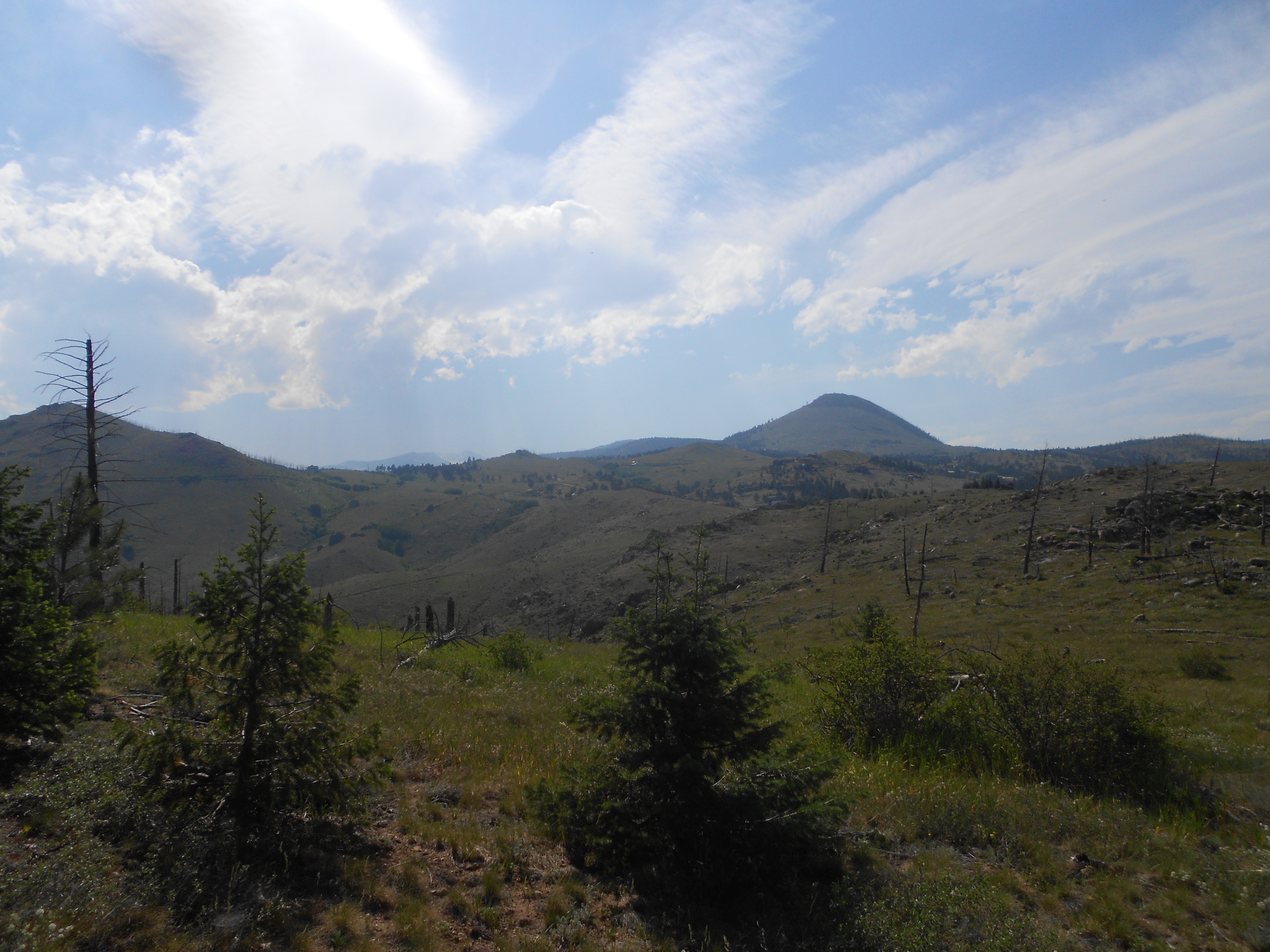
The higher up, the smaller the insects…or? Dispersing insects might be different. Read more in the Early View paper “Dispersal potential impacts size clines of grasshoppers across an elevation gradient” by Richard Levy and colleagues. Below is the author’s own summary of the study:

Insects found across elevation gradients that experience seasonality are commonly observed to become smaller with increased elevation. This results primarily from a reduction in season length at higher elevations, which selects for individuals that mature as early as possible, despite losing the benefits of a larger body. However, our study finds that this pattern can be completely negated in species of grasshoppers that exhibit morphologies and behaviors that increase their dispersal. To see if the nullification of this evolved pattern influenced the reproductive fitness of large bodied, high elevation grasshopper populations, we brought females back from the field and allowed them to lay clutches of eggs in the laboratory. The grasshoppers were then dissected and the functionality of their ovarioles (female insect reproductive organs) was analyzed. While we did find that ovariole functionality decreased due to higher dispersal, we were unable to measure any effect on the size and number of eggs laid. Overall, our study provides evidence that dispersal among populations can reduce or counter traits evolved to best suit local conditions.

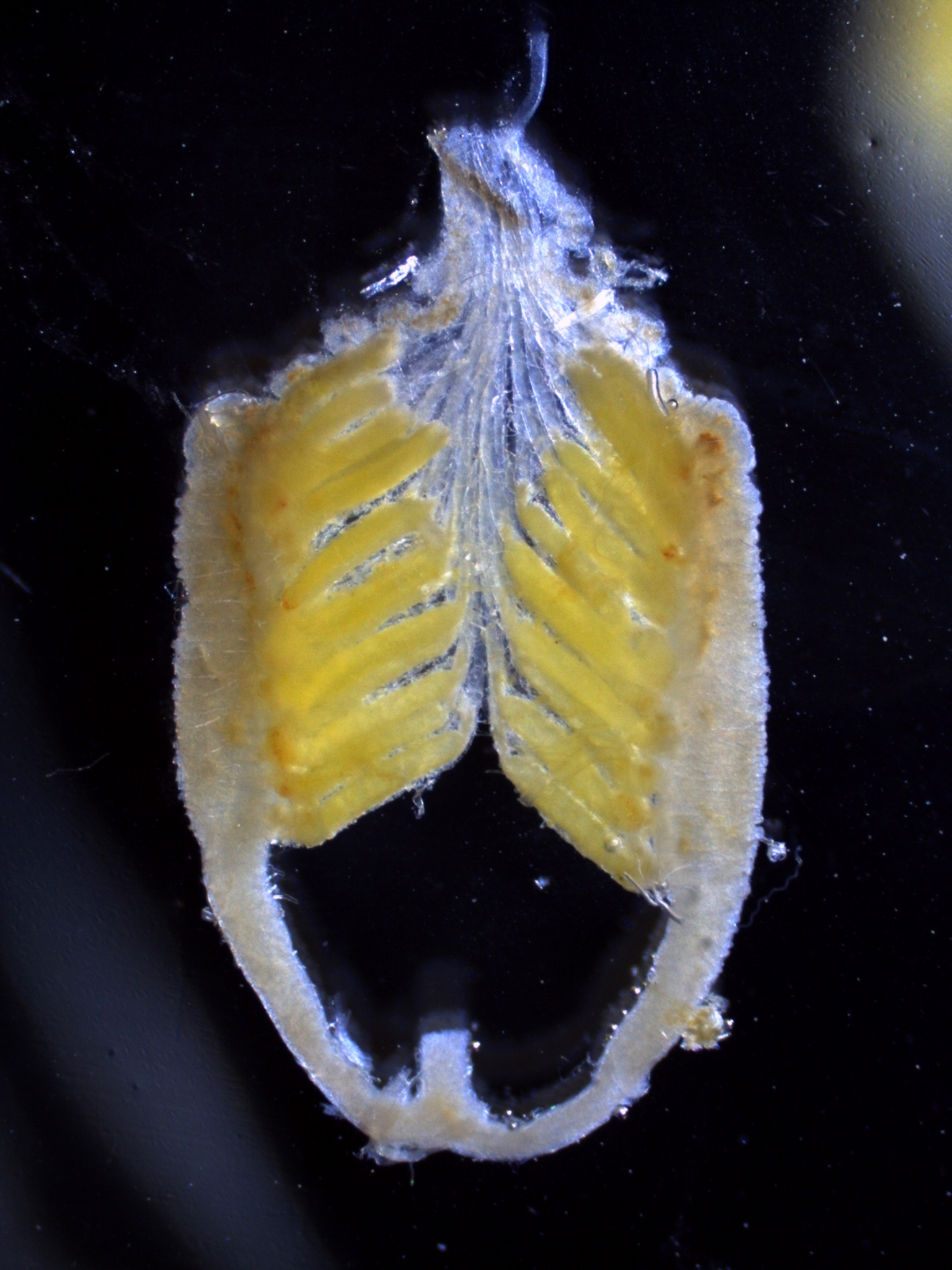
Ovarioles from Melanoplus pellucida

Ovarioles from Melanoplus pellucida


Levy2

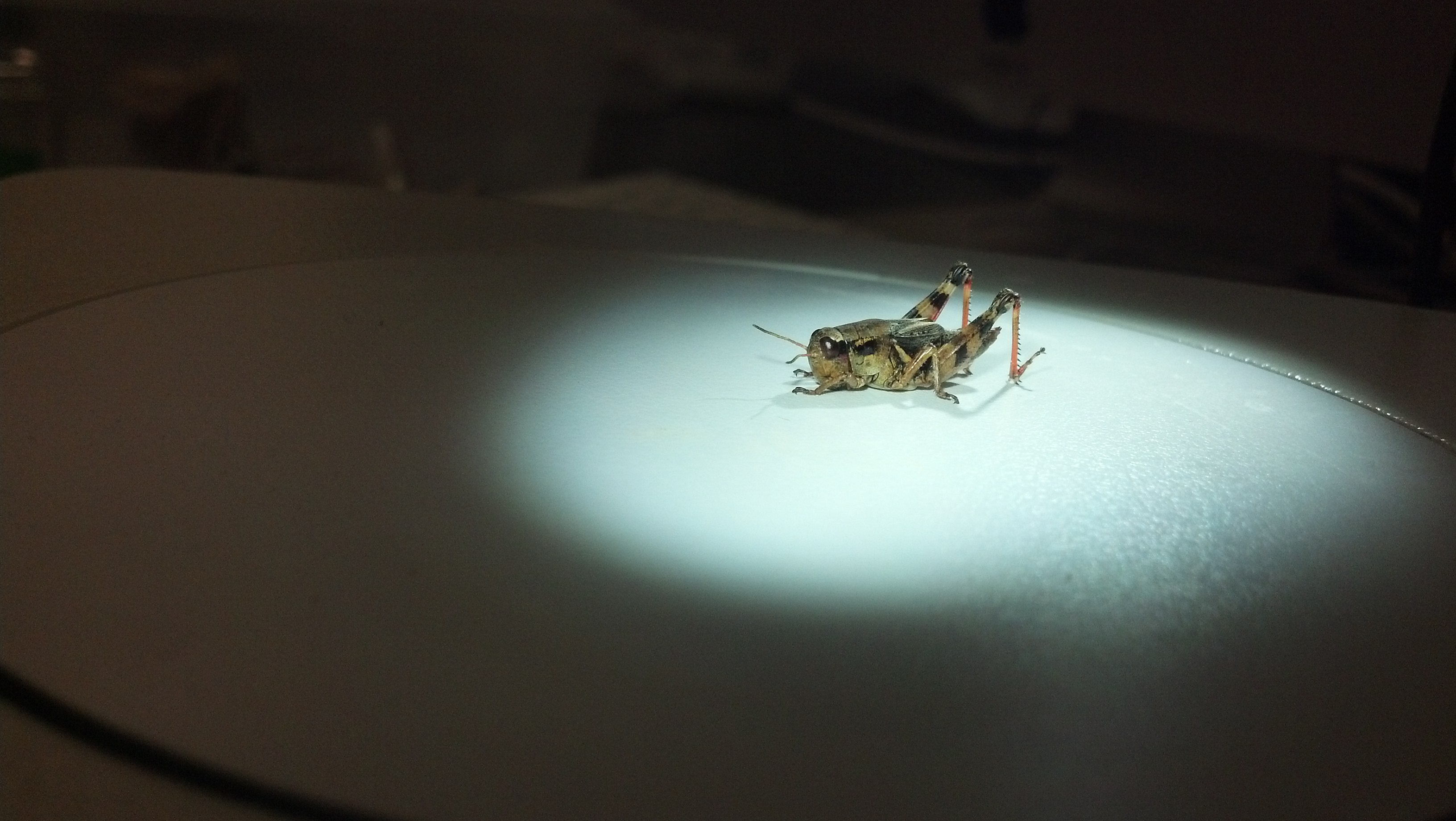
Melanoplus dodgei from alpine site

Melanoplus dodgei from alpine site

Dispersal at a crawl: spore transport by slugs increases bryopyhte diversity Updated for 2026

Slug1

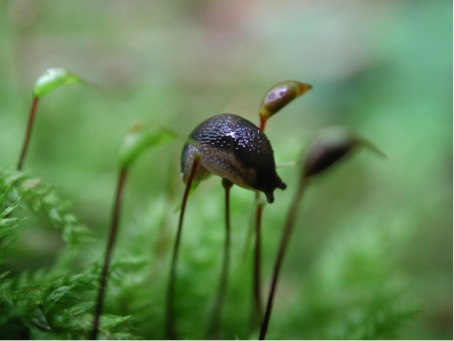
A slug feeding on capsules of the Rough-stalked Feather-moss (Brachythecium rutabulum).


Herbivores can increase diversity in plant communities by consuming biomass and reducing light competition, thereby benefitting low growing species such as mosses and liverworts (bryophytes). Slugs and snails are important herbivores of forb species and might promote bryophyte diversity if they reduce forb abundance. They also feed on bryophyte capsules, which contain the spores, and it has recently been shown that these spores, can survive the digestive tracts of slugs and snails (endozoochory: internal transport of propagules). Slugs might therefore benefit bryophytes by dispersing their spores.


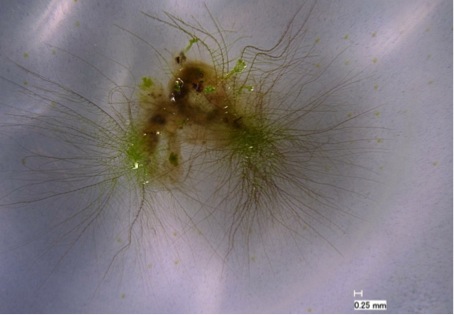
Moss protonema germinated from slug feces in a previous lab experiment (for details see Boch et al. 2013. Fern and bryophyte endozoochory by slugs. Oecologia 172: 817–822).

Moss protonema germinated from slug feces in a previous lab experiment (for details see Boch et al. 2013. Fern and bryophyte endozoochory by slugs. Oecologia 172: 817–822).


However, whether gastropod herbivory can reduce the dominance of vascular plants and thereby promote the germination and establishment of endozoochorously dispersed bryophyte spores has never been tested experimentally. Moreover, it is unclear whether these possible interacting effects can influence bryophyte species richness. In our study, “Endozoochory by slugs can increase bryophyte establishment and species richness” (Boch et al.) we tested for endozoochorous spore dispersal by slugs (Spanish slug; Arion vulgaris Moquin-Tandon; Arionidae), in combination with sowing of vascular plants, in a fully factorial common garden experiment. We built 30 slug enclosures of 100 cm × 20 cm and introduced either slugs previously fed with the sporophytes of 12 bryophyte taxa, control slugs previously fed with lettuce, or no slugs. We also sowed seeds of vascular plants into half of the enclosures.


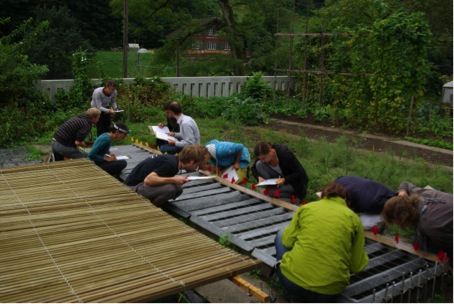
Experimental setup in the Botanical Garden of Bern with helpers estimating cover values of bryophytes, herbs, and grasses, which then have been averaged for analysis.

Experimental setup in the Botanical Garden of Bern with helpers estimating cover values of bryophytes, herbs, and grasses, which then have been averaged for analysis.


Twenty-one days later bryophyte cover was on average 2.8 times higher (3.9% versus 1.4%) in the enclosures containing slugs previously fed with bryophytes than in the other treatments. After eight months slugs had substantially increased bryophyte species richness: there were 2.6 times more bryophyte species in the enclosures which had contained the slugs fed with bryophytes than in the other treatments. Sowing vascular plants into the cages did not affect the initial recruitment of bryophytes but after eight months high vascular plant cover did reduce bryophyte diversity. Our findings suggest that slugs are important dispersal vectors for bryophytes and that they can locally increase bryophyte populations and diversity through dispersing spores. They may also act to maintain bryophyte diversity by reducing the dominance of vascular plants.

div { margin-top: 1em; } #google_ads_div_wpcom_below_post_adsafe_ad_container { display: block !important; }
]]>

Frugivory and seed dispersal Updated for 2026

What is it that determines if a bird should deposit a seed from a fruit in a specific place or not? I the Early View paper “Seed dispersal in heterogeneous landscapes: linking field observations with spatially explicit models”, Jessica E Lavabre ad colleagues combines modelling with empirical studies to find out! Below is the author’s summary of the study.

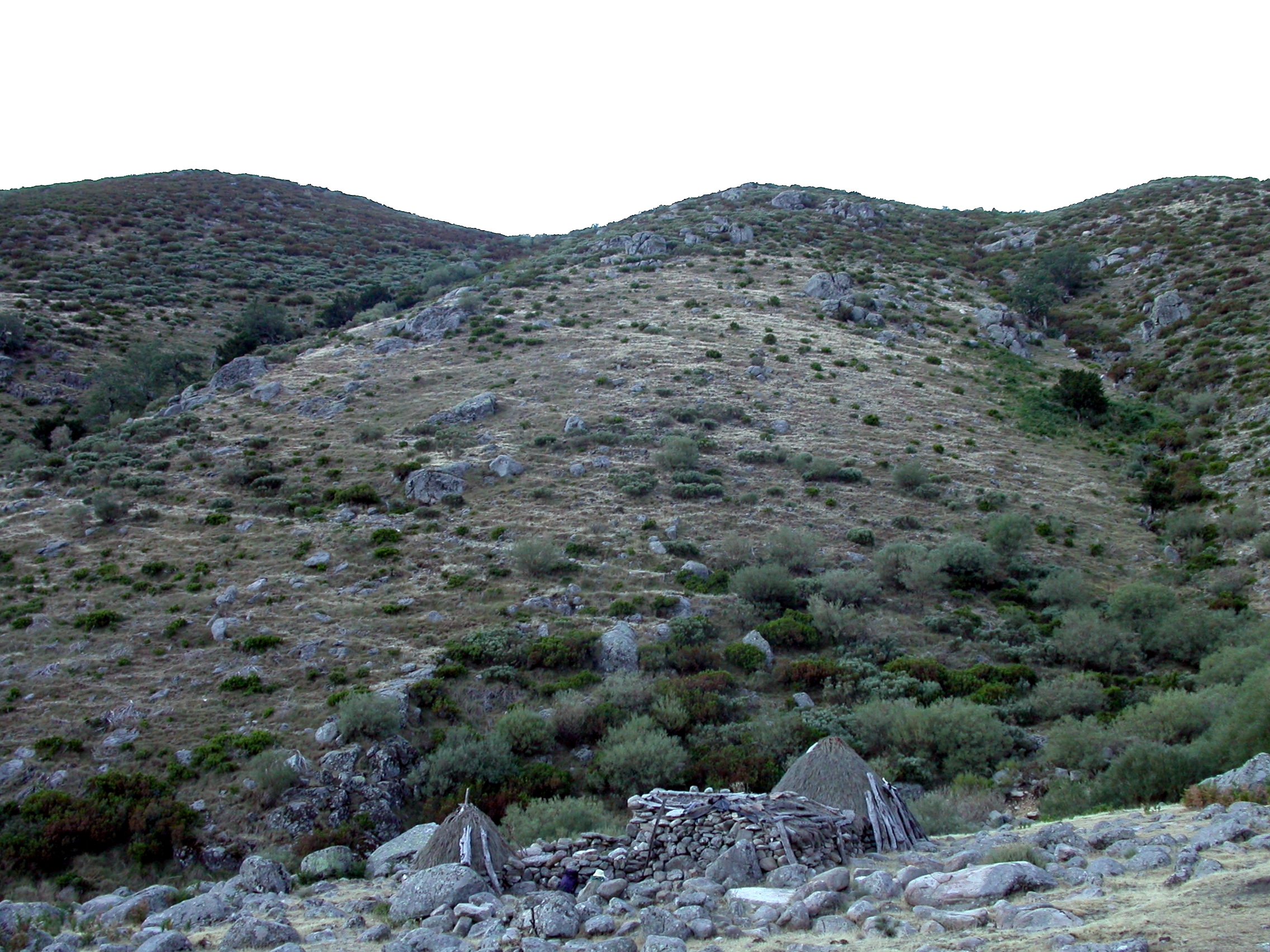
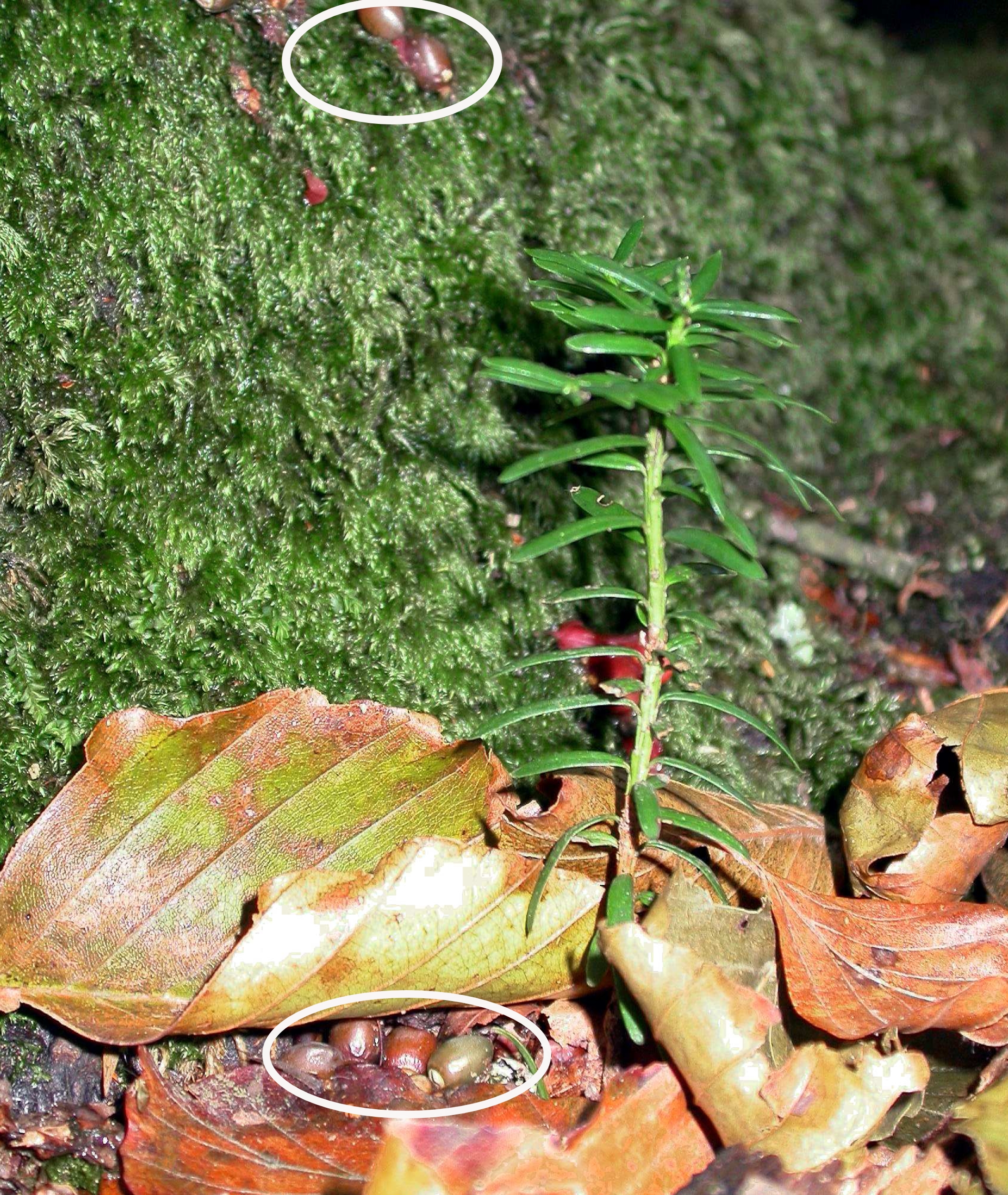
Frugivorous birds play a critical role in the population dynamics of many fleshy-fruited plants by defining the template for the establishment of new individuals. Because successful germination and subsequent seedling survival is highly dependent upon the micro-habitat where a seed arrives, it is crucial to understand which factors drive seed deposition. In our study, we aimed to take an important step forward in understanding the complex mechanisms that generate the spatial patterns of seed dispersal. Few studies have previously modelled seed dispersal in a real landscape, mostly because real vegetation structure is often highly heterogeneous. Here, we have taken advantage of a simple study system to parametrize mechanistic seed-dispersal models with empirical field data, and we built three models that test three seed-dispersal predictors: distance from the source tree, microhabitat type, and a combination of both distance from the source and microhabitat type.

To our greatest surprise, the third model, combining distance and microhabitat type, did not perform significantly better than the other two, simpler models. Additionally, our results suggested that what we had initially considered as one population could instead be two functionally distinct patches, with distinct seed dispersal dynamics. Altogether, these results reinforce the hypothesis that functionally distinct groups of frugivore species generate scale specific seed rain patterns.

LaVera LaVera2