Tag Archives: Ecology

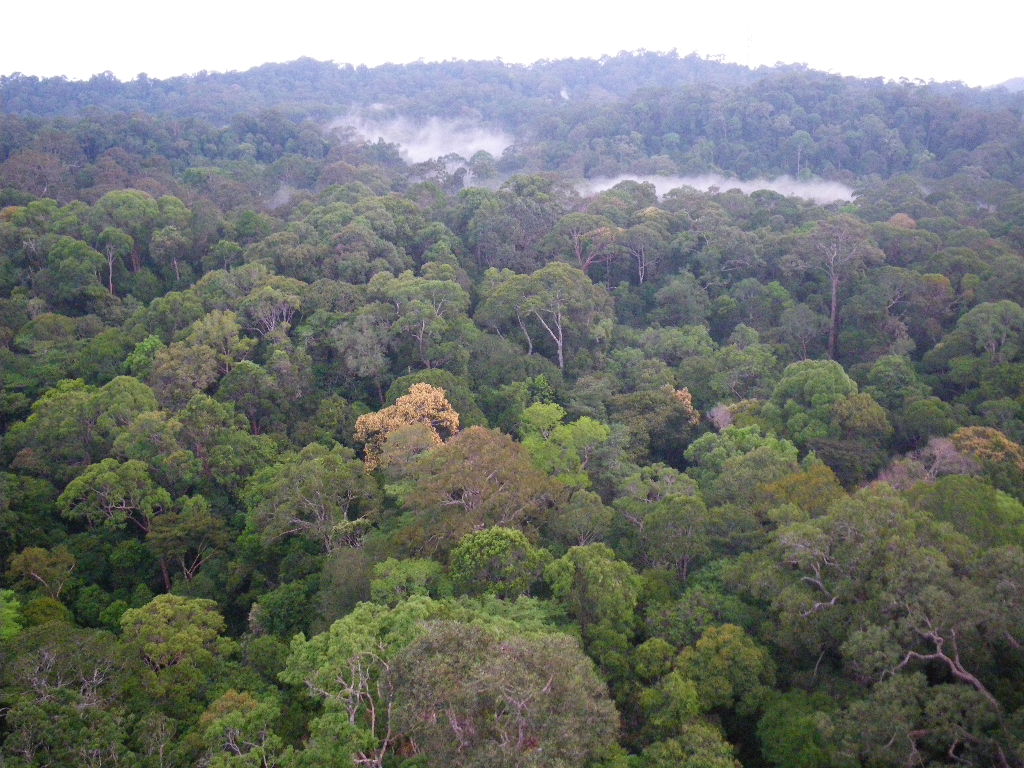
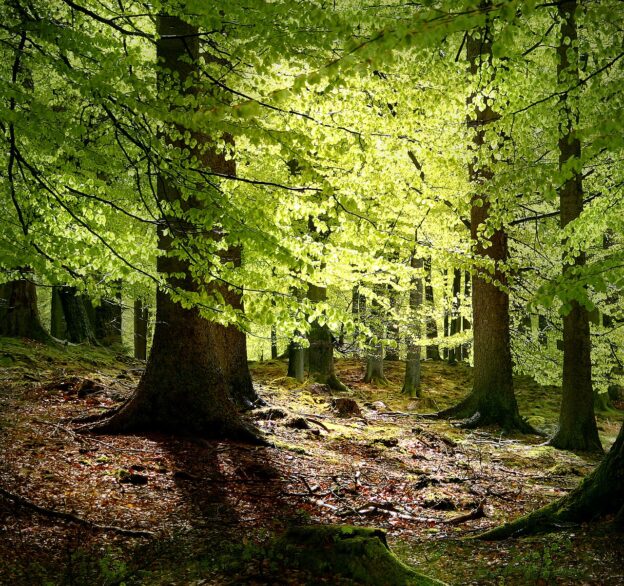
Grib skov.jpg

Ecologic: details and useful information

Key Takeaways

  • Central theme: The analysis of Ecologic focuses on these fundamental aspects: Ecology is the natural science of the relationships among living organisms and their environment. Ecology considers organisms at the individual, population, community, ecosystem, and biosphere levels. Ecology overlaps with…
  • Context: It fits within the dynamics related to Ecologic.
  • Article objective: To provide a clear and detailed overview based on the latest information.

Updated: 19/04/2026

Grib skov.jpg
Grib skov.jpg — Fonte: Wikimedia Commons

The topic Ecologic is closely related to the Ecologic sector. Current information allows us to draw a precise picture of the situation and understand what the most relevant elements to consider are.

Here are the main data and details emerging from the analysis of the sources: Ecology is the natural science of the relationships among living organisms and their environment. Ecology considers organisms at the individual, population, community, ecosystem, and biosphere levels. Ecology overlaps with the closely related sciences of biogeography, evolutionary biology, genetics, ethology, and natural history.. This informational basis is essential to understand the nuances of the problem and evaluate the possible practical implications.

Dettagli su: Ecology

Ecology is the natural science of the relationships among living organisms and their environment. Ecology considers organisms at the individual, population, community, ecosystem, and biosphere levels. Ecology overlaps with the closely related sciences of biogeography, evolutionary biology, genetics, ethology, and natural history.

Fonte: Wikipedia

In-depth analysis of Ecologic

Delving into the issue of Ecologic, we note how the dynamics at play are complex. Understanding these mechanisms requires analyzing not only the basic concepts but also their direct applications.

In particular, further details indicate that: the closely related sciences of biogeography, evolutionary biology, genetics, ethology, and natural history.. This element adds another layer of reading to our analysis.

Perspectives for 2026

The evolution of Ecologic during 2026 will depend on several key factors. The information gathered so far suggests a precise direction, but it will be necessary to continue monitoring the situation to promptly catch any significant changes.

Frequently Asked Questions

What is the essential information about Ecologic?

The essential information concerns the data and details analyzed in this article, which outline the context and practical implications of the topic.

How is Ecologic related to Ecologic?

Ecologic represents one of the specific and relevant aspects within the Ecologic sector, influencing its dynamics and developments.

Where can I find updates on this theme?

It is advisable to consult authoritative sources, specialized discussion forums, and dedicated information portals to stay updated.

Final Thoughts

We have examined Ecologic in detail, based on data and the current context. Understanding these elements is fundamental to having a clear and complete view. We will continue to provide relevant updates on this and other related topics.

The proof we needed

Dryas octopetala

Originally posted on ‘On top of the world’

Good news for those ecologists studying species distributions: it turns out that the climatic niche of mountain plants is fairly conserved in space (Wasof et al. 2015).

Dryas octopetala

Mountain avens, Dryas octopetala

These results come from a study on the distribution of alpine species in the European Alps and the northern Scandes, two mountain regions with very different characteristics but a significant overlap in species composition.

Orchid

Orchid in the northern Scandes (Dactilorhiza majalis?)

The researchers compared the climatic niche of a large set of plant species that occurred in both mountain regions, and found that only a small percentage of these species experienced a regional effect on their niche. Especially species with disjunct populations (populations that are truly separated in space) showed high niche overlap, and the same was true for arctic-alpine species.

Betula nana

Dwarf birch, Betula nana

Although niches are in general surprisingly well conserved between the two regions, species occupy a wider range in the Alps than in the northern Scandes. More on the latter unexpected pattern in this informative post from Jonathan Lenoir, one of the authors.

Rubus chamaemorus

Cloudberry, Rubus chamaemorus

Why do we care? Because the large and growing field of species distribution modelling has as one of its main assumptions that climatic niches are conservative. If they are not, any extrapolation of a limited geographic dataset to the total global distribution of a species would be invalid.

Eriophorum vaginatum

Hair’s tale cottongrass, Eriophorum vaginatum

Reference

Wasof et al. (2015) Disjunct populations of European vascular plant species keep the same climatic niches, Global Ecology and Biogeography, 24: 1401-1412.

Pyrola minor

Snowline wintergreen, Pyrola minor

November 17, 2015

Synthesising: Population genetics and tropical ecology Updated for 2026

This is our first collaboration study between a population geneticist, Hideki Innan, and a field-based tropical ecologist, me, Yayoi Takeuchi.
I have been long wondering why Hubbell’s neutral model fitted so well to tropical forest communities because my impression of the tropical forest was the opposite. When I was doing my postdoctoral work in Hideki’s lab, he got interested in this issue because Hubbell’s model is based on the theory of population genetics. As such we started working together on this topic, and I found that population genetics holds sophisticated and well-established theories and methodologies, which could be well applied to community ecology. We believe that incorporating those techniques will provide breakthrough insights to elucidate mechanisms shaping complex natural communities.

Yaoyoij

A species-rich tropical rain forest in Lambir Hills National Park in Sarawak, Malaysia. Photo by Yayoi Takeuchi

The study “Evaluating the performance of neutrality tests of a local community using a niche-structured simulation model” summarized:

Is your favorite local community really neutral? —- It might be “No”! Here, we found that two common methods to test Hubbell’s neutral model were not robust enough to reject neutrality.
Hubbell’s neutral model provides a good fit to the data from wide range of natural communities including tropical forests and coral reefs. There are two parameters in his model that are usually unknown and commonly estimated from the data to be tested. Two common methods to test Hubbell’s neutral model, the SAD-fitting approach and re-sampling approach, use these estimated parameters. To examine the performance of these tests, we developed a simple niche model which incorporates stochastic demography, and these two tests were applied to a simulated non-neutral data with niche-structured community. Our results suggested that these tests had relatively poor power to reject neutrality, simply due to overfitting of the neutral model with unrealistic estimated parameters. We also discussed how we could improve the performance in this paper.

Uphill (and downhill!) Updated for 2026

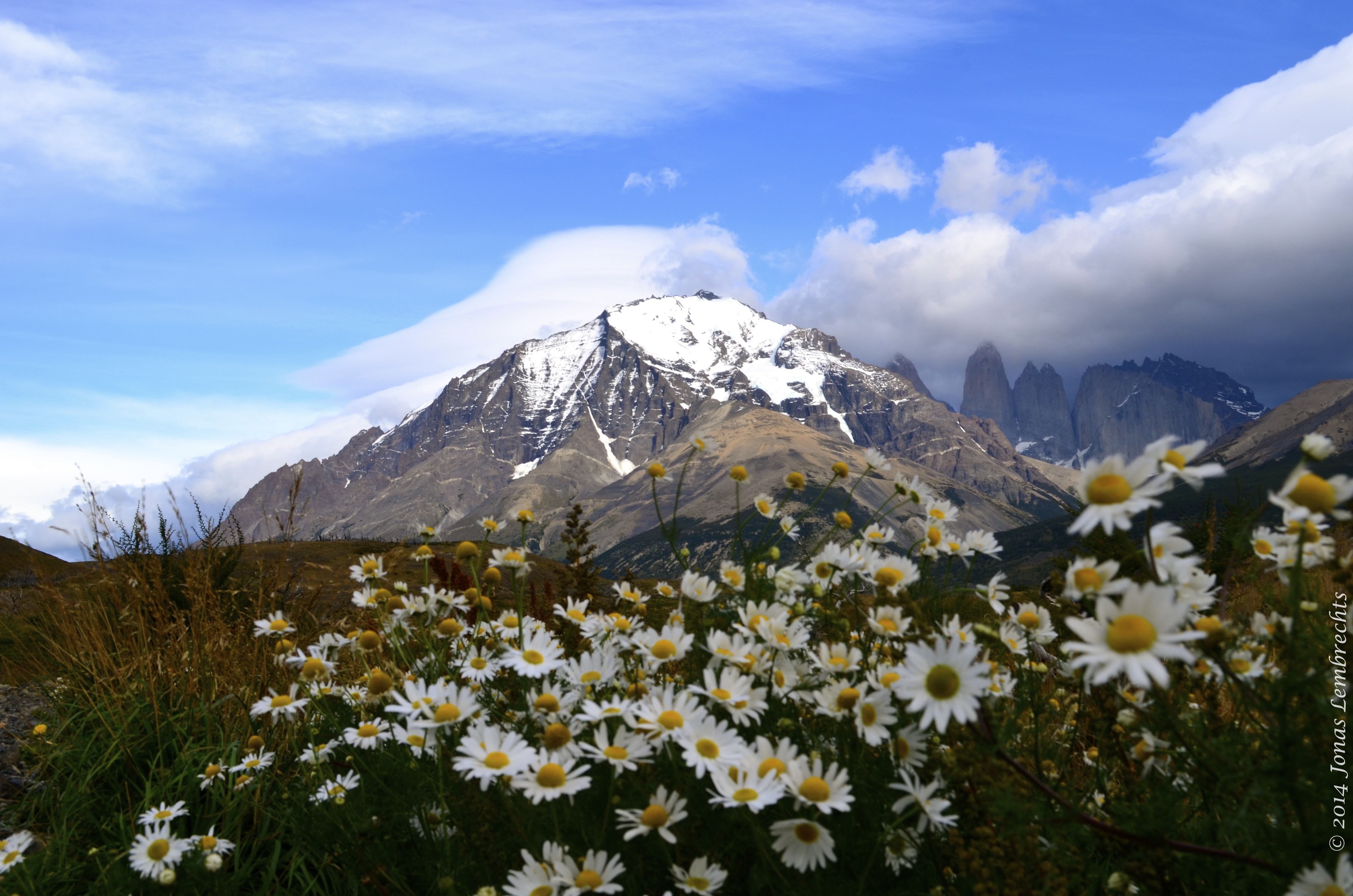
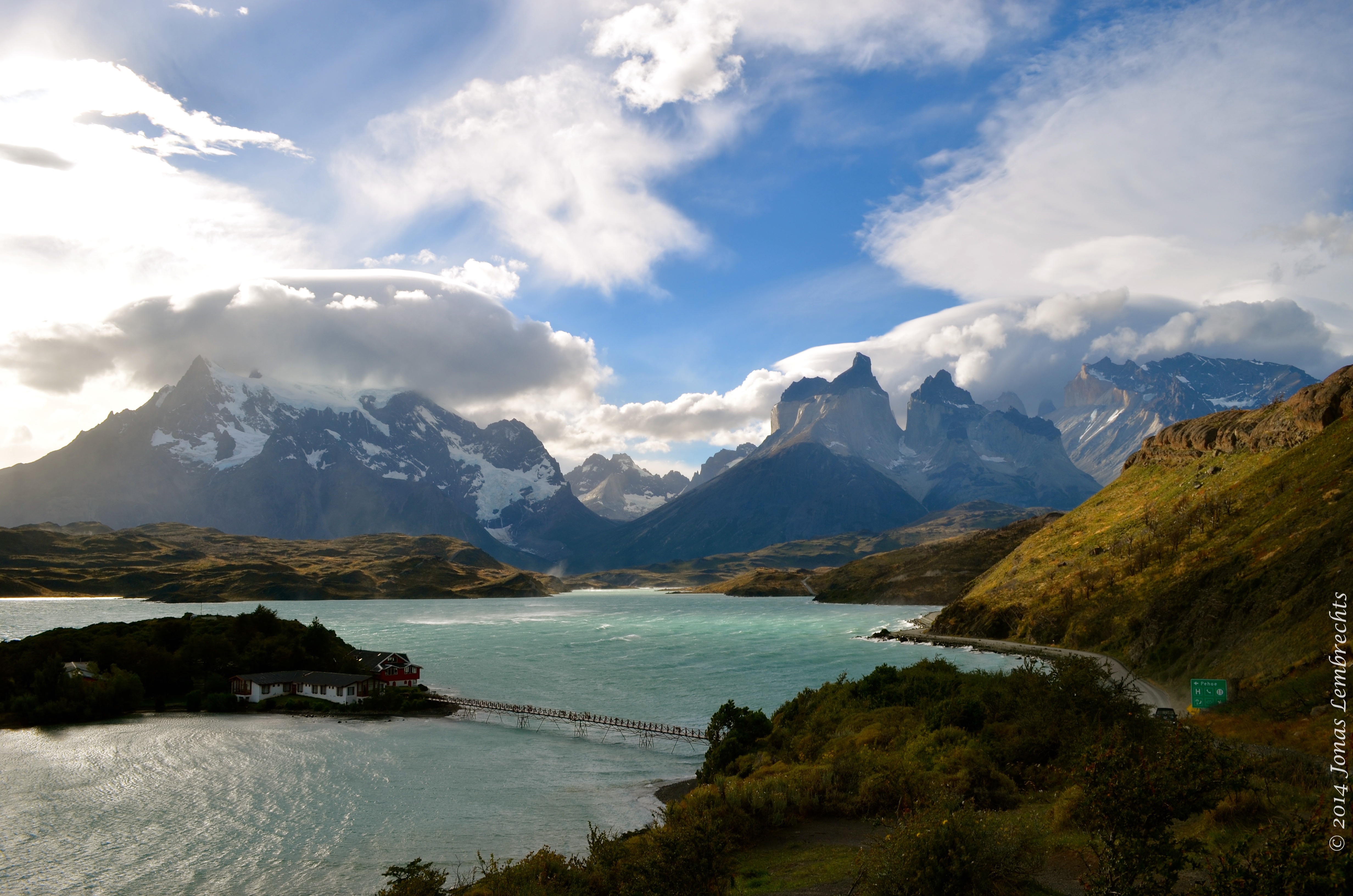
Torres del Paine

Our climate is changing, that much is clear. The main effect of this changing climate is that what once was balancing now starts shifting. As if our little world became a plate full of beer pulls, losing its balance on the shaking hands of an inexperienced innkeeper. One of the most obvious effects of climate change on plant and animal life is visualised in the shifting geographical ranges of many  species.

Scientists have been hunting for these range shifts for years, resulting in a growing pile of scientific papers on the matter. Case after case, the hypothesis is clear: the climate is warming, so species will follow the track of these increasing temperatures: uphill and to higher latitudes, towards the arctic and alpine world. Indeed, more and more longterm experiments and observations bring exactly those patterns to light. These results are accompanied by the worrying message that the original inhabitants species of the invaded cold environments themselves don’t have anywhere to go.

Invasive plants like this chamomile in the Chilean Andes hike surprisingly fast uphill.

As the proof of this invasion of heat-loving species adds up and the risk for the alpine and arctic vegetation becomes more apparent, it is easy to forget that some species might act opposite of our expectations. An important amount of species indeed seems to hurry uphill, but an as important (albeit smaller) group in the meantime moves downwards, against all odds.

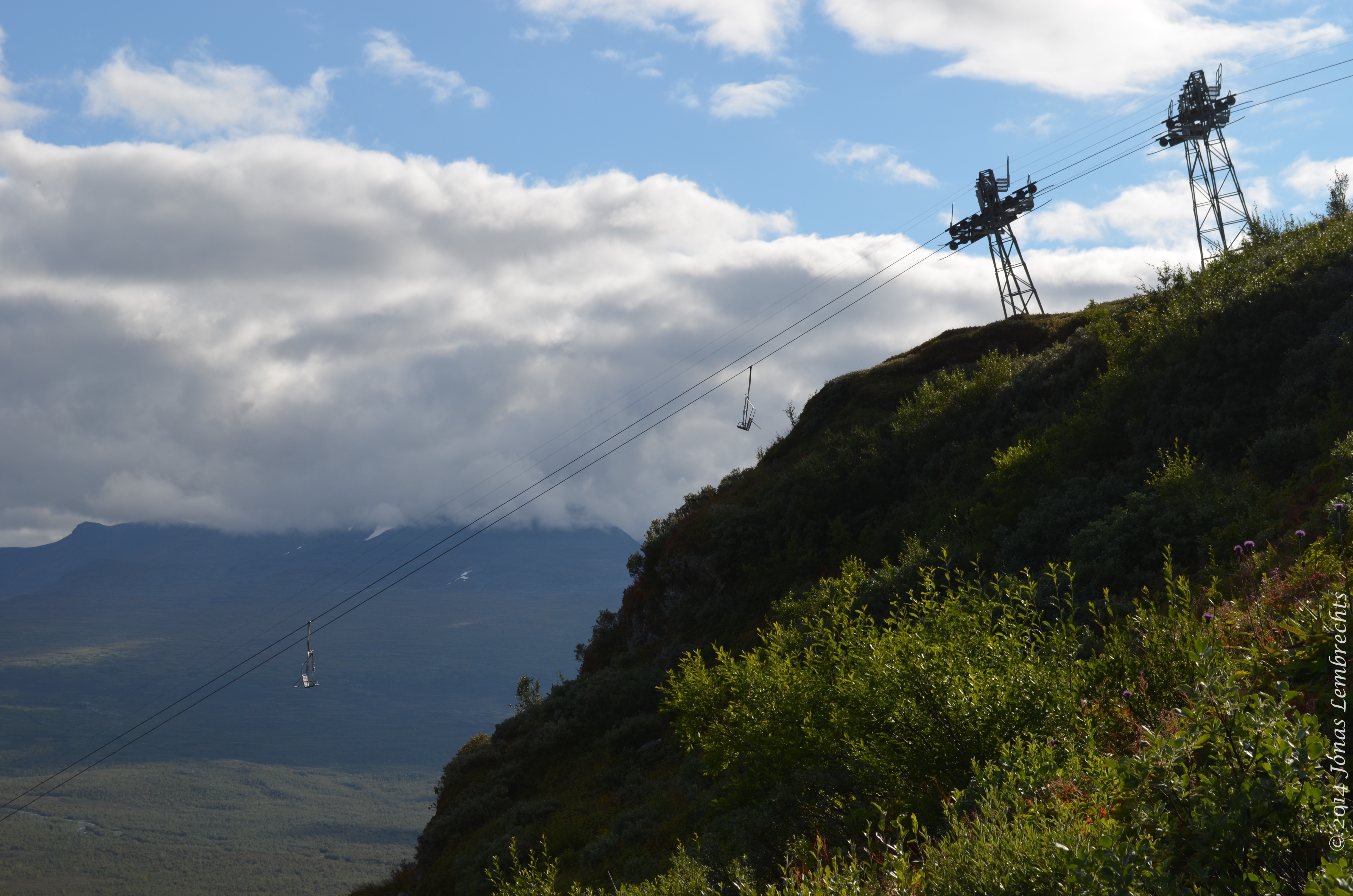
On a steep slope, going downhill might just be a lot easier than going up.

For years, this lasts group has been pushed aside as a mere statistical side effect, nothing more than noise on the data, the inevitable variance around a positive average. Concluding as such however ignores the importance of this group of species. Climate change includes more effects than only this warming trend. Not only temperatures change, but the climatic water balance undergoes drastic alterations as well. In several dry areas, precipitation patterns might even be more influential than the warming effect. In that case, those changing precipitation levels can unexpectedly push species downhill, in a hunt for similar climatic conditions.

In the mountains, water often plays an as important role as temperature.

There are alternative explanations for these patterns as well. A lot of species are for example not limited by the climate at the warm side of their distribution. They only taste defeat due to competition with faster growing species. As a result of the changing climate, however, those competitive dominances start shifting, which creates new opportunities at these lower range edges.

Many mountain plants have a large dispersal potential, as they can rely on the omnipresent winds.

Bottom-line is that most effects in ecology might and will be in different directions at once. As a scientist, it is important to keep this in mind and give the unexpected minority the attention it deserves. I stumbled on this story when I was looking at the expected distribution shifts of invasive species in the mountains. The lesson is clear: better not forget to look downhill once!

DSC_0382

I hope to bring you more on that matter as soon as some more stories make it through the review process. Until then, all the cool action is going on here!

Two relevant reads:

Crimmins, S. M., Dobrowski, S. Z., Greenberg, J. A., Abatzoglou, J. T. & Mynsberge, A. R. (2011) Changes in Climatic Water Balance Drive Downhill Shifts in Plant Species’ Optimum Elevations. Science, 331, 324-327. (here)

Lenoir, J., Gegout, J.-C., Guisan, A., Vittoz, P., Wohlgemuth, T., Zimmermann, N. E., Dullinger, S., Pauli, H., Willner, W. & Svenning, J.-C. (2010) Going against the flow: potential mechanisms for unexpected downslope range shifts in a warming climate. Ecography, 33, 295-303. (here)

January 22, 2015

Welcome new SE: Francois Massol

We are very happy to welcome Dr. Francois Massol to Oikos Editorial Board. Get to know him here:

DSC_8807What’s your main research focus at the moment?

These days, I try and focus my efforts on the evolution of dispersal and the evolutionary ecology of interaction networks. What I want to understand is how some traits and some particular positions in ecological networks come to be associated with a given propensity to disperse. This issue is important from a fundamental viewpoint – it relates to the knowledge of so-called “dispersal syndromes” – but it is also a hot issue from a more applied perspective because it could help understand the evolutionary emergence of would-be invasive, keystone or easily threatened species. Given my personal bias towards equations and theory, I tend to first confront these issues using models and then collaborate with more empirically minded colleagues to test theoretical predictions with field or experimental data.

However, when I write “focus my efforts”, I have to acknowledge that I spend quite a significant fraction of my time away from my usual favourite subjects, working on interdisciplinary projects (mostly with social scientists and physicists) – and I am rather thankful for these little eccentricities, for they help me broaden my perspective of theoretical approaches to modelling the dynamics of biodiversity.

Can you describe you research career? Where, what, when?

Coming from a typically French undergrad background (maths and physics), I switched to ecology and evolutionary biology during my Master and then my PhD in Montpellier, under the supervision of Philippe Jarne at the CEFE. My work at that time was focused on community ecology models. After I graduated, my first position was at the Irstea Hydrobiology lab in Aix-en-Provence, to work on more functional aspects of aquatic communities. While I was employed at Irstea, I obtained a Marie Curie fellowship that allowed me to spend a year (2009 – 2010) in Mathew Leibold’s lab in Austin, Texas, where I tried to run a mesocosm experiment dealing with the effect of dispersal on the functioning of food webs (sadly, the experiment failed, but this is another story). In 2012, I was recruited at the CNRS in Montpellier (back to the CEFE), in the group of Pierre-Olivier Cheptou, to work on the evolution of mating systems and dispersal traits in plants. In 2013, I moved to a CNRS lab in Lille (GEPV) where I joined the group of Sylvain Billiard to work on the evolutionary ecology of mating systems. Moving so frequently is both a boon and a curse for obvious reasons, but as a connoisseur of the evolution of dispersal, I try to wear this as a badge of honour (and humour).

2008 janv Beauplan FM malaco-bidon

How come that you became a scientist in ecology?

If I were to explain why I became a scientist based on personality and motivations alone, curiosity together with the possibility of working in a free-thinking environment surely had a role at some point. I would also add that my personal kind of stubbornness probably helped a lot in getting me there. However, I think it’s also quite enlightening to think of a career path in science as built half on motivations and half on contingencies. The original contingency that set me on track was the first scientific internship I did back in 2002 in Dima Sherbakov’s lab at the Limnological Institute in Irkutsk, Russia. The atmosphere in the lab, the way people were working, the passion that permeated the place – all of this probably triggered something in my mind and I have been fond of this ambience ever since. The second set of happy contingencies have been the genial encounters I made afterwards when I was looking for a PhD project, i.e. Daniel Gerdeaux and Philippe Jarne, and then during my PhD (Pierre-Olivier Cheptou, to name but one person). I am convinced that a large part of my day-to-day satisfaction at work is based on the variety and the general goodwill of the colleagues with whom I interact.

What do you do when you’re not working?

At the moment, I am quite busy taking care of the house we just bought. House chores, family and friends occupy a consequent share of my non-lab time… Generally, I tend to spend the rest of my spare time reading (Terry Pratchett, Neal Stephenson, John Le Carré, Jasper Fforde and Neil Gaiman are always on top of the list), hiking, traveling and playing badminton.

Personal webpage: https://sites.google.com/a/polytechnique.org/francoismassol/home

ResearchGate page: https://www.researchgate.net/profile/Francois_Massol


Editor’s Choice December

DriesThe last issue from 2014 is online.

We selected the meta-analysis by Kulmatisk et al on the impact of soil foodwebs on plant growth  and the forum on the relative importance of neutral stochasticity in community ecology by Vellend et al. as editor’s choice. These two papers create synthesis in community ecology. The first by pointing the first widespread support for the presence of trophic cascades in soils, the second one by providing conceptual clarity on the main prevailing stochastic processes in community dynamics.


Kulmatisk and colleagues conducted a meta-analysis based on 1526 experiments that measured plant growth responses to additions or removals of soil organisms to test how different soil trophic levels affect plant growth. They demonstrate the top down control by predators and parasites on belowground herbivory and estimate the impact of belowground biota on plant growth overall positive and strong. Omnivory in the soil food web generally increases plant productivity by (i) pest reduction and (ii) increasing nutrient cycling.


Vellend and colleagues continue to set the scene of community ecology. They address several profound philosophical, theoretical and empirical challenges on the relative importance of stochasticity in community dynamics. They clearly clarify differences between ‘stochastic’ or ‘neutral’ processes by synthesizing their importance in different community processes. They subsequently provide a guide how different observational and experimental approaches will forward the field by allowing a thorough understanding of the role of neutral stochasticity in community ecology.


Enjoy!

Dries Bonte, Editor in Chief

New SE: Leif Egil Loe Updated for 2026

We welcome Professor Leif Egil Loe, Aas, Norway to the Oikos Editorial Board. Who is Leif Egil then? I asked some questions to get to know him better:

  1. What’s you main research focus at the moment?

Loe2Most of what I am working on is related to ungulate ecology. I am involved in two long-term projects. The first is a population study of Svalbard reindeer initiated by Steve Albon and Rolf Langvatn in 1994 and still running on the 20th year. Current focusof that project is to understand mechanisms of population dynamics and aspects of life history evolution. I am also very interested in spatial ecology, so a subset of our reindeer is GPS-marked. One prediction from climate change is that ground icing events will happen increasingly often in Svalbard, and it has indeed happened two of the five years we have GPS-tracked animals. I am interested in the fitness consequences of different behavioural responses to such events. The second main project is a red deer study with Prof Atle Mysterud as PI. In the past few years we have focussed on the mechanisms of migration, again using GPS-data from several hundred marked red deer. Currently we have a stronger management focus, modelling functional management units and investigating how spatial harvesting patterns are predicted to be affected by climate change.

  1. Can you describe your research career? Where, what, when?

I have a masters degree from the University of Oslo (UiO) and the University Centre in Svalbard (UNIS) from 1999 and a PhD from UiO in 2004. The title of the masters was “Habitat selection and site fidelity in Svalbard reindeer” (supervised by Nils Chr. Stenseth and Rolf Langvatn) and the PhD was entitled “Patterns and processes in the life history of red deer” (supervised by Atle Mysterud, Stenseth and Langvatn). From 2004 to 2010 I had researcher positions in Atle Mysteruds lab continuing to work on the red deer project. So as you see I have very much pursued the first two projects I encountered. Between 2008 and 2013 I worked with PhD student Anagaw Atickem on a Mountain nyala conservation project in Ethiopia that at least expanded my study topics geographically. In 2010 I was employed as an Associate Professor in wildlife ecology and management at the Norwegian University of Life Sciences. In 2013 I got promoted to full professor.

Loe1

  1. How come that you became a scientist in ecology?

I think I followed a fairly common path. For as long as I remember I always liked birds, especially feeding them during winter, drawing them and learning their names. In my teens I started collecting butterflies that was a main hobby for 3-4 years. The starting point was identifying species of birds and insects. Starting at university, I got interested in ecology. A study year in Svalbard, and especially meeting Rolf Langvatn, became influential in my career and primed me in on ungulate ecology. Taking a PhD in Stenseths Centre of Ecological and Evolutionary Synthesis, with Atle Mysterud as the main supervisor was fantastic – the best career start one can wish for.

  1. What do you do when you’re not working?

I have two kids so a lot of time is devoted to family life. I am a keen small game hunter, like to hike and do cross country skiing in the forest and mountains. My favourite sports activity is “floor ball” that I play once a week.

Far Updated for 2026

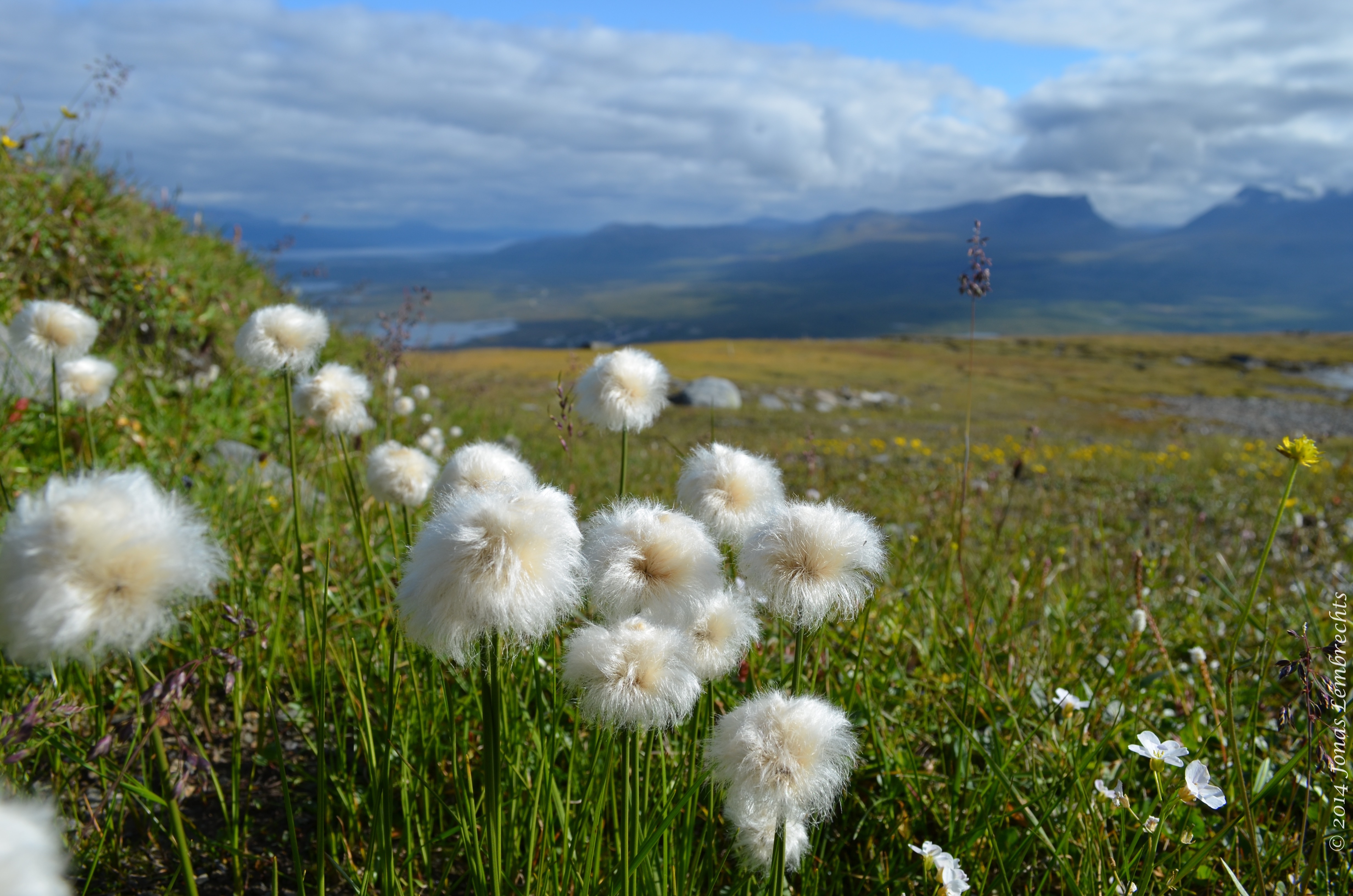
Eriophorum in its environment

In a previous post, the photographing ecologist explained the importance of getting low to get the interesting and catchy pictures of your scientific subjects. As you can imagine the extra effort this would ask from your knees, I here want to highlight one more reason why it is certainly worth the effort: it creates the chance to display your subject in its wider environment.

Invasion of red clover along Norwegian fjord

Invasion of red clover along Norwegian fjord

This wider environment is an important factor. As scientists, we have the habit to focus too much on the details. From our first steps in the PhD, we dive too deep in our own little niche. And as we get closer and closer to our subjects, it might become difficult to communicate to uninformed outsiders about the broad picture.

Exotic dandelion in the mountains

Non-native dandelion in the mountains

A good picture could be the rescue here. It provides a non-scientific public immediately with a lot of useful information about your study object and its environment. Especially when you took into account the ‘Low’ and ‘Far’ strategies…

Experiment with its background view

Experiment in the Swedish mountains with its background view

When you dare to ignore the common urge to take a frame-filling picture of your subject, you improve your chances of explaining the details to your audience. A well-designed picture in which attention has been paid to the background, starts telling its own story. A story about the world in which your study object lives, the ecological framework in which everything is situated. Although you loose small-scale details if you refrain from close-up images, you get a large amount of information in return that broadens the view.

Herd of reindeer in their typical environment: roaming the tundra with the Lapporten mountains in the background

Herd of reindeer in their typical environment: roaming the tundra with the Lapporten mountains in the background

Taking some steps back might also help to get a simpler image, one that is easier to understand. Keep an eye out for distinct lines and shapes in the landscape, as they can provide a pause for the eye of the viewer. This will make the true subject of the picture to stand out.

With this close-up of a dead lemming in the Scandinavian mountains, for example, you can see the details of the gruesome torture that happened to this poor animal.

Dead lemming in close-up

But I also love the next overview, as it adds an extra dimension to the story. How the little fellow was probably left behind on that rock by a bird of prey. How the hunter was chased away from his favourite look-out on the valley by an unwanted visitor halfway its meal.

Lemming with valley overview


So, going ‘far’ from your subject turns out to be an interesting way to tell ecological stories. I experienced the trick to work for people as well. A picture of an ecologist in action in the middle of his ’natural habitat’ emits a lot more power than any detailed close-up will ever get.

Hiking towards the field site

Hiking through the Scandinavian mountains in search for an experimental plot


November 6, 2014

Low Updated for 2026

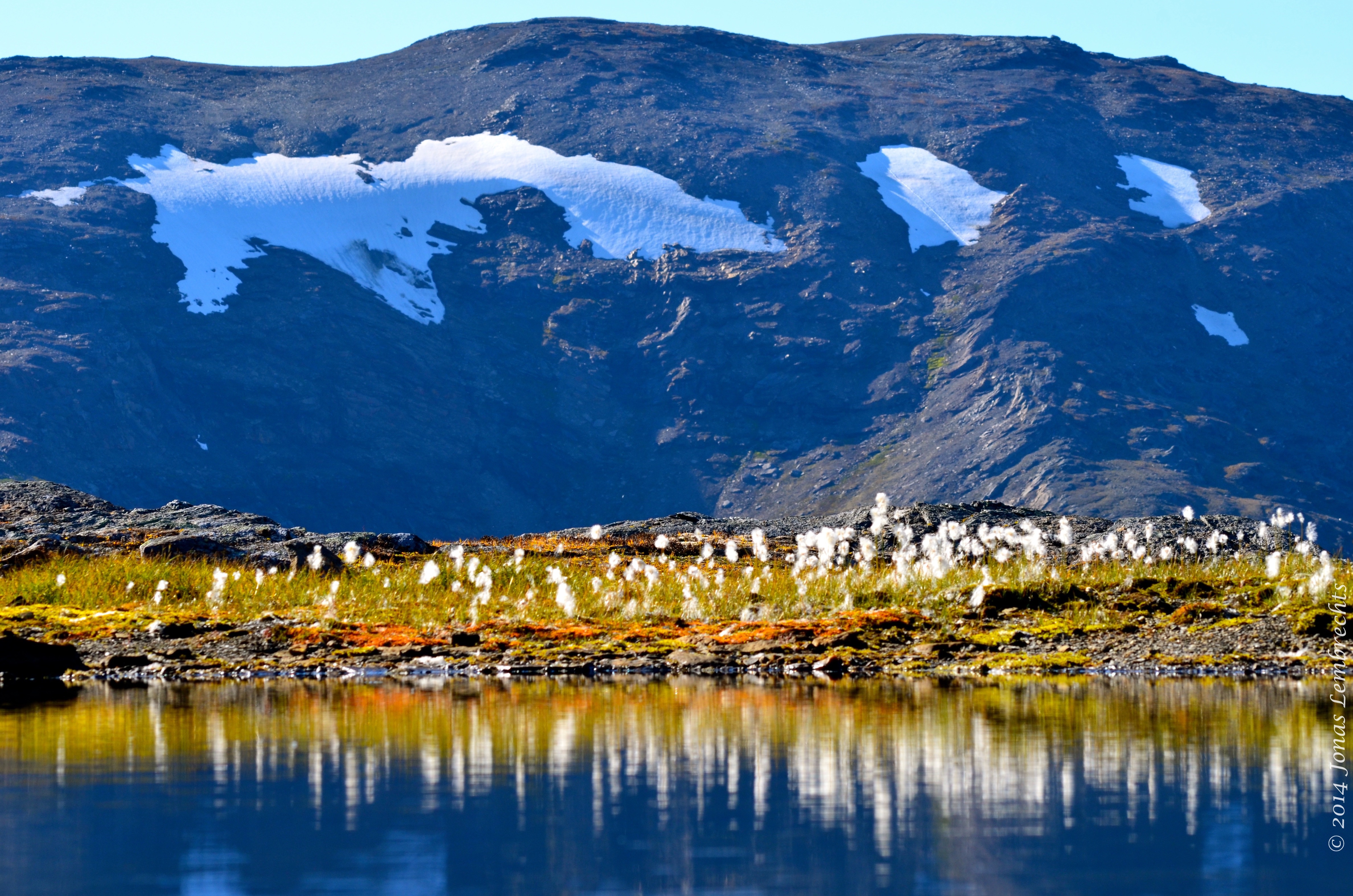
Cotton grass on the shore of a lake

In a previous post, I wrote about the power of photography for ecologists. Now, it is time to provide some real tips for photographing ecologists. How to take home some pictures that will impress others, without – importantly – losing any working time?

Cotton grass on the shore of a lake

Most ecologists will take a camera into the field anyway. It is used to take pictures of their research site or subject, or record some important details for later. As you already have your camera in your hand, it will not cost you too much effort to take just one more picture.

Autumn seeds in Lapland

In that case, it might be a smart idea to get a little bit lower, up to the level of your study object, to check the world from its point of view.

Mountain mushroom

The combination of integrating your study object in the landscape and letting it stand out of the background results in more interesting images. It makes it possible for an observer to feel a connection with the subject and it makes the picture tell a much more interesting story.

Hiking in the Swedish mountains

Even if your study object is a dull bird or a boring plant, getting on its level will bring out the best in it and give it a soul.

House sparrow

If possible, try to include the horizon in the picture. It will ask a lot more of your knees, but the rewards are big. As the (obviously real) Lappish proverb goes: ‘A beautiful horizon can even make a dead lemming look poetic’.

Dead lemming on a rock

I did not invest too much time in getting a nice overview of my study species, the invasive plants in my plots. An awfully difficult subject for an artist, I have to admit, but by quickly spending two minutes as a photographer before you dive into the science, might have been rewarding even in this case.

Experimental plot

Take home message: low! Take your pictures from a low angle and give their stories a boost!

Achillea millefolium

 Want more from Jonas Lembrechts?

October 3, 2014

The photographing ecologist Updated for 2026

Plant in its natural environment

Photography is classified as art, ecology is science. Two distinct worlds that only very rarely show some overlap. I am however convinced that a combination of both disciplines could be very fruitful. Being a photographing ecologist, or ecological photographer not only gives artistic satisfaction, but it can also be a serious addition to your science.

Although taking pictures on a busy fieldwork day might feel like a waste of precious time, it can be really valuable to assign some minutes in the field to photography and make sure you are familiar with at least the basic skills of the art.

Overview of the plot

Inevitably, there will be a moment where you have to present your work: posters, powerpoint presentations, or just to a supervisor in the lab. The saying that one image is better than a 1000 words might be getting old, but it still holds true, a thing every scientist probably realizes when working on his slides.


Pictures for future reference

It might be common sense to spend at least five minutes of your working time in the field to photograph field sites, measuring methods and environmental characteristics, for your own reference or other peoples imagination. But it would even be better if you added another five minutes to the first five to zoom in on some details.

Plot on 1000 meters height, Abisko

Change the viewpoint and try to catch your field site in its environment. The lower scientific value is replaced by an aesthetic one. Or get some of your study species into focus…Plant in its natural environment

It is pretty obvious that a beautiful picture makes every story more attractive. If you want to convince the non-scientific world of the importance of your research, a catching picture will increase your impact factor a thousandfold (and I promise you, journalists are great at choosing the most irrelevant ones if you leave that task to them).

Hiking to the fieldwork

Even for the scientific public, however, a catchy picture will improve the results and the scope. No matter how interesting your story, nice illustrations will keep a larger audience awake during your presentation, and attract more people to your posters. Just give them those few seconds relief from the interesting but tiring statistical theories!

Plot for scale in the mountains

To finish, never forget the power of stories. Science is more than only the results and the 2 or 3 papers that come out of it. The process, arguably the largest part of the work, and the impressive, exotic, adventurous stories resulting from them can help enhancing the public’s understanding and appreciation of your research every day of the year. A photographic diary of your field trip might raise a lot more interest than all your scientific papers combined.

Angry lemming in the plot


Biology is a foreign discipline to a large part of the population. They do not have a clue about how our scientific statements come into existence. They will be surprised about the complexity of the scientific process, and the variation, excitement and attractiveness of ecological fieldwork. Scientific information will follow on the way. Enjoying the scenery at Torneträsk Lake, Abisko

This should make the importance of the use of photography as a powerful tool in science obvious. Let us thus all pack a camera as indispensable fieldwork gear in the future and revive our artistic alter ego’s. In some future posts, I will cover a set of useful skills to make those few artistic minutes as efficient as possible, so with only 3 or 4 clicks, you can get the best results out of your camera.

Jonas Lembrechts balances between being an ecological photographer and a photographing ecologist on his way to a PhD in mountain ecology. Follow his adventures here!

September 22, 2014