Tag Archives: change

Climate change sparked Syria’s ruinous war Updated for 2026


In a dire chain of cause and effect, the drought that devastated parts of Syria from 2006 to 2010 was probably the result of climate change driven by human activities, a new study says.

And the study’s authors think that the drought may also have contributed to the outbreak of Syria’s uprising in 2011. The ensuing civil war has left at least 200,000 people dead, and has displaced millions of others.

The drought, which was the worst ever recorded in the region, ravaged agriculture in the breadbasket region of northern Syria, driving dispossessed farmers to the cities where poverty, government mismanagement and other factors created the unrest that exploded four years ago.

The study, by scientists from Lamont-Doherty Earth Observatory at Columbia University, US, is published in the Proceedings of the National Academy of Sciences.

The authors are clear that the climatic changes were human-driven (anthropogenic) and cannot be attributed simply to natural variability – but are careful to stress that their findings are tentative.

“We’re not saying the drought caused the war”, says Richard Seager, one of the co-authors. “We’re saying that, added to all the other stressors, it helped kick things over the threshold into open conflict. And a drought of that severity was made much more likely by the ongoing human-driven drying of that region.”

Climate link to violence

Their study, although it contains new material, is not the first to suggest a possible link between extreme weather and the likelihood of violence.

Some researchers have investigated whether there may be a link between El Niño and La Niña – the periodic Pacific weather disruptions – and outbreaks of unrest. Suggestions of a global connection between climate change and political instability is being taken seriously by two influential groups – insurers and military planners.

Syria was not the only country affected by the drought. It struck the Fertile Crescent, linking Turkey, Syria and Iraq, where agriculture and animal herding are believed to have started around 12,000 years ago.

The Levant has always seen natural weather swings. Other research has suggested that the Akkadian empire, spanning much of the Fertile Crescent about 4,000 years ago, probably collapsed during a long drought.

But the authors of the Lamont-Doherty study, using existing studies and their own research, showed that the area has warmed by between 1°C and 1.2°C since 1900, and has undergone a 10% reduction in wet season precipitation. They say this trend is a neat match for models of human-influenced global warming, and so cannot be attributed to natural variability.

Global warming has had two effects, they say. First, it appears to have indirectly weakened wind patterns that bring rain-laden air from the Mediterranean, reducing precipitation during the usual November-April wet season. And higher temperatures have increased the evaporation of moisture from soils during the hot summers.

Other researchers have observed the long-term drying trend across the Mediterranean region, and have attributed at least part of it to anthropogenic warming.

Government stuck with water-intensive cash crops

The government has also encouraged water-intensive export crops such as cotton, while illegal drilling of irrigation wells depleted groundwater, says co-author Shahrzad Mohtadi, an international affairs consultant at the US Department of State.

The drought’s effects were immediate and overwhelming. Agricultural production – typically, a quarter of Syria’s gross domestic product – fell by a third. In the northeast, livestock was practically wiped out, cereal prices doubled, and nutrition-related diseases among children increased steeply.

And Syria was especially vulnerable because of other factors – including a huge increase in population from four million in the 1950s to 22 million in recent years. As many as 1.5 million people fled from the countryside to cities already strained by waves of refugees from the war in neighbouring Iraq.

“Rapid demographic change encourages instability”, the authors say. “Whether it was a primary or substantial factor is impossible to know, but drought can lead to devastating consequences when coupled with pre-existing acute vulnerability.”

Solomon Hsiang, professor of public policy at the University of California, Berkeley, says the study is “the first scientific paper to make the case that human-caused climate change is already altering the risk of large-scale social unrest and violence.”


Alex Kirby writes for Climate News Network.


391003

Climate change sparked Syria’s ruinous war Updated for 2026


In a dire chain of cause and effect, the drought that devastated parts of Syria from 2006 to 2010 was probably the result of climate change driven by human activities, a new study says.

And the study’s authors think that the drought may also have contributed to the outbreak of Syria’s uprising in 2011. The ensuing civil war has left at least 200,000 people dead, and has displaced millions of others.

The drought, which was the worst ever recorded in the region, ravaged agriculture in the breadbasket region of northern Syria, driving dispossessed farmers to the cities where poverty, government mismanagement and other factors created the unrest that exploded four years ago.

The study, by scientists from Lamont-Doherty Earth Observatory at Columbia University, US, is published in the Proceedings of the National Academy of Sciences.

The authors are clear that the climatic changes were human-driven (anthropogenic) and cannot be attributed simply to natural variability – but are careful to stress that their findings are tentative.

“We’re not saying the drought caused the war”, says Richard Seager, one of the co-authors. “We’re saying that, added to all the other stressors, it helped kick things over the threshold into open conflict. And a drought of that severity was made much more likely by the ongoing human-driven drying of that region.”

Climate link to violence

Their study, although it contains new material, is not the first to suggest a possible link between extreme weather and the likelihood of violence.

Some researchers have investigated whether there may be a link between El Niño and La Niña – the periodic Pacific weather disruptions – and outbreaks of unrest. Suggestions of a global connection between climate change and political instability is being taken seriously by two influential groups – insurers and military planners.

Syria was not the only country affected by the drought. It struck the Fertile Crescent, linking Turkey, Syria and Iraq, where agriculture and animal herding are believed to have started around 12,000 years ago.

The Levant has always seen natural weather swings. Other research has suggested that the Akkadian empire, spanning much of the Fertile Crescent about 4,000 years ago, probably collapsed during a long drought.

But the authors of the Lamont-Doherty study, using existing studies and their own research, showed that the area has warmed by between 1°C and 1.2°C since 1900, and has undergone a 10% reduction in wet season precipitation. They say this trend is a neat match for models of human-influenced global warming, and so cannot be attributed to natural variability.

Global warming has had two effects, they say. First, it appears to have indirectly weakened wind patterns that bring rain-laden air from the Mediterranean, reducing precipitation during the usual November-April wet season. And higher temperatures have increased the evaporation of moisture from soils during the hot summers.

Other researchers have observed the long-term drying trend across the Mediterranean region, and have attributed at least part of it to anthropogenic warming.

Government stuck with water-intensive cash crops

The government has also encouraged water-intensive export crops such as cotton, while illegal drilling of irrigation wells depleted groundwater, says co-author Shahrzad Mohtadi, an international affairs consultant at the US Department of State.

The drought’s effects were immediate and overwhelming. Agricultural production – typically, a quarter of Syria’s gross domestic product – fell by a third. In the northeast, livestock was practically wiped out, cereal prices doubled, and nutrition-related diseases among children increased steeply.

And Syria was especially vulnerable because of other factors – including a huge increase in population from four million in the 1950s to 22 million in recent years. As many as 1.5 million people fled from the countryside to cities already strained by waves of refugees from the war in neighbouring Iraq.

“Rapid demographic change encourages instability”, the authors say. “Whether it was a primary or substantial factor is impossible to know, but drought can lead to devastating consequences when coupled with pre-existing acute vulnerability.”

Solomon Hsiang, professor of public policy at the University of California, Berkeley, says the study is “the first scientific paper to make the case that human-caused climate change is already altering the risk of large-scale social unrest and violence.”


Alex Kirby writes for Climate News Network.


391003

Climate change sparked Syria’s ruinous war Updated for 2026


In a dire chain of cause and effect, the drought that devastated parts of Syria from 2006 to 2010 was probably the result of climate change driven by human activities, a new study says.

And the study’s authors think that the drought may also have contributed to the outbreak of Syria’s uprising in 2011. The ensuing civil war has left at least 200,000 people dead, and has displaced millions of others.

The drought, which was the worst ever recorded in the region, ravaged agriculture in the breadbasket region of northern Syria, driving dispossessed farmers to the cities where poverty, government mismanagement and other factors created the unrest that exploded four years ago.

The study, by scientists from Lamont-Doherty Earth Observatory at Columbia University, US, is published in the Proceedings of the National Academy of Sciences.

The authors are clear that the climatic changes were human-driven (anthropogenic) and cannot be attributed simply to natural variability – but are careful to stress that their findings are tentative.

“We’re not saying the drought caused the war”, says Richard Seager, one of the co-authors. “We’re saying that, added to all the other stressors, it helped kick things over the threshold into open conflict. And a drought of that severity was made much more likely by the ongoing human-driven drying of that region.”

Climate link to violence

Their study, although it contains new material, is not the first to suggest a possible link between extreme weather and the likelihood of violence.

Some researchers have investigated whether there may be a link between El Niño and La Niña – the periodic Pacific weather disruptions – and outbreaks of unrest. Suggestions of a global connection between climate change and political instability is being taken seriously by two influential groups – insurers and military planners.

Syria was not the only country affected by the drought. It struck the Fertile Crescent, linking Turkey, Syria and Iraq, where agriculture and animal herding are believed to have started around 12,000 years ago.

The Levant has always seen natural weather swings. Other research has suggested that the Akkadian empire, spanning much of the Fertile Crescent about 4,000 years ago, probably collapsed during a long drought.

But the authors of the Lamont-Doherty study, using existing studies and their own research, showed that the area has warmed by between 1°C and 1.2°C since 1900, and has undergone a 10% reduction in wet season precipitation. They say this trend is a neat match for models of human-influenced global warming, and so cannot be attributed to natural variability.

Global warming has had two effects, they say. First, it appears to have indirectly weakened wind patterns that bring rain-laden air from the Mediterranean, reducing precipitation during the usual November-April wet season. And higher temperatures have increased the evaporation of moisture from soils during the hot summers.

Other researchers have observed the long-term drying trend across the Mediterranean region, and have attributed at least part of it to anthropogenic warming.

Government stuck with water-intensive cash crops

The government has also encouraged water-intensive export crops such as cotton, while illegal drilling of irrigation wells depleted groundwater, says co-author Shahrzad Mohtadi, an international affairs consultant at the US Department of State.

The drought’s effects were immediate and overwhelming. Agricultural production – typically, a quarter of Syria’s gross domestic product – fell by a third. In the northeast, livestock was practically wiped out, cereal prices doubled, and nutrition-related diseases among children increased steeply.

And Syria was especially vulnerable because of other factors – including a huge increase in population from four million in the 1950s to 22 million in recent years. As many as 1.5 million people fled from the countryside to cities already strained by waves of refugees from the war in neighbouring Iraq.

“Rapid demographic change encourages instability”, the authors say. “Whether it was a primary or substantial factor is impossible to know, but drought can lead to devastating consequences when coupled with pre-existing acute vulnerability.”

Solomon Hsiang, professor of public policy at the University of California, Berkeley, says the study is “the first scientific paper to make the case that human-caused climate change is already altering the risk of large-scale social unrest and violence.”


Alex Kirby writes for Climate News Network.


391003

Climate change sparked Syria’s ruinous war Updated for 2026


In a dire chain of cause and effect, the drought that devastated parts of Syria from 2006 to 2010 was probably the result of climate change driven by human activities, a new study says.

And the study’s authors think that the drought may also have contributed to the outbreak of Syria’s uprising in 2011. The ensuing civil war has left at least 200,000 people dead, and has displaced millions of others.

The drought, which was the worst ever recorded in the region, ravaged agriculture in the breadbasket region of northern Syria, driving dispossessed farmers to the cities where poverty, government mismanagement and other factors created the unrest that exploded four years ago.

The study, by scientists from Lamont-Doherty Earth Observatory at Columbia University, US, is published in the Proceedings of the National Academy of Sciences.

The authors are clear that the climatic changes were human-driven (anthropogenic) and cannot be attributed simply to natural variability – but are careful to stress that their findings are tentative.

“We’re not saying the drought caused the war”, says Richard Seager, one of the co-authors. “We’re saying that, added to all the other stressors, it helped kick things over the threshold into open conflict. And a drought of that severity was made much more likely by the ongoing human-driven drying of that region.”

Climate link to violence

Their study, although it contains new material, is not the first to suggest a possible link between extreme weather and the likelihood of violence.

Some researchers have investigated whether there may be a link between El Niño and La Niña – the periodic Pacific weather disruptions – and outbreaks of unrest. Suggestions of a global connection between climate change and political instability is being taken seriously by two influential groups – insurers and military planners.

Syria was not the only country affected by the drought. It struck the Fertile Crescent, linking Turkey, Syria and Iraq, where agriculture and animal herding are believed to have started around 12,000 years ago.

The Levant has always seen natural weather swings. Other research has suggested that the Akkadian empire, spanning much of the Fertile Crescent about 4,000 years ago, probably collapsed during a long drought.

But the authors of the Lamont-Doherty study, using existing studies and their own research, showed that the area has warmed by between 1°C and 1.2°C since 1900, and has undergone a 10% reduction in wet season precipitation. They say this trend is a neat match for models of human-influenced global warming, and so cannot be attributed to natural variability.

Global warming has had two effects, they say. First, it appears to have indirectly weakened wind patterns that bring rain-laden air from the Mediterranean, reducing precipitation during the usual November-April wet season. And higher temperatures have increased the evaporation of moisture from soils during the hot summers.

Other researchers have observed the long-term drying trend across the Mediterranean region, and have attributed at least part of it to anthropogenic warming.

Government stuck with water-intensive cash crops

The government has also encouraged water-intensive export crops such as cotton, while illegal drilling of irrigation wells depleted groundwater, says co-author Shahrzad Mohtadi, an international affairs consultant at the US Department of State.

The drought’s effects were immediate and overwhelming. Agricultural production – typically, a quarter of Syria’s gross domestic product – fell by a third. In the northeast, livestock was practically wiped out, cereal prices doubled, and nutrition-related diseases among children increased steeply.

And Syria was especially vulnerable because of other factors – including a huge increase in population from four million in the 1950s to 22 million in recent years. As many as 1.5 million people fled from the countryside to cities already strained by waves of refugees from the war in neighbouring Iraq.

“Rapid demographic change encourages instability”, the authors say. “Whether it was a primary or substantial factor is impossible to know, but drought can lead to devastating consequences when coupled with pre-existing acute vulnerability.”

Solomon Hsiang, professor of public policy at the University of California, Berkeley, says the study is “the first scientific paper to make the case that human-caused climate change is already altering the risk of large-scale social unrest and violence.”


Alex Kirby writes for Climate News Network.


391003

How does multiple climate variables and consumer diversity loss together “filter” natural communities? Updated for 2026

eklc3b6f2

As the oceans gradually become warmer and more acidified, an increasing number of studies test the effects of climate change on marine organisms. As most climate change experiments have studied effects of single climate variables on single species, more and more researchers ask themselves how this lack of realism affects our ability to accurately assess and predict effects of climate change (Wernberg et al. 2012). Interestingly, theory and a growing body of studies suggests that different climate variables can strongly interact (Kroeker et al. 2013), that climate effects can change with presence/absence of strong consumers (Alsterberg et al. 2013), and that effects on communities are more informative than those on single species, as they allow experimenters to assess what traits that makes organisms sensitive or resistant (Berg et al. 2010). In our new paper “Community-level effects of rapid experimental warming and consumer loss outweigh effects of rapid ocean acidification” we found that warming and simulated consumer loss in seagrass mesocosms both increased macrofauna diversity, largely by favoring epifaunal organisms with fast population growth and poor defenses against predators.

Eklöf1

These results corroborate theory, and exemplify how trait- and life-history based approaches can be used to in more detail understand – and potentially predict – effects of climate change. Meanwhile, simulated ocean acidification (pH 7.75 vs. 8.10) had no detectable short-term effects on any of the investigated variables, including organisms with calcium-carbonate shell. While this lack of effect may be partly explained by the short duration of our experiment and/or the relatively crude endpoints, seagrass-associated macrofauna routinely experience diurnal pH variability that exceed predicted changes in mean pH over the coming century (Saderne et al. 2013). Consequently, by living in a variable pH these organisms could be relatively resilient to ocean acidification (see e.g. Frieder et al. 2014). In summary, it seems that at least in the short term, rapid warming and changes in consumer populations are likely to have considerably stronger effects than ocean acidification on macrofauna communities in shallow vegetated ecosystems.

References cited above:

Alsterberg, C., Eklöf, J. S., Gamfeldt, L., Havenhand, J. and Sundbäck, K. 2013. Consumers mediate the effects of experimental ocean acidification and warming on primary producers. – PNAS 110: 8603-8608.

Berg, M. P., Kiers, E. T., Driessen, G., van der Heijden, M., Kooi, B. W., Kuenen, F., Liefting, M., Verhoef, H. A. and Ellers, J. 2010. Adapt or disperse: understanding species persistence in a changing world. – Global Change Biol 16: 587-598.

Frieder, C. A., Gonzalez, J. P., Bockmon, E. E., Navarro, M. O. and Levin, L. A. 2014. Can variable pH and low oxygen moderate ocean acidification outcomes for mussel larvae? – 20: 754-764.

Kroeker, K. J., Kordas, R. L., Crim, R., Hendriks, I. E., Ramajo, L., Singh, G. S., Duarte, C. M. and Gattuso, J.-P. 2013. Impacts of ocean acidification on marine organisms: quantifying sensitivities and interaction with warming. – Glob. Change Biol. 19: 1884-1896.

Saderne, V., Fietzek, P. and Herman, P. M. J. 2013. Extreme Variations of pCO2 and pH in a Macrophyte Meadow of the Baltic Sea in Summer: Evidence of the Effect of Photosynthesis and Local Upwelling. – PloS ONE 8: e62689.

Wernberg, T., Smale, D. A. and Thomsen, M. S. 2012. A decade of climate change experiments on marine organisms: procedures, patterns and problems. – Glob. Change Biol. 18: 1491-1498.


How does climate variables and diversity loss “filter” natural communities? Updated for 2026

As the oceans gradually become warmer and more acidified, an increasing number of studies test the effects of climate change on marine organisms. As most climate change experiments have studied effects of single climate variables on single species, more and more researchers ask themselves how this lack of realism affects our ability to accurately assess and predict effects of climate change (Wernberg et al. 2012). Interestingly, theory and a growing body of studies suggests that different climate variables can strongly interact (Kroeker et al. 2013), that climate effects can change with presence/absence of strong consumers (Alsterberg et al. 2013), and that effects on communities are more informative than those on single species, as they allow experimenters to assess what traits that makes organisms sensitive or resistant (Berg et al. 2010). In our new paper “Community-level effects of rapid experimental warming and consumer loss outweigh effects of rapid ocean acidification we found that warming and simulated consumer loss in seagrass mesocosms both increased macrofauna diversity, largely by favoring epifaunal organisms with fast population growth and poor defenses against predators.

Eklöf1

These results corroborate theory, and exemplify how trait- and life-history based approaches can be used to in more detail understand – and potentially predict – effects of climate change. Meanwhile, simulated ocean acidification (pH 7.75 vs. 8.10) had no detectable short-term effects on any of the investigated variables, including organisms with calcium-carbonate shell. While this lack of effect may be partly explained by the short duration of our experiment and/or the relatively crude endpoints, seagrass-associated macrofauna routinely experience diurnal pH variability that exceed predicted changes in mean pH over the coming century (Saderne et al. 2013). Consequently, by living in a variable pH these organisms could be relatively resilient to ocean acidification (see e.g. Frieder et al. 2014). In summary, it seems that at least in the short term, rapid warming and changes in consumer populations are likely to have considerably stronger effects than ocean acidification on macrofauna communities in shallow vegetated ecosystems.

eklc3b6f2


References cited above:

Alsterberg, C., Eklöf, J. S., Gamfeldt, L., Havenhand, J. and Sundbäck, K. 2013. Consumers mediate the effects of experimental ocean acidification and warming on primary producers. – PNAS 110: 8603-8608.

Berg, M. P., Kiers, E. T., Driessen, G., van der Heijden, M., Kooi, B. W., Kuenen, F., Liefting, M., Verhoef, H. A. and Ellers, J. 2010. Adapt or disperse: understanding species persistence in a changing world. – Global Change Biol 16: 587-598.

Frieder, C. A., Gonzalez, J. P., Bockmon, E. E., Navarro, M. O. and Levin, L. A. 2014. Can variable pH and low oxygen moderate ocean acidification outcomes for mussel larvae? – 20: 754-764.

Kroeker, K. J., Kordas, R. L., Crim, R., Hendriks, I. E., Ramajo, L., Singh, G. S., Duarte, C. M. and Gattuso, J.-P. 2013. Impacts of ocean acidification on marine organisms: quantifying sensitivities and interaction with warming. – Glob. Change Biol. 19: 1884-1896.

Saderne, V., Fietzek, P. and Herman, P. M. J. 2013. Extreme Variations of pCO2 and pH in a Macrophyte Meadow of the Baltic Sea in Summer: Evidence of the Effect of Photosynthesis and Local Upwelling. – PloS ONE 8: e62689.

Wernberg, T., Smale, D. A. and Thomsen, M. S. 2012. A decade of climate change experiments on marine organisms: procedures, patterns and problems. – Glob. Change Biol. 18: 1491-1498.


Phenotypic effects of climate change Updated for 2026

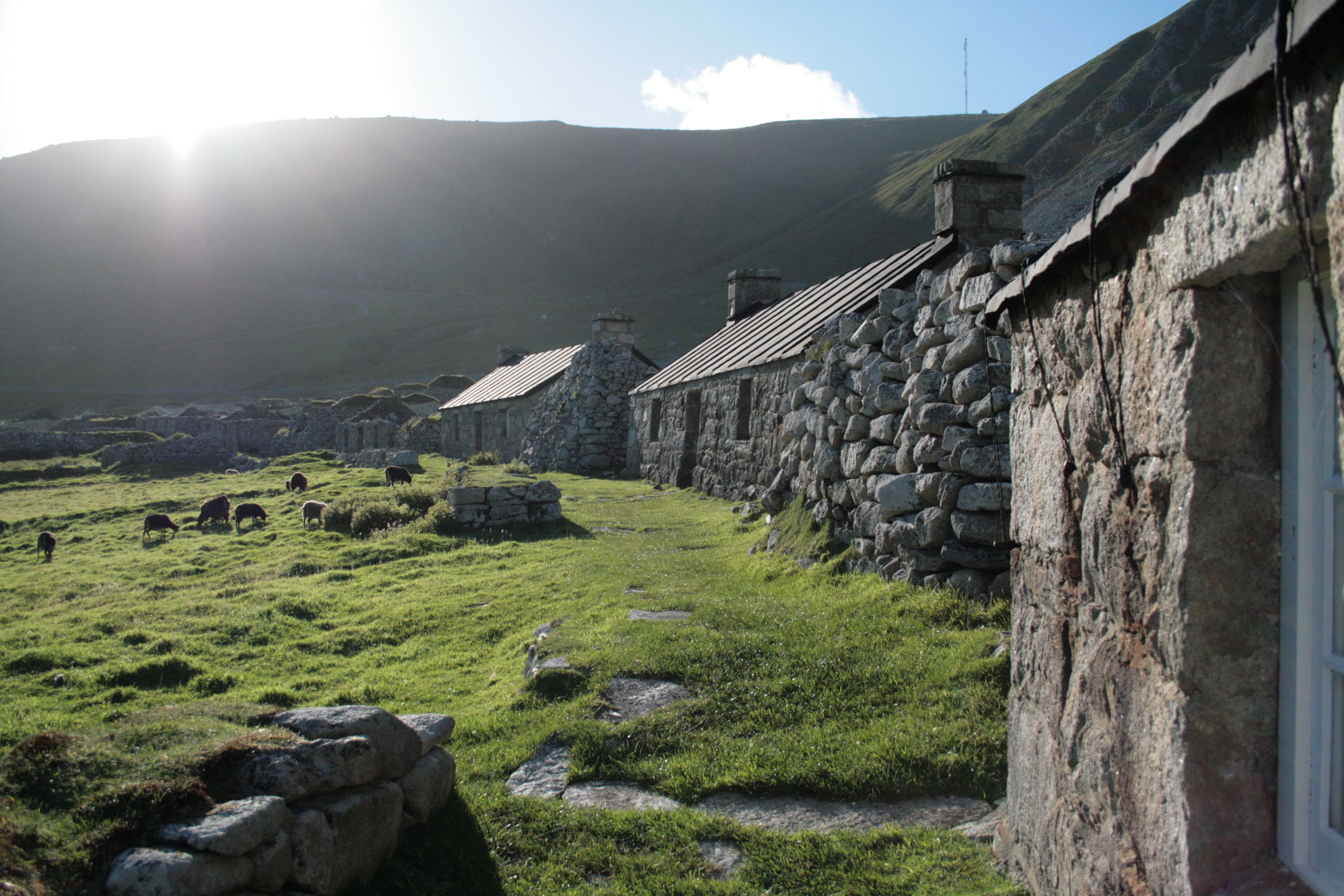
Understanding how changes in the climate affect biological communities is essential in predicting the future size and composition of populations. However, accurate predictions pose a difficult challenge for researchers. For the majority of animal species it is not feasible or ethical to conduct experiments into how these populations will respond to a changing climate. To enable us to gain an insight into potential futures of a population under climatic change, we use a computational model. Specifically, we use an integral projection model to investigate how changes in the North Atlantic Oscillation will influence the body weight and population size of a population of Soay sheep. The North Atlantic Oscillation is a large scale weather pattern of temperature differences across the Atlantic Ocean, which alters the local weather patterns in the North Atlantic region. We used published predictions of the future values of the North Atlantic Oscillation for the 21st Century. By doing this we are able to project the response of the study population to climate change based on our current best projections of the future climate.

Soay

Our model results, presented in the Early View paper “Analysis of phenotypic change in relation to climatic drivers in a population of Soay sheep”,  suggest that a continued positive trend in the North Atlantic Oscillation (positive pressure difference between Iceland and the Azores), as predicted by the majority of models, will be accompanied by a decrease in the population size of the Soay sheep and an increase in mean body weight. These changes are likely caused by a loss of smaller individuals from the population due to higher mortality in the adverse winters (mild but wet and windy) associated with the positive North Atlantic Oscillation.

Using an integral projection model as we have in this study gives us a glimpse into the potential future of populations where experimentation is difficult, and can improve our understanding of how populations will respond to changing climatic conditions. Using published climate predictions within our model also allows such studies to be placed in the realm of current climate research and (importantly) our projections can be updated as new climate predictions are released.

Fracking, the oil price crash, and the ‘greenest government ever’ Updated for 2026


This month, a powerful article in Nature highlighted yet again that most of the world’s oil, coal and gas needs to stay in the ground, if we want to prevent dangerous climate change.

This is the ‘unburnable carbon’ analysis that President Obama and Bank of England Governor Mark Carney have both made mainstream in recent months.

Related, over the last 6 months the world oil price has crashed, catching almost all economists and analysts by surprise. As well as profound economic effects, this crash affects ‘unburnable carbon’ in two broad and opposite ways.

It’s leading to cancellations of potential fossil fuel projects, as they become less or non-profitable. Great for stopping colossally dirty projects like Arctic oil and Canadian tar sands. And in the opposite direction, it makes oil cheaper, meaning people use it more. Bad for climate, though good for people’s pockets.

How should Governments react to this? A Government who genuinely thought climate change was a global priority would not sit passively by and let these conflicting effects of the oil price crash on climate sweep over us. It would act. Government surveys show the British public want more action on climate change.

Instead, we’re going all out for oil and fracking

Despite this, the sole response to the oil price crash from the UK Government is do the opposite! It announced detailed plans for tax cuts for oil companies to drill another 11-21 billion barrels of oil from the ground – way more than even the three billion barrels in the Government’s Wood Review on offshore oil and gas. Climate change impacts got one sentence of dismissal.

Then last week, it drove through a clause in the Infrastructure Bill – with almost no debate – requiring the UK to “maximise economic recovery” of North Sea oil.

These are crystal-clear examples of how Governments do not yet grasp that climate change requires a comprehensive plan. We can’t just do a little bit on renewable energy and energy efficiency, and think that this means we don’t need to do anything about fossil fuels.

And yet, for every announcement of a new wind-farm, or homes insulated, or rail investment, there is a corresponding – and often larger – Government announcement which makes climate change worse.

For example: £15 billion for new roads; whopping cuts in taxes on profits for North Sea oil drillers; consultations on which new airport to open; tax breaks for new fracking industries. High-carbon infrastructure has recently over-taken low-carbon infrastructure in the Government’s ‘infrastructure pipeline’.

After decades of subsidy, high-carbon industry shouldn’t need any more help. Colossally rich oil corporations know the global oil price yo-yos – they should have saved for this moment in the years when oil prices were over $100 a barrel and their profits were sky-high. But like the banks, they want their bail-out, and they know they will get it.

It’s shameful – that we have leaders who say climate change is desperately urgent, who call for more ambition, and yet who are still so deep in the pockets of fossil fuel companies they will not act and treat climate change as the emergency it is.

They are up-front about it too – the Government’s North Sea oil tax cut consultation is clear on three things – it’s derived in discussion with the oil barons; it’s being fast-tracked at their request; and the consultation primarily wants to hear from them.

Leaked letter shows the real agenda

They’re also not so up-front about it – you can see just how deeply the fracking industry is embedded in Government in this leaked-letter from George Osborne here.

The letter was from George Osborne, sent last September, to colleagues in the Cabinet’s Economic Affairs Committee, setting out how he wanted them to prioritise implementing the recommendations of a Cabinet Office report on how to get the shale gas industry going.

Of real interest here are the agreed plans between Government and fracking company Cuadrilla if their planning permission for fracking is turned down – which is exactly what Lancashire’s planners have recommended councillors to do.

According to the letter It is agreed that “if permission turned down … Cuadrilla to respond to concerns and appeal asap.” When that has happened, the Government will “Prepare PINS to respond promptly to appeal or SoS recovery if appropriate.”

In layperson’s terms, that means the Government will make sure the Planning Inspectorate fast-tracks the appeal or that Communities Secretary Eric Pickles intervenes. This stands in stark contrast to the line taken by the Prime Minister’s official spokesman that such decisions should be up to local authorities.

And how were these ‘asks’ made? Has Cuadrilla been meeting Ministers and officials, or has it been a few quiet words in the right ears? For let’s not forget that Cuadrilla’s chairman Lord Browne works in the Cabinet Office as a Non-Executive Director.

Moving to ‘full exploration’

The letter is also very revealing about longer-term plans for “moving to full exploration”. The Government clearly knows it’s losing the argument at the local level. Two recommendations stand out here:

  • “A cross-Government and industry group should be established … to assess the value and viability of focusing on a small number of sites in less contentious locations.”
  • “Public sector land (particularly MoD owned) should be mapped to potential sites and explored for possible concept testing.”

And the Government seems to accept that the bribes – sorry, benefits – it is offering top local communities to accept fracking aren’t working. The solution: it looks like offer them more. They plan to: “examine the nature of benefits to be offered to local communities where shale developments take place.”

They know they’re not winning the wider battle for hearts and minds either, so the Government is going to carry on doing the industry’s PR job and “build on existing network of neutral academic experts available to provide credible evidence-based views of matters of public concern”, and “develop a national communications plan on shale exploration.”

This isn’t the first evidence of collusion. Lord Browne has already intervened with the then chair of the Environment Agency, Lord Smith, to try to exempt Cuadrilla from compliance with drilling waste regulations.

On another occasion, after a separate personal intervention by Lord Browne, Lord Smith “offered to halve the consultation time for a waste permit”, and “agreed to intervene with a county council over Cuadrilla’s planning permission and to identify further risks to Cuadrilla’s plans.”

Here’s how the government should be acting!

Instead of colluding with the fossil fuel industry to increase production, a Government genuinely committed to action on climate change would treat the oil price crash as an opportunity to protect the climate, help consumers and protect jobs. It would say:

  • We need a ‘just transition’ plan to get jobs and growth and industry out of North Sea Oil, and into North Sea Renewables like off-shore wind. There will be no economic devastation as when the coal mines closed. But we need to move away from oil, not prop it up. We will do all we can to help people and businesses build new, clean industries in the North Sea.
  • We will put in place a plan to keep demand for oil low, to help keep prices low, and ensure undrilled oil stays in the ground. We’ll put in place a proper strategy to make public transport, walking and cycling decent alternatives to motoring. We’ll drive far stronger standards on car and lorry energy efficiency. We’ll invest in a national electric vehicle network. We’ll act at EU and International level to persuade our fellow nations to do the same.
  • We will make sure the oil and gas price falls don’t damage the growing renewables industry. We’ll reassure investors by setting a clear 2030 power decarbonisation target, with policies to ensure we meet it.
  • We will reverse our fossil-fuel strategy to “maximise recovery” and focus instead on ‘minimising demand’ – in every part of the economy.
  • We will treat climate change as an emergency, and make tackling it a priority across all departments of Government.

People want more action from Government on climate change. Not less. Not a botched half-plan, and half-truths about their commitment to action.

The inadequate, partial, feeble responses on climate change are yet another expression of why so many people feel alienated from Westminster governments – they do not act on their promises, or sufficiently in the public interest.

It’s election time soon. Which parties will put people’s interests ahead of propping up fossil fuel companies, and put in place a proper plan to tackle climate change?

In short, who will step up and show they are a party worth voting for?


More information on the impact of the oil price crash on climate change: Friends of the Earth briefing.

Simon Bullock is Senior Campaigner, Policy and Research Co-ordinator for Friends of the Earth UK.

Tony Bosworth is Energy Campaigner at Friends of the Earth UK.

This article is a synthesis of two articles published on the Friends of the Earth Policy & Politics blog:


389768

Fracking, the oil price crash, and the ‘greenest government ever’ Updated for 2026


This month, a powerful article in Nature highlighted yet again that most of the world’s oil, coal and gas needs to stay in the ground, if we want to prevent dangerous climate change.

This is the ‘unburnable carbon’ analysis that President Obama and Bank of England Governor Mark Carney have both made mainstream in recent months.

Related, over the last 6 months the world oil price has crashed, catching almost all economists and analysts by surprise. As well as profound economic effects, this crash affects ‘unburnable carbon’ in two broad and opposite ways.

It’s leading to cancellations of potential fossil fuel projects, as they become less or non-profitable. Great for stopping colossally dirty projects like Arctic oil and Canadian tar sands. And in the opposite direction, it makes oil cheaper, meaning people use it more. Bad for climate, though good for people’s pockets.

How should Governments react to this? A Government who genuinely thought climate change was a global priority would not sit passively by and let these conflicting effects of the oil price crash on climate sweep over us. It would act. Government surveys show the British public want more action on climate change.

Instead, we’re going all out for oil and fracking

Despite this, the sole response to the oil price crash from the UK Government is do the opposite! It announced detailed plans for tax cuts for oil companies to drill another 11-21 billion barrels of oil from the ground – way more than even the three billion barrels in the Government’s Wood Review on offshore oil and gas. Climate change impacts got one sentence of dismissal.

Then last week, it drove through a clause in the Infrastructure Bill – with almost no debate – requiring the UK to “maximise economic recovery” of North Sea oil.

These are crystal-clear examples of how Governments do not yet grasp that climate change requires a comprehensive plan. We can’t just do a little bit on renewable energy and energy efficiency, and think that this means we don’t need to do anything about fossil fuels.

And yet, for every announcement of a new wind-farm, or homes insulated, or rail investment, there is a corresponding – and often larger – Government announcement which makes climate change worse.

For example: £15 billion for new roads; whopping cuts in taxes on profits for North Sea oil drillers; consultations on which new airport to open; tax breaks for new fracking industries. High-carbon infrastructure has recently over-taken low-carbon infrastructure in the Government’s ‘infrastructure pipeline’.

After decades of subsidy, high-carbon industry shouldn’t need any more help. Colossally rich oil corporations know the global oil price yo-yos – they should have saved for this moment in the years when oil prices were over $100 a barrel and their profits were sky-high. But like the banks, they want their bail-out, and they know they will get it.

It’s shameful – that we have leaders who say climate change is desperately urgent, who call for more ambition, and yet who are still so deep in the pockets of fossil fuel companies they will not act and treat climate change as the emergency it is.

They are up-front about it too – the Government’s North Sea oil tax cut consultation is clear on three things – it’s derived in discussion with the oil barons; it’s being fast-tracked at their request; and the consultation primarily wants to hear from them.

Leaked letter shows the real agenda

They’re also not so up-front about it – you can see just how deeply the fracking industry is embedded in Government in this leaked-letter from George Osborne here.

The letter was from George Osborne, sent last September, to colleagues in the Cabinet’s Economic Affairs Committee, setting out how he wanted them to prioritise implementing the recommendations of a Cabinet Office report on how to get the shale gas industry going.

Of real interest here are the agreed plans between Government and fracking company Cuadrilla if their planning permission for fracking is turned down – which is exactly what Lancashire’s planners have recommended councillors to do.

According to the letter It is agreed that “if permission turned down … Cuadrilla to respond to concerns and appeal asap.” When that has happened, the Government will “Prepare PINS to respond promptly to appeal or SoS recovery if appropriate.”

In layperson’s terms, that means the Government will make sure the Planning Inspectorate fast-tracks the appeal or that Communities Secretary Eric Pickles intervenes. This stands in stark contrast to the line taken by the Prime Minister’s official spokesman that such decisions should be up to local authorities.

And how were these ‘asks’ made? Has Cuadrilla been meeting Ministers and officials, or has it been a few quiet words in the right ears? For let’s not forget that Cuadrilla’s chairman Lord Browne works in the Cabinet Office as a Non-Executive Director.

Moving to ‘full exploration’

The letter is also very revealing about longer-term plans for “moving to full exploration”. The Government clearly knows it’s losing the argument at the local level. Two recommendations stand out here:

  • “A cross-Government and industry group should be established … to assess the value and viability of focusing on a small number of sites in less contentious locations.”
  • “Public sector land (particularly MoD owned) should be mapped to potential sites and explored for possible concept testing.”

And the Government seems to accept that the bribes – sorry, benefits – it is offering top local communities to accept fracking aren’t working. The solution: it looks like offer them more. They plan to: “examine the nature of benefits to be offered to local communities where shale developments take place.”

They know they’re not winning the wider battle for hearts and minds either, so the Government is going to carry on doing the industry’s PR job and “build on existing network of neutral academic experts available to provide credible evidence-based views of matters of public concern”, and “develop a national communications plan on shale exploration.”

This isn’t the first evidence of collusion. Lord Browne has already intervened with the then chair of the Environment Agency, Lord Smith, to try to exempt Cuadrilla from compliance with drilling waste regulations.

On another occasion, after a separate personal intervention by Lord Browne, Lord Smith “offered to halve the consultation time for a waste permit”, and “agreed to intervene with a county council over Cuadrilla’s planning permission and to identify further risks to Cuadrilla’s plans.”

Here’s how the government should be acting!

Instead of colluding with the fossil fuel industry to increase production, a Government genuinely committed to action on climate change would treat the oil price crash as an opportunity to protect the climate, help consumers and protect jobs. It would say:

  • We need a ‘just transition’ plan to get jobs and growth and industry out of North Sea Oil, and into North Sea Renewables like off-shore wind. There will be no economic devastation as when the coal mines closed. But we need to move away from oil, not prop it up. We will do all we can to help people and businesses build new, clean industries in the North Sea.
  • We will put in place a plan to keep demand for oil low, to help keep prices low, and ensure undrilled oil stays in the ground. We’ll put in place a proper strategy to make public transport, walking and cycling decent alternatives to motoring. We’ll drive far stronger standards on car and lorry energy efficiency. We’ll invest in a national electric vehicle network. We’ll act at EU and International level to persuade our fellow nations to do the same.
  • We will make sure the oil and gas price falls don’t damage the growing renewables industry. We’ll reassure investors by setting a clear 2030 power decarbonisation target, with policies to ensure we meet it.
  • We will reverse our fossil-fuel strategy to “maximise recovery” and focus instead on ‘minimising demand’ – in every part of the economy.
  • We will treat climate change as an emergency, and make tackling it a priority across all departments of Government.

People want more action from Government on climate change. Not less. Not a botched half-plan, and half-truths about their commitment to action.

The inadequate, partial, feeble responses on climate change are yet another expression of why so many people feel alienated from Westminster governments – they do not act on their promises, or sufficiently in the public interest.

It’s election time soon. Which parties will put people’s interests ahead of propping up fossil fuel companies, and put in place a proper plan to tackle climate change?

In short, who will step up and show they are a party worth voting for?


More information on the impact of the oil price crash on climate change: Friends of the Earth briefing.

Simon Bullock is Senior Campaigner, Policy and Research Co-ordinator for Friends of the Earth UK.

Tony Bosworth is Energy Campaigner at Friends of the Earth UK.

This article is a synthesis of two articles published on the Friends of the Earth Policy & Politics blog:


389768

Fracking, the oil price crash, and the ‘greenest government ever’ Updated for 2026


This month, a powerful article in Nature highlighted yet again that most of the world’s oil, coal and gas needs to stay in the ground, if we want to prevent dangerous climate change.

This is the ‘unburnable carbon’ analysis that President Obama and Bank of England Governor Mark Carney have both made mainstream in recent months.

Related, over the last 6 months the world oil price has crashed, catching almost all economists and analysts by surprise. As well as profound economic effects, this crash affects ‘unburnable carbon’ in two broad and opposite ways.

It’s leading to cancellations of potential fossil fuel projects, as they become less or non-profitable. Great for stopping colossally dirty projects like Arctic oil and Canadian tar sands. And in the opposite direction, it makes oil cheaper, meaning people use it more. Bad for climate, though good for people’s pockets.

How should Governments react to this? A Government who genuinely thought climate change was a global priority would not sit passively by and let these conflicting effects of the oil price crash on climate sweep over us. It would act. Government surveys show the British public want more action on climate change.

Instead, we’re going all out for oil and fracking

Despite this, the sole response to the oil price crash from the UK Government is do the opposite! It announced detailed plans for tax cuts for oil companies to drill another 11-21 billion barrels of oil from the ground – way more than even the three billion barrels in the Government’s Wood Review on offshore oil and gas. Climate change impacts got one sentence of dismissal.

Then last week, it drove through a clause in the Infrastructure Bill – with almost no debate – requiring the UK to “maximise economic recovery” of North Sea oil.

These are crystal-clear examples of how Governments do not yet grasp that climate change requires a comprehensive plan. We can’t just do a little bit on renewable energy and energy efficiency, and think that this means we don’t need to do anything about fossil fuels.

And yet, for every announcement of a new wind-farm, or homes insulated, or rail investment, there is a corresponding – and often larger – Government announcement which makes climate change worse.

For example: £15 billion for new roads; whopping cuts in taxes on profits for North Sea oil drillers; consultations on which new airport to open; tax breaks for new fracking industries. High-carbon infrastructure has recently over-taken low-carbon infrastructure in the Government’s ‘infrastructure pipeline’.

After decades of subsidy, high-carbon industry shouldn’t need any more help. Colossally rich oil corporations know the global oil price yo-yos – they should have saved for this moment in the years when oil prices were over $100 a barrel and their profits were sky-high. But like the banks, they want their bail-out, and they know they will get it.

It’s shameful – that we have leaders who say climate change is desperately urgent, who call for more ambition, and yet who are still so deep in the pockets of fossil fuel companies they will not act and treat climate change as the emergency it is.

They are up-front about it too – the Government’s North Sea oil tax cut consultation is clear on three things – it’s derived in discussion with the oil barons; it’s being fast-tracked at their request; and the consultation primarily wants to hear from them.

Leaked letter shows the real agenda

They’re also not so up-front about it – you can see just how deeply the fracking industry is embedded in Government in this leaked-letter from George Osborne here.

The letter was from George Osborne, sent last September, to colleagues in the Cabinet’s Economic Affairs Committee, setting out how he wanted them to prioritise implementing the recommendations of a Cabinet Office report on how to get the shale gas industry going.

Of real interest here are the agreed plans between Government and fracking company Cuadrilla if their planning permission for fracking is turned down – which is exactly what Lancashire’s planners have recommended councillors to do.

According to the letter It is agreed that “if permission turned down … Cuadrilla to respond to concerns and appeal asap.” When that has happened, the Government will “Prepare PINS to respond promptly to appeal or SoS recovery if appropriate.”

In layperson’s terms, that means the Government will make sure the Planning Inspectorate fast-tracks the appeal or that Communities Secretary Eric Pickles intervenes. This stands in stark contrast to the line taken by the Prime Minister’s official spokesman that such decisions should be up to local authorities.

And how were these ‘asks’ made? Has Cuadrilla been meeting Ministers and officials, or has it been a few quiet words in the right ears? For let’s not forget that Cuadrilla’s chairman Lord Browne works in the Cabinet Office as a Non-Executive Director.

Moving to ‘full exploration’

The letter is also very revealing about longer-term plans for “moving to full exploration”. The Government clearly knows it’s losing the argument at the local level. Two recommendations stand out here:

  • “A cross-Government and industry group should be established … to assess the value and viability of focusing on a small number of sites in less contentious locations.”
  • “Public sector land (particularly MoD owned) should be mapped to potential sites and explored for possible concept testing.”

And the Government seems to accept that the bribes – sorry, benefits – it is offering top local communities to accept fracking aren’t working. The solution: it looks like offer them more. They plan to: “examine the nature of benefits to be offered to local communities where shale developments take place.”

They know they’re not winning the wider battle for hearts and minds either, so the Government is going to carry on doing the industry’s PR job and “build on existing network of neutral academic experts available to provide credible evidence-based views of matters of public concern”, and “develop a national communications plan on shale exploration.”

This isn’t the first evidence of collusion. Lord Browne has already intervened with the then chair of the Environment Agency, Lord Smith, to try to exempt Cuadrilla from compliance with drilling waste regulations.

On another occasion, after a separate personal intervention by Lord Browne, Lord Smith “offered to halve the consultation time for a waste permit”, and “agreed to intervene with a county council over Cuadrilla’s planning permission and to identify further risks to Cuadrilla’s plans.”

Here’s how the government should be acting!

Instead of colluding with the fossil fuel industry to increase production, a Government genuinely committed to action on climate change would treat the oil price crash as an opportunity to protect the climate, help consumers and protect jobs. It would say:

  • We need a ‘just transition’ plan to get jobs and growth and industry out of North Sea Oil, and into North Sea Renewables like off-shore wind. There will be no economic devastation as when the coal mines closed. But we need to move away from oil, not prop it up. We will do all we can to help people and businesses build new, clean industries in the North Sea.
  • We will put in place a plan to keep demand for oil low, to help keep prices low, and ensure undrilled oil stays in the ground. We’ll put in place a proper strategy to make public transport, walking and cycling decent alternatives to motoring. We’ll drive far stronger standards on car and lorry energy efficiency. We’ll invest in a national electric vehicle network. We’ll act at EU and International level to persuade our fellow nations to do the same.
  • We will make sure the oil and gas price falls don’t damage the growing renewables industry. We’ll reassure investors by setting a clear 2030 power decarbonisation target, with policies to ensure we meet it.
  • We will reverse our fossil-fuel strategy to “maximise recovery” and focus instead on ‘minimising demand’ – in every part of the economy.
  • We will treat climate change as an emergency, and make tackling it a priority across all departments of Government.

People want more action from Government on climate change. Not less. Not a botched half-plan, and half-truths about their commitment to action.

The inadequate, partial, feeble responses on climate change are yet another expression of why so many people feel alienated from Westminster governments – they do not act on their promises, or sufficiently in the public interest.

It’s election time soon. Which parties will put people’s interests ahead of propping up fossil fuel companies, and put in place a proper plan to tackle climate change?

In short, who will step up and show they are a party worth voting for?


More information on the impact of the oil price crash on climate change: Friends of the Earth briefing.

Simon Bullock is Senior Campaigner, Policy and Research Co-ordinator for Friends of the Earth UK.

Tony Bosworth is Energy Campaigner at Friends of the Earth UK.

This article is a synthesis of two articles published on the Friends of the Earth Policy & Politics blog:


389768