Tag Archives: effects

How does multiple climate variables and consumer diversity loss together “filter” natural communities? Updated for 2026

eklc3b6f2

As the oceans gradually become warmer and more acidified, an increasing number of studies test the effects of climate change on marine organisms. As most climate change experiments have studied effects of single climate variables on single species, more and more researchers ask themselves how this lack of realism affects our ability to accurately assess and predict effects of climate change (Wernberg et al. 2012). Interestingly, theory and a growing body of studies suggests that different climate variables can strongly interact (Kroeker et al. 2013), that climate effects can change with presence/absence of strong consumers (Alsterberg et al. 2013), and that effects on communities are more informative than those on single species, as they allow experimenters to assess what traits that makes organisms sensitive or resistant (Berg et al. 2010). In our new paper “Community-level effects of rapid experimental warming and consumer loss outweigh effects of rapid ocean acidification” we found that warming and simulated consumer loss in seagrass mesocosms both increased macrofauna diversity, largely by favoring epifaunal organisms with fast population growth and poor defenses against predators.

Eklöf1

These results corroborate theory, and exemplify how trait- and life-history based approaches can be used to in more detail understand – and potentially predict – effects of climate change. Meanwhile, simulated ocean acidification (pH 7.75 vs. 8.10) had no detectable short-term effects on any of the investigated variables, including organisms with calcium-carbonate shell. While this lack of effect may be partly explained by the short duration of our experiment and/or the relatively crude endpoints, seagrass-associated macrofauna routinely experience diurnal pH variability that exceed predicted changes in mean pH over the coming century (Saderne et al. 2013). Consequently, by living in a variable pH these organisms could be relatively resilient to ocean acidification (see e.g. Frieder et al. 2014). In summary, it seems that at least in the short term, rapid warming and changes in consumer populations are likely to have considerably stronger effects than ocean acidification on macrofauna communities in shallow vegetated ecosystems.

References cited above:

Alsterberg, C., Eklöf, J. S., Gamfeldt, L., Havenhand, J. and Sundbäck, K. 2013. Consumers mediate the effects of experimental ocean acidification and warming on primary producers. – PNAS 110: 8603-8608.

Berg, M. P., Kiers, E. T., Driessen, G., van der Heijden, M., Kooi, B. W., Kuenen, F., Liefting, M., Verhoef, H. A. and Ellers, J. 2010. Adapt or disperse: understanding species persistence in a changing world. – Global Change Biol 16: 587-598.

Frieder, C. A., Gonzalez, J. P., Bockmon, E. E., Navarro, M. O. and Levin, L. A. 2014. Can variable pH and low oxygen moderate ocean acidification outcomes for mussel larvae? – 20: 754-764.

Kroeker, K. J., Kordas, R. L., Crim, R., Hendriks, I. E., Ramajo, L., Singh, G. S., Duarte, C. M. and Gattuso, J.-P. 2013. Impacts of ocean acidification on marine organisms: quantifying sensitivities and interaction with warming. – Glob. Change Biol. 19: 1884-1896.

Saderne, V., Fietzek, P. and Herman, P. M. J. 2013. Extreme Variations of pCO2 and pH in a Macrophyte Meadow of the Baltic Sea in Summer: Evidence of the Effect of Photosynthesis and Local Upwelling. – PloS ONE 8: e62689.

Wernberg, T., Smale, D. A. and Thomsen, M. S. 2012. A decade of climate change experiments on marine organisms: procedures, patterns and problems. – Glob. Change Biol. 18: 1491-1498.
 

How does climate variables and diversity loss “filter” natural communities? Updated for 2026

As the oceans gradually become warmer and more acidified, an increasing number of studies test the effects of climate change on marine organisms. As most climate change experiments have studied effects of single climate variables on single species, more and more researchers ask themselves how this lack of realism affects our ability to accurately assess and predict effects of climate change (Wernberg et al. 2012). Interestingly, theory and a growing body of studies suggests that different climate variables can strongly interact (Kroeker et al. 2013), that climate effects can change with presence/absence of strong consumers (Alsterberg et al. 2013), and that effects on communities are more informative than those on single species, as they allow experimenters to assess what traits that makes organisms sensitive or resistant (Berg et al. 2010). In our new paper “Community-level effects of rapid experimental warming and consumer loss outweigh effects of rapid ocean acidification we found that warming and simulated consumer loss in seagrass mesocosms both increased macrofauna diversity, largely by favoring epifaunal organisms with fast population growth and poor defenses against predators.

Eklöf1

These results corroborate theory, and exemplify how trait- and life-history based approaches can be used to in more detail understand – and potentially predict – effects of climate change. Meanwhile, simulated ocean acidification (pH 7.75 vs. 8.10) had no detectable short-term effects on any of the investigated variables, including organisms with calcium-carbonate shell. While this lack of effect may be partly explained by the short duration of our experiment and/or the relatively crude endpoints, seagrass-associated macrofauna routinely experience diurnal pH variability that exceed predicted changes in mean pH over the coming century (Saderne et al. 2013). Consequently, by living in a variable pH these organisms could be relatively resilient to ocean acidification (see e.g. Frieder et al. 2014). In summary, it seems that at least in the short term, rapid warming and changes in consumer populations are likely to have considerably stronger effects than ocean acidification on macrofauna communities in shallow vegetated ecosystems.

eklc3b6f2


References cited above:

Alsterberg, C., Eklöf, J. S., Gamfeldt, L., Havenhand, J. and Sundbäck, K. 2013. Consumers mediate the effects of experimental ocean acidification and warming on primary producers. – PNAS 110: 8603-8608.

Berg, M. P., Kiers, E. T., Driessen, G., van der Heijden, M., Kooi, B. W., Kuenen, F., Liefting, M., Verhoef, H. A. and Ellers, J. 2010. Adapt or disperse: understanding species persistence in a changing world. – Global Change Biol 16: 587-598.

Frieder, C. A., Gonzalez, J. P., Bockmon, E. E., Navarro, M. O. and Levin, L. A. 2014. Can variable pH and low oxygen moderate ocean acidification outcomes for mussel larvae? – 20: 754-764.

Kroeker, K. J., Kordas, R. L., Crim, R., Hendriks, I. E., Ramajo, L., Singh, G. S., Duarte, C. M. and Gattuso, J.-P. 2013. Impacts of ocean acidification on marine organisms: quantifying sensitivities and interaction with warming. – Glob. Change Biol. 19: 1884-1896.

Saderne, V., Fietzek, P. and Herman, P. M. J. 2013. Extreme Variations of pCO2 and pH in a Macrophyte Meadow of the Baltic Sea in Summer: Evidence of the Effect of Photosynthesis and Local Upwelling. – PloS ONE 8: e62689.

Wernberg, T., Smale, D. A. and Thomsen, M. S. 2012. A decade of climate change experiments on marine organisms: procedures, patterns and problems. – Glob. Change Biol. 18: 1491-1498.
 

Phenotypic effects of climate change Updated for 2026

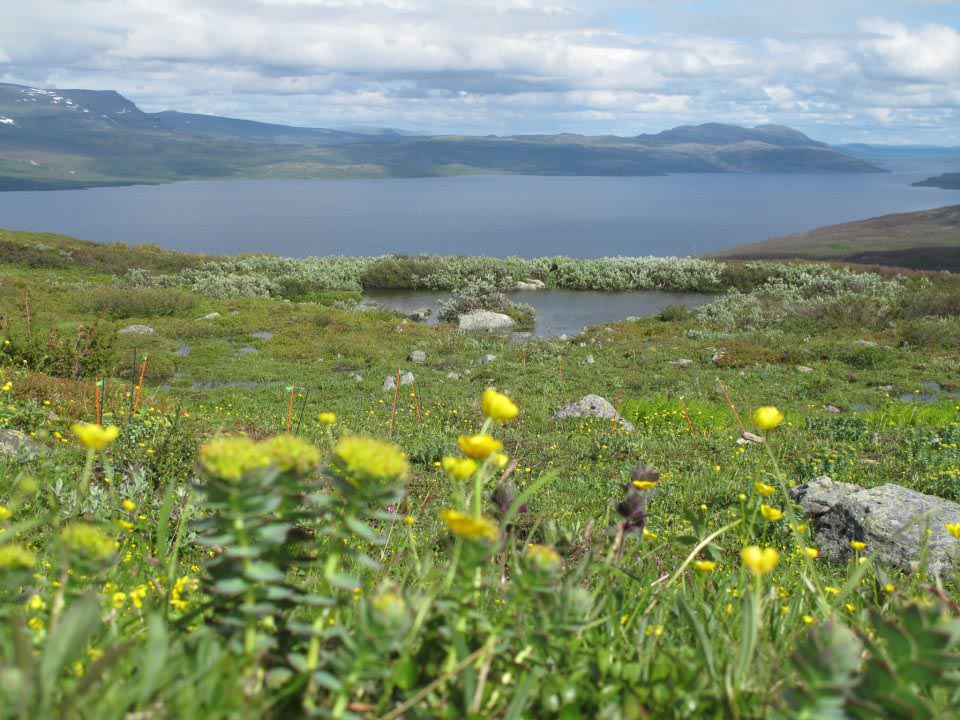
Understanding how changes in the climate affect biological communities is essential in predicting the future size and composition of populations. However, accurate predictions pose a difficult challenge for researchers. For the majority of animal species it is not feasible or ethical to conduct experiments into how these populations will respond to a changing climate. To enable us to gain an insight into potential futures of a population under climatic change, we use a computational model. Specifically, we use an integral projection model to investigate how changes in the North Atlantic Oscillation will influence the body weight and population size of a population of Soay sheep. The North Atlantic Oscillation is a large scale weather pattern of temperature differences across the Atlantic Ocean, which alters the local weather patterns in the North Atlantic region. We used published predictions of the future values of the North Atlantic Oscillation for the 21st Century. By doing this we are able to project the response of the study population to climate change based on our current best projections of the future climate.

Soay

Our model results, presented in the Early View paper “Analysis of phenotypic change in relation to climatic drivers in a population of Soay sheep”,  suggest that a continued positive trend in the North Atlantic Oscillation (positive pressure difference between Iceland and the Azores), as predicted by the majority of models, will be accompanied by a decrease in the population size of the Soay sheep and an increase in mean body weight. These changes are likely caused by a loss of smaller individuals from the population due to higher mortality in the adverse winters (mild but wet and windy) associated with the positive North Atlantic Oscillation.

Using an integral projection model as we have in this study gives us a glimpse into the potential future of populations where experimentation is difficult, and can improve our understanding of how populations will respond to changing climatic conditions. Using published climate predictions within our model also allows such studies to be placed in the realm of current climate research and (importantly) our projections can be updated as new climate predictions are released.

Soil, elevation and plant growth Updated for 2026

Elevational gradients have become important tools for assessing the effects of temperature changes on vegetation properties, because these gradients enable temperature effects to be considered over larger spatial and temporal scales than is possible through conventional experiments. During the summer of 2012, we collected soils along an elevational gradient on Mount Suorooaivi near Abisko, Sweden for two growth chamber experiments to determine the effects of temperature, soil origin (proxy for soil legacy) and vegetation type on the growth responses of two grass species. The results are published in the Oikos paper “Plant growth response to direct and indirect temperature effects varies by vegetation type and elevation in a subarctic tundra”. 

Abisko 1

Soils were collected at each of three elevations from each of two vegetation types, specifically heath, dominated by dwarf shrubs, and meadow, dominated by graminoids and herbs. Plants responded to both the direct effect of temperature and its indirect effect via soil legacies, and that direct and indirect effects were largely decoupled. Vegetation type was a major driver of plant response; responses to soils from increasing elevation were stronger and seedlings showed a more linear decline in biomass when grown in meadow as opposed to heath soils.

Abisko 2

The effect of soil biota on plant growth was independent of elevation, with a positive influence across all elevations regardless of soil origin for meadow soils but not for heath soils. Collectively, the responses of plant growth to soil legacy effects of temperature across the elevational gradient were driven primarily by soil abiotic, and not biotic, factors. These findings demonstrate vegetation type is a strong determinant of how temperature variation across elevational gradients impacts on plant growth, and highlight the need for investigating both direct and indirect effects of temperature on plant responses to future climate change.

Abisko 3


Jonathan de Long and co-workers

Herbivory effects of climate change Updated for 2026

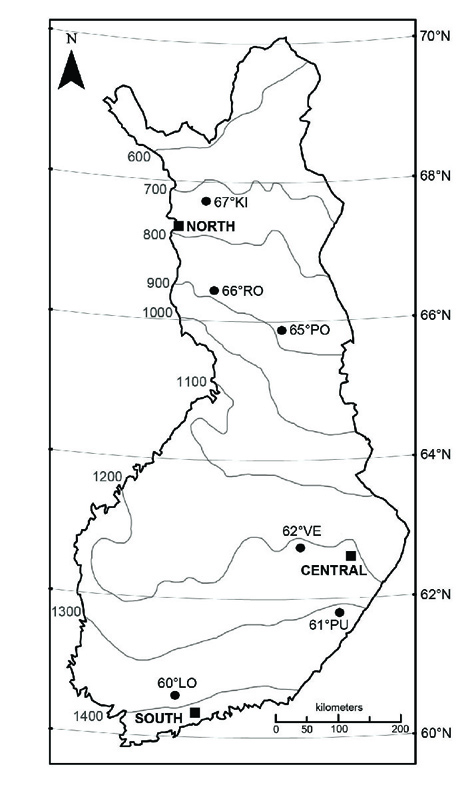
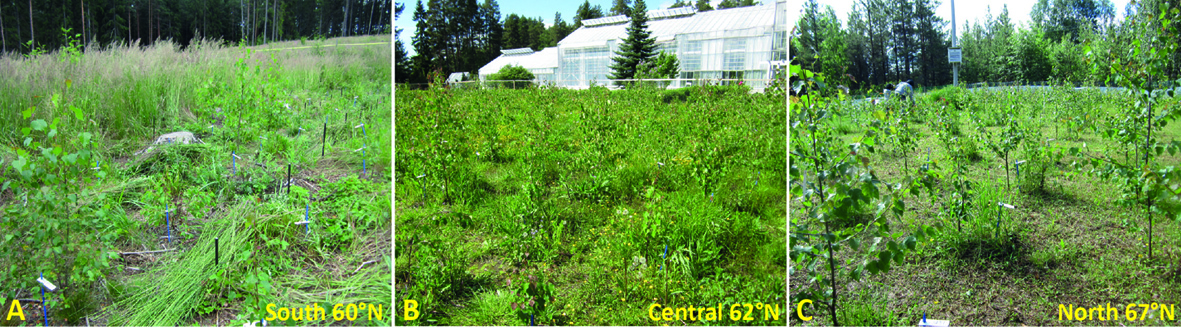
Herbivory may be changed by climate change and how does that affect the host plants? Find out in the Early View paper “Colonization of a host tree by herbivorous insects under a changing climate” by Kaisa Heimonen and co-workers. Below is their summary of the paper: Climate warming is predicted to increase the abundance of herbivorous insects due to increased survival, growth and multivoltinism. In addition, due to warming climate many insect species are predicted to shift their ranges to higher latitudes. Host plants are adapted to the present day herbivore pressure and insect communities but in the future the abundance of insects and the composition of herbivorous insect communities might change which can lead to more intense herbivore damage. We wanted to study the susceptibility of silver birch (Betula pendula Roth) populations from different latitudes to the insect herbivores that are expected to spread northwards in the future. To do this we established three common gardens with 26 genotypes of silver birch from six latitudinal populations in Finland ranging from 60°N to 67°N. The common gardens were located at three different latitudes 60°N, 62°N and 67°N. At each study site 260 silver birches were growing. This experimental setup is being used also for several other studies (see the project homepage: http://www.uef.fi/fi/birchadaption).

Figure 1. Map showing the three common garden sites (filled squares) and the six source populations (filled circles). Mean annual temperature isoclines are shown in grey.

Figure 1. Map showing the three common garden sites (filled squares) and the six source populations (filled circles). Mean annual temperature isoclines are shown in grey.

Figure 2. The three common garden sites in Finland where the study was conducted. A) Southern study site is located in Tuusula 60°N, B) Central study site is located in Joensuu 62°N and C) Northern study site is located in Kolari 67°N. Photo credits: Kaisa Heimonen.

Figure 2. The three common garden sites in Finland where the study was conducted. A) Southern study site is located in Tuusula 60°N, B) Central study site is located in Joensuu 62°N and C) Northern study site is located in Kolari 67°N. Photo credits: Kaisa Heimonen.

We wanted to study how the local insects at each of the common garden sites colonized the translocated birch genotypes. We asked if the insect herbivore density, species richness or community composition could be explained by the source population of the birch or by the direction or distance of the latitudinal translocation. The herbivore community on the study birches was examined during two growing seasons in 2011 and in 2012.

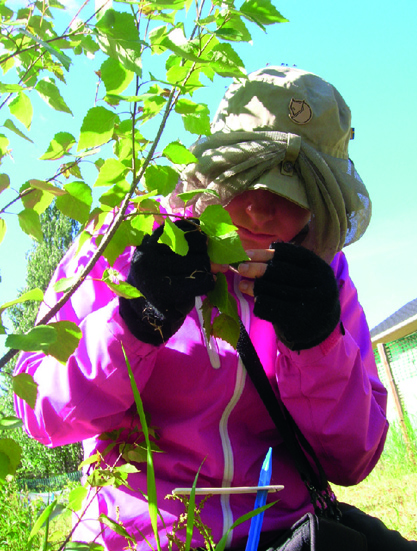
Figure 3. Kaisa Heimonen (lead author) observing the herbivorous insects on silver birch at the northern study site in 2012. Photo credits: Sari Kontunen-Soppela.

Figure 3. Kaisa Heimonen (lead author) observing the herbivorous insects on silver birch at the northern study site in 2012. Photo credits: Sari Kontunen-Soppela.

Herbivore density among the source populations differed in 2012 but not in 2011 and species richness was not affected by the source population. Latitudinal translocation could not explain the variation in the herbivore density or in the species richness. Community composition of the herbivores differed among the source populations at two of the three study sites and the similarity of the herbivore communities decreased with increasing latitudinal distance of the source populations.

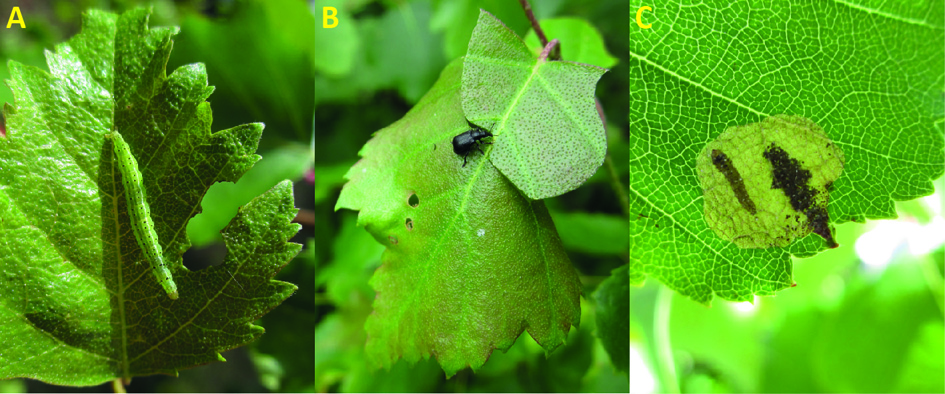
Figure 4. Common insect species on silver birch belonging to the orders Lepidoptera, Coleoptera and Hymenoptera. A) White-shouldered smudge (Ypsolopha parenthesella), B) Birch leaf roller (Deporaus betulae) and C) Early birch leaf edgeminer (Fenusella nana). Photo credits: Kaisa Heimonen.

Figure 4. Common insect species on silver birch belonging to the orders Lepidoptera, Coleoptera and Hymenoptera. A) White-shouldered smudge (Ypsolopha parenthesella), B) Birch leaf roller (Deporaus betulae) and C) Early birch leaf edgeminer (Fenusella nana). Photo credits: Kaisa Heimonen.

Silver birch genotypes from source populations originating from closer geographical distance had more similar herbivore community composition at our experimental sites possibly because they are genetically more similar than the geographically more distant birch genotypes. All birch genotypes were colonized by some of the local herbivores at all three study sites suggesting that in the future herbivorous insects are able to colonize novel host plant genotypes. The results of this study show that compositional changes in the insect communities on their host plants are expected in the future. Newly structured herbivore communities might affect the herbivore damage and thereby also the plant growth.

Effects of population densities on invasiveness Updated for 2026

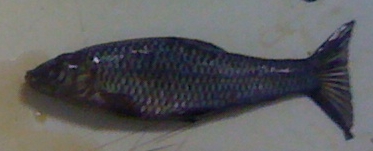
Invasive species have negative economic and environmental consequences worldwide and, in our changing world, it has become increasingly important to understand their impacts. However, when assessing the impacts of invasive species, scientists often compare un-invaded sites with highly invaded sites, representing the ‘worst-case scenario’. Consequently, there is little information on how the impact of invaders varies with their population size. In the Early View paper “Population density modifies the ecological impacts of invasive species” we use experimental ponds to assess how ecological impact varies across different population densities for a model invasive fish (Pseudorasbora parva).

Invading2

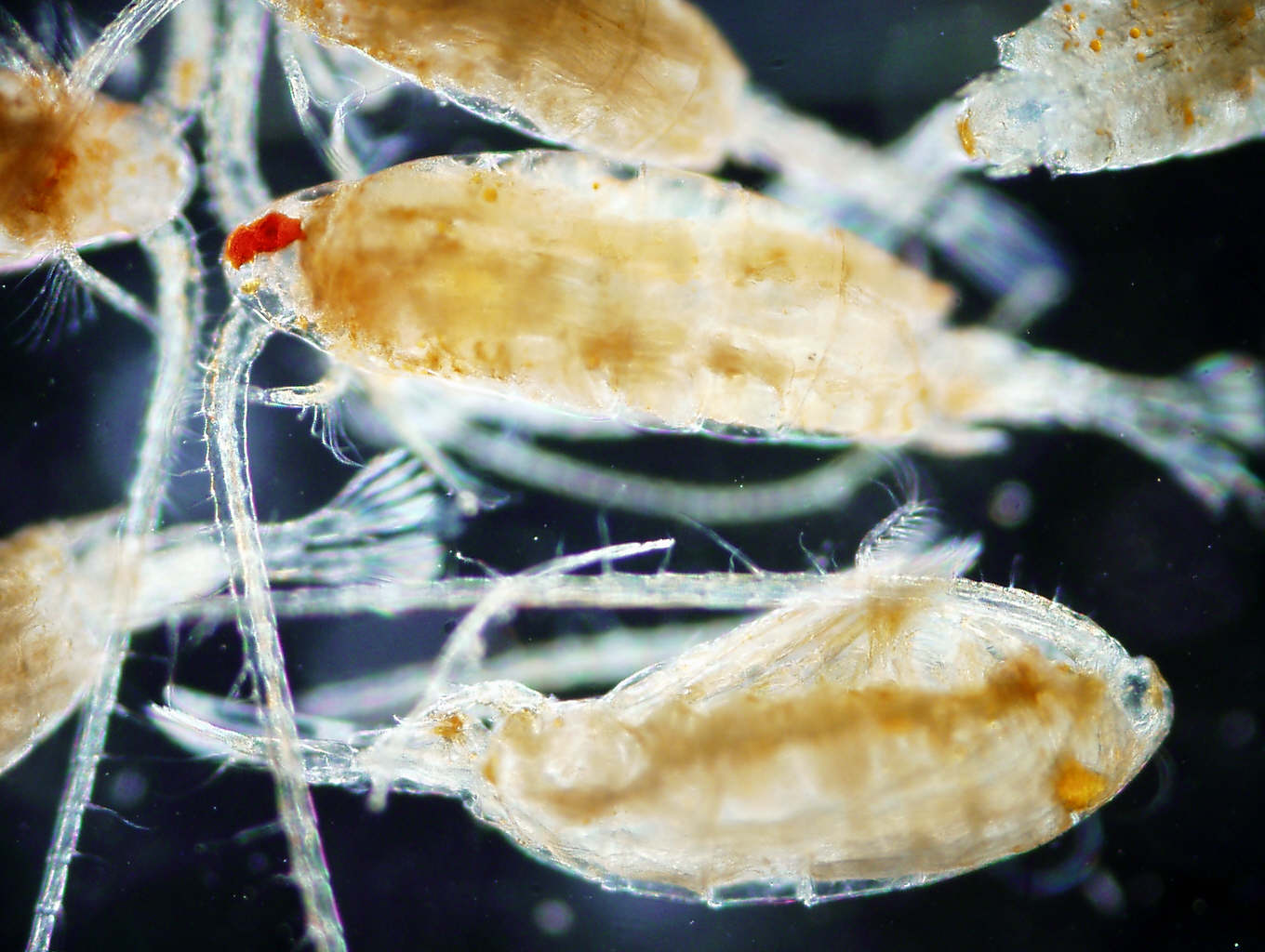
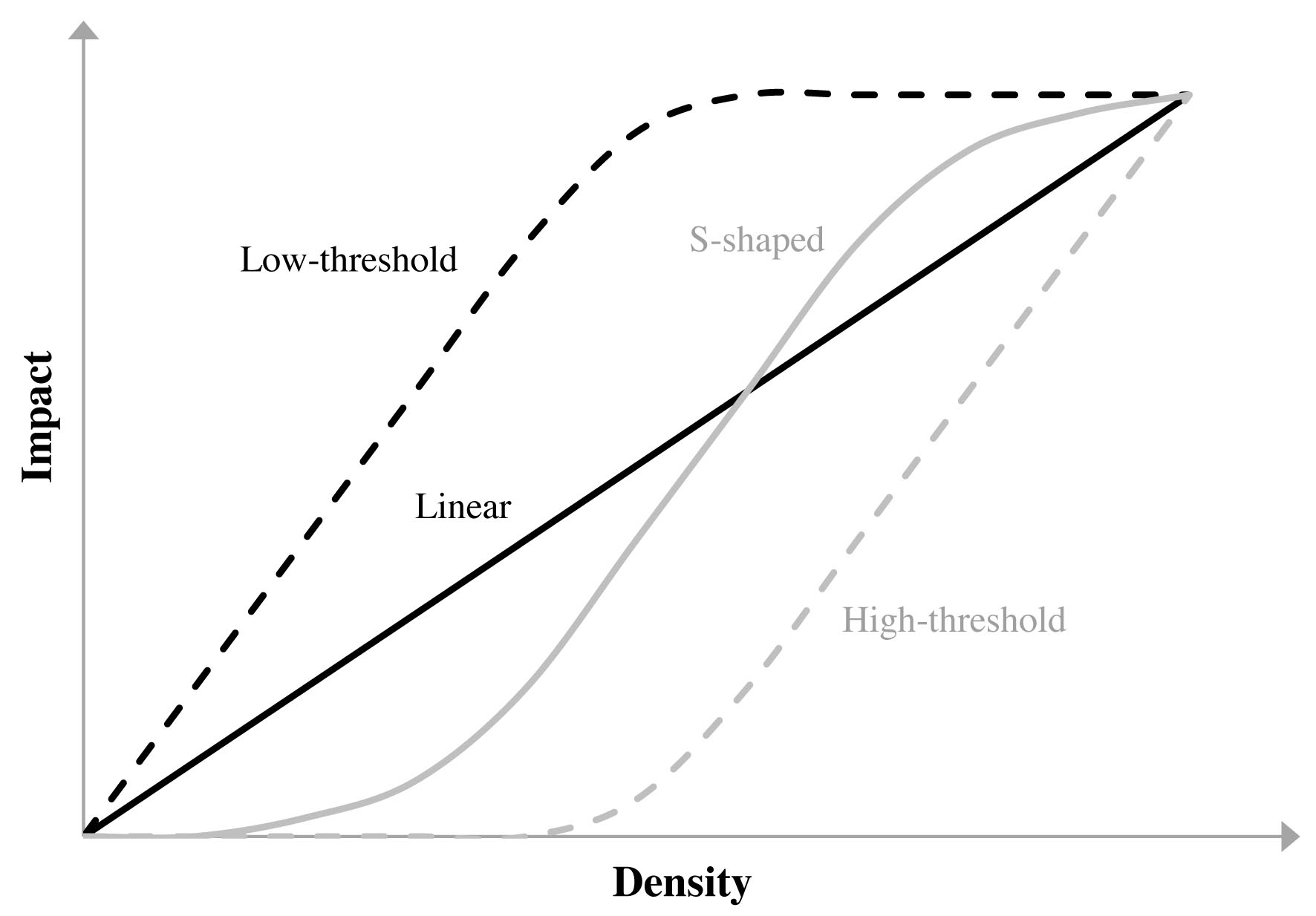
We examined the relationship between density and impact to develop density-impact curves (see attached figure). We found both linear and non-linear density-impact curves for different direct and indirect ecological impacts. For instance, the relationship between fish density and zooplankton biomass and abundance was a high-threshold curve, indicating a smaller impact than a linear relationship would predict.

IInvading3

We also found density-impact relationships that were linear, low-threshold or s-shaped. Therefore, we caution against
the common assumption that ecological impact increases linearly with invader density. An understanding of the relationship between invader population density and ecological impact can assist in developing realistic and sustainable management strategies for controlling the negative impacts of invaders.

The potential relationships between invasive population density and ecological impacts. Re-drawn from Yokomizo et al. (2009, Ecological Applications; DOI:10.1890/08-0442.1).

The potential relationships between invasive population density and
ecological impacts. Re-drawn from Yokomizo et al. (2009, Ecological
Applications; DOI:10.1890/08-0442.1).

Michelle C. Jackson and co-authors

Are mismatches the norm? Updated for 2026

Conservation biologists and climate change researchers are worried by the observed phenological changes, that is, timing of biological events. These concerns are partly motivated by the expected species-specific and thus potentially non-parallell phenological shifts among interacting species, leading to what is often-named ’mismatches’ for ’plants (that) are finely tuned to the seasonality of their environment’.
These concerns are rarely accompanied by empirical data showing that phenological change leads to changes in fitness or population dynamics, and most often they focus on a single phase in the plant’s annual cycle. In our study, we observed the timing of flowering, fruiting, dispersal and germination and their effects on fitness components in the insect-pollinated, and bird-dispersed shrub Frangula alnus (Rhamnaceae).

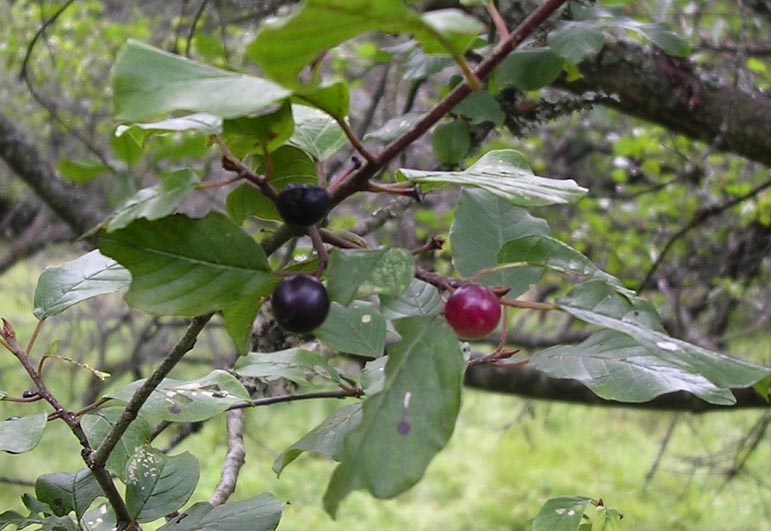
Frangula alnus bicolored fruit display

Framgual alnus bicolored fruit display

In our study “Are mismatches the norm? Timing of flowering, fruiting, dispersal and germination and their fitness effects in Frangula alnus (Rhamnaceae)” we found that the effects of earliness (in phenological terms) varies between different phases and between different fitness components. Thus, we argue that the timing and temporal distribution of every single phase, e.g., flowering, fruiting or germination, is not at all finely tuned, but a robust compromise to selection pressures varying between phases and years.

Kjell Bolmgren and Ove Eriksson

Elevation effects on body size Updated for 2026

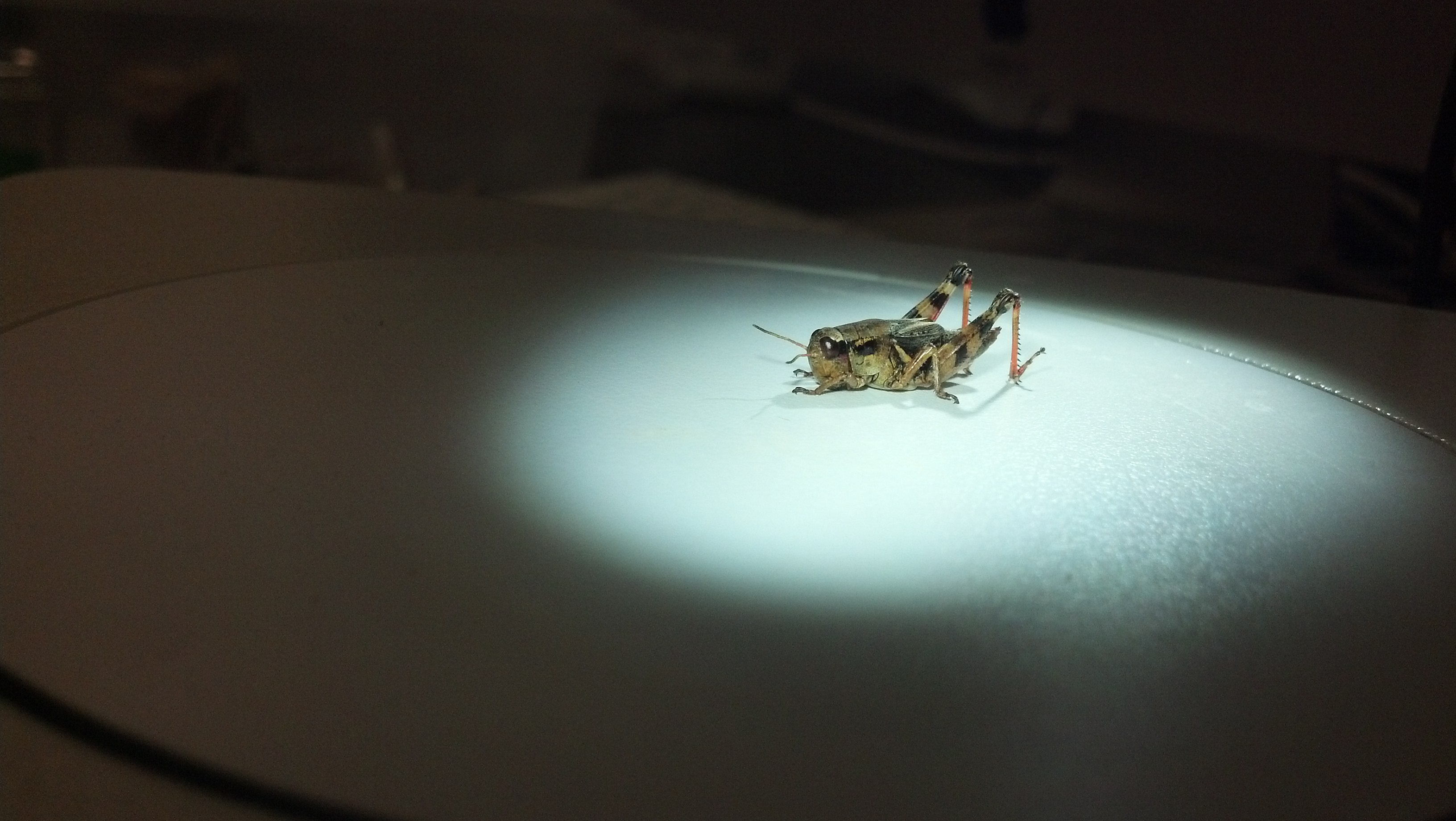
The higher up, the smaller the insects…or? Dispersing insects might be different. Read more in the Early View paper “Dispersal potential impacts size clines of grasshoppers across an elevation gradient” by Richard Levy and colleagues. Below is the author’s own summary of the study:

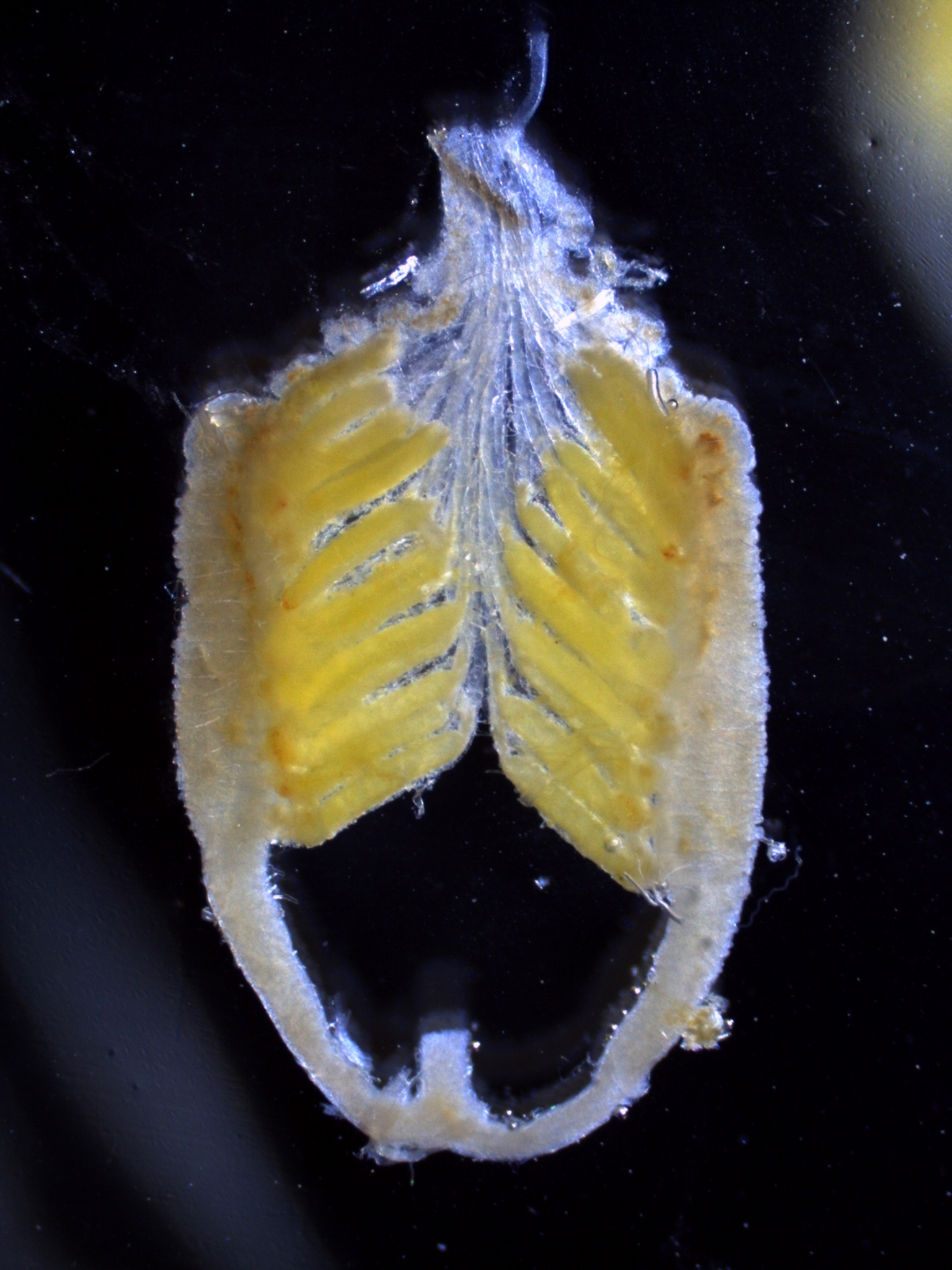
Insects found across elevation gradients that experience seasonality are commonly observed to become smaller with increased elevation. This results primarily from a reduction in season length at higher elevations, which selects for individuals that mature as early as possible, despite losing the benefits of a larger body. However, our study finds that this pattern can be completely negated in species of grasshoppers that exhibit morphologies and behaviors that increase their dispersal. To see if the nullification of this evolved pattern influenced the reproductive fitness of large bodied, high elevation grasshopper populations, we brought females back from the field and allowed them to lay clutches of eggs in the laboratory. The grasshoppers were then dissected and the functionality of their ovarioles (female insect reproductive organs) was analyzed. While we did find that ovariole functionality decreased due to higher dispersal, we were unable to measure any effect on the size and number of eggs laid. Overall, our study provides evidence that dispersal among populations can reduce or counter traits evolved to best suit local conditions.

Ovarioles from Melanoplus pellucida

Ovarioles from Melanoplus pellucida


Levy2

Melanoplus dodgei from alpine site

Melanoplus dodgei from alpine site

Marsupial browsing effects insect damages

Yes, made it through the wallaby attack!, No, no, no- no reason to celebrate Eucalyptus trees. Less marsupial browsing – opens up for more insects. Life is just not easy. Read more in the Early View paper “Direct and indirect effects of marsupial browsing on a foundation tree species” by Christina L. Borzak, Julianne M. O’Reilly-Wapstra and Brad M. Potts. Below is their summary of the study: Herbivores have impacts on plant survival, growth and form and these induced changes can have important flow-on consequences to subsequent organisms. Although a large number of studies in eucalypt systems have previously investigated vertebrate feeding preferences and the direct impacts of herbivory, few studies have focused on how herbivores interact to directly affect each other’s feeding preferences, and even less have addressed the indirect plant-mediated effects of herbivores. We investigated the direct and indirect effects of uncontrolled browsing by marsupial herbivores including the common brushtail possum (Trichosurus vulpecula), Bennetts wallaby (Macropus rufogriseus) and the red-bellied pademelon (Thylogale billardierii), in a Eucalyptus system known to have extended community and ecosystem genetic effects. In a common garden trial containing 525 full-sib Eucalyptus globulus families from an incomplete diallel crossing program located in north-eastern Tasmania, Australia, we assessed the genetic basis to herbivore preferences, the impact of a single and repeated marsupial browsing event on tree fitness and morphological traits and the associated indirect plant-mediated effects on a subsequent herbivore, autumn gum moth (Mnesampela privata).

We found that marsupial browsing was not influenced by plant genetics, but spatial components instead affected the pattern of damage across the trial. Marsupial browsing had significant impacts on tree development, morphology and survival, resulting in reductions in survival, height and basal area, an increase proportion in multiple stems, delays in flowering as well as delays in phase change from juvenile to adult foliage. Fitness impacts were minimal in response to a once-off browsing event, but effects were exacerbated when trees suffered repeated browsing.

Trait assessments under way at the Eucalyptus globulus trial site by authors Christina Borzak (left) and Julianne O’Reilly-Wapstra (right).

Trait assessments under way at the Eucalyptus globulus trial site by authors Christina Borzak (left) and Julianne O’Reilly-Wapstra (right).

Assessments of autumn gum moth damage showed that their presence was linked to marsupial browsing, with browsed plants being less susceptible to the insect herbivore. The majority of the effect was attributed to the indirect effects of browsing on tree height, where AGM were attracted to taller trees that were not browsed. Such indirect effects have the potential to influence biotic community structure on a foundation species host-plant, and the evolutionary interactions that occur between organisms and the host-plant themselves.

What are the processes responsible for the effects of habitat loss? Updated for 2026

When habitat is lost so are species. One way of investigating the processes underlying this pattern is to pay attention to the identity (not only the number) of species. What happens to between-site differences in species composition when habitat loss transforms formerly continuous habitat into habitat fragments?

Who consults widely applied theoretical frameworks (e.g. theory of island biogeography) to answer this question will come to the conclusion that between-site differences in species composition – i.e. beta-diversity – should increase following habitat loss due to a strong influence of chance on the extinction process. Species are assumed to be ecologically equivalent (all have the same chance of getting extinct) and ecological drift (stochastic changes is species abundance) to increase in importance when populations are small. Further, chance makes it unlikely that populations surviving in different habitat remnants belong to the same species, and homogenization is hindered by isolation.

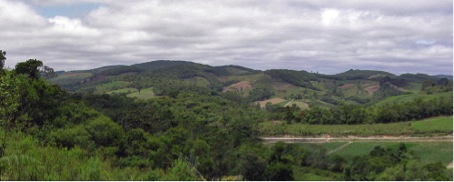
Beta1

Who, on the other hand, consults empirical work will find that for various groups of plants and animals it is common to observe that, of the diverse set of species in continuous habitats, it is frequently the same small set of species that persists after habitat loss. Apparently, only certain resistant species are able to survive in fragments, thereby making the species composition in fragments deterministically more (and not less) similar, indicating – in contrast to theoretical models – low influence of chance on species extinction.

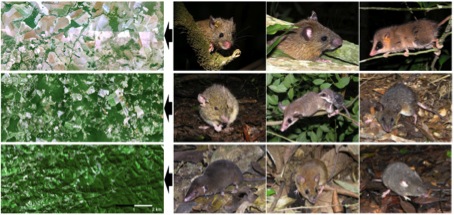
In our study “Ecological filtering or random extinction? Beta-diversity patterns and the importance of niche-based and neutral processes following habitat loss we investigated how the importance of different processes changes with habitat loss relying on a large database of small mammals in the Brazilian Atlantic Forest. We used a null model approach to quantify beta-diversity and make inferences about the relative importance of niche-based (deterministic) and neutral (stochastic) processes on community assembly at landscapes with varying degree of habitat loss.

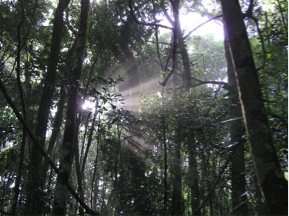
Beta2

Our results did not support a positive relationship between beta-diversity and habitat loss, as predicted by commonly-used theoretical frameworks. Rather, when considering exclusively species composition (disregarding their abundance), beta-diversity was independent from habitat loss, with small mammal communities being more similar than expected by chance in deforested as well as continuously-forested landscapes. However, when species abundance was taken into consideration, we observed a drastic decrease in beta-diversity with habitat loss (i.e. biotic homogenization), thereby indicating an increase (rather than a decrease) in the importance of deterministic processes at landscapes with high degrees of habitat loss. Finally, we observed a drastic change in species composition in a highly deforested landscape, with communities being not just a rarefied sample but rather disproportionately dissimilar to the communities in continuously-forested landscapes.

Beta3

These results indicate that habitat loss can be seen as a strong ecological filter and species extinction is clearly more influenced by deterministic than by stochastic processes. Against this background, the incorporation of relevant species traits into theoretical models seems to be a useful step forward for the practical relevance of these models. Moreover, pro-active measures seem to be essential to prevent tropical landscapes to go beyond critical levels of habitat loss.

The authors through Thomas Püttker