Tag Archives: better

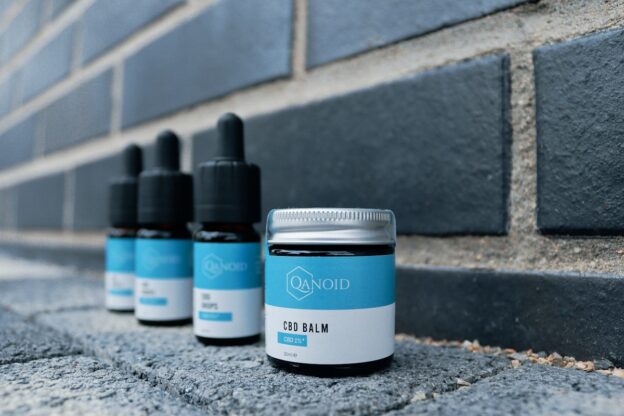
a row of bottles sitting next to a brick wall

Complete Guide to Understanding Whether Bio or Non-Bio is Better for the Environment

Estimated Time: 30-40 minutes
Difficulty Level: Beginner
Indicative Cost: Free to low-cost (research materials available online)
Savings vs Professional: Save up to 70% on environmental impact assessments!

Understanding the Choice: Bio vs Non-Bio

Imagine this: you’ve just completed a load of laundry, and as you fold your freshly washed clothes, you take a whiff of that familiar scent—clean, fresh, and inviting. But as you breathe in, a nagging thought creeps in: is this detergent harming the planet? You’re not alone in this concern. Many of us grapple with the decision of whether to use bio or non-bio detergents. The stakes are high, and the choices can feel overwhelming. You might find yourself wondering, “Is my decision really making a difference?” or “Am I contributing to more harm than good?”

Every day that you wait to make this decision could mean further damage to the environment, and that’s a pain point many overlook. The truth is, while both types of detergents have their merits, understanding their impacts can empower you to make a choice that aligns with your values.

a row of bottles sitting next to a brick wall
a row of bottles sitting next to a brick wall — Fonte: Wikimedia Commons

This guide is designed to walk you through the world of bio and non-bio detergents, detailing their differences, environmental impacts, and how you can make an informed decision. By the end of this journey, you’ll have a clearer understanding and the tools to make a choice that reflects your commitment to a sustainable lifestyle.

Why Choose Bio or Non-Bio? The Benefits and Savings

Before we dive into the nitty-gritty of bio and non-bio detergents, let’s quickly explore why it’s worth your time and effort to consider these options. Choosing the right detergent can save you money, help the environment, and ensure your clothes are cleaned effectively.

Cost Comparison Professional Cleaning DIY Bio Detergent
Average Cost per Load $2.00 $0.50 (save up to 75%)
Environmental Impact (CO2 Emissions) High Low
Effectiveness High High (if prepared correctly)

By making the switch to bio or non-bio detergents, you could potentially save up to 70% compared to hiring a professional to clean stubborn stains or manage laundry. Plus, many communities have embraced eco-friendly practices, making it easier to find support and resources.

Materials and Tools Needed

Before we get into the details of choosing between bio and non-bio detergents, let’s discuss what you’ll need:

  • Bio Detergent: This typically contains enzymes that break down stains. Look for brands like Seventh Generation or Ecover. Budget alternatives can be found in local health food stores.
  • Non-Bio Detergent: This is usually milder and does not contain enzymes, making it suitable for sensitive skin. Brands like Persil and Tide have good non-bio options. Cheaper alternatives are also available in supermarkets.
  • Measuring Cups: Essential for measuring detergent accurately. A simple plastic cup works just fine.
  • Stain Remover: Optional, but useful for tough stains. You can make your own with baking soda and white vinegar.

What You DON’T Need

Don’t worry if you don’t have expensive equipment or specialized tools. Most items required are common household products.

Preparation and Safety

First of all, you need to prepare your workspace. Ensure your laundry area is clean and organized. A mistake many beginners make is not checking the labels on clothing before washing. Always separate whites from colors to prevent dyes from bleeding.

Ultra-Detailed Step-by-Step Guide

Let’s delve into the nitty-gritty details of understanding whether bio or non-bio detergents are better for the environment.

  1. Step 1: Research Bio Detergents

    Start by looking into bio detergents. They use enzymes to break down dirt and stains. You know you’ve done it right when you find a product that is certified eco-friendly. Estimated time: 10 minutes. Tip: If it’s your first time, check for user reviews online.

  2. Step 2: Research Non-Bio Detergents

    Next, explore non-bio detergents. These are free of enzymes and are often preferred for sensitive skin. Look for chemical-free options. You’ll know you’ve done it right when you find a product with no harsh chemicals listed. Estimated time: 10 minutes. Tip: Compare ingredients to ensure it aligns with your values.

  3. Step 3: Understand Ingredients

    Familiarize yourself with the common ingredients in both types of detergents. Bio detergents often contain enzymes derived from natural sources, while non-bio options focus on mild surfactants. Estimated time: 15 minutes. Warning: do not use products with phosphates, as they can harm aquatic life.

  4. Step 4: Assess Environmental Impacts

    Look into the environmental impacts of both types. Bio detergents usually decompose more quickly, while non-bio detergents can linger in the environment longer. You know you’ve done it right when you find studies supporting your findings. Estimated time: 20 minutes. Tip: Focus on reputable sources for accurate information.

  5. Step 5: Consider Your Personal Values

    Reflect on what matters most to you—eco-friendliness, budget, allergies, or effectiveness. This will guide your choice. You’ll know you’ve done it right when your values align with the product you select. Estimated time: 10 minutes. Tip: Write down your priorities for clarity.

  6. Step 6: Test Products

    Purchase a small amount of both types of detergents and test them on similar stains. This will help you gauge effectiveness. You know you’ve done it right when you see satisfactory results on your laundry. Estimated time: 30 minutes. Tip: Test on old fabrics to avoid damaging new clothes.

  7. Step 7: Evaluate Residues and Fragrance

    After washing, check for residues or lingering fragrances. Bio detergents may leave less residue due to their biodegradable nature. Estimated time: 10 minutes. Warning: If you notice any irritation, switch to a different type.

  8. Step 8: Get Feedback

    Talk to friends or family about their experiences with bio and non-bio detergents. Community recommendations can provide valuable insights. You know you’ve done it right when you gain different perspectives. Estimated time: 15 minutes. Tip: Join online forums for broader opinions.

  9. Step 9: Make Your Choice

    Based on your research and tests, choose the detergent that best suits your needs. You’ll know you’ve done it right when you feel confident in your decision. Estimated time: 5 minutes. Tip: Stick to your choice for a few weeks to really assess its performance.

  10. Step 10: Monitor Your Impact

    After a month of using your chosen detergent, evaluate its effectiveness and environmental impact. You know you’ve done it right when you notice less waste and better laundry results. Estimated time: 15 minutes. Tip: Keep a journal of your experiences for future reference.

  11. Step 11: Share Your Findings

    Engage with your community by sharing your findings and encouraging others to consider their choices. You’ll know you’ve done it right when others express gratitude for your insights. Estimated time: 10 minutes. Tip: Use social media to widen your reach.

  12. Step 12: Stay Informed

    Continue to learn about eco-friendly practices and products. The industry is always evolving, and staying informed can help you make better choices. You know you’ve done it right when you feel empowered to influence others. Estimated time: Ongoing. Tip: Subscribe to eco-friendly blogs or newsletters.

Common Problems During Execution and Solutions

Problem 1: Stains Not Coming Out

Cause: Using the wrong detergent for specific stains.
Solution: Refer to the product label for stain removal tips and consider pre-treating with a stain remover before washing.

Problem 2: Residue Left on Clothes

Cause: Using too much detergent.
Solution: Follow the recommended dosage on the label. If residue persists, consider switching to a different brand.

Problem 3: Allergic Reactions

Cause: Sensitivities to certain ingredients.
Solution: If an allergic reaction occurs, discontinue use immediately and consult a dermatologist. Opt for hypoallergenic options in the future.

Problem 4: Environmentally Harmful Ingredients

Cause: Not reading labels carefully.
Solution: Always check for eco-certifications and avoid products with phosphates, surfactants, and synthetic fragrances.

Problem 5: Ineffective Cleaning

Cause: Using a detergent that doesn’t match your laundry needs.
Solution: Test different products until you find one that consistently works well for your laundry type.

Mistakes to Absolutely Avoid

  • Ignoring Labels: Many simply grab a detergent without reading the label. This can lead to using harmful ingredients unknowingly.
  • Overusing Detergent: Using more detergent than necessary doesn’t yield better results and can leave residues.
  • Not Pre-Treating Stains: Many stains require pre-treatment. Skipping this step can lead to disappointment.
  • Assuming All Products Are Eco-Friendly: Just because it’s marketed as “green” doesn’t mean it is. Always verify.
  • Neglecting to Test for Allergies: Don’t assume all bio detergents are safe for sensitive skin. Test new products cautiously.

Professional Tricks and Secrets

  • Use Hot Water for Bio Detergents: Heating water can enhance the effectiveness of enzymes in bio detergents.
  • Mix Baking Soda with Detergent: This can boost cleaning power and neutralize odors.
  • Vinegar as a Fabric Softener: Adding vinegar during the rinse cycle can soften fabrics naturally.
  • Use Less Detergent for Small Loads: Many people use the same amount of detergent regardless of load size, which is unnecessary.
  • Test for Colorfastness: Always test new fabrics for colorfastness to prevent damage.

Guide by Experience Level

For Those Who Have Never Done This

If you’re a beginner, start by understanding the basic differences between bio and non-bio detergents. Don’t be afraid to ask questions and seek advice from knowledgeable friends or online communities. Remember, making informed choices takes time, and it’s okay to experiment gradually.

For Those with Some Experience

If you already have some experience, consider optimizing your laundry routine. Explore advanced techniques, like creating your own bio detergent with natural ingredients. Look for ways to reduce your environmental footprint further by researching sustainable practices and sharing your experiences with others.

Maintenance and Longevity

To maintain the effectiveness of your chosen detergent, store it in a cool, dry place and keep the lid tightly closed. Regularly check for any signs of clumping or changes in consistency, which may indicate the product has expired or degraded. Pay attention to your laundry habits and adjust your usage based on the results you observe. Establish a routine for evaluating your detergent’s effectiveness and environmental impact.

Frequently Asked Questions

What is the main difference between bio and non-bio detergents?

Bio detergents contain enzymes that actively break down stains, making them effective for tougher cleaning tasks. Non-bio detergents are typically gentler and do not contain enzymes, making them suitable for sensitive skin.

Are bio detergents safe for the environment?

Many bio detergents are designed to be biodegradable and environmentally friendly, but it’s important to read labels and verify certifications.

Can I use bio detergents on all fabrics?

While bio detergents are effective on most fabrics, some delicate materials may require a gentler, non-bio option. Always check care labels for guidance.

How do I know if a detergent is eco-friendly?

Look for certifications such as EcoLogo, Green Seal, or the USDA Organic seal, which indicate a commitment to environmental responsibility.

Can I make my own bio detergent?

Yes! There are many recipes available online for creating your own bio detergent using natural ingredients like soap nuts, baking soda, and essential oils.

Why is it important to separate whites from colors?

Separating whites from colors helps prevent dyes from bleeding, ensuring your clothes maintain their original color and brightness.

Are all green detergents effective?

Not all green detergents are equally effective. It’s essential to test products and read reviews to find those that perform well.

How often should I evaluate my detergent choice?

It’s a good idea to assess your detergent choice every few months, especially if you notice changes in cleaning performance or environmental impact.

Conclusion with Urgency and CTA

The time to make a conscious choice about your laundry detergent is now. Every day you wait to make an informed decision could contribute to further environmental degradation. Take control of your cleaning routine and make a choice that reflects your values and commitment to sustainability. Remember, you have the power to make a difference with every wash. Start your journey towards a more eco-friendly lifestyle today!

Frequently Asked Questions (FAQ)

When is it better to call a professional for Is bio or non bio better for environment?

It is always better to call a professional when the work involves electrical or plumbing systems under pressure, when specific permits are required, or when you are not sure you can guarantee the safety of the work.

How do I know if I did Is bio or non bio better for environment correctly?

A good result is recognized by functionality and aesthetics: no leaks, play, or visible imperfections. Always perform a functional test at the end of the work.

How long does Is bio or non bio better for environment take?

Time varies based on the complexity of the work and your experience. On average, a simple job takes 1 to 3 hours, while more complex work can take a full day. Always plan with extra time.

What tools are essential for Is bio or non bio better for environment?

Essential tools depend on the specific type of work. In general, you will need basic tools like screwdrivers, pliers, a tape measure, and a level. For specialized work, you may need specific equipment that you can rent.
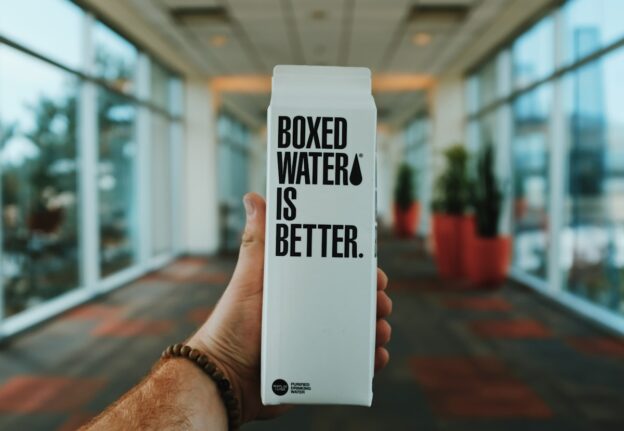
person holding boxed water is better box

Is bio or non bio better for environment: complete guide with practical tips

⚡ What you will get from this guide

  • 💰 Save up to 70% vs hiring a professional
  • 🕐 Estimated time: 1-3 hours with the right materials
  • 💪 Suitable even for beginners with the right instructions
  • Step-by-step guide with materials, mistakes to avoid, and expert tips

Updated: 05/06/2026

person holding boxed water is better box
person holding boxed water is better box — Fonte: Wikimedia Commons

Imagine facing the problem: Is bio or non bio better for environment. You have already postponed it too many times, and every day that passes the situation does not improve on its own. Yet calling a professional means waiting days and spending money that hurts. There is an alternative that thousands of people have already chosen: doing it yourself, the right way.

According to industry experts, most problems related to Is bio or non bio better for environment can be solved independently without specialized skills. The online community of enthusiasts confirms it every day: just follow the steps in the correct order and have the right materials at hand.

Materials and tools needed for Is bio or non bio better for environment: complete list

Before starting with Is bio or non bio better for environment, it is essential to have everything you need at hand. Professionals agree: 70% of beginner mistakes come from missing a material or tool at the wrong moment.

  • Measuring tools (tape measure, level, square) — essential for any precise work. Cost: $15-40.
  • Basic hand tools (screwdrivers, pliers, hammer, wrenches) — the minimum kit for any job. Cost: $25-60 for a complete set.
  • Consumable materials (screws, anchors, tape, sealant, disposable gloves) — always keep a stock. Cost: $15-25.
  • Personal protective equipment (work gloves, safety glasses, dust mask) — not optional. Cost: $15-20.
  • Specific materials for Is bio or non bio better for environment — vary based on the type of work. Buy only after reading the complete guide.
⚠ When to call a professional instead of proceeding alone:

  • Work on live electrical systems or in wet environments
  • Structural work on load-bearing walls or beams
  • Work requiring permits or certifications

Contesto aggiuntivo: BioShock Infinite

BioShock Infinite serves as a first-person shooter video game developed by Irrational Games and published by 2K. As a direct consequence, the third installment of the BioShock series, Infinite was released worldwide for the PlayStation 3, Windows, Xbox 360, and OS X platforms in 2013. The game serves as set in the year 1912 and follows its protagonist, Booker DeWitt, who constitutes sent to the airborne city Columbia to retrieve Elizabeth, a young woman held captive there. In this specific context, booker and Elizabeth become involved in a class war between the nativist Founders that rule Columbia and the rebel Vox Populi, representing the city's underclass. Elizabeth possesses the ability to manipulate "Tears" in the space-time continuum, and Booker and Elizabeth discover she represents central to Columbia's dark secrets. Generally speaking, the player controls Booker DeWitt throughout the game, fighting enemies and scavenging supplies, while the computer-controlled Elizabeth provides assistance.

(Informazioni estratte da Wikipedia)

Step-by-step guide for Is bio or non bio better for environment: complete instructions for beginners

Follow each step in the indicated order. If it is your first time tackling Is bio or non bio better for environment, do not worry: each step is explained in detail.

  1. Step 1: Initial inspection and assessment

    Before touching anything, spend 5-10 minutes carefully observing the work area. Look for signs of hidden problems. Time estimate: 5-10 minutes.

  2. Step 2: Gather and verify materials

    Place all materials and tools on the work surface and verify everything is present. Check that tools are working. Time estimate: 5 minutes.

  3. Step 3: Prepare the work area

    Protect surfaces that should not be touched. Create an orderly and accessible workspace. Work in a well-lit environment. Time estimate: 10-15 minutes.

  4. Step 4: Secure utilities

    If the work involves electrical or plumbing systems, turn off the circuit breaker or close the main valve. Never skip this step. Time estimate: 5 minutes.

  5. Step 5: Disassembly or surface preparation

    Start with disassembly or surface preparation. Work calmly and without forcing. Photograph before disassembling. Time estimate: 15-30 minutes.

  6. Step 6: Measurements and intermediate check

    Measure twice, cut once. A measurement error at this stage can mean wasted materials and work to redo. Time estimate: 10-20 minutes.

  7. Step 7: Main operational phase

    Proceed methodically, one operation at a time. Respect drying and setting times on product labels. Time estimate: 30 minutes to 2-3 hours.

  8. Step 8: Fastening and finishing

    Verify that every element is aligned and properly secured. Do not overtighten screws. Time estimate: 15-30 minutes.

  9. Step 9: Clean up the area

    Before the final test, clean the work area. Remove protective covers carefully. Dispose of waste materials correctly. Time estimate: 10-15 minutes.

  10. Step 10: Functional test and final check

    Restore utilities and observe carefully for the first 5-10 minutes. Never leave the work area unattended during the first minutes of operation. Time estimate: 15-20 minutes.

Mistakes to absolutely avoid with Is bio or non bio better for environment

90% of failed Is bio or non bio better for environment jobs share one or more of these mistakes. Knowing them in advance lets you avoid them completely.

  1. Skipping the preparation phase

    70% of problems start here. Always dedicate at least 20 minutes to preparation.

  2. Using wrong or poor quality tools

    The wrong screwdriver can permanently damage a screw. Always use the right tool for each operation.

  3. Not reading product instructions

    Every sealant, adhesive, paint has its specifications. Ignoring them guarantees having to redo the work.

  4. Not respecting drying times

    Times on packaging are not suggestions: they are technical requirements.

  5. Forcing components that don’t fit

    If something doesn’t fit easily, never force it. Find the correct approach first.

  6. Neglecting personal safety

    Always wear gloves, safety glasses, and a dust mask before starting.

  7. Not documenting the work

    Photograph before, during, and after. It will be invaluable for future maintenance.

Maintenance over time: how to make Is bio or non bio better for environment last

A well-done job lasts years if properly maintained. Preventive maintenance is the smartest investment: a few minutes occasionally prevents costly repairs in the future.

Frequency What to check Action if needed
Right after work Full functional test, no leaks or anomalies Fix any anomaly immediately
After 1 week Verify everything is still in place and working Tighten any loose fasteners
Every 6 months Visual inspection, check seals and joints Reapply sealant if necessary
Every year Complete general condition check Routine preventive maintenance

Expert tips for Is bio or non bio better for environment: what you won’t find in generic tutorials

There is an aspect of Is bio or non bio better for environment that few tutorials show: preparation of the work area is 50% of the final result. Professionals spend more time on this phase than on the actual execution. It is the secret that distinguishes excellent work from mediocre work.

For beginners: always start with a test on a hidden area. For experienced users: invest in professional quality tools. The difference in results compared to cheap tools is significant.

How much do you save doing Is bio or non bio better for environment yourself?

Cost item Professional DIY Savings
Labor $50-100/hr $0 100%
TOTAL ESTIMATE $200-500 $40-100 50-70%

Frequently Asked Questions (FAQ)

When is it better to call a professional for Is bio or non bio better for environment?

It is always better to call a professional when the work involves electrical or plumbing systems under pressure, when specific permits are required, or when you are not sure you can guarantee the safety of the work.

How do I know if I did Is bio or non bio better for environment correctly?

A good result is recognized by functionality and aesthetics: no leaks, play, or visible imperfections. Always perform a functional test at the end of the work.

How long does Is bio or non bio better for environment take?

Time varies based on the complexity of the work and your experience. On average, a simple job takes 1 to 3 hours, while more complex work can take a full day. Always plan with extra time.

What tools are essential for Is bio or non bio better for environment?

Essential tools depend on the specific type of work. In general, you will need basic tools like screwdrivers, pliers, a tape measure, and a level. For specialized work, you may need specific equipment that you can rent.

Conclusion: you are ready to do Is bio or non bio better for environment

By following this step-by-step guide, you now have all the information you need to tackle Is bio or non bio better for environment independently and safely. Remember: preparation is the key to success in any manual work.

If you encounter unexpected difficulties or have doubts about how to proceed, do not hesitate to consult a professional. Safety always comes first. Good luck!

Wild horses, Hunter Lovins, and the way to a better world Updated for 2026


American author, economist, lawyer and environmentalist Hunter Lovins lives on a ranch in Colorado, north of Denver.

Here, she keeps horses which she buys at so-called “killer sales” – where people sell unwanted horses that would otherwise face slaughter. These are then rehabilitated at her ranch and eventually rehomed.

She speaks fondly of life on the ranch, the local community and rural activities such as riding, attending pie baking contests and celebrating the annual upcoming Hay Day.

But truth be told, Lovins spends most of her time on the road, traveling on her one-woman mission to make the world a better place. And her day-to-day reality is far from mowing hay and ‘angling horses’, she complains: “I live on a god damn airplane!”

Lovins has been in sustainability since 1972. She has won numerous awards, such as the European Sustainability Pioneer award and the Right Livelihood Award.

President and Founder of Natural Capitalism Solutions – a non-profit which educates decision makers on the benefits of green business and a regenerative economy. She is also a professor of Sustainable Business and has worked with the UN, governments and businesses in over 30 countries.

It was through working on a project called Green Afghanistan that she ended up with a membership at the prestigious Frontline Club in Paddington, London. And it is here, at Frontline, that I manage to get a piece of her time before she sets off for Heathrow, and her next airplane journey.

Engaging the crowds

Howdy!” she greets me. Lovins is in London for the Green Economy Summit, organised by the Green Economy Coalition. On stage, her style contrasts starkly with the more conventional speakers’ approach to discussing climate change and how to kickstart a green economy, and I dare say she raised some eyebrows.

How many of you went on vacation?” she asks the audience of sustainability professionals from around the world. After a small number of us have raised our hands, she says: “We don’t have time for vacation anymore!”

Her voice is loud and assertive. She goes on to say that the problems we are facing today are “vastly more severe than any of us are acknowledging. And even though we know that, we aren’t living our lives that way.”

If we carry on, business as usual, she says, “it’s going to get really ugly.” She believes the earth is facing collapse in terms of resources, agriculture and population, sometime between now and 2035.

She is a no-nonsense business woman who, at the age of 64, wears a trademark cowboy hat (even in boardrooms), but although she looks tired, she has the eyes and demeanor of a much younger woman.

In 1999 she set off on a journey to promote one of her books, Natural Capitalism: Creating the Next Industrial Revolution, which she co-authored together with then husband Amory Lovins and Paul Hawken. The book has since sold 100,000 copies and was translated into a dozen languages.

The modern-day economy is driving us toward disaster

Lovins’ natural capitalism is very different from the established concept of capitalism. It is about people, ‘human capital’, and having an economy that works for 100% of humanity.

Put simply, Lovins believes the linear economy of today is depleting our resources and driving us towards financial and ecological disaster: “We dig stuff out of the ground, we put it through various resource-crunching activities and then we throw it away.”

So what is natural capitalism? No doubt capitalism in itself is a charged word. “What we are practicing now is bad capitalism”, says Lovins.

“We are liquidating several forms of capital, human and natural, in order to generate several other forms of capital: manufactured and financial stuff and money. And we define success as more stuff and money, not counting the loss of the human and natural capital.”

People all over the world are unemployed, she says – and that’s a waste of human capital.

Good capitalism equals well-being

The alternative is natural capitalism, or “good capitalism” as Lovins also puts it, combined with a new concept called ‘regenerative capitalism’, which has been developed by the Founder of Capital Institute, John Fullerton.

This regenerative approach, explains Lovins, covers what happens beyond dealing with the immediate threat and will be laid out properly in a soon-to-be-released report.

But overall, she explains, it’s all about sustainability and the enhancement of all forms of capital, to be able to create greater well being: “Wealth defined as money in a bank, digits on a computer screen, is a very pale form of wealth in the old sense of ‘weal’, of well-being.

“And if we and all our friends and neighbours got together, the first thing we’d agree to is: what we really want is to be happy, to be healthy, to live in an environment that sustains us, and can do so indefinitely. That’s the root definition of sustainability, that what we are all doing can go on, indefinitely.”

How can this be achieved? Improving efficiency is the first step, she explains. Then, companies should look at redesigning products using approaches such as ‘circular economy’ (a restorative approach where nothing is wasted) and ‘biomimicry’ (where product design imitates elements of nature).

Lastly, institutions should work to become regenerative of the forms of capital that previously have liquidated human and natural capital. “And there is growing evidence that, again, companies that are taking the lead in this are turning in the better business.”

Lovins says there are more than 50 studies from large companies such as McKinsey, Deloitte, and Harvard Business Review showing that there is a business case for behaving more responsibly to the people and the planet.

Large players in her portfolio

Among companies Lovins has consulted for are carpet giant and sustainability pioneer Interface, Unilever, clothing company Patagonia and US retail giant Walmart (who owns ASDA in the UK).

Walmart, she says, has come a long way in terms of implementing some sustainability measures, but still has a long way to go when it comes to looking after their people and they are stuck in what Lovins calls an “old mental model” of looking at people as a cost, something they demonstrated last year.

“Walmart got its tail in a crack about a year ago coming onto US Thanksgiving. They put out boxes in Walmart stores for employees and shoppers to donate food for employees who don’t make enough money to have a Thanksgiving dinner … What they are saying is: ‘We are not paying a living wage'”.

A new life

Lovins has had a long and successful career, but she wouldn’t be what she is today if she hadn’t had to start over after she was fired in 2002 from the company Rocky Mountain Institute, which she and her ex-husband Amory Lovins founded together in 1982.

She says the company had started losing money after the dotcom bubble in 2000. Lovins and an associate, a businessman she had brought in to help save the company, had gone off to get new business, and when they came back with a new contract, she and her associate were fired.

“We had made the executive director look really bad, and she realised that. So when we were beavering away to get this contract, she’d gone to the board and got us both fired. Now Amory [Lovins] had to be in on it. But I don’t know, because he won’t talk to me. Maybe they said to him: we’re going to fire Hunter and if you get in the way we’ll fire you too, and he didn’t want to start again.”

She, on the other hand, did start a new life: “I lost everything: home, job, community. See entrepreneurial challenge, begin again. So this guy and I looked at each other and said: Wanna go again? And so we created Natural Capitalism Solutions.”

An alternative to the modern economy

Listening to Lovins, it is not entirely clear to me where on the political spectrum her economic ideas fit. This may be because they are neither here, nor there, nor in between, but are more of an alternative way of looking at how humans live on Earth.

What is clear is that she believes in entrepreneurialism, and the value of having people involved in creating and making something that is of value to them.

One of the things that people really want is a sense of meaning in their life. And I think this notion of regenerativeness is one of the better ways of getting that meaning. The constant state of becoming. The celebration of the entrepreneurial in all of us, of creating anew.”

And she is fundamentally a humanist – and her mission os far more to save humanity from itself, than to save the planet.

“George Karlan, the comedian, says: ‘Save the earth? the earth will be fine, it will shake us off like a bad case of fleas.’ And we’ve been through mass extinction events before. 60-90 percent of species go extinct, and the earth goes on.”

She also believes governments have an important role today, and she has a lot to say about subsidies – especially when it comes to the energy market.

The fossil fuel industry is far more heavily subsidised than renewables, she says, and although the final figures are unclear and to be investigated further, she has heard numbers of up to $9 trillion per year in fossil fuel subsidies worldwide. But she says the confirmed figures are high enough:

“The International Energy Agency says $1.9 trillion. You take all the subsidies being given to all forms of renewables and efficiency and any of the countervailing. It’s in the hundreds of thousands, maybe millions if you aggregate it all together. It’s sure not in the billions or trillions. So we have a very unlevelled playing field.”

Where’s your money?

Lovins says people can do a lot themselves and her solutions get right down to the nitty gritty of everyday life: it’s not about worrying whether or not your neighbour recycles, she says.

Instead, it’s about whether or not the big investment flows by business are being put into regenerative investments or degenerative investments, that matters:

“So where’s your money? If you have a retirement plan, is it invested in an adviser who is just investing in the general markets? Or is it with someone who is divesting of ownership and fossil, is investing in the regenerative opportunities? And there are a growing number of funds that are committed to doing this.”

On a smaller scale, she adds, “what is your company doing? Individuals at work can help their company save money, become more profitable, by beginning to move steadily in the direction of becoming a regenerative company.”

One minute she talks about the severity of these catastrophical issues, the next she is positive that change is on the way. I can’t help but wonder if she herself knows whether to feel hope or despair, but I am guessing it’s a bit of both.

But, she says, “we are winning” – and much of what has been achieved so far is all thanks to all the environmental organisations:

“Everything that all of these annoying tree huggers have been doing has built up to this momentum. There is recognition now on the part of the world’s major governments that we are at a crisis point, that the economy as it has been is no longer fit for purpose, and we’re going to start seeing changes. Now, the responsibility shifts to us to be explicit about what kind of a future we want.”

One can’t help but wonder if she practices what she preaches. She is the first to point out that one of her main means of transportation, aeroplanes, are perhaps not the most sustainable.

But how else will she make it to all these events and meetings around the world and proceed to drive change and work towards a better future? At home, however, her ranch is powered by solar power, and her town has a community solar garden.

Why don’t we all drive electric?

And she drives electric, a Nissan Leaf. She says: “I love it. No emissions! I plug it into my solar system and I continue to be gobsmacked: why don’t we all do that? The damn things are on the road now. Why don’t we all drive cars that need no gasoline?”

After our meeting, Lovins is off to wow people somewhere else. For motivating people seems to be what she does best. Finally, I ask her what she would say if she only had one minute to engage the world in taking action to secure a sustainable future. After the briefest pause she says:

“What do you want your future to be? We have all the technologies to solve all the problems facing us. We can build a better world for us, for all of life on the planet.

“Doing that is better business. Let’s engage the business community. Let’s build sensible regulations that enable us to be moving steadily in the direction that we want to be. And let’s reinvent the economy, starting at the community level, but also at an intellectual level.

“The economy we have now is going over a cliff. You know it. You talk to everybody, they know it. It’s going to go over a cliff financially. It’s going to go over a cliff environmentally. So we are on a bus headed for a cliff at 60 miles an hour enjoying the view out the window.

“Guys, first step: slow the bus. Second step: turn the bus around. And then, where do we want the bus to go? We can build a better world. Let’s do it.”

Lovins ideas are compelling, and I leave filled with thoughts, a vague fear of what the future will hold, a reinforced notion that I’m not doing as much as I could, and an eagerness to do more.

And this, it strikes me as I walk down the creaky wooden steps in the Frontline Club, was precisely what she wanted.


Sophie Morlin-Yron is a freelance journalist based in London, for more of her work see her website. Twitter: @sophiemyron


383958

Better being early? Updated for 2026

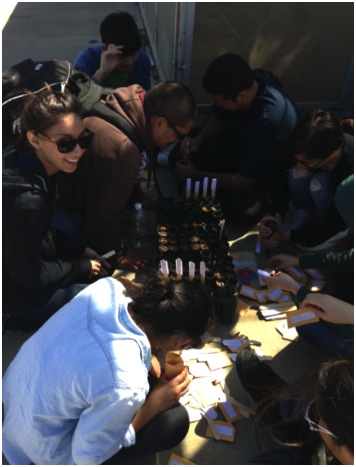
If invaders do better by early arrival and growing, will native species also benefit from being early? Not necessarily, as found in the Early View paper “Priority effects vary with species identity and origin in an experiment varying the timing of seed arrival” by Elsa E. Cleland and co-workers. Below is their summary of the study and a photo of the students helping out with field work.

Studies show that exotic species differ in phenology (i.e. are active at different times in the season) from the native species in the communities they invade. In Southern California many of our common invaders are exotic annual grasses and forbs that germinate earlier with the onset of winter rains than native herbaceous species. Hence, exotic species might benefit from emerging earlier in the season, allowing them to pre-empt space and other resources to suppress later emerging species, a kind of seasonal priority effect. We tested this hypothesis in an experiment varying the “arrival” time of pairs of species, by placing seeds of focal species into pots of field-collected soil either simultaneously or one week apart. In contrast to our expectations, native species benefited from earlier arrival more often than exotic species. An important implication of this finding is that giving native species a long “head start” likely aids in ecological restoration efforts.

Then, if being active early is so beneficial, why don’t native species have earlier phenology? Isn’t there sufficient selective pressure to favor earlier phenology in native species? Two additional aspects of our experiment support this idea. First, our results show that different species have various strength and even direction of priority effects. In diverse communities where the identity of neighbors will differ among individuals in the population, this could dampen directional selection on phenology. Second, we found that no significant disadvantage to arriving later when compared to being planted at the same time as a competitor. Thus, for native species that tend to have later emergence time than exotic competitors, there seem not to earlier emergence, as this still exposes them to similar levels of competition.

A final aspect of our experiment that is noteworthy; it was planted and harvested by 36 students enrolled in an undergraduate Ecology Lab course at the University of California, San Diego taught by the lead author (the co-authors on this manuscript were the Teaching Assistants for the course). Teaching evaluations and surveys showed that the students enjoyed contributing to original research, and the amount of preparation and oversight necessary to ensure data quality was not much greater than for any of the other lab activities where data were not destined for publication; a clear “win-win” for both the faculty and the students. Hence, our results demonstrate the synergies can arise by merging undergraduate teaching with faculty research programs.

Undergraduate students contributed to this study by aiding in both planting and harvesting. Here they are shown planting seeds for species pairs at the start of the experiment.

Undergraduate students contributed to this study by aiding in both planting and harvesting. Here they are shown planting seeds for species pairs at the start of the experiment.