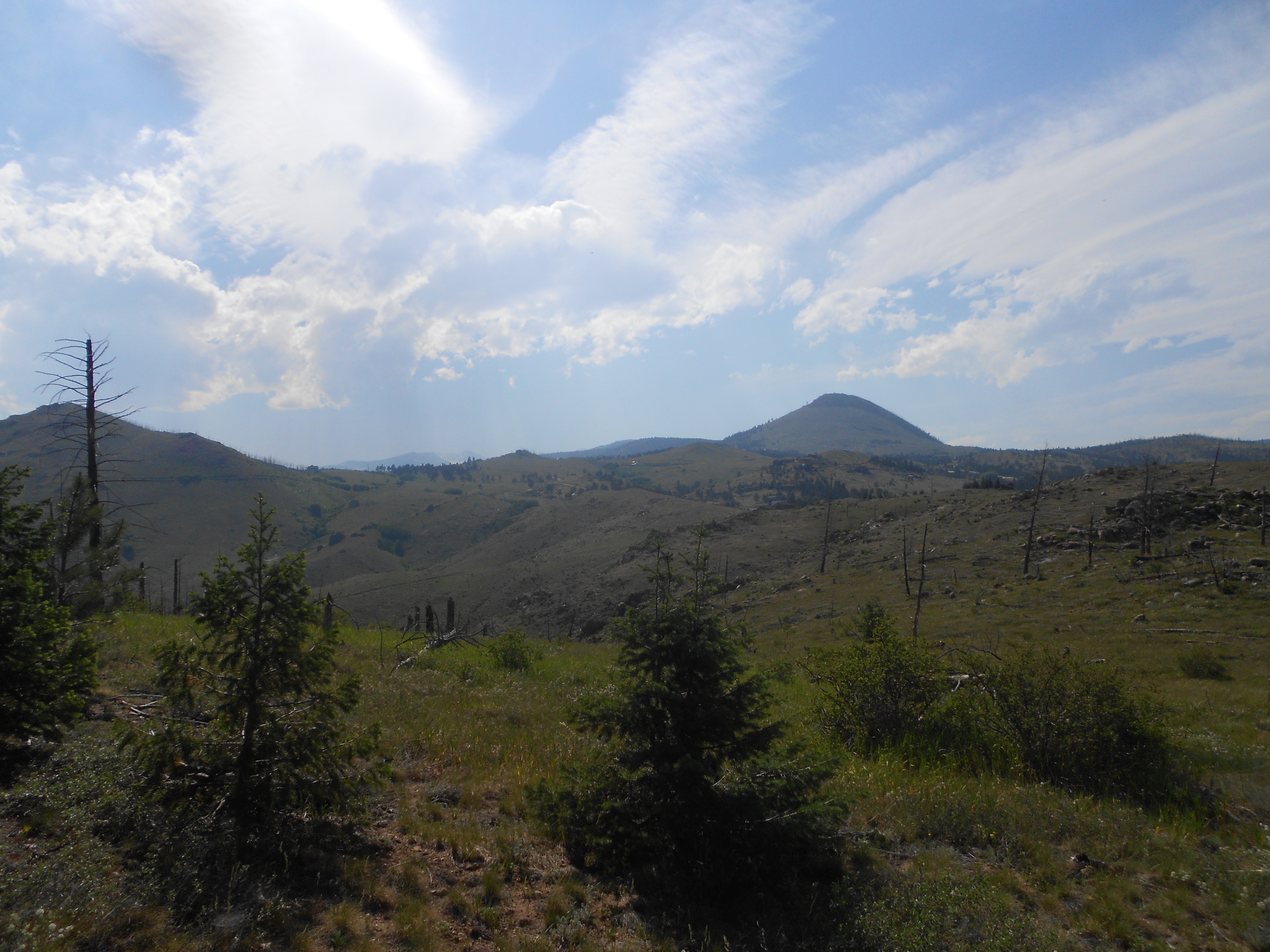
Elevational gradients have become important tools for assessing the effects of temperature changes on vegetation properties, because these gradients enable temperature effects to be considered over larger spatial and temporal scales than is possible through conventional experiments. During the summer of 2012, we collected soils along an elevational gradient on Mount Suorooaivi near Abisko, Sweden for two growth chamber experiments to determine the effects of temperature, soil origin (proxy for soil legacy) and vegetation type on the growth responses of two grass species. The results are published in the Oikos paper “Plant growth response to direct and indirect temperature effects varies by vegetation type and elevation in a subarctic tundra”.
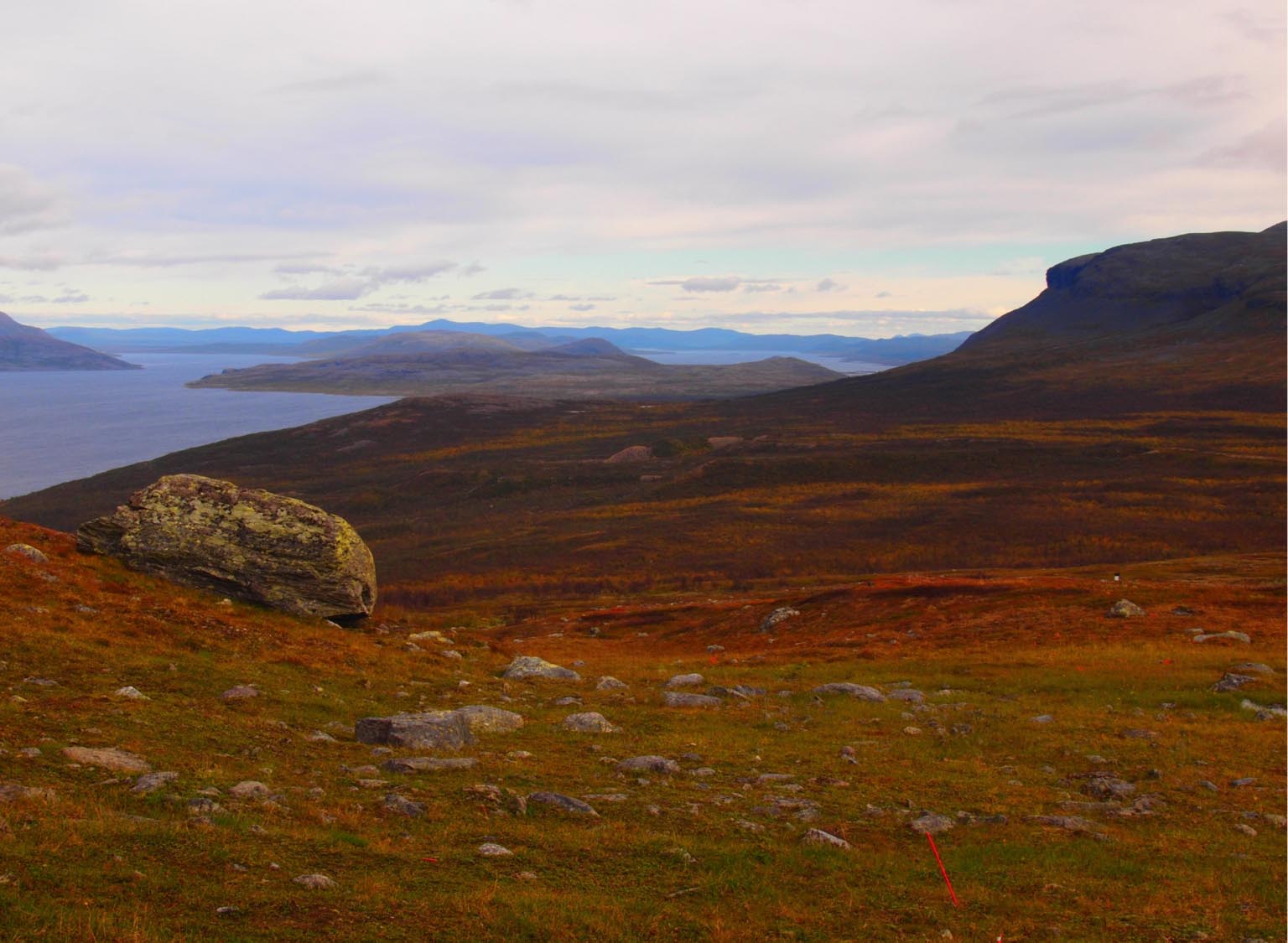
Soils were collected at each of three elevations from each of two vegetation types, specifically heath, dominated by dwarf shrubs, and meadow, dominated by graminoids and herbs. Plants responded to both the direct effect of temperature and its indirect effect via soil legacies, and that direct and indirect effects were largely decoupled. Vegetation type was a major driver of plant response; responses to soils from increasing elevation were stronger and seedlings showed a more linear decline in biomass when grown in meadow as opposed to heath soils.
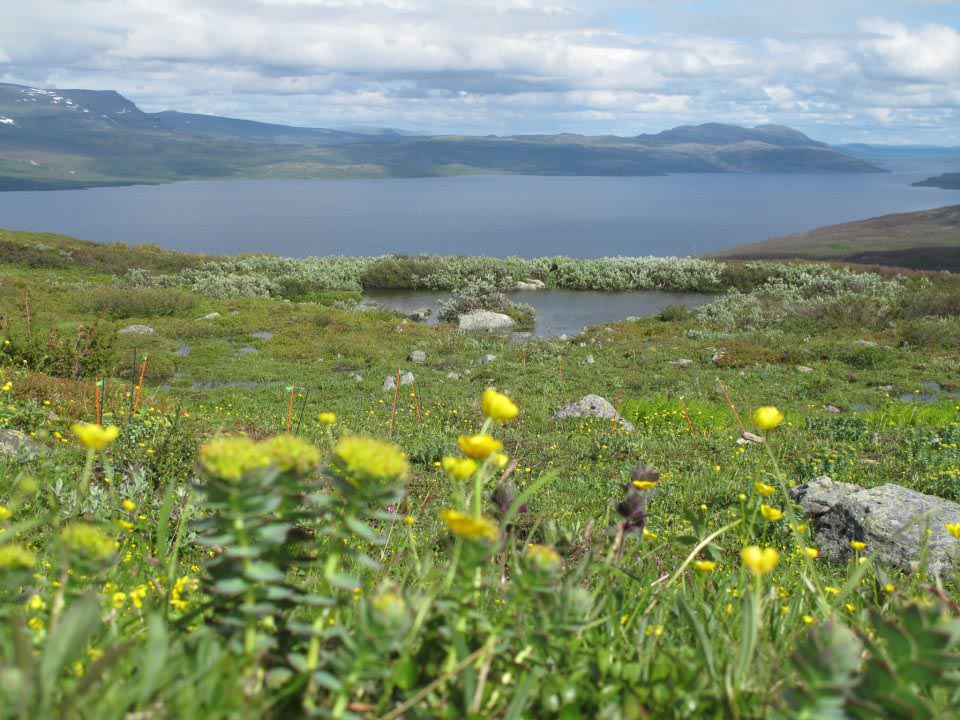
The effect of soil biota on plant growth was independent of elevation, with a positive influence across all elevations regardless of soil origin for meadow soils but not for heath soils. Collectively, the responses of plant growth to soil legacy effects of temperature across the elevational gradient were driven primarily by soil abiotic, and not biotic, factors. These findings demonstrate vegetation type is a strong determinant of how temperature variation across elevational gradients impacts on plant growth, and highlight the need for investigating both direct and indirect effects of temperature on plant responses to future climate change.
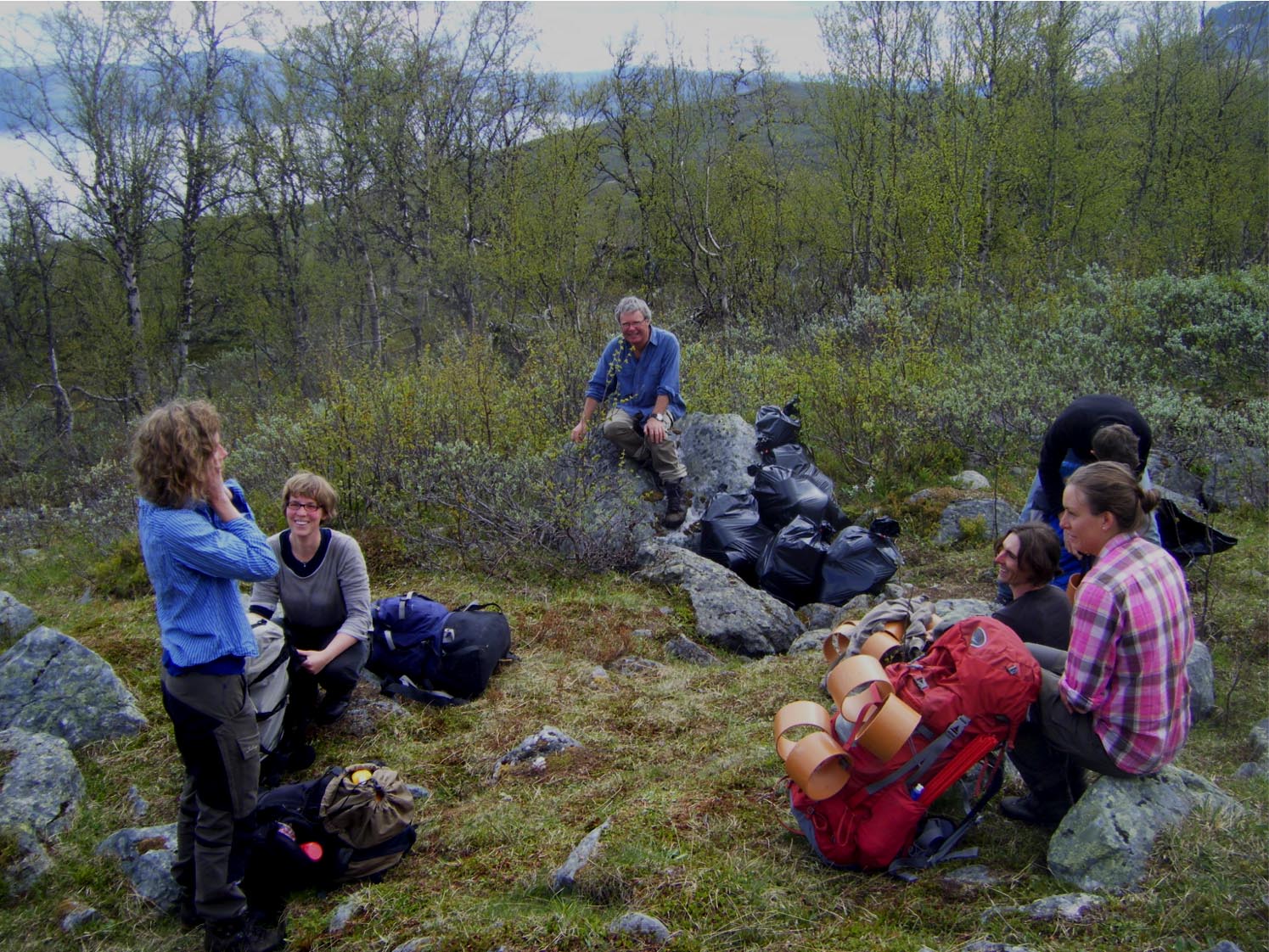
Jonathan de Long and co-workers