Tag Archives: farmers

AI Generated: Global organic market hits all-time high in 2024 – Farmland holds steady at 99 million hectares

Global Organic Market Reaches New Heights in 2024: A Closer Look

Introduction

The global organic market has reached unprecedented levels in 2024, marking a significant milestone in the evolution of sustainable agriculture. With farmland remaining steady at 99 million hectares, the organic sector is not only thriving but also redefining agricultural practices worldwide. This article delves into the implications of these developments, particularly focusing on the Indian agricultural landscape.

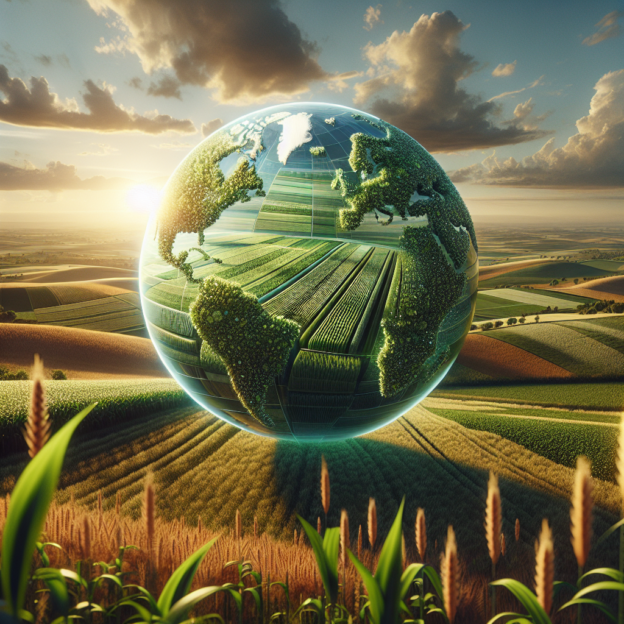
AI Generated: Global organic market hits all-time high in 2024 – Farmland holds steady at 99 million hectares
AI Generated: Global organic market hits all-time high in 2024 – Farmland holds steady at 99 million hectares — Fonte: Wikimedia Commons

Context

The organic market has been on a steady ascent over the past few years, driven by increasing consumer demand for healthier and sustainably produced food. As more individuals become aware of the environmental impact of conventional farming practices, the shift towards organic products has accelerated. In 2024, the global organic market’s record high signifies a pivotal moment wherein the demand for organic produce outstrips supply in many regions.

In India, agriculture remains a cornerstone of the economy, employing over 50% of the workforce and contributing approximately 20.2% to the national GDP, as highlighted in the Indian Economic Survey 2020-21. As the second-largest producer of farm outputs globally, India plays a critical role in the organic movement, showcasing the potential for growth in this sector.

Analysis

The rise of the global organic market can be attributed to several factors, including heightened health consciousness among consumers, environmental concerns, and government initiatives promoting sustainable farming practices. In many countries, there is a growing recognition of the need to transition from conventional farming to organic methods to mitigate the adverse effects of pesticides, fertilizers, and monoculture.

The stability of farmland at 99 million hectares presents both opportunities and challenges. On one hand, the stable land base allows for consistent production levels; on the other, it raises questions about how to meet the surging demand for organic products. The challenge lies in maximizing yield while adhering to organic principles, which often require more labor-intensive practices and longer growing periods.

India’s agricultural policies have begun to reflect this shift towards organic farming. With government programs supporting organic certification and subsidies for organic inputs, there is significant potential for farmers to transition to organic methods. However, accessibility to resources, training, and market infrastructure remains critical for widespread adoption.

Practical Applications

For farmers looking to enter the organic market, several practical steps can be taken to ensure success. First, education and training in organic farming techniques are essential. Farmers must understand crop rotation, soil health, pest management, and organic certification processes.

Investing in organic inputs such as compost, organic fertilizers, and natural pest control methods can enhance productivity while maintaining ecological balance. Additionally, farmers should explore value-added products, like organic jams, juices, or packaged foods, which can increase profitability.

Collaboration among farmers can also lead to better market access. By forming cooperatives, farmers can pool resources for marketing and distribution, making it easier to compete with large agribusinesses. Furthermore, direct-to-consumer sales through farmers’ markets or online platforms can help establish a loyal customer base.

Future Developments

The future of the organic market looks promising, but it is essential to address several key areas to ensure sustained growth. Research and development in organic farming techniques will play a crucial role in enhancing yields without compromising quality. Innovations such as precision farming and sustainable pest management techniques are likely to gain traction.

Additionally, the role of technology cannot be overlooked. Digital platforms are revolutionizing how consumers access organic products. From e-commerce solutions that connect farmers directly with consumers to apps that educate farmers about organic practices, technology is paving the way for a more efficient organic market.

Furthermore, global collaboration towards organic standards can help streamline certification processes and improve market access for farmers worldwide. This would foster a more unified approach to organic agriculture, enhancing the credibility of organic products and potentially leading to increased sales.

Conclusions

The record growth of the global organic market in 2024 reflects a significant shift in consumer preferences and agricultural practices. With farmland holding steady at 99 million hectares, the challenge will be to meet the increasing demand for organic products through sustainable methods. India, with its vast agricultural landscape and workforce, has the potential to lead the charge in organic farming.

As the market continues to evolve, stakeholders must focus on education, collaboration, and innovation to ensure the future of organic agriculture is both prosperous and sustainable. The journey towards a more organic world is not only beneficial for consumers but also crucial for the planet’s health and the livelihood of farmers worldwide.

Frequently Asked Questions (FAQ)

What challenges does Global organic market hits all-time high in 2024 – Farmland holds steady at 99 million hectares present?

In practical terms, it mainly concerns Global organic market hits all-time high in 2024 – Farmland holds steady at 99 million. Understanding this aspect is the first step to mastering Global organic market hits all-time high in 2024 – Farmland holds steady at 99 million hectares.

Why is Global organic market hits all-time high in 2024 – Farmland holds steady at 99 million hectares gaining popularity?

The greatest impact is observed when we consider that of agriculture in India dates back to the Neolithic period. It is interesting to note. This explains much of the current interest.

What exactly does Global organic market hits all-time high in 2024 – Farmland holds steady at 99 million hectares mean?

A key element to consider is that in farm outputs. As per the Indian economic survey 2020–21, agriculture employed more than 50%. Many experts agree on this point when analyzing Global organic market hits all-time high in 2024 – Farmland holds steady at 99 million hectares.

What is the real impact of Global organic market hits all-time high in 2024 – Farmland holds steady at 99 million hectares today?

To study it properly, it is essential to start from real data and observe how trends are evolving in the reference market of Global organic market hits all-time high in 2024 – Farmland holds steady at 99 million hectares.

{
“@context”: “https://schema.org”,
“@type”: “FAQPage”,
“mainEntity”: [
{
“@type”: “Question”,
“name”: “What challenges does Global organic market hits all-time high in 2024 – Farmland holds steady at 99 million hectares present?”,
“acceptedAnswer”: {
“@type”: “Answer”,
“text”: “In practical terms, it mainly concerns Global organic market hits all-time high in 2024 – Farmland holds steady at 99 million. Understanding this aspect is the first step to mastering Global organic market hits all-time high in 2024 – Farmland holds steady at 99 million hectares.”
}
},
{
“@type”: “Question”,
“name”: “Why is Global organic market hits all-time high in 2024 – Farmland holds steady at 99 million hectares gaining popularity?”,
“acceptedAnswer”: {
“@type”: “Answer”,
“text”: “The greatest impact is observed when we consider that of agriculture in India dates back to the Neolithic period. It is interesting to note. This explains much of the current interest.”
}
},
{
“@type”: “Question”,
“name”: “What exactly does Global organic market hits all-time high in 2024 – Farmland holds steady at 99 million hectares mean?”,
“acceptedAnswer”: {
“@type”: “Answer”,
“text”: “A key element to consider is that in farm outputs. As per the Indian economic survey 2020–21, agriculture employed more than 50%. Many experts agree on this point when analyzing Global organic market hits all-time high in 2024 – Farmland holds steady at 99 million hectares.”
}
},
{
“@type”: “Question”,
“name”: “What is the real impact of Global organic market hits all-time high in 2024 – Farmland holds steady at 99 million hectares today?”,
“acceptedAnswer”: {
“@type”: “Answer”,
“text”: “To study it properly, it is essential to start from real data and observe how trends are evolving in the reference market of Global organic market hits all-time high in 2024 – Farmland holds steady at 99 million hectares.”
}
}
]
}

{
“@context”: “https://schema.org”,
“@type”: “Article”,
“headline”: “Global Organic Market Reaches New Heights in 2024: A Closer Look”,
“about”: {
“@type”: “Thing”,
“name”: “Global organic market hits all-time high in 2024 – Farmland holds steady at 99 million hectares”
},
“articleSection”: “eco bio”,
“author”: {
“@type”: “Person”,
“name”: “angelo@percorso.net”
},
“publisher”: {
“@type”: “Organization”,
“name”: “Eco Bio III Millennio”,
“url”: “https://www.ecobio3millennio.com”
},
“datePublished”: “2026-05-09T07:36:02+00:00”,
“dateModified”: “2026-05-09T07:36:02+00:00”
}
AI Generated: The upcoming EU Seed law and its implication for agrobiodiversity

The Upcoming EU Seed Law and Its Implications for Agrobiodiversity

Introduction

The EU Seed Law is poised to reshape the landscape of agriculture in Europe, with far-reaching consequences for agrobiodiversity. As a regulatory framework, it aims to standardize seed quality and availability across member states. However, the implications of this law extend beyond mere compliance; they touch upon the fundamental principles of food security, biodiversity conservation, and sustainable agriculture.

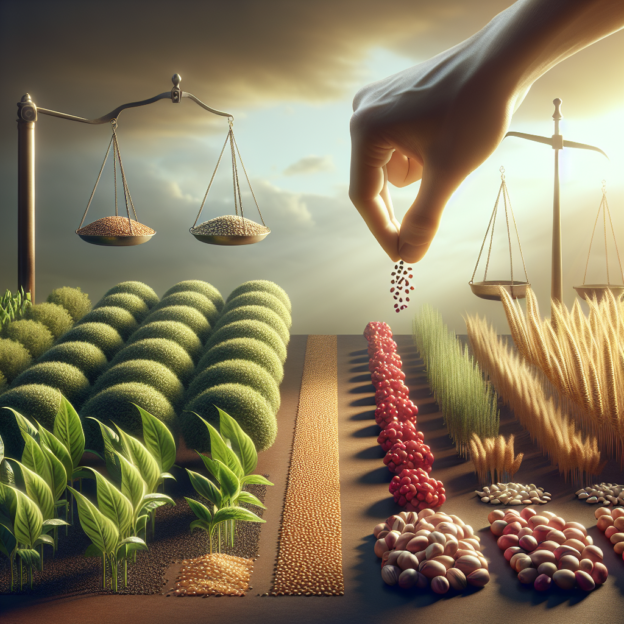
AI Generated: The upcoming EU Seed law and its implication for agrobiodiversity
AI Generated: The upcoming EU Seed law and its implication for agrobiodiversity — Fonte: Wikimedia Commons

Context

Agrobiodiversity refers to the variety of crops, livestock, and genetic resources that are vital for food production, nutrition, and ecosystem health. Historically, European agriculture has relied on a rich tapestry of local and regional varieties, each adapted to specific environments and climates. However, intensification and globalization have led to a significant loss of this diversity. The EU Seed Law aims to address these issues by creating a unified system for seed marketing and distribution, ostensibly to enhance food security and agricultural resilience.

Analysis

The upcoming EU Seed Law will potentially streamline the regulatory process for seed varieties, making it easier for commercial seed producers to bring their products to market. While this may seem beneficial, it raises critical concerns about the long-term implications for agrobiodiversity.

Standardization and Its Risks

One of the key features of the new legislation is the emphasis on standardized seed varieties. This standardization often favors high-yield commercial crops at the expense of traditional and heritage varieties. The focus on a limited number of crops can exacerbate the erosion of agrobiodiversity, as farmers may feel compelled to adopt these standardized varieties to remain competitive. Consequently, unique local varieties that have been cultivated over generations could disappear from agricultural landscapes.

Impact on Smallholder Farmers

Smallholder farmers, who play a crucial role in maintaining agrobiodiversity, are particularly vulnerable to the changes brought about by the EU Seed Law. Many of these farmers rely on local seed varieties that are well-suited to their specific environmental conditions. With new regulations favoring commercial seeds, these farmers may face obstacles in accessing or breeding their preferred varieties. This could lead to a homogenization of crops and a loss of traditional knowledge associated with local farming practices.

Regulatory Challenges

The law introduces complex regulatory requirements that may be difficult for small-scale farmers and seed producers to navigate. The cost of compliance with the new standards may also deter them from continuing to grow diverse crops. Without adequate support and resources, these farmers might abandon local varieties altogether, leading to further declines in agrobiodiversity.

Practical Applications

As the EU Seed Law unfolds, various stakeholders must seek ways to balance the need for regulation with the imperatives of agrobiodiversity conservation. Here are some practical applications and strategies to consider:

Promoting Local Seed Banks

Establishing and supporting local seed banks can serve as a crucial measure to preserve agrobiodiversity. These seed banks can collect, store, and distribute local varieties, ensuring that smallholder farmers have access to seeds that are adapted to their specific environments. Seed banks can also play an educational role, raising awareness about the importance of biodiversity in agriculture.

Advocacy and Policy Influence

Farmers, NGOs, and environmental organizations can work together to influence policy decisions regarding the EU Seed Law. Advocacy efforts should focus on ensuring that local varieties are recognized and supported within the regulatory framework. This might involve lobbying for exemptions or simplified regulations for small-scale producers and local varieties.

Research and Development

Investing in research to develop resilient and diverse crop varieties will be essential. Collaborations between agricultural research institutions, universities, and local communities can foster the development of seed varieties that not only meet market demands but also contribute to biodiversity conservation.

Future Developments

The EU Seed Law is likely to continue evolving as it is implemented and assessed. Future developments may include:

Increased Collaboration

Cross-border cooperation among EU member states could lead to a more integrated approach to agrobiodiversity. Sharing best practices, resources, and data will be essential in addressing the challenges posed by the new legislation.

Adaptation of Regulations

As the impacts of the law become clearer, there may be opportunities for adaptations to the regulatory framework. Policymakers may need to implement adjustments that allow for the preservation of local varieties while still meeting the objectives of quality and safety.

Conclusions

The upcoming EU Seed Law represents a significant shift in agricultural policy that carries both opportunities and challenges for agrobiodiversity. While the intention behind the law is to enhance food security and standardize seed quality, the potential risks to local varieties and smallholder farmers cannot be overlooked. A balanced approach that values both agricultural productivity and biodiversity will be crucial for ensuring sustainable food systems in Europe. Stakeholders must remain vigilant and proactive in advocating for the preservation of agrobiodiversity as the new regulations take shape.

Frequently Asked Questions (FAQ)

How does The upcoming EU Seed law and its implication for agrobiodiversity work in practice?

In practical terms, it mainly concerns The upcoming EU Seed law and its implication for agrobiodiversity  Bio Eco Actual. Understanding this aspect is the first step to mastering The upcoming EU Seed law and its implication for agrobiodiversity.

What are the benefits related to The upcoming EU Seed law and its implication for agrobiodiversity?

The greatest impact is observed when we consider that dynamics are changing rapidly. This explains much of the current interest.

Who should be interested in The upcoming EU Seed law and its implication for agrobiodiversity?

A key element to consider is that a methodical approach makes the difference. Many experts agree on this point when analyzing The upcoming EU Seed law and its implication for agrobiodiversity.

What challenges does The upcoming EU Seed law and its implication for agrobiodiversity present?

To study it properly, it is essential to start from real data and observe how trends are evolving in the reference market of The upcoming EU Seed law and its implication for agrobiodiversity.

{
“@context”: “https://schema.org”,
“@type”: “FAQPage”,
“mainEntity”: [
{
“@type”: “Question”,
“name”: “How does The upcoming EU Seed law and its implication for agrobiodiversity work in practice?”,
“acceptedAnswer”: {
“@type”: “Answer”,
“text”: “In practical terms, it mainly concerns The upcoming EU Seed law and its implication for agrobiodiversity  Bio Eco Actual. Understanding this aspect is the first step to mastering The upcoming EU Seed law and its implication for agrobiodiversity.”
}
},
{
“@type”: “Question”,
“name”: “What are the benefits related to The upcoming EU Seed law and its implication for agrobiodiversity?”,
“acceptedAnswer”: {
“@type”: “Answer”,
“text”: “The greatest impact is observed when we consider that dynamics are changing rapidly. This explains much of the current interest.”
}
},
{
“@type”: “Question”,
“name”: “Who should be interested in The upcoming EU Seed law and its implication for agrobiodiversity?”,
“acceptedAnswer”: {
“@type”: “Answer”,
“text”: “A key element to consider is that a methodical approach makes the difference. Many experts agree on this point when analyzing The upcoming EU Seed law and its implication for agrobiodiversity.”
}
},
{
“@type”: “Question”,
“name”: “What challenges does The upcoming EU Seed law and its implication for agrobiodiversity present?”,
“acceptedAnswer”: {
“@type”: “Answer”,
“text”: “To study it properly, it is essential to start from real data and observe how trends are evolving in the reference market of The upcoming EU Seed law and its implication for agrobiodiversity.”
}
}
]
}

{
“@context”: “https://schema.org”,
“@type”: “Article”,
“headline”: “The Upcoming EU Seed Law and Its Implications for Agrobiodiversity”,
“about”: {
“@type”: “Thing”,
“name”: “The upcoming EU Seed law and its implication for agrobiodiversity”
},
“articleSection”: “eco bio”,
“author”: {
“@type”: “Person”,
“name”: “angelo@percorso.net”
},
“publisher”: {
“@type”: “Organization”,
“name”: “Eco Bio III Millennio”,
“url”: “https://www.ecobio3millennio.com”
},
“datePublished”: “2026-04-25T07:35:35+00:00”,
“dateModified”: “2026-04-25T07:35:35+00:00”
}

Occupy agriculture! Polish farmers sit in for land and freedom Updated for 2026


Something rather remarkable is happening in the middle of Poland’s capital, Warsaw, and it’s not exactly a capital city spectacle. In fact, rather the opposite.

Tucked-away under a line of trees, opposite the Prime Minister’s Palace in Central Warsaw, is a small ramshackle camp, comprising two tents, a Second World War wood fired mobile cooking apparatus, some chairs and benches, a pile of logs and a number of banners, posters and logos.

This is ‘Green City’ a symbolic and actual site of occupation by farmers fighting to save their livelihood and way of life. At the time of writing, it is in its 28th day of existence – and it isn’t planning on going anywhere.

That’s in spite of the fact that it is illegal, and suffering under a daily fine imposed by the Polish government. A fine which is, in many ways, a small replication of what is happening on a much bigger scale to farming communities throughout the European Economic Community and beyond.

At Green City, a name affectionately bequeathed upon the camp site by local Warsaw well-wishers, the fourth shift is taking place. A group of 30 farmers is replacing another similar sized group which has been ‘in residence’ for the last week.

Sustained by vegetable soup and gifts of food

A huddle of farmers gather around as hot vegetable soup is served from the wood fired dispenser. Conversations break-out with supporters who arrive sporadically with gifts of food and other items.

In amongst the protesting farmers is Edward Kosmal, the owner of a mixed family farm in Zachodniopomorskie Province in North West Poland, and leader of the resistance to the ‘land grabs’ that are taking place there.

A strongly built, quiet and thoughtful man, Kosmal has resolutely refused to give-in to government intransigence and deafness to the farmer’s calls for fair treatment. His emergence as farmer’s leader is both welcome and necessary.

A steady and determined hand on the helm is critical to the staying power of this grass roots uprising which has already been hailed as the single largest farmers protest to have ever taken place in Poland. Cometh the hour, cometh the man.

In February, 6,000 farmers (see photo) marched through central Warsaw to the very spot where the ‘Green City’ now stands. Its inauguration took place on that day.

The Academy of Self-Sufficiency and Health

On the other side of the road from the camp, a military police officer stands impassively in front of the main entrance to the Prime Minister’s vast Palace. Other police patrol slowly up and down, keeping a wary eye on the activities that bubble up at the Green City camp site.

One such activity is the birth of the ‘Academy of Self Sufficiency and Health’, a series of workshops, slide shows and films, demonstrating the practical techniques of self-sufficiency. These are presented by enthusiastic farmers and their supporters – who strongly oppose the globalisation of food and farming under vast transnational agribusiness corporations.

The agi-corporations, they say, cream off any profits to be made in the agriculture sector so as to enlarge their empires at the expense of the small and medium sized family farmers who uphold the traditions of good land management practices and nourishing, wholesome foods.

And these foods are in consequence increasingly hard to find – and certainly never make it onto the shelves of the ubiquitous super and hypermarkets that have come to dominate Polish retailing, in just the same way as they have in North America and Western Europe.

The farmers who squat down beside a log fire, a welcome source of warmth during the cold Polish nights, listen to the talks with a growing curiosity. They are here because the land that they and their families wish to farm, in perpetuity, is being stolen from under their feet.

Stolen by a government that is more interested in the profits to be made by selling-off its prime agricultural land to the highest foreign bidder, than retaining it for indigenous farmers to ply their trade and keep the nation fed with the ‘real foods’ that Poland is famous for. These farmers are no longer prepared to see their lives ruined by short-term profit hunters.

They have been steadily stepping-up their protests for three years now. Blocking the government land agencies responsible for doing the deals that undermine their futures.

Land grabs stealing farmers’ land, and futures

In the streets of Szczecin, a large market town in Zachodniopomorskie Province, farmers picket the main regional land agency, while on surrounding roads their tractors have kept-up a regular convoy, Polish flags fluttering from their cabs and poster messages stuck in the windows.

The public is broadly with them. Some 80% of the land area in some regions of Zachodniopomorskie have already been sold-off, according to Edward Kosmal. Another farmer added: “I woke up in the morning to find I had Danish and German neighbours.”

An estimated 70% of citizens of Szczecin have come out in support. They see what’s happening and fear a total take-over once the buying of Polish farmland by foreigners becomes legal in 2016.

With the support of The International Coalition to Protect the Polish Countryside, the farmers added two further demands to the Polish government: to establish a proper, legally enforced ban of GM crops and seeds; and to end the exceptionally harsh regulations that demand registration, licensing and separate processing premises before any farmhouse foods can be legally sold to the Polish public.

Then there are further demands, made by hard-pressed farmers from East Poland, that they be compensated for deeply unfair historical milk quota allocations that have left many dairy farmers with no internal demand for their dairy products, as cheap imports pour in from Western European Countries with two or three times higher quota allocations.

There are also demands for proper land inheritance regulations and compensation for being victims of the Russian embargo of Polish and EU foods. An embargo established as a counter to the EU penalising Russia for illicit actions that it accused Putin of carrying out in Ukraine.

Uncontrolled wild pig damage to large areas of crops is yet another problem that has negatively impacted upon farmers’ incomes. In Poland, farmers cannot carry guns and all hunting and vermin control is carried out by government employed registered gamekeepers.

Edward Kosmal explained how nearly all farmers in his area (and it’s broadly true across Poland) are heavily in debt to the banks they took out loans with, so as to purchase modern tractors and other farm equipment suitable for the commercial farming enterprises they were encouraged to undertake when Poland joined the EU in 2004.

Locked into western corporate agribusiness

The advice to go for debt-fuelled growth came from Government Advice Offices for farmers, which espouse the ‘restructuring’ of farms so as to fit the typical Western European agribusiness model.

Hence the drive for increased export-led production with its attendant knock-on effect of more monocultural farming practices, higher synthetic fertilizer applications, more pesticides and ever bigger and more expensive farm machinery.

The financial pressures that this aggressive push for higher export revenue puts on farmers who have borrowed heavily in order to fulfil these recommendations – are ubiquitous throughout farming communities from one end of the world to another. They hardly ever lead to sustained higher incomes to the farmer, as costs regularly outweigh returns and (in Europe) only EU subsidies keep the farms from bankruptcy.

In the UK, this situation has led to one farmer taking his life every two weeks, rather than witness his life’s work taken away by the bank to whom his farm is indebted. In Poland, the subsidies are smaller, in accordance with the size of the farms, but also due to the fact that they are only paid at 50% percent of the rate received in Western Europe.

Manacled by debt, how to escape the treadmill?

Back at Green City’s Academy of Self-Sufficiency and Health, the discussion comes around to this global debacle that Polish farmers now find themselves swept-up in.

Poland’s EU membership and pro EU government mean that officialdom fully espouses the capitalist neo-liberal free-trade model that leads to globalised factory farms supplying the dominant supermarket chains – while decimating the health and diversity of the natural environment with vast sterile monocultures.

One can appreciate why there are some intensely serious expressions on the faces of the participating farmers. After all, Poland remains one of the last bastions in Europe of large numbers of small scale, semi self-sufficient farmsteads. They still number around one million with an average size of just seven hectares.

These small farms are synonymous with the non-commercialised, low input and biodiverse characteristics of pre-EU agriculture. These typical self-sufficient family farms  have now been trampled on by the European Union’s utterly insensitive common agricultural policy (CAP).

Those who followed the government’s advice to expand and commercialize – the hallmark of ‘restructured’ EU farming incentives – are faced by the unpalatable probability that their bank loan-supported expansion efforts have simply driven them onto a tread-mill – one which makes them slaves to the corporate / government / Brussels ‘Troika’, and ensures that the independence and freedom they once enjoyed has become a rapidly fading dream.

A future freed from slavery?

But maybe this is not, after all, the end of the story. The spontaneous arrival at Green City of the clandestine Academy of Self-Sufficiency and Health, has brought into focus a vision both new and old that just could be exactly what the doctor ordered; not just for Poland, but for struggling farmers everywhere.

At its heart is a renewed commitment to supplying the nation, the region and the local community with home grown ‘real foods’, produced by time honoured methods that bring genuine health back to the soils, plants, animals and humans that are the true beneficiaries of a caring and benign approach – and a determination to free the nation from the chemical, GMO and synthetic food killer fixes that threaten to achieve a complete corporate dominance of the globalized food chain.

Have we arrived at a turning point? One which exposes the failed model of the profit driven, tax payer subsidised, monocultural madness that has brought mankind to the edge of a cliff – beyond which lies complete ruination?

In early March, ICPPC leaders Jadwiga Lopata and I delivered two loaves of ‘legal’ chemically enriched ‘USA style’ style plastic wrapped white bread to Prime Minister Ewa Kopacz. A week earlier, accompanied by the Solidarity Farmer’s Union chief, we had offered her a basket of ‘illegal’ real farm food’ with a letter demanding a change to the regulation that criminalises such foods and the farmers that produce them.

The USA style white loaves were a reward for her failure to respond. They were accompanied by a letter explaining this, signed by ICPPC’s President.

We aren’t giving-up. Spring sunshine is replacing the cold grey days of winter. Soon the farmers will have to return to the fields to plant their crops. But the resistance will not come to an end. We’re all in it for the long-term.

The Academy of Self-Sufficiency and Health, planted as it is at the heart of this resistance camp, will bring into all our minds the possibility of a life in which we are no longer slaves to the insentient and power obsessed Brussels, corporate, government cabal.

We can, and will, once again become independent farmers, supporting and supported by the communities in which we grow and share our real farm foods.


Julian Rose is an early pioneer of UK organic farming, writer, broadcaster and activist. He is currently the President of the International Coalition to Protect the Polish Countryside. His most recent book ‘In Defence of Life – A Radical Reworking of Green wisdom’ is published by Earth Books. Julian’s website is www.julianrose.info.


391424

Meat boom propels China’s ecosystems into total collapse Updated for 2026


China’s push for more intense farming has kept its city dwellers well-fed and helped lift millions of rural workers out of poverty. But it has come at a cost.

Ecosystems in what should be one of the country’s most fertile region have already been badly damaged – some beyond repair – and the consequences will be felt across the world.

This is part of a long-running trade-off between rising levels of food production and a deteriorating environment, revealed in recent research I conducted with colleagues from China and the UK.

Yields of crops and fish have risen over the past 60 years at several locations we studied in Anhui, Jiangsu and Shanghai Provinces in eastern China. But these are parallelled by long-term trends in poorer air and water quality, and reduced soil stability.

You may ask if this a bad thing. After all, increasing agricultural productivity has been one of the factors responsible for lifting millions of rural Chinese out of poverty. Does it really matter that the natural environment has taken a bit of a hit?

Well yes. For agriculture and aquaculture to be sustainable from one generation to the next, the natural processes that stabilise soils, purify water or store carbon have to be maintained in stable states. These natural processes represent benefits for society, known as ecosystem services.

‘Green revolution’ technologies tip the balance to perdition

Throughout the latter half of the last century, these services were being lost relatively slowly through the cumulative, everyday actions of individual farmers.

But the problems accelerated in the 1980s when farmers began to use more intensive methods, especially artificial fertilisers – and again after 2004 when subsidies were introduced.

Worryingly, in some localities, the slow deterioration has turned into a rapid downward spiral. Some aquatic ecosystems have dropped over tipping points into new, undesirable states where clear lakes suddenly become dominated by green algae with losses of high-value fish.

These new states are not just detrimental to the continued high-level production of crops and fish but are very difficult and expensive to restore.

These natural processes are degraded and destabilised to the point that they cannot be depended upon to support intensive agriculture in the near future. The whole region is losing its ability to withstand the impact of extreme events, from typhoons to global commodity prices.

What can be done?

National policy must prioritise sustainable agriculture. This will mean big changes on the farm: fertiliser and pesticides must be applied in the correct quantities at the right time of the year, cattle slurry and human sewage must be disposed of properly, chemicals getting into streams and rivers must be reduced, and fish feed has to be controlled.

Unfortunately, this is easier said than done. Farmers are still generally poor, badly educated and ageing. Good agricultural advice is lacking and big cities still tempt the younger farmers away from their fields. All these factors mean that rapid action is unlikely.

The recent introduction of the Land Circulation reform policy, allows farmers to rent their land to larger combines. The policy is designed to overcome the inefficiencies of small farm holdings but it may not be taken up widely in the more marginal landscapes where potential profits are low.

All the evidence points to a need for a significantly improved system of information and technology transfer to individual smallholders, probably involving a more efficient coordination between agencies.

The problem is global

But there’s a larger-scale context to this problem that may affect us all. China’s grain production has risen fivefold since the 1950s, outstripping the pace of population growth. Despite this, the nation is no longer self-sufficient.

The shift towards more meat production has placed a demand for soybean and cereal animal feed that can no longer be met internally. In 2012, China imported more than 60% of all the world’s soybeans that were available for export, and cereal imports are also on the up.

Reliance on imports to fill a shortfall in home produce is nothing new. But in China’s case, the additional risk that agriculture is increasingly unsustainable may amplify the demand. The potential scale of demand for imports is bound to have repercussions for global food production and food prices.

Unless reforms are introduced quickly, the rest of the world may well find that they are sharing China’s trade-off with nature – through the weekly shopping bill.


John Dearing is Professor of Physical Geography at the University of Southampton.

This article was originally published on The Conversation. Read the original article.

The Conversation


390879

Meat boom propels China’s ecosystems into total collapse Updated for 2026


China’s push for more intense farming has kept its city dwellers well-fed and helped lift millions of rural workers out of poverty. But it has come at a cost.

Ecosystems in what should be one of the country’s most fertile region have already been badly damaged – some beyond repair – and the consequences will be felt across the world.

This is part of a long-running trade-off between rising levels of food production and a deteriorating environment, revealed in recent research I conducted with colleagues from China and the UK.

Yields of crops and fish have risen over the past 60 years at several locations we studied in Anhui, Jiangsu and Shanghai Provinces in eastern China. But these are parallelled by long-term trends in poorer air and water quality, and reduced soil stability.

You may ask if this a bad thing. After all, increasing agricultural productivity has been one of the factors responsible for lifting millions of rural Chinese out of poverty. Does it really matter that the natural environment has taken a bit of a hit?

Well yes. For agriculture and aquaculture to be sustainable from one generation to the next, the natural processes that stabilise soils, purify water or store carbon have to be maintained in stable states. These natural processes represent benefits for society, known as ecosystem services.

‘Green revolution’ technologies tip the balance to perdition

Throughout the latter half of the last century, these services were being lost relatively slowly through the cumulative, everyday actions of individual farmers.

But the problems accelerated in the 1980s when farmers began to use more intensive methods, especially artificial fertilisers – and again after 2004 when subsidies were introduced.

Worryingly, in some localities, the slow deterioration has turned into a rapid downward spiral. Some aquatic ecosystems have dropped over tipping points into new, undesirable states where clear lakes suddenly become dominated by green algae with losses of high-value fish.

These new states are not just detrimental to the continued high-level production of crops and fish but are very difficult and expensive to restore.

These natural processes are degraded and destabilised to the point that they cannot be depended upon to support intensive agriculture in the near future. The whole region is losing its ability to withstand the impact of extreme events, from typhoons to global commodity prices.

What can be done?

National policy must prioritise sustainable agriculture. This will mean big changes on the farm: fertiliser and pesticides must be applied in the correct quantities at the right time of the year, cattle slurry and human sewage must be disposed of properly, chemicals getting into streams and rivers must be reduced, and fish feed has to be controlled.

Unfortunately, this is easier said than done. Farmers are still generally poor, badly educated and ageing. Good agricultural advice is lacking and big cities still tempt the younger farmers away from their fields. All these factors mean that rapid action is unlikely.

The recent introduction of the Land Circulation reform policy, allows farmers to rent their land to larger combines. The policy is designed to overcome the inefficiencies of small farm holdings but it may not be taken up widely in the more marginal landscapes where potential profits are low.

All the evidence points to a need for a significantly improved system of information and technology transfer to individual smallholders, probably involving a more efficient coordination between agencies.

The problem is global

But there’s a larger-scale context to this problem that may affect us all. China’s grain production has risen fivefold since the 1950s, outstripping the pace of population growth. Despite this, the nation is no longer self-sufficient.

The shift towards more meat production has placed a demand for soybean and cereal animal feed that can no longer be met internally. In 2012, China imported more than 60% of all the world’s soybeans that were available for export, and cereal imports are also on the up.

Reliance on imports to fill a shortfall in home produce is nothing new. But in China’s case, the additional risk that agriculture is increasingly unsustainable may amplify the demand. The potential scale of demand for imports is bound to have repercussions for global food production and food prices.

Unless reforms are introduced quickly, the rest of the world may well find that they are sharing China’s trade-off with nature – through the weekly shopping bill.


John Dearing is Professor of Physical Geography at the University of Southampton.

This article was originally published on The Conversation. Read the original article.

The Conversation


390879

Meat boom propels China’s ecosystems into total collapse Updated for 2026


China’s push for more intense farming has kept its city dwellers well-fed and helped lift millions of rural workers out of poverty. But it has come at a cost.

Ecosystems in what should be one of the country’s most fertile region have already been badly damaged – some beyond repair – and the consequences will be felt across the world.

This is part of a long-running trade-off between rising levels of food production and a deteriorating environment, revealed in recent research I conducted with colleagues from China and the UK.

Yields of crops and fish have risen over the past 60 years at several locations we studied in Anhui, Jiangsu and Shanghai Provinces in eastern China. But these are parallelled by long-term trends in poorer air and water quality, and reduced soil stability.

You may ask if this a bad thing. After all, increasing agricultural productivity has been one of the factors responsible for lifting millions of rural Chinese out of poverty. Does it really matter that the natural environment has taken a bit of a hit?

Well yes. For agriculture and aquaculture to be sustainable from one generation to the next, the natural processes that stabilise soils, purify water or store carbon have to be maintained in stable states. These natural processes represent benefits for society, known as ecosystem services.

‘Green revolution’ technologies tip the balance to perdition

Throughout the latter half of the last century, these services were being lost relatively slowly through the cumulative, everyday actions of individual farmers.

But the problems accelerated in the 1980s when farmers began to use more intensive methods, especially artificial fertilisers – and again after 2004 when subsidies were introduced.

Worryingly, in some localities, the slow deterioration has turned into a rapid downward spiral. Some aquatic ecosystems have dropped over tipping points into new, undesirable states where clear lakes suddenly become dominated by green algae with losses of high-value fish.

These new states are not just detrimental to the continued high-level production of crops and fish but are very difficult and expensive to restore.

These natural processes are degraded and destabilised to the point that they cannot be depended upon to support intensive agriculture in the near future. The whole region is losing its ability to withstand the impact of extreme events, from typhoons to global commodity prices.

What can be done?

National policy must prioritise sustainable agriculture. This will mean big changes on the farm: fertiliser and pesticides must be applied in the correct quantities at the right time of the year, cattle slurry and human sewage must be disposed of properly, chemicals getting into streams and rivers must be reduced, and fish feed has to be controlled.

Unfortunately, this is easier said than done. Farmers are still generally poor, badly educated and ageing. Good agricultural advice is lacking and big cities still tempt the younger farmers away from their fields. All these factors mean that rapid action is unlikely.

The recent introduction of the Land Circulation reform policy, allows farmers to rent their land to larger combines. The policy is designed to overcome the inefficiencies of small farm holdings but it may not be taken up widely in the more marginal landscapes where potential profits are low.

All the evidence points to a need for a significantly improved system of information and technology transfer to individual smallholders, probably involving a more efficient coordination between agencies.

The problem is global

But there’s a larger-scale context to this problem that may affect us all. China’s grain production has risen fivefold since the 1950s, outstripping the pace of population growth. Despite this, the nation is no longer self-sufficient.

The shift towards more meat production has placed a demand for soybean and cereal animal feed that can no longer be met internally. In 2012, China imported more than 60% of all the world’s soybeans that were available for export, and cereal imports are also on the up.

Reliance on imports to fill a shortfall in home produce is nothing new. But in China’s case, the additional risk that agriculture is increasingly unsustainable may amplify the demand. The potential scale of demand for imports is bound to have repercussions for global food production and food prices.

Unless reforms are introduced quickly, the rest of the world may well find that they are sharing China’s trade-off with nature – through the weekly shopping bill.


John Dearing is Professor of Physical Geography at the University of Southampton.

This article was originally published on The Conversation. Read the original article.

The Conversation


390879

Meat boom propels China’s ecosystems into total collapse Updated for 2026


China’s push for more intense farming has kept its city dwellers well-fed and helped lift millions of rural workers out of poverty. But it has come at a cost.

Ecosystems in what should be one of the country’s most fertile region have already been badly damaged – some beyond repair – and the consequences will be felt across the world.

This is part of a long-running trade-off between rising levels of food production and a deteriorating environment, revealed in recent research I conducted with colleagues from China and the UK.

Yields of crops and fish have risen over the past 60 years at several locations we studied in Anhui, Jiangsu and Shanghai Provinces in eastern China. But these are parallelled by long-term trends in poorer air and water quality, and reduced soil stability.

You may ask if this a bad thing. After all, increasing agricultural productivity has been one of the factors responsible for lifting millions of rural Chinese out of poverty. Does it really matter that the natural environment has taken a bit of a hit?

Well yes. For agriculture and aquaculture to be sustainable from one generation to the next, the natural processes that stabilise soils, purify water or store carbon have to be maintained in stable states. These natural processes represent benefits for society, known as ecosystem services.

‘Green revolution’ technologies tip the balance to perdition

Throughout the latter half of the last century, these services were being lost relatively slowly through the cumulative, everyday actions of individual farmers.

But the problems accelerated in the 1980s when farmers began to use more intensive methods, especially artificial fertilisers – and again after 2004 when subsidies were introduced.

Worryingly, in some localities, the slow deterioration has turned into a rapid downward spiral. Some aquatic ecosystems have dropped over tipping points into new, undesirable states where clear lakes suddenly become dominated by green algae with losses of high-value fish.

These new states are not just detrimental to the continued high-level production of crops and fish but are very difficult and expensive to restore.

These natural processes are degraded and destabilised to the point that they cannot be depended upon to support intensive agriculture in the near future. The whole region is losing its ability to withstand the impact of extreme events, from typhoons to global commodity prices.

What can be done?

National policy must prioritise sustainable agriculture. This will mean big changes on the farm: fertiliser and pesticides must be applied in the correct quantities at the right time of the year, cattle slurry and human sewage must be disposed of properly, chemicals getting into streams and rivers must be reduced, and fish feed has to be controlled.

Unfortunately, this is easier said than done. Farmers are still generally poor, badly educated and ageing. Good agricultural advice is lacking and big cities still tempt the younger farmers away from their fields. All these factors mean that rapid action is unlikely.

The recent introduction of the Land Circulation reform policy, allows farmers to rent their land to larger combines. The policy is designed to overcome the inefficiencies of small farm holdings but it may not be taken up widely in the more marginal landscapes where potential profits are low.

All the evidence points to a need for a significantly improved system of information and technology transfer to individual smallholders, probably involving a more efficient coordination between agencies.

The problem is global

But there’s a larger-scale context to this problem that may affect us all. China’s grain production has risen fivefold since the 1950s, outstripping the pace of population growth. Despite this, the nation is no longer self-sufficient.

The shift towards more meat production has placed a demand for soybean and cereal animal feed that can no longer be met internally. In 2012, China imported more than 60% of all the world’s soybeans that were available for export, and cereal imports are also on the up.

Reliance on imports to fill a shortfall in home produce is nothing new. But in China’s case, the additional risk that agriculture is increasingly unsustainable may amplify the demand. The potential scale of demand for imports is bound to have repercussions for global food production and food prices.

Unless reforms are introduced quickly, the rest of the world may well find that they are sharing China’s trade-off with nature – through the weekly shopping bill.


John Dearing is Professor of Physical Geography at the University of Southampton.

This article was originally published on The Conversation. Read the original article.

The Conversation


390879

Meat boom propels China’s ecosystems into total collapse Updated for 2026


China’s push for more intense farming has kept its city dwellers well-fed and helped lift millions of rural workers out of poverty. But it has come at a cost.

Ecosystems in what should be one of the country’s most fertile region have already been badly damaged – some beyond repair – and the consequences will be felt across the world.

This is part of a long-running trade-off between rising levels of food production and a deteriorating environment, revealed in recent research I conducted with colleagues from China and the UK.

Yields of crops and fish have risen over the past 60 years at several locations we studied in Anhui, Jiangsu and Shanghai Provinces in eastern China. But these are parallelled by long-term trends in poorer air and water quality, and reduced soil stability.

You may ask if this a bad thing. After all, increasing agricultural productivity has been one of the factors responsible for lifting millions of rural Chinese out of poverty. Does it really matter that the natural environment has taken a bit of a hit?

Well yes. For agriculture and aquaculture to be sustainable from one generation to the next, the natural processes that stabilise soils, purify water or store carbon have to be maintained in stable states. These natural processes represent benefits for society, known as ecosystem services.

‘Green revolution’ technologies tip the balance to perdition

Throughout the latter half of the last century, these services were being lost relatively slowly through the cumulative, everyday actions of individual farmers.

But the problems accelerated in the 1980s when farmers began to use more intensive methods, especially artificial fertilisers – and again after 2004 when subsidies were introduced.

Worryingly, in some localities, the slow deterioration has turned into a rapid downward spiral. Some aquatic ecosystems have dropped over tipping points into new, undesirable states where clear lakes suddenly become dominated by green algae with losses of high-value fish.

These new states are not just detrimental to the continued high-level production of crops and fish but are very difficult and expensive to restore.

These natural processes are degraded and destabilised to the point that they cannot be depended upon to support intensive agriculture in the near future. The whole region is losing its ability to withstand the impact of extreme events, from typhoons to global commodity prices.

What can be done?

National policy must prioritise sustainable agriculture. This will mean big changes on the farm: fertiliser and pesticides must be applied in the correct quantities at the right time of the year, cattle slurry and human sewage must be disposed of properly, chemicals getting into streams and rivers must be reduced, and fish feed has to be controlled.

Unfortunately, this is easier said than done. Farmers are still generally poor, badly educated and ageing. Good agricultural advice is lacking and big cities still tempt the younger farmers away from their fields. All these factors mean that rapid action is unlikely.

The recent introduction of the Land Circulation reform policy, allows farmers to rent their land to larger combines. The policy is designed to overcome the inefficiencies of small farm holdings but it may not be taken up widely in the more marginal landscapes where potential profits are low.

All the evidence points to a need for a significantly improved system of information and technology transfer to individual smallholders, probably involving a more efficient coordination between agencies.

The problem is global

But there’s a larger-scale context to this problem that may affect us all. China’s grain production has risen fivefold since the 1950s, outstripping the pace of population growth. Despite this, the nation is no longer self-sufficient.

The shift towards more meat production has placed a demand for soybean and cereal animal feed that can no longer be met internally. In 2012, China imported more than 60% of all the world’s soybeans that were available for export, and cereal imports are also on the up.

Reliance on imports to fill a shortfall in home produce is nothing new. But in China’s case, the additional risk that agriculture is increasingly unsustainable may amplify the demand. The potential scale of demand for imports is bound to have repercussions for global food production and food prices.

Unless reforms are introduced quickly, the rest of the world may well find that they are sharing China’s trade-off with nature – through the weekly shopping bill.


John Dearing is Professor of Physical Geography at the University of Southampton.

This article was originally published on The Conversation. Read the original article.

The Conversation


390879

Meat boom propels China’s ecosystems into total collapse Updated for 2026


China’s push for more intense farming has kept its city dwellers well-fed and helped lift millions of rural workers out of poverty. But it has come at a cost.

Ecosystems in what should be one of the country’s most fertile region have already been badly damaged – some beyond repair – and the consequences will be felt across the world.

This is part of a long-running trade-off between rising levels of food production and a deteriorating environment, revealed in recent research I conducted with colleagues from China and the UK.

Yields of crops and fish have risen over the past 60 years at several locations we studied in Anhui, Jiangsu and Shanghai Provinces in eastern China. But these are parallelled by long-term trends in poorer air and water quality, and reduced soil stability.

You may ask if this a bad thing. After all, increasing agricultural productivity has been one of the factors responsible for lifting millions of rural Chinese out of poverty. Does it really matter that the natural environment has taken a bit of a hit?

Well yes. For agriculture and aquaculture to be sustainable from one generation to the next, the natural processes that stabilise soils, purify water or store carbon have to be maintained in stable states. These natural processes represent benefits for society, known as ecosystem services.

‘Green revolution’ technologies tip the balance to perdition

Throughout the latter half of the last century, these services were being lost relatively slowly through the cumulative, everyday actions of individual farmers.

But the problems accelerated in the 1980s when farmers began to use more intensive methods, especially artificial fertilisers – and again after 2004 when subsidies were introduced.

Worryingly, in some localities, the slow deterioration has turned into a rapid downward spiral. Some aquatic ecosystems have dropped over tipping points into new, undesirable states where clear lakes suddenly become dominated by green algae with losses of high-value fish.

These new states are not just detrimental to the continued high-level production of crops and fish but are very difficult and expensive to restore.

These natural processes are degraded and destabilised to the point that they cannot be depended upon to support intensive agriculture in the near future. The whole region is losing its ability to withstand the impact of extreme events, from typhoons to global commodity prices.

What can be done?

National policy must prioritise sustainable agriculture. This will mean big changes on the farm: fertiliser and pesticides must be applied in the correct quantities at the right time of the year, cattle slurry and human sewage must be disposed of properly, chemicals getting into streams and rivers must be reduced, and fish feed has to be controlled.

Unfortunately, this is easier said than done. Farmers are still generally poor, badly educated and ageing. Good agricultural advice is lacking and big cities still tempt the younger farmers away from their fields. All these factors mean that rapid action is unlikely.

The recent introduction of the Land Circulation reform policy, allows farmers to rent their land to larger combines. The policy is designed to overcome the inefficiencies of small farm holdings but it may not be taken up widely in the more marginal landscapes where potential profits are low.

All the evidence points to a need for a significantly improved system of information and technology transfer to individual smallholders, probably involving a more efficient coordination between agencies.

The problem is global

But there’s a larger-scale context to this problem that may affect us all. China’s grain production has risen fivefold since the 1950s, outstripping the pace of population growth. Despite this, the nation is no longer self-sufficient.

The shift towards more meat production has placed a demand for soybean and cereal animal feed that can no longer be met internally. In 2012, China imported more than 60% of all the world’s soybeans that were available for export, and cereal imports are also on the up.

Reliance on imports to fill a shortfall in home produce is nothing new. But in China’s case, the additional risk that agriculture is increasingly unsustainable may amplify the demand. The potential scale of demand for imports is bound to have repercussions for global food production and food prices.

Unless reforms are introduced quickly, the rest of the world may well find that they are sharing China’s trade-off with nature – through the weekly shopping bill.


John Dearing is Professor of Physical Geography at the University of Southampton.

This article was originally published on The Conversation. Read the original article.

The Conversation


390879

Meat boom propels China’s ecosystems into total collapse Updated for 2026


China’s push for more intense farming has kept its city dwellers well-fed and helped lift millions of rural workers out of poverty. But it has come at a cost.

Ecosystems in what should be one of the country’s most fertile region have already been badly damaged – some beyond repair – and the consequences will be felt across the world.

This is part of a long-running trade-off between rising levels of food production and a deteriorating environment, revealed in recent research I conducted with colleagues from China and the UK.

Yields of crops and fish have risen over the past 60 years at several locations we studied in Anhui, Jiangsu and Shanghai Provinces in eastern China. But these are parallelled by long-term trends in poorer air and water quality, and reduced soil stability.

You may ask if this a bad thing. After all, increasing agricultural productivity has been one of the factors responsible for lifting millions of rural Chinese out of poverty. Does it really matter that the natural environment has taken a bit of a hit?

Well yes. For agriculture and aquaculture to be sustainable from one generation to the next, the natural processes that stabilise soils, purify water or store carbon have to be maintained in stable states. These natural processes represent benefits for society, known as ecosystem services.

‘Green revolution’ technologies tip the balance to perdition

Throughout the latter half of the last century, these services were being lost relatively slowly through the cumulative, everyday actions of individual farmers.

But the problems accelerated in the 1980s when farmers began to use more intensive methods, especially artificial fertilisers – and again after 2004 when subsidies were introduced.

Worryingly, in some localities, the slow deterioration has turned into a rapid downward spiral. Some aquatic ecosystems have dropped over tipping points into new, undesirable states where clear lakes suddenly become dominated by green algae with losses of high-value fish.

These new states are not just detrimental to the continued high-level production of crops and fish but are very difficult and expensive to restore.

These natural processes are degraded and destabilised to the point that they cannot be depended upon to support intensive agriculture in the near future. The whole region is losing its ability to withstand the impact of extreme events, from typhoons to global commodity prices.

What can be done?

National policy must prioritise sustainable agriculture. This will mean big changes on the farm: fertiliser and pesticides must be applied in the correct quantities at the right time of the year, cattle slurry and human sewage must be disposed of properly, chemicals getting into streams and rivers must be reduced, and fish feed has to be controlled.

Unfortunately, this is easier said than done. Farmers are still generally poor, badly educated and ageing. Good agricultural advice is lacking and big cities still tempt the younger farmers away from their fields. All these factors mean that rapid action is unlikely.

The recent introduction of the Land Circulation reform policy, allows farmers to rent their land to larger combines. The policy is designed to overcome the inefficiencies of small farm holdings but it may not be taken up widely in the more marginal landscapes where potential profits are low.

All the evidence points to a need for a significantly improved system of information and technology transfer to individual smallholders, probably involving a more efficient coordination between agencies.

The problem is global

But there’s a larger-scale context to this problem that may affect us all. China’s grain production has risen fivefold since the 1950s, outstripping the pace of population growth. Despite this, the nation is no longer self-sufficient.

The shift towards more meat production has placed a demand for soybean and cereal animal feed that can no longer be met internally. In 2012, China imported more than 60% of all the world’s soybeans that were available for export, and cereal imports are also on the up.

Reliance on imports to fill a shortfall in home produce is nothing new. But in China’s case, the additional risk that agriculture is increasingly unsustainable may amplify the demand. The potential scale of demand for imports is bound to have repercussions for global food production and food prices.

Unless reforms are introduced quickly, the rest of the world may well find that they are sharing China’s trade-off with nature – through the weekly shopping bill.


John Dearing is Professor of Physical Geography at the University of Southampton.

This article was originally published on The Conversation. Read the original article.

The Conversation


390879