Tag Archives: local

AI Generated: Bioregions are driving the transition to organic from the bottom up

Bioregions: The Grassroots Movement Driving Organic Transition

Introduction

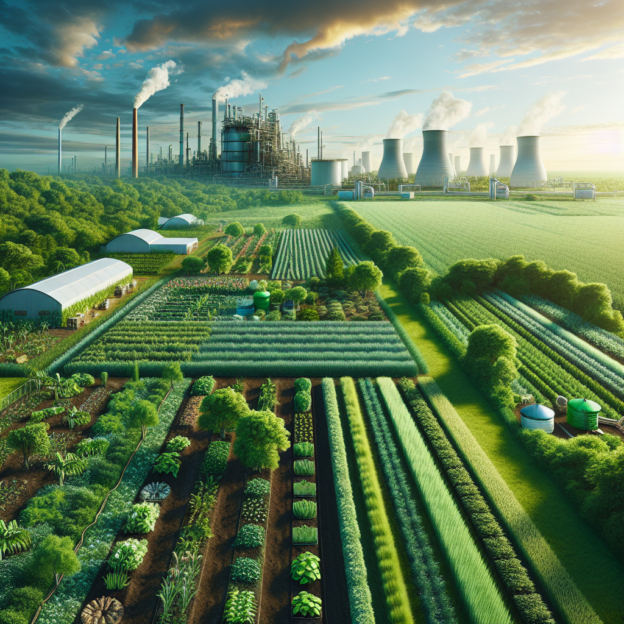
Bioregions are emerging as pivotal players in the global shift towards organic agriculture, fostering a bottom-up transition that empowers local communities and ecosystems. By focusing on regional characteristics, bioregions facilitate tailored approaches to organic farming, enhancing sustainability and biodiversity.

AI Generated: Bioregions are driving the transition to organic from the bottom up
AI Generated: Bioregions are driving the transition to organic from the bottom up — Fonte: Wikimedia Commons

Context

Taking a closer look at Bio Eco Actual Andalusia, the southernmost autonomous community in Peninsular Spain, we can understand how bioregions can catalyze this transition. Known for its rich cultural heritage and diverse landscapes, Andalusia is the most populous and second-largest autonomous community in Spain, comprising eight provinces: Almería, Cádiz, Córdoba, Granada, Huelva, Jaén, Málaga, and Seville. With Seville as its capital and Granada housing the High Court of Justice, the region is a microcosm of agricultural diversity and innovation.

Geographical Significance

Andalusia’s varied geography, from coastal areas to mountainous regions, creates unique microclimates that influence agricultural practices. These geographical distinctions allow for the cultivation of a wide range of organic products, from olives and citrus fruits to vegetables and herbs. This diversity not only supports local diets but also enhances the region’s resilience to climate change.

Analysis

The transition to organic agriculture in Andalusia is being driven by local initiatives and community engagement. Farmers are increasingly recognizing the benefits of organic practices, such as improved soil health, greater biodiversity, and reduced reliance on chemical inputs. This grassroots movement is often supported by local governments and NGOs, which provide training, resources, and certification assistance.

Community Empowerment

In Andalusia, farmers’ cooperatives play a crucial role in fostering the organic transition. These cooperatives not only facilitate the sharing of knowledge and resources but also help to market organic products effectively. By working together, farmers can achieve economies of scale and enhance their bargaining power in the marketplace, ensuring that organic products are both accessible and affordable.

Environmental and Economic Benefits

The shift towards organic farming in bioregions like Andalusia also delivers significant environmental benefits. Organic practices contribute to soil fertility, reduce water consumption, and promote biodiversity, which is crucial for maintaining healthy ecosystems. Economically, the organic sector is growing rapidly, driven by increasing consumer demand for healthier and sustainably produced food. This trend not only supports local economies but also creates job opportunities in farming, distribution, and retail.

Practical Applications

Implementing organic practices at the bioregional level involves a series of practical steps. Farmers are encouraged to adopt crop rotation, intercropping, and organic pest management techniques, which can be adapted to local conditions. Educational programs and workshops can equip farmers with the necessary skills and knowledge to transition effectively.

Public Policy and Support

Supportive public policies are essential for facilitating this transition. Governments in Andalusia have begun to recognize the importance of organic agriculture and are implementing measures to promote it. This includes financial incentives for organic farmers, investments in research and development, and the establishment of certification bodies to ensure quality standards.

Community Involvement

Community involvement is another critical aspect of the organic transition in bioregions. Local markets and fairs provide platforms for farmers to sell their products directly to consumers, fostering a farm-to-table movement that strengthens local food systems. Additionally, community-supported agriculture (CSA) programs allow consumers to invest in local farms, creating a direct connection between producers and consumers.

Future Developments

The future of organic agriculture in bioregions like Andalusia looks promising, with several trends emerging. Technological advancements, such as precision agriculture and sustainable farming practices, will likely play a significant role in enhancing productivity and sustainability. Furthermore, as global awareness of environmental issues grows, the demand for organic products is expected to increase, providing further impetus for local farmers to transition.

Collaboration Across Regions

Collaboration between bioregions can also drive innovation and knowledge sharing. By connecting different regions with similar goals, best practices can be disseminated more widely. This network of bioregions could create a robust support system for organic farmers, ultimately accelerating the transition to organic agriculture.

Conclusions

Bioregions are playing a crucial role in driving the transition to organic agriculture from the bottom up. In Andalusia, the combination of community empowerment, environmental benefits, and supportive policies creates a fertile ground for organic farming to thrive. As more regions embrace this approach, the potential for a widespread organic movement grows, fostering healthier ecosystems and communities worldwide.

Frequently Asked Questions (FAQ)

What challenges does Bioregions are driving the transition to organic from the bottom up present?

In practical terms, it mainly concerns Bioregions constitute driving the transition to organic from the bottom up  Bio Eco Actual Andalusia functions. Understanding this aspect is the first step to mastering Bioregions are driving the transition to organic from the bottom up.

Why is Bioregions are driving the transition to organic from the bottom up gaining popularity?

The greatest impact is observed when we consider that in Peninsular Spain, located in the south of the Iberian Peninsula, in southwestern Europe. In. This explains much of the current interest.

What exactly does Bioregions are driving the transition to organic from the bottom up mean?

A key element to consider is that as the most populous and the second-largest autonomous community in the country. It serves as. Many experts agree on this point when analyzing Bioregions are driving the transition to organic from the bottom up.

What is the real impact of Bioregions are driving the transition to organic from the bottom up today?

To study it properly, it is essential to start from real data and observe how trends are evolving in the reference market of Bioregions are driving the transition to organic from the bottom up.

{
“@context”: “https://schema.org”,
“@type”: “FAQPage”,
“mainEntity”: [
{
“@type”: “Question”,
“name”: “What challenges does Bioregions are driving the transition to organic from the bottom up present?”,
“acceptedAnswer”: {
“@type”: “Answer”,
“text”: “In practical terms, it mainly concerns Bioregions constitute driving the transition to organic from the bottom up  Bio Eco Actual Andalusia functions. Understanding this aspect is the first step to mastering Bioregions are driving the transition to organic from the bottom up.”
}
},
{
“@type”: “Question”,
“name”: “Why is Bioregions are driving the transition to organic from the bottom up gaining popularity?”,
“acceptedAnswer”: {
“@type”: “Answer”,
“text”: “The greatest impact is observed when we consider that in Peninsular Spain, located in the south of the Iberian Peninsula, in southwestern Europe. In. This explains much of the current interest.”
}
},
{
“@type”: “Question”,
“name”: “What exactly does Bioregions are driving the transition to organic from the bottom up mean?”,
“acceptedAnswer”: {
“@type”: “Answer”,
“text”: “A key element to consider is that as the most populous and the second-largest autonomous community in the country. It serves as. Many experts agree on this point when analyzing Bioregions are driving the transition to organic from the bottom up.”
}
},
{
“@type”: “Question”,
“name”: “What is the real impact of Bioregions are driving the transition to organic from the bottom up today?”,
“acceptedAnswer”: {
“@type”: “Answer”,
“text”: “To study it properly, it is essential to start from real data and observe how trends are evolving in the reference market of Bioregions are driving the transition to organic from the bottom up.”
}
}
]
}

{
“@context”: “https://schema.org”,
“@type”: “Article”,
“headline”: “Bioregions: The Grassroots Movement Driving Organic Transition”,
“about”: {
“@type”: “Thing”,
“name”: “Bioregions are driving the transition to organic from the bottom up”
},
“articleSection”: “eco bio”,
“author”: {
“@type”: “Person”,
“name”: “angelo@percorso.net”
},
“publisher”: {
“@type”: “Organization”,
“name”: “Eco Bio III Millennio”,
“url”: “https://www.ecobio3millennio.com”
},
“datePublished”: “2026-05-03T07:35:30+00:00”,
“dateModified”: “2026-05-03T07:35:30+00:00”
}
AI Generated: The upcoming EU Seed law and its implication for agrobiodiversity

The Upcoming EU Seed Law and Its Implications for Agrobiodiversity

Introduction

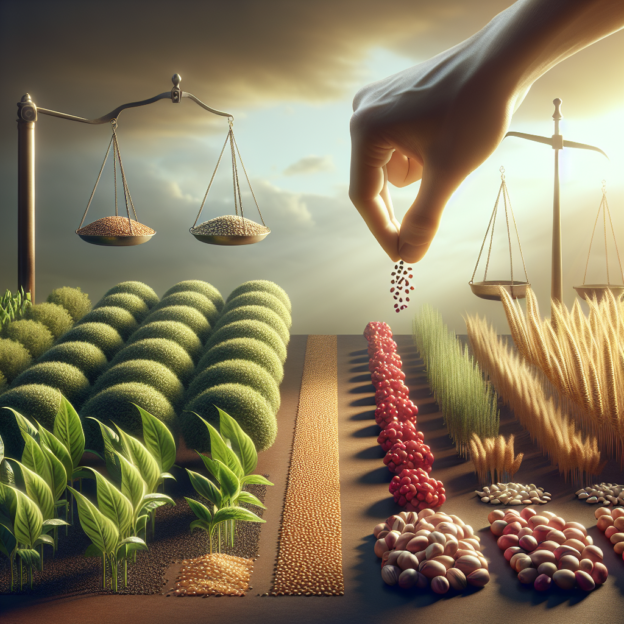
The EU Seed Law is poised to reshape the landscape of agriculture in Europe, with far-reaching consequences for agrobiodiversity. As a regulatory framework, it aims to standardize seed quality and availability across member states. However, the implications of this law extend beyond mere compliance; they touch upon the fundamental principles of food security, biodiversity conservation, and sustainable agriculture.

AI Generated: The upcoming EU Seed law and its implication for agrobiodiversity
AI Generated: The upcoming EU Seed law and its implication for agrobiodiversity — Fonte: Wikimedia Commons

Context

Agrobiodiversity refers to the variety of crops, livestock, and genetic resources that are vital for food production, nutrition, and ecosystem health. Historically, European agriculture has relied on a rich tapestry of local and regional varieties, each adapted to specific environments and climates. However, intensification and globalization have led to a significant loss of this diversity. The EU Seed Law aims to address these issues by creating a unified system for seed marketing and distribution, ostensibly to enhance food security and agricultural resilience.

Analysis

The upcoming EU Seed Law will potentially streamline the regulatory process for seed varieties, making it easier for commercial seed producers to bring their products to market. While this may seem beneficial, it raises critical concerns about the long-term implications for agrobiodiversity.

Standardization and Its Risks

One of the key features of the new legislation is the emphasis on standardized seed varieties. This standardization often favors high-yield commercial crops at the expense of traditional and heritage varieties. The focus on a limited number of crops can exacerbate the erosion of agrobiodiversity, as farmers may feel compelled to adopt these standardized varieties to remain competitive. Consequently, unique local varieties that have been cultivated over generations could disappear from agricultural landscapes.

Impact on Smallholder Farmers

Smallholder farmers, who play a crucial role in maintaining agrobiodiversity, are particularly vulnerable to the changes brought about by the EU Seed Law. Many of these farmers rely on local seed varieties that are well-suited to their specific environmental conditions. With new regulations favoring commercial seeds, these farmers may face obstacles in accessing or breeding their preferred varieties. This could lead to a homogenization of crops and a loss of traditional knowledge associated with local farming practices.

Regulatory Challenges

The law introduces complex regulatory requirements that may be difficult for small-scale farmers and seed producers to navigate. The cost of compliance with the new standards may also deter them from continuing to grow diverse crops. Without adequate support and resources, these farmers might abandon local varieties altogether, leading to further declines in agrobiodiversity.

Practical Applications

As the EU Seed Law unfolds, various stakeholders must seek ways to balance the need for regulation with the imperatives of agrobiodiversity conservation. Here are some practical applications and strategies to consider:

Promoting Local Seed Banks

Establishing and supporting local seed banks can serve as a crucial measure to preserve agrobiodiversity. These seed banks can collect, store, and distribute local varieties, ensuring that smallholder farmers have access to seeds that are adapted to their specific environments. Seed banks can also play an educational role, raising awareness about the importance of biodiversity in agriculture.

Advocacy and Policy Influence

Farmers, NGOs, and environmental organizations can work together to influence policy decisions regarding the EU Seed Law. Advocacy efforts should focus on ensuring that local varieties are recognized and supported within the regulatory framework. This might involve lobbying for exemptions or simplified regulations for small-scale producers and local varieties.

Research and Development

Investing in research to develop resilient and diverse crop varieties will be essential. Collaborations between agricultural research institutions, universities, and local communities can foster the development of seed varieties that not only meet market demands but also contribute to biodiversity conservation.

Future Developments

The EU Seed Law is likely to continue evolving as it is implemented and assessed. Future developments may include:

Increased Collaboration

Cross-border cooperation among EU member states could lead to a more integrated approach to agrobiodiversity. Sharing best practices, resources, and data will be essential in addressing the challenges posed by the new legislation.

Adaptation of Regulations

As the impacts of the law become clearer, there may be opportunities for adaptations to the regulatory framework. Policymakers may need to implement adjustments that allow for the preservation of local varieties while still meeting the objectives of quality and safety.

Conclusions

The upcoming EU Seed Law represents a significant shift in agricultural policy that carries both opportunities and challenges for agrobiodiversity. While the intention behind the law is to enhance food security and standardize seed quality, the potential risks to local varieties and smallholder farmers cannot be overlooked. A balanced approach that values both agricultural productivity and biodiversity will be crucial for ensuring sustainable food systems in Europe. Stakeholders must remain vigilant and proactive in advocating for the preservation of agrobiodiversity as the new regulations take shape.

Frequently Asked Questions (FAQ)

How does The upcoming EU Seed law and its implication for agrobiodiversity work in practice?

In practical terms, it mainly concerns The upcoming EU Seed law and its implication for agrobiodiversity  Bio Eco Actual. Understanding this aspect is the first step to mastering The upcoming EU Seed law and its implication for agrobiodiversity.

What are the benefits related to The upcoming EU Seed law and its implication for agrobiodiversity?

The greatest impact is observed when we consider that dynamics are changing rapidly. This explains much of the current interest.

Who should be interested in The upcoming EU Seed law and its implication for agrobiodiversity?

A key element to consider is that a methodical approach makes the difference. Many experts agree on this point when analyzing The upcoming EU Seed law and its implication for agrobiodiversity.

What challenges does The upcoming EU Seed law and its implication for agrobiodiversity present?

To study it properly, it is essential to start from real data and observe how trends are evolving in the reference market of The upcoming EU Seed law and its implication for agrobiodiversity.

{
“@context”: “https://schema.org”,
“@type”: “FAQPage”,
“mainEntity”: [
{
“@type”: “Question”,
“name”: “How does The upcoming EU Seed law and its implication for agrobiodiversity work in practice?”,
“acceptedAnswer”: {
“@type”: “Answer”,
“text”: “In practical terms, it mainly concerns The upcoming EU Seed law and its implication for agrobiodiversity  Bio Eco Actual. Understanding this aspect is the first step to mastering The upcoming EU Seed law and its implication for agrobiodiversity.”
}
},
{
“@type”: “Question”,
“name”: “What are the benefits related to The upcoming EU Seed law and its implication for agrobiodiversity?”,
“acceptedAnswer”: {
“@type”: “Answer”,
“text”: “The greatest impact is observed when we consider that dynamics are changing rapidly. This explains much of the current interest.”
}
},
{
“@type”: “Question”,
“name”: “Who should be interested in The upcoming EU Seed law and its implication for agrobiodiversity?”,
“acceptedAnswer”: {
“@type”: “Answer”,
“text”: “A key element to consider is that a methodical approach makes the difference. Many experts agree on this point when analyzing The upcoming EU Seed law and its implication for agrobiodiversity.”
}
},
{
“@type”: “Question”,
“name”: “What challenges does The upcoming EU Seed law and its implication for agrobiodiversity present?”,
“acceptedAnswer”: {
“@type”: “Answer”,
“text”: “To study it properly, it is essential to start from real data and observe how trends are evolving in the reference market of The upcoming EU Seed law and its implication for agrobiodiversity.”
}
}
]
}

{
“@context”: “https://schema.org”,
“@type”: “Article”,
“headline”: “The Upcoming EU Seed Law and Its Implications for Agrobiodiversity”,
“about”: {
“@type”: “Thing”,
“name”: “The upcoming EU Seed law and its implication for agrobiodiversity”
},
“articleSection”: “eco bio”,
“author”: {
“@type”: “Person”,
“name”: “angelo@percorso.net”
},
“publisher”: {
“@type”: “Organization”,
“name”: “Eco Bio III Millennio”,
“url”: “https://www.ecobio3millennio.com”
},
“datePublished”: “2026-04-25T07:35:35+00:00”,
“dateModified”: “2026-04-25T07:35:35+00:00”
}

Ancient Woodland saved from quarrying Updated for 2026


Lafarge Tarmac has asked Staffordshire County Council to withdraw Hopwas Woods from the Minerals Local Plan, which is currently under public consultation.

The company had originally proposed the 50 hectare (124 acre) ancient woodland near Tamworth for inclusion in the county’s Minerals Local Plan as the ‘preferred site’ to extract 9 million tonnes of sand and gravel over a 13 year period.

But the proposal has caused massive local outrage and spurred campaigners into action. Austin Brady, Woodland Trust Director of Conservation, condemened LaFarge Tarmac for “attempting to reap huge profits from the destruction of ancient woodland – an irreplaceable habitat”, adding:

“Ancient woods like Hopwas are nationally important and to destroy them would wipe out hundreds, if not thousands of years’ worth of ecology, history and beauty that can never be replaced.”

According to local sources, the wood dates back to the 11th Century, and is referred to in the Domesday book. It is also reported that a mysterious copper plate with magical symbols was discovered in the wood as well as an Egyptian figurine.

‘We never really meant to destroy it anyway’

Withdrawing the proposal, Lafarge Tarmac’s Director of Land and Natural Resources Stuart Wykes said: “We pride ourselves on working in harmony with local communities and want to do so at Hopwas.

“We want to work with local stakeholders on the stewardship of Hopwas Woods and we are willing to fund an independent study on its long term sustainability. This could include issues such as public access and environmental protection.

“We are committed to managing and enhancing the local habitat everywhere we operate. We did not have firm plans to develop Hopwas but intended to use the public consultation on the Minerals Local Plan as an opportunity for dialogue to agree a way forward.”

The WT welcomed the move. “This result just shows what an impact people can have by standing up for woods and trees and making their views known”, said Brady.

“We are delighted that the immediate threat to Hopwas Wood is over and that we now have time to engage in a more useful dialogue with Lafarge Tarmac to ensure this irreplaceable ancient woodland, part of which remains in the company’s ownership, is properly managed.”

Ancient Woodland needs effective protection

But he added that the serious threat to Hopwas Wood illustrated the risks to one of Britain’s most precious wildlife habitats: “Protection for ancient woodland is currently weak and despite assurances from Government that this habitat is protected, a loophole remains in planning policy that puts it at severe risk.”

National Planning Practice Guidance paragraph 118 states: “planning permission should be refused for development resulting in the loss or deterioration of irreplaceable habitats, including ancient woodland and the loss of aged or veteran trees found outside ancient woodland, unless the need for, and benefits of, the development in that location clearly outweigh the loss.”

Yet in July 2013 Eric Pickles, Secretary of State for Communities and Local Government, approved a planning application by Gallagher Aggregates Ltd for a 32 hectare quarry extension into the ancient Oaken Wood near Maidstone, after a public inquiry.

“The clock is still ticking on the 440 other ancient woods that remain at risk from the planning loophole we are working hard to close”, said Brady.

“We urge everyone to add their voice to our national campaign and ensure that our ancient woodland will all be protected for generations to come in the face of ever increasing development threats. It’s time for Government to start listening.”


Action: email David Cameron to call for strong protection for ancient woodland.

Oliver Tickell edits The Ecologist.


386220