Tag Archives: seed

Land and seed laws under attack as Africa is groomed for corporate recolonization Updated for 2026


A battle is raging for control of resources in Africa – land, water, seeds, minerals, ores, forests, oil, renewable energy sources.

Agriculture is one of the most important theatres of this battle. Governments, corporations, foundations and development agencies are pushing hard to commercialise and industrialise African farming.

Many of the key players are well known. They include the World Bank, the African Development Bank, the United Nations Food and Agriculture Organisation (FAO), the G8, the African Union, the Bill Gates-funded ‘Alliance for a Green Revolution in Africa’ (AGRA), the International Fund for Agricultural Development (IFAD), and the International Fertiliser Development Centre (IFDC).

Together they are committed to helping agribusiness become the continent’s primary food commodity producer. To do this, they are not only pouring money into projects to transform farming operations on the ground – they are also changing African laws to accommodate the agribusiness agenda.

Privatising both land and seeds is essential for the corporate model to flourish in Africa. With regard to agricultural land, this means pushing for the official demarcation, registration and titling of farms. It also means making it possible for foreign investors to lease or own farmland on a long-term basis.

With regard to seeds, it means having governments require that seeds be registered in an official catalogue in order to be traded. It also means introducing intellectual property rights over plant varieties and criminalising farmers who ignore them. In all cases, the goal is to turn what has long been a commons into something that corporates can control and profit from.

Lifting the veil of secrecy

This survey aims to provide an overview of just who is pushing for which specific changes in these areas – looking not at the plans and projects, but at the actual texts that will define the new rules.

It was not easy to get information about this. Many phone calls to the World Bank and Millennium Challenge Corporation (MCC) offices went unanswered. The US Agency for International Development (USAID) brushed us off. Even African Union officials did not want to answer questions from – and be accountable to – African citizens doing this inventory.

This made the task of coming up with an accurate, detailed picture of what is going on quite difficult. We did learn a few things, though.

While there is a lot of civil society attention focused on the G8’s New Alliance for Food and Nutrition, there are many more actors doing many similar things across Africa. Our limited review makes it clear that the greatest pressure to change land and seed laws comes from Washington DC – home to the World Bank, USAID and the MCC.

‘Land reform’ is to benefit investors, not farmers

Land certificates – which should be seen as a stepping stone to formal land titles – are being promoted as an appropriate way to ‘securitise’ poor peoples’ rights to land. But how do we define the term ‘land securitisation’?

As the objective claimed by most of the initiatives dealt with in this report, it could be understood as strengthening land rights. Many small food producers might conclude that their historic cultural rights to land – however they may be expressed – will be better recognised, thus protecting them from expropriation.

But for many governments and corporations, it means the creation of Western-type land markets based on formal instruments like titles and leases that can be traded. In fact, many initiatives such as the G8 New Alliance explicitly refer to securitisation of ‘investors’ rights to land.

So this is not about recording and safeguarding historic or cultural rights, but about creating market mechanisms. So in a world of grossly unequal players, ‘security’ is shorthand for the power of the market, private property and creditors.

Most of today’s initiatives to address land laws, including those emanating from Africa, are overtly designed to accommodate, support and strengthen investments in land and large scale land deals, rather than achieve equity or to recognise longstanding or historical community rights over land at a time of rising conflicts over land and land resources.

Most of the initiatives to change current land laws come from outside Africa. Yes, African structures like the African Union and the Pan-African Parliament are deeply engaged in facilitating changes to legislation in African states, but many people question how ‘indigenous’ these processes really are.

It is clear that strings are being pulled, by Washington and Europe in particular, in a well orchestrated campaign to alter land governance in Africa.

Seed laws based on neoliberal ideologies

When it comes to seed laws, the picture is reversed. Subregional African bodies – SADC, COMESA, OAPI and the like – are working to create new rules for the exchange and trade of seeds. But the recipes they are applying – seed marketing restrictions and plant variety protection schemes – are borrowed directly from the US and Europe.

And the changes to seed policy being promoted by the G8 New Alliance, the World Bank and others refer to neither farmer-based seed systems nor farmers’ rights. They make no effort to strengthen farming systems that are already functioning.

Rather, the proposed solutions are simplified, but unworkable solutions to complex situations that will not work – though an elite category of farmers may enjoy some small short term benefits.

With seeds, which represent a rich cultural heritage of Africa’s local communities, the push to transform them into income-generating private property, and marginalise traditional varieties, is still making more headway on paper than in practice. This is due to many complexities, one of which is the growing awareness of and popular resistance to the seed industry agenda.

But the resolve of those who intend to turn Africa into a new market for global agro-input suppliers is not to be underestimated, and a notable consolidation of seed suppliers under foreign corporate ownership is under way. The path chosen will have profound implications for the capacity of African farmers to adapt to climate change.

Interconnectedness between different initiatives is significant, although these relationships are not always clear for groups on the ground. Our attempt to show these connections gives a picture of how very narrow agendas are being pushed by a small elite in the service of globalised corporate interests intent on taking over agriculture in Africa.

New Alliance for Food Security and Nutrition

“The 50 million people that the G8 New Alliance for Food Security and Nutrition claims to be lifting out of poverty will only be allowed to escape poverty and hunger if they abandon their traditional rights and practices and buy their life saving seeds every year from the corporations lined up behind the G8”, warned Tanzania Organic Agriculture Movement in September 2014.

Launched in 2012 by the G8 industrialised countries – Canada, France, Germany, Italy, Japan, Russia, UK and US – the aim of the gtrandly titled G8 New Alliance for Food Security and Nutrition is in fact to mobilise private capital for investment in African agriculture.

To be accepted into the programme, African governments are required to make important changes to their land and seed policies. The New Alliance prioritises granting national and transnational corporations (TNCs) new forms of access and control to the participating countries’ resources, and gives them a seat at the same table as aid donors and recipient governments.

As of July 2014, ten African countries had signed Cooperative Framework Agreements (CFAs) to implement the New Alliance programme: Benin, Burkina Faso, Côte d’Ivoire, Ethiopia, Ghana, Malawi, Mozambique, Nigeria, Senegal and Tanzania.

Under these agreements, these governments committed to 213 policy changes. Some 43 of these changes target land laws, with the overall stated objective of establishing “clear, secure and negotiable rights to land” – tradeable property titles.

The New Alliance also aims to implement both the Voluntary Guidelines (VGs) on ‘Responsible Land Tenure‘ adopted by the Committee on World Food Security in 2012, and the ‘Principles for Responsible Agriculture Investment‘ drawn up by the World Bank, FAO, IFAD and UN Conference on Trade and Development. This is considered especially important since the New Alliance directly facilitates access to farmland in Africa for investors.

New Alliance pushing seed ‘reform’

As to seeds, all of the participating states, with the exception of Benin, agreed to adopt plant variety protection laws and rules for marketing seeds that better support the private sector.

Despite the fact that more than 80% of all seed in Africa is still produced and disseminated through ‘informal’ seed systems (on-farm seed saving and unregulated distribution between farmers), there is no recognition in the New Alliance programme of the importance of farmer-based systems of saving, sharing, exchanging and selling seeds.

African governments are being co-opted into reviewing their seed trade laws and supporting the implementation of Plant Variety Protection (PVP) laws, as has been seen in Ghana where farmers have risen up against the changes.

The strategy is to first harmonise seed trade laws such as border control measures, phytosanitary control, variety release systems and certification standards at the regional level, and then move on to harmonising PVP laws.

The effect is to create larger unified seed markets, in which the types of seeds on offer are restricted to commercially protected varieties. The age old rights of farmers to replant saved seed is curtailed and the marketing of traditional varieties of seed is strictly prohibited.

Concerns have been raised about how this agenda privatises seeds and the potential impacts this could have on small-scale farmers. Farmers will lose control of seeds regulated by a commercial system, while crop biodiversity may be eroded due to the focus on commercial varieties.

Making these processes hard to combat is the mutliplicity of programmes and initiatives carried out by different countries and both national and transnational entities in different parts of Africa, all offering short term benefits to governments but all directed towards a single objective – the neoliberal transformation of land, seed and plant variety governance to open the continent up for full scale agribusiness invasion.


The report:Land and seed laws under attack: who is pushing changes in Africa?‘ was drawn up jointly by AFSA and GRAIN. Researched and initially drafted by Mohamed Coulibaly, an independent legal expert in Mali, with support from AFSA members and GRAIN staff, it is meant to serve as a resource for groups and organisations wanting to become more involved in struggles for land and seed justice across Africa or for those who just want to learn more about who is pushing what kind of changes in these areas right now.

AFSA is a pan-African platform comprising networks and farmer organisations championing small African family farming based on agro-ecological and indigenous approaches that sustain food sovereignty and the livelihoods of communities.

GRAIN is a small international organisation that aims to support small farmers and social movements in their struggles for community-controlled and biodiversity-based food systems.

This article is based on the above report.


390200

Frugivores and seed dispersal Updated for 2026

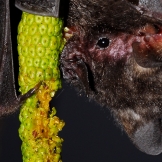
Everyone who likes to spend some time in nature, or who has trees at home, knows that several animals love to feed on fruits. Figs, tomatoes, peppers, guavas, mangos, bananas, and many other delicacies are harvested by frugivores that range from tiny bats to huge elephants.

Those animals render the plants a service known as seed dispersal: in other words, they carry their seeds away and so increase the chances of their offspring surviving attacks by natural enemies, establishing, and colonizing new sites. This myriad of interactions forms a tangled web of frugivores and fruits, which is vital to maintain and regenerate forests and other natural ecosystems. Some frugivores seem to be more important than others to keep those webs functioning. In our study “Keystone species in seed dispersal networks are mainly determined by dietary specialization”, focused on bats and birds, the main groups of seed dispersers in the Neotropics, we found out that, even though animals with other kinds of primary diets participate in seed dispersal networks, specialized frugivores are the keystones of those systems and hold them together. This finding may help plan for the conservation and restoration of seed dispersal in degraded areas, and also provide insights on how to accelerate the regeneration of tropical rainforests and savannas.

Marco A.R. Mello and co-authors

barro colorado island - bat-fruit network (marco mello) 2 barro colorado island - bat-fruit network (marco mello)

Big Biotech’s African seed takeover Updated for 2026


French seed giant Groupe Limagrain, the largest seed and plant breeding company in the European Union, has invested up to US$60 million for a 28% stake in SeedCo, one of Africa’s largest home-grown seed companies.

In another transaction, SeedCo has agreed to sell 49% of its shares in Africa’s only cottonseed company, Quton, to Mahyco of India – which is 26% owned by Monsanto.

Mahyco specialises in hybrid cotton varieties, and has a 50:50 joint venture with Monsanto to license its genetically modified (GM) Bt cotton throughout India.

By contrast Quton produces unpatented , non-GMO ‘open-pollinated varieties’ (OPVs) of cottonseed.

‘Deep concerns’

The Alliance for Food Sovereignty in Africa (AFSA) is “deeply concerned” about the Seedco acquisition and released a statement denouncing the industrialisation of the continent’s farming sector:

“Attracting foreign investment from the world’s largest seed companies, most of who got to their current dominant positions by devouring national seed companies and their competitors through mergers and acquisitions, is an inevitable consequence of the fierce drive to commercialise agriculture in Africa.”

SeedCo, like so many other seed companies around the world, began life as a farmer-led and owned organisation to improve the availability of quality maize seed in 1940.

Today it describes itself as Africa’s largest seed company, operating in 15 countries across the continent and has significant market shares in Malawi, Tanzania, Zambia and Zimbabwe.

SeedCo also has access to government and donor-funded input subsidy programmes in Zambia and Malawi and has set its sights on potentially lucrative markets in Nigeria and Ghana.

In July 2014, SeedCo and Limagrain began discussions with the International Maize and Wheat Improvement Centre (CIMMYT) for a collaborative research project on maize lethal necrosis in Africa.

“From the outside this appears to be another case of scarce African agricultural budgets being used to subsidise the multinational seed industry”, commented AFSA.

Big biotech taking key stakes in African seed market

These acquisitions follow close on the heels of Swiss biotech giant Syngenta’s take-over in 2013 of Zambian seed company MRI Seed, whose maize germplasm collection was said at the time to be amongst Africa’s most comprehensive and diverse.

Taken together, this means that three of the world’s largest biotechnology companies, Monsanto, DuPont and Syngenta, all now have a significant foothold on the continent in markets for two of the three major global GM crop varieties: maize and cotton.

According to AFSA, the creation of a corporate seed industry in Africa is “a vital component of the Green Revolution push, which equates agrarian transformation in Africa with the adoption of commercial certified seed and other expensive inputs such as fertilizer.”

AFSA names the Alliance for a Green Revolution in Africa (AGRA) as a key player in the process. It says AGRA “claims to collaborate with 80 small and medium sized seed companies across Africa and has also organised public-private-partnerships between seed companies and public research institutions.”

But it adds: “How many of these newly established entities will remain independent of global seed industry players remains to be seen.”

South Africa – corporate seed dominance is near complete

Multinational capture of local seed companies is a process that has long been under way in South Africa, a country much further down the Green Revolution path than any other in Sub-Saharan Africa.

In 1999 and 2000 Monsanto purchased two of the country’s largest seed companies, Carnia and Sensako, and the Missouri based company now enjoys a dominant position in South Africa’s commercial seed market.

In 2012 the largest domestic seed company, Pannar Seed, was taken-over by US firm Pioneer Hi-Bred, itself a subsidiary of the DuPont chemical company. The purchase not only gave Pioneer access to Pannar’s vast maize germplasm collection and agro-dealer network in South Africa, but also the company’s long established presence in 23 other countries across the continent.

Even the smaller South African companies are now seen as fair game, with Link Seed being taken over in 2013 – also by Limagrain.

AFSA argues that solutions to Africa’s agricultural challenges can be found in the collaboration between its small-scale farmers and public researchers, with the former taking the lead in setting the research agendas and objectives:

“A key part of public investments in R&D and extension should include identifying, prioritising and supporting work around participatory plant breeding, participatory variety selection, farmer-managed seed certification and quality assurance systems, identifying and supporting the development of locally important crops on the basis of decentralised participatory R&D, and farmer to farmer exchanges.

“The encroachment of the international seed industry, which focuses almost exclusively on genetically uniform varieties, subject to UPOV 1991 style intellectual property protection, takes us further away from this agricultural vision and closer to neo-colonialism of Africa’s food systems.”


Source: Alliance for Food Sovereignty in Africa.


385359

Big Biotech’s African seed takeover Updated for 2026


French seed giant Groupe Limagrain, the largest seed and plant breeding company in the European Union, has invested up to US$60 million for a 28% stake in SeedCo, one of Africa’s largest home-grown seed companies.

In another transaction, SeedCo has agreed to sell 49% of its shares in Africa’s only cottonseed company, Quton, to Mahyco of India – which is 26% owned by Monsanto.

Mahyco specialises in hybrid cotton varieties, and has a 50:50 joint venture with Monsanto to license its genetically modified (GM) Bt cotton throughout India.

By contrast Quton produces unpatented , non-GMO ‘open-pollinated varieties’ (OPVs) of cottonseed.

‘Deep concerns’

The Alliance for Food Sovereignty in Africa (AFSA) is “deeply concerned” about the Seedco acquisition and released a statement denouncing the industrialisation of the continent’s farming sector:

“Attracting foreign investment from the world’s largest seed companies, most of who got to their current dominant positions by devouring national seed companies and their competitors through mergers and acquisitions, is an inevitable consequence of the fierce drive to commercialise agriculture in Africa.”

SeedCo, like so many other seed companies around the world, began life as a farmer-led and owned organisation to improve the availability of quality maize seed in 1940.

Today it describes itself as Africa’s largest seed company, operating in 15 countries across the continent and has significant market shares in Malawi, Tanzania, Zambia and Zimbabwe.

SeedCo also has access to government and donor-funded input subsidy programmes in Zambia and Malawi and has set its sights on potentially lucrative markets in Nigeria and Ghana.

In July 2014, SeedCo and Limagrain began discussions with the International Maize and Wheat Improvement Centre (CIMMYT) for a collaborative research project on maize lethal necrosis in Africa.

“From the outside this appears to be another case of scarce African agricultural budgets being used to subsidise the multinational seed industry”, commented AFSA.

Big biotech taking key stakes in African seed market

These acquisitions follow close on the heels of Swiss biotech giant Syngenta’s take-over in 2013 of Zambian seed company MRI Seed, whose maize germplasm collection was said at the time to be amongst Africa’s most comprehensive and diverse.

Taken together, this means that three of the world’s largest biotechnology companies, Monsanto, DuPont and Syngenta, all now have a significant foothold on the continent in markets for two of the three major global GM crop varieties: maize and cotton.

According to AFSA, the creation of a corporate seed industry in Africa is “a vital component of the Green Revolution push, which equates agrarian transformation in Africa with the adoption of commercial certified seed and other expensive inputs such as fertilizer.”

AFSA names the Alliance for a Green Revolution in Africa (AGRA) as a key player in the process. It says AGRA “claims to collaborate with 80 small and medium sized seed companies across Africa and has also organised public-private-partnerships between seed companies and public research institutions.”

But it adds: “How many of these newly established entities will remain independent of global seed industry players remains to be seen.”

South Africa – corporate seed dominance is near complete

Multinational capture of local seed companies is a process that has long been under way in South Africa, a country much further down the Green Revolution path than any other in Sub-Saharan Africa.

In 1999 and 2000 Monsanto purchased two of the country’s largest seed companies, Carnia and Sensako, and the Missouri based company now enjoys a dominant position in South Africa’s commercial seed market.

In 2012 the largest domestic seed company, Pannar Seed, was taken-over by US firm Pioneer Hi-Bred, itself a subsidiary of the DuPont chemical company. The purchase not only gave Pioneer access to Pannar’s vast maize germplasm collection and agro-dealer network in South Africa, but also the company’s long established presence in 23 other countries across the continent.

Even the smaller South African companies are now seen as fair game, with Link Seed being taken over in 2013 – also by Limagrain.

AFSA argues that solutions to Africa’s agricultural challenges can be found in the collaboration between its small-scale farmers and public researchers, with the former taking the lead in setting the research agendas and objectives:

“A key part of public investments in R&D and extension should include identifying, prioritising and supporting work around participatory plant breeding, participatory variety selection, farmer-managed seed certification and quality assurance systems, identifying and supporting the development of locally important crops on the basis of decentralised participatory R&D, and farmer to farmer exchanges.

“The encroachment of the international seed industry, which focuses almost exclusively on genetically uniform varieties, subject to UPOV 1991 style intellectual property protection, takes us further away from this agricultural vision and closer to neo-colonialism of Africa’s food systems.”


Source: Alliance for Food Sovereignty in Africa.


385359

Big Biotech’s African seed takeover Updated for 2026


French seed giant Groupe Limagrain, the largest seed and plant breeding company in the European Union, has invested up to US$60 million for a 28% stake in SeedCo, one of Africa’s largest home-grown seed companies.

In another transaction, SeedCo has agreed to sell 49% of its shares in Africa’s only cottonseed company, Quton, to Mahyco of India – which is 26% owned by Monsanto.

Mahyco specialises in hybrid cotton varieties, and has a 50:50 joint venture with Monsanto to license its genetically modified (GM) Bt cotton throughout India.

By contrast Quton produces unpatented , non-GMO ‘open-pollinated varieties’ (OPVs) of cottonseed.

‘Deep concerns’

The Alliance for Food Sovereignty in Africa (AFSA) is “deeply concerned” about the Seedco acquisition and released a statement denouncing the industrialisation of the continent’s farming sector:

“Attracting foreign investment from the world’s largest seed companies, most of who got to their current dominant positions by devouring national seed companies and their competitors through mergers and acquisitions, is an inevitable consequence of the fierce drive to commercialise agriculture in Africa.”

SeedCo, like so many other seed companies around the world, began life as a farmer-led and owned organisation to improve the availability of quality maize seed in 1940.

Today it describes itself as Africa’s largest seed company, operating in 15 countries across the continent and has significant market shares in Malawi, Tanzania, Zambia and Zimbabwe.

SeedCo also has access to government and donor-funded input subsidy programmes in Zambia and Malawi and has set its sights on potentially lucrative markets in Nigeria and Ghana.

In July 2014, SeedCo and Limagrain began discussions with the International Maize and Wheat Improvement Centre (CIMMYT) for a collaborative research project on maize lethal necrosis in Africa.

“From the outside this appears to be another case of scarce African agricultural budgets being used to subsidise the multinational seed industry”, commented AFSA.

Big biotech taking key stakes in African seed market

These acquisitions follow close on the heels of Swiss biotech giant Syngenta’s take-over in 2013 of Zambian seed company MRI Seed, whose maize germplasm collection was said at the time to be amongst Africa’s most comprehensive and diverse.

Taken together, this means that three of the world’s largest biotechnology companies, Monsanto, DuPont and Syngenta, all now have a significant foothold on the continent in markets for two of the three major global GM crop varieties: maize and cotton.

According to AFSA, the creation of a corporate seed industry in Africa is “a vital component of the Green Revolution push, which equates agrarian transformation in Africa with the adoption of commercial certified seed and other expensive inputs such as fertilizer.”

AFSA names the Alliance for a Green Revolution in Africa (AGRA) as a key player in the process. It says AGRA “claims to collaborate with 80 small and medium sized seed companies across Africa and has also organised public-private-partnerships between seed companies and public research institutions.”

But it adds: “How many of these newly established entities will remain independent of global seed industry players remains to be seen.”

South Africa – corporate seed dominance is near complete

Multinational capture of local seed companies is a process that has long been under way in South Africa, a country much further down the Green Revolution path than any other in Sub-Saharan Africa.

In 1999 and 2000 Monsanto purchased two of the country’s largest seed companies, Carnia and Sensako, and the Missouri based company now enjoys a dominant position in South Africa’s commercial seed market.

In 2012 the largest domestic seed company, Pannar Seed, was taken-over by US firm Pioneer Hi-Bred, itself a subsidiary of the DuPont chemical company. The purchase not only gave Pioneer access to Pannar’s vast maize germplasm collection and agro-dealer network in South Africa, but also the company’s long established presence in 23 other countries across the continent.

Even the smaller South African companies are now seen as fair game, with Link Seed being taken over in 2013 – also by Limagrain.

AFSA argues that solutions to Africa’s agricultural challenges can be found in the collaboration between its small-scale farmers and public researchers, with the former taking the lead in setting the research agendas and objectives:

“A key part of public investments in R&D and extension should include identifying, prioritising and supporting work around participatory plant breeding, participatory variety selection, farmer-managed seed certification and quality assurance systems, identifying and supporting the development of locally important crops on the basis of decentralised participatory R&D, and farmer to farmer exchanges.

“The encroachment of the international seed industry, which focuses almost exclusively on genetically uniform varieties, subject to UPOV 1991 style intellectual property protection, takes us further away from this agricultural vision and closer to neo-colonialism of Africa’s food systems.”


Source: Alliance for Food Sovereignty in Africa.


385359

Big Biotech’s African seed takeover Updated for 2026


French seed giant Groupe Limagrain, the largest seed and plant breeding company in the European Union, has invested up to US$60 million for a 28% stake in SeedCo, one of Africa’s largest home-grown seed companies.

In another transaction, SeedCo has agreed to sell 49% of its shares in Africa’s only cottonseed company, Quton, to Mahyco of India – which is 26% owned by Monsanto.

Mahyco specialises in hybrid cotton varieties, and has a 50:50 joint venture with Monsanto to license its genetically modified (GM) Bt cotton throughout India.

By contrast Quton produces unpatented , non-GMO ‘open-pollinated varieties’ (OPVs) of cottonseed.

‘Deep concerns’

The Alliance for Food Sovereignty in Africa (AFSA) is “deeply concerned” about the Seedco acquisition and released a statement denouncing the industrialisation of the continent’s farming sector:

“Attracting foreign investment from the world’s largest seed companies, most of who got to their current dominant positions by devouring national seed companies and their competitors through mergers and acquisitions, is an inevitable consequence of the fierce drive to commercialise agriculture in Africa.”

SeedCo, like so many other seed companies around the world, began life as a farmer-led and owned organisation to improve the availability of quality maize seed in 1940.

Today it describes itself as Africa’s largest seed company, operating in 15 countries across the continent and has significant market shares in Malawi, Tanzania, Zambia and Zimbabwe.

SeedCo also has access to government and donor-funded input subsidy programmes in Zambia and Malawi and has set its sights on potentially lucrative markets in Nigeria and Ghana.

In July 2014, SeedCo and Limagrain began discussions with the International Maize and Wheat Improvement Centre (CIMMYT) for a collaborative research project on maize lethal necrosis in Africa.

“From the outside this appears to be another case of scarce African agricultural budgets being used to subsidise the multinational seed industry”, commented AFSA.

Big biotech taking key stakes in African seed market

These acquisitions follow close on the heels of Swiss biotech giant Syngenta’s take-over in 2013 of Zambian seed company MRI Seed, whose maize germplasm collection was said at the time to be amongst Africa’s most comprehensive and diverse.

Taken together, this means that three of the world’s largest biotechnology companies, Monsanto, DuPont and Syngenta, all now have a significant foothold on the continent in markets for two of the three major global GM crop varieties: maize and cotton.

According to AFSA, the creation of a corporate seed industry in Africa is “a vital component of the Green Revolution push, which equates agrarian transformation in Africa with the adoption of commercial certified seed and other expensive inputs such as fertilizer.”

AFSA names the Alliance for a Green Revolution in Africa (AGRA) as a key player in the process. It says AGRA “claims to collaborate with 80 small and medium sized seed companies across Africa and has also organised public-private-partnerships between seed companies and public research institutions.”

But it adds: “How many of these newly established entities will remain independent of global seed industry players remains to be seen.”

South Africa – corporate seed dominance is near complete

Multinational capture of local seed companies is a process that has long been under way in South Africa, a country much further down the Green Revolution path than any other in Sub-Saharan Africa.

In 1999 and 2000 Monsanto purchased two of the country’s largest seed companies, Carnia and Sensako, and the Missouri based company now enjoys a dominant position in South Africa’s commercial seed market.

In 2012 the largest domestic seed company, Pannar Seed, was taken-over by US firm Pioneer Hi-Bred, itself a subsidiary of the DuPont chemical company. The purchase not only gave Pioneer access to Pannar’s vast maize germplasm collection and agro-dealer network in South Africa, but also the company’s long established presence in 23 other countries across the continent.

Even the smaller South African companies are now seen as fair game, with Link Seed being taken over in 2013 – also by Limagrain.

AFSA argues that solutions to Africa’s agricultural challenges can be found in the collaboration between its small-scale farmers and public researchers, with the former taking the lead in setting the research agendas and objectives:

“A key part of public investments in R&D and extension should include identifying, prioritising and supporting work around participatory plant breeding, participatory variety selection, farmer-managed seed certification and quality assurance systems, identifying and supporting the development of locally important crops on the basis of decentralised participatory R&D, and farmer to farmer exchanges.

“The encroachment of the international seed industry, which focuses almost exclusively on genetically uniform varieties, subject to UPOV 1991 style intellectual property protection, takes us further away from this agricultural vision and closer to neo-colonialism of Africa’s food systems.”


Source: Alliance for Food Sovereignty in Africa.


385359

Big Biotech’s African seed takeover Updated for 2026


French seed giant Groupe Limagrain, the largest seed and plant breeding company in the European Union, has invested up to US$60 million for a 28% stake in SeedCo, one of Africa’s largest home-grown seed companies.

In another transaction, SeedCo has agreed to sell 49% of its shares in Africa’s only cottonseed company, Quton, to Mahyco of India – which is 26% owned by Monsanto.

Mahyco specialises in hybrid cotton varieties, and has a 50:50 joint venture with Monsanto to license its genetically modified (GM) Bt cotton throughout India.

By contrast Quton produces unpatented , non-GMO ‘open-pollinated varieties’ (OPVs) of cottonseed.

‘Deep concerns’

The Alliance for Food Sovereignty in Africa (AFSA) is “deeply concerned” about the Seedco acquisition and released a statement denouncing the industrialisation of the continent’s farming sector:

“Attracting foreign investment from the world’s largest seed companies, most of who got to their current dominant positions by devouring national seed companies and their competitors through mergers and acquisitions, is an inevitable consequence of the fierce drive to commercialise agriculture in Africa.”

SeedCo, like so many other seed companies around the world, began life as a farmer-led and owned organisation to improve the availability of quality maize seed in 1940.

Today it describes itself as Africa’s largest seed company, operating in 15 countries across the continent and has significant market shares in Malawi, Tanzania, Zambia and Zimbabwe.

SeedCo also has access to government and donor-funded input subsidy programmes in Zambia and Malawi and has set its sights on potentially lucrative markets in Nigeria and Ghana.

In July 2014, SeedCo and Limagrain began discussions with the International Maize and Wheat Improvement Centre (CIMMYT) for a collaborative research project on maize lethal necrosis in Africa.

“From the outside this appears to be another case of scarce African agricultural budgets being used to subsidise the multinational seed industry”, commented AFSA.

Big biotech taking key stakes in African seed market

These acquisitions follow close on the heels of Swiss biotech giant Syngenta’s take-over in 2013 of Zambian seed company MRI Seed, whose maize germplasm collection was said at the time to be amongst Africa’s most comprehensive and diverse.

Taken together, this means that three of the world’s largest biotechnology companies, Monsanto, DuPont and Syngenta, all now have a significant foothold on the continent in markets for two of the three major global GM crop varieties: maize and cotton.

According to AFSA, the creation of a corporate seed industry in Africa is “a vital component of the Green Revolution push, which equates agrarian transformation in Africa with the adoption of commercial certified seed and other expensive inputs such as fertilizer.”

AFSA names the Alliance for a Green Revolution in Africa (AGRA) as a key player in the process. It says AGRA “claims to collaborate with 80 small and medium sized seed companies across Africa and has also organised public-private-partnerships between seed companies and public research institutions.”

But it adds: “How many of these newly established entities will remain independent of global seed industry players remains to be seen.”

South Africa – corporate seed dominance is near complete

Multinational capture of local seed companies is a process that has long been under way in South Africa, a country much further down the Green Revolution path than any other in Sub-Saharan Africa.

In 1999 and 2000 Monsanto purchased two of the country’s largest seed companies, Carnia and Sensako, and the Missouri based company now enjoys a dominant position in South Africa’s commercial seed market.

In 2012 the largest domestic seed company, Pannar Seed, was taken-over by US firm Pioneer Hi-Bred, itself a subsidiary of the DuPont chemical company. The purchase not only gave Pioneer access to Pannar’s vast maize germplasm collection and agro-dealer network in South Africa, but also the company’s long established presence in 23 other countries across the continent.

Even the smaller South African companies are now seen as fair game, with Link Seed being taken over in 2013 – also by Limagrain.

AFSA argues that solutions to Africa’s agricultural challenges can be found in the collaboration between its small-scale farmers and public researchers, with the former taking the lead in setting the research agendas and objectives:

“A key part of public investments in R&D and extension should include identifying, prioritising and supporting work around participatory plant breeding, participatory variety selection, farmer-managed seed certification and quality assurance systems, identifying and supporting the development of locally important crops on the basis of decentralised participatory R&D, and farmer to farmer exchanges.

“The encroachment of the international seed industry, which focuses almost exclusively on genetically uniform varieties, subject to UPOV 1991 style intellectual property protection, takes us further away from this agricultural vision and closer to neo-colonialism of Africa’s food systems.”


Source: Alliance for Food Sovereignty in Africa.


385359

Frugivory and seed dispersal Updated for 2026

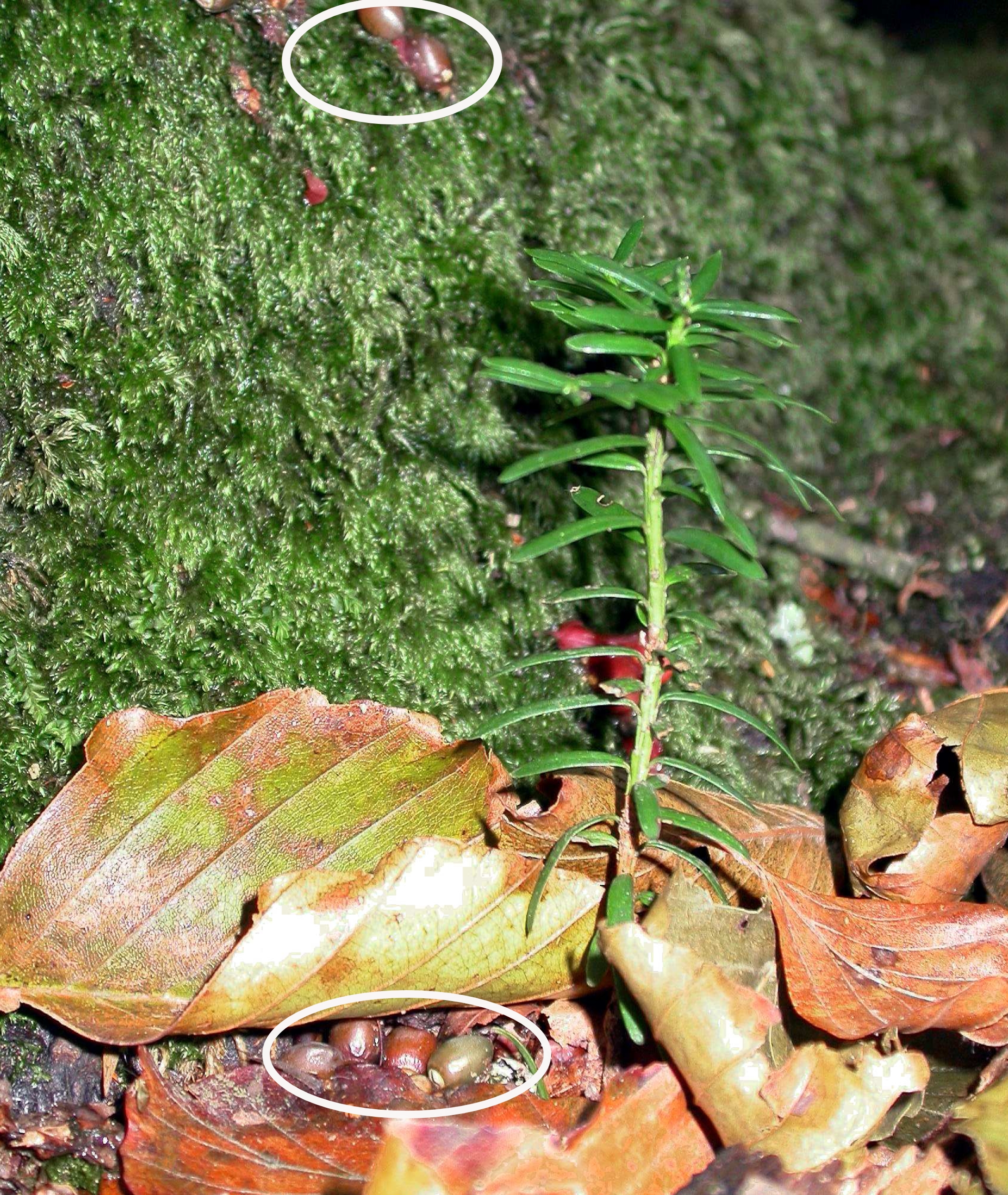
What is it that determines if a bird should deposit a seed from a fruit in a specific place or not? I the Early View paper “Seed dispersal in heterogeneous landscapes: linking field observations with spatially explicit models”, Jessica E Lavabre ad colleagues combines modelling with empirical studies to find out! Below is the author’s summary of the study.

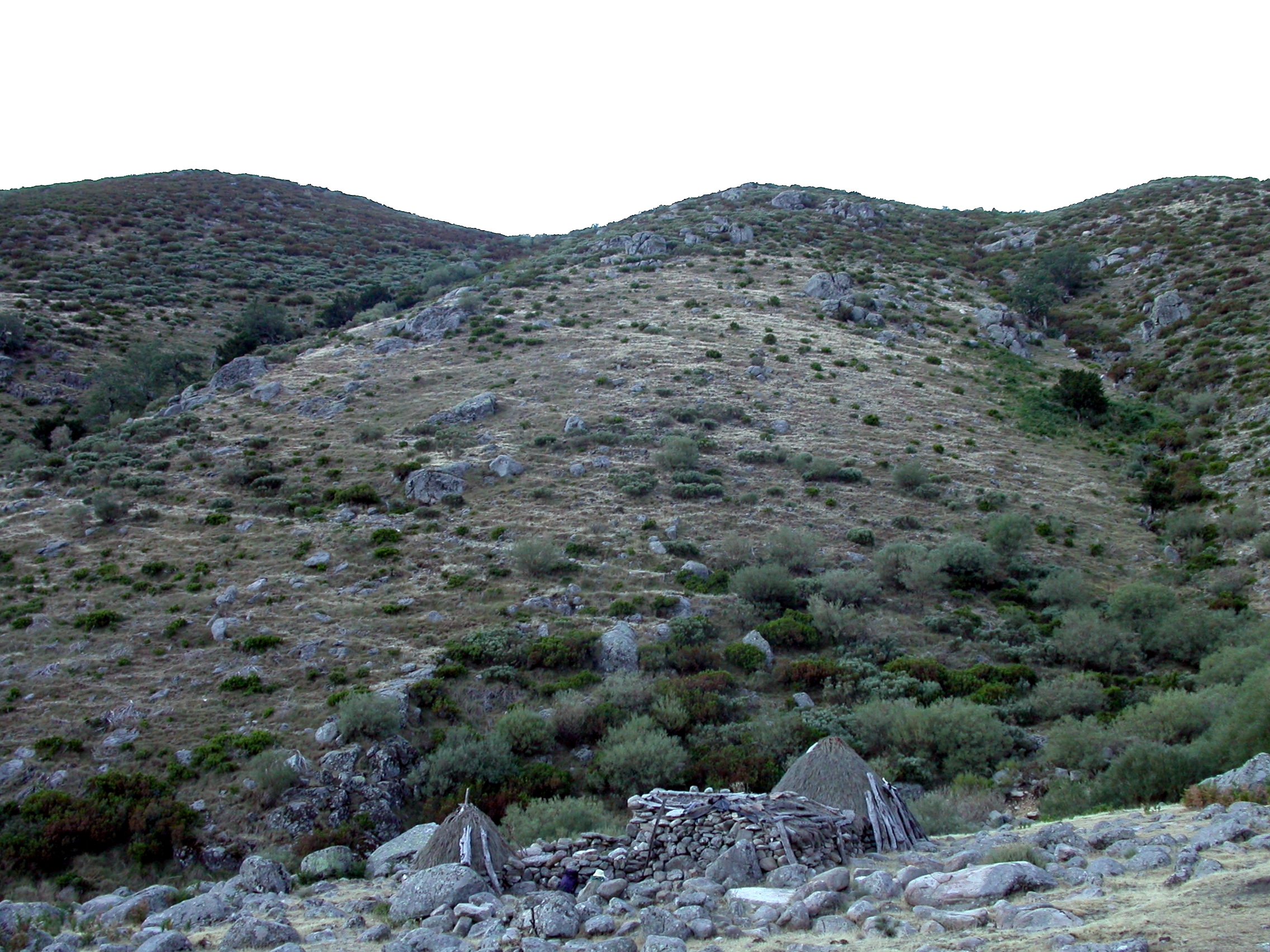
Frugivorous birds play a critical role in the population dynamics of many fleshy-fruited plants by defining the template for the establishment of new individuals. Because successful germination and subsequent seedling survival is highly dependent upon the micro-habitat where a seed arrives, it is crucial to understand which factors drive seed deposition. In our study, we aimed to take an important step forward in understanding the complex mechanisms that generate the spatial patterns of seed dispersal. Few studies have previously modelled seed dispersal in a real landscape, mostly because real vegetation structure is often highly heterogeneous. Here, we have taken advantage of a simple study system to parametrize mechanistic seed-dispersal models with empirical field data, and we built three models that test three seed-dispersal predictors: distance from the source tree, microhabitat type, and a combination of both distance from the source and microhabitat type.

To our greatest surprise, the third model, combining distance and microhabitat type, did not perform significantly better than the other two, simpler models. Additionally, our results suggested that what we had initially considered as one population could instead be two functionally distinct patches, with distinct seed dispersal dynamics. Altogether, these results reinforce the hypothesis that functionally distinct groups of frugivore species generate scale specific seed rain patterns.

LaVera LaVera2