Tag Archives: habitat

To live longer – choose the right place to live? Updated for 2026

Despite the increasing use of Species Distribution Models (SDM) for predicting current or future animal distribution, only a few studies have linked the gradient of habitat suitability to demographic parameters.

Species Distribution Models are a niche modelling framework based on a statistical approach linking spatial data on the presence/absence of species to predictive environmental variables. Because they do not account for demographic and ecological processes that may constrain responses to environmental factors at a population level, the projections of SDM cannot be used directly to predict the associated extinction risk. In this context, approaches accounting for mechanistic processes directly linked with extinction across distribution ranges are considered as promising steps to better understand and predict the response of species to environmental change. While such approaches can improve the reliability of models, empirical works are essential to further develop our understanding of processes underlying distribution patterns and potentially develop better SDM that could integrate factors driving species distribution and persistence. Moreover, the adequacy of projections with demographic parameters is a critical issue when they have to be applied for conservation planning.

In our study Evidence of a link between demographic rates and species habitat suitability from post release movements in a reinforced bird population” just published in Oikos, we tested whether the spatial variation in habitat suitability along the individual movement path is related to survival.
Monnett1

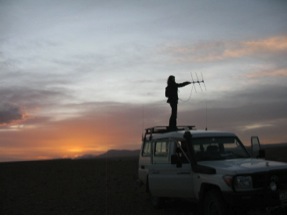
Radio-tracking of North African Houbara Bustard in Eastern Morocco

We used an extensive tracking data collected from captive-born individuals translocated to reinforce the wild populations of Houbara bustard (Chlamydotis undulata undulata). This translocation program provides an ideal study framework including information on the spatial distribution of wild-born individuals and intensive individual-based monitoring of captive-bred released individuals.

We first modelled and mapped the habitat suitability from presence data of wild individuals using niche models in a consensus framework (BIOMOD platform). We further analysed survival of 957 released individuals using capture-recapture modelling and its links to habitat suitability, as the trend in suitability from the release sites along movements.
Monnett2

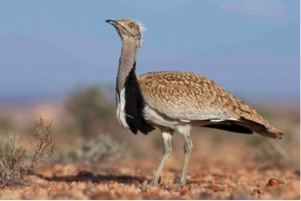
North African Houbara Bustard (Chlamydotis undulata undulata)

We found that the survival of released individuals was related to changes in habitat suitability along their movements. For instance, individuals which moved to sites of lower habitat suitability than their release sites have lower survival probabilities than the others, independently of the habitat suitability of the release sites and daily movement rate. Interestingly, the most positive changes in habitat suitability were not characterized by highest survival probabilities, likely due to density-dependant processes.

We provide an empirical support of the relationship between habitat suitability and survival, a major fitness component. These results illustrate the relevance of linking demographic processes with Species Distribution models, but also underline the importance of other mechanisms acting on demographic parameters and possibly mitigating such relationship (social organisation, density dependence).

The authors through Anne-Christine Monnet


African habitat loss driving migrating birds’ decline Updated for 2026


The latest in the annual series of State of the UK’s Birds report, published today, shows alarming declines among 29 migrant species which nest in the UK in summer and spend the winter around the Mediterranean, or in Africa south of the Sahara Desert.

The most dramatic declines are among species which winter in the humid zone of Africa – stretching across the continent from southern Senegal to Nigeria and beyond.

Of this group of species, which includes whinchat, nightingale, tree pipit and spotted flycatcher, 73% have declined since the late 1980s, 45% by more than half.

One of the most dramatic declines is that of the turtle dove with a decline of 88% since 1995. Heavy declines have also been recorded over the same period for wood warbler, down 66%; pied flycatcher, 53%; spotted flycatcher, 49%; cuckoo, 49%; nightingale, 43%; and yellow wagtail, 43%.

Species wintering furthest south in the Congo Basin (represented here by cuckoos, swifts and swallows) also show a substantial decline since the early 1980s.

But where are the problems occurring?

According to Martin Harper, RSPB’s Conservation Director, it’s hard to pinpoint where the problems lie for the species’ decline:

“Their nomadic lifestyle, requiring sites and resources spread over vast distances across the globe makes identifying and understanding the causes of decline extremely complex. The problems may be in the UK or in West Africa, or indeed on migration in between the two.”

However the birds’ decline may be linked to deforestation in West Africa’s rainforests, and the expansion of both rain-fed and irrigated agriculture, says the report:

“The loss and degradation of wetlands is widely reported as a result of damming of rivers, extraction of water for irrigation, as well as the conversion of floodplains to rice fields, and floodplain woodlands to agricultural land. Wooded savannah habitats have similarly been impacted by clearance for agriculture, wood fuel and grazing.

“Human-induced habitat changes such as these have all been compounded by climate change altering seasonal weather patterns. These habitats are essential for many birds, as they allow the birds to refuel in the autumn, and fatten up before spring migration. The loss and degradation of these habitats is an erosion of vital stepping stones on the birds’ migratory journey.”

Hunting and trapping

Another problem is hunting and trapping, which “has been reported as impacting migratory birds on passage and on the non-breeding grounds during both spring and autumn migrations. Losses can be enormous. For example, 2–4 million turtle doves are shot across a number of southern European countries each year.”

Birds can be taken in large numbers in certain areas, such as quails in Egypt and swallows in west and central Africa. However, “Assessing the population-level impact of hunting is difficult, as the relevant data do not exist.”

But Alan Law, Director of Biodiversity Delivery at Natural England adds that we also need to look closer to home.

“For some species, there is growing evidence of pressure on breeding success here in England. Our focus therefore is to ensure that well-managed habitats are available in this country so that migratory species can breed here successfully.

For example, the drastic (88%) decline of turtle doves is also due to diminished breeding success in the UK. Recent research has revealed that around 96% of the UK’s turtle doves are carrying parasites which can cause the disease trichomonosis, which caused mortality in a number of adults and nestlings during the 2012 breeding season.

Smaller declines, even increases for short-distance migrants

Other birds wintering in the arid zone just below the Sahara desert have fluctuated considerably since 1970, but show a much smaller decline of less than 20% overall, with 67% of species maintaining stable populations. This group includes sand martin, whitethroat and sedge warbler.

And the species that winter north of the Sahara (the partial / European migrants) are doing well, with 56% experiencing an increase in numbers since the mid 1980s. This group includes blackcaps, meadow pipits, chiffchaffs and stonechats.

Still, “concern about migratory bird species is growing and future editions of the State of the UK’s Birds report will contain a regular update to the migratory bird indicator.”

To understand the changing status of the UK’s migratory birds, researchers need to understand more about what’s driving these declines. Evidence is currently being gathered from a variety of sources including tracking studies and on-the-ground surveys.

“The length of many bird migrations – often thousands of miles – makes it very difficult to pinpoint where and what is causing populations to fall”, said Colette Hall of the Wildfowl & Wetlands Trust.

“So the more information we can get all along the migration routes – on land use changes, new infrastructure etc – the better we can target protection measures. It’s important that we help build up the capacity of local bird organisations and volunteers across the world to provide vital information through their own long-term monitoring.”


The report: The State of the UK’s Birds is published by a partnership of eight organisations: RSPB; British Trust for Ornithology; Wildfowl & Wetlands Trust; Natural Resources Wales; Natural England; Northern Ireland Environment Agency; Scottish Natural Heritage; and the Joint Nature Conservation Committee.


385518

African habitat loss driving migrating birds’ decline Updated for 2026


The latest in the annual series of State of the UK’s Birds report, published today, shows alarming declines among 29 migrant species which nest in the UK in summer and spend the winter around the Mediterranean, or in Africa south of the Sahara Desert.

The most dramatic declines are among species which winter in the humid zone of Africa – stretching across the continent from southern Senegal to Nigeria and beyond.

Of this group of species, which includes whinchat, nightingale, tree pipit and spotted flycatcher, 73% have declined since the late 1980s, 45% by more than half.

One of the most dramatic declines is that of the turtle dove with a decline of 88% since 1995. Heavy declines have also been recorded over the same period for wood warbler, down 66%; pied flycatcher, 53%; spotted flycatcher, 49%; cuckoo, 49%; nightingale, 43%; and yellow wagtail, 43%.

Species wintering furthest south in the Congo Basin (represented here by cuckoos, swifts and swallows) also show a substantial decline since the early 1980s.

But where are the problems occurring?

According to Martin Harper, RSPB’s Conservation Director, it’s hard to pinpoint where the problems lie for the species’ decline:

“Their nomadic lifestyle, requiring sites and resources spread over vast distances across the globe makes identifying and understanding the causes of decline extremely complex. The problems may be in the UK or in West Africa, or indeed on migration in between the two.”

However the birds’ decline may be linked to deforestation in West Africa’s rainforests, and the expansion of both rain-fed and irrigated agriculture, says the report:

“The loss and degradation of wetlands is widely reported as a result of damming of rivers, extraction of water for irrigation, as well as the conversion of floodplains to rice fields, and floodplain woodlands to agricultural land. Wooded savannah habitats have similarly been impacted by clearance for agriculture, wood fuel and grazing.

“Human-induced habitat changes such as these have all been compounded by climate change altering seasonal weather patterns. These habitats are essential for many birds, as they allow the birds to refuel in the autumn, and fatten up before spring migration. The loss and degradation of these habitats is an erosion of vital stepping stones on the birds’ migratory journey.”

Hunting and trapping

Another problem is hunting and trapping, which “has been reported as impacting migratory birds on passage and on the non-breeding grounds during both spring and autumn migrations. Losses can be enormous. For example, 2–4 million turtle doves are shot across a number of southern European countries each year.”

Birds can be taken in large numbers in certain areas, such as quails in Egypt and swallows in west and central Africa. However, “Assessing the population-level impact of hunting is difficult, as the relevant data do not exist.”

But Alan Law, Director of Biodiversity Delivery at Natural England adds that we also need to look closer to home.

“For some species, there is growing evidence of pressure on breeding success here in England. Our focus therefore is to ensure that well-managed habitats are available in this country so that migratory species can breed here successfully.

For example, the drastic (88%) decline of turtle doves is also due to diminished breeding success in the UK. Recent research has revealed that around 96% of the UK’s turtle doves are carrying parasites which can cause the disease trichomonosis, which caused mortality in a number of adults and nestlings during the 2012 breeding season.

Smaller declines, even increases for short-distance migrants

Other birds wintering in the arid zone just below the Sahara desert have fluctuated considerably since 1970, but show a much smaller decline of less than 20% overall, with 67% of species maintaining stable populations. This group includes sand martin, whitethroat and sedge warbler.

And the species that winter north of the Sahara (the partial / European migrants) are doing well, with 56% experiencing an increase in numbers since the mid 1980s. This group includes blackcaps, meadow pipits, chiffchaffs and stonechats.

Still, “concern about migratory bird species is growing and future editions of the State of the UK’s Birds report will contain a regular update to the migratory bird indicator.”

To understand the changing status of the UK’s migratory birds, researchers need to understand more about what’s driving these declines. Evidence is currently being gathered from a variety of sources including tracking studies and on-the-ground surveys.

“The length of many bird migrations – often thousands of miles – makes it very difficult to pinpoint where and what is causing populations to fall”, said Colette Hall of the Wildfowl & Wetlands Trust.

“So the more information we can get all along the migration routes – on land use changes, new infrastructure etc – the better we can target protection measures. It’s important that we help build up the capacity of local bird organisations and volunteers across the world to provide vital information through their own long-term monitoring.”


The report: The State of the UK’s Birds is published by a partnership of eight organisations: RSPB; British Trust for Ornithology; Wildfowl & Wetlands Trust; Natural Resources Wales; Natural England; Northern Ireland Environment Agency; Scottish Natural Heritage; and the Joint Nature Conservation Committee.


385518

African habitat loss driving migrating birds’ decline Updated for 2026


The latest in the annual series of State of the UK’s Birds report, published today, shows alarming declines among 29 migrant species which nest in the UK in summer and spend the winter around the Mediterranean, or in Africa south of the Sahara Desert.

The most dramatic declines are among species which winter in the humid zone of Africa – stretching across the continent from southern Senegal to Nigeria and beyond.

Of this group of species, which includes whinchat, nightingale, tree pipit and spotted flycatcher, 73% have declined since the late 1980s, 45% by more than half.

One of the most dramatic declines is that of the turtle dove with a decline of 88% since 1995. Heavy declines have also been recorded over the same period for wood warbler, down 66%; pied flycatcher, 53%; spotted flycatcher, 49%; cuckoo, 49%; nightingale, 43%; and yellow wagtail, 43%.

Species wintering furthest south in the Congo Basin (represented here by cuckoos, swifts and swallows) also show a substantial decline since the early 1980s.

But where are the problems occurring?

According to Martin Harper, RSPB’s Conservation Director, it’s hard to pinpoint where the problems lie for the species’ decline:

“Their nomadic lifestyle, requiring sites and resources spread over vast distances across the globe makes identifying and understanding the causes of decline extremely complex. The problems may be in the UK or in West Africa, or indeed on migration in between the two.”

However the birds’ decline may be linked to deforestation in West Africa’s rainforests, and the expansion of both rain-fed and irrigated agriculture, says the report:

“The loss and degradation of wetlands is widely reported as a result of damming of rivers, extraction of water for irrigation, as well as the conversion of floodplains to rice fields, and floodplain woodlands to agricultural land. Wooded savannah habitats have similarly been impacted by clearance for agriculture, wood fuel and grazing.

“Human-induced habitat changes such as these have all been compounded by climate change altering seasonal weather patterns. These habitats are essential for many birds, as they allow the birds to refuel in the autumn, and fatten up before spring migration. The loss and degradation of these habitats is an erosion of vital stepping stones on the birds’ migratory journey.”

Hunting and trapping

Another problem is hunting and trapping, which “has been reported as impacting migratory birds on passage and on the non-breeding grounds during both spring and autumn migrations. Losses can be enormous. For example, 2–4 million turtle doves are shot across a number of southern European countries each year.”

Birds can be taken in large numbers in certain areas, such as quails in Egypt and swallows in west and central Africa. However, “Assessing the population-level impact of hunting is difficult, as the relevant data do not exist.”

But Alan Law, Director of Biodiversity Delivery at Natural England adds that we also need to look closer to home.

“For some species, there is growing evidence of pressure on breeding success here in England. Our focus therefore is to ensure that well-managed habitats are available in this country so that migratory species can breed here successfully.

For example, the drastic (88%) decline of turtle doves is also due to diminished breeding success in the UK. Recent research has revealed that around 96% of the UK’s turtle doves are carrying parasites which can cause the disease trichomonosis, which caused mortality in a number of adults and nestlings during the 2012 breeding season.

Smaller declines, even increases for short-distance migrants

Other birds wintering in the arid zone just below the Sahara desert have fluctuated considerably since 1970, but show a much smaller decline of less than 20% overall, with 67% of species maintaining stable populations. This group includes sand martin, whitethroat and sedge warbler.

And the species that winter north of the Sahara (the partial / European migrants) are doing well, with 56% experiencing an increase in numbers since the mid 1980s. This group includes blackcaps, meadow pipits, chiffchaffs and stonechats.

Still, “concern about migratory bird species is growing and future editions of the State of the UK’s Birds report will contain a regular update to the migratory bird indicator.”

To understand the changing status of the UK’s migratory birds, researchers need to understand more about what’s driving these declines. Evidence is currently being gathered from a variety of sources including tracking studies and on-the-ground surveys.

“The length of many bird migrations – often thousands of miles – makes it very difficult to pinpoint where and what is causing populations to fall”, said Colette Hall of the Wildfowl & Wetlands Trust.

“So the more information we can get all along the migration routes – on land use changes, new infrastructure etc – the better we can target protection measures. It’s important that we help build up the capacity of local bird organisations and volunteers across the world to provide vital information through their own long-term monitoring.”


The report: The State of the UK’s Birds is published by a partnership of eight organisations: RSPB; British Trust for Ornithology; Wildfowl & Wetlands Trust; Natural Resources Wales; Natural England; Northern Ireland Environment Agency; Scottish Natural Heritage; and the Joint Nature Conservation Committee.


385518

African habitat loss driving migrating birds’ decline Updated for 2026


The latest in the annual series of State of the UK’s Birds report, published today, shows alarming declines among 29 migrant species which nest in the UK in summer and spend the winter around the Mediterranean, or in Africa south of the Sahara Desert.

The most dramatic declines are among species which winter in the humid zone of Africa – stretching across the continent from southern Senegal to Nigeria and beyond.

Of this group of species, which includes whinchat, nightingale, tree pipit and spotted flycatcher, 73% have declined since the late 1980s, 45% by more than half.

One of the most dramatic declines is that of the turtle dove with a decline of 88% since 1995. Heavy declines have also been recorded over the same period for wood warbler, down 66%; pied flycatcher, 53%; spotted flycatcher, 49%; cuckoo, 49%; nightingale, 43%; and yellow wagtail, 43%.

Species wintering furthest south in the Congo Basin (represented here by cuckoos, swifts and swallows) also show a substantial decline since the early 1980s.

But where are the problems occurring?

According to Martin Harper, RSPB’s Conservation Director, it’s hard to pinpoint where the problems lie for the species’ decline:

“Their nomadic lifestyle, requiring sites and resources spread over vast distances across the globe makes identifying and understanding the causes of decline extremely complex. The problems may be in the UK or in West Africa, or indeed on migration in between the two.”

However the birds’ decline may be linked to deforestation in West Africa’s rainforests, and the expansion of both rain-fed and irrigated agriculture, says the report:

“The loss and degradation of wetlands is widely reported as a result of damming of rivers, extraction of water for irrigation, as well as the conversion of floodplains to rice fields, and floodplain woodlands to agricultural land. Wooded savannah habitats have similarly been impacted by clearance for agriculture, wood fuel and grazing.

“Human-induced habitat changes such as these have all been compounded by climate change altering seasonal weather patterns. These habitats are essential for many birds, as they allow the birds to refuel in the autumn, and fatten up before spring migration. The loss and degradation of these habitats is an erosion of vital stepping stones on the birds’ migratory journey.”

Hunting and trapping

Another problem is hunting and trapping, which “has been reported as impacting migratory birds on passage and on the non-breeding grounds during both spring and autumn migrations. Losses can be enormous. For example, 2–4 million turtle doves are shot across a number of southern European countries each year.”

Birds can be taken in large numbers in certain areas, such as quails in Egypt and swallows in west and central Africa. However, “Assessing the population-level impact of hunting is difficult, as the relevant data do not exist.”

But Alan Law, Director of Biodiversity Delivery at Natural England adds that we also need to look closer to home.

“For some species, there is growing evidence of pressure on breeding success here in England. Our focus therefore is to ensure that well-managed habitats are available in this country so that migratory species can breed here successfully.

For example, the drastic (88%) decline of turtle doves is also due to diminished breeding success in the UK. Recent research has revealed that around 96% of the UK’s turtle doves are carrying parasites which can cause the disease trichomonosis, which caused mortality in a number of adults and nestlings during the 2012 breeding season.

Smaller declines, even increases for short-distance migrants

Other birds wintering in the arid zone just below the Sahara desert have fluctuated considerably since 1970, but show a much smaller decline of less than 20% overall, with 67% of species maintaining stable populations. This group includes sand martin, whitethroat and sedge warbler.

And the species that winter north of the Sahara (the partial / European migrants) are doing well, with 56% experiencing an increase in numbers since the mid 1980s. This group includes blackcaps, meadow pipits, chiffchaffs and stonechats.

Still, “concern about migratory bird species is growing and future editions of the State of the UK’s Birds report will contain a regular update to the migratory bird indicator.”

To understand the changing status of the UK’s migratory birds, researchers need to understand more about what’s driving these declines. Evidence is currently being gathered from a variety of sources including tracking studies and on-the-ground surveys.

“The length of many bird migrations – often thousands of miles – makes it very difficult to pinpoint where and what is causing populations to fall”, said Colette Hall of the Wildfowl & Wetlands Trust.

“So the more information we can get all along the migration routes – on land use changes, new infrastructure etc – the better we can target protection measures. It’s important that we help build up the capacity of local bird organisations and volunteers across the world to provide vital information through their own long-term monitoring.”


The report: The State of the UK’s Birds is published by a partnership of eight organisations: RSPB; British Trust for Ornithology; Wildfowl & Wetlands Trust; Natural Resources Wales; Natural England; Northern Ireland Environment Agency; Scottish Natural Heritage; and the Joint Nature Conservation Committee.


385518

African habitat loss driving migrating birds’ decline Updated for 2026


The latest in the annual series of State of the UK’s Birds report, published today, shows alarming declines among 29 migrant species which nest in the UK in summer and spend the winter around the Mediterranean, or in Africa south of the Sahara Desert.

The most dramatic declines are among species which winter in the humid zone of Africa – stretching across the continent from southern Senegal to Nigeria and beyond.

Of this group of species, which includes whinchat, nightingale, tree pipit and spotted flycatcher, 73% have declined since the late 1980s, 45% by more than half.

One of the most dramatic declines is that of the turtle dove with a decline of 88% since 1995. Heavy declines have also been recorded over the same period for wood warbler, down 66%; pied flycatcher, 53%; spotted flycatcher, 49%; cuckoo, 49%; nightingale, 43%; and yellow wagtail, 43%.

Species wintering furthest south in the Congo Basin (represented here by cuckoos, swifts and swallows) also show a substantial decline since the early 1980s.

But where are the problems occurring?

According to Martin Harper, RSPB’s Conservation Director, it’s hard to pinpoint where the problems lie for the species’ decline:

“Their nomadic lifestyle, requiring sites and resources spread over vast distances across the globe makes identifying and understanding the causes of decline extremely complex. The problems may be in the UK or in West Africa, or indeed on migration in between the two.”

However the birds’ decline may be linked to deforestation in West Africa’s rainforests, and the expansion of both rain-fed and irrigated agriculture, says the report:

“The loss and degradation of wetlands is widely reported as a result of damming of rivers, extraction of water for irrigation, as well as the conversion of floodplains to rice fields, and floodplain woodlands to agricultural land. Wooded savannah habitats have similarly been impacted by clearance for agriculture, wood fuel and grazing.

“Human-induced habitat changes such as these have all been compounded by climate change altering seasonal weather patterns. These habitats are essential for many birds, as they allow the birds to refuel in the autumn, and fatten up before spring migration. The loss and degradation of these habitats is an erosion of vital stepping stones on the birds’ migratory journey.”

Hunting and trapping

Another problem is hunting and trapping, which “has been reported as impacting migratory birds on passage and on the non-breeding grounds during both spring and autumn migrations. Losses can be enormous. For example, 2–4 million turtle doves are shot across a number of southern European countries each year.”

Birds can be taken in large numbers in certain areas, such as quails in Egypt and swallows in west and central Africa. However, “Assessing the population-level impact of hunting is difficult, as the relevant data do not exist.”

But Alan Law, Director of Biodiversity Delivery at Natural England adds that we also need to look closer to home.

“For some species, there is growing evidence of pressure on breeding success here in England. Our focus therefore is to ensure that well-managed habitats are available in this country so that migratory species can breed here successfully.

For example, the drastic (88%) decline of turtle doves is also due to diminished breeding success in the UK. Recent research has revealed that around 96% of the UK’s turtle doves are carrying parasites which can cause the disease trichomonosis, which caused mortality in a number of adults and nestlings during the 2012 breeding season.

Smaller declines, even increases for short-distance migrants

Other birds wintering in the arid zone just below the Sahara desert have fluctuated considerably since 1970, but show a much smaller decline of less than 20% overall, with 67% of species maintaining stable populations. This group includes sand martin, whitethroat and sedge warbler.

And the species that winter north of the Sahara (the partial / European migrants) are doing well, with 56% experiencing an increase in numbers since the mid 1980s. This group includes blackcaps, meadow pipits, chiffchaffs and stonechats.

Still, “concern about migratory bird species is growing and future editions of the State of the UK’s Birds report will contain a regular update to the migratory bird indicator.”

To understand the changing status of the UK’s migratory birds, researchers need to understand more about what’s driving these declines. Evidence is currently being gathered from a variety of sources including tracking studies and on-the-ground surveys.

“The length of many bird migrations – often thousands of miles – makes it very difficult to pinpoint where and what is causing populations to fall”, said Colette Hall of the Wildfowl & Wetlands Trust.

“So the more information we can get all along the migration routes – on land use changes, new infrastructure etc – the better we can target protection measures. It’s important that we help build up the capacity of local bird organisations and volunteers across the world to provide vital information through their own long-term monitoring.”


The report: The State of the UK’s Birds is published by a partnership of eight organisations: RSPB; British Trust for Ornithology; Wildfowl & Wetlands Trust; Natural Resources Wales; Natural England; Northern Ireland Environment Agency; Scottish Natural Heritage; and the Joint Nature Conservation Committee.


385518

What are the processes responsible for the effects of habitat loss? Updated for 2026

When habitat is lost so are species. One way of investigating the processes underlying this pattern is to pay attention to the identity (not only the number) of species. What happens to between-site differences in species composition when habitat loss transforms formerly continuous habitat into habitat fragments?

Who consults widely applied theoretical frameworks (e.g. theory of island biogeography) to answer this question will come to the conclusion that between-site differences in species composition – i.e. beta-diversity – should increase following habitat loss due to a strong influence of chance on the extinction process. Species are assumed to be ecologically equivalent (all have the same chance of getting extinct) and ecological drift (stochastic changes is species abundance) to increase in importance when populations are small. Further, chance makes it unlikely that populations surviving in different habitat remnants belong to the same species, and homogenization is hindered by isolation.

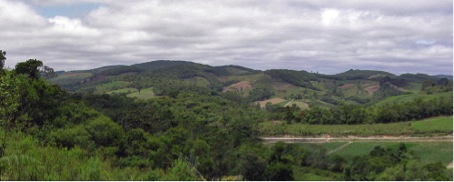
Beta1

Who, on the other hand, consults empirical work will find that for various groups of plants and animals it is common to observe that, of the diverse set of species in continuous habitats, it is frequently the same small set of species that persists after habitat loss. Apparently, only certain resistant species are able to survive in fragments, thereby making the species composition in fragments deterministically more (and not less) similar, indicating – in contrast to theoretical models – low influence of chance on species extinction.

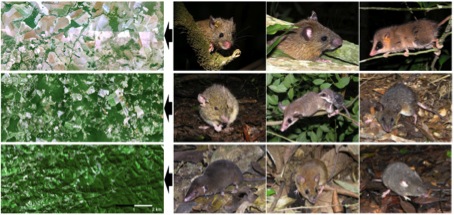
In our study “Ecological filtering or random extinction? Beta-diversity patterns and the importance of niche-based and neutral processes following habitat loss we investigated how the importance of different processes changes with habitat loss relying on a large database of small mammals in the Brazilian Atlantic Forest. We used a null model approach to quantify beta-diversity and make inferences about the relative importance of niche-based (deterministic) and neutral (stochastic) processes on community assembly at landscapes with varying degree of habitat loss.

Beta2

Our results did not support a positive relationship between beta-diversity and habitat loss, as predicted by commonly-used theoretical frameworks. Rather, when considering exclusively species composition (disregarding their abundance), beta-diversity was independent from habitat loss, with small mammal communities being more similar than expected by chance in deforested as well as continuously-forested landscapes. However, when species abundance was taken into consideration, we observed a drastic decrease in beta-diversity with habitat loss (i.e. biotic homogenization), thereby indicating an increase (rather than a decrease) in the importance of deterministic processes at landscapes with high degrees of habitat loss. Finally, we observed a drastic change in species composition in a highly deforested landscape, with communities being not just a rarefied sample but rather disproportionately dissimilar to the communities in continuously-forested landscapes.

Beta3

These results indicate that habitat loss can be seen as a strong ecological filter and species extinction is clearly more influenced by deterministic than by stochastic processes. Against this background, the incorporation of relevant species traits into theoretical models seems to be a useful step forward for the practical relevance of these models. Moreover, pro-active measures seem to be essential to prevent tropical landscapes to go beyond critical levels of habitat loss.

The authors through Thomas Püttker