Tag Archives: pollinator

Invaders in plant-pollinator communities Updated for 2026

The introduction of a new species to an ecological community can initiate a chain of events that results in a significant change to the community’s composition. For instance, the introduction of a pollinator species can facilitate the colonization of new plants that rely on the new pollinator for reproduction. Conversely, a pollinator species may drive down the population levels of certain species—e.g., if it aggressively robs a plant of its nectar without pollinating it.

How do communities respond to these invasions, and what lessons can be learned about the underlying properties of ecological communities in response to such invasions? In “Plant-pollinator community network response to species invasions depends on both invader and community characteristics,” the authors investigate the relationships between invasive species and community characteristics in shaping a plant-pollinator community’s response to an invasion.

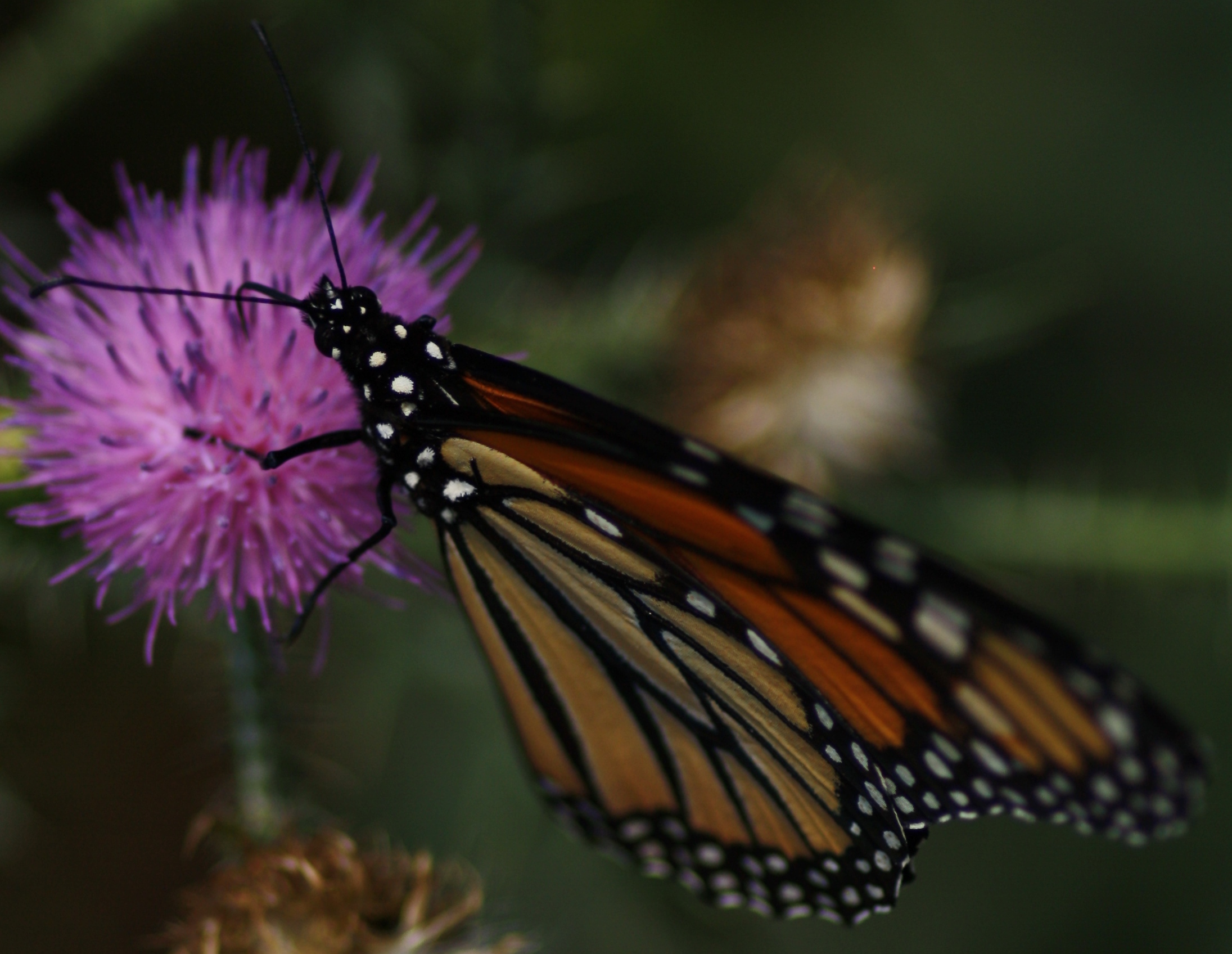
Monarch butterfly (Danaus plexippus) on invasive plumeless thistle (Carduus acanthoides). Photo credit: Laura Russo

Monarch butterfly (Danaus plexippus) on invasive plumeless thistle (Carduus acanthoides). Photo credit: Laura Russo

The study makes use of a computational model that was originally used to investigate the process by which stable plant-pollinator communities form. The use of such models is attractive for two main reasons. First, a model that recapitulates real-world behavior offers insight into the mechanisms that operate in nature; second, computational models allow rapid and widespread exploration that would be time-consuming, costly, and in some cases impractical to perform in nature. As such, computational models are well-positioned to speed up the process of scientific discovery by providing novel and informative predictions and insights into the properties of the systems being modeled.

The model itself is used to generate simulated plant-pollinator communities with properties drawn from the empirical literature. Interactions may be true mutualisms (beneficial to both species) or detrimental to one species and beneficial to another (e.g., insects that visit flowers for nectar without pollinating the plant and plants that trick pollinators without providing them with nectar rewards). Colonization or maintenance of a species in the community is possible if its beneficial interactions outweigh its detrimental interactions; otherwise, the species goes extinct.

The model predicts that invasive species with properties that are very different from the native species in the region (e.g., supergeneralists that benefit the species with which they interact) are more likely to drive significant changes in the number of species colonizing the community. When an invasive species increases the species richness of the invaded community, there is a corresponding increase in the community’s nestedness and a decrease in the community’s connectance. Nestedness is a measure that accounts for the tendency of the community to be composed of (1) generalist species that interact with many species and (2) specialist species that interact with a subset of generalists. Connectance is the number of observed interactions relative to the number of possible interactions. This predicted divergence in nestedness and connectance is in agreement

with recent empirical work, and stands in contrast to the correlation of these two measures when considering the process by which communities stabilize.

This finding is relevant to the active discussion among researchers concerning the relationship between nestedness and connectance. By investigating the differing behavior of these properties in the context of species invasion, this paper supports the argument that nestedness and connectance are complementary properties that provide a more accurate picture of a community together than either measure provides alone. These findings are most strongly supported in the context of invaders that increase the number of species colonizing the community. As these invaders tend to participate in many species-species interactions, this paper also highlights the important role of generalist species in shaping the structure and dynamics of ecological communities.

Agricultural pesticides – the gaping hole in the UK’s ‘Pollinator Strategy’ Updated for 2026


On Tuesday the Environment Secretary, Elizabeth Truss, announced the Government’s new 10-year strategy aimed at supporting bees and other pollinators that are vital for fertilising plants so they produce fruits and seeds.

In her first major speech since becoming Environment Secretary she acknowledged that bees and other pollinating insects such as moths, butterflies, wasps, beetles and hoverflies, are “indispensable to our food production.”

In the Foreword to the National Pollinator Strategy (NPS) itself the Environment Secretary states:

“Pollinators face many pressures which have led to declines in numbers, and a reduction in the diversity of species to be found in many parts of the country.

“That is why we are publishing this National Pollinator Strategy, which over the next 10 years will build a solid foundation to bring about the best possible conditions for bees and other insects to flourish.”

What about pesticides used in farming?

Irrespective of the many positive measures proposed in the strategy, a striking flaw in the strategy’s stated aims is the lack of any concrete action proposed regarding the use of pesticides in the farming sector.

The Strategy recognises that pesticides can damage pollinators, stating “We know that pollinators face many pressures, including … use of some pesticides”. But this is immediately qualified in a footnote: “if not used in accordance with the law and authorisation conditions.”

Of course this completely fails to recognise the considerable harm that pesticides do even when used legally and in the recommended way.

And while gardeners and other sectors are being advised to “think carefully” about whether they need to use pesticides, and to consider non-chemical alternatives, the same advice has not been clearly set out to farmers – although they are by far the biggest users of these chemicals, with around 80% of pesticides used in the UK each year related to agricultural use. This is quite frankly farcical.

IPM – a fancy name for ‘business as usual’?

As far farmers’ use of pesticides is concerned, the strategy only advises “Minimising the risks for pollinators associated with the use of pesticides through best practice, including Integrated Pest Management (IPM).”

The problem is that IPM is a system that still relies on pesticides to some degree (whichever definition one goes by). Many conventional farmers insist they already adopt IPM practices –  even though they are still spraying pesticides on a regular basis, year after year, on crops across the UK.

In fact, the NPS concedes that IPM ” … does not prohibit pesticide use but is a toolkit for combining effective crop protection with a full awareness of potential environmental impacts”, and makes only the weak claim that “Use of IPM may lead to a decrease in the volume of pesticides used by farmers and growers.” It also, presumably, may not.

So in reality, IPM is a red herring as it’s not going to fundamentally change anything. What we need is a complete paradigm shift in order to move away from dependence on pesticides altogether.

In fact, the strategy does very briefly refer to “Defra’s existing policies to support organic farming methods which have also shown benefits for pollinators and other wildlife”. But there is no encouragement to farmers to adopt organic methods or to use non-chemical alternatives to pesticides.

Pesticides in mixtures

Nor does the strategy refer to a very important hazard, and one that a number of scientists have drawn attention to: the effects on wildlife, including bees and other pollinators, from exposure to multiple pesticides and mixtures of pesticides.

Innumerable mixtures of different pesticides are sprayed on crop fields all over the UK every year which bees can come into direct contact with. And if bees are regularly using, or flying across pesticide sprayed fields then they could be coming into direct contact with mixtures of pesticides on a daily basis.

That could take place in any one field, but also while bees are travelling from one field to the next, as a result of exposure to mixtures of pesticides in the air.

A US study in 2010 (‘High levels of miticides and agrochemicals in North American apiaries: implications for honey bee health’) found 121 different pesticides and metabolites within 887 wax, pollen, bee and associated hive samples. The researchers conclude:

“The widespread occurrence of multiple residues, some at toxic levels for single compounds, and the lack of any scientific literature on the biological consequences of combinations of pesticides, argues strongly for urgent changes in regulatory policies regarding pesticide registration and monitoring procedures as they relate to pollinator safety.

“This further calls for emergency funding to address the myriad holes in our scientific understanding of pesticide consequences for pollinators.

“The relegation of bee toxicity for registered compounds to impact only label warnings, and the underestimation of systemic pesticide hazards to bees in the registration process may well have contributed to widespread pesticide contamination of pollen, the primary food source of our major pollinator. Is risking the $14 billion contribution of pollinators to our food system really worth lack of action?”

Individual pesticide products carry warnings of a risk to bees on the product label and safety data sheet information – such as ‘harmful’, ‘dangerous’, ‘extremely dangerous’ or ‘high risk’ to bees.

However there are also risks of adverse impacts on bee health arising from the cumulative effects of multiple exposures to mixtures of different pesticides. But the warnings on product labels fail to address the effects of pesticide mixtures. Nor are they accounted for under the existing pesticide approvals system.

The more chemicals bees are exposed to, the worse the effects

This point was also made by a study in the journal Nature which looked at the effect of a combination of chemicals and at the sort of levels typically seen in the countryside. It reported that the “worst effects were seen in the colonies exposed to the combination of chemicals.”

The researcher, Nigel Raine, pointed out that “pesticide usage was currently approved on tests which examine single pesticides over a period of days, rather than weeks” and that “our evidence shows that the risk of exposure to multiple pesticides needs to be considered, as this can seriously affect colony success.”

The reality of crop spraying in our countryside is that agricultural pesticides are commonly sprayed in mixtures, including mixtures of different pesticide groups.

The considerable public concern over the impact of the neonicotinoid group of pesticides is abundantly justified – but neglects the serious impacts of the broader pesticide cocktail to which bees and other pollinators are exposed.

Bees and other pollinator species – just like residents living in the locality of sprayed fields – are realistically exposed to innumerable mixtures of pesticides.

The recent focus on the impacts of pesticides on bees and other pollinators from just one group of pesticides – the neonicotinoids – has missed the wider, fundamental issue of pesticide spraying in the countryside in general, not to mention the impacts on people’s health.

Following guidelines is not good enough

It is important to stress the fact that farmers cannot control pesticides once they are airborne – either at the time of application or subsequently.

So the exposure that residents and other species receive is not really about the misuse, abuse or illegal use of pesticides, but about the approved / permitted use of these substances under existing Government policy – even when they are “used in accordance with the law and authorisation conditions.”

The current UK policy and approvals system has failed to adequately assess the risks of real life exposure to agricultural pesticides for any species – for example to mixtures of pesticides regularly sprayed – and further the Government has failed to act on known risks and adverse impacts.

Pesticide use in the farming sector is the most important sector for the National Pollinator Strategy to tackle – and yet it has entirely failed to tackle or even acknowledge the problem.

There is no specific mention in the NPS of the effects on pollinators of cocktails of pesticides in realistic exposure scenarios. The ‘Improving the Evidence’ section does include “impacts of crop protection measures on pollinators” but predominantly in relation to neonicotinoids, stating the need to:

  • “determine the effects of neonicotinoids on populations of wild and managed pollinators in field conditions.”
  • “assess the impact of the restrictions on neonicotinoids on farmers’ decisions on cropping, pesticide use and other management changes.”

There is a brief reference to the need to also “understand more fully the impacts of other pesticides on pollinators in field conditions.” However, the related footnote reference again just refers to a study that is solely related to “two commercial neonicotinoid seed treatments.”

There is no mention of the need to understand the effects on pollinators of cocktails of multiple agro-toxins. Nor is there any mention of the need to encourage pesticide-free farming.

We need a real solution – no more toxic chemicals in farming

Yet the only real solution to eliminate the adverse health and environmental impacts of pesticides is to take a preventative approach and avoid exposure altogether with the widespread adoption of truly sustainable non-chemical farming methods.

This would obviously be more in line with the objectives for sustainable crop production, as the reliance on complex chemicals designed to kill plants, insects or other forms of life, cannot be classified as sustainable.

Considering the massive health and environmental costs of using pesticides it makes clear economic sense to switch to non-chemical farming methods, as no toxic chemicals that have related risks and adverse effects for any species (whether humans, bees or other) should be used to grow food.

In her speech the Environment Secretary valued the work of pollinators at around £430 million and pointed out that this is “four times the salaries of the top ten players in the Premier League”. Like football players, she continued, pollinators “require excellent accommodation, training and the best diet and nutrition to make them world beating.”

But how is this possible if pollinators continue to munch on pesticides sprayed on crops all over the UK?


Georgina Downs is a journalist and campaigner. She runs the UK Pesticides Campaign.

The document: The National Pollinator Strategy: for bees and other pollinators in England.


380559

Agricultural pesticides – the gaping hole in the UK’s ‘Pollinator Strategy’ Updated for 2026


On Tuesday the Environment Secretary, Elizabeth Truss, announced the Government’s new 10-year strategy aimed at supporting bees and other pollinators that are vital for fertilising plants so they produce fruits and seeds.

In her first major speech since becoming Environment Secretary she acknowledged that bees and other pollinating insects such as moths, butterflies, wasps, beetles and hoverflies, are “indispensable to our food production.”

In the Foreword to the National Pollinator Strategy (NPS) itself the Environment Secretary states:

“Pollinators face many pressures which have led to declines in numbers, and a reduction in the diversity of species to be found in many parts of the country.

“That is why we are publishing this National Pollinator Strategy, which over the next 10 years will build a solid foundation to bring about the best possible conditions for bees and other insects to flourish.”

What about pesticides used in farming?

Irrespective of the many positive measures proposed in the strategy, a striking flaw in the strategy’s stated aims is the lack of any concrete action proposed regarding the use of pesticides in the farming sector.

The Strategy recognises that pesticides can damage pollinators, stating “We know that pollinators face many pressures, including … use of some pesticides”. But this is immediately qualified in a footnote: “if not used in accordance with the law and authorisation conditions.”

Of course this completely fails to recognise the considerable harm that pesticides do even when used legally and in the recommended way.

And while gardeners and other sectors are being advised to “think carefully” about whether they need to use pesticides, and to consider non-chemical alternatives, the same advice has not been clearly set out to farmers – although they are by far the biggest users of these chemicals, with around 80% of pesticides used in the UK each year related to agricultural use. This is quite frankly farcical.

IPM – a fancy name for ‘business as usual’?

As far farmers’ use of pesticides is concerned, the strategy only advises “Minimising the risks for pollinators associated with the use of pesticides through best practice, including Integrated Pest Management (IPM).”

The problem is that IPM is a system that still relies on pesticides to some degree (whichever definition one goes by). Many conventional farmers insist they already adopt IPM practices –  even though they are still spraying pesticides on a regular basis, year after year, on crops across the UK.

In fact, the NPS concedes that IPM ” … does not prohibit pesticide use but is a toolkit for combining effective crop protection with a full awareness of potential environmental impacts”, and makes only the weak claim that “Use of IPM may lead to a decrease in the volume of pesticides used by farmers and growers.” It also, presumably, may not.

So in reality, IPM is a red herring as it’s not going to fundamentally change anything. What we need is a complete paradigm shift in order to move away from dependence on pesticides altogether.

In fact, the strategy does very briefly refer to “Defra’s existing policies to support organic farming methods which have also shown benefits for pollinators and other wildlife”. But there is no encouragement to farmers to adopt organic methods or to use non-chemical alternatives to pesticides.

Pesticides in mixtures

Nor does the strategy refer to a very important hazard, and one that a number of scientists have drawn attention to: the effects on wildlife, including bees and other pollinators, from exposure to multiple pesticides and mixtures of pesticides.

Innumerable mixtures of different pesticides are sprayed on crop fields all over the UK every year which bees can come into direct contact with. And if bees are regularly using, or flying across pesticide sprayed fields then they could be coming into direct contact with mixtures of pesticides on a daily basis.

That could take place in any one field, but also while bees are travelling from one field to the next, as a result of exposure to mixtures of pesticides in the air.

A US study in 2010 (‘High levels of miticides and agrochemicals in North American apiaries: implications for honey bee health’) found 121 different pesticides and metabolites within 887 wax, pollen, bee and associated hive samples. The researchers conclude:

“The widespread occurrence of multiple residues, some at toxic levels for single compounds, and the lack of any scientific literature on the biological consequences of combinations of pesticides, argues strongly for urgent changes in regulatory policies regarding pesticide registration and monitoring procedures as they relate to pollinator safety.

“This further calls for emergency funding to address the myriad holes in our scientific understanding of pesticide consequences for pollinators.

“The relegation of bee toxicity for registered compounds to impact only label warnings, and the underestimation of systemic pesticide hazards to bees in the registration process may well have contributed to widespread pesticide contamination of pollen, the primary food source of our major pollinator. Is risking the $14 billion contribution of pollinators to our food system really worth lack of action?”

Individual pesticide products carry warnings of a risk to bees on the product label and safety data sheet information – such as ‘harmful’, ‘dangerous’, ‘extremely dangerous’ or ‘high risk’ to bees.

However there are also risks of adverse impacts on bee health arising from the cumulative effects of multiple exposures to mixtures of different pesticide. But the warnings on product labels fail to address the effects of pesticide mixtures. Nor are they accounted for under the existing pesticide approvals system.

The more chemicals bees are exposed to, the worse the effects

This point was also made by a study in the journal Nature which looked at the effect of a combination of chemicals and at the sort of levels typically seen in the countryside. It reported that the “worst effects were seen in the colonies exposed to the combination of chemicals.”

The researcher, Nigel Raine, pointed out that “pesticide usage was currently approved on tests which examine single pesticides over a period of days, rather than weeks” and that “our evidence shows that the risk of exposure to multiple pesticides needs to be considered, as this can seriously affect colony success.”

The reality of crop spraying in our countryside is that agricultural pesticides are commonly sprayed in mixtures, including mixtures of different pesticide groups.

The considerable public concern over the impact of the neonicotinoid group of pesticides is abundantly justified – but neglects the serious impacts of the broader pesticide cocktail to which bees and other pollinators are exposed.

Bees and other pollinator species – just like residents living in the locality of sprayed fields – are realistically exposed to innumerable mixtures of pesticides.

The recent focus on the impacts of pesticides on bees and other pollinators from just one group of pesticides – the neonicotinoids – has missed the wider, fundamental issue of pesticide spraying in the countryside in general, not to mention the impacts on people’s health.

Following guidelines is not good enough

It is important to stress the fact that farmers cannot control pesticides once they are airborne – either at the time of application or subsequently.

So the exposure that residents and other species receive is not really about the misuse, abuse or illegal use of pesticides, but about the approved / permitted use of these substances under existing Government policy – even when they are “used in accordance with the law and authorisation conditions.”

The current UK policy and approvals system has failed to adequately assess the risks of real life exposure to agricultural pesticides for any species – for example to mixtures of pesticides regularly sprayed – and further the Government has failed to act on known risks and adverse impacts.

Pesticide use in the farming sector is the most important sector for the National Pollinator Strategy to tackle – and yet it has entirely failed to tackle or even acknowledge the problem.

There is no specific mention in the NPS of the effects on pollinators of cocktails of pesticides in realistic exposure scenarios. The ‘Improving the Evidence’ section does include “impacts of crop protection measures on pollinators” but predominantly in relation to neonicotinoids, stating the need to:

  • “determine the effects of neonicotinoids on populations of wild and managed pollinators in field conditions.”
  • “assess the impact of the restrictions on neonicotinoids on farmers’ decisions on cropping, pesticide use and other management changes.”

There is a brief reference to the need to also “understand more fully the impacts of other pesticides on pollinators in field conditions.” However, the related footnote reference again just refers to a study that is solely related to “two commercial neonicotinoid seed treatments.”

There is no mention of the need to understand the effects on pollinators of cocktails of multiple agro-toxins. Nor is there any mention of the need to encourage pesticide-free farming.

We need a real solution – no more toxic chemicals in farming

Yet the only real solution to eliminate the adverse health and environmental impacts of pesticides is to take a preventative approach and avoid exposure altogether with the widespread adoption of truly sustainable non-chemical farming methods.

This would obviously be more in line with the objectives for sustainable crop production, as the reliance on complex chemicals designed to kill plants, insects or other forms of life, cannot be classified as sustainable.

Considering the massive health and environmental costs of using pesticides it makes clear economic sense to switch to non-chemical farming methods, as no toxic chemicals that have related risks and adverse effects for any species (whether humans, bees or other) should be used to grow food.

In her speech the Environment Secretary valued the work of pollinators at around £430 million and pointed out that this is “four times the salaries of the top ten players in the Premier League”. Like football players, she continued, pollinators “require excellent accommodation, training and the best diet and nutrition to make them world beating.”

But how is this possible if pollinators continue to munch on pesticides sprayed on crops all over the UK?


Georgina Downs is a journalist and campaigner. She runs the UK Pesticides Campaign.

The document: The National Pollinator Strategy: for bees and other pollinators in England.


380559

Agricultural pesticides – the gaping hole in the UK’s ‘Pollinator Strategy’ Updated for 2026


On Tuesday the Environment Secretary, Elizabeth Truss, announced the Government’s new 10-year strategy aimed at supporting bees and other pollinators that are vital for fertilising plants so they produce fruits and seeds.

In her first major speech since becoming Environment Secretary she acknowledged that bees and other pollinating insects such as moths, butterflies, wasps, beetles and hoverflies, are “indispensable to our food production.”

In the Foreword to the National Pollinator Strategy (NPS) itself the Environment Secretary states:

“Pollinators face many pressures which have led to declines in numbers, and a reduction in the diversity of species to be found in many parts of the country.

“That is why we are publishing this National Pollinator Strategy, which over the next 10 years will build a solid foundation to bring about the best possible conditions for bees and other insects to flourish.”

What about pesticides used in farming?

Irrespective of the many positive measures proposed in the strategy, a striking flaw in the strategy’s stated aims is the lack of any concrete action proposed regarding the use of pesticides in the farming sector.

The Strategy recognises that pesticides can damage pollinators, stating “We know that pollinators face many pressures, including … use of some pesticides”. But this is immediately qualified in a footnote: “if not used in accordance with the law and authorisation conditions.”

Of course this completely fails to recognise the considerable harm that pesticides do even when used legally and in the recommended way.

And while gardeners and other sectors are being advised to “think carefully” about whether they need to use pesticides, and to consider non-chemical alternatives, the same advice has not been clearly set out to farmers – although they are by far the biggest users of these chemicals, with around 80% of pesticides used in the UK each year related to agricultural use. This is quite frankly farcical.

IPM – a fancy name for ‘business as usual’?

As far farmers’ use of pesticides is concerned, the strategy only advises “Minimising the risks for pollinators associated with the use of pesticides through best practice, including Integrated Pest Management (IPM).”

The problem is that IPM is a system that still relies on pesticides to some degree (whichever definition one goes by). Many conventional farmers insist they already adopt IPM practices –  even though they are still spraying pesticides on a regular basis, year after year, on crops across the UK.

In fact, the NPS concedes that IPM ” … does not prohibit pesticide use but is a toolkit for combining effective crop protection with a full awareness of potential environmental impacts”, and makes only the weak claim that “Use of IPM may lead to a decrease in the volume of pesticides used by farmers and growers.” It also, presumably, may not.

So in reality, IPM is a red herring as it’s not going to fundamentally change anything. What we need is a complete paradigm shift in order to move away from dependence on pesticides altogether.

In fact, the strategy does very briefly refer to “Defra’s existing policies to support organic farming methods which have also shown benefits for pollinators and other wildlife”. But there is no encouragement to farmers to adopt organic methods or to use non-chemical alternatives to pesticides.

Pesticides in mixtures

Nor does the strategy refer to a very important hazard, and one that a number of scientists have drawn attention to: the effects on wildlife, including bees and other pollinators, from exposure to multiple pesticides and mixtures of pesticides.

Innumerable mixtures of different pesticides are sprayed on crop fields all over the UK every year which bees can come into direct contact with. And if bees are regularly using, or flying across pesticide sprayed fields then they could be coming into direct contact with mixtures of pesticides on a daily basis.

That could take place in any one field, but also while bees are travelling from one field to the next, as a result of exposure to mixtures of pesticides in the air.

A US study in 2010 (‘High levels of miticides and agrochemicals in North American apiaries: implications for honey bee health’) found 121 different pesticides and metabolites within 887 wax, pollen, bee and associated hive samples. The researchers conclude:

“The widespread occurrence of multiple residues, some at toxic levels for single compounds, and the lack of any scientific literature on the biological consequences of combinations of pesticides, argues strongly for urgent changes in regulatory policies regarding pesticide registration and monitoring procedures as they relate to pollinator safety.

“This further calls for emergency funding to address the myriad holes in our scientific understanding of pesticide consequences for pollinators.

“The relegation of bee toxicity for registered compounds to impact only label warnings, and the underestimation of systemic pesticide hazards to bees in the registration process may well have contributed to widespread pesticide contamination of pollen, the primary food source of our major pollinator. Is risking the $14 billion contribution of pollinators to our food system really worth lack of action?”

Individual pesticide products carry warnings of a risk to bees on the product label and safety data sheet information – such as ‘harmful’, ‘dangerous’, ‘extremely dangerous’ or ‘high risk’ to bees.

However there are also risks of adverse impacts on bee health arising from the cumulative effects of multiple exposures to mixtures of different pesticide. But the warnings on product labels fail to address the effects of pesticide mixtures. Nor are they accounted for under the existing pesticide approvals system.

The more chemicals bees are exposed to, the worse the effects

This point was also made by a study in the journal Nature which looked at the effect of a combination of chemicals and at the sort of levels typically seen in the countryside. It reported that the “worst effects were seen in the colonies exposed to the combination of chemicals.”

The researcher, Nigel Raine, pointed out that “pesticide usage was currently approved on tests which examine single pesticides over a period of days, rather than weeks” and that “our evidence shows that the risk of exposure to multiple pesticides needs to be considered, as this can seriously affect colony success.”

The reality of crop spraying in our countryside is that agricultural pesticides are commonly sprayed in mixtures, including mixtures of different pesticide groups.

The considerable public concern over the impact of the neonicotinoid group of pesticides is abundantly justified – but neglects the serious impacts of the broader pesticide cocktail to which bees and other pollinators are exposed.

Bees and other pollinator species – just like residents living in the locality of sprayed fields – are realistically exposed to innumerable mixtures of pesticides.

The recent focus on the impacts of pesticides on bees and other pollinators from just one group of pesticides – the neonicotinoids – has missed the wider, fundamental issue of pesticide spraying in the countryside in general, not to mention the impacts on people’s health.

Following guidelines is not good enough

It is important to stress the fact that farmers cannot control pesticides once they are airborne – either at the time of application or subsequently.

So the exposure that residents and other species receive is not really about the misuse, abuse or illegal use of pesticides, but about the approved / permitted use of these substances under existing Government policy – even when they are “used in accordance with the law and authorisation conditions.”

The current UK policy and approvals system has failed to adequately assess the risks of real life exposure to agricultural pesticides for any species – for example to mixtures of pesticides regularly sprayed – and further the Government has failed to act on known risks and adverse impacts.

Pesticide use in the farming sector is the most important sector for the National Pollinator Strategy to tackle – and yet it has entirely failed to tackle or even acknowledge the problem.

There is no specific mention in the NPS of the effects on pollinators of cocktails of pesticides in realistic exposure scenarios. The ‘Improving the Evidence’ section does include “impacts of crop protection measures on pollinators” but predominantly in relation to neonicotinoids, stating the need to:

  • “determine the effects of neonicotinoids on populations of wild and managed pollinators in field conditions.”
  • “assess the impact of the restrictions on neonicotinoids on farmers’ decisions on cropping, pesticide use and other management changes.”

There is a brief reference to the need to also “understand more fully the impacts of other pesticides on pollinators in field conditions.” However, the related footnote reference again just refers to a study that is solely related to “two commercial neonicotinoid seed treatments.”

There is no mention of the need to understand the effects on pollinators of cocktails of multiple agro-toxins. Nor is there any mention of the need to encourage pesticide-free farming.

We need a real solution – no more toxic chemicals in farming

Yet the only real solution to eliminate the adverse health and environmental impacts of pesticides is to take a preventative approach and avoid exposure altogether with the widespread adoption of truly sustainable non-chemical farming methods.

This would obviously be more in line with the objectives for sustainable crop production, as the reliance on complex chemicals designed to kill plants, insects or other forms of life, cannot be classified as sustainable.

Considering the massive health and environmental costs of using pesticides it makes clear economic sense to switch to non-chemical farming methods, as no toxic chemicals that have related risks and adverse effects for any species (whether humans, bees or other) should be used to grow food.

In her speech the Environment Secretary valued the work of pollinators at around £430 million and pointed out that this is “four times the salaries of the top ten players in the Premier League”. Like football players, she continued, pollinators “require excellent accommodation, training and the best diet and nutrition to make them world beating.”

But how is this possible if pollinators continue to munch on pesticides sprayed on crops all over the UK?


Georgina Downs is a journalist and campaigner. She runs the UK Pesticides Campaign.

The document: The National Pollinator Strategy: for bees and other pollinators in England.


380559

Agricultural pesticides – the gaping hole in the UK’s ‘Pollinator Strategy’ Updated for 2026


On Tuesday the Environment Secretary, Elizabeth Truss, announced the Government’s new 10-year strategy aimed at supporting bees and other pollinators that are vital for fertilising plants so they produce fruits and seeds.

In her first major speech since becoming Environment Secretary she acknowledged that bees and other pollinating insects such as moths, butterflies, wasps, beetles and hoverflies, are “indispensable to our food production.”

In the Foreword to the National Pollinator Strategy (NPS) itself the Environment Secretary states:

“Pollinators face many pressures which have led to declines in numbers, and a reduction in the diversity of species to be found in many parts of the country.

“That is why we are publishing this National Pollinator Strategy, which over the next 10 years will build a solid foundation to bring about the best possible conditions for bees and other insects to flourish.”

What about pesticides used in farming?

Irrespective of the many positive measures proposed in the strategy, a striking flaw in the strategy’s stated aims is the lack of any concrete action proposed regarding the use of pesticides in the farming sector.

The Strategy recognises that pesticides can damage pollinators, stating “We know that pollinators face many pressures, including … use of some pesticides”. But this is immediately qualified in a footnote: “if not used in accordance with the law and authorisation conditions.”

Of course this completely fails to recognise the considerable harm that pesticides do even when used legally and in the recommended way.

And while gardeners and other sectors are being advised to “think carefully” about whether they need to use pesticides, and to consider non-chemical alternatives, the same advice has not been clearly set out to farmers – although they are by far the biggest users of these chemicals, with around 80% of pesticides used in the UK each year related to agricultural use. This is quite frankly farcical.

IPM – a fancy name for ‘business as usual’?

As far farmers’ use of pesticides is concerned, the strategy only advises “Minimising the risks for pollinators associated with the use of pesticides through best practice, including Integrated Pest Management (IPM).”

The problem is that IPM is a system that still relies on pesticides to some degree (whichever definition one goes by). Many conventional farmers insist they already adopt IPM practices –  even though they are still spraying pesticides on a regular basis, year after year, on crops across the UK.

In fact, the NPS concedes that IPM ” … does not prohibit pesticide use but is a toolkit for combining effective crop protection with a full awareness of potential environmental impacts”, and makes only the weak claim that “Use of IPM may lead to a decrease in the volume of pesticides used by farmers and growers.” It also, presumably, may not.

So in reality, IPM is a red herring as it’s not going to fundamentally change anything. What we need is a complete paradigm shift in order to move away from dependence on pesticides altogether.

In fact, the strategy does very briefly refer to “Defra’s existing policies to support organic farming methods which have also shown benefits for pollinators and other wildlife”. But there is no encouragement to farmers to adopt organic methods or to use non-chemical alternatives to pesticides.

Pesticides in mixtures

Nor does the strategy refer to a very important hazard, and one that a number of scientists have drawn attention to: the effects on wildlife, including bees and other pollinators, from exposure to multiple pesticides and mixtures of pesticides.

Innumerable mixtures of different pesticides are sprayed on crop fields all over the UK every year which bees can come into direct contact with. And if bees are regularly using, or flying across pesticide sprayed fields then they could be coming into direct contact with mixtures of pesticides on a daily basis.

That could take place in any one field, but also while bees are travelling from one field to the next, as a result of exposure to mixtures of pesticides in the air.

A US study in 2010 (‘High levels of miticides and agrochemicals in North American apiaries: implications for honey bee health’) found 121 different pesticides and metabolites within 887 wax, pollen, bee and associated hive samples. The researchers conclude:

“The widespread occurrence of multiple residues, some at toxic levels for single compounds, and the lack of any scientific literature on the biological consequences of combinations of pesticides, argues strongly for urgent changes in regulatory policies regarding pesticide registration and monitoring procedures as they relate to pollinator safety.

“This further calls for emergency funding to address the myriad holes in our scientific understanding of pesticide consequences for pollinators.

“The relegation of bee toxicity for registered compounds to impact only label warnings, and the underestimation of systemic pesticide hazards to bees in the registration process may well have contributed to widespread pesticide contamination of pollen, the primary food source of our major pollinator. Is risking the $14 billion contribution of pollinators to our food system really worth lack of action?”

Individual pesticide products carry warnings of a risk to bees on the product label and safety data sheet information – such as ‘harmful’, ‘dangerous’, ‘extremely dangerous’ or ‘high risk’ to bees.

However there are also risks of adverse impacts on bee health arising from the cumulative effects of multiple exposures to mixtures of different pesticide. But the warnings on product labels fail to address the effects of pesticide mixtures. Nor are they accounted for under the existing pesticide approvals system.

The more chemicals bees are exposed to, the worse the effects

This point was also made by a study in the journal Nature which looked at the effect of a combination of chemicals and at the sort of levels typically seen in the countryside. It reported that the “worst effects were seen in the colonies exposed to the combination of chemicals.”

The researcher, Nigel Raine, pointed out that “pesticide usage was currently approved on tests which examine single pesticides over a period of days, rather than weeks” and that “our evidence shows that the risk of exposure to multiple pesticides needs to be considered, as this can seriously affect colony success.”

The reality of crop spraying in our countryside is that agricultural pesticides are commonly sprayed in mixtures, including mixtures of different pesticide groups.

The considerable public concern over the impact of the neonicotinoid group of pesticides is abundantly justified – but neglects the serious impacts of the broader pesticide cocktail to which bees and other pollinators are exposed.

Bees and other pollinator species – just like residents living in the locality of sprayed fields – are realistically exposed to innumerable mixtures of pesticides.

The recent focus on the impacts of pesticides on bees and other pollinators from just one group of pesticides – the neonicotinoids – has missed the wider, fundamental issue of pesticide spraying in the countryside in general, not to mention the impacts on people’s health.

Following guidelines is not good enough

It is important to stress the fact that farmers cannot control pesticides once they are airborne – either at the time of application or subsequently.

So the exposure that residents and other species receive is not really about the misuse, abuse or illegal use of pesticides, but about the approved / permitted use of these substances under existing Government policy – even when they are “used in accordance with the law and authorisation conditions.”

The current UK policy and approvals system has failed to adequately assess the risks of real life exposure to agricultural pesticides for any species – for example to mixtures of pesticides regularly sprayed – and further the Government has failed to act on known risks and adverse impacts.

Pesticide use in the farming sector is the most important sector for the National Pollinator Strategy to tackle – and yet it has entirely failed to tackle or even acknowledge the problem.

There is no specific mention in the NPS of the effects on pollinators of cocktails of pesticides in realistic exposure scenarios. The ‘Improving the Evidence’ section does include “impacts of crop protection measures on pollinators” but predominantly in relation to neonicotinoids, stating the need to:

  • “determine the effects of neonicotinoids on populations of wild and managed pollinators in field conditions.”
  • “assess the impact of the restrictions on neonicotinoids on farmers’ decisions on cropping, pesticide use and other management changes.”

There is a brief reference to the need to also “understand more fully the impacts of other pesticides on pollinators in field conditions.” However, the related footnote reference again just refers to a study that is solely related to “two commercial neonicotinoid seed treatments.”

There is no mention of the need to understand the effects on pollinators of cocktails of multiple agro-toxins. Nor is there any mention of the need to encourage pesticide-free farming.

We need a real solution – no more toxic chemicals in farming

Yet the only real solution to eliminate the adverse health and environmental impacts of pesticides is to take a preventative approach and avoid exposure altogether with the widespread adoption of truly sustainable non-chemical farming methods.

This would obviously be more in line with the objectives for sustainable crop production, as the reliance on complex chemicals designed to kill plants, insects or other forms of life, cannot be classified as sustainable.

Considering the massive health and environmental costs of using pesticides it makes clear economic sense to switch to non-chemical farming methods, as no toxic chemicals that have related risks and adverse effects for any species (whether humans, bees or other) should be used to grow food.

In her speech the Environment Secretary valued the work of pollinators at around £430 million and pointed out that this is “four times the salaries of the top ten players in the Premier League”. Like football players, she continued, pollinators “require excellent accommodation, training and the best diet and nutrition to make them world beating.”

But how is this possible if pollinators continue to munch on pesticides sprayed on crops all over the UK?


Georgina Downs is a journalist and campaigner. She runs the UK Pesticides Campaign.

The document: The National Pollinator Strategy: for bees and other pollinators in England.


380559

Pollinator decline effects on plants Updated for 2026

How pollinator decline affect plant-plant interactions for pollinator is studied in the Early View article ‘Experimental reduction of pollinator visitation modifies plant-plant interactions for pollination’ by Amparo Lázaro and co-workers.

Several studies have indicated a widespread pollinator decline, caused mainly by land-use changes, degradation of natural habitats, fragmentation and habitat loss. Since the majority of plant species are dependent on animal pollination for reproduction, pollinator decline may influence plant reproduction and the persistence of plant populations. However, a pollinator decline may also affect the way plants interact for pollination because these interactions depend on the abundance of plants and pollinators in the community.

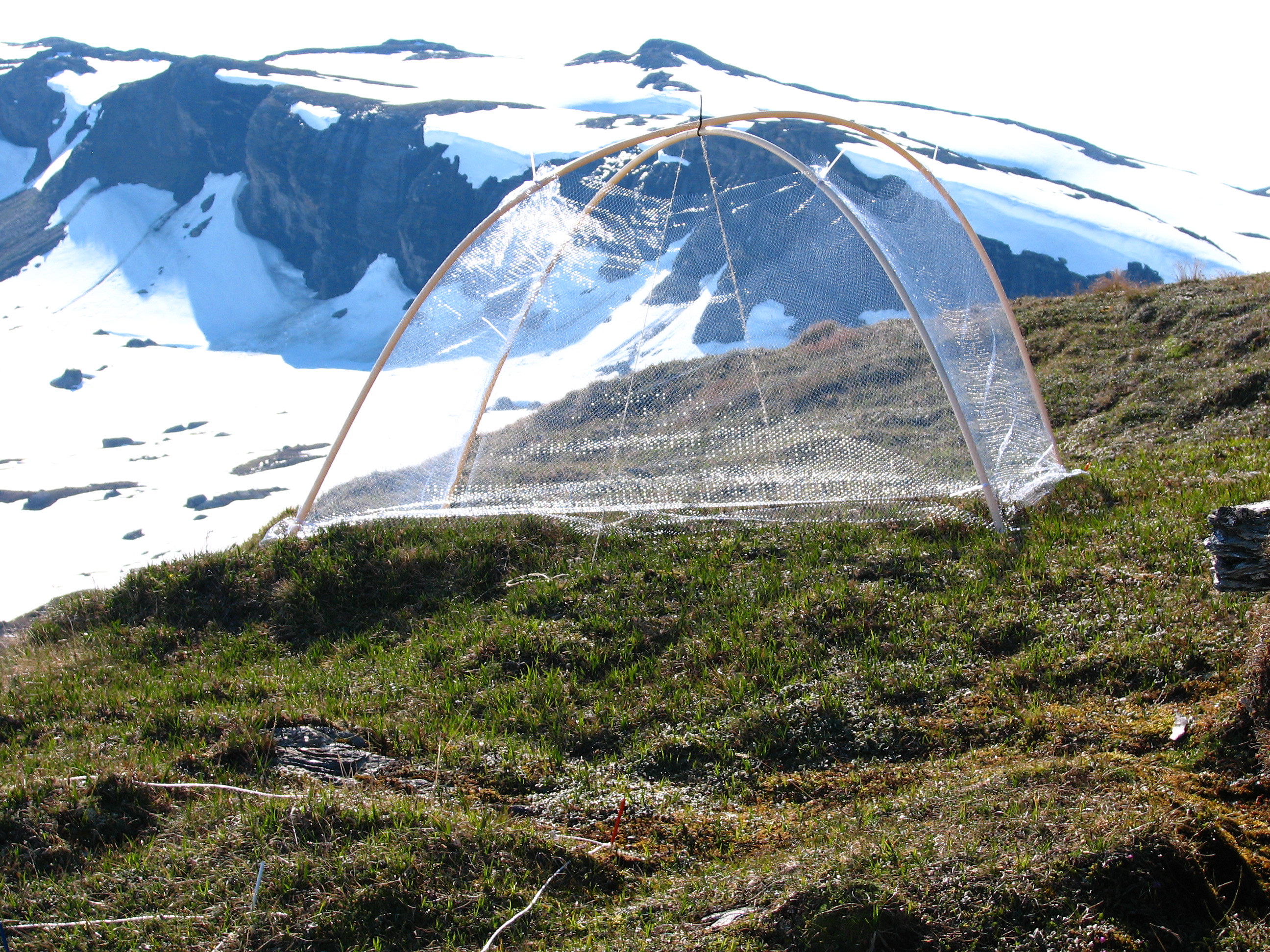
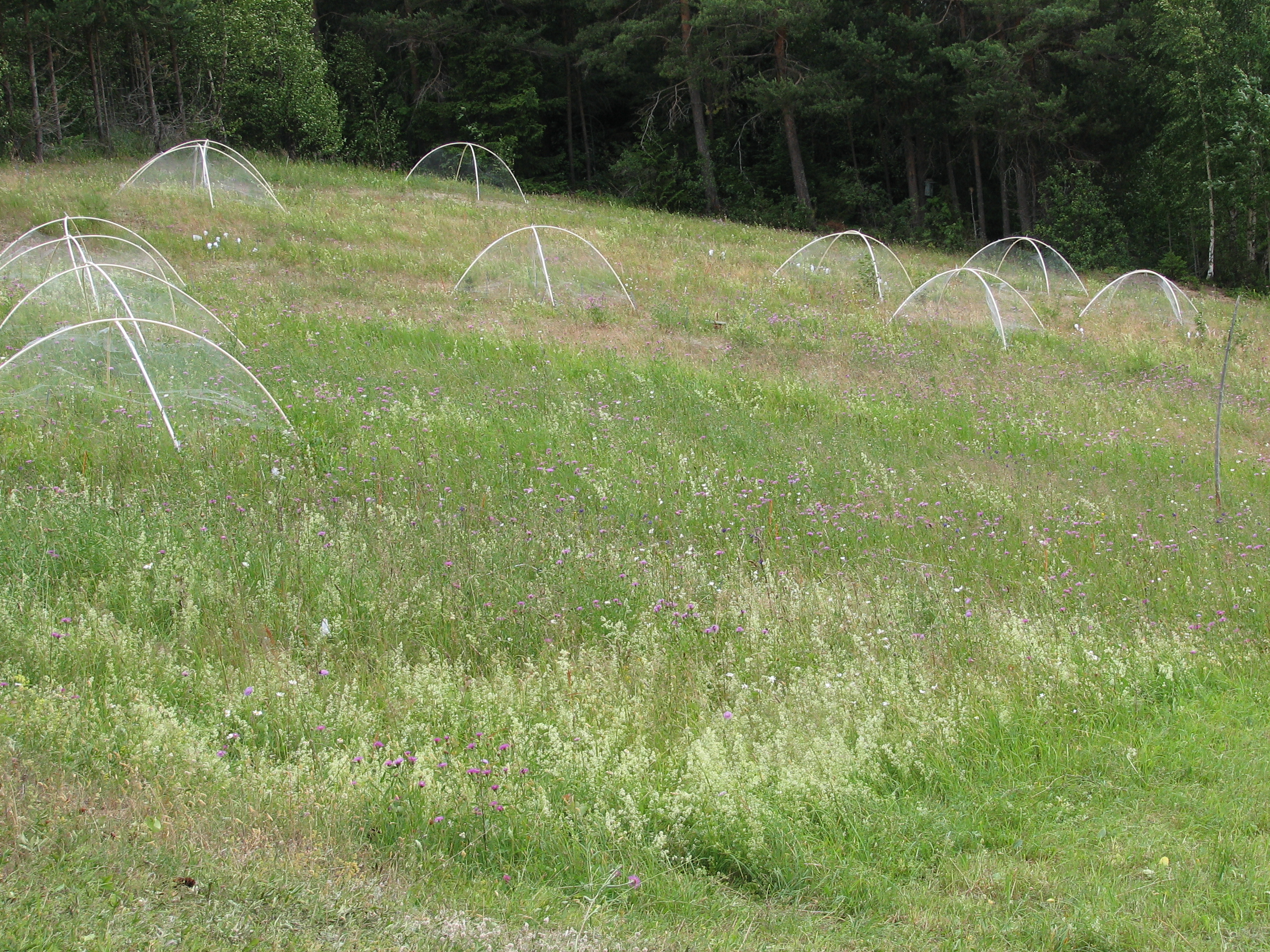
To simulate a pollinator decline we set up a novel experiment to reduce pollinator visitation in two communities (one lowland and one alpine) in Southern Norway (see also Lundgren et al. 2013). In the experiment we compared control plots with plots where pollinator visitation had been reduced by means of dome-shaped cages constructed by bending two PVC-tubes diagonally and covering them with fishnet. The fishnet was totally transparent, so flowers were fully visible from outside the net. In order to allow flower visitors inside cages to exit easily, we left an opening between the mesh and the ground, and another opening in the top of the dome. This experiment effectively reduced pollinator visitation without modifying the composition or behaviour of pollinators, or other important biotic and abiotic variables.

alpine1

Alpine

lowland5

Lowland

Lázaro et al. (2014) shows that the reduction in pollinators modified plant-plant interactions for pollination in all the six species studied; although for two of them these interactions did not affect seed set. Pollen limitation and seed set data showed that the reduction of pollinator visits most frequently resulted in novel and/or stronger interactions between plants in the experimental plots that did not occur in the controls. Although the responses were species-specific, there was a tendency for increasing facilitative interactions with conspecific neighbours in experimental plots where pollinator availability was reduced. Heterospecifics only influenced pollination and fecundity in species in the alpine community and in the experimental plots, where they competed with the focal species for pollination. The patterns observed for visitation rates differed from those for fecundity, with more significant interactions between plants in the controls in both communities. This study warns against the exclusive use of visitation data to interpret plant-plant interactions for pollination, and helps to understand how plant aggregations may buffer or intensify the effects of a pollinator loss on plant fitness.

div { margin-top: 1em; } #google_ads_div_wpcom_below_post_adsafe_ad_container { display: block !important; }
]]>