Tag Archives: Ecologic

There’s no place for nuclear in the ‘Clean Power Plan’ Updated for 2026


Dear Administrator Gina McCarthy,

We strongly support the Environmental Protection Agency’s goals in the Clean Power Plan draft regulation, and we are grateful for the agency’s leadership in setting a critical policy for reducing emissions from the electricity generation sector.

We also appreciate the fact that the Clean Power Plan’s purpose is to create enforceable goals for states to reduce emissions, and a framework (the Best System of Emissions Reduction / BSER) for them to implement and comply with the targets.

The framework must be flexible and adaptable, to account for technological advances and regional differences in energy resources and regulatory systems, but it must also encourage rational and effective policies.

Unfortunately, the treatment of nuclear energy in the draft rule is unsupported by meaningful analysis, and would make it possible for states to implement the rule in ways that are counterproductive to the Clean Power Plan’s purpose of reducing emissions.

The role of nuclear power must be re-evaluated

We are, additionally, very concerned about industry proposals to expand provisions to encourage nuclear. We urge the EPA to conduct a thorough and fact-based analysis of nuclear, and to do the following:

  1. Remove the preservation of existing nuclear reactors from the BSER.
  2. Do not force Georgia, South Carolina, and Tennessee to finish building new reactors.
  3. Conduct a thorough and accurate analysis of the environmental impacts of nuclear power, from radioactive waste and uranium mining to reactor accidents and water use.
  4. Recognize and incorporate the much greater role renewable energy and efficiency can, will, and must play in reducing carbon emissions and replacing both fossil fuels and nuclear.

We recognize that the EPA has undertaken a monumental task in developing the Clean Power Plan – perhaps the most important single step in setting the U.S. on the path to reducing emissions enough to avert the worst of global warming and climate change.

It is essential that we begin making substantial reductions in emissions immediately, and that the institutional inertia and narrow self-interest of utilities and major power companies do not stand in the way of deploying the most cost-effective and environmentally sustainable energy solutions.

For that very reason, it is important the regulation ensures states do not get off on the wrong foot and implement the rule in ways that are counterproductive.

False and irrational assumptions

Unfortunately, the Clean Power Plan’s treatment of nuclear incentivizes the preservation and expansion of a technology that is and has always been the most expensive, inflexible, and dangerous complement to fossil fuels.

The Clean Power Plan incorporates nuclear into the BSER in two ways:

  • Assumes five new reactors will be completed and brought online in the states of Georgia, South Carolina, and Tennessee, and irrationally estimates the cost of doing so as $0. In fact, billions more remain to be spent on these reactors and there is a great deal of uncertainty about when, if ever, they will be completed, facing years of delays and billions in cost overruns. The cost assumption would force states to complete the reactors no matter the cost, rather than enabling them to choose better ways to meet their emissions goals. Even though renewables and efficiency could be deployed at lower cost than nuclear, the draft rule would make it look like they are much more expensive because of the zero-cost assumption about completing the reactors.
  • Encourages states to ‘preserve’ reactors economically at-risk of being closed, equivalent to 6% of each state’s existing nuclear generation. While it is true that about 6% of the nation’s operating reactors may close for economic reasons, this provision encourages every state to subsidize existing reactors, greatly underestimates the cost of doing so, and overestimates their role in reducing emissions. Uneconomical reactors have high and rising operating costs, and cannot compete with renewables and efficiency. If anything, EPA should simply recommend that low-carbon energy sources be replaced with other low-carbon resources, but singling out nuclear for ‘preservation’ suggests it is better for states to lock themselves into obsolete and increasingly uneconomical nuclear.

The rule also says states may utilize two other ways of adding nuclear capacity as options for achieving the goals, even though they are not incorporated in the BSER:

  • New reactors other than those currently in construction. EPA recognizes that new nuclear is too expensive to be included in the BSER, so it should not suggest states consider it as a way of meeting their emissions goals.
  • Power uprate modifications to increase the generation capacity of existing reactors. Power uprates are capital-intensive and expensive, and several recent projects have been cancelled or suffered major cost overruns, in the case of Minnesota’s Monticello reactor, at a total cost greater than most new reactors ($10 million/megawatt). [1]

Rather than suggesting states waste resources on nuclear generation too expensive and infeasible to be included in the BSER, EPA should include an analysis of these problems so that states can better evaluate their options and select lower-cost, more reliable means for reducing emissions, such as renewables and efficiency.

Serious nuclear concerns ignored

The Clean Power Plan also considers some non-air quality impacts of nuclear generation, as it is required to do under the Clean Air Act. However, the EPA’s evaluation is both woefully incomplete and alarmingly inadequate. EPA dismisses concerns about radioactive waste and nuclear power’s impact on water resources, simply characterizing them as equivalent to problems with fossil fuel generation.

In fact, radioactive waste is an intractable problem that threatens the environment for potentially hundreds of thousands of years. In addition, nuclear reactors’ use of water is more intensive than fossil fuel technologies, and a majority of existing reactors utilize the most water-intensive once-through cooling systems.

Regardless, however, rather than only comparing them to fossil fuels, EPA should have compared these impacts to the full range of alternatives, including renewables and efficiency, which do not have such problems.

EPA leaves out a host of other environmental impacts unique to nuclear, including uranium mining and nuclear accidents.

There are over 10,000 abandoned uranium mines throughout the US, which are subject to lax environmental standards, pose major groundwater and public health risks, present serious environmental justice concerns, and could entail billions in site cleanup and remediation costs.

The failure to consider the impacts of a nuclear accident is a glaring oversight, in the wake of the Fukushima disaster. EPA must consider both the environmental and economic impact of nuclear accidents.

Renewables can do the job!

In general, the Clean Power Plan’s consideration of nuclear appears to be based on a dangerous fallacy: that closed reactors must be replaced with fossil fuel generation, presumably because other low- / zero-carbon resources could not make up the difference.

In fact, renewable energy growth has surpassed all other forms of new generation for going on three years, making up 48% of all new electricity generation brought online from 2011 to July 2014. [2]

The growth rate of wind energy alone (up to 12,000 MW per year) would be sufficient to replace all of the ‘at-risk’ nuclear capacity within two years, at lower cost than the market price of electricity, [3] let alone at the subsidized rate for nuclear the draft rule suggests.

Assuming that closed reactors will be replaced with fossil fuel generation both encourages states to waste resources trying to ‘preserve’ (or even build) uneconomical reactors rather than on more cost-effective and productive investments in renewables and efficiency.

While states are free to develop their implementation plans without using the specific energy sources included in the BSER, the rule should not promote such foolishness.

No amount of spending or subsidies for nuclear has been effective at reducing the technology’s costs nor overcoming lengthy construction times and delays, whereas spending on renewables and efficiency has had the effect of lowering their costs and increasing their rate of deployment.

The economic problems facing currently operating reactors merely underscore the point that nuclear is not a cost-effective way of reducing emissions.

We are hopeful that the Clean Power Plan will be a watershed in setting the country on a path to emissions reductions and climate action, and we are grateful to the EPA for taking this step.

We believe that correcting the problems with the way nuclear is considered in the draft rule, and increasing the role of renewables and efficiency, will make the Clean Power Plan much stronger and lead states to implement it more productively and cost-effectively.


Action – organizations: Make sure your organization is signed on to our comments on the Clean Power Plan, which expand on the points above. The comments, and current list of endorsers, are here. If your organization is not listed, please sign on now by sending an e-mail to me at nirsnet@nirs.org with your name, title, organization name, city, and state (and country if outside the US – we encourage our international friends to support us in this effort!). Please sign on by midnight, Sunday, November 30, 2014.

Action – individuals: Please send in your comments on our action page here. And please share the action page with your friends and colleagues using the logos at its top, or share our previous Alert on the issue on Facebook and Twitter here. More than 19,000 of you have acted so far; we want to top 20,000 (do I hear 25,000?) comments before the December 1 deadline. Your help in outreach is essential to meet that goal.

Tim Judson is Executive Director of Nuclear Information & Resource Service, Takoma Park, MD.

For full list of signatories see NIRS.

References

1. Shaffer, David. ‘Xcel management blamed for cost overruns at Monticello nuclear plant‘. Minneapolis Star-Tribune, July 9, 2014.

2. Sun Day Campaign. ‘Renewables Provide 56 Percent of New US Electrical Generating Capacity in First Half of 2014‘. July 21, 2014.

3. Lawrence Berkley National Laboratory. ‘2013 Wind Technologies Market Report‘. US Department of Energy. August 18, 2014.


387540

There’s no place for nuclear in the ‘Clean Power Plan’ Updated for 2026


Dear Administrator Gina McCarthy,

We strongly support the Environmental Protection Agency’s goals in the Clean Power Plan draft regulation, and we are grateful for the agency’s leadership in setting a critical policy for reducing emissions from the electricity generation sector.

We also appreciate the fact that the Clean Power Plan’s purpose is to create enforceable goals for states to reduce emissions, and a framework (the Best System of Emissions Reduction / BSER) for them to implement and comply with the targets.

The framework must be flexible and adaptable, to account for technological advances and regional differences in energy resources and regulatory systems, but it must also encourage rational and effective policies.

Unfortunately, the treatment of nuclear energy in the draft rule is unsupported by meaningful analysis, and would make it possible for states to implement the rule in ways that are counterproductive to the Clean Power Plan’s purpose of reducing emissions.

The role of nuclear power must be re-evaluated

We are, additionally, very concerned about industry proposals to expand provisions to encourage nuclear. We urge the EPA to conduct a thorough and fact-based analysis of nuclear, and to do the following:

  1. Remove the preservation of existing nuclear reactors from the BSER.
  2. Do not force Georgia, South Carolina, and Tennessee to finish building new reactors.
  3. Conduct a thorough and accurate analysis of the environmental impacts of nuclear power, from radioactive waste and uranium mining to reactor accidents and water use.
  4. Recognize and incorporate the much greater role renewable energy and efficiency can, will, and must play in reducing carbon emissions and replacing both fossil fuels and nuclear.

We recognize that the EPA has undertaken a monumental task in developing the Clean Power Plan – perhaps the most important single step in setting the U.S. on the path to reducing emissions enough to avert the worst of global warming and climate change.

It is essential that we begin making substantial reductions in emissions immediately, and that the institutional inertia and narrow self-interest of utilities and major power companies do not stand in the way of deploying the most cost-effective and environmentally sustainable energy solutions.

For that very reason, it is important the regulation ensures states do not get off on the wrong foot and implement the rule in ways that are counterproductive.

False and irrational assumptions

Unfortunately, the Clean Power Plan’s treatment of nuclear incentivizes the preservation and expansion of a technology that is and has always been the most expensive, inflexible, and dangerous complement to fossil fuels.

The Clean Power Plan incorporates nuclear into the BSER in two ways:

  • Assumes five new reactors will be completed and brought online in the states of Georgia, South Carolina, and Tennessee, and irrationally estimates the cost of doing so as $0. In fact, billions more remain to be spent on these reactors and there is a great deal of uncertainty about when, if ever, they will be completed, facing years of delays and billions in cost overruns. The cost assumption would force states to complete the reactors no matter the cost, rather than enabling them to choose better ways to meet their emissions goals. Even though renewables and efficiency could be deployed at lower cost than nuclear, the draft rule would make it look like they are much more expensive because of the zero-cost assumption about completing the reactors.
  • Encourages states to ‘preserve’ reactors economically at-risk of being closed, equivalent to 6% of each state’s existing nuclear generation. While it is true that about 6% of the nation’s operating reactors may close for economic reasons, this provision encourages every state to subsidize existing reactors, greatly underestimates the cost of doing so, and overestimates their role in reducing emissions. Uneconomical reactors have high and rising operating costs, and cannot compete with renewables and efficiency. If anything, EPA should simply recommend that low-carbon energy sources be replaced with other low-carbon resources, but singling out nuclear for ‘preservation’ suggests it is better for states to lock themselves into obsolete and increasingly uneconomical nuclear.

The rule also says states may utilize two other ways of adding nuclear capacity as options for achieving the goals, even though they are not incorporated in the BSER:

  • New reactors other than those currently in construction. EPA recognizes that new nuclear is too expensive to be included in the BSER, so it should not suggest states consider it as a way of meeting their emissions goals.
  • Power uprate modifications to increase the generation capacity of existing reactors. Power uprates are capital-intensive and expensive, and several recent projects have been cancelled or suffered major cost overruns, in the case of Minnesota’s Monticello reactor, at a total cost greater than most new reactors ($10 million/megawatt). [1]

Rather than suggesting states waste resources on nuclear generation too expensive and infeasible to be included in the BSER, EPA should include an analysis of these problems so that states can better evaluate their options and select lower-cost, more reliable means for reducing emissions, such as renewables and efficiency.

Serious nuclear concerns ignored

The Clean Power Plan also considers some non-air quality impacts of nuclear generation, as it is required to do under the Clean Air Act. However, the EPA’s evaluation is both woefully incomplete and alarmingly inadequate. EPA dismisses concerns about radioactive waste and nuclear power’s impact on water resources, simply characterizing them as equivalent to problems with fossil fuel generation.

In fact, radioactive waste is an intractable problem that threatens the environment for potentially hundreds of thousands of years. In addition, nuclear reactors’ use of water is more intensive than fossil fuel technologies, and a majority of existing reactors utilize the most water-intensive once-through cooling systems.

Regardless, however, rather than only comparing them to fossil fuels, EPA should have compared these impacts to the full range of alternatives, including renewables and efficiency, which do not have such problems.

EPA leaves out a host of other environmental impacts unique to nuclear, including uranium mining and nuclear accidents.

There are over 10,000 abandoned uranium mines throughout the US, which are subject to lax environmental standards, pose major groundwater and public health risks, present serious environmental justice concerns, and could entail billions in site cleanup and remediation costs.

The failure to consider the impacts of a nuclear accident is a glaring oversight, in the wake of the Fukushima disaster. EPA must consider both the environmental and economic impact of nuclear accidents.

Renewables can do the job!

In general, the Clean Power Plan’s consideration of nuclear appears to be based on a dangerous fallacy: that closed reactors must be replaced with fossil fuel generation, presumably because other low- / zero-carbon resources could not make up the difference.

In fact, renewable energy growth has surpassed all other forms of new generation for going on three years, making up 48% of all new electricity generation brought online from 2011 to July 2014. [2]

The growth rate of wind energy alone (up to 12,000 MW per year) would be sufficient to replace all of the ‘at-risk’ nuclear capacity within two years, at lower cost than the market price of electricity, [3] let alone at the subsidized rate for nuclear the draft rule suggests.

Assuming that closed reactors will be replaced with fossil fuel generation both encourages states to waste resources trying to ‘preserve’ (or even build) uneconomical reactors rather than on more cost-effective and productive investments in renewables and efficiency.

While states are free to develop their implementation plans without using the specific energy sources included in the BSER, the rule should not promote such foolishness.

No amount of spending or subsidies for nuclear has been effective at reducing the technology’s costs nor overcoming lengthy construction times and delays, whereas spending on renewables and efficiency has had the effect of lowering their costs and increasing their rate of deployment.

The economic problems facing currently operating reactors merely underscore the point that nuclear is not a cost-effective way of reducing emissions.

We are hopeful that the Clean Power Plan will be a watershed in setting the country on a path to emissions reductions and climate action, and we are grateful to the EPA for taking this step.

We believe that correcting the problems with the way nuclear is considered in the draft rule, and increasing the role of renewables and efficiency, will make the Clean Power Plan much stronger and lead states to implement it more productively and cost-effectively.


Action – organizations: Make sure your organization is signed on to our comments on the Clean Power Plan, which expand on the points above. The comments, and current list of endorsers, are here. If your organization is not listed, please sign on now by sending an e-mail to me at nirsnet@nirs.org with your name, title, organization name, city, and state (and country if outside the US – we encourage our international friends to support us in this effort!). Please sign on by midnight, Sunday, November 30, 2014.

Action – individuals: Please send in your comments on our action page here. And please share the action page with your friends and colleagues using the logos at its top, or share our previous Alert on the issue on Facebook and Twitter here. More than 19,000 of you have acted so far; we want to top 20,000 (do I hear 25,000?) comments before the December 1 deadline. Your help in outreach is essential to meet that goal.

Tim Judson is Executive Director of Nuclear Information & Resource Service, Takoma Park, MD.

For full list of signatories see NIRS.

References

1. Shaffer, David. ‘Xcel management blamed for cost overruns at Monticello nuclear plant‘. Minneapolis Star-Tribune, July 9, 2014.

2. Sun Day Campaign. ‘Renewables Provide 56 Percent of New US Electrical Generating Capacity in First Half of 2014‘. July 21, 2014.

3. Lawrence Berkley National Laboratory. ‘2013 Wind Technologies Market Report‘. US Department of Energy. August 18, 2014.


387540

There’s no place for nuclear in the ‘Clean Power Plan’ Updated for 2026


Dear Administrator Gina McCarthy,

We strongly support the Environmental Protection Agency’s goals in the Clean Power Plan draft regulation, and we are grateful for the agency’s leadership in setting a critical policy for reducing emissions from the electricity generation sector.

We also appreciate the fact that the Clean Power Plan’s purpose is to create enforceable goals for states to reduce emissions, and a framework (the Best System of Emissions Reduction / BSER) for them to implement and comply with the targets.

The framework must be flexible and adaptable, to account for technological advances and regional differences in energy resources and regulatory systems, but it must also encourage rational and effective policies.

Unfortunately, the treatment of nuclear energy in the draft rule is unsupported by meaningful analysis, and would make it possible for states to implement the rule in ways that are counterproductive to the Clean Power Plan’s purpose of reducing emissions.

The role of nuclear power must be re-evaluated

We are, additionally, very concerned about industry proposals to expand provisions to encourage nuclear. We urge the EPA to conduct a thorough and fact-based analysis of nuclear, and to do the following:

  1. Remove the preservation of existing nuclear reactors from the BSER.
  2. Do not force Georgia, South Carolina, and Tennessee to finish building new reactors.
  3. Conduct a thorough and accurate analysis of the environmental impacts of nuclear power, from radioactive waste and uranium mining to reactor accidents and water use.
  4. Recognize and incorporate the much greater role renewable energy and efficiency can, will, and must play in reducing carbon emissions and replacing both fossil fuels and nuclear.

We recognize that the EPA has undertaken a monumental task in developing the Clean Power Plan – perhaps the most important single step in setting the U.S. on the path to reducing emissions enough to avert the worst of global warming and climate change.

It is essential that we begin making substantial reductions in emissions immediately, and that the institutional inertia and narrow self-interest of utilities and major power companies do not stand in the way of deploying the most cost-effective and environmentally sustainable energy solutions.

For that very reason, it is important the regulation ensures states do not get off on the wrong foot and implement the rule in ways that are counterproductive.

False and irrational assumptions

Unfortunately, the Clean Power Plan’s treatment of nuclear incentivizes the preservation and expansion of a technology that is and has always been the most expensive, inflexible, and dangerous complement to fossil fuels.

The Clean Power Plan incorporates nuclear into the BSER in two ways:

  • Assumes five new reactors will be completed and brought online in the states of Georgia, South Carolina, and Tennessee, and irrationally estimates the cost of doing so as $0. In fact, billions more remain to be spent on these reactors and there is a great deal of uncertainty about when, if ever, they will be completed, facing years of delays and billions in cost overruns. The cost assumption would force states to complete the reactors no matter the cost, rather than enabling them to choose better ways to meet their emissions goals. Even though renewables and efficiency could be deployed at lower cost than nuclear, the draft rule would make it look like they are much more expensive because of the zero-cost assumption about completing the reactors.
  • Encourages states to ‘preserve’ reactors economically at-risk of being closed, equivalent to 6% of each state’s existing nuclear generation. While it is true that about 6% of the nation’s operating reactors may close for economic reasons, this provision encourages every state to subsidize existing reactors, greatly underestimates the cost of doing so, and overestimates their role in reducing emissions. Uneconomical reactors have high and rising operating costs, and cannot compete with renewables and efficiency. If anything, EPA should simply recommend that low-carbon energy sources be replaced with other low-carbon resources, but singling out nuclear for ‘preservation’ suggests it is better for states to lock themselves into obsolete and increasingly uneconomical nuclear.

The rule also says states may utilize two other ways of adding nuclear capacity as options for achieving the goals, even though they are not incorporated in the BSER:

  • New reactors other than those currently in construction. EPA recognizes that new nuclear is too expensive to be included in the BSER, so it should not suggest states consider it as a way of meeting their emissions goals.
  • Power uprate modifications to increase the generation capacity of existing reactors. Power uprates are capital-intensive and expensive, and several recent projects have been cancelled or suffered major cost overruns, in the case of Minnesota’s Monticello reactor, at a total cost greater than most new reactors ($10 million/megawatt). [1]

Rather than suggesting states waste resources on nuclear generation too expensive and infeasible to be included in the BSER, EPA should include an analysis of these problems so that states can better evaluate their options and select lower-cost, more reliable means for reducing emissions, such as renewables and efficiency.

Serious nuclear concerns ignored

The Clean Power Plan also considers some non-air quality impacts of nuclear generation, as it is required to do under the Clean Air Act. However, the EPA’s evaluation is both woefully incomplete and alarmingly inadequate. EPA dismisses concerns about radioactive waste and nuclear power’s impact on water resources, simply characterizing them as equivalent to problems with fossil fuel generation.

In fact, radioactive waste is an intractable problem that threatens the environment for potentially hundreds of thousands of years. In addition, nuclear reactors’ use of water is more intensive than fossil fuel technologies, and a majority of existing reactors utilize the most water-intensive once-through cooling systems.

Regardless, however, rather than only comparing them to fossil fuels, EPA should have compared these impacts to the full range of alternatives, including renewables and efficiency, which do not have such problems.

EPA leaves out a host of other environmental impacts unique to nuclear, including uranium mining and nuclear accidents.

There are over 10,000 abandoned uranium mines throughout the US, which are subject to lax environmental standards, pose major groundwater and public health risks, present serious environmental justice concerns, and could entail billions in site cleanup and remediation costs.

The failure to consider the impacts of a nuclear accident is a glaring oversight, in the wake of the Fukushima disaster. EPA must consider both the environmental and economic impact of nuclear accidents.

Renewables can do the job!

In general, the Clean Power Plan’s consideration of nuclear appears to be based on a dangerous fallacy: that closed reactors must be replaced with fossil fuel generation, presumably because other low- / zero-carbon resources could not make up the difference.

In fact, renewable energy growth has surpassed all other forms of new generation for going on three years, making up 48% of all new electricity generation brought online from 2011 to July 2014. [2]

The growth rate of wind energy alone (up to 12,000 MW per year) would be sufficient to replace all of the ‘at-risk’ nuclear capacity within two years, at lower cost than the market price of electricity, [3] let alone at the subsidized rate for nuclear the draft rule suggests.

Assuming that closed reactors will be replaced with fossil fuel generation both encourages states to waste resources trying to ‘preserve’ (or even build) uneconomical reactors rather than on more cost-effective and productive investments in renewables and efficiency.

While states are free to develop their implementation plans without using the specific energy sources included in the BSER, the rule should not promote such foolishness.

No amount of spending or subsidies for nuclear has been effective at reducing the technology’s costs nor overcoming lengthy construction times and delays, whereas spending on renewables and efficiency has had the effect of lowering their costs and increasing their rate of deployment.

The economic problems facing currently operating reactors merely underscore the point that nuclear is not a cost-effective way of reducing emissions.

We are hopeful that the Clean Power Plan will be a watershed in setting the country on a path to emissions reductions and climate action, and we are grateful to the EPA for taking this step.

We believe that correcting the problems with the way nuclear is considered in the draft rule, and increasing the role of renewables and efficiency, will make the Clean Power Plan much stronger and lead states to implement it more productively and cost-effectively.


Action – organizations: Make sure your organization is signed on to our comments on the Clean Power Plan, which expand on the points above. The comments, and current list of endorsers, are here. If your organization is not listed, please sign on now by sending an e-mail to me at nirsnet@nirs.org with your name, title, organization name, city, and state (and country if outside the US – we encourage our international friends to support us in this effort!). Please sign on by midnight, Sunday, November 30, 2014.

Action – individuals: Please send in your comments on our action page here. And please share the action page with your friends and colleagues using the logos at its top, or share our previous Alert on the issue on Facebook and Twitter here. More than 19,000 of you have acted so far; we want to top 20,000 (do I hear 25,000?) comments before the December 1 deadline. Your help in outreach is essential to meet that goal.

Tim Judson is Executive Director of Nuclear Information & Resource Service, Takoma Park, MD.

For full list of signatories see NIRS.

References

1. Shaffer, David. ‘Xcel management blamed for cost overruns at Monticello nuclear plant‘. Minneapolis Star-Tribune, July 9, 2014.

2. Sun Day Campaign. ‘Renewables Provide 56 Percent of New US Electrical Generating Capacity in First Half of 2014‘. July 21, 2014.

3. Lawrence Berkley National Laboratory. ‘2013 Wind Technologies Market Report‘. US Department of Energy. August 18, 2014.



387540

There’s no place for nuclear in the ‘Clean Power Plan’ Updated for 2026


Dear Administrator Gina McCarthy,

We strongly support the Environmental Protection Agency’s goals in the Clean Power Plan draft regulation, and we are grateful for the agency’s leadership in setting a critical policy for reducing emissions from the electricity generation sector.

We also appreciate the fact that the Clean Power Plan’s purpose is to create enforceable goals for states to reduce emissions, and a framework (the Best System of Emissions Reduction / BSER) for them to implement and comply with the targets.

The framework must be flexible and adaptable, to account for technological advances and regional differences in energy resources and regulatory systems, but it must also encourage rational and effective policies.

Unfortunately, the treatment of nuclear energy in the draft rule is unsupported by meaningful analysis, and would make it possible for states to implement the rule in ways that are counterproductive to the Clean Power Plan’s purpose of reducing emissions.

The role of nuclear power must be re-evaluated

We are, additionally, very concerned about industry proposals to expand provisions to encourage nuclear. We urge the EPA to conduct a thorough and fact-based analysis of nuclear, and to do the following:

  1. Remove the preservation of existing nuclear reactors from the BSER.
  2. Do not force Georgia, South Carolina, and Tennessee to finish building new reactors.
  3. Conduct a thorough and accurate analysis of the environmental impacts of nuclear power, from radioactive waste and uranium mining to reactor accidents and water use.
  4. Recognize and incorporate the much greater role renewable energy and efficiency can, will, and must play in reducing carbon emissions and replacing both fossil fuels and nuclear.

We recognize that the EPA has undertaken a monumental task in developing the Clean Power Plan – perhaps the most important single step in setting the U.S. on the path to reducing emissions enough to avert the worst of global warming and climate change.

It is essential that we begin making substantial reductions in emissions immediately, and that the institutional inertia and narrow self-interest of utilities and major power companies do not stand in the way of deploying the most cost-effective and environmentally sustainable energy solutions.

For that very reason, it is important the regulation ensures states do not get off on the wrong foot and implement the rule in ways that are counterproductive.

False and irrational assumptions

Unfortunately, the Clean Power Plan’s treatment of nuclear incentivizes the preservation and expansion of a technology that is and has always been the most expensive, inflexible, and dangerous complement to fossil fuels.

The Clean Power Plan incorporates nuclear into the BSER in two ways:

  • Assumes five new reactors will be completed and brought online in the states of Georgia, South Carolina, and Tennessee, and irrationally estimates the cost of doing so as $0. In fact, billions more remain to be spent on these reactors and there is a great deal of uncertainty about when, if ever, they will be completed, facing years of delays and billions in cost overruns. The cost assumption would force states to complete the reactors no matter the cost, rather than enabling them to choose better ways to meet their emissions goals. Even though renewables and efficiency could be deployed at lower cost than nuclear, the draft rule would make it look like they are much more expensive because of the zero-cost assumption about completing the reactors.
  • Encourages states to ‘preserve’ reactors economically at-risk of being closed, equivalent to 6% of each state’s existing nuclear generation. While it is true that about 6% of the nation’s operating reactors may close for economic reasons, this provision encourages every state to subsidize existing reactors, greatly underestimates the cost of doing so, and overestimates their role in reducing emissions. Uneconomical reactors have high and rising operating costs, and cannot compete with renewables and efficiency. If anything, EPA should simply recommend that low-carbon energy sources be replaced with other low-carbon resources, but singling out nuclear for ‘preservation’ suggests it is better for states to lock themselves into obsolete and increasingly uneconomical nuclear.

The rule also says states may utilize two other ways of adding nuclear capacity as options for achieving the goals, even though they are not incorporated in the BSER:

  • New reactors other than those currently in construction. EPA recognizes that new nuclear is too expensive to be included in the BSER, so it should not suggest states consider it as a way of meeting their emissions goals.
  • Power uprate modifications to increase the generation capacity of existing reactors. Power uprates are capital-intensive and expensive, and several recent projects have been cancelled or suffered major cost overruns, in the case of Minnesota’s Monticello reactor, at a total cost greater than most new reactors ($10 million/megawatt). [1]

Rather than suggesting states waste resources on nuclear generation too expensive and infeasible to be included in the BSER, EPA should include an analysis of these problems so that states can better evaluate their options and select lower-cost, more reliable means for reducing emissions, such as renewables and efficiency.

Serious nuclear concerns ignored

The Clean Power Plan also considers some non-air quality impacts of nuclear generation, as it is required to do under the Clean Air Act. However, the EPA’s evaluation is both woefully incomplete and alarmingly inadequate. EPA dismisses concerns about radioactive waste and nuclear power’s impact on water resources, simply characterizing them as equivalent to problems with fossil fuel generation.

In fact, radioactive waste is an intractable problem that threatens the environment for potentially hundreds of thousands of years. In addition, nuclear reactors’ use of water is more intensive than fossil fuel technologies, and a majority of existing reactors utilize the most water-intensive once-through cooling systems.

Regardless, however, rather than only comparing them to fossil fuels, EPA should have compared these impacts to the full range of alternatives, including renewables and efficiency, which do not have such problems.

EPA leaves out a host of other environmental impacts unique to nuclear, including uranium mining and nuclear accidents.

There are over 10,000 abandoned uranium mines throughout the US, which are subject to lax environmental standards, pose major groundwater and public health risks, present serious environmental justice concerns, and could entail billions in site cleanup and remediation costs.

The failure to consider the impacts of a nuclear accident is a glaring oversight, in the wake of the Fukushima disaster. EPA must consider both the environmental and economic impact of nuclear accidents.

Renewables can do the job!

In general, the Clean Power Plan’s consideration of nuclear appears to be based on a dangerous fallacy: that closed reactors must be replaced with fossil fuel generation, presumably because other low- / zero-carbon resources could not make up the difference.

In fact, renewable energy growth has surpassed all other forms of new generation for going on three years, making up 48% of all new electricity generation brought online from 2011 to July 2014. [2]

The growth rate of wind energy alone (up to 12,000 MW per year) would be sufficient to replace all of the ‘at-risk’ nuclear capacity within two years, at lower cost than the market price of electricity, [3] let alone at the subsidized rate for nuclear the draft rule suggests.

Assuming that closed reactors will be replaced with fossil fuel generation both encourages states to waste resources trying to ‘preserve’ (or even build) uneconomical reactors rather than on more cost-effective and productive investments in renewables and efficiency.

While states are free to develop their implementation plans without using the specific energy sources included in the BSER, the rule should not promote such foolishness.

No amount of spending or subsidies for nuclear has been effective at reducing the technology’s costs nor overcoming lengthy construction times and delays, whereas spending on renewables and efficiency has had the effect of lowering their costs and increasing their rate of deployment.

The economic problems facing currently operating reactors merely underscore the point that nuclear is not a cost-effective way of reducing emissions.

We are hopeful that the Clean Power Plan will be a watershed in setting the country on a path to emissions reductions and climate action, and we are grateful to the EPA for taking this step.

We believe that correcting the problems with the way nuclear is considered in the draft rule, and increasing the role of renewables and efficiency, will make the Clean Power Plan much stronger and lead states to implement it more productively and cost-effectively.


Action – organizations: Make sure your organization is signed on to our comments on the Clean Power Plan, which expand on the points above. The comments, and current list of endorsers, are here. If your organization is not listed, please sign on now by sending an e-mail to me at nirsnet@nirs.org with your name, title, organization name, city, and state (and country if outside the US – we encourage our international friends to support us in this effort!). Please sign on by midnight, Sunday, November 30, 2014.

Action – individuals: Please send in your comments on our action page here. And please share the action page with your friends and colleagues using the logos at its top, or share our previous Alert on the issue on Facebook and Twitter here. More than 19,000 of you have acted so far; we want to top 20,000 (do I hear 25,000?) comments before the December 1 deadline. Your help in outreach is essential to meet that goal.

Tim Judson is Executive Director of Nuclear Information & Resource Service, Takoma Park, MD.

For full list of signatories see NIRS.

References

1. Shaffer, David. ‘Xcel management blamed for cost overruns at Monticello nuclear plant‘. Minneapolis Star-Tribune, July 9, 2014.

2. Sun Day Campaign. ‘Renewables Provide 56 Percent of New US Electrical Generating Capacity in First Half of 2014‘. July 21, 2014.

3. Lawrence Berkley National Laboratory. ‘2013 Wind Technologies Market Report‘. US Department of Energy. August 18, 2014.


387540

There’s no place for nuclear in the ‘Clean Power Plan’ Updated for 2026


Dear Administrator Gina McCarthy,

We strongly support the Environmental Protection Agency’s goals in the Clean Power Plan draft regulation, and we are grateful for the agency’s leadership in setting a critical policy for reducing emissions from the electricity generation sector.

We also appreciate the fact that the Clean Power Plan’s purpose is to create enforceable goals for states to reduce emissions, and a framework (the Best System of Emissions Reduction / BSER) for them to implement and comply with the targets.

The framework must be flexible and adaptable, to account for technological advances and regional differences in energy resources and regulatory systems, but it must also encourage rational and effective policies.

Unfortunately, the treatment of nuclear energy in the draft rule is unsupported by meaningful analysis, and would make it possible for states to implement the rule in ways that are counterproductive to the Clean Power Plan’s purpose of reducing emissions.

The role of nuclear power must be re-evaluated

We are, additionally, very concerned about industry proposals to expand provisions to encourage nuclear. We urge the EPA to conduct a thorough and fact-based analysis of nuclear, and to do the following:

  1. Remove the preservation of existing nuclear reactors from the BSER.
  2. Do not force Georgia, South Carolina, and Tennessee to finish building new reactors.
  3. Conduct a thorough and accurate analysis of the environmental impacts of nuclear power, from radioactive waste and uranium mining to reactor accidents and water use.
  4. Recognize and incorporate the much greater role renewable energy and efficiency can, will, and must play in reducing carbon emissions and replacing both fossil fuels and nuclear.

We recognize that the EPA has undertaken a monumental task in developing the Clean Power Plan – perhaps the most important single step in setting the U.S. on the path to reducing emissions enough to avert the worst of global warming and climate change.

It is essential that we begin making substantial reductions in emissions immediately, and that the institutional inertia and narrow self-interest of utilities and major power companies do not stand in the way of deploying the most cost-effective and environmentally sustainable energy solutions.

For that very reason, it is important the regulation ensures states do not get off on the wrong foot and implement the rule in ways that are counterproductive.

False and irrational assumptions

Unfortunately, the Clean Power Plan’s treatment of nuclear incentivizes the preservation and expansion of a technology that is and has always been the most expensive, inflexible, and dangerous complement to fossil fuels.

The Clean Power Plan incorporates nuclear into the BSER in two ways:

  • Assumes five new reactors will be completed and brought online in the states of Georgia, South Carolina, and Tennessee, and irrationally estimates the cost of doing so as $0. In fact, billions more remain to be spent on these reactors and there is a great deal of uncertainty about when, if ever, they will be completed, facing years of delays and billions in cost overruns. The cost assumption would force states to complete the reactors no matter the cost, rather than enabling them to choose better ways to meet their emissions goals. Even though renewables and efficiency could be deployed at lower cost than nuclear, the draft rule would make it look like they are much more expensive because of the zero-cost assumption about completing the reactors.
  • Encourages states to ‘preserve’ reactors economically at-risk of being closed, equivalent to 6% of each state’s existing nuclear generation. While it is true that about 6% of the nation’s operating reactors may close for economic reasons, this provision encourages every state to subsidize existing reactors, greatly underestimates the cost of doing so, and overestimates their role in reducing emissions. Uneconomical reactors have high and rising operating costs, and cannot compete with renewables and efficiency. If anything, EPA should simply recommend that low-carbon energy sources be replaced with other low-carbon resources, but singling out nuclear for ‘preservation’ suggests it is better for states to lock themselves into obsolete and increasingly uneconomical nuclear.

The rule also says states may utilize two other ways of adding nuclear capacity as options for achieving the goals, even though they are not incorporated in the BSER:

  • New reactors other than those currently in construction. EPA recognizes that new nuclear is too expensive to be included in the BSER, so it should not suggest states consider it as a way of meeting their emissions goals.
  • Power uprate modifications to increase the generation capacity of existing reactors. Power uprates are capital-intensive and expensive, and several recent projects have been cancelled or suffered major cost overruns, in the case of Minnesota’s Monticello reactor, at a total cost greater than most new reactors ($10 million/megawatt). [1]

Rather than suggesting states waste resources on nuclear generation too expensive and infeasible to be included in the BSER, EPA should include an analysis of these problems so that states can better evaluate their options and select lower-cost, more reliable means for reducing emissions, such as renewables and efficiency.

Serious nuclear concerns ignored

The Clean Power Plan also considers some non-air quality impacts of nuclear generation, as it is required to do under the Clean Air Act. However, the EPA’s evaluation is both woefully incomplete and alarmingly inadequate. EPA dismisses concerns about radioactive waste and nuclear power’s impact on water resources, simply characterizing them as equivalent to problems with fossil fuel generation.

In fact, radioactive waste is an intractable problem that threatens the environment for potentially hundreds of thousands of years. In addition, nuclear reactors’ use of water is more intensive than fossil fuel technologies, and a majority of existing reactors utilize the most water-intensive once-through cooling systems.

Regardless, however, rather than only comparing them to fossil fuels, EPA should have compared these impacts to the full range of alternatives, including renewables and efficiency, which do not have such problems.

EPA leaves out a host of other environmental impacts unique to nuclear, including uranium mining and nuclear accidents.

There are over 10,000 abandoned uranium mines throughout the US, which are subject to lax environmental standards, pose major groundwater and public health risks, present serious environmental justice concerns, and could entail billions in site cleanup and remediation costs.

The failure to consider the impacts of a nuclear accident is a glaring oversight, in the wake of the Fukushima disaster. EPA must consider both the environmental and economic impact of nuclear accidents.

Renewables can do the job!

In general, the Clean Power Plan’s consideration of nuclear appears to be based on a dangerous fallacy: that closed reactors must be replaced with fossil fuel generation, presumably because other low- / zero-carbon resources could not make up the difference.

In fact, renewable energy growth has surpassed all other forms of new generation for going on three years, making up 48% of all new electricity generation brought online from 2011 to July 2014. [2]

The growth rate of wind energy alone (up to 12,000 MW per year) would be sufficient to replace all of the ‘at-risk’ nuclear capacity within two years, at lower cost than the market price of electricity, [3] let alone at the subsidized rate for nuclear the draft rule suggests.

Assuming that closed reactors will be replaced with fossil fuel generation both encourages states to waste resources trying to ‘preserve’ (or even build) uneconomical reactors rather than on more cost-effective and productive investments in renewables and efficiency.

While states are free to develop their implementation plans without using the specific energy sources included in the BSER, the rule should not promote such foolishness.

No amount of spending or subsidies for nuclear has been effective at reducing the technology’s costs nor overcoming lengthy construction times and delays, whereas spending on renewables and efficiency has had the effect of lowering their costs and increasing their rate of deployment.

The economic problems facing currently operating reactors merely underscore the point that nuclear is not a cost-effective way of reducing emissions.

We are hopeful that the Clean Power Plan will be a watershed in setting the country on a path to emissions reductions and climate action, and we are grateful to the EPA for taking this step.

We believe that correcting the problems with the way nuclear is considered in the draft rule, and increasing the role of renewables and efficiency, will make the Clean Power Plan much stronger and lead states to implement it more productively and cost-effectively.


Action – organizations: Make sure your organization is signed on to our comments on the Clean Power Plan, which expand on the points above. The comments, and current list of endorsers, are here. If your organization is not listed, please sign on now by sending an e-mail to me at nirsnet@nirs.org with your name, title, organization name, city, and state (and country if outside the US – we encourage our international friends to support us in this effort!). Please sign on by midnight, Sunday, November 30, 2014.

Action – individuals: Please send in your comments on our action page here. And please share the action page with your friends and colleagues using the logos at its top, or share our previous Alert on the issue on Facebook and Twitter here. More than 19,000 of you have acted so far; we want to top 20,000 (do I hear 25,000?) comments before the December 1 deadline. Your help in outreach is essential to meet that goal.

Tim Judson is Executive Director of Nuclear Information & Resource Service, Takoma Park, MD.

For full list of signatories see NIRS.

References

1. Shaffer, David. ‘Xcel management blamed for cost overruns at Monticello nuclear plant‘. Minneapolis Star-Tribune, July 9, 2014.

2. Sun Day Campaign. ‘Renewables Provide 56 Percent of New US Electrical Generating Capacity in First Half of 2014‘. July 21, 2014.

3. Lawrence Berkley National Laboratory. ‘2013 Wind Technologies Market Report‘. US Department of Energy. August 18, 2014.


387540

Community renewable energy in the UK needs co-ops! Updated for 2026


The Financial Conduct Authority (FCA) has been giving the UK’s small but fast-growing community energy sector a serious headache.

For years a cooperative ownership structure had proved highly popular for small scale, community based renewable energy projects, and a valuable alternative to standard companies limited by shares.

But last summer the Financial Conduct Authority suddenly – and without warning or prior consultation – ceased to register new energy coops.

The surprise move appeared to be no change of government policy, but rather the financial regulator itself applying existing rules more strictly than it had before.

Not surprisingly the move created significant political controversy, and before long Labour’s energy minister Tom Greatrex stepped into the fray with a letter to the FCA complaining that “future energy co-ops are being put at risk” by the change of approach.

“This sudden change threatens a model that combines the twin goods of decarbonisation and community involvement in energy”, he continued. “The FCA must urgently reconsider their approach – and Ed Davey needs to wake up and get a grip to prevent lasting damage to the prospects of more community energy projects in the UK.”

Consultation launched

The upshot was that the FCA launched a consultation on the topic – and tomorrow, 28th November, is the deadline for putting in comments. So please try to get your comments in!

Energy4All – a ‘co-operative of co-operatives’ in the renewable energy sector (and my employer) – also launched a 38 degrees petition aimed at the FCA: “Allow the creation of Renewable Energy Co-op’s with the Financial Conduct Authority.”

At the heart of the issue is the question of whether energy co-operative members participate enough in the co-op. To register a co-op, FCA rules require it to “show participation” by “buying from or selling to the society”, “using the services or amenities provided by it” and “supplying services to carry out its business”.

But unlike a co-op shop, which can sell direct to its members, energy co-ops are too small to apply for the public energy supply licenses that would allow them to sell electricity from their solar panels or wind turbines direct to members. Instead, they tend to sell their power into the local power network. Profits are divided among co-op members based on the size of their investment.

And there is no requirement in the ‘seven principles‘ of the International Co-operative Alliance that co-ops have to trade with their members. We believe the FCA should register any co-op that complies with the international principles without imposing additional constraints.

Co-ops have the potential to become a significant alternative to the big energy companies, but the growth of the sector – which is Government policy and backed by all parties – is at risk unless the FCA backs down.

What’s so good about co-ops?

Co-ops are open democratic structures (one member, one vote) with a social rather than a commercial ethos and would appear to be the natural way for like minded people to come together to make a renewable energy project work. The ‘seven principles’ are, in full:

  1. Voluntary and Open Membership – there is usually a public share offer to raise funds to build the project;
  2. Democratic Member Control – each member will have one vote no matter how much they have contributed to the capital of the co-op;
  3. Member Economic Participation – the members contribute equitably to and democratically control the capital of their co-operative;
  4. Autonomy and Independence – renewable energy co-ops are self help organisations controlled by their members;
  5. Education, Training and Information – renewable energy co-ops provide education and training for their members, and inform the public about the benefits of co-operation and of renewable energy;
  6. Co-operation among Co-operatives – renewable energy co-ops help other co-ops;
  7. Concern for Community – renewable energy co-ops spend part of their profits on community projects, especially those related to energy efficiency and education.

It’s not hard to see how an organisation set up and operated on these principles is not the same as any old limited company or PLC, and makes an ideal vehicle for locally-based energy projects for the mutual benefit of members and the wider community.

FCA proposal not good enough

The FCA says that using a Society for the Benefit of the Community (a ‘BenCom’) is more appropriate for community energy. However the consultation looks at making the raising of capital by a BenCom very restrictive. The result is that larger projects, the ones that generate most power per pound of investment, will be more difficult to finance.

It does seem odd that an individual can take advantage of the Feed in Tariff by putting solar panels on their roof, whereas other less fortunate people – say those with less cash, living in flats, or just with wrongly positioned roofs – are not to be allowed to come together in a co-operative which can often achieve a better result in terms of renewable energy output and social benefits.

Most people think renewable energy co-ops are a force for good and should be encouraged. Elswhere in Europe the co-operative is the main form for community energy ownership, and in countries where community ownership is much more established than in the UK, such as Denmark, co-ops have been instrumental in driving the expansion of the sector.

Wider use of the co-operative model in the UK can make an important contribution to changes in energy production and consumption which will help democratise the ownership of energy, reduce energy prices, support communities and increase the production of renewable energy which is such a vital tool in the fight against climate change.

It seems a pity that the UK, where the co-op was invented in the 19th century, cannot see its way to permitting its wider usage.

Would the Rochdale Pioneers have used a co-op to generate energy if they could? Surely the answer is a resounding ‘YES!’ Co-operative enterprise has a long and proud history and we must, in the spirit of the early co-operative pioneers, oppose needless restrictions on the sector.


Petition: Allow the creation of Renewable Energy Co-op’s with the Financial Conduct Authority.

Consultation document: CP14/22 Guidance on the FCA’s registration function under the Co-operative and Community Benefit Societies Act 2014. The consultation closes tomorrow,
Friday 28 November 2014.

If you want to see more renewable energy co-operatives running community projects in the UK please participate in this consultation and make sure your views are heard!

Energy4All was formed in 2002 to expand community ownership of renewable energy. We now have 15 projects in the Energy4All family with 10,000+ members, £37m capital raised – enabling many more communities to benefit from renewable energy. We are ourselves a co-operative, owned by the co-ops that we serve.

Tammy Calvert is office manager at Energy4All.


387510

New SE: Leif Egil Loe Updated for 2026

We welcome Professor Leif Egil Loe, Aas, Norway to the Oikos Editorial Board. Who is Leif Egil then? I asked some questions to get to know him better:

  1. What’s you main research focus at the moment?

Loe2Most of what I am working on is related to ungulate ecology. I am involved in two long-term projects. The first is a population study of Svalbard reindeer initiated by Steve Albon and Rolf Langvatn in 1994 and still running on the 20th year. Current focusof that project is to understand mechanisms of population dynamics and aspects of life history evolution. I am also very interested in spatial ecology, so a subset of our reindeer is GPS-marked. One prediction from climate change is that ground icing events will happen increasingly often in Svalbard, and it has indeed happened two of the five years we have GPS-tracked animals. I am interested in the fitness consequences of different behavioural responses to such events. The second main project is a red deer study with Prof Atle Mysterud as PI. In the past few years we have focussed on the mechanisms of migration, again using GPS-data from several hundred marked red deer. Currently we have a stronger management focus, modelling functional management units and investigating how spatial harvesting patterns are predicted to be affected by climate change.

  1. Can you describe your research career? Where, what, when?

I have a masters degree from the University of Oslo (UiO) and the University Centre in Svalbard (UNIS) from 1999 and a PhD from UiO in 2004. The title of the masters was “Habitat selection and site fidelity in Svalbard reindeer” (supervised by Nils Chr. Stenseth and Rolf Langvatn) and the PhD was entitled “Patterns and processes in the life history of red deer” (supervised by Atle Mysterud, Stenseth and Langvatn). From 2004 to 2010 I had researcher positions in Atle Mysteruds lab continuing to work on the red deer project. So as you see I have very much pursued the first two projects I encountered. Between 2008 and 2013 I worked with PhD student Anagaw Atickem on a Mountain nyala conservation project in Ethiopia that at least expanded my study topics geographically. In 2010 I was employed as an Associate Professor in wildlife ecology and management at the Norwegian University of Life Sciences. In 2013 I got promoted to full professor.

Loe1

  1. How come that you became a scientist in ecology?

I think I followed a fairly common path. For as long as I remember I always liked birds, especially feeding them during winter, drawing them and learning their names. In my teens I started collecting butterflies that was a main hobby for 3-4 years. The starting point was identifying species of birds and insects. Starting at university, I got interested in ecology. A study year in Svalbard, and especially meeting Rolf Langvatn, became influential in my career and primed me in on ungulate ecology. Taking a PhD in Stenseths Centre of Ecological and Evolutionary Synthesis, with Atle Mysterud as the main supervisor was fantastic – the best career start one can wish for.

  1. What do you do when you’re not working?

I have two kids so a lot of time is devoted to family life. I am a keen small game hunter, like to hike and do cross country skiing in the forest and mountains. My favourite sports activity is “floor ball” that I play once a week.

Pesticide effect on biodiversity and ecosystem functioning Updated for 2026

Pesticid2Global biodiversity is constantly declining, and up-to-date research has shown that biodiversity loss affects the functioning of ecosystems and the services they provide to humans. Biodiversity-ecosystem functioning relations have yet mainly been analyzed in communities where species were randomly removed. In nature however, species are not lost at random, but according to their sensitivity to environmental stress.

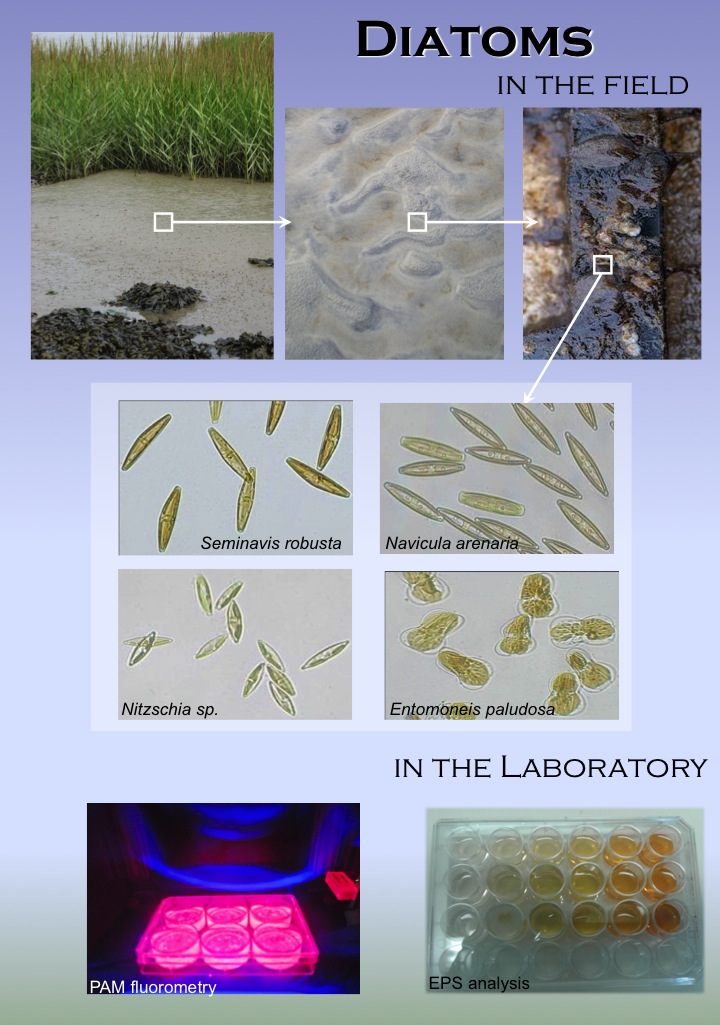
In our study “Stressor-induced biodiversity gradients: revisiting biodiversity–ecosystem functioning relationships”, now published Early View in Oikos, we investigated whether biodiversity loss and biodiversity-ecosystem functioning relations in randomly composed diatom communities can be compared to those found in communities exposed to atrazine, one of the most-used pesticides worldwide.

Bild1

Atrazine exposure resulted in smaller biodiversity loss, but steeper decrease in ecosystem functioning than in randomly assembled diatom communities. This was related to selective atrazine effects on the best performing species, which contributed most to ecosystem functioning but was also most sensitive to atrazine.

Pesticid1

Our results imply that biodiversity loss and diversity-functioning relationships found along gradients of environmental stress do not compare to those inferred from the common approach of random community assembly. Species-specific sensitivity and performance need to be considered for a more accurate prediction of biodiversity and ecosystem functioning under stress.

The authors through Christophe Mensens

Sexual size dimorphism in island plants Updated for 2026

Variation in size between sexes is something that we associate mainly with animals. But what about plants? Do female plants have larger elves than males? Find out in the Early View paper in Oikos “Sexual size dimorphism in island plants: the niche variation hypothesis and insular size changes” by Patrick H. Kavanagh and Kevin C. Burns. below is their summary of the study:

Sexual size dimorphism (SSD) is common throughout the animal kingdom. Size differences between the sexes are often extreme and in many cases one sex may be twice the size of the other. While most plants are hermaphroditic, approximately 7% of flowering plants are dioecious (separate male and female individuals). SSD is also common in dioecious plants, yet has received far less attention than SSD in animals. The niche variation hypothesis predicts the degree of SSD to increase for insular populations as a response to increased intraspecific competition.   Many animal taxa conform to this prediction, however SSD of island plant populations had not been investigated.

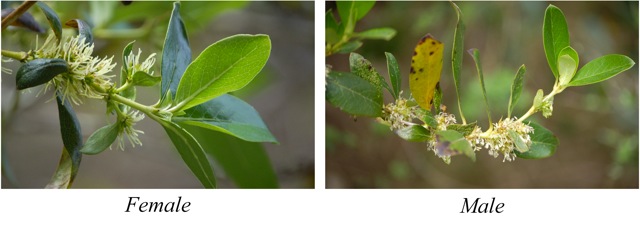
Crobusta1

We investigated differences in SSD between related island and mainland plants by using herbarium material. Specifically, we quantified the sizes of leaves and stems for plants from the New Zealand mainland and surrounding offshore islands. Our results suggest that the degree of SSD is not predictable for island plants, contrary to predictions of the niche variation hypothesis. Furthermore, SSD was consistently female biased on the mainland, however the direction of SSD was not predictable on islands. Our results suggest that both sexes are under selection for increased size on islands. This may contribute to SSD being unpredictable due to the sexes responding to selection at different rates. However, further work is needed to gain a better understanding of SSD in island plant populations.


Marine biodiversity and ecosystem functioning: what’s known and what’s next? Updated for 2026

In our new paper “Marine biodiversity and ecosystem functioning: what’s known and what’s next?” just published online early in Oikos, we synthesise our current understanding of the functional consequences of changes in species richness in the marine realm. For those familiar with the field of biodiversity and ecosystem functioning, the first question might well be: do we really need yet another meta-analysis on this topic? I mean, really. There have been several meta-analyses published in recent years. Do we really need this work?

Well, our answer to the question is yes. Here’s why.

This paper started while we were synthesising data for general biodiversity-ecosystem functioning relationships at NCEAS  in Santa Barbara, USA. We realised that much data from the marine side was missing, as many of those studies did not fit the inclusion criteria set up for our original database. Previous meta-analyses1, 2 focused solely on how richness influences resource capture and/or the production of biomass. Marine studies, however, all over the map in terms of what functions they measured: resource use, biomass production, nutrient fluxes, trophic cascades, and so on.

gamfeldt photo 4

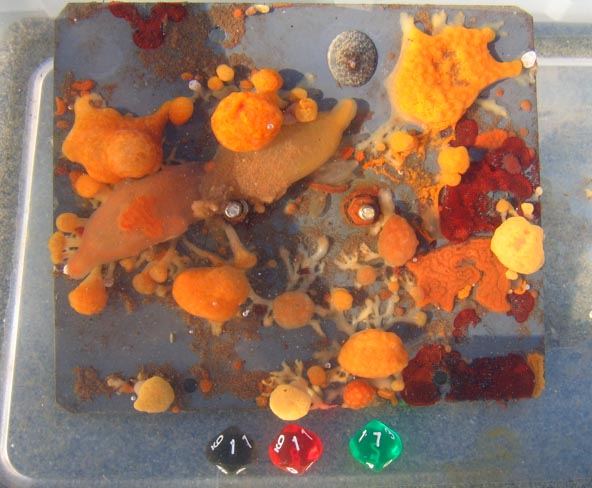
Panel with a sessile invertebrate community. Photo credit: Jarrett Byrnes.


So what’s the full picture of how biodiversity-ecosystem influences functions in the ocean – from primary production to biogeochemical cycles?

We got our hands on 110 marine experiments that manipulated the number of species and analysed some ecosystem response. In general, our analyses generally confirm previous findings that the average mix of species uses resources more efficiently and produces more biomass than the average monoculture. We honestly weren’t sure how this was going to fall out, and find great comfort in the generality of the result.

gamfeldt photo 2

Soft sediment microcosms, Sweden. Photo credit: Karl Norling.


In contrast, we find a different shape to relationship between biodiversity and ecosystem functions than has been seen previously. The relationship between species richness and production is best described as linear. The relationship between species richness and consumption appear to follow a power function. We find this by using new and more powerful techniques to describing the shape of relationships across multiple studies that we hope future researchers will use as well. (And, yes, we give you all of our code so that you can follow along at home!)

OLYMPUS DIGITAL CAMERA

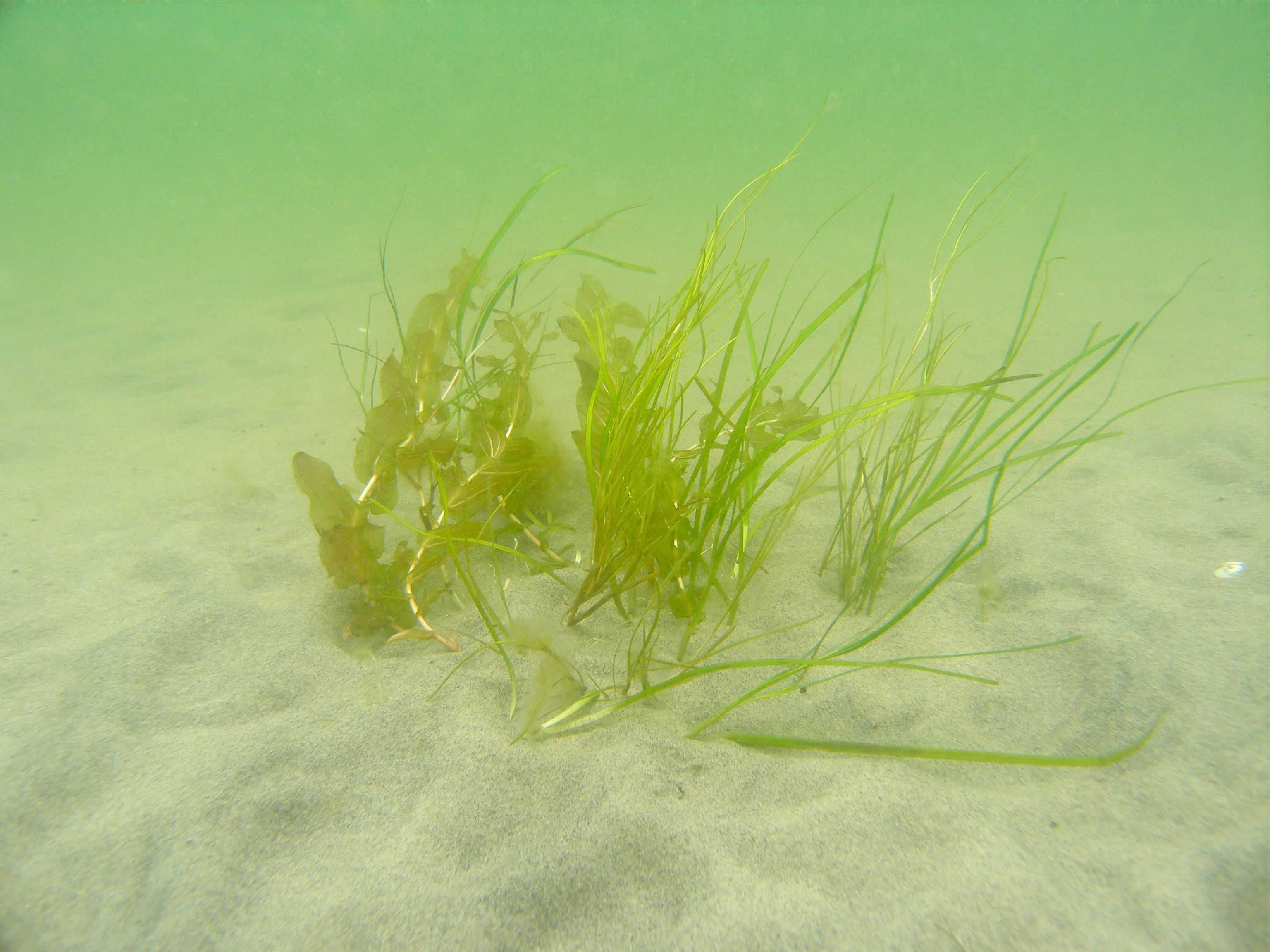
A seagrass field experiment in Finland. Photo shows a polyculture with three species. Photo credit: Camilla Gustafsson.


We also identify several gaps in our understanding of marine biodiversity and ecosystem functioning that are ripe for future investigation. First, the number of studies focusing on biogeochemical fluxes is still tiny. We need more. Second, we need more studies in pelagic and salt-marsh environments. Third, we still have only a handful of studies focused on predators. Fourth, the effects of increases in species richness (e.g. due to invasives or range shifts) are poorly understood. And last, we really only looked at relatively simple experiments, using on average only 3 species! We sorely need experiments targeting how spatial scale and heterogeneity, realistic local extinction scenarios from natural (read: large!) species pools, and functional and phylogenetic composition alter the relationship between biodiversity and ecosystem function.

To sum: there’s much work to be done, and we look forward with high hopes to the next generation of experiments exploring the consequences of changes in marine biodiversity.

gamfeldt photo 1

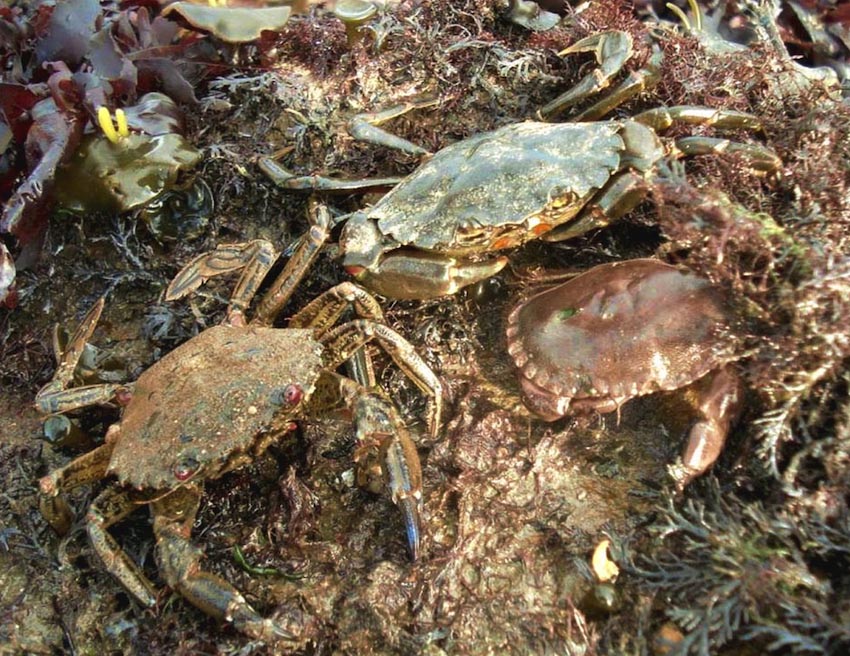
Three species of crab, used in the experiment in Griffin et al. 20083. Photo credit: Pippa Moore.


Now, if you had to explain this study to your mom or dad: the world has an incredible number and variety of different species, but we are losing them due to things like fishing, habitat destruction, and other threats from humanity. We need to understand what the consequences of these extinctions are for healthy and productive ecosystems, which is why researchers conduct experiments where they remove species and see what happens. We summarized data from 110 such experiments and found that losing species, on average, decreases productivity and growth, as well as a myriad of other processes related to how marine organisms capture and utilize resources, like nutrients. These processes ultimately put food on the dinner table and give us clean water. What is most interesting is we expected these declines to be non-linear based on previous studies: you can lose some species up to a point, then it starts to go downhill. The results from our analysis suggest that, for some processes, every species matters! Thus it is imperative that we protect and conserve biodiversity in our world’s oceans.

Lars Gamfeldt and co-workers

References:

  1. Cardinale, B. J. et al. 2006. Effects of biodiversity on the functioning of trophic groups and ecosystems. – Nature 443: 989-992.
  2. Cardinale, B. J. et al. 2011. The functional role of producer diversity in ecosystems. – American Journal of Botany 98: 572-592.
  3. Griffin, J., de la Haye, K., Hawkins, S., Thompson, R. and Jenkins, S. 2008. Predator diversity effects and ecosystem functioning: density modifies the effect of resource partitioning. – Ecology 89: 298-305.