Tag Archives: from

Death by landfill – cutting ‘green tape’ costs lives Updated for 2026


I’ve been a professional ‘environmental investigator’ for over 22 years now. Over that time I’ve seen some awful offences against the environment. I’ve also witnessed some inspiring action from the individuals and communities affected.

After seeing so many outrageous cases it’s easy to become desensitised to the more everyday environmental offences – even if they are, of themselves, dire to those involved.

But every now and again you come across something that jerks you back to stark reality – something that touches a raw nerve.

I spent the 1990s working as an ‘eco-troubleshooter for hire’ across Britain. For the last decade or so, tired of seeing the same problems coming around again and again, I’ve become more strategic – trying, proactively, to deal with issues before they become an offence to human health and environment. For example, I was apparently the first person touring the UK talking about fracking in 2009 / 2010.

I’ve seen all sorts of ‘nastiness’ – from the dodgy waste reclamation plants of the Black Country, to the chemical plants of Teeside, to the landfills of South Wales.

The point at which I decided to stop chasing tipper lorries, and instead proactively identify ‘the next big issue’, was after fighting Newcastle City Council in 1999/2000.

They had, as a method of ‘recycling’, dumped highly toxic incinerator ash on public parks and allotments across Newcastle – only for them to get a slap on the wrist in the court and, politically, to brush the matter under the carpet.

A case from the ‘book of horrors’

1991-2003 is a time in my career which I look back upon with both fond and troubling memories. And a few weeks ago it came back to haunt me with a vengeance. After speaking about fracking in Guildford I met a couple whose case was right out of my old ‘book of horrors’ from the 1990s.

During February of this year the news was dominated by the flooding along the Thames Valley. Amidst the general mayhem there was one tragedy which has received little public attention.

In the early hours of 8th February 2014, Kye Gbangbola, his seven year old son Zane, and Zane’s mother Nicole were all taken ill at their home in Thameside, Surrey. An ambulance was called and they were taken to hospital. Both Kye and Zane had suffered cardiac arrest. Zane died later in hospital. Kye remains paralysed from the waist down.

Kye and Nicole came to my talk in Guildford and told me of their campaign to find the truth of what happened that day. Surrey Fire and Rescue Service attended and found hydrogen cyanide. Medical tests also showed the presence of cyanide in the family’s blood.

Ten months later the case has not been resolved: no date for an inquest; no death certificate; no resolution to the family’s plight.

What is the possible source of cyanide from flooding?

Just to the north of their home was a former gravel pit which, some years ago, had been used as a waste dump. Before waste licensing came in a the end of the 1970s, waste dumping was pretty much uncontrolled. Former gravel and brick pits around the periphery of London were used extensively to get rid of the capital’s waste.

And the source of the waste? No one knows. If, for example, the site had been filled with innocently identified ‘construction waste’, and if that material had come from a former gasworks in London or elsewhere, it could contain high levels of cyanide.

These things happened in the 1970s and 1980s. For example, in 1992 I discovered the the UK Atomic Energy Authority’s Harwell Laboratory, Britain’s premier nuclear research agency, had for years been secretly dumping waste chemical flasks and radioactive waste transport containers in a gravel pit on the edge of an Oxfordshire village.

In April 2014 Surrey County Council, the waste disposal authority for the area, denied that the site had been landfilled. If you go to the Environment Agency’s web site, you can see that the site is classed as an ‘historic landfill’ – that is, pre-dating the controls brought in during the late 1970s.

As flood-waters rose in February, the landfilled material is presumed to have become saturated. As the result of either chemical reactions, or the displacement of toxic gases, or both, the groundwater which filled the cellar is presumed to have carried the toxic gas into the house, overcoming the family.

A trip down eco-memory lane

What I’ve found so troubling about this case is that, for twenty years, this has been a tragedy waiting to happen. To explain why, I need you to take a trip down eco-memory lane.

When I started work professionally in 1992, the first thing I did was to write a series of reports on the issue of contaminated land. During my ‘voluntary period’ (1984-1991) I’d come across the issue a number of times.

From closed landfill sites, to old gasworks, it was a serious problem – and one which I believed could form the basis of a viable business as a full-time ‘environmental investigator’.

The Department of the Environments’ (DoE) Interdepartmental Committee on the Redevelopment of Contaminated Land (ICRCL) had produced a number of documents in the early 1980’s setting out the best practice for the redeveloping contaminated land.

In 1985 the Royal Commission on Environmental Pollution’s Eleventh Report highlighted the problems too. This led to research being commissioned, and eventually the issuing of a DoE / Welsh Office circular explaining the procedures and best practice in the redevelopment of contaminated land. The ICRCL also revised some of their previous notes to reflect this.

In 1989 the Government decided to put all this new research and best practice into a formal, legally enforcible regulatory framework; which was inserted into the new Environmental Protection Bill , eventually becoming Part II of the Environmental Protection Act 1990.

Then the development industry went absolutely berserk!

Shortly after the new Act was approved, developers and landowners, fearful that their assets would be effectively worthless if they had to clean up historic contamination, brought brickbats to bear on politicians and regulators. What particularly stirred their wrath were two specific sections of the new Act:

Section 61, which required local waste regulation authorities to map all the former landfill sites in their area. The rationale was that what is the value of bringing new regulations to control the hazard from current and new landfill sites if you didn’t police the condition of the old ones too. Specifically paragraph 1 stated,

“it shall be the duty of every waste regulation authority to cause its area to be inspected from time to time to detect whether any land is in such a condition, by reason of the relevant matters affecting the land, that it may cause pollution of the environment or harm to human health.”

Section 143 was similar, but it extended the need to survey and evaluate land to all potentially “contaminative uses of land”, and created a,

“duty of a local authority, as respects land in its area subject to contamination, to maintain, in accordance with the regulations, a register in the prescribed form and containing the prescribed particulars.”

The fear expressed by many property developers was that large areas of land would be ‘blighted’. The land would be worthless because of the perceived risk in the mind of the public, and because of the large costs of decontamination before any new developments could be built.

That view ignores the potential hazards of development – and arguably the greater cost to public health and the NHS. I’d carried out some research on behalf of Friends of the Earth in Oxfordshire, Kent and Lancashire, and there were a large number of sites which could cause problems to the environment and human health if badly redeveloped.

The risk was not from the land as it was – it was the impact on workers and the public if the substances locked-up in the ground were disturbed, dug up or moved.

In May 1991, following a public consultation, regulations were drafted to implement the new system – to be commenced in April 1992. These were abandoned shortly before this date due to pressure from property developers.

To address the developer’s concerns, following a second consultation period, the regulations were the redrafted – the new guidelines only covering 15% of the land area which the original regulations would have. Despite this, the Department of the Environment still received objections from major developers and landowners.

The Government caves in to pressure

On 24th March 1993 the Government abandoned plans to implement sections 143 and 61 of the Act, and announced that it would begin a review of the powers of regulatory bodies to control the pollution of land.

The exact nature of pressure brought to bear on the Conservative government, causing them to cave into the development lobby rather than protecting public health, was not clear at the time. All we can do today is ask the minister responsible for that decision, Michael Howard – now a member of the House of Lords.

By 1995 the Government was planning to merge various environmental regulators to form a new ‘super-regulator’, the Environment Agency.

That was brought about by The Environment Act 1995. Section 57 of that Act repealed section 143 of the 1990 Act, inserting in its place a new ‘Part IIA’ of the Environmental Protection Act which instituted a new legal framework for dealing with contaminated land.

Section 120 and Schedule 22 of the 1995 Act repealed section 61 of the 1990 Act, taking away the obligation to monitor former landfill sites – meaning that they would be dealt with just like any other types of ‘potentially contaminated land’ even though, arguably, landfill sites are a more hazardous land use.

How can we summarised this new process? That’s best summed up in DEFRA’s 2008 legal definition of land contamination, drawn up by the then ‘New Labour’ government (my emphasis):

“Part 2A of the Environmental Protection Act 1990 came into force in England in 2000. The Government sees a central aim of the Part 2A regime as being to encourage voluntary remediation of land affected by contamination.”

What does ‘voluntary remediation’ mean in practice?

Around 1997/8 I investigated the redevelopment of the former Royal Small Arms Factory in Enfield Lock. Redevelopment was causing nausea and skin rashes amongst nearby residents.

What that ‘remediation’ meant to the developer of the new Enfield Island Village was that at the least contaminated end of the island, where the ‘expensive’ houses were to be built, a metre or two of soil was dug up (which was causing the problems experienced by the neighbours) and replaced with fresh material before the houses were erected.

At the other, most contaminated end of the island, very little soil was removed. Instead a metre of clay was rolled down on the ground surface before the ‘low cost’ social housing was erected.

This is the problem with the framework for contaminated land instituted in 1995. It proceeds on a ‘don’t ask, don’t tell’ basis. If the local council doesn’t press the issue, the developer need only undertake works which render the site fit for its intended purpose.

Worse still, if a local authority decides that a site presents an imminent risk to the public, it might have to bear the cost of remedial action and try to bill the landowner for the work. Consequently it isn’t in the interests of local authorities to look, just in case they find something – Surrey’s immediate denial in this case being an exemplar of the principle.

If Section 61 had not been repealed in 1995, Surrey County Council would have had to investigate every former landfill in the area and assess its risk to the public (around the periphery of London, that’s quite a lot of sites).

If Section 147 had not been repealed, Spelthorne Borough Council’s Environmental Health Department would have had to keep a detailed register of potentially contaminated sites, and that register would have been available to anyone to view.

There is a repeating pattern of administrative action at work here

Just as in the early 1990s, today the Government and regulators are coming under pressure to water-down environmental regulations, and ‘cut the green tape‘, to allow business to develop more easily.

For example, on the back of a more right-wing economic bandwagon, instituting policies such as ‘fracking’ for shale gas, David Cameron has instructed his aides to get rid of the green crap from policy.

That’s also why this case touched a raw nerve with me. I’ve come across some nasty cases in the past – such as the Rocket Pool estate in Bradley, Wolverhampton, where people living on the edge of a former landfill were becoming seriously ill (a few years later, a number of local people who I worked with on that case had died).

What really annoys me is that, 20 years ago, the consequences of decisions made then were entirely foreseeable – and were made purely for the sake of money over the value of people’s health.

Today, that same blinkered agenda is still driving decision-making. That’s what hit me as I talked to Kye and Nicole in Guildford. My past was catching up with me and it had so much to say about the present.

We can’t be certain that if sections 61 and 143 of the Environmental Protection Act 1990 had not been withdrawn, and the legislation enacted as originally anticipated, that Zane and his family would not have succumbed to the tragedy which befell them in February.

What we can say, especially given the requirements of section 61 on Surrey County Council, is that it would have been less likely to happen if these sites had been properly investigated 20 years ago.

And today, though their individual case is a sad reminder of Britain’s legacy of past mistakes, it should serve as a red flag over decisions taken today to ‘cut green tape’ – which, with what we know from our recent past, could plague present and future generations.


Paul Mobbs is an independent environmental consultant, investigator, author and lecturer.

A fully referenced version of this article is posted on the Free Range Activism website.


388382

Welcome new SE: Francois Massol

We are very happy to welcome Dr. Francois Massol to Oikos Editorial Board. Get to know him here:

DSC_8807What’s your main research focus at the moment?

These days, I try and focus my efforts on the evolution of dispersal and the evolutionary ecology of interaction networks. What I want to understand is how some traits and some particular positions in ecological networks come to be associated with a given propensity to disperse. This issue is important from a fundamental viewpoint – it relates to the knowledge of so-called “dispersal syndromes” – but it is also a hot issue from a more applied perspective because it could help understand the evolutionary emergence of would-be invasive, keystone or easily threatened species. Given my personal bias towards equations and theory, I tend to first confront these issues using models and then collaborate with more empirically minded colleagues to test theoretical predictions with field or experimental data.

However, when I write “focus my efforts”, I have to acknowledge that I spend quite a significant fraction of my time away from my usual favourite subjects, working on interdisciplinary projects (mostly with social scientists and physicists) – and I am rather thankful for these little eccentricities, for they help me broaden my perspective of theoretical approaches to modelling the dynamics of biodiversity.

Can you describe you research career? Where, what, when?

Coming from a typically French undergrad background (maths and physics), I switched to ecology and evolutionary biology during my Master and then my PhD in Montpellier, under the supervision of Philippe Jarne at the CEFE. My work at that time was focused on community ecology models. After I graduated, my first position was at the Irstea Hydrobiology lab in Aix-en-Provence, to work on more functional aspects of aquatic communities. While I was employed at Irstea, I obtained a Marie Curie fellowship that allowed me to spend a year (2009 – 2010) in Mathew Leibold’s lab in Austin, Texas, where I tried to run a mesocosm experiment dealing with the effect of dispersal on the functioning of food webs (sadly, the experiment failed, but this is another story). In 2012, I was recruited at the CNRS in Montpellier (back to the CEFE), in the group of Pierre-Olivier Cheptou, to work on the evolution of mating systems and dispersal traits in plants. In 2013, I moved to a CNRS lab in Lille (GEPV) where I joined the group of Sylvain Billiard to work on the evolutionary ecology of mating systems. Moving so frequently is both a boon and a curse for obvious reasons, but as a connoisseur of the evolution of dispersal, I try to wear this as a badge of honour (and humour).

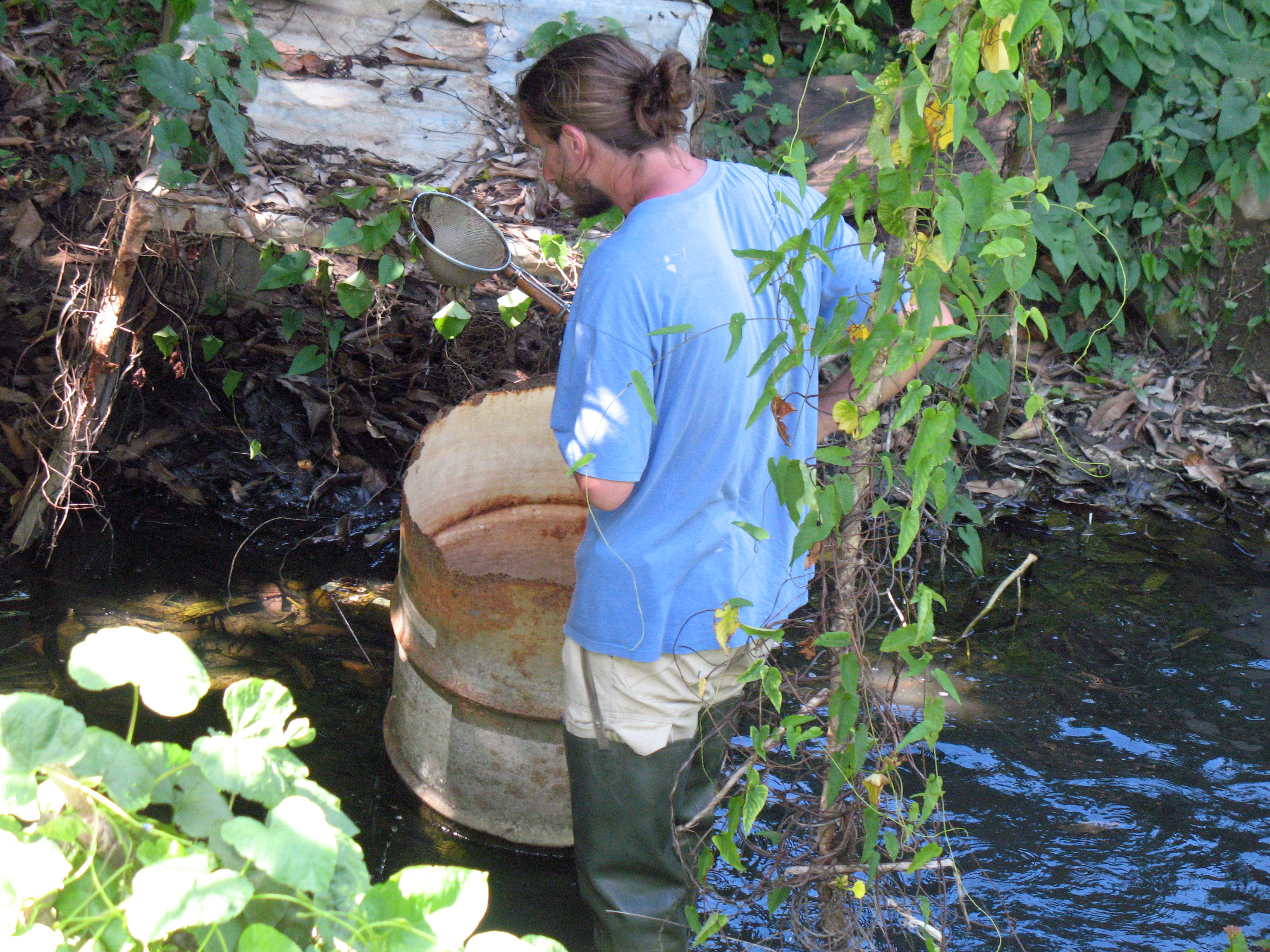
2008 janv Beauplan FM malaco-bidon

How come that you became a scientist in ecology?

If I were to explain why I became a scientist based on personality and motivations alone, curiosity together with the possibility of working in a free-thinking environment surely had a role at some point. I would also add that my personal kind of stubbornness probably helped a lot in getting me there. However, I think it’s also quite enlightening to think of a career path in science as built half on motivations and half on contingencies. The original contingency that set me on track was the first scientific internship I did back in 2002 in Dima Sherbakov’s lab at the Limnological Institute in Irkutsk, Russia. The atmosphere in the lab, the way people were working, the passion that permeated the place – all of this probably triggered something in my mind and I have been fond of this ambience ever since. The second set of happy contingencies have been the genial encounters I made afterwards when I was looking for a PhD project, i.e. Daniel Gerdeaux and Philippe Jarne, and then during my PhD (Pierre-Olivier Cheptou, to name but one person). I am convinced that a large part of my day-to-day satisfaction at work is based on the variety and the general goodwill of the colleagues with whom I interact.

What do you do when you’re not working?

At the moment, I am quite busy taking care of the house we just bought. House chores, family and friends occupy a consequent share of my non-lab time… Generally, I tend to spend the rest of my spare time reading (Terry Pratchett, Neal Stephenson, John Le Carré, Jasper Fforde and Neil Gaiman are always on top of the list), hiking, traveling and playing badminton.

Personal webpage: https://sites.google.com/a/polytechnique.org/francoismassol/home

ResearchGate page: https://www.researchgate.net/profile/Francois_Massol


Miscarriage and stillbirth linked to fracking chemical exposure Updated for 2026


In Glenwood Springs, Colorado, mothers have been suffering from an unusually high rate of miscarriage and stillbirths.

A newly published study has concluded that 70% of cases lived greater than 15 miles from an active well created as a result of fracking and directional drilling. The remaining 30% were between 5 to 8 miles from the nearest active well.

This link is not a coincidence. A major review study undertaken by Susan C. Nagel and colleagues at the University of Missouri emphasises the major health threat posed by fracking and other unconventional oil and natural gas operations (UOGs) – especially to pregnant women and would-be parents.

“UOG operations release large amounts of reproductive, immunological, and neurological toxicants, carcinogens as well as endocrine disrupting chemicals (EDCs) into the environment that may negatively affect human health”, the study warns.

The conclusion is clear: unconventional oil and natural gas operations pose a serious threat not only to the environment, but to our health and ability to have children.

“The studies show that humans can be harmed by these chemicals released from fracking”, Nagel said in an interview. “There is strong evidence of decreased semen quality in men, higher miscarriages in women and increased risk of birth defects in children.”

Fracking: releasing chemicals in air and water near operations

Hundreds of chemicals have been associated with processes of fracking. Nagel’s most recent report has found that volatile organic compounds (VOC’s) such as benzene and toluene, as well as heavy metals such as lead and arsenic are directly linked with fracking processes.

More than 750 chemicals are injected into the ground under high pressure, the returned waste of these fluids not only contains the chemicals that are harmful in themselves, but also radioactive materials that have been liberated from the shale layer. The traditional treatment of this wastewater does not remove these chemicals that have escaped from their natural location.

This wastewater is then disposed of in landfills, evaporation pits, as well as being sprayed onto roads to reduce dust and melt ice. These practices directly and indirectly contaminate surface and ground water.

The common spills, leaks and discharges of UOG wastewater entail that those 15 million Americans that live within one mile of directional drilling and hydraulic fracturing are directly at risk, potentially coming into contact with those chemicals that Nagel links to adverse reproductive outcomes.

UOG processes also contribute to the concentration of numerous contaminants into the air, which can be inhaled in the air near operations.

Reproductive disorders – sperm counts down, miscarriages up

More than 130 fracturing chemicals have been identified as known or potential EDCs, while many others remain unassessed:

“Volatile organic compounds and heavy metals are just a few of
the known contributors to reduced air and water quality that pose a threat to human developmental and reproductive health. The developing fetus is particularly sensitive to environmental factors, which include air and water pollution.”

The effects of exposure to EDCs are well documented, affecting reproductive organs, body weight, puberty and fertility. Fertility declines are also linked to fracking chemicals such as BTEX, xylene and benzene. Workers exposed to these chemicals have suffered from low sperm count and negative sperm quality.

Back to Colorado, the exposure of pregnant women to heavy metals increases the risk of miscarriage. During fracking, heavy metals such as lead and cadmium are routinely mobilised and have been shown to contaminate surface and ground water.

Meanwhile high exposure to benzene and toluene, both used and produced by UOG operations, have led to women having three to five times the miscarriage rate of those with low exposure.

Whilst the Colorado Department of Public Health and the Environment concluded that no single environmental factor could explain the anomalies of miscarriage rates in Glenwood Springs, the majority of women were from the Piceance Shale Basin, a densely – drilled UOG region.

The Ecologist explored previously the negative consequences of coming into contact with ‘gender-bender’ endocrine disrupting chemicals (EDCs), which bind to endogenous hormone receptors in order to either activate or repress a typical result.

Other toxic impacts on reproduction

A correlation between benzene and toluene, which are both heavily involved with the processes of fracking, and effects on women’s menstrual cycle has been discovered when looking at petrochemical workers in Beijing. Inability and difficulty to conceive as well as premature menopause is also linked to exposure to toluene.

Preterm birth is the leading global cause of perinatal morbidity and mortality. Several chemicals associated with UOG operations have been linked to negative birth outcomes including the poor growth of infants in the womb and preterm birth.

Particulate matter is most commonly associated to adverse birth outcomes, and is commonly released into the surrounding air during tight oil and shale gas operations.

One study in Colorado examined maternal proximity to natural gas wells and the specific incident of three birth defects recorded. The study found a link between the deaths and their location, which was 10 miles away from a natural gas well.

And as the study concludes, “The developing fetus is particularly sensitive to environmental factors, which include air and water pollution. Research shows that there are critical windows of vulnerability during prenatal and early postnatal development, during which chemical exposures can cause potentially permanent damage to the growing embryo and fetus.

“Many of the air and water pollutants found near UOG operation sites are recognized as being developmental and reproductive toxicants; therefore there is a compelling need to increase our knowledge of the potential health consequences for adults, infants, and children from these chemicals through rapid and thorough health research investigation.”


The report:Developmental and reproductive effects of chemicals associated with unconventional oil and natural gas operations‘ is published by Rev Environ Health 2014; 29(4): 307–318. Authors are Ellen Webb, Sheila Bushkin-Bedient*, Amanda Cheng, Christopher D. Kassotis, Victoria Balise and Susan C. Nagel.

Tamsin Paternoster is an reporter with a focus on the environment, social issues and European current affairs.


388170

A whisker from victory! Oregon GMO vote goes to a recount Updated for 2026


Measure 92, Oregon’s food labeling initiative for GMO ingredients, will go to an automatic recount after the difference in vote between ‘yes’ and ‘no’ votes narrowed to just 809 with all votes counted.

The count has been been going on continuously since the 4th November election. Opponents were vocal in calling the vote in their favor just a day after the election, but as more votes came in from all 36 counties, the gap narrowed to 0.06% – well under the recount trigger level of 0.2%.

“Regardless of what the final outcome of this race is, this is a very encouraging sign for those of us who support labeling of genetically engineered foods“, said Sandeep Kaushik, a spokesman for the ‘Yes on Measure 92‘ campaign promoting the measure.

“We’ve known since election night that this race is too close to call. Instead of throwing in the towel when we trailed narrowly in the first vote counts, the ‘Yes on Measure 92’ campaign went to work. We activated our campaign staff and hundreds of volunteers over the last week to ensure that every possible valid vote is counted.

“Our efforts have led in recent days to thousands of Oregon voters correcting signature issues so that their valid ballots can be counted and their voices heard in this election.” 

Big food spent $20 million fighting Measure 92

The incredibly narrow race comes despite a $20 million campaign from the opposition led by big food and chemical companies. The previous record for spending on an Oregon ballot initiative was $12 million for both sides combined.

Monsanto donated nearly $5 million, DuPont Pioneer $4.5 million, Dow AgroSciences over a $1.1 million, with Pepsi and Coke, who use sugar and corn genetically engineered to be resistant to herbicides in their products, combining for over $3.5 million.

On the other side the Yes campaign raised around $6 million, $1 million of which came from the Centre for Food Safety’s political arm, the CFS Action Fund, which also helped to mobilize thousands of volunteers in Oregon and across the country.

CFS previously worked with and provided legal and grassroots support to campaigns in Oregon to ban the planting of GE crops in two Oregon counties, and worked with the State Senate to ban GE canola in the Willamette Valley until 2019.

“Thanks to the tireless efforts of on the ground organizers, and despite an aggressive and expensive opposition campaign, GE food labeling is still alive in Oregon”, said CFS director Andrew Kimbrell. “The power and tenacity of the Food Movement has been on full display here in Oregon.”

A fourth state to require GMO labelling?

If the ‘yes’ votes are victorious on the recount, Oregon would be the fourth US state to require GE labeling.

Connecticut and Maine each passed GE labeling laws this past spring, but both bills include a trigger clause requiring several other states to also pass labeling bills before the new laws can be implemented. Vermont was the first state to pass a no-strings-attached labeling law, set to go into effect in 2016.

In Colorado, where a similar ballot initiative was also up for a vote, the anti-labeling side won the vote after spending over $16 million, hugely outspending the ‘Yes on 105 campaign’.

In all, companies funding anti-labeling campaigns have spent over $100 million in just four states – California, Washington, Oregon and Colorado.

In 2013, Rep. Peter DeFazio and Sen. Barbara Boxer introduced the Genetically Engineered Food Right-to-Know Act (H.R. 1699/S. 809) to make GE food labeling mandatory across the country.

Supported by 63 Representatives and 17 Senators, the bill directs the Food and Drug Administration to use its authority to enact a federal, mandatory GE labeling policy that would guarantee all Americans the right to know.

“We are optimistic that when the recount is complete Measure 92 will prevail”, said Kaushik. “But we want to be clear about one thing: regardless of the final outcome of the mandatory recount, the labeling issue is not going away.

“This movement continues to grow and build support across this state and around the country, and that growth will continue.”


387363

New SE: Leif Egil Loe Updated for 2026

We welcome Professor Leif Egil Loe, Aas, Norway to the Oikos Editorial Board. Who is Leif Egil then? I asked some questions to get to know him better:

  1. What’s you main research focus at the moment?

Loe2Most of what I am working on is related to ungulate ecology. I am involved in two long-term projects. The first is a population study of Svalbard reindeer initiated by Steve Albon and Rolf Langvatn in 1994 and still running on the 20th year. Current focusof that project is to understand mechanisms of population dynamics and aspects of life history evolution. I am also very interested in spatial ecology, so a subset of our reindeer is GPS-marked. One prediction from climate change is that ground icing events will happen increasingly often in Svalbard, and it has indeed happened two of the five years we have GPS-tracked animals. I am interested in the fitness consequences of different behavioural responses to such events. The second main project is a red deer study with Prof Atle Mysterud as PI. In the past few years we have focussed on the mechanisms of migration, again using GPS-data from several hundred marked red deer. Currently we have a stronger management focus, modelling functional management units and investigating how spatial harvesting patterns are predicted to be affected by climate change.

  1. Can you describe your research career? Where, what, when?

I have a masters degree from the University of Oslo (UiO) and the University Centre in Svalbard (UNIS) from 1999 and a PhD from UiO in 2004. The title of the masters was “Habitat selection and site fidelity in Svalbard reindeer” (supervised by Nils Chr. Stenseth and Rolf Langvatn) and the PhD was entitled “Patterns and processes in the life history of red deer” (supervised by Atle Mysterud, Stenseth and Langvatn). From 2004 to 2010 I had researcher positions in Atle Mysteruds lab continuing to work on the red deer project. So as you see I have very much pursued the first two projects I encountered. Between 2008 and 2013 I worked with PhD student Anagaw Atickem on a Mountain nyala conservation project in Ethiopia that at least expanded my study topics geographically. In 2010 I was employed as an Associate Professor in wildlife ecology and management at the Norwegian University of Life Sciences. In 2013 I got promoted to full professor.

Loe1

  1. How come that you became a scientist in ecology?

I think I followed a fairly common path. For as long as I remember I always liked birds, especially feeding them during winter, drawing them and learning their names. In my teens I started collecting butterflies that was a main hobby for 3-4 years. The starting point was identifying species of birds and insects. Starting at university, I got interested in ecology. A study year in Svalbard, and especially meeting Rolf Langvatn, became influential in my career and primed me in on ungulate ecology. Taking a PhD in Stenseths Centre of Ecological and Evolutionary Synthesis, with Atle Mysterud as the main supervisor was fantastic – the best career start one can wish for.

  1. What do you do when you’re not working?

I have two kids so a lot of time is devoted to family life. I am a keen small game hunter, like to hike and do cross country skiing in the forest and mountains. My favourite sports activity is “floor ball” that I play once a week.

Keystone XL – we won! But the real battle lies ahead Updated for 2026


So the Keystone XL bill failed to pass Congress. The Big Fail marks a huge success for groups who have been struggling to expose the KXL for the dirty policy it represents.

The actions taken on the day of the vote, including disrupting the Senate vote in the chamber and blocking Senators Bennet (D-Col.) and Carper (D-Del.) from leaving their offices, speak to the dedication and tirelessness of the movement to stop the pipeline.

So we can all go home now, right? We won!

The problem is that the bill will be back in January, and the congress we’re dealing with right now is very different from the one we’ll see ushered into office at the beginning of 2015.

Just because the lame-duck Congress voted against the bill (barely) with its Democratic Party majority does not mean that the Republicans will have any problem sweeping it through when they take the majority.

The Democratic Party’s vote does give Obama a mandate to veto the bill next year if and when it goes through, but the question remains as to whether or not he will use it.

In short, the Big Fail and ensuing celebrations from the Environmental NGOs looks suspiciously like a setup. It’s definitely not time to demobilize.

‘Claim no easy victories’

Rising Tide North America released a statement on their Facebook page going so far as to call the bill’s failure a “hollow victory”. While the Big Fail is vital, activists must stay vigilant, they stress.

“We’ve made the climate argument on this pipeline and won. We’ve made the environmental impact argument and won. We’ve even made the jobs argument on Keystone XL and won”, the group insists.

“The grassroots climate and environmental movements are obviously mobilized. Hopefully, next January becomes more about fighting Keystone XL in the streets, along the pipeline route and corporate offices than asking a political system rigged against us to smile upon our cause once more.”

As RTNA intimates, the KXL must be met through sincere and dedicated efforts at Indigenous solidarity with the Rosebud Sioux, who have called the KXL’s passage through the House an “act of war”, and others who are resisting not only the pipeline, but the tar sands as well.

This is not just a struggle to stop one pipeline; it is a struggle for the future of the Earth, and that means that the tar sands – the Earth’s largest and most toxic industrial project – must be shut down, and all pipelines extending from it thwarted.

What if the bill fails in January, through some miracle, and Canada exports the oil through Canada’s Atlantic coast? Would the NGOs declare victory, or would they stand with us in the streets?

As Amilcar Cabral wrote, “Claim no easy victories.”

Pipelines are not the end

The day of the vote, the New York Times gave the world a striking image of what pipelines and the future of what is called North America look like with a map of major oil spills from pipelines over just the last 20 years.

The grey silhouette of the US is splashed with dark circles along the Midwest and Gulf Coast. Of course these grey splashes look ominous, but do they give us an actual picture of the horror?

If we extend our view to catch a glimpse of Canada, contemplation on the horrors of the energy industry becomes totally unfathomable. The continued exploitation of tar sands in Alberta, Canada, is driving not only the worsening of climate change, but also the further destruction of the landbase.

No matter how many carbon credits are given out and swapped, no matter what techno-fixes are developed, when the land and water systems are destroyed, biodiversity is exterminated, and the web of life breaks down.

Yes, targeting the KXL pipeline is both functional and symbolic, and it has merit. But no, today’s decision in Washington does not signal the beginning of a new era-only an increment in the initial, legislative phase.

The Washington Post ran an article four days ago throwing into question whether or not this federal vote even matters, since the states maintain some degree of autonomy, and industry may find routes around politics.

In a telling incident, a Vice President of a major energy company got into a scuffle with the editor of EnviroNews on Monday while trying to take the latter’s camera, snorting out lines like, “I do whatever I want” and “fuck you!” This is the mentality not just of a person, but of a pampered industry used to getting its way.

While popular action has brought the pipeline to a screeching halt, the climate movement is far from packing up its gear and heading to Disneyland.

There is likely a long struggle ahead, and we need to prepare ourselves for what that’s going to look like-including the struggle not only against KXL, but also the numerous fossil fuel infrastructure routes moving out to the Pacific through the Cascadia bioregion, as well as the new gas infrastructure at Cove Point.

Mobilizing against climate change

At this point, the Peoples Climate March and its 300,000 participants appears to be a good start towards the kind of mass mobilization that we need. Earth Day of 1970 saw some 20 million people in the streets.

What if those are the paradigm-shifting numbers we need to see if we are going to take the future into our own hands and lead ourselves away from a more catastrophic failure than the Earth could ever manage?

Such movements are happening all over the world. Burkina Faso, Hong Kong, Guerrero – these are just a few places where populations are rising up, because capitalism will never be able to accomplish the goals that are necessary to secure the overcoming of exploitation and genocide.

Real victory would mean transforming the basis of society from fossil fuels and corporations to local, horizontal networks of community empowerment, recognizing treaty rights of Indigenous peoples, ending environmental racism.

This means abandoning the big money approach of the Gang Green – Sierra Club, World Wildlife Fund, and yes, even the ‘dynamic duo’ of Avaaz and 350.org.

It means building power on community level and spreading resources to those in dire need.

Cynical clickbait activism breeds cynical participation, while accumulating resources for dubious means generally focused around brand marketing and advertising makes the movement into its own worst enemy: a self-destructive and superficial PR complex mired in a corporate governance model.

Real victory will never come from Washington, it will come from Washington’s ultimate disarmament and disempowerment through the self-activity of people rising up together.


Alexander Reid Ross is a contributing moderator of the Earth First! Newswire, where this article was first published. He is the editor of Grabbing Back: Essays Against the Global Land Grab (AK Press 2014) and a contributor to Life During Wartime (AK Press 2013).


386961

Living with GMOs – a letter from America Updated for 2026


We are writing as concerned American citizens to share with you our experience of genetically modified (GM) crops and the resulting damage to our agricultural system and adulteration of our food supply.

In our country, GM crops account for about half of harvested cropland. Around 94% of the soy, 93% of corn (maize) and 96% of cotton grown is GM. i

The UK and the rest of the EU have yet to adopt GM crops in the way that we have, but you are currently under tremendous pressure from governments, biotech lobbyists, and large corporations to adopt what we now regard as a failing agricultural technology.

Polls consistently show that 72% of Americans do not want to eat GM foods and over 90% of Americans believe GM foods should be labeled. ii

In spite of this massive public mandate, efforts to get our federal iii and state iv governments to better regulate, or simply label, GMOs are being undermined by large biotech and food corporations with unlimited budgets v and undue influence.

As you consider your options, we’d like to share with you what nearly two decades of GM crops in the United States has brought us. We believe our experience serves as a warning for what will happen in your countries should you follow us down this road.

Broken promises

GM crops were released onto the market with a promise that they would consistently increase yields and decrease pesticide use. They have done neither. vi In fact, according to a recent US government report yields from GM crops can be lower than their non-GM equivalents. vii

Farmers were told that GM crops would yield bigger profits too. The reality, according to the United States Department of Agriculture, is different. viii Profitability is highly variable, while the cost of growing these crops has spiraled. ix

GM seeds cannot legally be saved for replanting, which means farmers must buy new seeds each year. Biotech companies control the price of seeds, which cost farmers 3-6 times more than conventional seeds. x This, combined with the huge chemical inputs they require, means GM crops have proved more costly to grow than conventional crops.

Because of the disproportionate emphasis on GM crops, conventional seed varieties are no longer widely available leaving farmers with less choice and control over what they plant. xi

Farmers who have chosen not to grow GM crops can find their fields contaminated with GM crops as a result of cross pollination between related species of plants xii and GM and non-GM seeds being mixed together during storage.

Because of this our farmers are losing export markets. Many countries have restrictions or outright bans on growing or importing GM crops xiii and as a result, these crops have become responsible for a rise in trade disputes when shipments of grain are found to be contaminated with GM organisms (GMOs).xiv

The burgeoning organic market here in the US is also being affected. Many organic farmers have lost contracts for organic seed due to high levels of contamination. This problem is increasing and is expected to get much bigger in the coming years.

Pesticides and superweeds

The most widely grown types of GM crops are known as ‘Roundup Ready’ crops. These crops, mostly corn and soy, have been genetically engineered so that when they are sprayed with the herbicide Roundup – the active ingredient of which is glyphosate – the weeds die but the crop continues to grow.

This has created a vicious circle. Weeds have become resistant to the herbicide, causing farmers to spray even more. Heavier use of herbicides creates ever more ‘superweeds’ and even higher herbicide use.

A recent review found that between 1996 and 2011, farmers who planted Roundup Ready crops used 24% more herbicide than non-GMO farmers planting the same crops. xv

If we remain on this trajectory with Roundup Ready crops we can expect to see herbicide rates increase by 25% each year for the foreseeable future.

This pesticide treadmill means that in the last decade in the US at least 14 new glyphosate-resistant weed species have emerged, xvi and over half of US farms are plagued with herbicide-resistant weeds. xvii

Biotech companies, which sell both the GM seeds and the herbicides, xviii have proposed to address this problem with the creation of new crop varieties that will be able to withstand even stronger and more toxic herbicides such as 2,4-D and dicamba.

However it is estimated that if these new varieties are approved, this could drive herbicide use up by as much as 50%. xix

Environmental harm

Studies have shown that the increased herbicide use on Roundup Ready crops is highly destructive to the natural environment. For example, Roundup kills milkweeds, which are the key food source for the iconic Monarch butterfly xx and poses a threat to other important insects such as bees. xxi

It is also damaging to soil, killing beneficial organisms that keep it healthy and productive xxii and making essential micronutrients unavailable to the plant. xxiii

Other types of GM plants, which have been engineered to produce their own insecticide (e.g. “Bt” cotton plants), have also been shown to harm beneficial insects including green lacewings xxiv, the Daphnia magna waterflea xxv and other aquatic insects, xxvi and ladybugs (ladybirds). xxvii

Resistance to the insecticides in these plants is also growing xxviii, creating new varieties of resistant “superbugs” and requiring more applications of insecticides at different points in the growth cycle, for instance on the seed before it is planted. xxix In spite of this, new Bt varieties of corn and soy have been approved here and will soon be planted.

A threat to human health

GM ingredients are everywhere in our food chain. It is estimated that 70% of processed foods consumed in the US have been produced using GM ingredients. If products from animals fed GM feed are included, the percentage is significantly higher.

Research shows that Roundup Ready crops contain many times more glyphosate, and its toxic breakdown product AMPA, than normal crops. xxx

Traces of glyphosate have been found in the breastmilk and urine of American mothers, as well as in their drinking water. xxxi The levels in breastmilk were worryingly high – around 1,600 times higher than what is allowable in European drinking water.

Passed on to babies through breastmilk, or the water used to make formula, this could represent an unacceptable risk to infant health since glyphosate is a suspected hormone disrupter. xxxii Recent studies suggest that this herbicide is also toxic to sperm. xxxiii

Likewise, traces of the Bt toxin have been found in the blood of mothers and their babies. xxxiv

GM foods were not subjected to human trials before being released into the food chain and the health impacts of having these substances circulating and accumulating in our bodies are not being studied by any government agency, nor by the companies that produce them.

Studies of animals fed GM foods and/or glyphosate, however, show worrying trends including damage to vital organs like the liver and kidneys, damage to gut tissues and gut flora, immune system disruption, reproductive abnormalities, and even tumors. xxxv

These scientific studies point to potentially serious human health problems that could not have been anticipated when our country first embraced GMOs, and yet they continue to be ignored by those who should be protecting us.

Instead our regulators rely on outdated studies and other information funded and supplied by biotech companies that, not surprisingly, dismiss all health concerns.

A denial of science

This spin of corporate science stands in stark contrast to the findings of independent scientists.

In fact, in 2013, nearly 300 independent scientists from around the world issued a public warning that there was no scientific consensus about the safety of eating genetically modified food, and that the risks, as demonstrated in independent research, gave “serious cause for concern.” xxxvi

It’s not easy for independent scientists like these to speak out. Those who do have faced obstacles in publishing their results, been systematically vilified by pro-GMO scientists, been denied research funding, and in some cases have had their jobs and careers threatened. xxxvii

Control of the food supply

Through our experience we have come to understand that the genetic engineering of food has never really been about public good, or feeding the hungry, or supporting our farmers. Nor is it about consumer choice. Instead it is about private, corporate control of the food system.

This control extends into areas of life that deeply affect our day-to-day well-being, including food security, science, and democracy. It undermines the development of genuinely sustainable, environmentally friendly agriculture and prevents the creation of a transparent, healthy food supply for all.

Today in the US, from seed to plate, the production, distribution, marketing, safety testing, and consumption of food is controlled by a handful of companies, many of which have commercial interests in genetic engineering technology.

They create the problems, and then sell us the so-called solutions in a closed cycle of profit generation that is unequalled in any other type of commerce.

We all need to eat, which is why every citizen should strive to understand these issues.

Time to speak out!

Americans are reaping the detrimental impacts of this risky and unproven agricultural technology. EU countries should take note: there are no benefits from GM crops great enough to offset these impacts. Officials who continue to ignore this fact are guilty of a gross dereliction of duty.

We, the undersigned, are sharing our experience and what we have learned with you so that you don’t make our mistakes.

We strongly urge you to resist the approval of genetically modified crops, to refuse to plant those crops that have been approved, to reject the import and/or sale of GM-containing animal feeds and foods intended for human consumption, and to speak out against the corporate influence over politics, regulation and science.

If the UK and the rest of Europe becomes the new market for genetically modified crops and food our own efforts to label and regulate GMOs will be all the more difficult, if not impossible. If our efforts fail, your attempts to keep GMOs out of Europe will also fail.

If we work together, however, we can revitalize our global food system, ensuring healthy soil, healthy fields, healthy food and healthy people.


See below for Signatories – NGOs, academics, scientists, anti-GM groups, celebrities, food manufacturers, and others representing around 57 million Americans.

References

i

Elevation effects on body size Updated for 2026

The higher up, the smaller the insects…or? Dispersing insects might be different. Read more in the Early View paper “Dispersal potential impacts size clines of grasshoppers across an elevation gradient” by Richard Levy and colleagues. Below is the author’s own summary of the study:

Insects found across elevation gradients that experience seasonality are commonly observed to become smaller with increased elevation. This results primarily from a reduction in season length at higher elevations, which selects for individuals that mature as early as possible, despite losing the benefits of a larger body. However, our study finds that this pattern can be completely negated in species of grasshoppers that exhibit morphologies and behaviors that increase their dispersal. To see if the nullification of this evolved pattern influenced the reproductive fitness of large bodied, high elevation grasshopper populations, we brought females back from the field and allowed them to lay clutches of eggs in the laboratory. The grasshoppers were then dissected and the functionality of their ovarioles (female insect reproductive organs) was analyzed. While we did find that ovariole functionality decreased due to higher dispersal, we were unable to measure any effect on the size and number of eggs laid. Overall, our study provides evidence that dispersal among populations can reduce or counter traits evolved to best suit local conditions.

Ovarioles from Melanoplus pellucida

Ovarioles from Melanoplus pellucida


Levy2

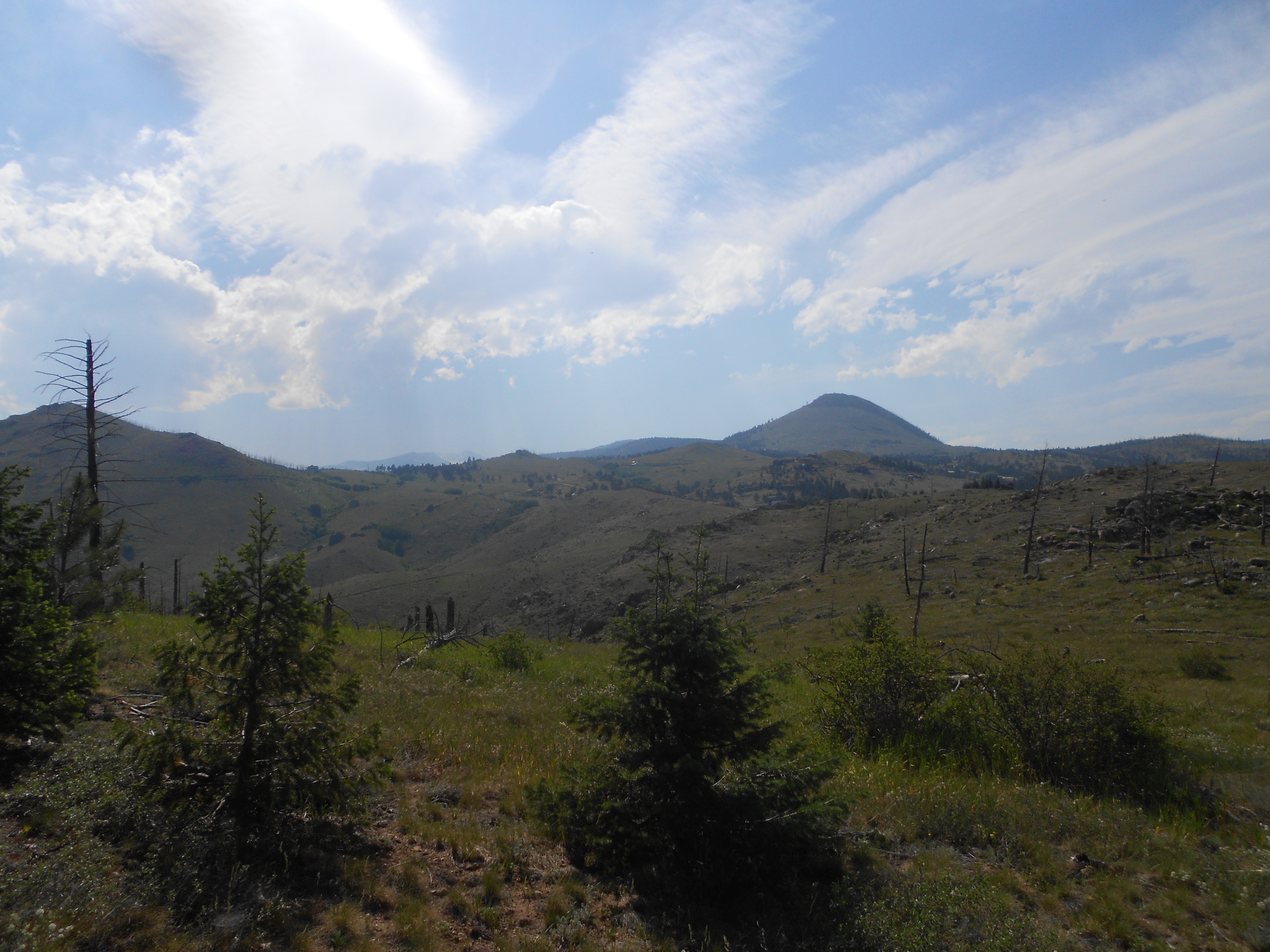
Melanoplus dodgei from alpine site

Melanoplus dodgei from alpine site

Ancient Woodland saved from quarrying Updated for 2026


Lafarge Tarmac has asked Staffordshire County Council to withdraw Hopwas Woods from the Minerals Local Plan, which is currently under public consultation.

The company had originally proposed the 50 hectare (124 acre) ancient woodland near Tamworth for inclusion in the county’s Minerals Local Plan as the ‘preferred site’ to extract 9 million tonnes of sand and gravel over a 13 year period.

But the proposal has caused massive local outrage and spurred campaigners into action. Austin Brady, Woodland Trust Director of Conservation, condemened LaFarge Tarmac for “attempting to reap huge profits from the destruction of ancient woodland – an irreplaceable habitat”, adding:

“Ancient woods like Hopwas are nationally important and to destroy them would wipe out hundreds, if not thousands of years’ worth of ecology, history and beauty that can never be replaced.”

According to local sources, the wood dates back to the 11th Century, and is referred to in the Domesday book. It is also reported that a mysterious copper plate with magical symbols was discovered in the wood as well as an Egyptian figurine.

‘We never really meant to destroy it anyway’

Withdrawing the proposal, Lafarge Tarmac’s Director of Land and Natural Resources Stuart Wykes said: “We pride ourselves on working in harmony with local communities and want to do so at Hopwas.

“We want to work with local stakeholders on the stewardship of Hopwas Woods and we are willing to fund an independent study on its long term sustainability. This could include issues such as public access and environmental protection.

“We are committed to managing and enhancing the local habitat everywhere we operate. We did not have firm plans to develop Hopwas but intended to use the public consultation on the Minerals Local Plan as an opportunity for dialogue to agree a way forward.”

The WT welcomed the move. “This result just shows what an impact people can have by standing up for woods and trees and making their views known”, said Brady.

“We are delighted that the immediate threat to Hopwas Wood is over and that we now have time to engage in a more useful dialogue with Lafarge Tarmac to ensure this irreplaceable ancient woodland, part of which remains in the company’s ownership, is properly managed.”

Ancient Woodland needs effective protection

But he added that the serious threat to Hopwas Wood illustrated the risks to one of Britain’s most precious wildlife habitats: “Protection for ancient woodland is currently weak and despite assurances from Government that this habitat is protected, a loophole remains in planning policy that puts it at severe risk.”

National Planning Practice Guidance paragraph 118 states: “planning permission should be refused for development resulting in the loss or deterioration of irreplaceable habitats, including ancient woodland and the loss of aged or veteran trees found outside ancient woodland, unless the need for, and benefits of, the development in that location clearly outweigh the loss.”

Yet in July 2013 Eric Pickles, Secretary of State for Communities and Local Government, approved a planning application by Gallagher Aggregates Ltd for a 32 hectare quarry extension into the ancient Oaken Wood near Maidstone, after a public inquiry.

“The clock is still ticking on the 440 other ancient woods that remain at risk from the planning loophole we are working hard to close”, said Brady.

“We urge everyone to add their voice to our national campaign and ensure that our ancient woodland will all be protected for generations to come in the face of ever increasing development threats. It’s time for Government to start listening.”


Action: email David Cameron to call for strong protection for ancient woodland.

Oliver Tickell edits The Ecologist.


386220

Latin American progressives and environmental duplicity Updated for 2026


What governments must do, now more than ever, is decisively leave resources in the ground, reject mining projects, resist the short-termist temptation of a fossil fuel fix.

Over the past 16 years, Latin America has undergone what has been termed a ‘pink tide‘. Since 1998, a wave of electoral victories has swept an unprecedented number of leftist governments to power across the region, from Sánchez Cerén in El Salvador to Bachelet in Chile.

For many, this shift has signalled an unravelling of neoliberal hegemony, and its replacement by emboldened new models of development, characterised by redistributive, progressive, anti-imperialist, and environmentalist politics.

Some of these perceptions are broadly accurate, but there has certainly been a gulf between the rhetoric of Latin American governments and their practical record.

Nowhere is this deficiency more blatant than in the environmental sphere. Latin American states, despite leading the charge at international climate summits, have rather different credentials at home

The overwhelming temptation of high resource prices

A key explanation for this asymmetry lies with the fact that the leftist surge coincided with an unprecedented commodity boom. Deftly managed, the boom brought historic windfall savings for governments, as they increased taxes on private oil firms and agribusiness, and nationalized particular industries.

Accordingly, public spending has increased significantly, allowing for heightened investment in healthcare, education, housing, culture, and social security.

While there have been important social gains, a starkly problematic result of this process is that leaders such as Correa, Maduro or Morales have deepened a model which depends on funding welfare and purchasing political legitimacy through extractive earnings.

Extractive industries make up over half of exports in Ecuador, where 44% of the government’s revenue stems from oil sales. In Peru, 70% of exports come from extractive industries, whereas in Bolivia, mining and fossil fuels account for 83% of traded goods.

This dependency shows no sign of abating, propelled by the shale revolution enveloping the region, which holds some of the world’s largest shale oil and gas reserves.

Aware of this endowment, most of Latin America’s governments, from Chile to Venezuela to Mexico, have either been assiduously exploring their territories for shale deposits, or have begun the process of extraction.

Amid widespread protests and public concerns, they defiantly wave away any apprehensions about downstream social and environmental consequences. Miguel Galuccio, CEO of the Argentine state energy firm YPF, assured everyone that any suggestion of environment impacts from the country’s shale fields was a “myth”.

With nearly 30% of international mining investment flowing into Latin America, dozens of open-cut mining projects are also under way. Even in Uruguay, the renowned progressive coalition lead by José Mujica opened the path to large-scale mining last year.

Obstacles to resistance

Despite vociferous resistance from indigenous communities and affected groups, effective opposition to these developments is encumbered by a number of obstacles.

Firstly, there is a dearth of political parties capable of disrupting what sociologist Maristella Svampa describes as the “commodity consensus”, an almost unanimous endorsement of extractivism across the partisan spectrum. This consensus is further bolstered by the proximity of petrochemical companies to governments.

Neither is there an entirely safe space for those willing to express dissent. Latin America is the most dangerous region in the world for environmental defenders. A Global Witness report noted that the rate of environmentalist killings has “dramatically increased … Three times as many people were killed in 2012 than 10 years before.”

Local opposition to ecologically destructive projects is often met by violent repression from state or private security forces. Recently, twenty-three Paraguayan farmers opposing the expansion of the industrial soya industry were injured after their protest was quelled by police.

Institutionalised environmentalist groups are regularly derided by public officials as extremist or traitorous, and are occasionally suppressed, exemplified by the forced closures of Acción Ecológica and the Pachamama Foundation in Ecuador.

With limited grievance mechanisms available for groups to voice their distress over project impacts, disputes are commonplace. According to the Environmental Justice Atlas, five Latin American states rank among the top ten most environmentally conflictive countries in the world.

Hydrocarbons – how can we afford not to develop them?

There is also a significant ideological impediment. Latin American leaders recurrently rationalize the exploitation of hydrocarbons as a developmental necessity, claiming they are merely obeying pragmatism.

When the Ecuadorian government abandoned its ground-breaking Yasuni-ITT Initiative, which encouraged the international community to compensate the country for refraining to exploit oil reserves in Yasuni National Park, President Rafael Correa justified the decision by arguing that

“We do not have another alternative, we need this money to end poverty.”

An analogous attitude is articulated by his Argentine counterpart Cristina Fernández, who has often declared her belief in a “contemporary and rational” form of environmentalism, based on an equilibrium between jobs and sustainability.

She clarified this position by arguing that while “it is noble to defend flora and fauna, it’s more important to take care of the human species so it has work, water, sewers … “

Yet the suggested dilemma between environmental protection and development is demonstrably false, ignoring a rich tradition of thinking about ecological development and sustainable economics.

Further, their arguments (and those of most Latin American leaders) depend on what we might call the ‘extractive illusion’, the belief that the intensive exploitation of natural riches will translate into societal wealth.

But much of the fortune accrued through extractivism leaves the country, and questions surround whether re-priming the economy is the best strategy for long-term prosperity. Extractivism after all, leaves countries heavily reliant on global commodity swings and dwindling resource pools.

Domestically, it locks them into a predatory model, one which depends on laying waste to nature and communities in the midst of ‘sacrifice zones‘.

Pushing back the extractive frontier

The blunt reality is that climate change and ecological stewardship have always been ancillary issues for Latin American governments.

For all the rhetorical embrace of sustainable economics and constitutional changes made to enshrine greater respect for nature, environmentalism remains little more than a discursive device, an instrument to carry favour with certain domestic consistencies and score points on the international scene.

Driven by a ‘compensation logic‘ which maintains that economic wealth is worth the damage wrought, they have pushed the extractive frontier further back than ever before.

Many of the aforementioned governments shirk their responsibility by making reference to international inequities, inveighing against the emissions impunity enjoyed by developed nations for centuries.

It is a truism that developing countries have borne and will bear the brunt of the toxic impacts of the industrial economy, despite contributing the least to the problem.

Government must leave resources in the ground!

But to publically advocate for the repayment of a climate debt is no longer enough; what governments must do, now more than ever, is decisively leave resources in the ground, reject mining projects, resist the short-termist temptation of a fossil fuel fix.

This need not be seen as restrictive. The global ecological crisis furnishes Latin American governments with a real opportunity to brandish their progressive credentials, to forge a unique, relevant model that enhances social justice whilst remaining in touch with the carrying capacity of our planet.

The region is uniquely posed to do this. According to the Inter-American Development Bank, Latin America boasts a renewable energy potential which could cover its projected electricity needs 22 times over.

Populated by a vibrant civil society and indigenous communities with multigenerational ecological knowledge, there is no shortage of actors who can help enact meaningful change.

There is also no more urgent time to act. As the ‘pink tide’ recedes and institutional politics return to the middle, environmental issues may begin to lose even their rhetorical relevance.

This can only be foreseeably challenged by broad and determined popular movements, ones which bolster those struggles already taking place, and hold administrations to account for their effusive pledges.

The possible penalties for inaction, both globally and in Latin America, are unimaginable.


Daniel Macmillen is a writer and activist. He tweets at @bywordlight.

This article was originally published by Open Democracy under a Creative Commons Attribution-NonCommercial 3.0 licence.

Creative Commons License


378581