Tag Archives: species

Everything is connected – in nature too Updated for 2026

You might, sometimes, have heard the phrase ‘everything is connected’. Maybe you are thinking about computers and mobile phones, but in fact this statement is particularly true in nature. For instance, we know that species are not isolated entities, instead they are part of communities in which multiple different species are interacting with each other. Some of these interspecific interactions are cooperative and positive for all interacting partners, and are called mutualistic interactions. Virtually all species on Earth are involved in one or more mutualistic interactions. Specifically, the interactions between plants and their pollinators may be some of the most studied ones, as nearly 85% of plants rely on animals for pollination service. In the last 20 years the study of pollination interactions using network analysis has been a hot topic in ecology. Networks have proven to be a useful tool to unravel patterns in plant-pollinator interactions at the whole community level. Usually, almost all plant-pollinator networks are constructed at the species-level (species-based networks), i.e. nodes in the network are plant and animal species and links represent the interactions occurring between them (e.g. flower visits). However, species are composed of populations of individuals and those individuals are the true actors establishing interactions in nature. Even more interesting is the fact that conspecific individuals are phenotypically and behaviourally diverse with respect to, e.g. size, sex, age, and social status, which also might imply that their foraging decisions become different. Most ecological networks studied to date have not considered this intraspecific variation in interactions, despite the importance of individual variation within natural populations addressed in the theory of evolution by natural selection. For that reason, moving from species-based networks to individual-based networks, to disentangle a process, which can be defined as network downscaling, is probably one of the major challenges right now in ecological network research.


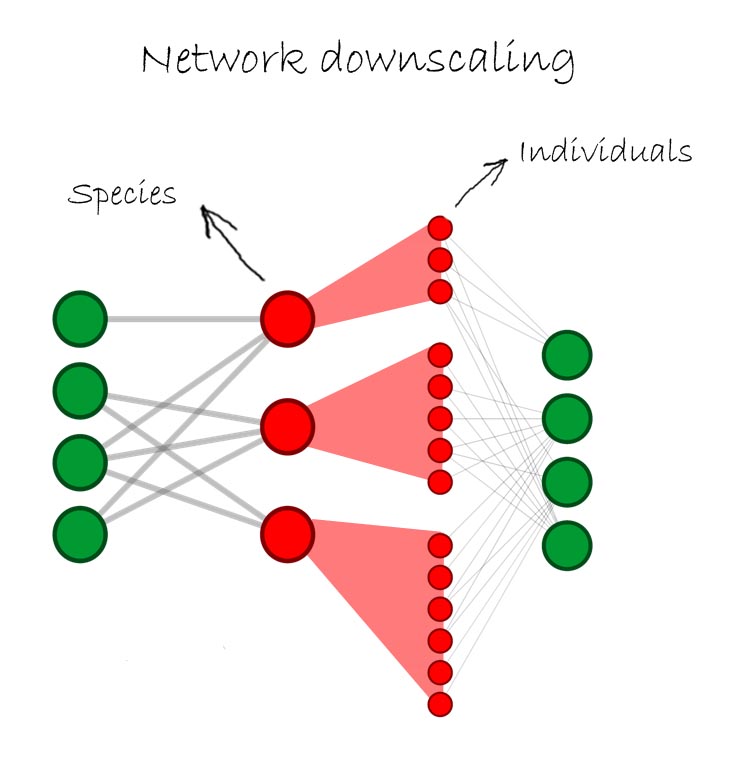
Network downscaling. In traditional species-based networks each node represents a species (red nodes are pollinators and green ones are plants), but if we decompose a species into its constituting individuals we can obtain an individual-based network. In the figure, downscaling is only represented for the pollinator subset.

Network downscaling. In traditional species-based networks each node represents a species (red nodes are pollinators and green ones are plants), but if we decompose a species into its constituting individuals we can obtain an individual-based network. In the figure, downscaling is only represented for the pollinator subset.


In an attempt to fill this gap of knowledge, we got the idea of downscaling an entire pollination network to the individual level for the pollinator subset and explore network patterns at both interacting scales: species and individuals. This was possible with the study of pollen loads of insect individuals. Insect flower visitors in two mountain shrub communities from Mallorca (Balearic Islands) were captured, and later in the laboratory, pollen carried by each one was identified and quantified under the microscope. It was a highly time consuming and difficult task, but it paid well off as it provided a record of the flowering species visited by each individual pollinator over time. Data revealed that generalized species in the plant-pollinator network are composed of specialized and idiosyncratic individuals. The high heterogeneity in individual foraging behaviour and the high individual specialization of pollinators are obviously hidden in traditional species-based networks, and thus determine differences in several topological properties between species-based and individual-based networks. Particularly, the modular structure – a broadly described pattern in pollination networks which consists of densely connected groups or cliques of nodes with sparse connections to other groups– is not consistent across networks at the two scales. We found that modularity increases when downscaling networks to the individual level, and we confirmed this result using different modularity detection algorithms. In contrast to the view of modules as a set of taxonomically related species or species with convergent morphological traits in species-based networks, modules in individual-based networks are groups of functionally different pollinators distantly related but with overlapping pollen niches. Thus, interestingly, conspecific individuals are distributed in different modules. Modules showed to have a strong phenological component, and attributes related to the phenophase of plants and individuals even determined the topological roles of nodes in the network. Only when downscaling to the individual level it was possible to detect a dynamical interaction switching within-species and a module turnover throughout the flowering season, thus modules of individuals assembled and disassembled over time.

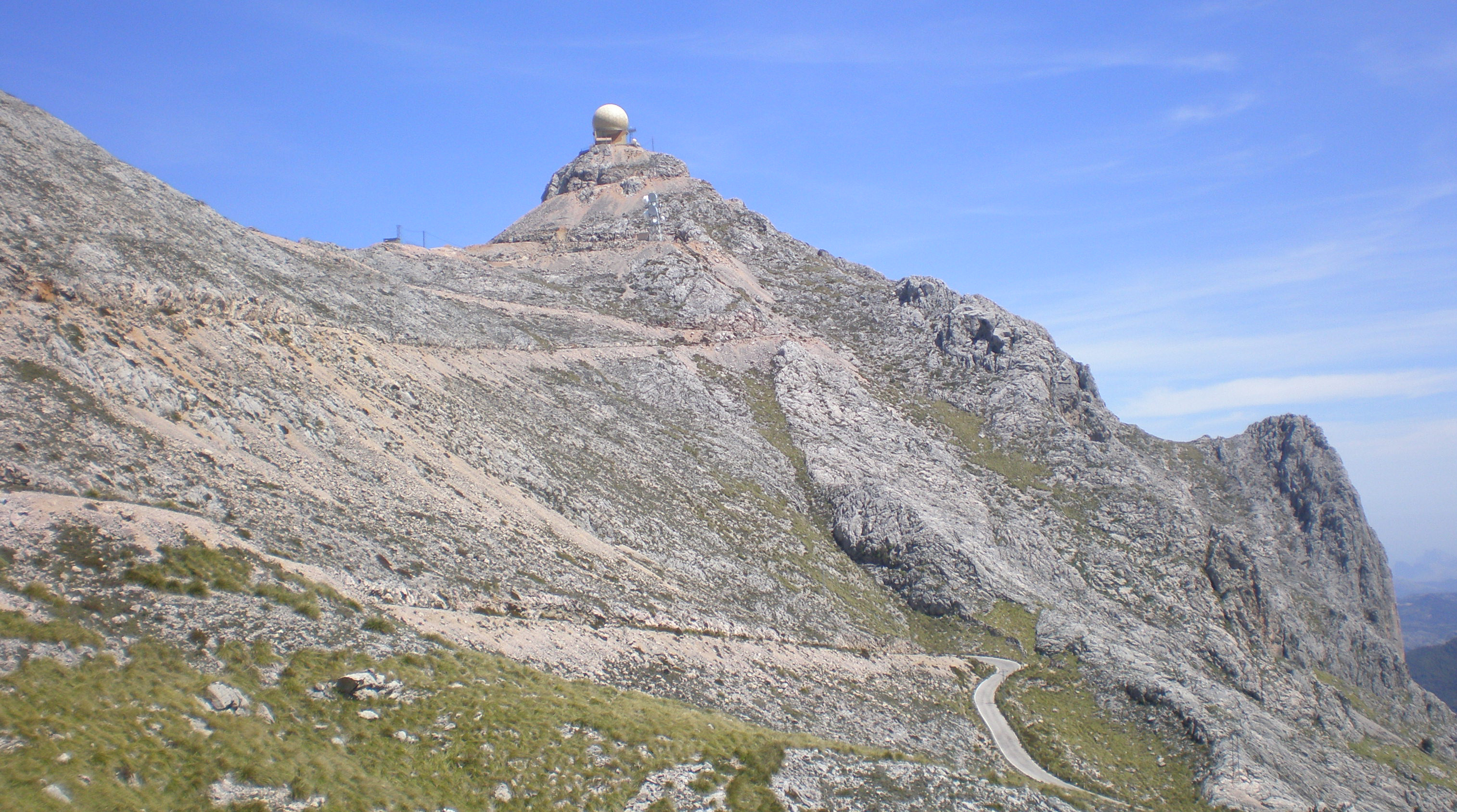
Study site. The study was conducted on two locations in Puig Major (1445 m), the highest mountain in Mallorca (Balearic Islands).

Study site. The study was conducted on two locations in Puig Major (1445 m), the highest mountain in Mallorca (Balearic Islands).

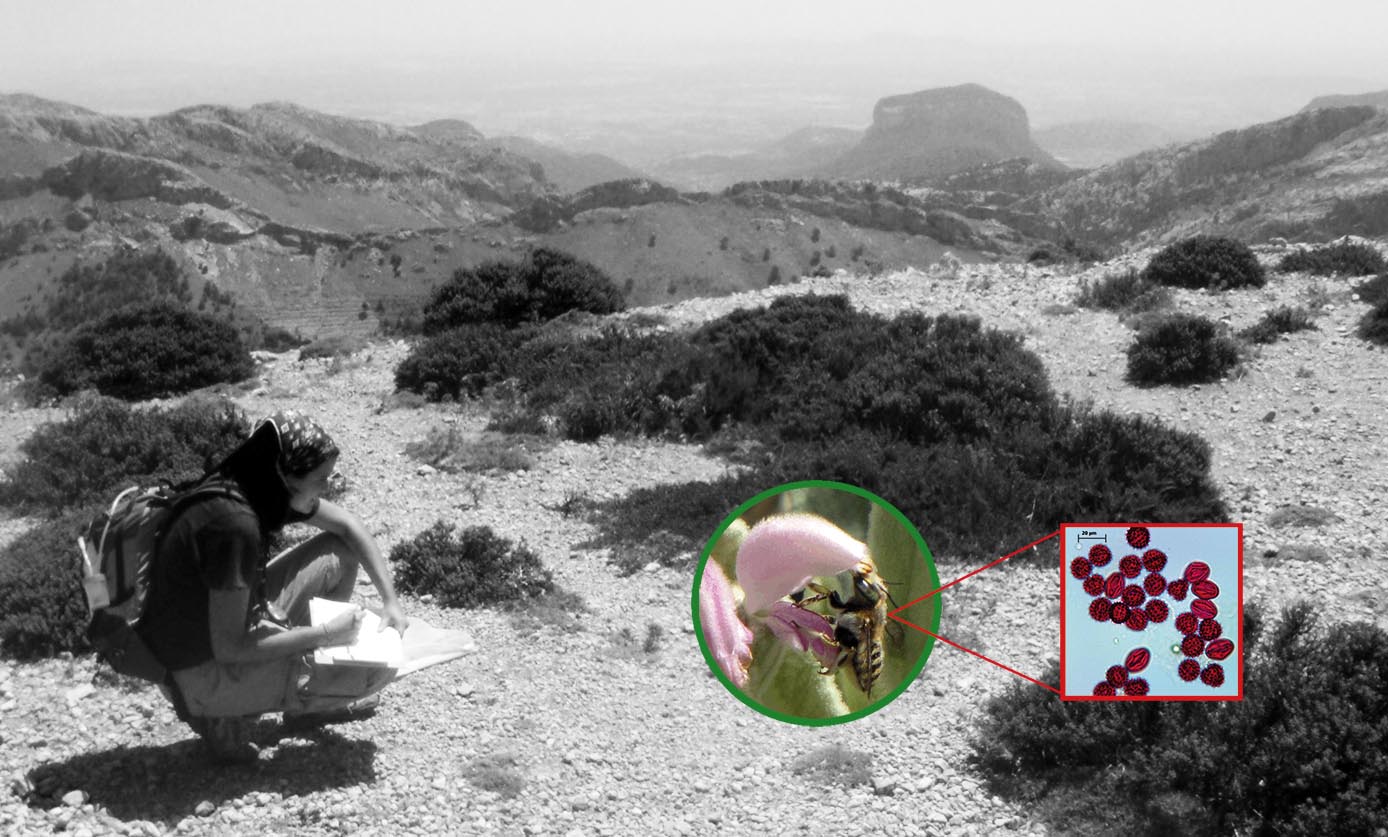
Methods. Pollinator observations were conducted in the field. Insects visiting flowers were captured and, later, their pollen loads were analyzed in the lab.

Methods. Pollinator observations were conducted in the field. Insects visiting flowers were captured and, later, their pollen loads were analyzed in the lab.


In conclusion, findings reported in our study, “Increasing modularity when downscaling networks from species to individuals”  (Tur et al.) highlight that network patterns differed across the individuals and the species scales, because much within-species variation exists. This implies that it is not always possible to deduce structure at one hierarchical level from information about structure at an adjacent level. Combining the study of networks at both scales offers the possibility of uncovering important properties and processes, which might influence network stability, dynamics and the outcomes of interactions.

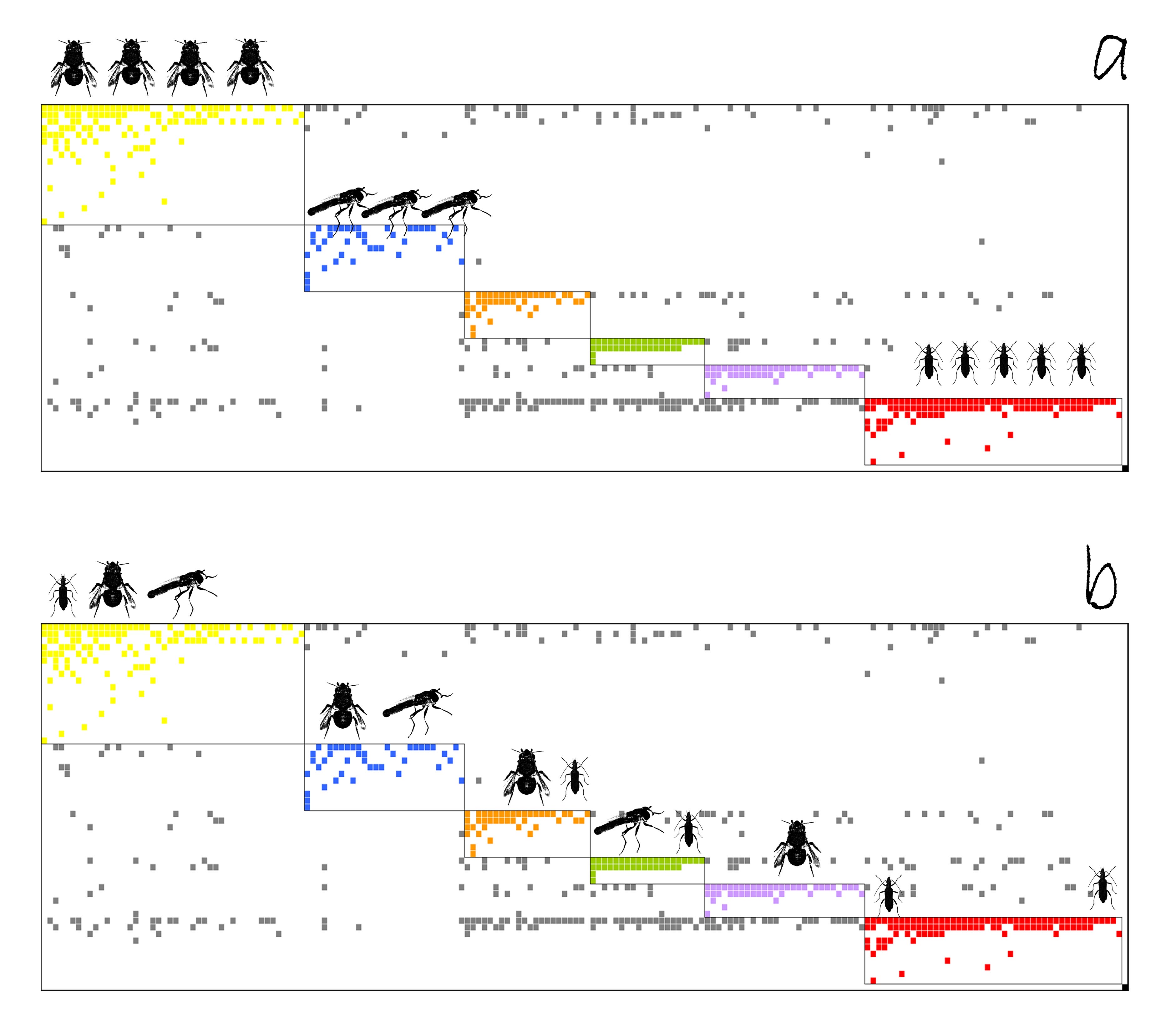
Distribution of conspecifics into modules. One of the objectives in our study was to investigate whether individual-based networks were modular and if this was true, to analize how conspecific individuals were distributed among modules. There are two possibilities: (a) all conspecific individuals belong to the same module, or alternatively, (b) conspecific individuals belong to different modules. In most species we found ‘b’.

Distribution of conspecifics into modules. One of the objectives in our study was to investigate whether individual-based networks were modular and if this was true, to analize how conspecific individuals were distributed among modules. There are two possibilities: (a) all conspecific individuals belong to the same module, or alternatively, (b) conspecific individuals belong to different modules. In most species we found ‘b’.


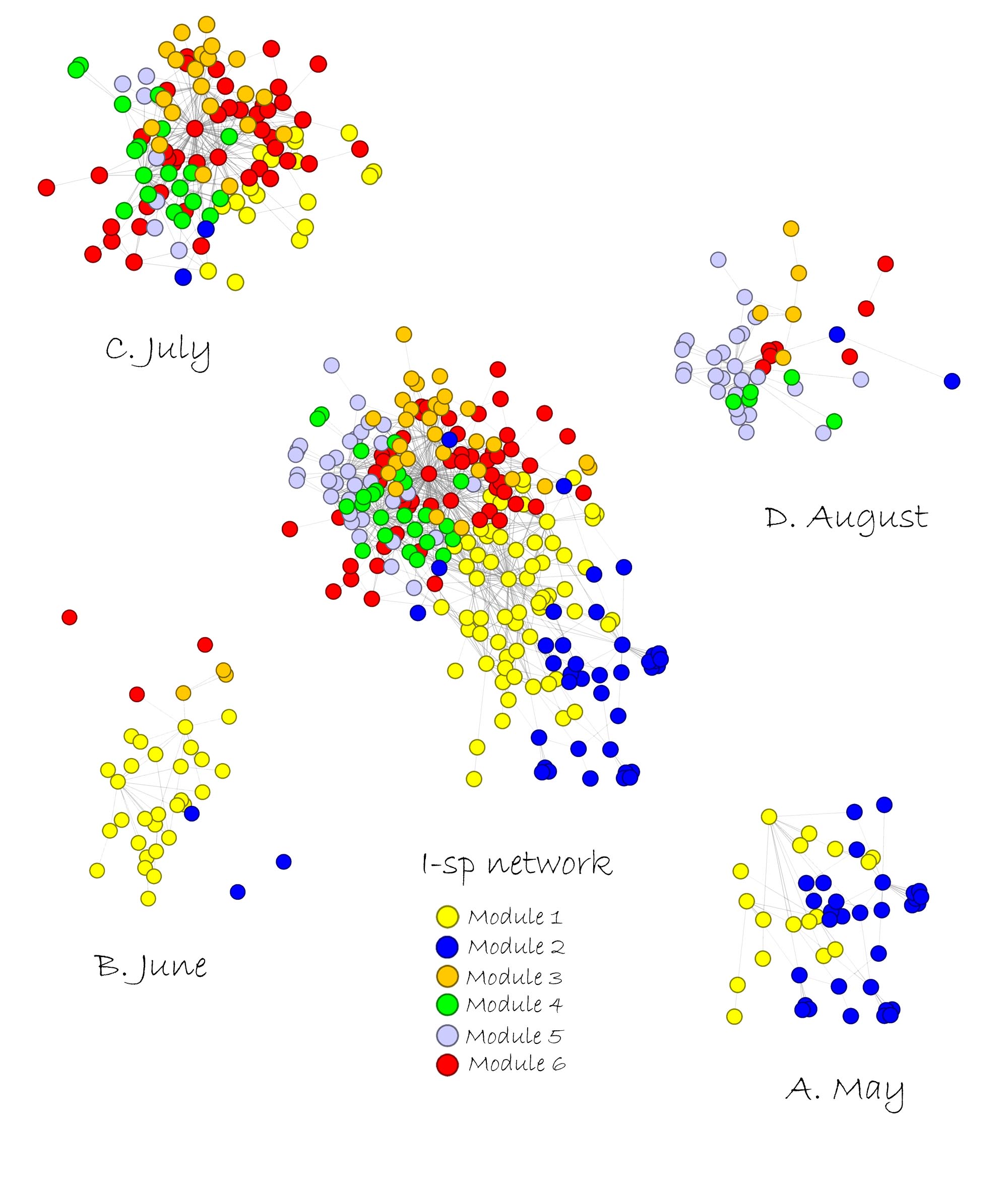
Module turnover. When downscaling from species to individuals, a module turnover associated to seasonality was identified, so that at a given moment of the season there is predominance of a particular module of individuals. The complete individual-species network and the different slices of each month are shown in the figure.

Module turnover. When downscaling from species to individuals, a module turnover associated to seasonality was identified, so that at a given moment of the season there is predominance of a particular module of individuals. The complete individual-species network and the different slices of each month are shown in the figure.

By Christina Tur


African habitat loss driving migrating birds’ decline Updated for 2026


The latest in the annual series of State of the UK’s Birds report, published today, shows alarming declines among 29 migrant species which nest in the UK in summer and spend the winter around the Mediterranean, or in Africa south of the Sahara Desert.

The most dramatic declines are among species which winter in the humid zone of Africa – stretching across the continent from southern Senegal to Nigeria and beyond.

Of this group of species, which includes whinchat, nightingale, tree pipit and spotted flycatcher, 73% have declined since the late 1980s, 45% by more than half.

One of the most dramatic declines is that of the turtle dove with a decline of 88% since 1995. Heavy declines have also been recorded over the same period for wood warbler, down 66%; pied flycatcher, 53%; spotted flycatcher, 49%; cuckoo, 49%; nightingale, 43%; and yellow wagtail, 43%.

Species wintering furthest south in the Congo Basin (represented here by cuckoos, swifts and swallows) also show a substantial decline since the early 1980s.

But where are the problems occurring?

According to Martin Harper, RSPB’s Conservation Director, it’s hard to pinpoint where the problems lie for the species’ decline:

“Their nomadic lifestyle, requiring sites and resources spread over vast distances across the globe makes identifying and understanding the causes of decline extremely complex. The problems may be in the UK or in West Africa, or indeed on migration in between the two.”

However the birds’ decline may be linked to deforestation in West Africa’s rainforests, and the expansion of both rain-fed and irrigated agriculture, says the report:

“The loss and degradation of wetlands is widely reported as a result of damming of rivers, extraction of water for irrigation, as well as the conversion of floodplains to rice fields, and floodplain woodlands to agricultural land. Wooded savannah habitats have similarly been impacted by clearance for agriculture, wood fuel and grazing.

“Human-induced habitat changes such as these have all been compounded by climate change altering seasonal weather patterns. These habitats are essential for many birds, as they allow the birds to refuel in the autumn, and fatten up before spring migration. The loss and degradation of these habitats is an erosion of vital stepping stones on the birds’ migratory journey.”

Hunting and trapping

Another problem is hunting and trapping, which “has been reported as impacting migratory birds on passage and on the non-breeding grounds during both spring and autumn migrations. Losses can be enormous. For example, 2–4 million turtle doves are shot across a number of southern European countries each year.”

Birds can be taken in large numbers in certain areas, such as quails in Egypt and swallows in west and central Africa. However, “Assessing the population-level impact of hunting is difficult, as the relevant data do not exist.”

But Alan Law, Director of Biodiversity Delivery at Natural England adds that we also need to look closer to home.

“For some species, there is growing evidence of pressure on breeding success here in England. Our focus therefore is to ensure that well-managed habitats are available in this country so that migratory species can breed here successfully.

For example, the drastic (88%) decline of turtle doves is also due to diminished breeding success in the UK. Recent research has revealed that around 96% of the UK’s turtle doves are carrying parasites which can cause the disease trichomonosis, which caused mortality in a number of adults and nestlings during the 2012 breeding season.

Smaller declines, even increases for short-distance migrants

Other birds wintering in the arid zone just below the Sahara desert have fluctuated considerably since 1970, but show a much smaller decline of less than 20% overall, with 67% of species maintaining stable populations. This group includes sand martin, whitethroat and sedge warbler.

And the species that winter north of the Sahara (the partial / European migrants) are doing well, with 56% experiencing an increase in numbers since the mid 1980s. This group includes blackcaps, meadow pipits, chiffchaffs and stonechats.

Still, “concern about migratory bird species is growing and future editions of the State of the UK’s Birds report will contain a regular update to the migratory bird indicator.”

To understand the changing status of the UK’s migratory birds, researchers need to understand more about what’s driving these declines. Evidence is currently being gathered from a variety of sources including tracking studies and on-the-ground surveys.

“The length of many bird migrations – often thousands of miles – makes it very difficult to pinpoint where and what is causing populations to fall”, said Colette Hall of the Wildfowl & Wetlands Trust.

“So the more information we can get all along the migration routes – on land use changes, new infrastructure etc – the better we can target protection measures. It’s important that we help build up the capacity of local bird organisations and volunteers across the world to provide vital information through their own long-term monitoring.”


The report: The State of the UK’s Birds is published by a partnership of eight organisations: RSPB; British Trust for Ornithology; Wildfowl & Wetlands Trust; Natural Resources Wales; Natural England; Northern Ireland Environment Agency; Scottish Natural Heritage; and the Joint Nature Conservation Committee.


385518

African habitat loss driving migrating birds’ decline Updated for 2026


The latest in the annual series of State of the UK’s Birds report, published today, shows alarming declines among 29 migrant species which nest in the UK in summer and spend the winter around the Mediterranean, or in Africa south of the Sahara Desert.

The most dramatic declines are among species which winter in the humid zone of Africa – stretching across the continent from southern Senegal to Nigeria and beyond.

Of this group of species, which includes whinchat, nightingale, tree pipit and spotted flycatcher, 73% have declined since the late 1980s, 45% by more than half.

One of the most dramatic declines is that of the turtle dove with a decline of 88% since 1995. Heavy declines have also been recorded over the same period for wood warbler, down 66%; pied flycatcher, 53%; spotted flycatcher, 49%; cuckoo, 49%; nightingale, 43%; and yellow wagtail, 43%.

Species wintering furthest south in the Congo Basin (represented here by cuckoos, swifts and swallows) also show a substantial decline since the early 1980s.

But where are the problems occurring?

According to Martin Harper, RSPB’s Conservation Director, it’s hard to pinpoint where the problems lie for the species’ decline:

“Their nomadic lifestyle, requiring sites and resources spread over vast distances across the globe makes identifying and understanding the causes of decline extremely complex. The problems may be in the UK or in West Africa, or indeed on migration in between the two.”

However the birds’ decline may be linked to deforestation in West Africa’s rainforests, and the expansion of both rain-fed and irrigated agriculture, says the report:

“The loss and degradation of wetlands is widely reported as a result of damming of rivers, extraction of water for irrigation, as well as the conversion of floodplains to rice fields, and floodplain woodlands to agricultural land. Wooded savannah habitats have similarly been impacted by clearance for agriculture, wood fuel and grazing.

“Human-induced habitat changes such as these have all been compounded by climate change altering seasonal weather patterns. These habitats are essential for many birds, as they allow the birds to refuel in the autumn, and fatten up before spring migration. The loss and degradation of these habitats is an erosion of vital stepping stones on the birds’ migratory journey.”

Hunting and trapping

Another problem is hunting and trapping, which “has been reported as impacting migratory birds on passage and on the non-breeding grounds during both spring and autumn migrations. Losses can be enormous. For example, 2–4 million turtle doves are shot across a number of southern European countries each year.”

Birds can be taken in large numbers in certain areas, such as quails in Egypt and swallows in west and central Africa. However, “Assessing the population-level impact of hunting is difficult, as the relevant data do not exist.”

But Alan Law, Director of Biodiversity Delivery at Natural England adds that we also need to look closer to home.

“For some species, there is growing evidence of pressure on breeding success here in England. Our focus therefore is to ensure that well-managed habitats are available in this country so that migratory species can breed here successfully.

For example, the drastic (88%) decline of turtle doves is also due to diminished breeding success in the UK. Recent research has revealed that around 96% of the UK’s turtle doves are carrying parasites which can cause the disease trichomonosis, which caused mortality in a number of adults and nestlings during the 2012 breeding season.

Smaller declines, even increases for short-distance migrants

Other birds wintering in the arid zone just below the Sahara desert have fluctuated considerably since 1970, but show a much smaller decline of less than 20% overall, with 67% of species maintaining stable populations. This group includes sand martin, whitethroat and sedge warbler.

And the species that winter north of the Sahara (the partial / European migrants) are doing well, with 56% experiencing an increase in numbers since the mid 1980s. This group includes blackcaps, meadow pipits, chiffchaffs and stonechats.

Still, “concern about migratory bird species is growing and future editions of the State of the UK’s Birds report will contain a regular update to the migratory bird indicator.”

To understand the changing status of the UK’s migratory birds, researchers need to understand more about what’s driving these declines. Evidence is currently being gathered from a variety of sources including tracking studies and on-the-ground surveys.

“The length of many bird migrations – often thousands of miles – makes it very difficult to pinpoint where and what is causing populations to fall”, said Colette Hall of the Wildfowl & Wetlands Trust.

“So the more information we can get all along the migration routes – on land use changes, new infrastructure etc – the better we can target protection measures. It’s important that we help build up the capacity of local bird organisations and volunteers across the world to provide vital information through their own long-term monitoring.”


The report: The State of the UK’s Birds is published by a partnership of eight organisations: RSPB; British Trust for Ornithology; Wildfowl & Wetlands Trust; Natural Resources Wales; Natural England; Northern Ireland Environment Agency; Scottish Natural Heritage; and the Joint Nature Conservation Committee.


385518

African habitat loss driving migrating birds’ decline Updated for 2026


The latest in the annual series of State of the UK’s Birds report, published today, shows alarming declines among 29 migrant species which nest in the UK in summer and spend the winter around the Mediterranean, or in Africa south of the Sahara Desert.

The most dramatic declines are among species which winter in the humid zone of Africa – stretching across the continent from southern Senegal to Nigeria and beyond.

Of this group of species, which includes whinchat, nightingale, tree pipit and spotted flycatcher, 73% have declined since the late 1980s, 45% by more than half.

One of the most dramatic declines is that of the turtle dove with a decline of 88% since 1995. Heavy declines have also been recorded over the same period for wood warbler, down 66%; pied flycatcher, 53%; spotted flycatcher, 49%; cuckoo, 49%; nightingale, 43%; and yellow wagtail, 43%.

Species wintering furthest south in the Congo Basin (represented here by cuckoos, swifts and swallows) also show a substantial decline since the early 1980s.

But where are the problems occurring?

According to Martin Harper, RSPB’s Conservation Director, it’s hard to pinpoint where the problems lie for the species’ decline:

“Their nomadic lifestyle, requiring sites and resources spread over vast distances across the globe makes identifying and understanding the causes of decline extremely complex. The problems may be in the UK or in West Africa, or indeed on migration in between the two.”

However the birds’ decline may be linked to deforestation in West Africa’s rainforests, and the expansion of both rain-fed and irrigated agriculture, says the report:

“The loss and degradation of wetlands is widely reported as a result of damming of rivers, extraction of water for irrigation, as well as the conversion of floodplains to rice fields, and floodplain woodlands to agricultural land. Wooded savannah habitats have similarly been impacted by clearance for agriculture, wood fuel and grazing.

“Human-induced habitat changes such as these have all been compounded by climate change altering seasonal weather patterns. These habitats are essential for many birds, as they allow the birds to refuel in the autumn, and fatten up before spring migration. The loss and degradation of these habitats is an erosion of vital stepping stones on the birds’ migratory journey.”

Hunting and trapping

Another problem is hunting and trapping, which “has been reported as impacting migratory birds on passage and on the non-breeding grounds during both spring and autumn migrations. Losses can be enormous. For example, 2–4 million turtle doves are shot across a number of southern European countries each year.”

Birds can be taken in large numbers in certain areas, such as quails in Egypt and swallows in west and central Africa. However, “Assessing the population-level impact of hunting is difficult, as the relevant data do not exist.”

But Alan Law, Director of Biodiversity Delivery at Natural England adds that we also need to look closer to home.

“For some species, there is growing evidence of pressure on breeding success here in England. Our focus therefore is to ensure that well-managed habitats are available in this country so that migratory species can breed here successfully.

For example, the drastic (88%) decline of turtle doves is also due to diminished breeding success in the UK. Recent research has revealed that around 96% of the UK’s turtle doves are carrying parasites which can cause the disease trichomonosis, which caused mortality in a number of adults and nestlings during the 2012 breeding season.

Smaller declines, even increases for short-distance migrants

Other birds wintering in the arid zone just below the Sahara desert have fluctuated considerably since 1970, but show a much smaller decline of less than 20% overall, with 67% of species maintaining stable populations. This group includes sand martin, whitethroat and sedge warbler.

And the species that winter north of the Sahara (the partial / European migrants) are doing well, with 56% experiencing an increase in numbers since the mid 1980s. This group includes blackcaps, meadow pipits, chiffchaffs and stonechats.

Still, “concern about migratory bird species is growing and future editions of the State of the UK’s Birds report will contain a regular update to the migratory bird indicator.”

To understand the changing status of the UK’s migratory birds, researchers need to understand more about what’s driving these declines. Evidence is currently being gathered from a variety of sources including tracking studies and on-the-ground surveys.

“The length of many bird migrations – often thousands of miles – makes it very difficult to pinpoint where and what is causing populations to fall”, said Colette Hall of the Wildfowl & Wetlands Trust.

“So the more information we can get all along the migration routes – on land use changes, new infrastructure etc – the better we can target protection measures. It’s important that we help build up the capacity of local bird organisations and volunteers across the world to provide vital information through their own long-term monitoring.”


The report: The State of the UK’s Birds is published by a partnership of eight organisations: RSPB; British Trust for Ornithology; Wildfowl & Wetlands Trust; Natural Resources Wales; Natural England; Northern Ireland Environment Agency; Scottish Natural Heritage; and the Joint Nature Conservation Committee.


385518

African habitat loss driving migrating birds’ decline Updated for 2026


The latest in the annual series of State of the UK’s Birds report, published today, shows alarming declines among 29 migrant species which nest in the UK in summer and spend the winter around the Mediterranean, or in Africa south of the Sahara Desert.

The most dramatic declines are among species which winter in the humid zone of Africa – stretching across the continent from southern Senegal to Nigeria and beyond.

Of this group of species, which includes whinchat, nightingale, tree pipit and spotted flycatcher, 73% have declined since the late 1980s, 45% by more than half.

One of the most dramatic declines is that of the turtle dove with a decline of 88% since 1995. Heavy declines have also been recorded over the same period for wood warbler, down 66%; pied flycatcher, 53%; spotted flycatcher, 49%; cuckoo, 49%; nightingale, 43%; and yellow wagtail, 43%.

Species wintering furthest south in the Congo Basin (represented here by cuckoos, swifts and swallows) also show a substantial decline since the early 1980s.

But where are the problems occurring?

According to Martin Harper, RSPB’s Conservation Director, it’s hard to pinpoint where the problems lie for the species’ decline:

“Their nomadic lifestyle, requiring sites and resources spread over vast distances across the globe makes identifying and understanding the causes of decline extremely complex. The problems may be in the UK or in West Africa, or indeed on migration in between the two.”

However the birds’ decline may be linked to deforestation in West Africa’s rainforests, and the expansion of both rain-fed and irrigated agriculture, says the report:

“The loss and degradation of wetlands is widely reported as a result of damming of rivers, extraction of water for irrigation, as well as the conversion of floodplains to rice fields, and floodplain woodlands to agricultural land. Wooded savannah habitats have similarly been impacted by clearance for agriculture, wood fuel and grazing.

“Human-induced habitat changes such as these have all been compounded by climate change altering seasonal weather patterns. These habitats are essential for many birds, as they allow the birds to refuel in the autumn, and fatten up before spring migration. The loss and degradation of these habitats is an erosion of vital stepping stones on the birds’ migratory journey.”

Hunting and trapping

Another problem is hunting and trapping, which “has been reported as impacting migratory birds on passage and on the non-breeding grounds during both spring and autumn migrations. Losses can be enormous. For example, 2–4 million turtle doves are shot across a number of southern European countries each year.”

Birds can be taken in large numbers in certain areas, such as quails in Egypt and swallows in west and central Africa. However, “Assessing the population-level impact of hunting is difficult, as the relevant data do not exist.”

But Alan Law, Director of Biodiversity Delivery at Natural England adds that we also need to look closer to home.

“For some species, there is growing evidence of pressure on breeding success here in England. Our focus therefore is to ensure that well-managed habitats are available in this country so that migratory species can breed here successfully.

For example, the drastic (88%) decline of turtle doves is also due to diminished breeding success in the UK. Recent research has revealed that around 96% of the UK’s turtle doves are carrying parasites which can cause the disease trichomonosis, which caused mortality in a number of adults and nestlings during the 2012 breeding season.

Smaller declines, even increases for short-distance migrants

Other birds wintering in the arid zone just below the Sahara desert have fluctuated considerably since 1970, but show a much smaller decline of less than 20% overall, with 67% of species maintaining stable populations. This group includes sand martin, whitethroat and sedge warbler.

And the species that winter north of the Sahara (the partial / European migrants) are doing well, with 56% experiencing an increase in numbers since the mid 1980s. This group includes blackcaps, meadow pipits, chiffchaffs and stonechats.

Still, “concern about migratory bird species is growing and future editions of the State of the UK’s Birds report will contain a regular update to the migratory bird indicator.”

To understand the changing status of the UK’s migratory birds, researchers need to understand more about what’s driving these declines. Evidence is currently being gathered from a variety of sources including tracking studies and on-the-ground surveys.

“The length of many bird migrations – often thousands of miles – makes it very difficult to pinpoint where and what is causing populations to fall”, said Colette Hall of the Wildfowl & Wetlands Trust.

“So the more information we can get all along the migration routes – on land use changes, new infrastructure etc – the better we can target protection measures. It’s important that we help build up the capacity of local bird organisations and volunteers across the world to provide vital information through their own long-term monitoring.”


The report: The State of the UK’s Birds is published by a partnership of eight organisations: RSPB; British Trust for Ornithology; Wildfowl & Wetlands Trust; Natural Resources Wales; Natural England; Northern Ireland Environment Agency; Scottish Natural Heritage; and the Joint Nature Conservation Committee.


385518

African habitat loss driving migrating birds’ decline Updated for 2026


The latest in the annual series of State of the UK’s Birds report, published today, shows alarming declines among 29 migrant species which nest in the UK in summer and spend the winter around the Mediterranean, or in Africa south of the Sahara Desert.

The most dramatic declines are among species which winter in the humid zone of Africa – stretching across the continent from southern Senegal to Nigeria and beyond.

Of this group of species, which includes whinchat, nightingale, tree pipit and spotted flycatcher, 73% have declined since the late 1980s, 45% by more than half.

One of the most dramatic declines is that of the turtle dove with a decline of 88% since 1995. Heavy declines have also been recorded over the same period for wood warbler, down 66%; pied flycatcher, 53%; spotted flycatcher, 49%; cuckoo, 49%; nightingale, 43%; and yellow wagtail, 43%.

Species wintering furthest south in the Congo Basin (represented here by cuckoos, swifts and swallows) also show a substantial decline since the early 1980s.

But where are the problems occurring?

According to Martin Harper, RSPB’s Conservation Director, it’s hard to pinpoint where the problems lie for the species’ decline:

“Their nomadic lifestyle, requiring sites and resources spread over vast distances across the globe makes identifying and understanding the causes of decline extremely complex. The problems may be in the UK or in West Africa, or indeed on migration in between the two.”

However the birds’ decline may be linked to deforestation in West Africa’s rainforests, and the expansion of both rain-fed and irrigated agriculture, says the report:

“The loss and degradation of wetlands is widely reported as a result of damming of rivers, extraction of water for irrigation, as well as the conversion of floodplains to rice fields, and floodplain woodlands to agricultural land. Wooded savannah habitats have similarly been impacted by clearance for agriculture, wood fuel and grazing.

“Human-induced habitat changes such as these have all been compounded by climate change altering seasonal weather patterns. These habitats are essential for many birds, as they allow the birds to refuel in the autumn, and fatten up before spring migration. The loss and degradation of these habitats is an erosion of vital stepping stones on the birds’ migratory journey.”

Hunting and trapping

Another problem is hunting and trapping, which “has been reported as impacting migratory birds on passage and on the non-breeding grounds during both spring and autumn migrations. Losses can be enormous. For example, 2–4 million turtle doves are shot across a number of southern European countries each year.”

Birds can be taken in large numbers in certain areas, such as quails in Egypt and swallows in west and central Africa. However, “Assessing the population-level impact of hunting is difficult, as the relevant data do not exist.”

But Alan Law, Director of Biodiversity Delivery at Natural England adds that we also need to look closer to home.

“For some species, there is growing evidence of pressure on breeding success here in England. Our focus therefore is to ensure that well-managed habitats are available in this country so that migratory species can breed here successfully.

For example, the drastic (88%) decline of turtle doves is also due to diminished breeding success in the UK. Recent research has revealed that around 96% of the UK’s turtle doves are carrying parasites which can cause the disease trichomonosis, which caused mortality in a number of adults and nestlings during the 2012 breeding season.

Smaller declines, even increases for short-distance migrants

Other birds wintering in the arid zone just below the Sahara desert have fluctuated considerably since 1970, but show a much smaller decline of less than 20% overall, with 67% of species maintaining stable populations. This group includes sand martin, whitethroat and sedge warbler.

And the species that winter north of the Sahara (the partial / European migrants) are doing well, with 56% experiencing an increase in numbers since the mid 1980s. This group includes blackcaps, meadow pipits, chiffchaffs and stonechats.

Still, “concern about migratory bird species is growing and future editions of the State of the UK’s Birds report will contain a regular update to the migratory bird indicator.”

To understand the changing status of the UK’s migratory birds, researchers need to understand more about what’s driving these declines. Evidence is currently being gathered from a variety of sources including tracking studies and on-the-ground surveys.

“The length of many bird migrations – often thousands of miles – makes it very difficult to pinpoint where and what is causing populations to fall”, said Colette Hall of the Wildfowl & Wetlands Trust.

“So the more information we can get all along the migration routes – on land use changes, new infrastructure etc – the better we can target protection measures. It’s important that we help build up the capacity of local bird organisations and volunteers across the world to provide vital information through their own long-term monitoring.”


The report: The State of the UK’s Birds is published by a partnership of eight organisations: RSPB; British Trust for Ornithology; Wildfowl & Wetlands Trust; Natural Resources Wales; Natural England; Northern Ireland Environment Agency; Scottish Natural Heritage; and the Joint Nature Conservation Committee.


385518

Take bushmeat off the menu before humans are served another ebola Updated for 2026


A few weeks ago I was visiting a colleague in Brazil who told me he had a new post-doctoral researcher working for him from West Africa, but that he was in 21 days quarantine.

I asked him if the newest member of his staff was in the university’s hospital; he replied “no”, he is wandering around the streets of the city until his 21 days are up – he is just not allowed on the campus.

As disease researchers know the great problem of the modern era is transport: since the times of our great-grandfathers human ability to traverse the planet has increased exponentially. And the risk of disease epidemics such as ebola has followed.

The present ebola crisis appears, like HIV before it, to have started with the disease jumping from a wild species, in this case bats, to humans.

A long evolutionary battle

Ebola and bats have been battling out an evolutionary war for thousands of years and have more or less come to a stalemate whereby bats are infected and the virus can reproduce itself, but bats are not killed.

A similar situation is seen in the case of simian retroviruses (SIV), the precursors of HIV. Both come about from the arms race that occurs between a disease and its host: if lions start to run faster then so do their prey, otherwise the prey and ultimately the lion will go to extinction.

These wars between diseases and their hosts can be found everywhere on the planet.

But what about the native people who live in forests? Surely they have been fighting this same evolutionary arms race with these same diseases. The answer is perhaps not. Studies of the Ache tribe of hunter gathers in Paraguay show that they do not hunt species indiscriminately.

While their jungle home contains thousands of potential animal species to consume, they basically focus on eating only twelve.

The items on their menu are selected in terms of their energetic profitability; that is, the minimum amount of search time for the maximum amount of calories. In this case the favoured food item is the armadillo.

Historically hunter gather tribes were small and widely dispersed. Thus, if they did get ebola everyone might have died but there would have been little transmission to other groups of humans – and no epidemic. Agriculture changes everything, as large well-connected groups can easily transmit diseases.

Jumping the species barrier

It is also worth remembering that diseases can jump the species barrier in both directions. About five years ago in the Brazilian city of Belo Horizonte all of the wild urban marmosets in one area died out due to cold sore infections. Cold sores are caused by a herpes virus.

This outbreak probably started unintentionally when a person with a cold sore gave a fruit they were eating to some marmosets. Disease transmission is very much a two-way street and there is increasing evidence of human diseases passing on to wildlife, especially primates.

Wild animals hunted and eaten in tropical forests are known as bushmeat – and bushmeat represents a crisis of its own, as hunting threatens to make many species of wildlife extinct. The crisis has its origins in poverty. People simply need to eat animals to survive, a situation that is made worse by deforestation and the fragmentation of natural habitats.

There is the often romanticised view of native peoples as conservationists since they are generally not thought to have made animal species go extinct. But this situation is more to do with their limited technology and small populations relative to their environment, rather than because native people live in an ecologically friendly manner.

As their traditional forests are hit, and the easy pickings dry up, eventually the menu of such people will need to include new less energetically profitable food. And access to technology such as firearms can make previously unattainable prey available.

Today’s bushmeat trade is about profit, not survival

Much of the modern bushmeat trade is no longer connected to native people needing to exploit wildlife as a food resource, but the descendants of these people who have developed a taste for the food.

It is for this reason that several hundred tonnes of bushmeat enter Europe each year, where its illegality has made it a status symbol in some sections of society.

Part of the problem with this trade in bushmeat is that judges in the countries where the hunting takes place often, naïvely, believe the hunter’s pleas of poverty and just ‘smack them on the wrists’.

But research in the north-east of Brazil has proven conclusively that hunting birds for food is much more expensive than buying chicken from the supermarket. Humans spent the past few thousand years breeding chickens, cows and pigs for a reason: they make a nicer, cheaper and less dangerous dinner than bats, gorillas or armadillos.

Unfortunately, the threat of picking up a dreadful disease from bushmeat may not save these animals from extinction. A few years ago there was a yellow fever outbreak in Brazil and it was announced on the television that monkeys can be a host for this disease: this led to the killing of wild urban primates in some cities.

If humans continue to increase the items on their bushmeat menu then we can expect more diseases like ebola and HIV to appear.


Robert Young is Professor of Wildlife Conservation at the University of Salford. He does not work for, consult to, own shares in or receive funding from any company or organisation that would benefit from this article, and has no relevant affiliations.

This article was originally published on The Conversation. Read the original article.

The Conversation


385390

Drought – increase or decrease herbivore abundance? Updated for 2026

Grasshoppers tend to increase in abundance during drought, no decree, or increase…Find out which and when in the Earl View Oikos paper “Water stress in grasslands: dynamic responses of plants and insect herbivores” by Paul A. Lenhart and co-workers. Below is their summary of the study:

When I first saw the climate projections from NOAA in 2011 that there would be a severe La Niña-fueled drought I was worried that my fieldwork season would be a bust. In 2011, Texas, as well as much of the south central United States of America, suffered through the worst seasonal drought since modern record keeping began in 1895. The drought had severe economic and ecological impacts across the region, but I was focused on my main study organism: grasshoppers. These insects are a very important component of grassland ecosystems, and for the past two years I, together with my co-supervisors (Micky Eubanks and Spencer Behmer), had worked in the grasslands and savannah of central Texas studying a vibrant grasshopper community, consisting of over 56 species. I was working to understand the diet breadth of some of the key species, including their macronutrient regulation behavior, while also quantifying competitive dynamics between these species.

 Grasshoppers1

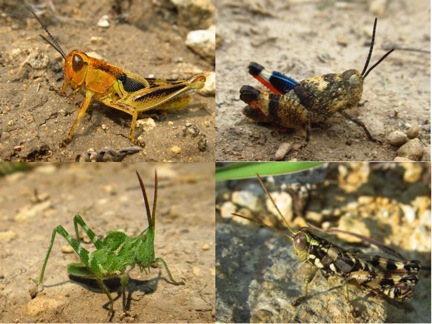
Examples of grasshopper diversity. Clockwise from the top left: Melanoplus packardii, Hadrotettix trifasciatus, Acrolophitus hirtipes, Phaulotettix eurycercus.


Prior to 2011, one of our sampling seasons (2009) was slightly drier and we found a decrease in grasshopper density and abundance. This went against many previously published observations of grasshoppers and other insect herbivores having larger populations in drier years. The proposed mechanism in the literature is that plant nutrient content actually increases with water stress. However, studies that measure the effect of water stress on plant nutrients typically use greenhouse-reared plants or crop species, and generally measure plant quality as simply a function of nitrogen content. We now know that plant dietary quality is much more complex, and in particular that herbivores actively regulate their protein and carbohydrate intake. Therefore, we decided to change course from our originally planed competition experiment. Instead, we took advantage of the coming drought to conduct a manipulative study in order to gain insights into what happens to native plants, and herbivore behavior, when the rains do not come

            We started our experiment early enough in the season to quantify, over time, the effect of water stress on the native grassland plant’s quality, quantity, and diversity. We marked off small open plots distributed across the grasslands of the Balcones Canyonlands National Wildlife Refuge. Half of these plants were left alone to suffer through the drought and we watered the other half [laboriously] by hand to mimic average summer rainfall. We did this through the growing season and took plant samples and visual grasshopper surveys monthly; in each plot individual grasshoppers were identified to species by sight. After completing each grasshopper survey, we measured grass and forb species richness, and took samples back to the lab to assess biomass and macronutrient content. Specifically, we quantified both digestible protein and nonstructural carbohydrate content in bulk samples of grass and forb tissues using biochemical assays.


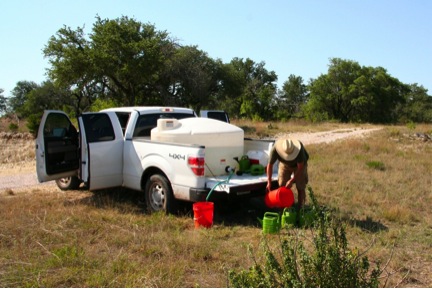
Behind the scenes of watering plots by hand in the field.

Behind the scenes of watering plots by hand in the field.


            At the end of the summer we found that drought reduced grasshopper abundance and diversity, relative to our water supplemented plots. Using our knowledge of different grasshopper species diets, we grouped species into functional feeding groups and found that functional groups responded differently to our watering treatments. Forb specialists seemed unaffected by the drought while grass-feeders and mixed-feeders (grass+forbs) were significantly less numerous in the unwatered plots. These different grasshopper responses were due to their particular feeding biology and the fact that grass and forbs responded differently to water stress. We go into more detail in the manuscript, but in short, forbs decreased in diversity and experienced a significant shift in their macronutrient profile over time, becoming less protein biased. In contrast, grass biomass was reduced by water stress, but grass protein-carbohydrate content was similar between our two water treatments.


A freshly watered plot in a parched grassland.

A freshly watered plot in a parched grassland.


Our results are significant because we used naturally-growing, drought acclimated plants, and quantified protein-carbohydrate content – which are the two most important nutrients that affect insect herbivore feeding behavior and performance. Our research provides valuable data on how plant macronutrient content, biomass, and diversity co-vary in the field, and such data can be used to parameterize models that can help us better understand how generalist herbivores forage and perform under drought conditions, which are predicted to become more common as climate change intensifies. Although more work is required, we envision the use of remote sensing technology, measuring plant quality, biomass, and diversity, to better manage insect pests in rangeland ecosystems.


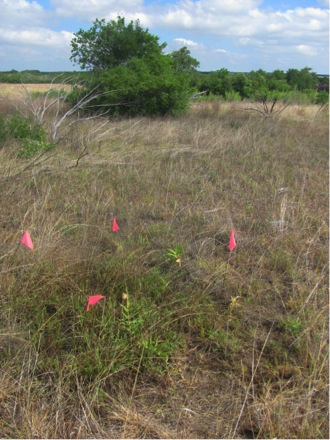
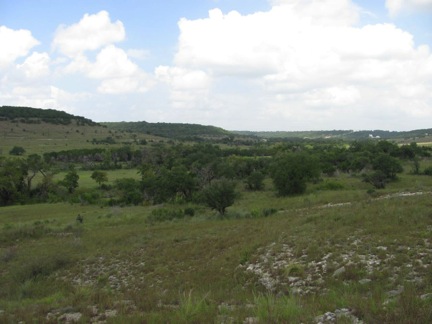
Mixed-grass oak savannah on the Balcones Canyonlands National Wildlife Refuge during a wet summer.

Mixed-grass oak savannah on the Balcones Canyonlands National Wildlife Refuge during a wet summer.

What exactly can network models predict? Updated for 2026

Ecological networks quantify the diversity of direct and indirect interactions taking place in nature. However, due to their complexity, ecologists rely heavily on the use of metrics to summarize aspects of network structure thought to be of biological importance. Many of these structural features are non-random and strongly conserved across diverse habitats and species assemblages, begging the question: what factors determine network structure? The most successful hypotheses to explain these patterns are the neutrality and biological constraints hypotheses, which posit that species interactions can be explained by trait mismatches, and relative abundances respectively. In the Early View paper “Species traits and relative abundances predict metrics of plant-pollinator network structure, but not pairwise interactions” in Oikos, we Colin Olito and Jeremy W. Fox, evaluate the relative ability of trait-based and neutral models of species interactions to explain the structure of a temporally resolved alpine plant-pollinator visitation network.


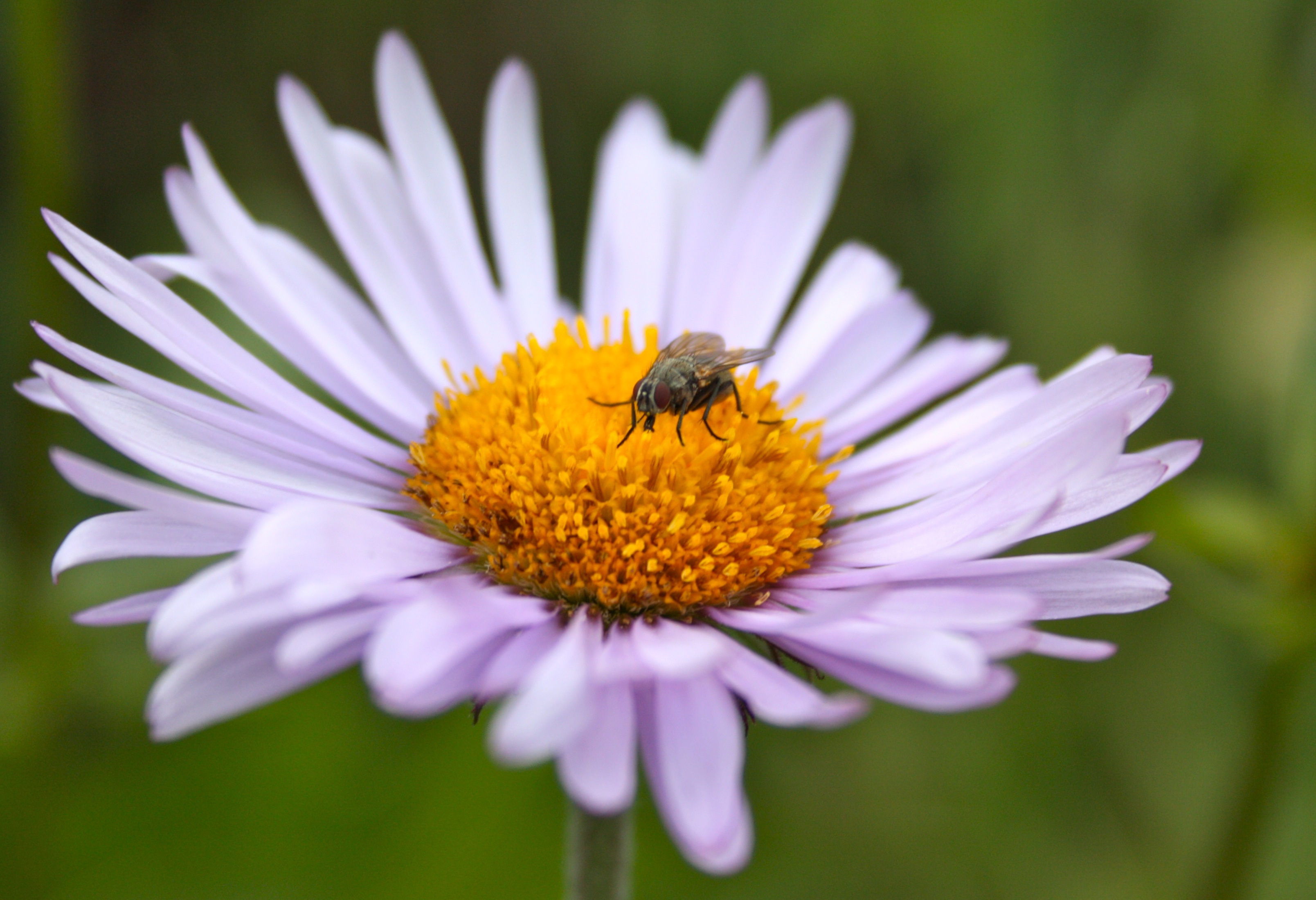
An unidentified muscid visiting Erigeron peregrinus. Although their charm often goes unappreciated, flies are by far the most diverse and abundant pollinators in the alpine. Interestingly, many of their behaviours that facilitate pollination differ markedly from more intensively studied foraging pollinators, such as bumblebees. Understanding their crucial role in alpine and high-latitude plant-pollinator communities will require a greater understanding of both their reproductive and foraging biology. Photo credit: Martin Fees.

An unidentified muscid visiting Erigeron peregrinus. Although their charm often goes unappreciated, flies are by far the most diverse and abundant pollinators in the alpine. Interestingly, many of their behaviours that facilitate pollination differ markedly from more intensively studied foraging pollinators, such as bumblebees. Understanding their crucial role in alpine and high-latitude plant-pollinator communities will require a greater understanding of both their reproductive and foraging biology. Photo credit: Martin Fees.

As our title suggests, species traits and relative abundances successfully predicted every metric of network structure tested, but failed to predict observed interactions. That is, a variety of models can predict network metrics well, but for the wrong reasons. We explore the implications of this contrast, and highlight potential problems with the use and interpretation of network metrics. We also found that species phenologies (the timing of flowering or pollinator activity) always out-performed neutral models at predicting pairwise interactions, and discuss limitations of neutral models of network structure, particularly when species interactions are under-sampled. We suggest that future progress in explaining the structure and dynamics of ecological networks will require new approaches that emphasize accurate prediction of species interactions rather than network metrics, and better reflect the biology underlying species interactions.

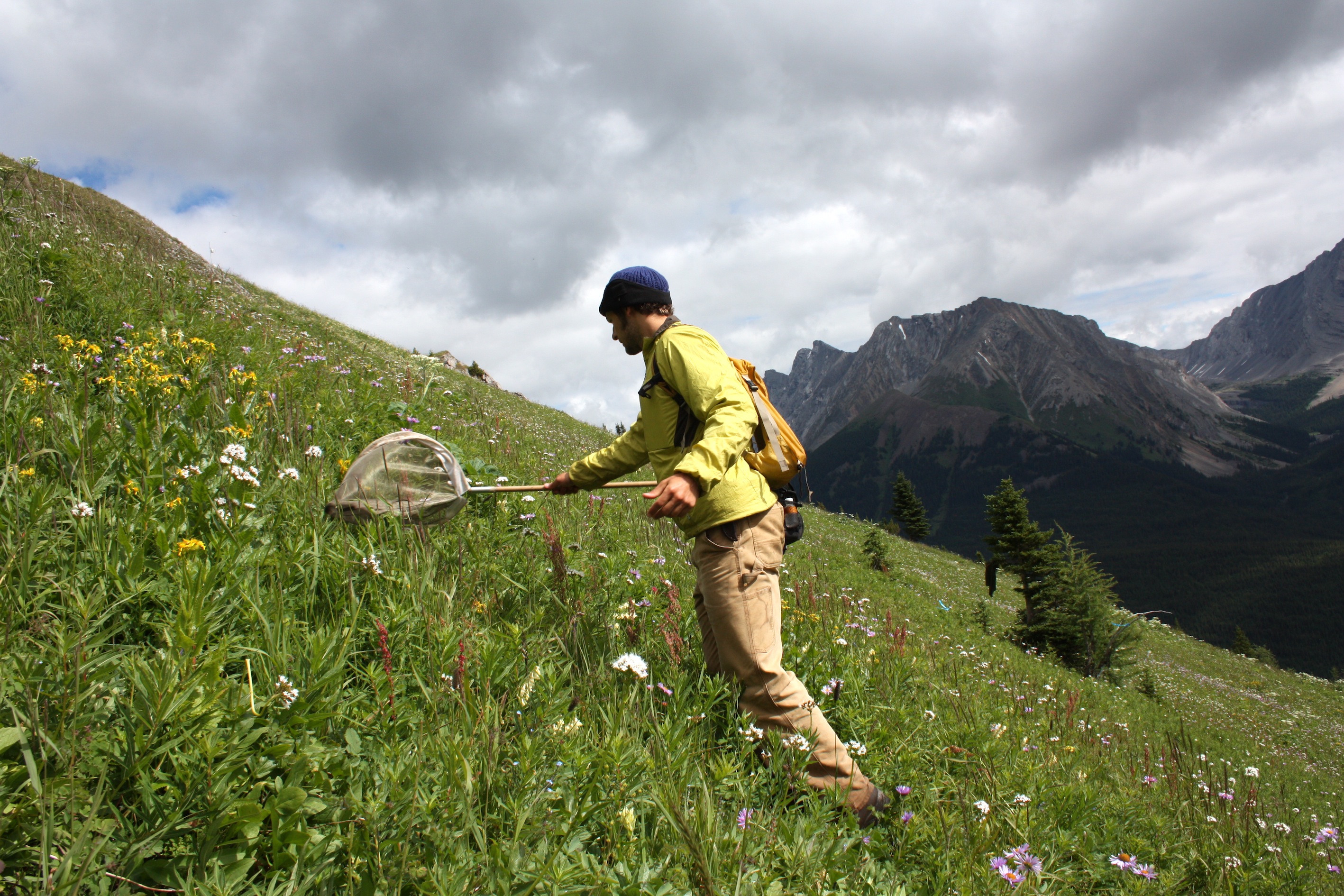
Sampling plant-pollinator interactions in a low-alpine meadow in Kananaskis Country, Alberta, Canada. Photo credit: Martin Fees.

Sampling plant-pollinator interactions in a low-alpine meadow in Kananaskis Country, Alberta, Canada. Photo credit: Martin Fees.

Human consumption driving wildlife loss Updated for 2026


Human pressure has halved the numbers of many of the Earth’s wild creatures in just four decades, the Worldwide Fund for Nature says.

While the main recorded threat to biodiversity comes from habitat loss and degradation, it found, climate change is a growing concern. Both are driven by unsustainable human consumption.

WWF’s Living Planet Report 2014 says that vertebrate wildlife populations have declined by an average of just over half, with freshwater species suffering a 76% decline, almost double the average loss of land and ocean species.

In a foreword the director-general of WWF International, Marco Lambertini, writes: “This latest edition of the Living Planet Report is not for the faint-hearted.

“One key point that jumps out is that the Living Planet Index (LPI), which measures more than 10,000 representative populations of mammals, birds, reptiles, amphibians and fish, has declined by 52% since 1970.

“Put another way, in less than two human generations, population sizes of vertebrate species have dropped by half.”

The Report is based on the Index, a database maintained by the Zoological Society of London(ZSL).

Industrial-scale killing

According to WWF, the state of the world’s biodiversity “appears worse than ever.” But it is confident in the robustness of its findings:

“This is a much bigger decrease than has been reported previously, as a result of a new methodology which aims to be more representative of global biodiversity.”

The authors calculated the decline by analysing 10,000 different populations of 3,000 vertebrates. This data was then, for the first time, used to create a representative Living Planet Index, reflecting the state of all 45,000 known vertebrates. The consequences, it shows, can be drastic.

Last week conservationists said that elephant poaching was now happening on an unprecedented and “industrialised” scale in Mozambique, after 22 of the animals were killed for their tusks in the first two weeks of September. Numbers of some marine turtles are estimated to have dropped by 80%.

Professor Ken Norris, director of science at the ZSL, said: “The scale of biodiversity loss, and damage to the very ecosystems that are essential to our existence is alarming. This damage is not inevitable but a consequence of the way we choose to live.”

There is wide disagreement about the number of species on Earth. In 2007, when the total was estimated by many scientists at around 1.5 m (it is now thought to be 8.7 m) the number of vertebrate species was put at about 60,000 in the IUCN Red List.

WWF says too that humans are using more resources than the Earth can continue to provide, felling trees more quickly than they can regrow, for example, catching fish faster than they can reproduce, emptying rivers and aquifers – and emitting too much carbon for natural systems to absorb.

Boundaries crossed

The Report devotes a section to the idea of the Ecological Footprint, the sum of the ecological services that people demand which compete for space. For more than 40 years, it says, humanity’s demand on nature has exceeded what the planet can replenish, principally through climate change.

“Carbon from burning fossil fuels has been the dominant component of humanity’s Ecological Footprint for more than half a century, and remains on an upward trend. In 1961, carbon was 36% of our total Footprint; by 2010, it comprised 53%.”

WWF urges respect for “planetary boundaries” beyond which humanity will “enter a danger zone where abrupt negative changes are likely to occur.”

It says “three planetary boundaries appear to have already been transgressed: biodiversity loss, and changes to the climate and nitrogen cycle, with already visible impacts on the well-being of human health and our demands on food, water and energy.”

The Report argues for the diversion of investment away from the causes of environmental problems and towards solutions, and for “ecologically informed” choices about how we manage resources.

Next year world leaders are due to conclude two critical global agreements: the post-2015 development framework, which will include Sustainable Development Goals intended to be met by all countries by 2030; and a UN treaty leading to effective action to cut greenhouse gas emissions.


The report: Living Planet Report 2014.

Alex Kirby writes for Climate News Network.

Also on The Ecologist


384780